Breadbasket of the World in Transformation | Event Preview

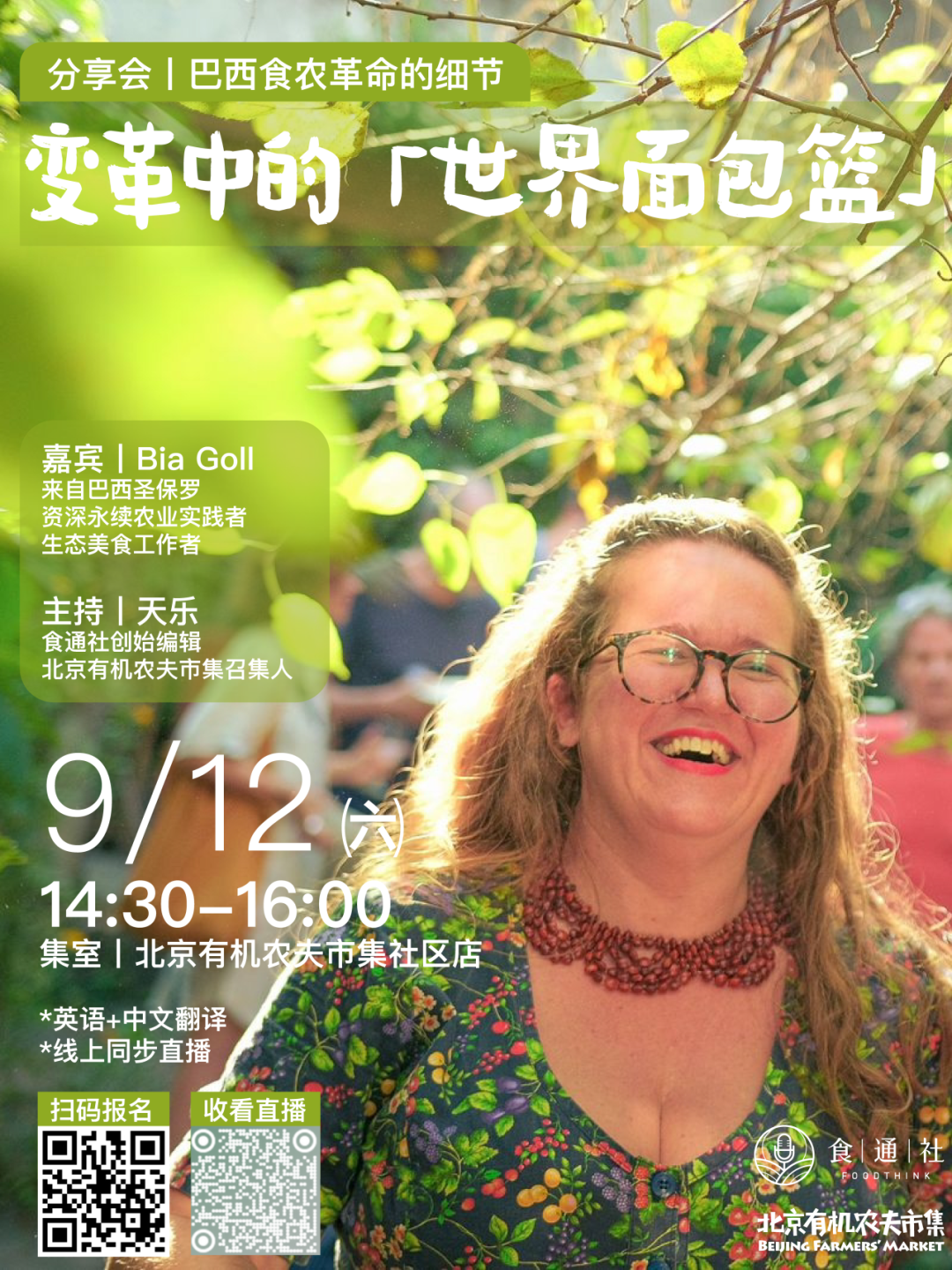
Brazil is one of the world’s most important producers of grain and meat, earning it the name “Breadbasket of the World”. It is also one of the largest consumers of pesticides and chemical fertilisers. The beef we eat day to day very likely comes from there.
Over the past decade or so, two diametrically opposed trends have emerged in this Breadbasket of the World. On one hand, industrial agriculture continues to expand, gradually encroaching on natural resources essential to the global ecosystem, such as the Amazon rainforest. On the other, a food and farming revolution is underway: an increasing number of small family farms are shifting to agroecology, while grassroots movements such as the Landless Workers’ Movement are organising smallholder farmers and connecting them with markets.
The latter is, in essence, both a resistance to and a response to the former. It also reflects how, in a major agricultural power like Brazil, the public and the government are re-examining the existing system:
-
The Urgency of the Climate Crisis: Global climate change is posing serious challenges to traditional agricultural models.
-
Re-examining Pesticide Use: Brazil is one of the world’s largest users of pesticides, and a growing body of evidence suggests that heavy pesticide use may be linked to rising incidence of certain cancers and neurological diseases.
-
National Sovereignty and Ecological Protection: There are ever-growing calls at the political level to protect Brazil’s water resources, forests and biodiversity, and to safeguard national sovereignty.
-
Protecting Community Rights: Pressure and demand are mounting to establish more protected territories for Indigenous peoples and other traditional communities.
In this context, as a major destination for Brazilian agricultural exports, we need to understand both these trends in Brazilian agriculture and the differing environmental, social and political-economic impacts they bring. Rather than the large industrialised farms that primarily produce commodity crops and livestock for export—soy, maize, sugar and beef—this talk will turn its gaze towards small-scale family farming, for it is these farms that produce the bulk of the food actually served on Brazilians’ dinner tables.
Although most smallholder farmers in Brazil still use chemical inputs, the movement towards agroecology—free of pesticides and reliant on natural fertilisers—is growing steadily. More and more farmers and communities are actively researching and experimenting with food production methods that do not depend on synthetic chemicals.
Consumers are also becoming a key driving force behind this transformation. As the organic food market booms, people are beginning to openly discuss how food is produced and are expressing a strong desire for healthier, safer and more sustainable food. One could say that a genuine systemic shift begins when the producers of food (farmers) and its consumers (the public) come to realise they are inseparable parts of the same system.
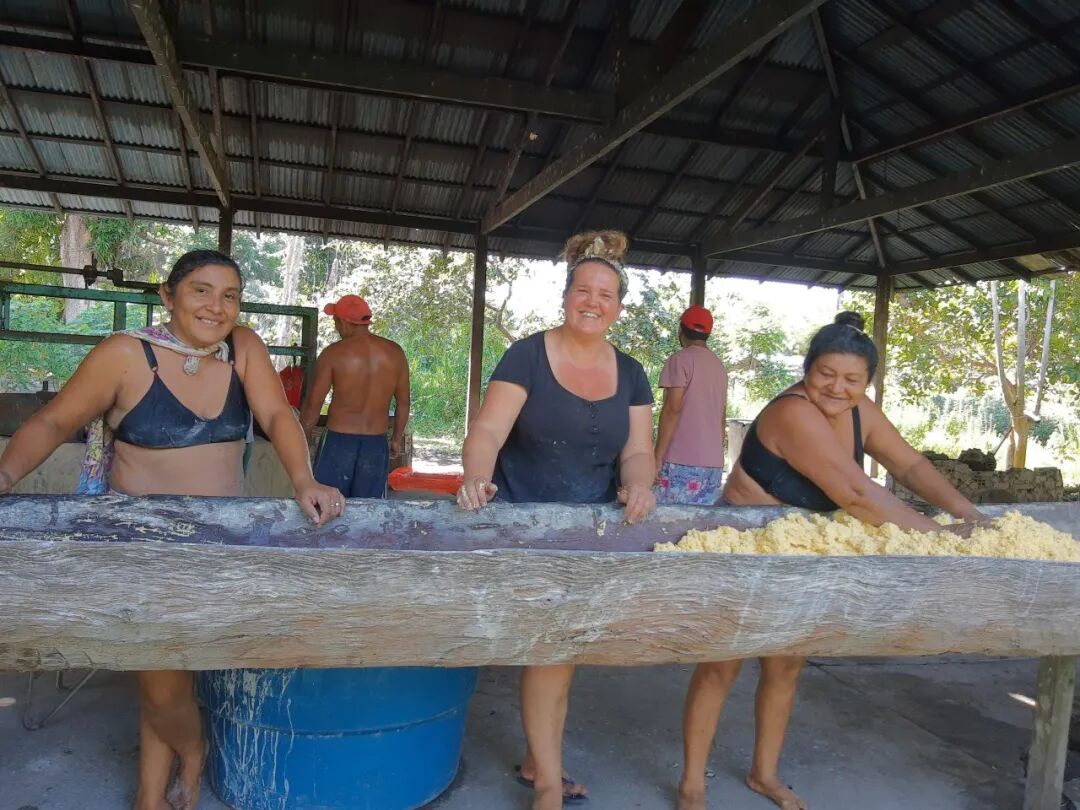
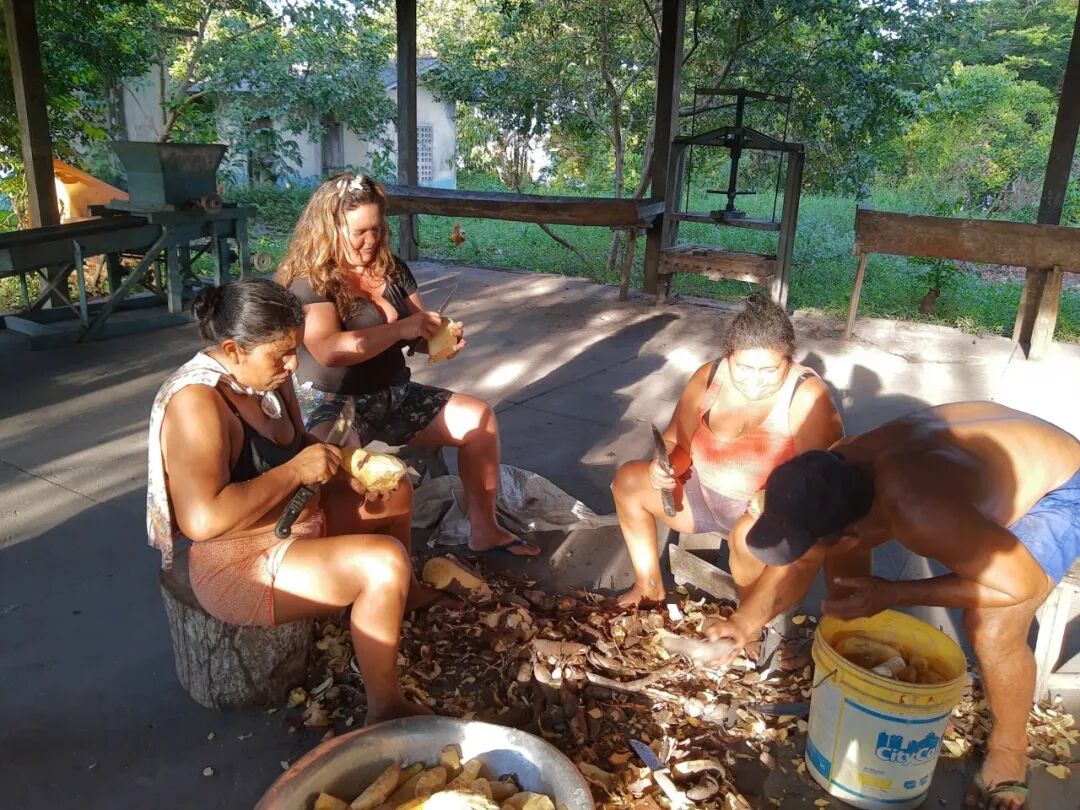
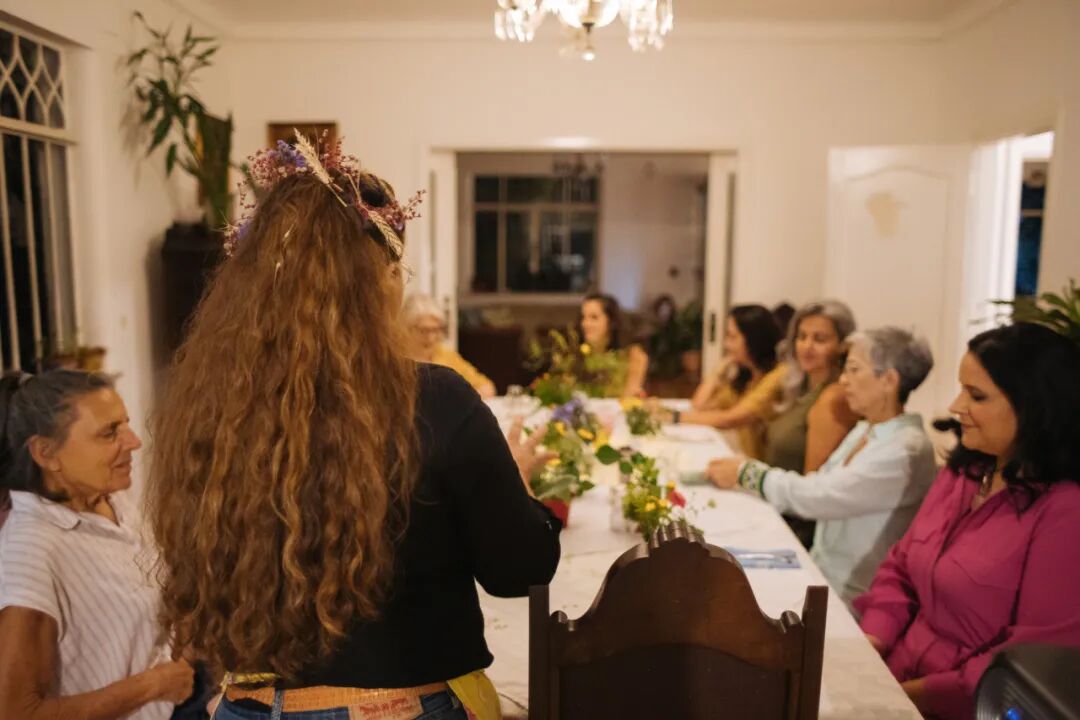
◉The guest speaker for this session, Bia Goll, has carried out diverse work in rural and urban Brazil over many years.
On Saturday, 12 September, from 2:30 to 4:00 pm, we will welcome Bia Goll, an experienced food and farming practitioner from Brazil, who will share the specifics of Brazil’s food and farming revolution through her work over the past twenty-plus years.
-
Why has Brazil, the “Breadbasket of the World”, had to confront a shift in its traditional agricultural model over the past decade?
-
Why is small-scale family farming, rather than large commercial estates, the key to Brazil’s food security and future?
-
How exactly do these family farms grow their food? What do they care about?
-
How has Brazilian family farming gradually broken free from dependence on pesticides and chemical fertilisers in practice, moving towards agroecology?
-
How can consumers use their own choices to drive change back to the production end of the food chain?
-
Whether as a producer or a consumer, how should we understand our role within the food system as a whole, so that we can work together to advance this sustainable transition?
-
Bia has run an eco-restaurant, conducted food and farming education for many years, and collaborated with the government to build edible landscapes in the city. What observations and reflections does she offer?
Readers in Beijing are welcome to sign up for the in-person event. To register, please scan the QR code on the poster or click “Read the Original” at the end of the article.
Those who are not in Beijing or unable to attend in person are also welcome to reserve a spot on the livestream:
– Speaker –
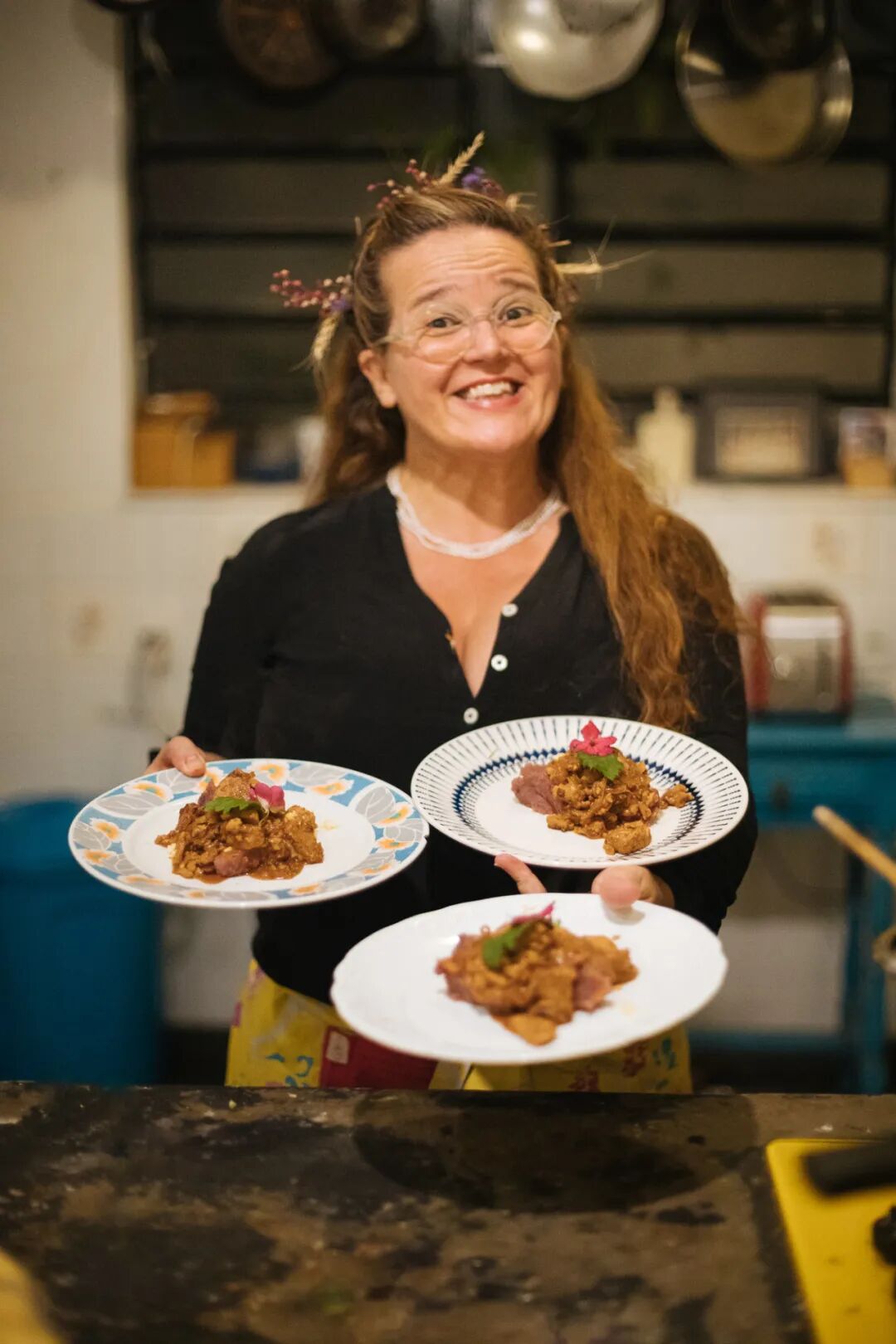
Bia Goll
From São Paulo, Brazil, she is an experienced practitioner of permaculture and eco-gastronomy. Over two decades, she has dedicated herself to practising sustainable food systems: from helping farms transition to organic farming, to designing edible gardens, to running workshops that change the way people eat.
From 2007 to 2015, Bia ran Otto Bistrot restaurant in São Paulo, insisting on non-industrialised ingredients and bringing permaculture courses and art exhibitions into the restaurant space. Since 2012, she has provided menu development consultancy for schools, businesses and restaurants, and helped ranches and farms transition from conventional to organic farming. Since 2015, she has consistently organised zero waste events of various scales.
In 2023, Bia collaborated with the São Paulo city government to launch the Renda Guaianaz project in the far eastern suburbs. Working with the local community to co-create a land art park, they planted and consumed more than eight thousand plants, and offered free permaculture and eco-gastronomy courses throughout the year. She has also carried out food art interventions at exhibitions in Berlin, Paris and Mexico City, and designed eco-gardens, tiny forests and kitchen gardens for municipalities, schools and businesses.
Bia’s work has taken her to nearly twenty countries around the world, where she has extensively researched artisanal food production and the building of sustainable gardens. She has also collaborated with the Landless Workers’ Movement (MST), Indigenous communities and urban fringe communities, using workshops and immersive experiences to open people’s eyes to new ways of understanding food.
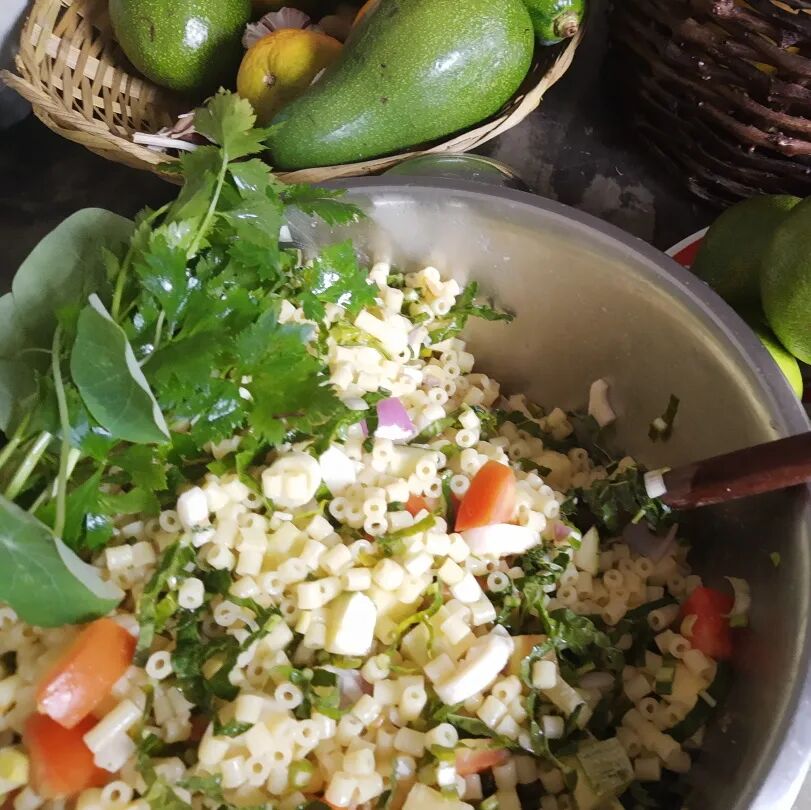
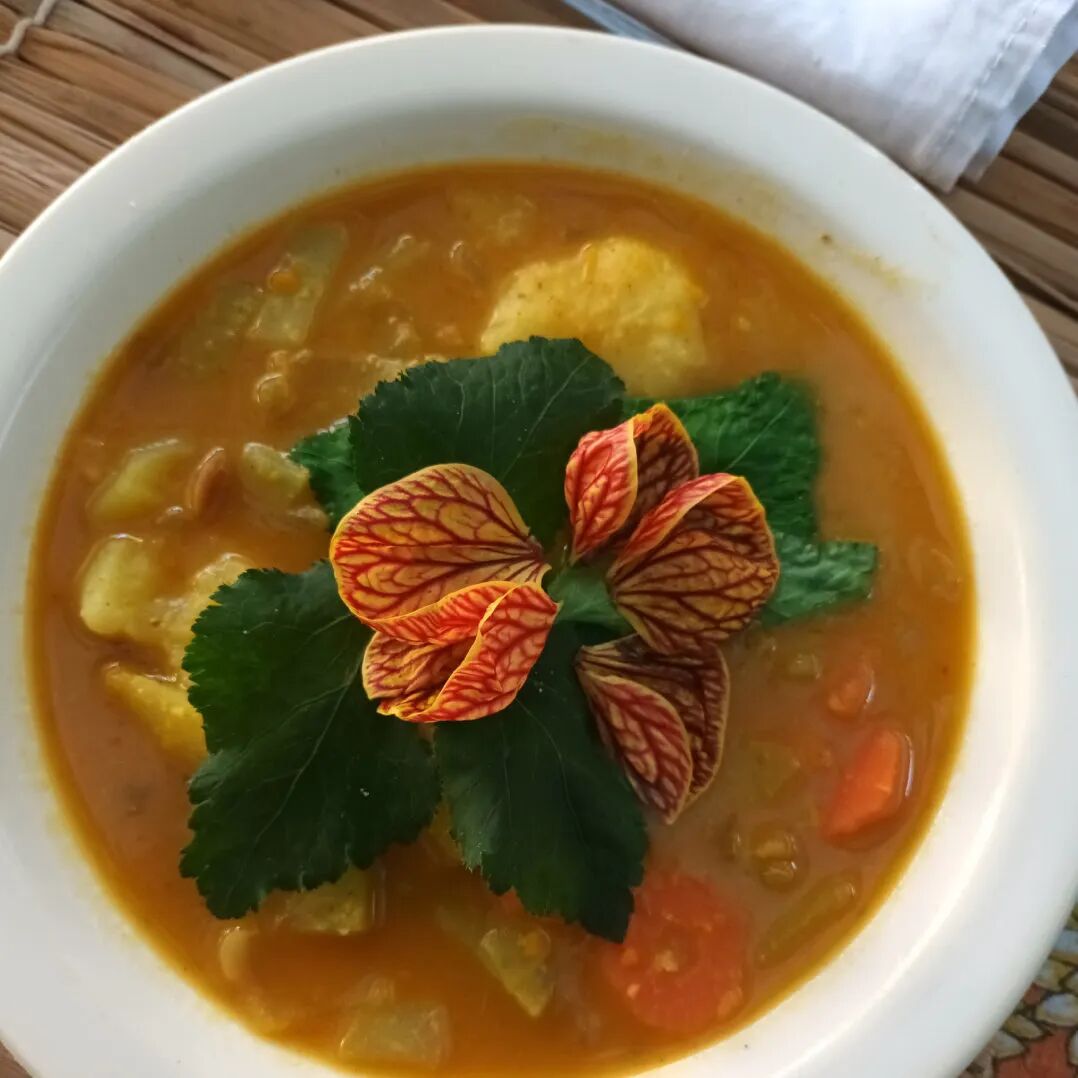
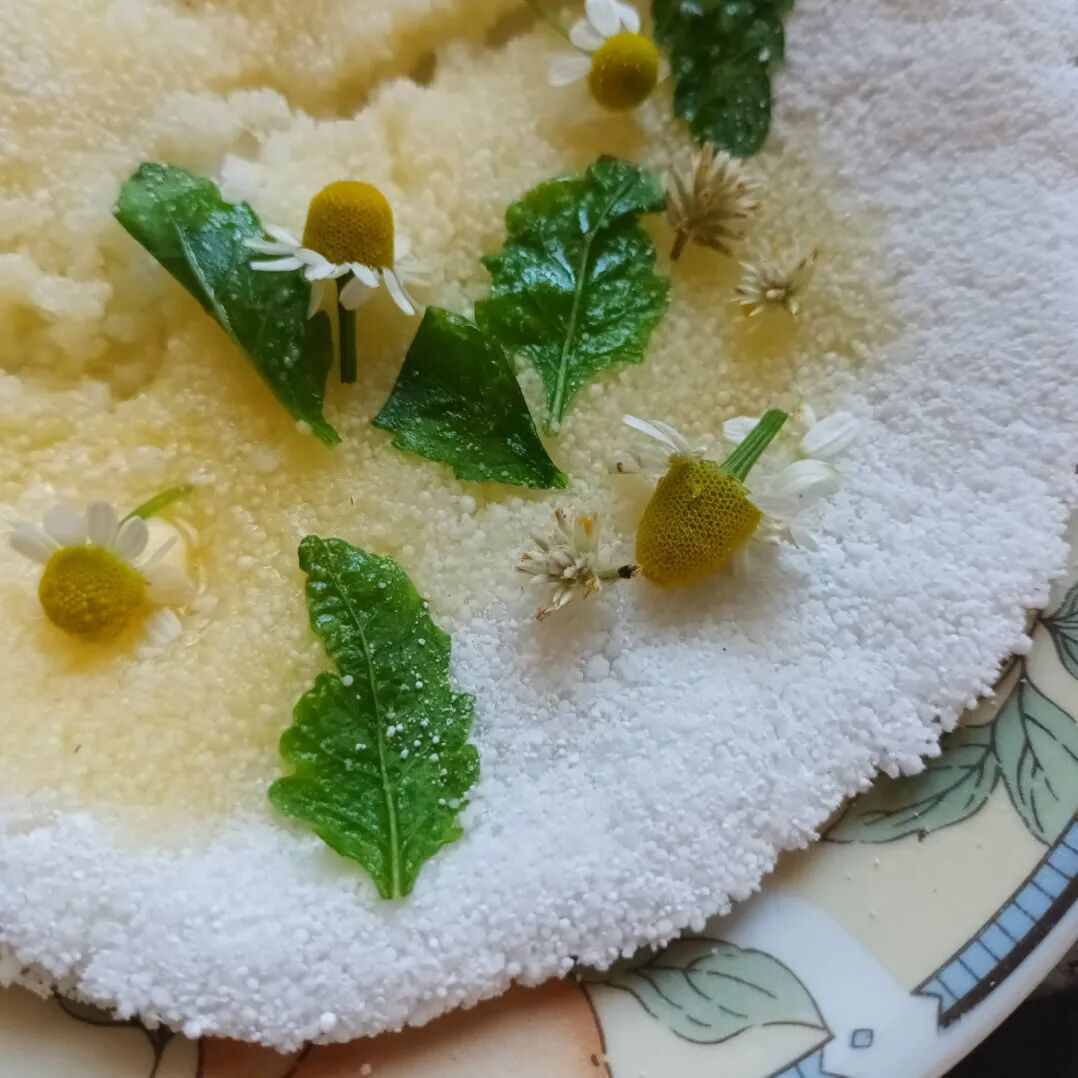
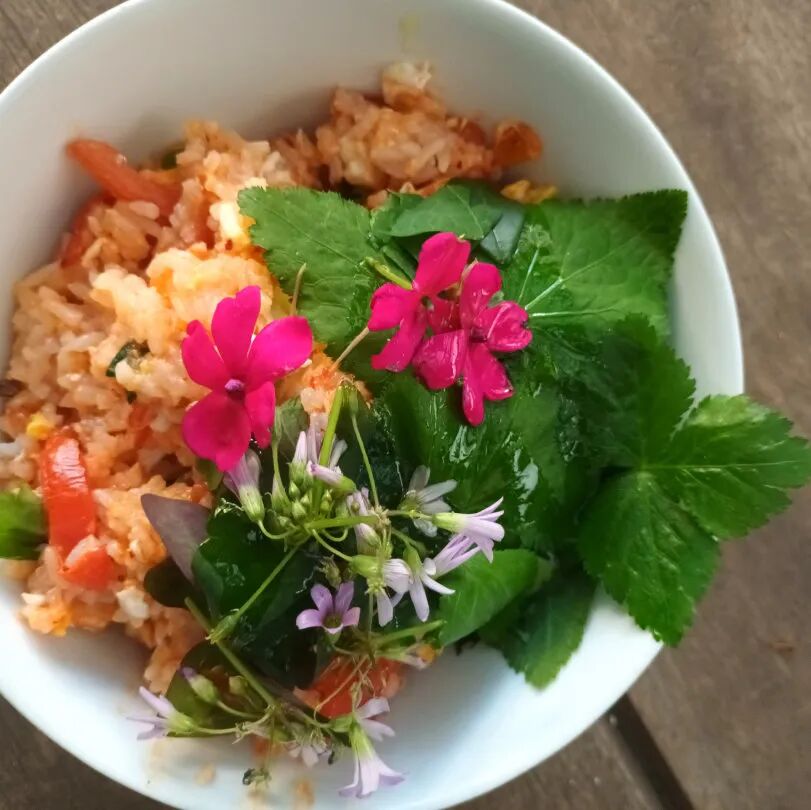
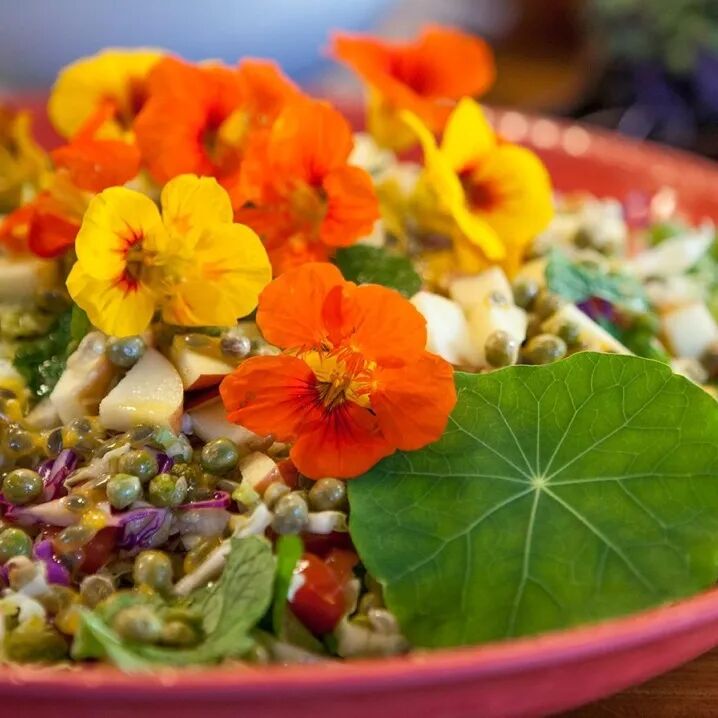
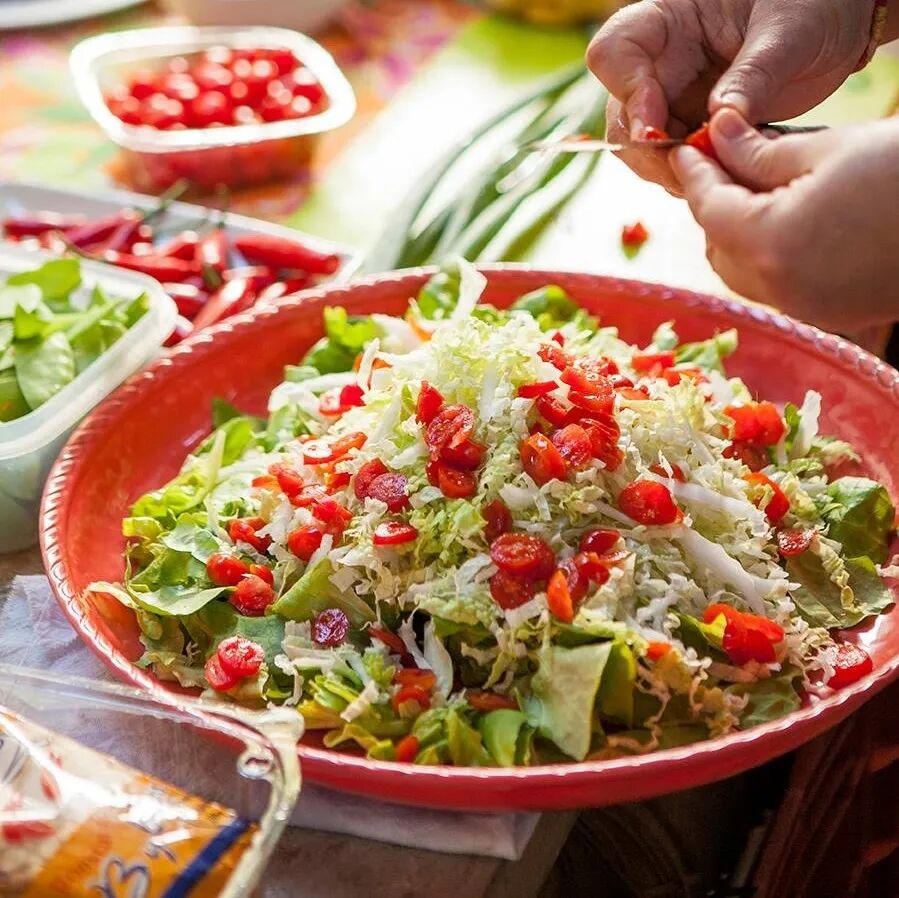
◉As an eco-chef, Bia Goll loves weaving ecological principles into her cooking.
– Moderator –
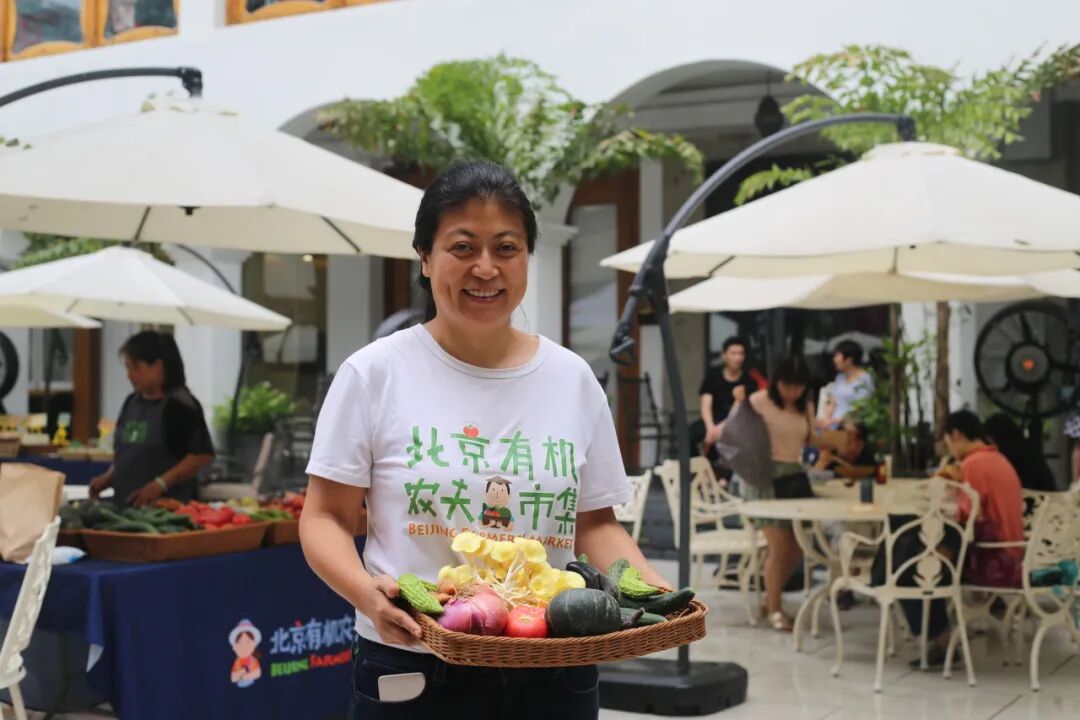
Tianle
Founding editor of Foodthink and convener of the Beijing Organic Farmers’ Market.
– How to Participate –
Format
In-person (Beijing) + online livestream; English with Chinese interpretation
Date and Time
Saturday, 12 September 2026
14:30-16:00
Venue
Beijing Organic Farmers’ Market Community Shop – Jishi (Lixiang branch)
How to Attend In Person
You must scan the QR code to complete the registration form.

Online Livestream Booking
(Replay Available)
You are also welcome to join the Foodthink discussion group.
Scan the QR code below to add Shitong-jun
Note 巴西 (“Brazil”) to join the sharing session discussion group

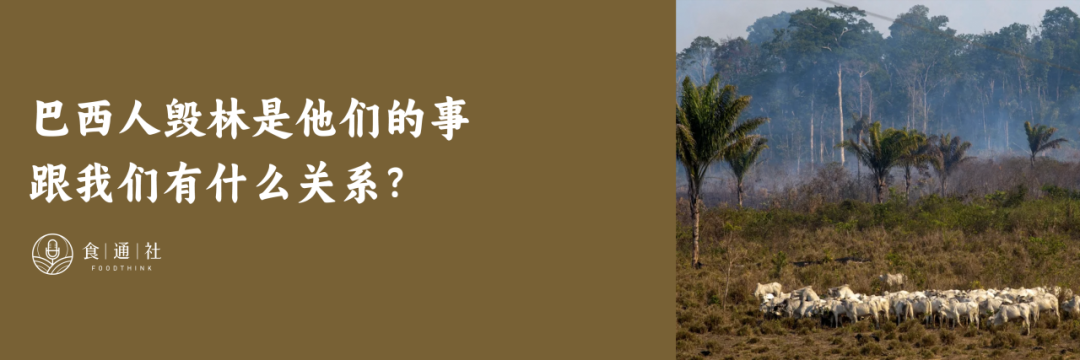
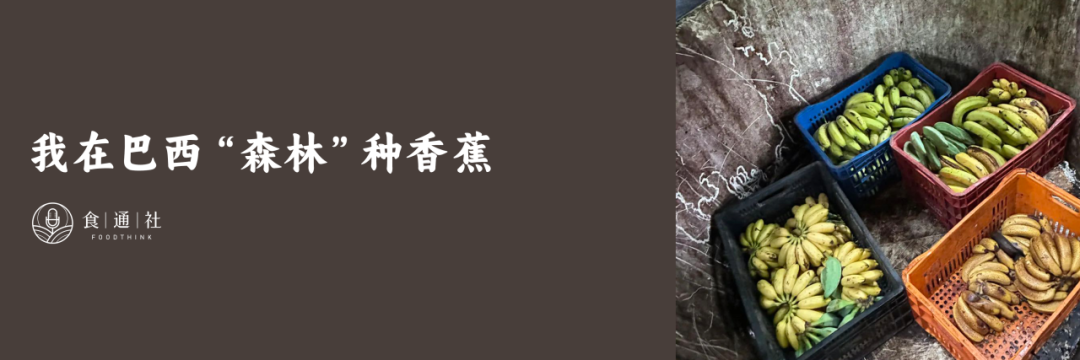
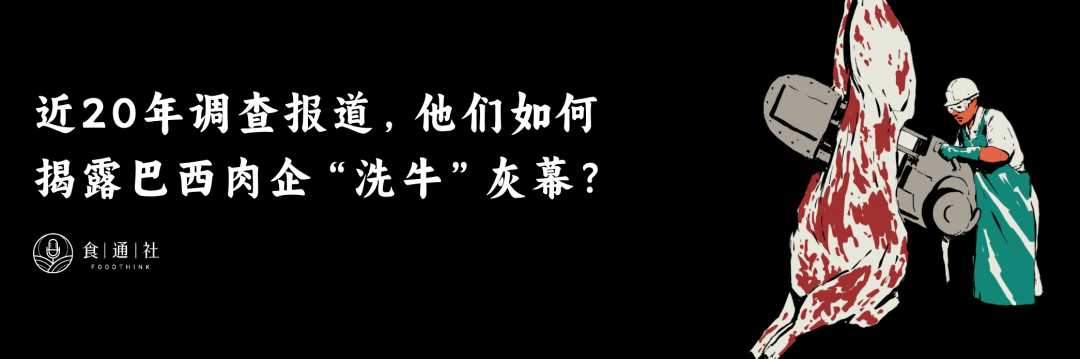
For more stories about Brazilian agriculture, click the images below to read
Coordinators: Tianle, Wang Shuzhe
Poster: Z X
Layout: Xiaoshu
Scan the QR code to tip and support original Foodthink content
▼

▼
Click a keyword to access more article collections
Seeds | Farming Techniques | Policy | Fermentation | Nutrition | Fruit | Fisheries | Events | Recruitment | Takeaway | Farmers’ Markets | Livestock Farming | Food Talk | Sharing Sessions | Book Clubs | Harvest Festival | Smallholder Stories | Climate Change | Rural Development | Cooperative Economy | Urban Farmers | Food Safety | Digital Technology | Biodiversity | Pandemic and Food | False Solutions | Agroecology Internship Programme
Beijing | Hebei | Shanghai | Guangdong | Guangxi | Henan | Sichuan | Jiangxi | Xinjiang | Shaanxi | Hong Kong | Chongqing | Zhejiang | Jiangsu | Guizhou | Taiwan | Inner Mongolia | Philippines | Canada | Russia | Mexico | Italy | United States | United Kingdom | Germany | Netherlands | Thailand | Sweden | Japan