Want to Return to the Countryside and Run a Farm? Come and Learn Ecological Agriculture Techniques First | Registration Closes 20 October

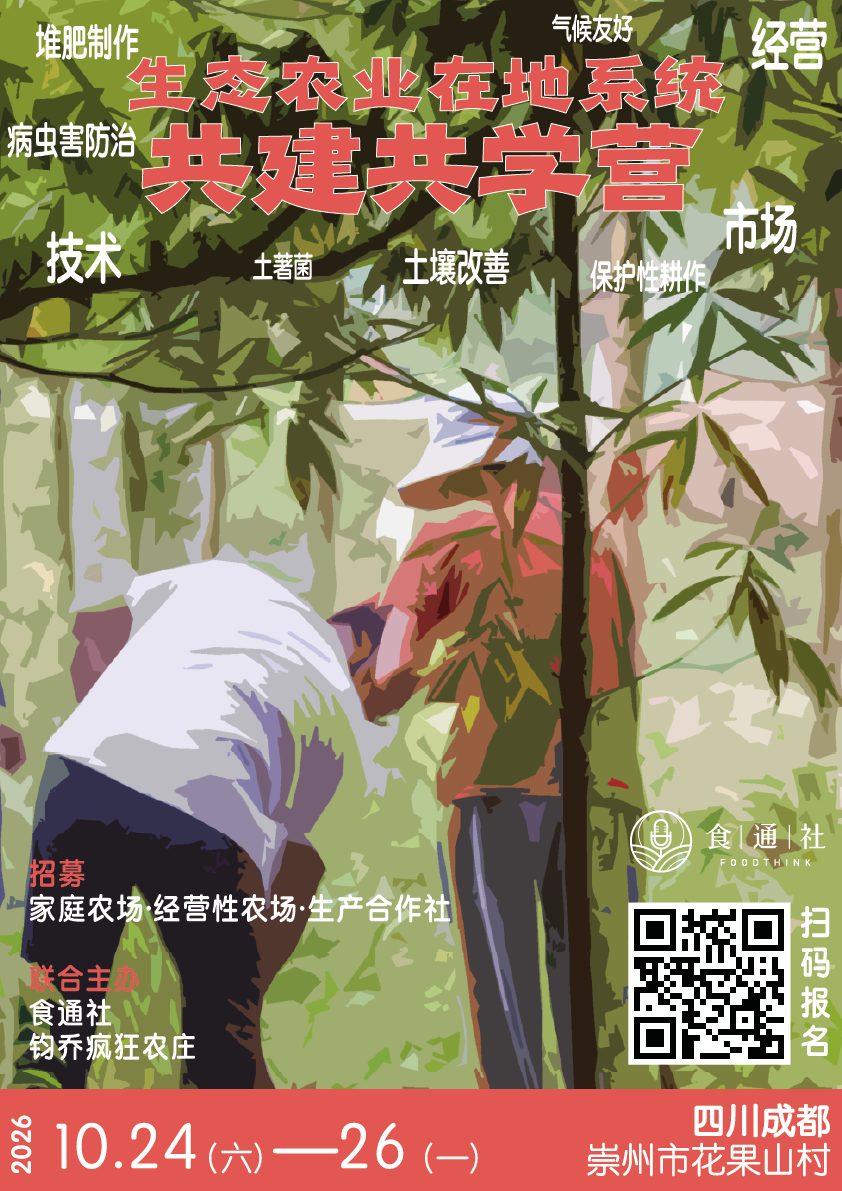
●Registration for the Ecological Agriculture Local System Co-Building and Co-Learning Camp – Chengdu edition will close on 20 October 2026. Only a handful of places remain; we welcome early sign-up.
As a not-for-profit platform advocating sustainable food and farming systems, Foodthink published an “Ecological Agriculture Training Needs Assessment Survey” in early 2024, gaining a comprehensive picture of the ecological agriculture technology needs of small- and medium-scale ecological farmers and farmers’ cooperatives across the country.
In response to the needs expressed by farmers around the country, Foodthink invited two instructors, Luo Lishuang and Huang Guoliang, to lead the programme, together with experienced practitioners such as Wei Guanghai and Zhou Ciyu serving as farm mentors. In 2024, 2025 and 2026, three editions of the “Ecological Agriculture Local System Co-Building and Co-Learning Camp” were held at two communities in Guangdong and in Yangqiao Village, Lianhua County, Pingxiang City, Jiangxi.
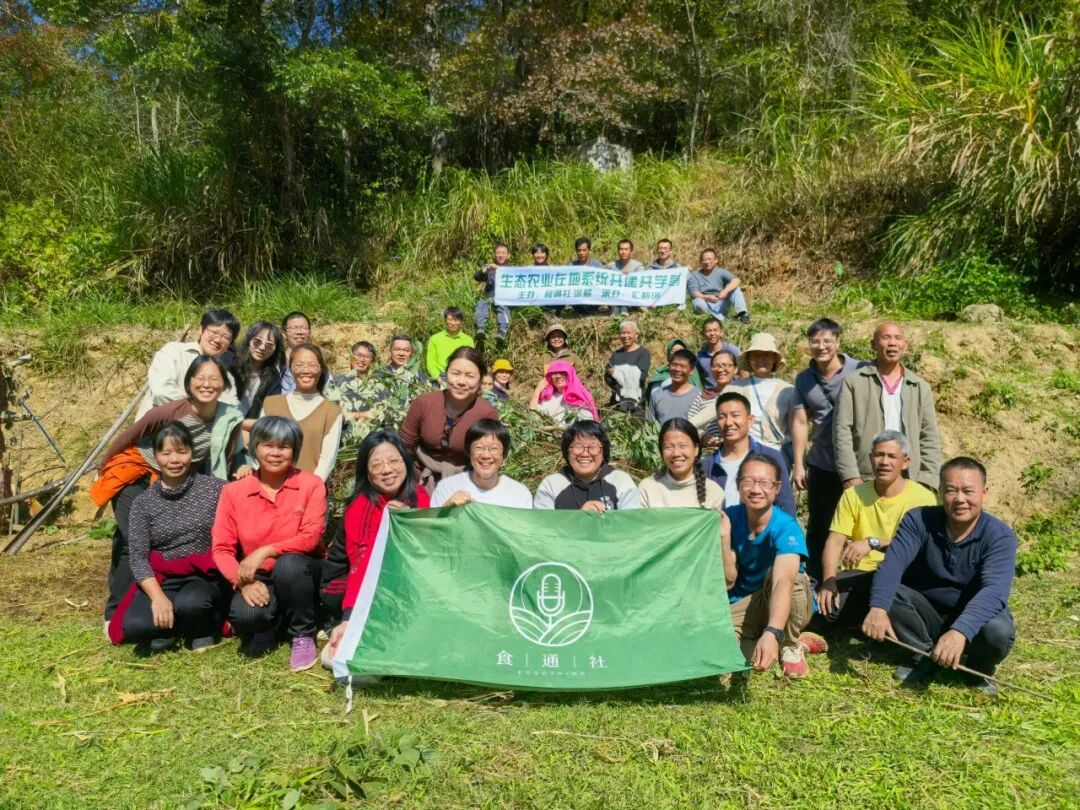
●The first edition of the co-learning camp was held in Xianniangxi, Conghua, Guangzhou. Photography: Atang
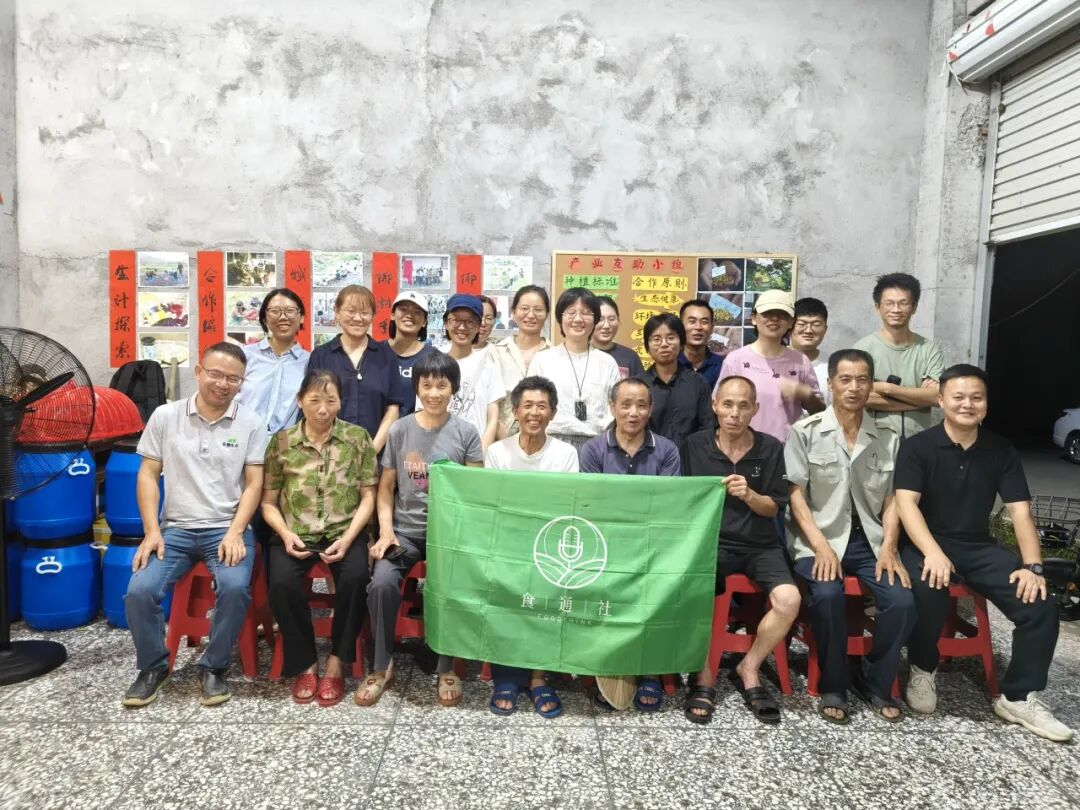
●The third edition of the co-learning camp came to Yangqiao Village, Lianhua County, Pingxiang City, Jiangxi.
For many people, farming seems so easy that just having hands is enough. In reality, this is the greatest misconception about agriculture. Across the three days of the co-learning camp, the curriculum will cover three major themes – soil, plants, and animals – starting from the fundamentals and clearly explaining the underlying logic of crop growth. Over these days, we will work together to find production techniques and methods that strike a balance. These approaches can address the issues farmers care about most: yield, quality, and cost. At the same time, practical sessions on composting, fermented plant extract preparation, soil and field observation will allow participants to put theory into practice with their own hands and take it back to their farms.
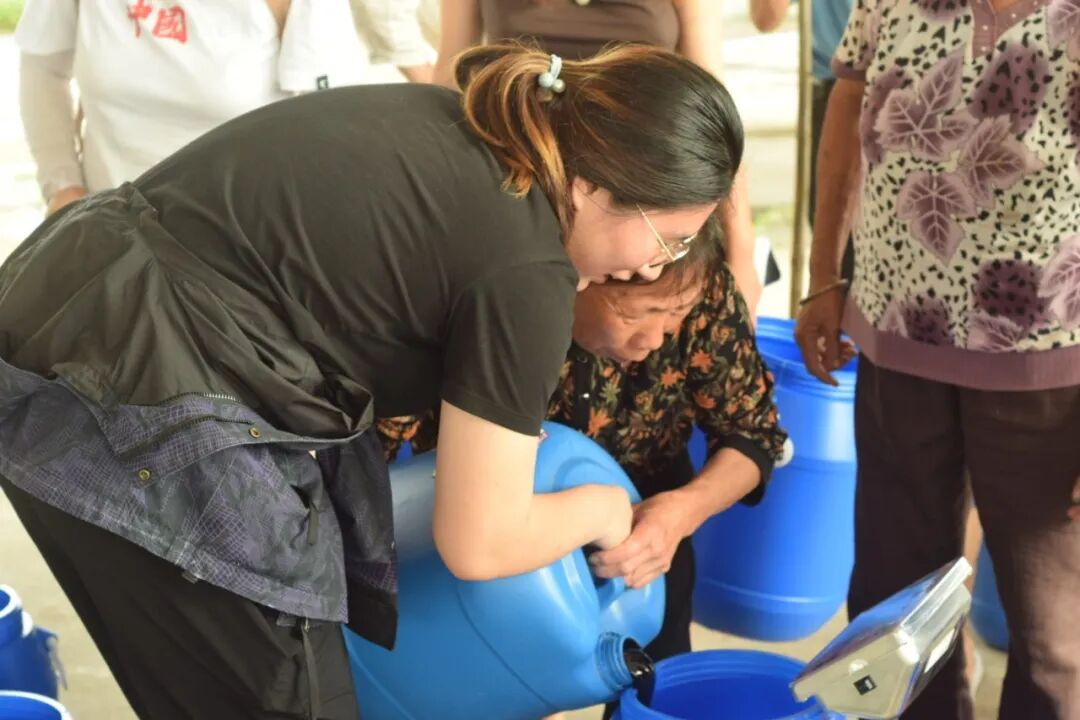
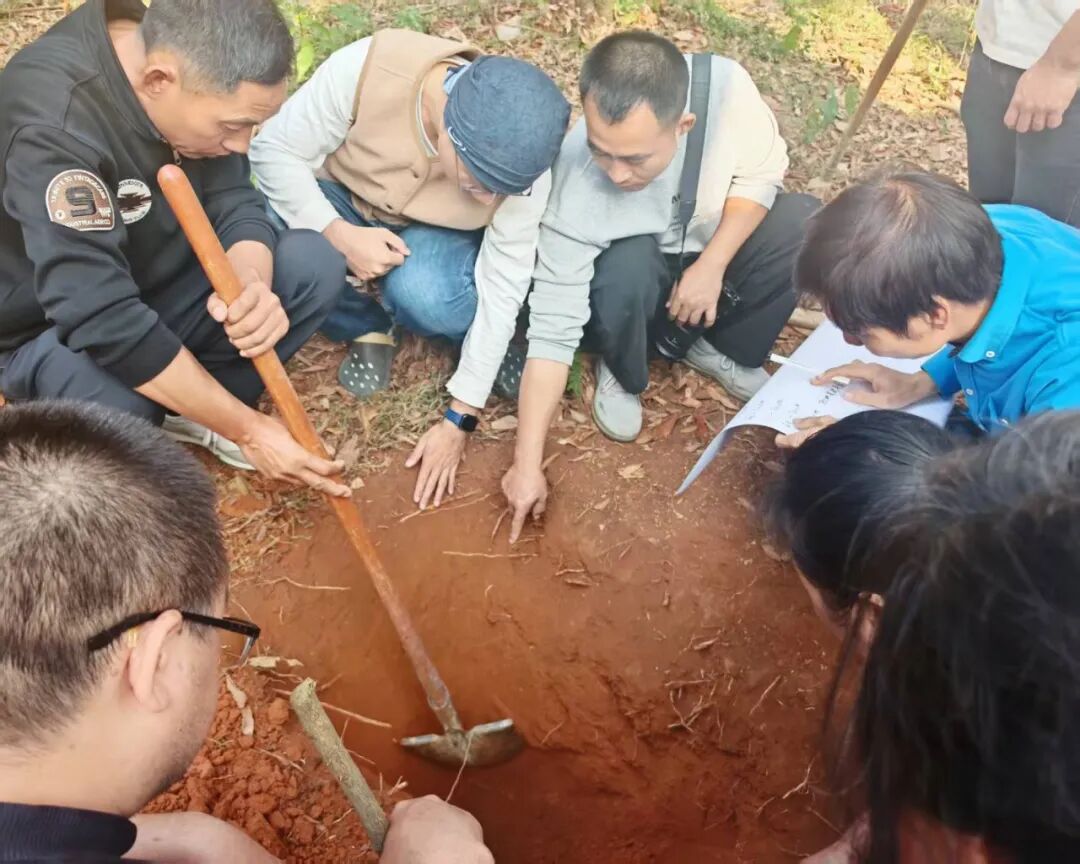
●During the co-learning camp, participants make fermented plant extract and observe the soil, guided by farm mentors.
For farmers already on the ecological path, this is not just a technical training; it is a chance to weave their scattered experience into a coherent system. Some came away with a clearer understanding of the elements plants need to grow, finally grasping the underlying logic of composting and fermented plant extract production, learning how to make compost and amino acid fertilisers such as fish protein hydrolysate, and understanding “how to nurture good soil”. Others gained insights into crop management, for example, the optimal timing for applying polytrichous fungus, and how to improve fruit sugar content through field observation. Participants starting from scratch said that hands-on workshops on making fermented plant extract and compost – theory coupled with practice – left them feeling truly enriched.
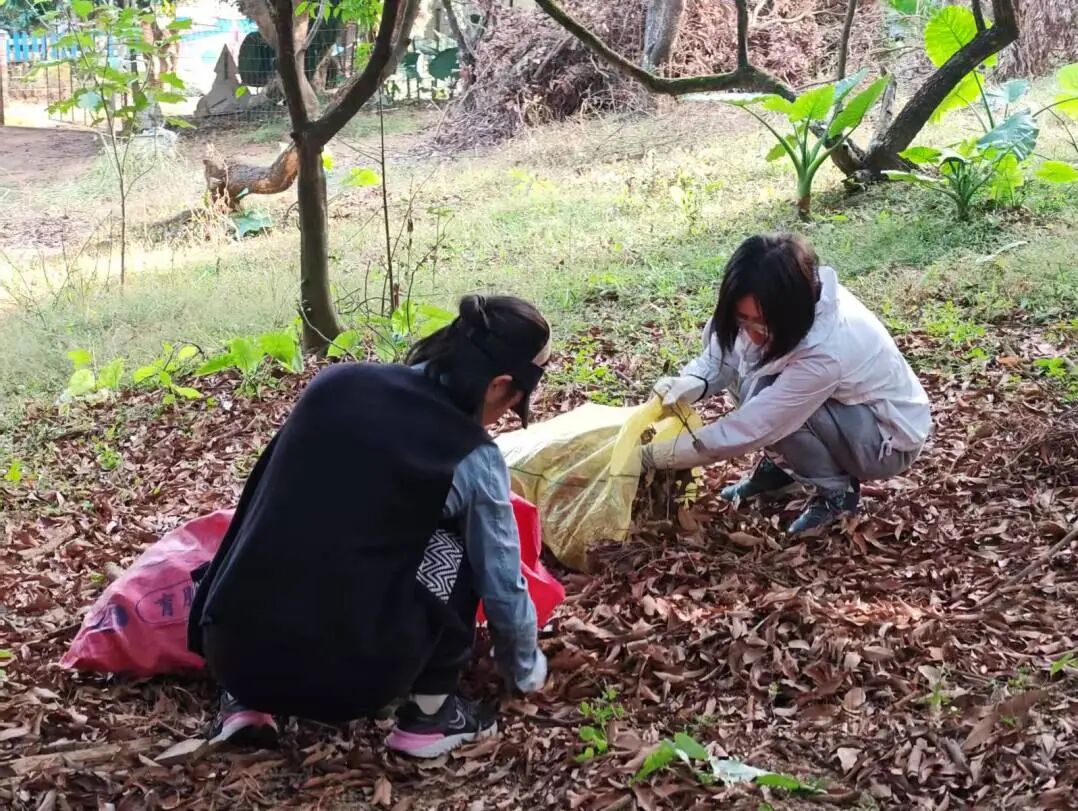
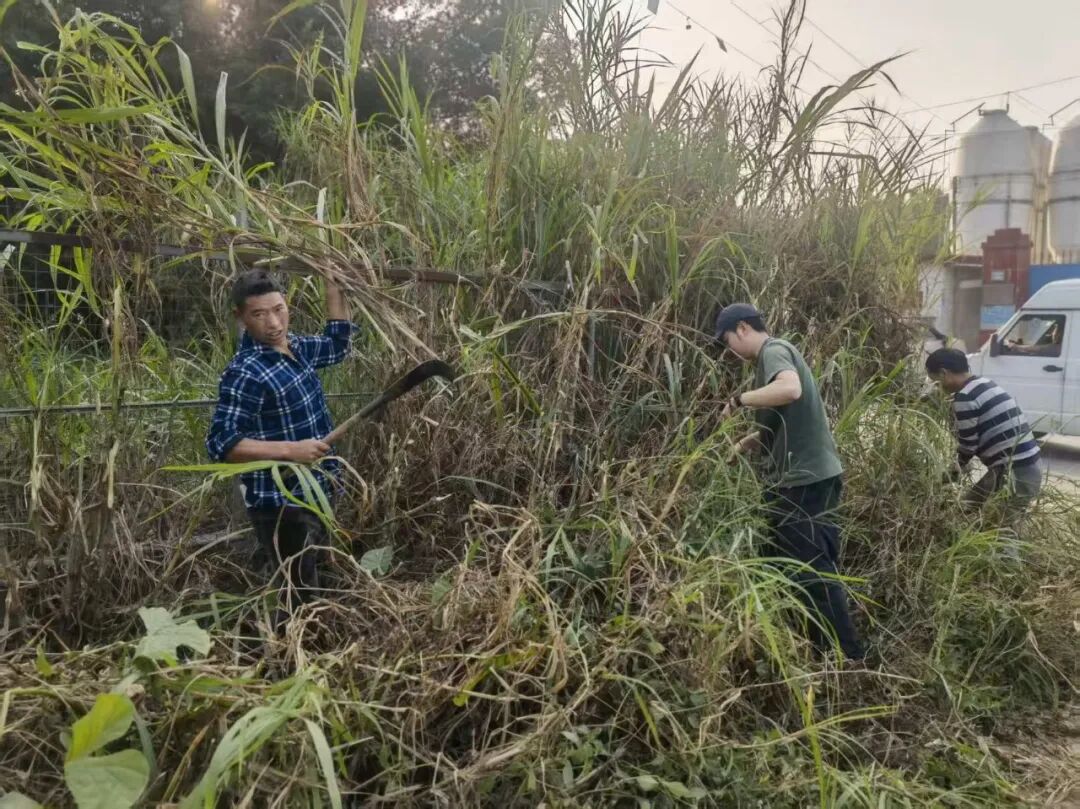
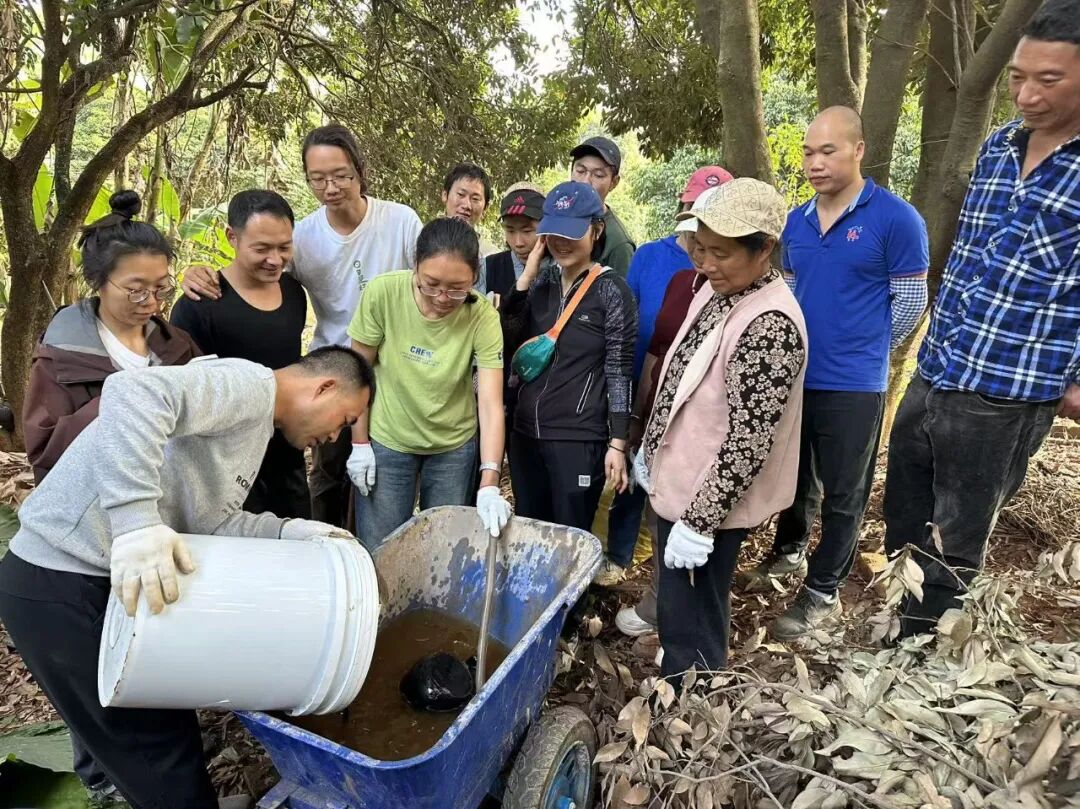
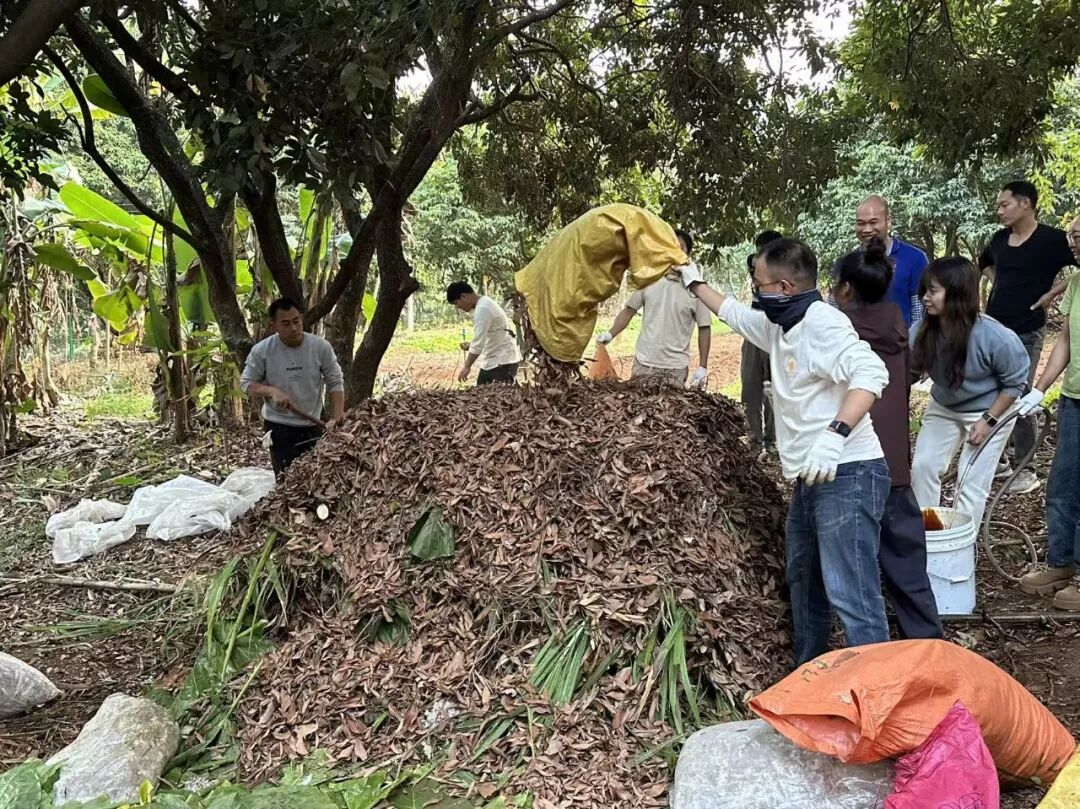
●Gathering fresh grass and dried leaves on the farm, adding unrefined sugar water and animal manure, and building Thermophilic composting piles.
On the ecological agriculture journey, many farmers press quietly ahead alone. Learning ecological agriculture is never just about learning techniques, so the co-learning camp includes evening sharing and discussion sessions, inviting experienced farmers to share their stories and reflections, in the hope that their experience can offer inspiration and guidance to those newly joining the field. For this Chengdu edition, two Sichuan ecological farmers will join the evening sessions: Tang Liang of Liangliang Farm and Fang Yongbing of Wojia Vegetable Garden.
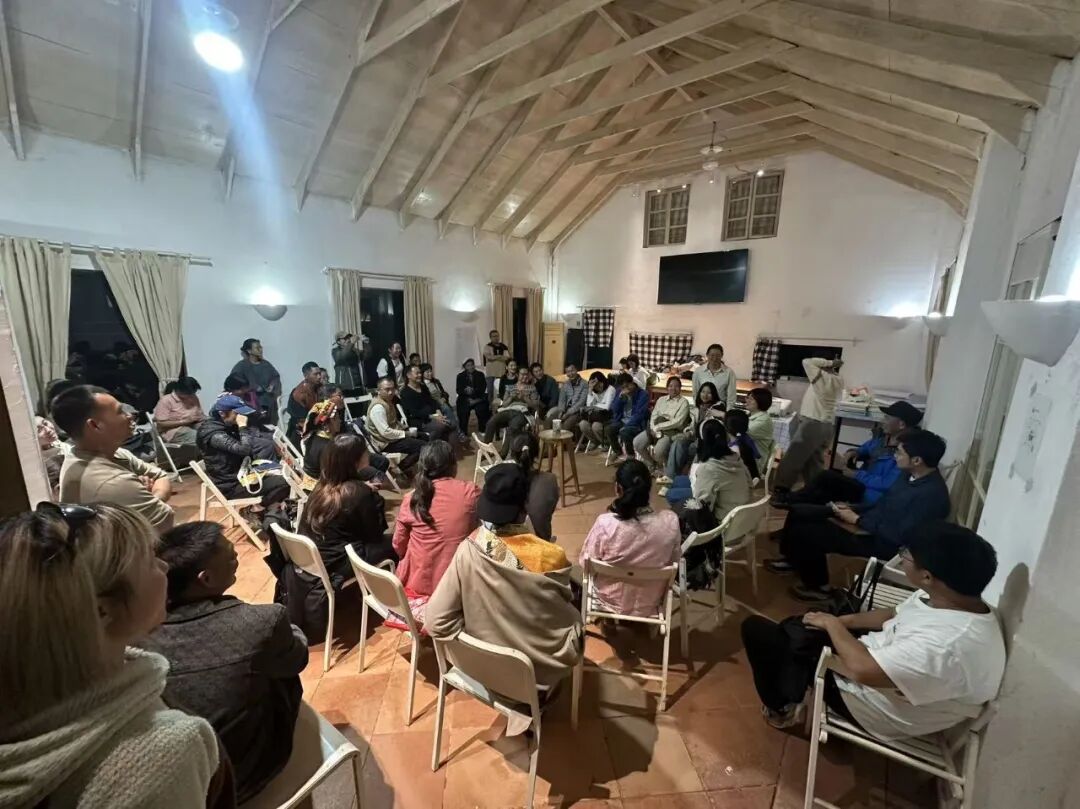
●At the second edition of the co-learning camp, held at Huiling Farm in Conghua, Guangzhou, participants listened to and got to know one another during the evening sharing session.
After each of the three editions, many participants noted in their feedback forms that they described the experience as an “encounter among fellow travellers”. Some found kindred spirits; others, hearing from frontline farmers, gained a clearer sense of direction for their own future growing methods and scale; and some received a “splash of cold water” in conversation, prompting them to ask seriously: if I continue in ecological agriculture, what do I truly want? This collaborative approach to learning has even travelled home – one participant began communicating with their family as a “Collaborator”, seeking possibilities for cooperation through listening and asking questions.
During the evening sharing sessions, participants also spoke freely, and through each other’s stories and discussions came to understand the market more fully and to see things from a new angle: in the past, learning techniques meant focusing mainly on the field, but this time they began to recognise consumer demand for ecological agriculture, and to appreciate that making products delicious, visually appealing, and affordable is equally important.
Equally, these experiences can spark productive exchanges and offer valuable references for us. How to reposition ourselves, how to view the countryside, how to connect with the market – these questions can inspire new ideas and fresh perspectives.
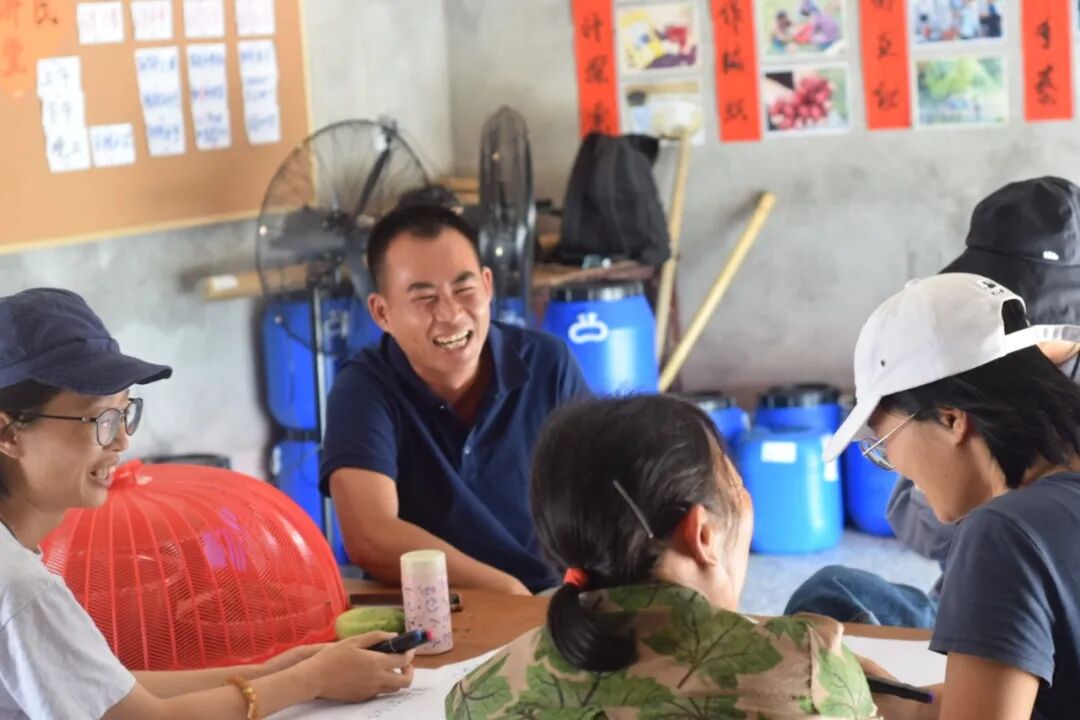
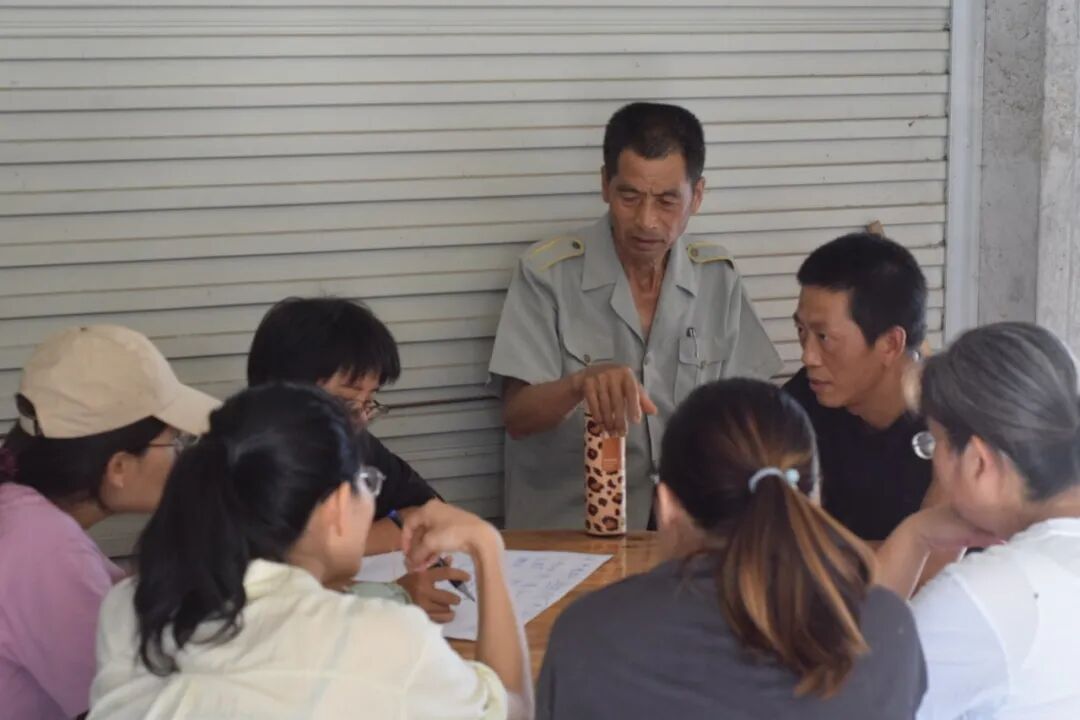
●Small-group discussions during a classroom session.
Each venue the co-learning camp has visited in the past has had its own unique character, and the camp has always sought to forge meaningful local connections tailored to the surroundings. At the Jiangxi edition, for example, villagers from the local ecological cultivation group in Yangqiao Village joined us; they opened their vegetable gardens, guided us through the village and its agricultural industry, and explored alongside our younger participants different approaches to developing ecological agriculture in the area.
One participant wrote in the feedback form: inviting local villagers to take part is a brilliant idea! I gained a deeper understanding of the specific way of life in a village, the stories of the people who live there, and the meaning of ecological agriculture. I really built a bond with the village elders – it was hard to leave.
This time, the co-learning camp comes to Junqiao Crazy Farm, where we will explore its practical crop–livestock integration cycle and the underlying logic of its business model.
Over these days, let us work together to find production techniques and methods that strike a balance. These approaches can address the issues farmers care about most: yield, quality, and cost.
– Basic Information –
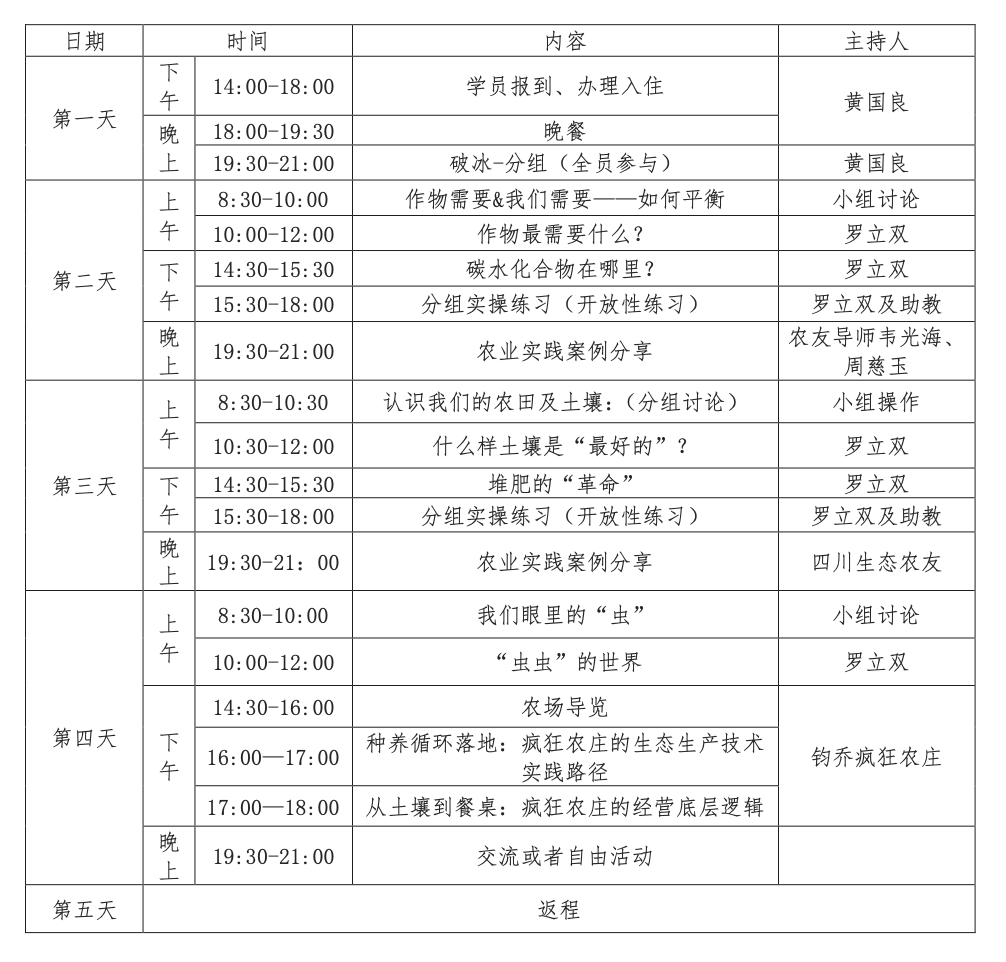
– Schedule –
– Accommodation, Meals and Transport –
The co-learning camp is held at Junqiao Crazy Farm, and meals and accommodation are on the farm as well, so lodging and meals are billed together. The cost is 120 yuan per person per day. Rooms are shared, and all meals are prepared with ecologically grown produce.
Junqiao Crazy Farm was founded in 2002 by Mama Hu, a native of Taiwan, and is a National-level Ecological Farm and a Sichuan provincial education base. Following a fully integrated crop–livestock cycle, the farm upholds the principle “What I grow, what I raise, I take responsibility for”, and operates as an eco-friendly, low-carbon agricultural park dedicated to “respecting natural law, happy animals, happy vegetables, and safe food on the table”. It uses the community-supported agriculture (CSA) model to deliver fresh vegetables, milk, eggs, and other healthy produce to its members.
Feel free to follow the farm’s day-to-day activities in advance. WeChat Channels & Official Account: Junqiao Crazy Farm; Xiaohongshu: Junqiao Crazy Farm
[Self-driving / Taxi | Most Convenient]
Approximately 61 km, around one hour’s drive. Simply search “Junqiao Crazy Farm” in your GPS. A taxi costs roughly 160–180 yuan — best suited for groups or those carrying luggage.
[Rideshare | Best Value]
Use the rideshare function on DiDi, Hello, or Amap. Departure point: Chengdu Railway Station. Destination: Junqiao Crazy Farm. Shared ride: 70–90 yuan | Exclusive ride: 110–140 yuan
[Tianfu Xing + Local Tricycle | Convenient Intercity Link]
1. Take the metro to Provincial Hospital of Chinese Medicine station. Purchase tickets via the “Tianfu Xing” mini-program and ride the shuttle coach directly to Yuantong Town (fare: 27 yuan)
2. From Yuantong Town, transfer to a tricycle or minivan to reach the farm — 5–6 km, approximately 20–30 yuan, negotiated on site. Services are limited; be sure to book in advance.
[Metro + Bus | Budget-Friendly but Time-Consuming]
From Chengdu Railway Station, take the metro to Wansheng station → transfer to a Chongzhou bus → get off at Miaopu (Nursery) stop, then take a tricycle to the farm. The entire journey takes approximately 3.5 hours, costs around 11 yuan in total, and involves a fair amount of walking.
[Intercity High-Speed Rail + Bus]
From Chengdu Railway Station → Chengdu West Station, take the intercity high-speed train to Chongzhou station → Bus 306 to Yuantong Town → transfer to a tricycle to the farm. The entire journey takes approximately 2 hours.
*A Helpful Tip
The farm is located in a rural area, and public transport does not run right to its door. Once you arrive in Yuantong Town, tell the tricycle driver “花果山奶牛场” (Huaguoshan Dairy Farm). During holidays, we recommend booking Tianfu Xing and rideshare services well in advance.
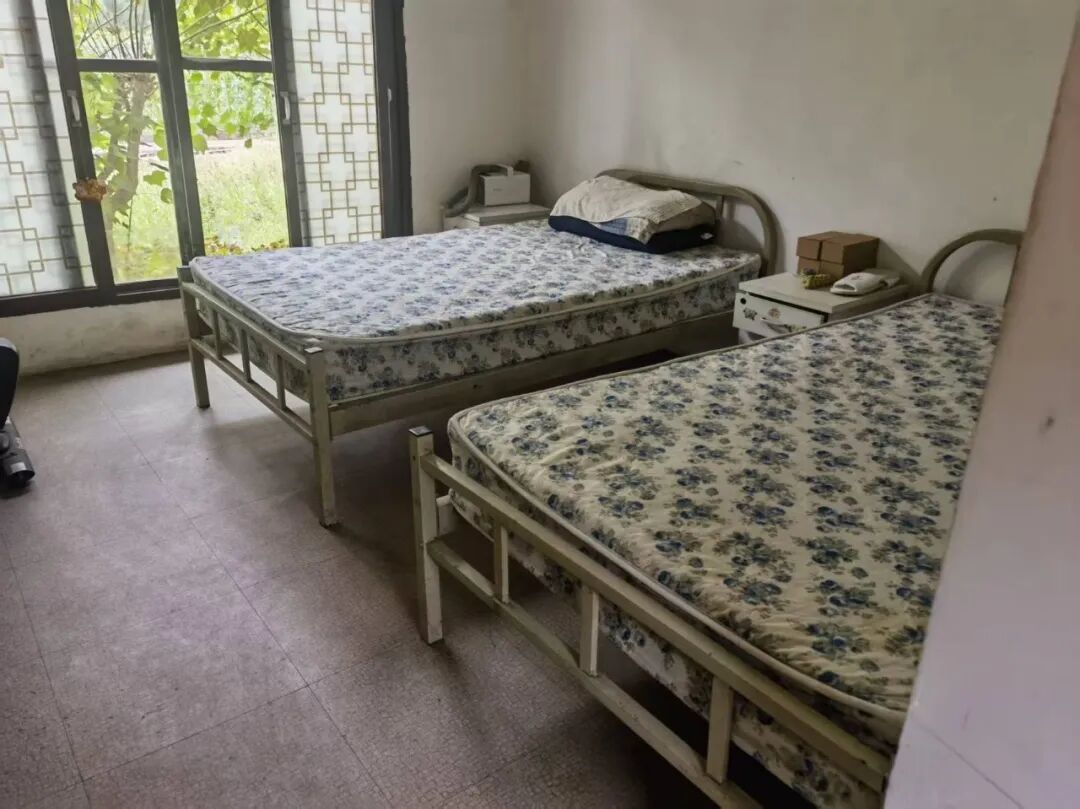
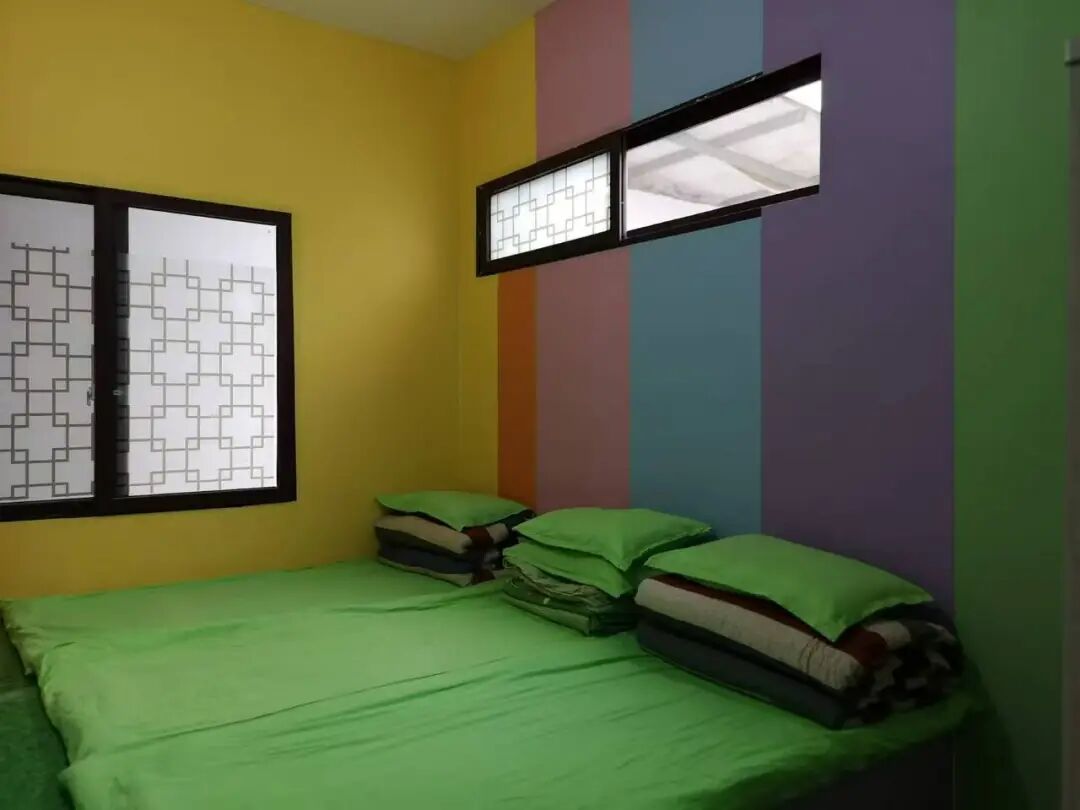
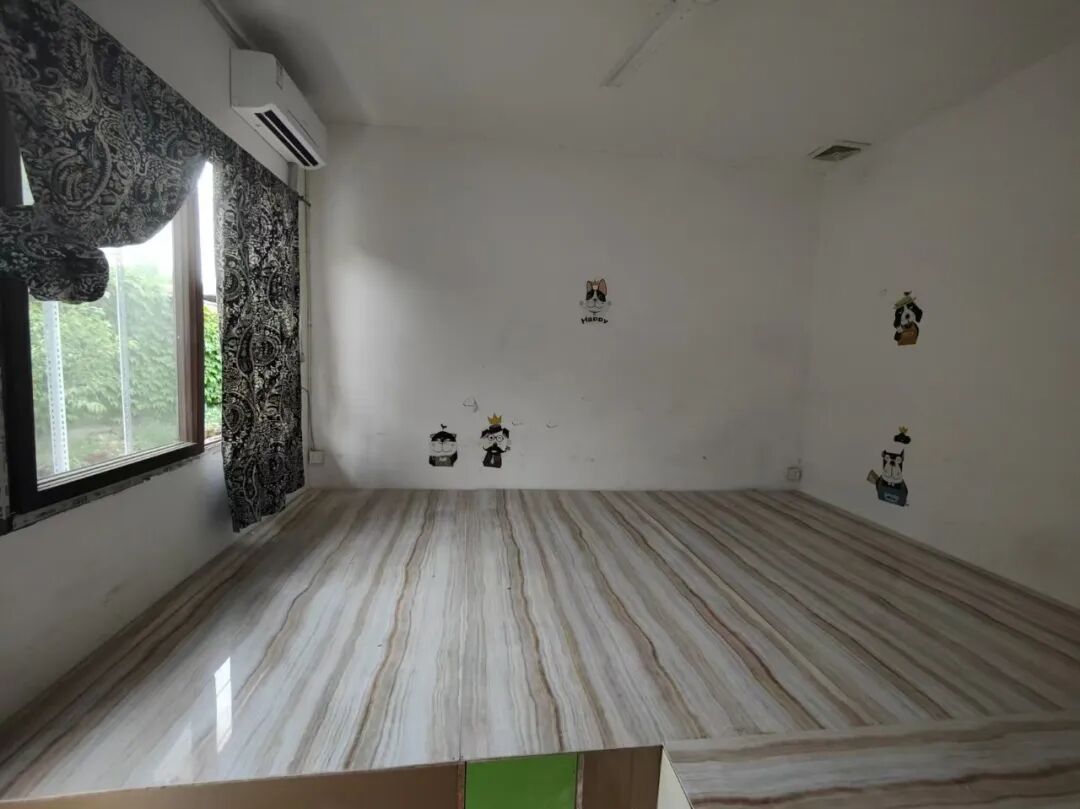
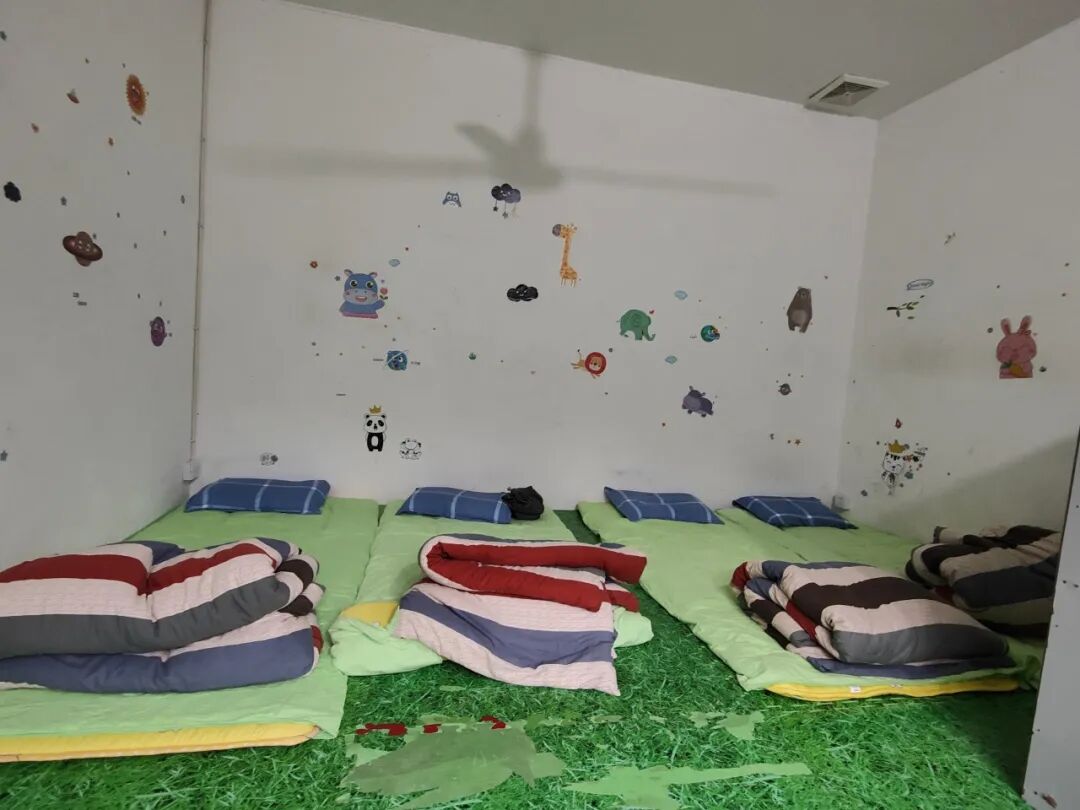
●Accommodation photos at Junqiao Crazy Farm, showing 2-, 3- and 5-person rooms.
– Registration Period –
From now until 20 October 2026, or until all places are filled.
– Fees –
1,360 yuan per person (comprising a 1,000-yuan training fee and 360 yuan for meals and accommodation over the three-day programme; transport not included)
We will also offer two types of scholarship for farmers running smaller operations who have already begun transitioning:
•Half scholarship: Half-scholarship recipients pay only 860 yuan (half the training fee + meals and accommodation); transport not included.
•Full scholarship: Training fee fully waived; meals and accommodation 360 yuan; travel not included.
Scholarship applications close on 20 October 2026, or sooner if all awards are granted. If you wish to apply for a scholarship, please tick the relevant box on the registration form, and we will confirm your exact tuition when we get in touch.
– How to Register –

Please double-check that your contact details are correct in the registration form
We will be in touch with you as soon as possible after registration
– Instructor Profiles –
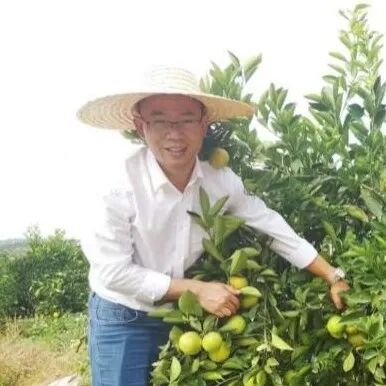
Lead Instructor
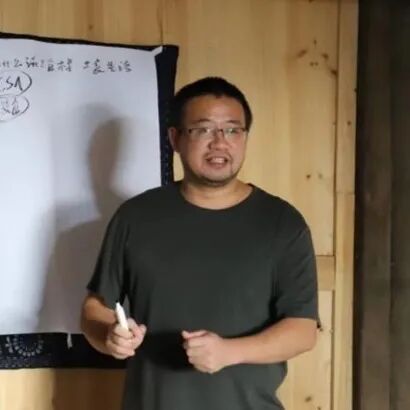
Luo Lishuang
Born in Baise, Guangxi, and a member of the post-1980s generation, Luo Lishuang is a Senior Agricultural Technician who has been working in ecological agricultural production and research since 2008. From 2010 to 2020, he served as Chief Technical Consultant for the technology platform at Guangxi Lemin Agricultural Technology Co., Ltd., advising clients on crop cultivation issues. In 2015, he founded the not-for-profit organisation Hope Oasis, promoting ecological transition in fruit-tree production through grassroots pilot projects in Guangxi. He returned to his hometown in 2019 and established Huashan Farm. From 2020 to 2022, he joined the Guangxi Guoren Rural Poverty Alleviation and Development Centre, where he and his team explored the localisation of ecological agriculture techniques and farmer training. In 2021–2022, he became Technical Chief Consultant at Guangxi Gaoming Group, guiding the group’s production transition towards ecological methods and personally overseeing the conversion of 360 mu of experimental farmland, achieving outstanding results.
Over fifteen years in the field, he has focused mainly on soil research and ecological crop cultivation. Years of hands-on work on the front line have given him a wealth of practical experience and a deep, reflective understanding of ecological farming.
He favours a co-learning approach to teaching, helping you come to know natural phenomena through practice and reflection, discover the fundamental laws of nature through analysis and discussion, and gain a deeper understanding of your relationship with the natural world through open, equal dialogue. Together, you will explore how to strike a balance between crops and nature, and how to harmonise the development of people and the environment.
Co-facilitator
Huang Guoliang
Huang Guoliang is from Hepu, Guangxi, and a member of the post-1980s generation. Since 2005, he has been involved with the Rural Reconstruction Centre of Renmin University of China and took part in setting up the ecological agriculture studio at the Y. C. Chu Rural Reconstruction Institute. In 2008, he co-founded Beijing Little Donkey Community Farm, the first community-supported agriculture (CSA) farm in China. In 2012, he opened Chongqing Guoren Dapinghuo Community Canteen, an ecological restaurant in Chongqing. In 2013, he joined Community Development Action’s Guangxi office, where his work centred on promoting ecological agriculture and the conservation of local crop varieties. He helped establish the Guangxi local-variety conservation platform “Gui Zai Fanxiang Youzhong” (Guangxi Youths’ Return to the Land with Seeds), through which he organised exchange events for ecological-farming leaders from across the province and beyond. In 2017, he co-founded Guangxi Nanning Shiyouyuan Ecological Agriculture Co., Ltd. (operating the Nanning Urban Farmers’ Market), Guangxi’s first online and offline platform for showcasing and trading ecologically grown produce, connecting urban consumers with farm-fresh goods through group purchasing. In 2018, he founded the Guangxi Guoren Rural Poverty Alleviation and Development Centre and led its day-to-day operations. Since 2023, he has continued, as an independent practitioner, to explore the localisation of ecological agriculture techniques and farmer training.
Teaching Assistant
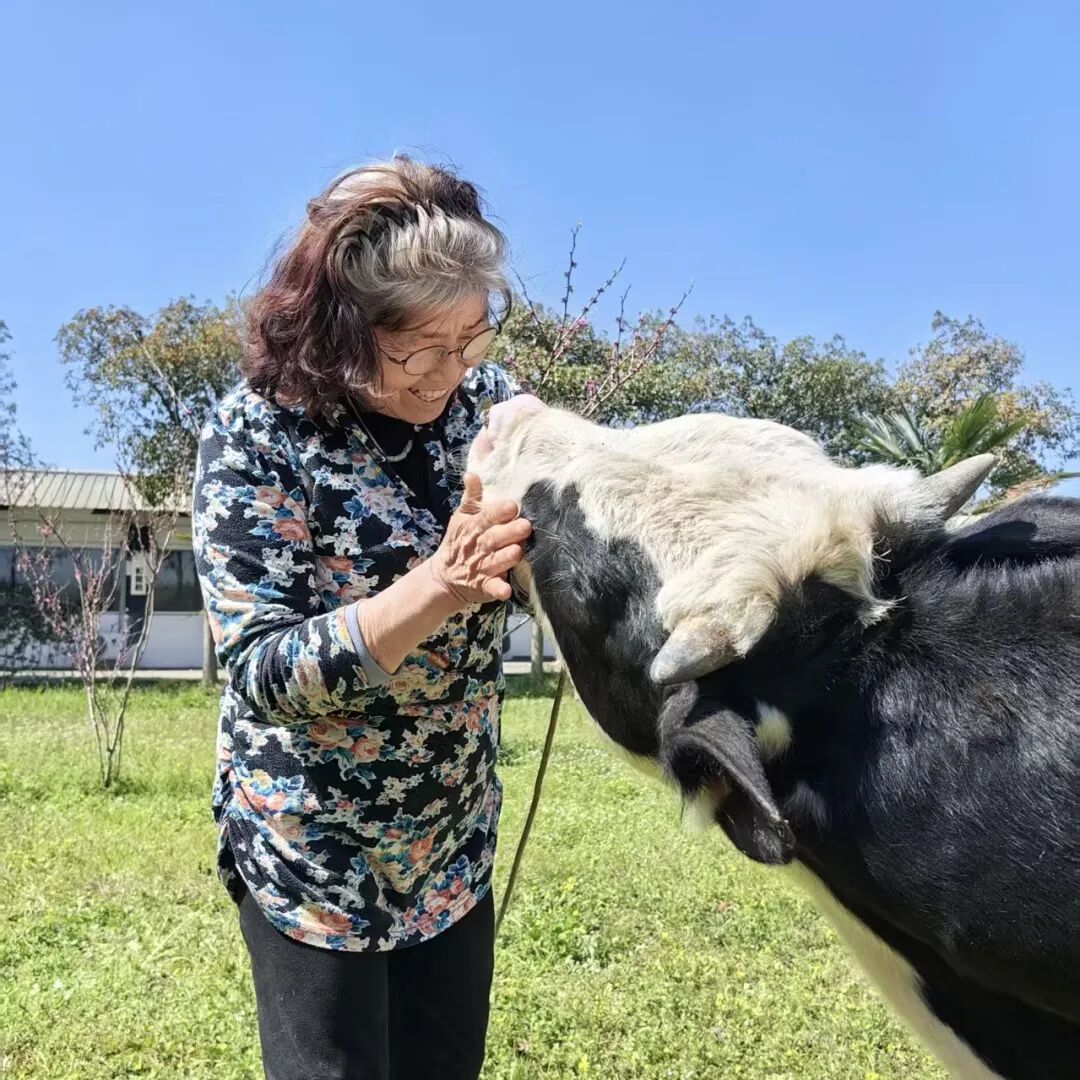
Hu Shumei
Hu Shumei, from Taiwan, is a specialist in environmentally friendly, circular crop–livestock production. With over twenty years of deep engagement in ecological agriculture across mainland China, she has focused on putting integrated crop–livestock circular techniques into practice and on a wide range of ecological cultivation methods. In 2002, she founded Chengdu Junqiao Agricultural Science and Technology Development Co., Ltd. (Junqiao Crazy Farm), leading the establishment of a fully integrated ecological crop–livestock cycle. Drawing on microbial technology and constructed wetland purification, she has transformed livestock waste into organic fertiliser, building an ecological closed loop: “livestock waste → organic nutrition → vegetables → return of crop residues”.
Over more than twenty years in the industry, she has actively introduced biotechnology-based agricultural techniques from Taiwan and abroad, eliminated chemical pesticides and herbicides, and continuously optimised the growing and rearing environment. She built Junqiao Crazy Farm into a National-level Ecological Farm, with her techniques reaching over ten thousand mu of farmland. She has driven the standardised cultivation of ecologically grown produce and set up a fresh home-delivery service, matching green, healthy supply with consumer demand. She achieves end-to-end quality management from soil improvement through ecological production to the dinner table, balancing environmental responsibility on the production side with food safety at the consumer end.
In 2012, she received the Ecological Dream Chaser Award at the Organic Summit, and in 2021 she became the first woman of Taiwanese origin in Sichuan Province to be named a March 8th Red Flag Bearer, a prestigious national honour for women.
Having spent years working hands-on at the front line of the farm, she has accumulated extensive practical experience in implementing integrated crop–livestock cycles and possesses a profound understanding of circular ecological agriculture. She excels at teaching through real farm cases, enabling participants to understand the logic of an ecological closed loop through on-site observation and hands-on practice, to grasp the interdependent relationships between soil, crops, and livestock through discussion, and to explore together a viable path towards crop–livestock balance and the long-term coexistence of people and nature.
Teaching Assistant
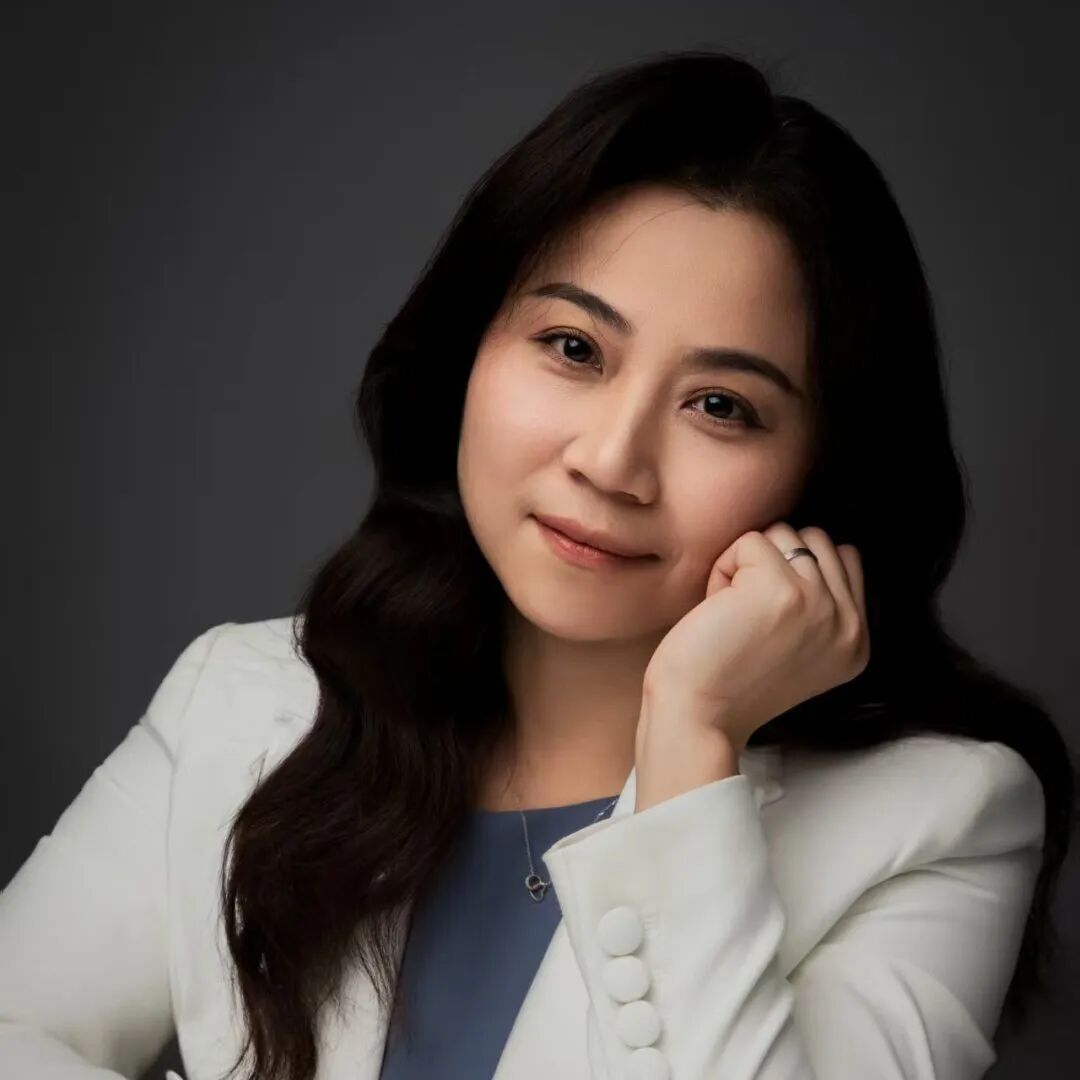
Hong Weiqian
Hong Weiqian, from Taichung, Taiwan, moved to Chengdu in 2010 and devoted himself to environmentally friendly, circular crop–livestock production. He hopes to explore, along the food-safety chain from the land to the table, a path back from industrialised living to the authentic flavours of food. Guided by humility and love, he sincerely pursues long-term harmony with all living things, building a farm world shaped by hard work and gratitude. Driven by a passion for good food and good living, he continues to explore the dimensions of balance between body, mind, and spirit, drawing on neuroscience and gut immunity as his core focus, supported by metabolic hormones and evidence-based medicine, observing and interpreting various health phenomena, and helping more people find the health-care approach best suited to them.

Teaching Assistant
Wu Yanli
Wu Yanli, from Chengdu, Sichuan, is a member of the post-1980s generation. She first encountered ecological agriculture in 2011 and has been a devoted member of Crazy Farm ever since. She now handles the farm’s social media and digital content operations. A NAHA-certified aromatherapist, nature interpreter, and forest therapy practitioner, she hopes to help more people experience the nourishment the land has to offer on this pure patch of earth.
Teaching Assistant
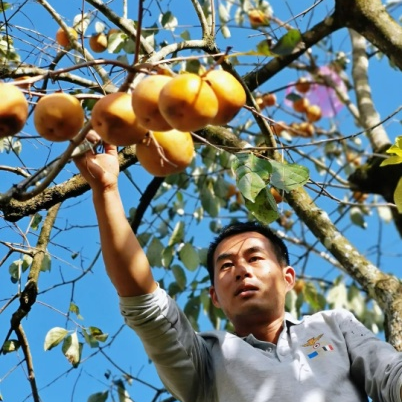
Wei Guanghai
Wei Guanghai, from Du’an, Guangxi, is a member of the post-1980s generation. After graduating in 2008, he joined a factory and worked his way up to a management position. However, being naturally shy and uncomfortable with the factory environment, he returned home in 2012 to start growing honey pomelo. In 2018, he encountered ecological agriculture through staff at the Du’an Green Root Public Welfare Federation and began transitioning his production methods. His family went from misunderstanding to wholehearted support, and his shift also influenced a group of local young people to rethink their own crop and livestock practices and try transitioning themselves. In 2020, he attended a soil-training course, studying ecological agriculture techniques and practice more deeply under Luo Lishuang.
Teaching Assistant
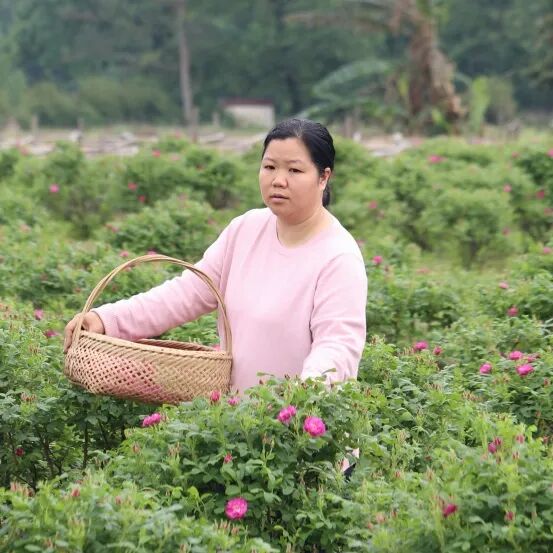
Zhou Ciyu
Zhou Ciyu, from Guilin, Guangxi, is a member of the post-1980s generation. After graduating with a degree in Environmental Art and Design, she ran her own businesses, including a liquor-distilling factory, a dried bean curd stick factory, a rice noodle factory, and a restaurant. After all those experiences, she and her partner ultimately chose to return to the countryside in 2016 to pursue ecological agriculture, founding Citang Farm. They started from scratch, travelling widely to learn ecological farming methods and artisanal processing techniques. After ten years of operation, they have finally found an ecological agriculture path that suits their small family, and it grows steadier with each passing year.
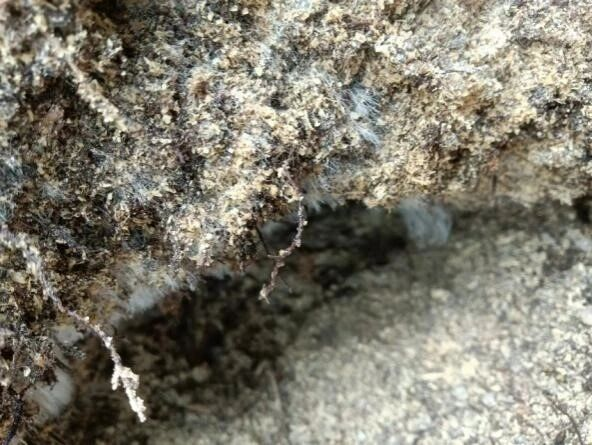
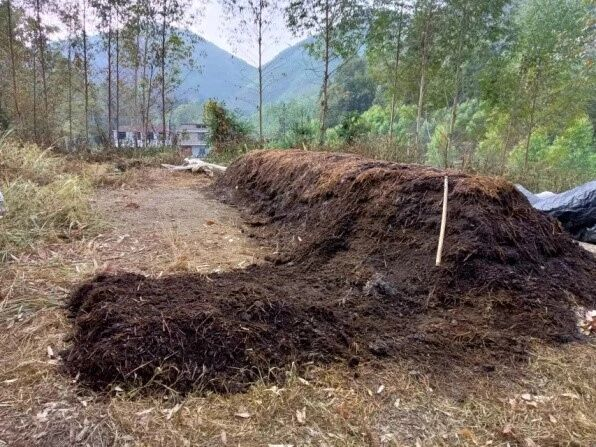
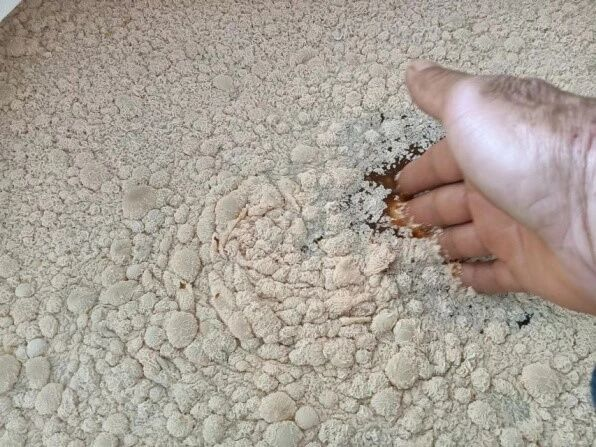
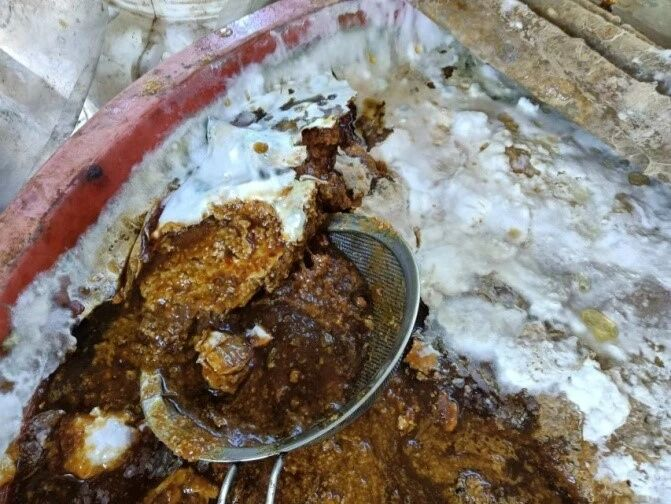
● Indigenous microorganisms collected in the wild, compost, plant-derived amino acids, animal-derived amino acids. Image credit: Lei Zhengjie
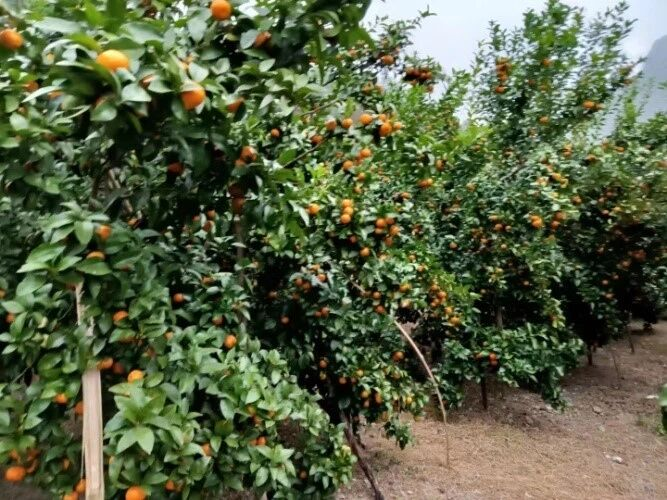
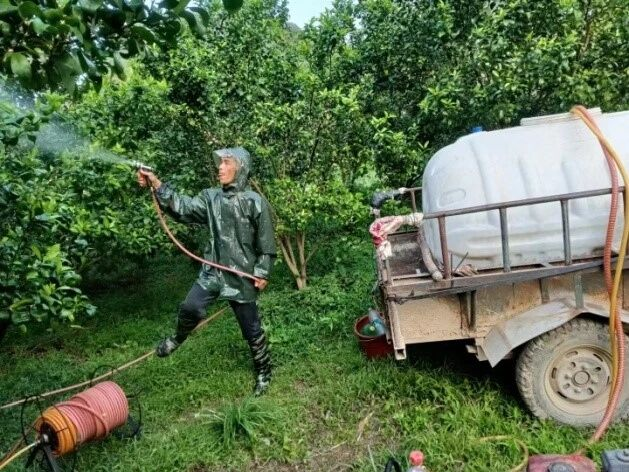
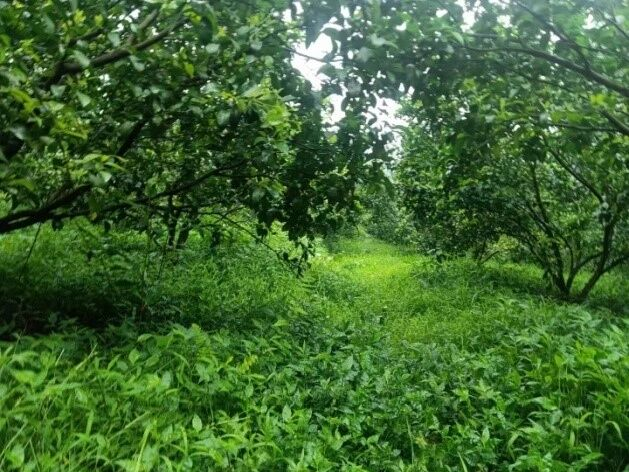
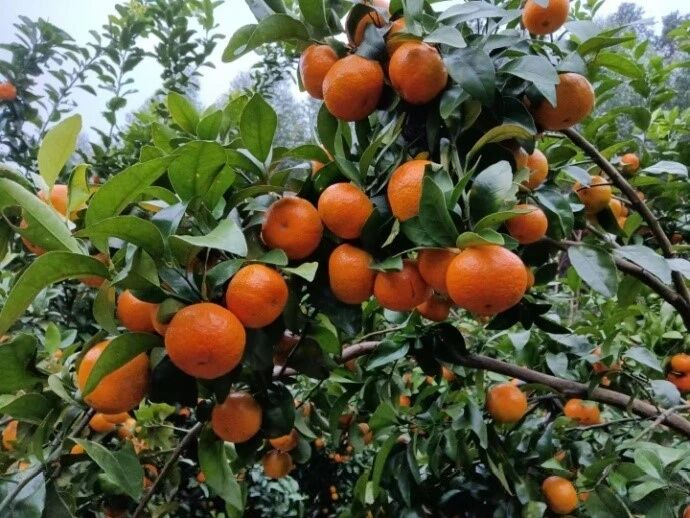
● Shatang mandarin orchard. Image credit: Lei Zhengjie
– Co-hosts –
Foodthink
Junqiao Crazy Farm
– Hosted by –
Junqiao Crazy Farm
Co-ordinator: Huang Guoliang
Editor: Xiao Dan
Poster: Zhou Xuan
Layout: Ming Lin
Scan the code to tip and support original food journalism
▼

▼
Click a keyword to explore more curated collections
Seeds | Farming Techniques | Policy | Fermentation | Nutrition | Fruit | Fisheries | Events | Recruitment | Takeaway | Markets | Livestock | Food Talk | Sharing Sessions | Reading Groups | Harvest Festival | Smallholder Stories | Climate Change | Rural Development | Cooperative Economics | Urban Farmers | Food Safety | Digital Technology | Biodiversity | Pandemic and Food | False Solutions | Ecological Agriculture Internship Programme
Beijing | Hebei | Shanghai | Guangdong | Guangxi | Henan | Sichuan | Jiangxi | Xinjiang | Shaanxi | Hong Kong | Chongqing | Zhejiang | Jiangsu | Guizhou | Taiwan | Inner Mongolia | Philippines | Canada | Russia | Mexico | Italy | US | UK | Germany | Netherlands | Thailand | Sweden | Japan