Europe’s Black Diamonds, Yunnan’s Potato Eggs

Editor’s Note
In the popular consumer imagination, the truffle is a “luxury ingredient” of Western cuisine, ranking alongside caviar and foie gras. Yet in the remote mountains of southwest China, for a long time it was merely what villagers called “pig-foraged fungus” – something to feed to the pigs or throw into a charcoal fire to roast alongside potatoes.
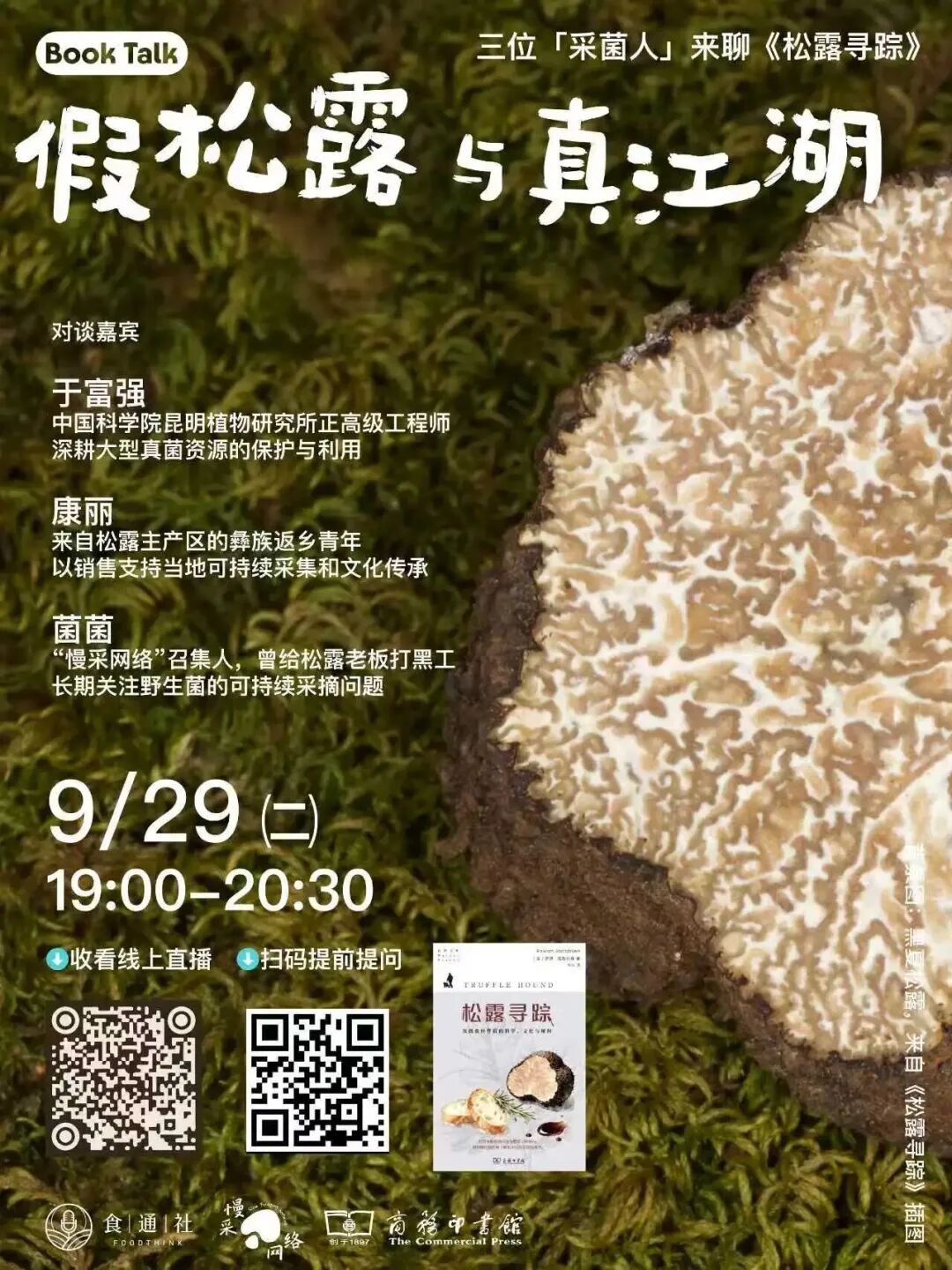
Following the publication of The Commercial Press’s new book Truffle Hound, on 29 September 2026 Foodthink, in collaboration with Slow Harvest Network, invited Yu Fuqiang, Professor-level Senior Engineer at the Kunming Institute of Botany, Chinese Academy of Sciences; Kang Li, a young Yi returnee from Chuxiong, Yunnan; and Junjun, convenor of Slow Harvest Network for a conversation on the truffle, spanning scientific classification, local culture, global trade and ecological crisis.
The following is an edited version of the livestream from this sharing session, reviewed and approved by the speakers.
A replay of the sharing session is available on Foodthink’s WeChat Channels.
Flavour and Prejudice: Are Chinese Truffles Inferior to European Ones?
Yu Fuqiang: First, a clarification is needed in scientific terms: “truffle” is essentially a commercial colloquial name. Its proper mycological name is the genus Tuber (hereafter abbreviated T.). The name “truffle” originally referred to a different fungus belonging to the genus Rhizopogon (known locally in Yunnan as jiyaozi, “chicken kidney”, or songmaodan, “pine-needle egg”); after passing through Japan and Taiwan and reaching mainland China, the commercial market mistakenly applied it to Tuber, and the usage has stuck ever since. Over 180 species of Tuber have been named worldwide, more than 80 of which have been found in China, with new species still being discovered each year. All true Tuber species are theoretically edible, with no toxic records to date (though one must beware of accidentally picking toxic look-alikes such as Scleroderma, the earthball), and only around a dozen carry genuine commercial trade value.
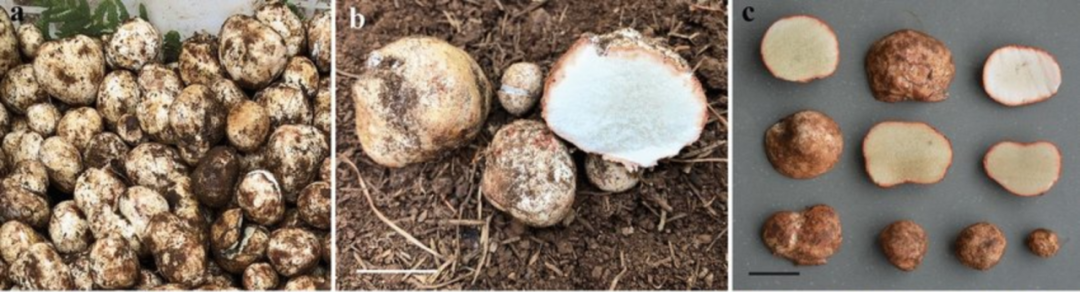
◉ Rhizopogon songmaodan, the songmaodan Rhizopogon: (a) fruiting bodies sold on the market; (b–c) fruiting bodies collected from Armand pine (Pinus armandii) woodland; image source: Wang, R., Yu, F.Q., Moreno, J.P. et al. A new edible Rhizopogon species from Southwest China, and its mycorrhizal synthesis with two native pines. Mycorrhiza 31, 85–92 (2021).
The two most famous species in global commerce are: first, the extraordinarily rare and expensive Italian white truffle T. magnatum, and second, the French black truffle, the black-spored truffle T. melanosporum. The main species in China’s commercial trade are T. indicum (often confused with T. sinense and T. himalayense; some combine all three under the name “Chinese truffle”) and T. sinoaestivum. Phylogenetically, China’s Chinese truffle and the French black truffle are extremely closely related “sister species”. Their phenotypic differences are so slight that even ordinary enthusiasts – let alone traders – struggle to tell them apart by eye; it usually requires examining spores under a microscope or running DNA sequencing to distinguish them.
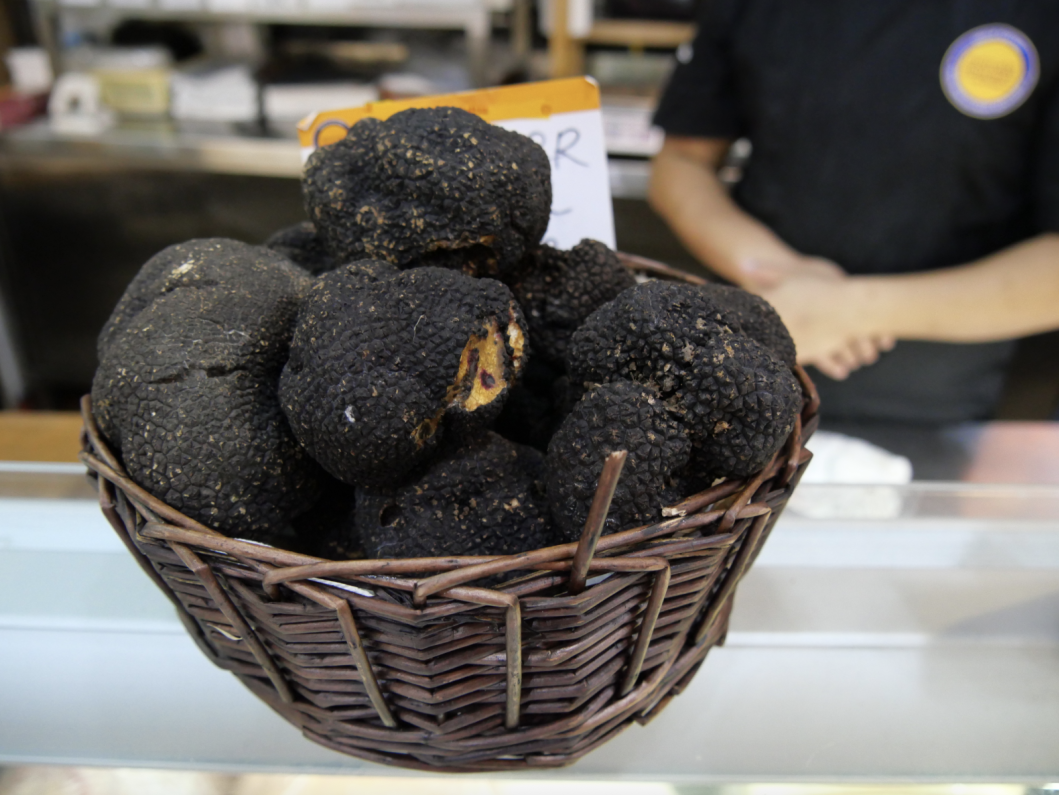
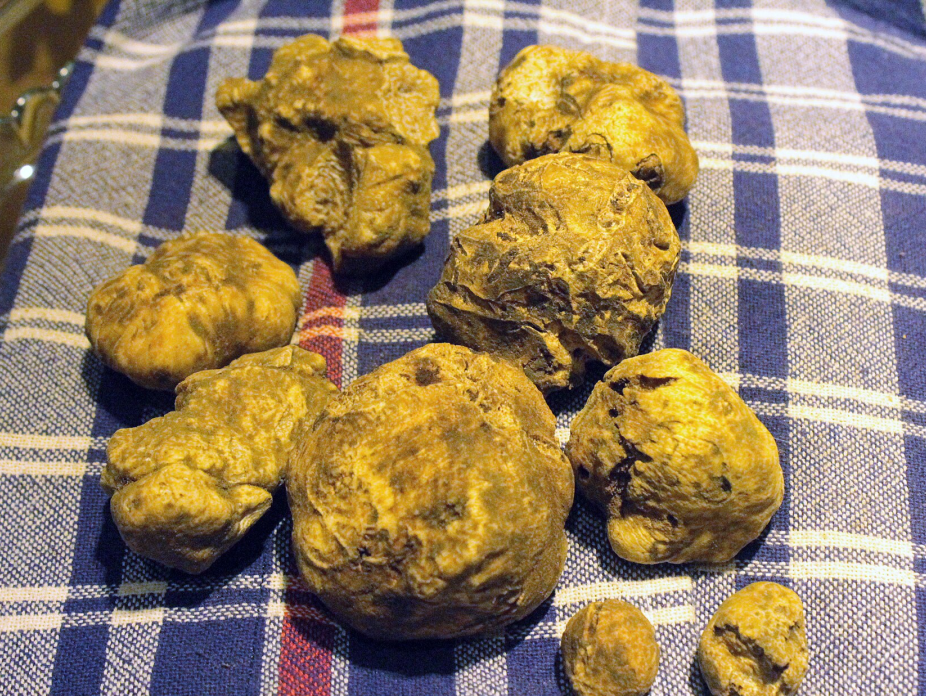
◉ (Left) Black truffle (French T. melanosporum) and (right) white truffle (Italian T. magnatum), among the most expensive edible fungi. Image source: Peachyeung316, Stephencdickson/Wikimedia
So why can European black truffles command €3,000–4,000 per kilogram on the international market, while Chinese black truffles often fetch only 300–400 yuan?
Many assume that Chinese truffles are simply of inferior quality, but our experimental analysis has shown that provided both are fully mature and stored under identical conditions, there is little difference in their principal flavour compounds. The root of the price gap lies in a combination of species, harvesting methods, supply chain and culture –
First, differences in maturity at harvest. Modern European truffles come almost entirely from truffle orchards, where trained truffle dogs are used to search. Dogs respond only to truffles that are ripe and emitting their aroma, so what is harvested is always a fully mature fruiting body. In China, almost all harvesting is done by hand, and pickers dig up truffles regardless of maturity; immature truffles are pale inside and carry very little aroma.
Second, aroma loss through multiple stages of handling. Truffles are extremely fragile as fresh produce; research suggests they are best consumed within a week of harvest. In Europe, truffles are mostly sold for immediate fresh consumption, whereas in China a truffle passes through many hands – from the farmer’s pick to soil-burial storage, to first-tier buyers, to secondary wholesale markets (such as the Mushuihua Wild Mushroom Trading Centre in Kunming), then to exporters, and finally to Europe. This journey often takes well over a month, significantly affecting the truffle’s aroma and sometimes even producing off-odours. When European merchants compare such a well-travelled product – or an immature specimen – against their own, it is hardly surprising that they form the impression that “Chinese truffles taste inferior”.
Finally, differences in food culture and aroma preferences. European culinary culture is extraordinarily sensitive to this volatile aroma, while Chinese culinary tradition favours the rich, cooked fragrance coaxed out by oil. With a thousand palates there are a thousand flavours; judging one ingredient superior or inferior by a single standard is simply unscientific.
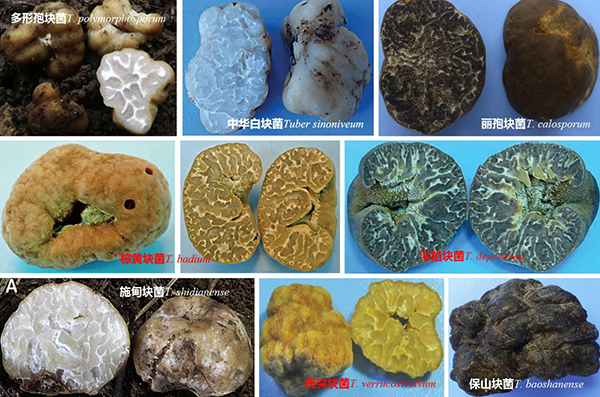
◉ After more than 30 years of research, over 80 species of Tuber have been confirmed in China. Yunnan has emerged as another centre of truffle diversity, alongside North America and Europe. Shown here are new truffle species published in international journals; image source: Yu Fuqiang’s team, Kunming Institute of Botany, Chinese Academy of Sciences
Junjun: My entry into the wild-mushroom industry began by working off the books for a truffle trader. After getting to know grading and warehousing, I came to see that a truffle’s commercial value rests almost entirely on its aroma – yet that aroma is interpreted in radically different ways depending on the cultural context.
The domestic market has also created a certain “cultural mismatch” in truffle consumption. Many restaurants have simply borrowed matsutake’s marketing playbook, slicing raw truffles into thin pieces as “sashimi” and even serving them with wasabi and soy sauce. But eaten raw, truffle is dry and texturally bland, with very little flavour. One Miao farmer from a truffle-growing area once dug up truffles and stewed them with pork ribs and tilapia, only to say they tasted no different from potatoes. In the West, truffle is treated as a precious, complex finishing seasoning – shaved into thin slivers over a dish just before it leaves the heat so the steam can draw out its fragrance – a logic entirely different from our habit of eating it raw or simmering it in a heavy stew.
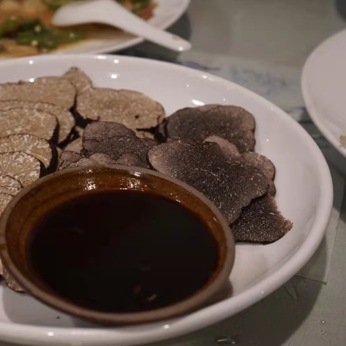
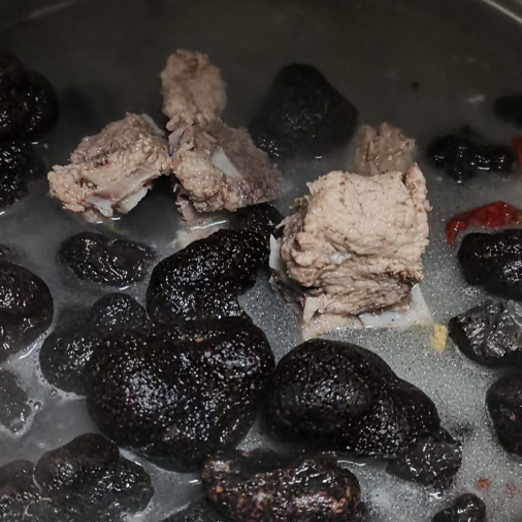
◉ (Left) A truffle “sashimi” dish and (right) a Miao uncle’s truffle-and-pork-rib stew made with truffles he dug himself; image source: Junjun
In the traditional history of European cuisine, the intense aroma of truffle has long been associated with male hormones and fertility – a line of reasoning inherited from the medieval herbal “Doctrine of Signatures” (the principle that like should be treated with like). In China, however, this aroma is unfamiliar to many, and even hard to accept. The first time I faced a whole basket of fully ripe truffles, the smell struck me as that of fourteen- or fifteen-year-old boys who hadn’t washed in three or four days – sweat and armpit. Dig deeper, though, and you can catch sweetness in the aroma: nutty, earthy, woody, even chocolatey. The boss who came from Shenzhen to the origin to collect stock even said bluntly, “It smells like foot odour,” adding that he himself wouldn’t eat it.
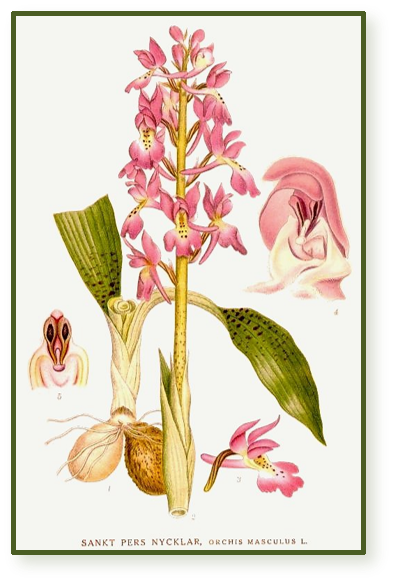
◉ Natural-history illustration of Orchis masculus (early purple orchid). Its paired underground tuberoids share the same etymological root as “truffle”; owing to their form and scent, they have long carried cultural associations with male hormones and fertility in the European herbal tradition.
Why Do Truffles Grow Underground, Yet Smell So Aromatic?
Yu Fuqiang: One of the most compelling threads running through Truffle Hound is its tracing of the interplay between forest, animals, humans and truffles. From the perspective of evolutionary biology, the truffle’s underground life history is a breathtaking feat of natural evolution.
At its essence, the truffle is a fungus – yet why does it not fruit above ground like an ordinary gilled mushroom, spreading its cap into the open, but instead conceals itself underground? Researchers have hypothesised that extreme climatic events such as ice ages tens of millions of years ago may have been a key evolutionary driver. When surface conditions grew bitterly cold and arid, the fungi gradually evolved deeper into the soil, where temperature and humidity were more hospitable.
But this choice brought a fatal survival crisis: a barrier to reproduction. Once an ordinary gilled mushroom matures, its spores can disperse via wind, rain and other vectors. The truffle, however, spends its entire life buried underground – so how do its spores achieve long-distance dispersal? To that end, the truffle evolved a clever strategy –
First, it synthesises a powerfully penetrating aroma. The truffle itself, together with its symbiotic microorganisms, produces intensely potent volatile aromatic compounds. This fragrance penetrates the soil and drifts on the wind, detectable by mammals with extraordinarily keen senses of smell – such as wild boar, squirrels, rabbits and other small rodents.
Second, it delays maturity to autumn and winter. The vast majority of wild fungi fruit in concentrated bursts during the rainy season (July to September), yet most truffles postpone their ripening until autumn and winter (November through February of the following year). In this season, food is scarce in the forest, and truffles – rich in nutrients and releasing an intense perfume – become precious sustenance for small animals getting through the winter.
This forms a mutualistic cycle of cross-species dispersal: after an animal digs up a truffle and feeds on it, its digestive system does not fully destroy the viability of the truffle’s spores. The spores are carried in the animal’s droppings to another stretch of woodland; and if a mouse that has eaten a truffle is caught by an owl, the spores can be borne by the raptor’s flight to forests tens or even hundreds of kilometres away.
The truffle supplies mineral nutrients to its symbiotic tree, and the tree provides the truffle with carbohydrates; in the depths of winter, the truffle feeds the small animals of the forest, and those animals in turn act as “messengers” for the truffle’s reproduction – the three sustaining a balance over ages. Yet once humankind, as the “fourth party”, intervened forcefully, driven by ever-expanding desire and destructive harvesting, it shattered a balance that had taken tens of millions of years to evolve.
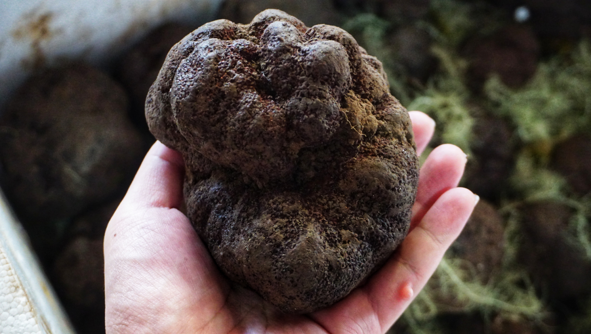
◉ A large, intensely aromatic truffle; image source: Junjun
The Truffle’s Deep Mountains, Wild World and Undercurrents
Kang Li: I grew up deep in the old-growth forests of Zhiju Village, Yongren County, Chuxiong Prefecture, Yunnan. Much of our school fees came straight from foraging wild mushrooms in the mountains. But truffles are different – they grow underground, and even for those of us who grew up in the hills, not everyone can find and dig them.
In our village, truffle harvesting is almost exclusively done by able-bodied young and middle-aged men, because it demands immense physical stamina – you cover great distances along mountain paths and traverse vast stretches of ground. Moreover, the knowledge of where to dig is handed down through families: grandfather to father, father to son, each person guarding their own “truffle nest” and ‘truffle belt.’ Experienced foragers read the shape of the land: in high-altitude deep forest, they seek out patches where the humus layer is thick; in lower, warmer zones, truffles draw moisture from the surrounding weeds, so the ground above a truffle often shows a small patch of yellowing, withered grass, and the topsoil is distinctly loose and fluffy – in local parlance, ‘the soil is very puffy.’
In the old-timers’ memory, truffles were never considered good food at all. In the days of slash-and-burn farming, after the autumn walnut harvest we would climb the high slopes to dig potatoes, or in February and March turn over humus-rich earth for compost ahead of spring planting – and we would dig up truffles along the way. We simply tossed them into the charcoal fire alongside the potatoes and roasted them, and some even reckoned they tasted worse than the puffballs (bull’s-eye fungi) that sprout along the field ridges. Later, when truffles became fashionable on the outside, households would occasionally drop a few slices into a chicken or ham stew, but within a single family opinions split sharply – some elders caught a sharp “petrol-like” whiff from the dish and refused to even sit at the same table.
At the buying stage, the trade divides truffles into ‘male truffles’ and “female truffles”. Male truffles have plump, raised warts on the outer skin, firm flesh, and command a higher purchase price. Female truffles have a redder, softer exterior, a deeply depressed centre, and a weaker aroma, fetching barely a few dozen yuan per kilogram. Because ordinary households find fresh truffles extremely difficult to store or prepare, in recent years many have turned to making truffle paste. But I later discovered that even commercially sold truffle paste bearing an “organic” certification is, under the relevant standards, actually permitted to include artificial flavouring agents to boost the aroma.
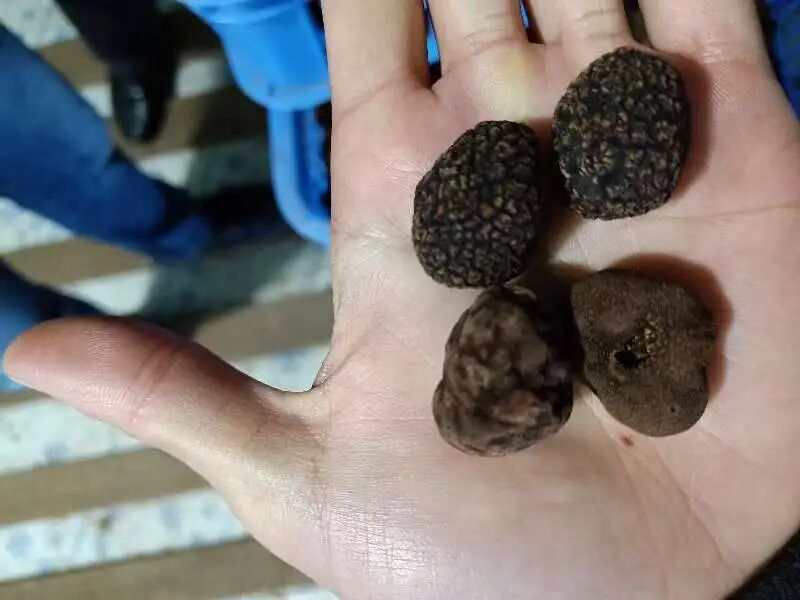
◉ True fungal fruiting bodies have no “sexual” or “male–female” distinction; the so-called “male” and “female” truffles are an empirical folk classification devised by mountain foragers and traders based on external features of different truffle species. The two above are “male truffles”, corresponding to the Indian truffle T. indicum: black-skinned, densely covered with prominent, hard warts, and intensely aromatic – the principal commercial variety, commanding the highest purchase prices. The two below are “female truffles”, corresponding to the pseudo-Himalayan truffle T. pseudohimalayense: relatively smooth, reddish-brown skin, softer flesh often with a depressed centre, and a milder aroma; fetched low prices, so they are typically sorted out for secondary processing – truffle paste or truffle-infused liquor; image source: Kang Li
Junjun: Setting aside origin, the ‘murky waters’ of truffle distribution run very deep.
In Kunming’s wholesale markets, middlemen grade truffles rapidly by experience – using two-finger and three-finger widths to correspond to 3–5 cm and 5–7 cm diameters respectively, setting tiered prices that can vary enormously. Some even wrap large truffles in gold foil and tuck in sachets of wasabi and soy sauce to appeal to the end consumer. The middlemen also command storage know-how: for instance, buying up cheaper truffles in September and October, burying them in moist, fluffy soil or sending them to cold stores, then selling them at premium prices when peak season arrives.
But in recent years, the landscape of international trade has shifted. Owing to tariff wars and the like, truffle exports to Europe and North America have been obstructed, and large export-oriented traders have found years-old frozen stock piling up in their cold stores. It is precisely because of this shift from export to domestic sales that over the past year or two, heavily processed truffle products – truffle paste, truffle-flavoured crisps, truffle-infused baked goods – have suddenly flooded the domestic consumer market.
An even more disruptive phenomenon is what some call the “North-to-South Fungi Transfer”. The prevailing assumption had been that truffles come mainly from the Hengduan Mountains in the southwest, but in recent years, significant wild truffle finds have been reported in chestnut forests across Northeast China, eastern Inner Mongolia, Chengde in Hebei, and around Miyun on the outskirts of Beijing – so much so that social media influencers now lead follower groups to dig them as viral content. Conversely, driven by extreme weather, Yunnan’s summers in 2024–2025 saw prolonged cold and heavy rain, and wild-mushroom yields halved. Instead, vast quantities of wild mushrooms from northern provinces are now trucked south into Yunnan’s markets, propping up a substantial share of wholesale supply.
The Tragedy of the Commons and Predatory Extraction
Yu Fuqiang: The exploitation of wild resources rarely escapes the fate of the “Tragedy of the Commons”. Most forests belong to the state or to collectives, and the wild resources beneath them lack any clear delineation of property rights. In practice, it is a case of “first come, first served”. Once a resource becomes fashionable in the market, a frantic rush to strip-harvest inevitably follows.
In many parts of Yunnan, truffles should not begin to ripen until November or December, yet foragers start digging from as early as June or July. Even though immature truffles fetch barely a few dozen yuan per kilogram, farming households still dig them up, reasoning that “if you wait another month for it to grow more valuable, someone else will have dug it up long before then”. This premature harvesting not only yields truffles that lack aroma and command low prices – a waste of resources – but, because the spores have not yet matured, it makes natural replenishment of the seed stock impossible.
The consequences of destructive harvesting are even graver. Once word gets out about a truffle patch, seven or eight groups may return to dig it over and over within a single year, and some will even tear the symbiotic trees out by the roots. Without trees to supply nutrients, the mycorrhizal network collapses swiftly, and within five to ten years that truffle patch ceases to yield a single fruit. Our longitudinal surveys across many counties and cities in Yunnan show that truffle yields in some areas have fallen by nearly 90% compared to twenty years ago.
Why do so many ordinary consumers or buyers not perceive this decline? Because new production areas keep being discovered, and the large specimens and initially abundant harvests from those areas mask the depletion of established ones. For example, truffles have been found in Liaoning, Heilongjiang, Hebei and other northern provinces over the past three to five years, but as far as we know, the frenzy of extraction in the north is even more extreme than in the south – the environmental pressure may be several times greater. In barely three to five years, yields in some new areas have already halved. At this rate, fragile, small-scale patches may be completely exhausted within five years.
Some place their hopes in cultivation. We have indeed achieved a technical breakthrough in raising mycorrhizal seedlings in the nursery and sustaining consistent fruiting, but objectively speaking, the scientific community has still not fully deciphered the nutrient-exchange mechanism between truffles and their host trees – the ability to grow them does not mean the ability to achieve stable high yields and profitability. In the short term, cultivated truffles simply cannot meet the enormous market demand. Without restraint, within thirty to forty years – perhaps sooner – we may well witness China’s wild truffle resources running to exhaustion, and some narrowly endemic species may go extinct before humans are even aware they exist.
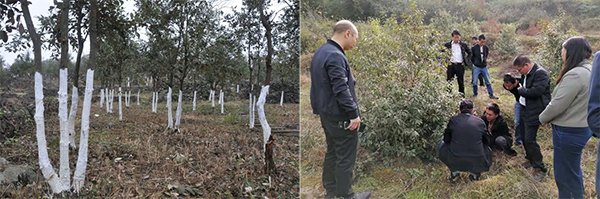
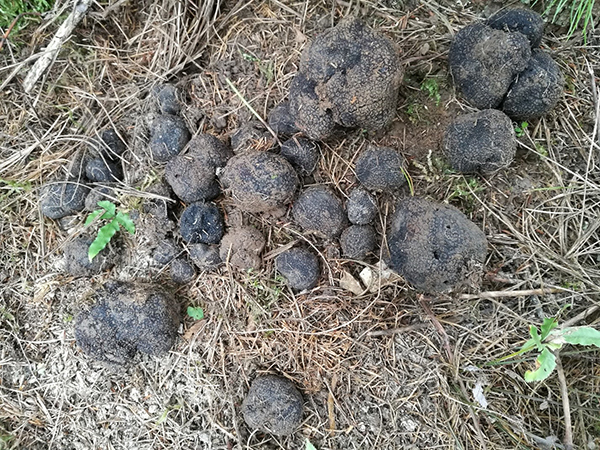
◉ Truffle cultivation plots established by the Kunming Institute of Botany, Chinese Academy of Sciences, in 2011 (top left) and 2017 (top right), and partial truffle harvesting from a cultivation plot (bottom); image source: Kunming Institute of Botany, Chinese Academy of Sciences
Kang Li: Being on the front lines of farming and foraging, what I feel most acutely is the direct devastation that extreme weather inflicts on the forest. Sometimes it is relentless downpours, at other times prolonged drought or unusual cold snaps. These climatic anomalies often devastate the fruiting rate of wild fungi. This year, for instance, local production of termite mushroom (Termitomyces) oil has been brought to a near standstill because of a severe shortage of raw material.
Moreover, with the explosion of cultural tourism and social media in recent years, many outsiders devoid of reverence have flooded into the mountains. Local mountain foragers typically pick only mature, economically valuable mushrooms and know to replace the humus afterwards. But now many study-tour groups and pickers arrive with professional tools and dig their way from the foot of the mountain to the summit like a “bulldozer”, uprooting everything – large and small – at the root. This “mountain-ploughing” is devastatingly destructive.
Many places in Yunnan are now exploring “mountain-closure for fungal regeneration” – a practice of restricting forest access to allow wild fungi to recover – or contracted mountain-stewardship systems, somewhat akin to the community-based management of cordyceps harvesting grounds in Qinghai and Tibet. Perhaps this too could prove a viable path to protecting wild fungi in the future. Ultimately, wild fungi are a barometer of nature’s health, and safeguarding the forest ecosystem is, in essence, safeguarding our own future.
Observation Instead of Possession
Yu Fuqiang: For the vast majority of its life cycle, a fungus lives as invisible mycelium beneath the soil. The mushroom that pushes above ground may last only a fortnight to a few weeks at most. This means that the public often assumes wild fungi are “inexhaustible – they will simply grow back next year on their own”, overlooking the fragility of their habitat and the urgency of protecting it.
The ecological damage caused by commercial harvesting far exceeds the disturbance wrought by ordinary visitors. But for the public at large, joining a study-tour or heading into the hills and collecting just enough for a scientific look or a small indulgence, leaving a few young specimens to mature and a few mature ones to release their spores, and restraining the urge to fill the basket to bursting – that is the most tangible form of reverence for and protection of the natural world.
Junjun: Faced with a complex, profit-driven commercial market, short-term administrative bans or one-size-fits-all policies can rarely cure the Tragedy of the Commons on their own. As a civil-society organisation and a community of fungal enthusiasts, we are working to promote a model of natural education that replaces harvesting with observation.
When we take people into the forest, we guide them to use their eyes and cameras to observe the role fungi play as decomposers in the ecosystem, to understand the symbiotic bonds they share with trees and animals. Many people naturally let go of the desire to cart off basket after basket in a frenzy.
Through repeated reading-group sessions and discussions, informed by advice from mycology bloggers and mycologists alike, the Slow Harvest Network has distilled the following principles of sustainable foraging –
01 | Tread Lightly, Walk Slowly – Never Dig Up a Truffle Nest
Protect the soil and mycelial network; avoid disturbing the humus layer
02 | Don’t Fill the Basket to Bursting – Pick Only What Should Be Picked
Take the large, leave the small; avoid quantity-driven strip-harvesting
03 | Use the Right Tools and Let the Spores Continue Their Journey
Use breathable containers to avoid confinement, contamination and unnecessary damage
04 | If You Don’t Know It, Don’t Pick It – Don’t Even Touch It
Avoid misidentification, accidental harm and pointless disturbance
05 | Eat with Caution and Avoid Risk
Do not blindly trust experience, field guides or folk remedies – safety first
06 | Never Reveal a Truffle Nest or a Foraging Route
Avoid amplifying foraging pressure through public disclosure
07 | Go with an Experienced Guide
Learn from long-time practitioners rather than experimenting alone
08 | Respect Local Knowledge and Taboos
Understand the ecological logic behind local classification, naming and seasonal rhythms
09 | Understand the Forest’s Plight Under Climate Change
Consider foraging within the broader context of climate and ecology
– Guest Introduction –
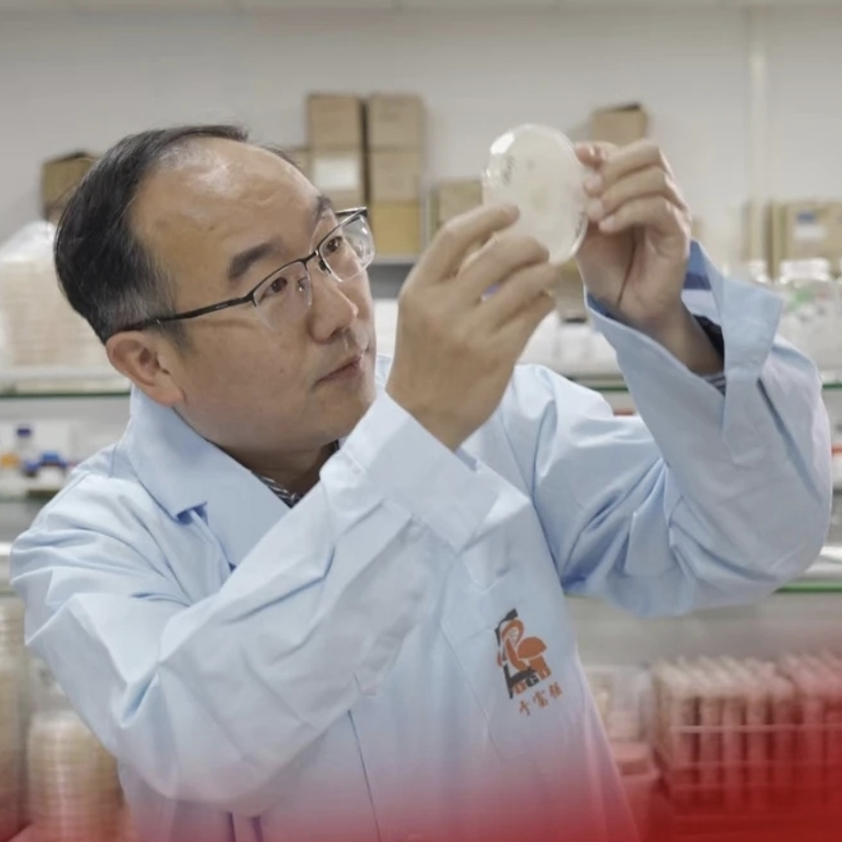
Yu Fuqiang | Professor-level Senior Engineer at the Kunming Institute of Botany, Chinese Academy of Sciences, with deep expertise in the conservation and utilisation of macrofungi resources. He achieved a breakthrough in key technologies for artificial truffle cultivation and has worked in the mountain regions of southwest China to promote the cultivation of rare edible fungi, empowering the efficient use of biological resources and the development of rural livelihoods. He was named an Advanced Individual by the Chinese Academy of Sciences.
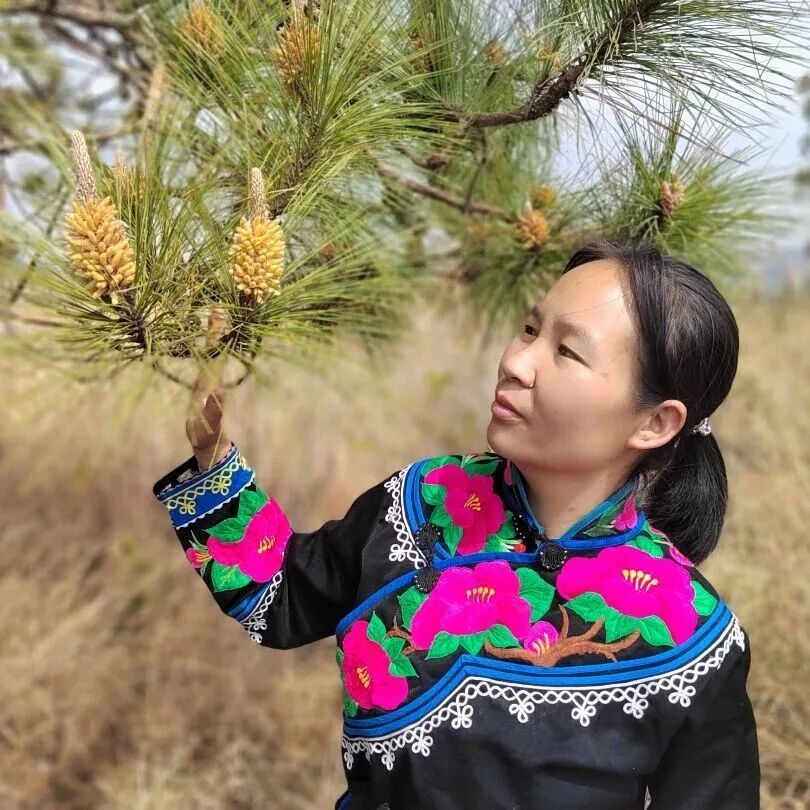
Kang Li | A Yi-ethnic woman from China’s principal truffle-producing region. After finishing senior high school, she took part in rural-development work in Kunming and Beijing. In late 2015 she decided to devote her life to the countryside and returned to Chuxiong, Yunnan, to start her own business, establishing two platforms – ‘Kang Li’s Local Goods’ and “Happy Homestead” – to support sustainable foraging and cultural heritage through commerce.
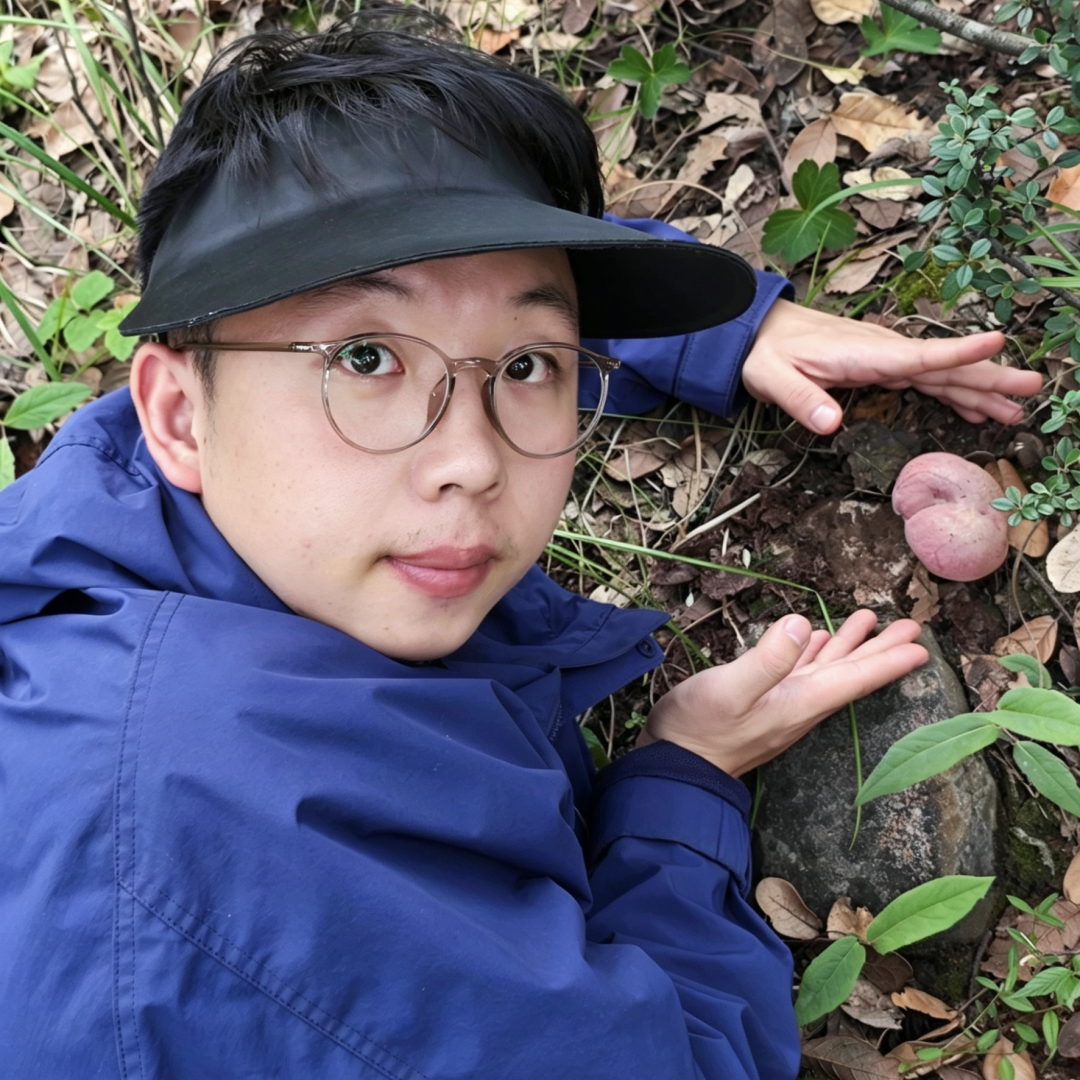
Junjun | Convener of the Slow Harvest Network. He entered the wild-mushroom industry by working off the books for a truffle merchant and has long focused on the issue of sustainable wild-mushroom harvesting. (WeChat ID: mancaiwangluo)
– Book Information –
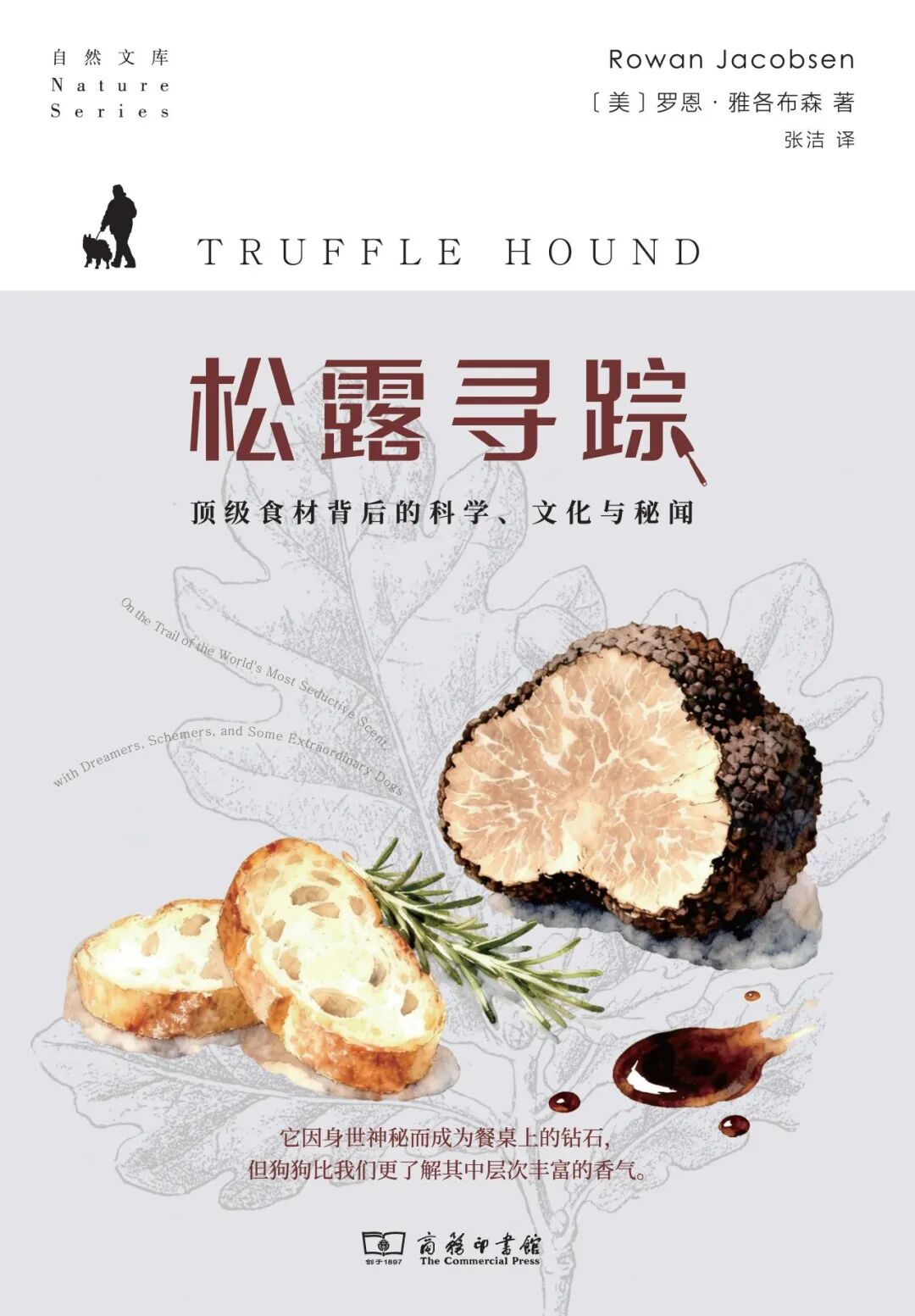
Truffle Hound: The Science, Culture and Untold Stories Behind a Premier Ingredient
Food writer Rowan Jacobsen traverses six countries, following a cast of vividly individual truffle hunters and their beloved dogs as they trudge through the undergrowth in search of treasure, unearthing these diamond-grade delicacies from beneath unremarkable leaf litter. From Italy, France, Spain, Croatia and Hungary to the United States; from truffle hunts in the forest at night that feel like expeditions of discovery, to truffle fairs where quality is hard to tell apart and the noise rivals a tourist souvenir market, to buying stations where seller and buyer scheme to outmanoeuvre each other – … In these richly earthy journeys, the author also unravels the scientific truth of how truffles grow and reaches the very heart of the industry, revealing the hidden contest of interests and tangled relationships that lie beneath.
About the Author
Rowan Jacobsen won the James Beard Award – the “Oscar of the Food World” – for his book A Geography of Oysters. His other works include American Terroir, Apples of Uncommon Character and several more. A long-time contributor to The New York Times, Outside, Food & Wine and Orion, he has appeared on numerous food television programmes and been featured in The Wall Street Journal, The Washington Post and other outlets.
About the Translator
Zhang Jie, originally from Songjiang, Shanghai, completed her undergraduate studies in the Department of History at Fudan University, earning a BA in History. She then read International Relations at the School of International Relations and Public Affairs, Fudan University, obtaining an MA in Law (International Relations). She is currently employed at Fudan University. Her translations include A Few Planes for China: The Birth of the Flying Tigers, The Wandering Lemon: A Journey Through Italy’s Citrus Groves and The Warp and Weft of Civilisation: How Textiles Shaped the World, among others.
Edited and compiled by: ZX
Layout: Xiaoshu
Scan to tip and support original food writing
▼

▼
Tap a keyword to browse more article collections
Seeds | Agricultural Technology | Policy | Fermentation | Nutrition | Fruit | Fisheries | Events | Jobs | Takeaway | Wet Market | Animal Husbandry | Food Talk | Sharing Sessions | Book Club | Harvest Festival | Smallholder Stories | Climate Change | Rural Development | Cooperative Economy | Urban Farmers | Food Safety | Digital Technology | Biodiversity | Pandemic & Food | False Solutions | Agroecology Internship Programme
Beijing | Hebei | Shanghai | Guangdong | Guangxi | Henan | Sichuan | Jiangxi | Xinjiang | Shaanxi | Hong Kong | Chongqing | Zhejiang | Jiangsu | Guizhou | Taiwan | Inner Mongolia | Philippines | Canada | Russia | Mexico | Italy | United States | United Kingdom | Germany | Netherlands | Thailand | Sweden | Japan