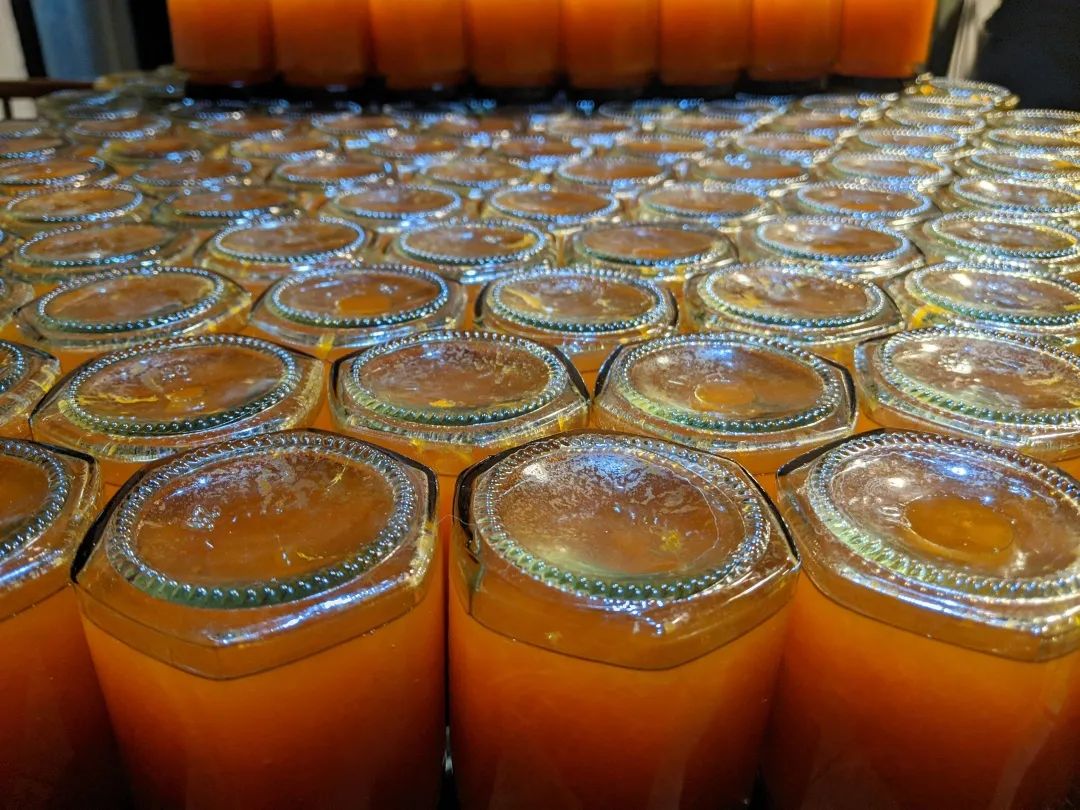
The State Administration for Market Regulation plans to remove “drying” from the definition of “edible agricultural products” in its draft for public consultation. Smallholders who sun-dry and sell their own dried goods may face penalties, while building a factory or arranging contract processing is unrealistic for most farmers.
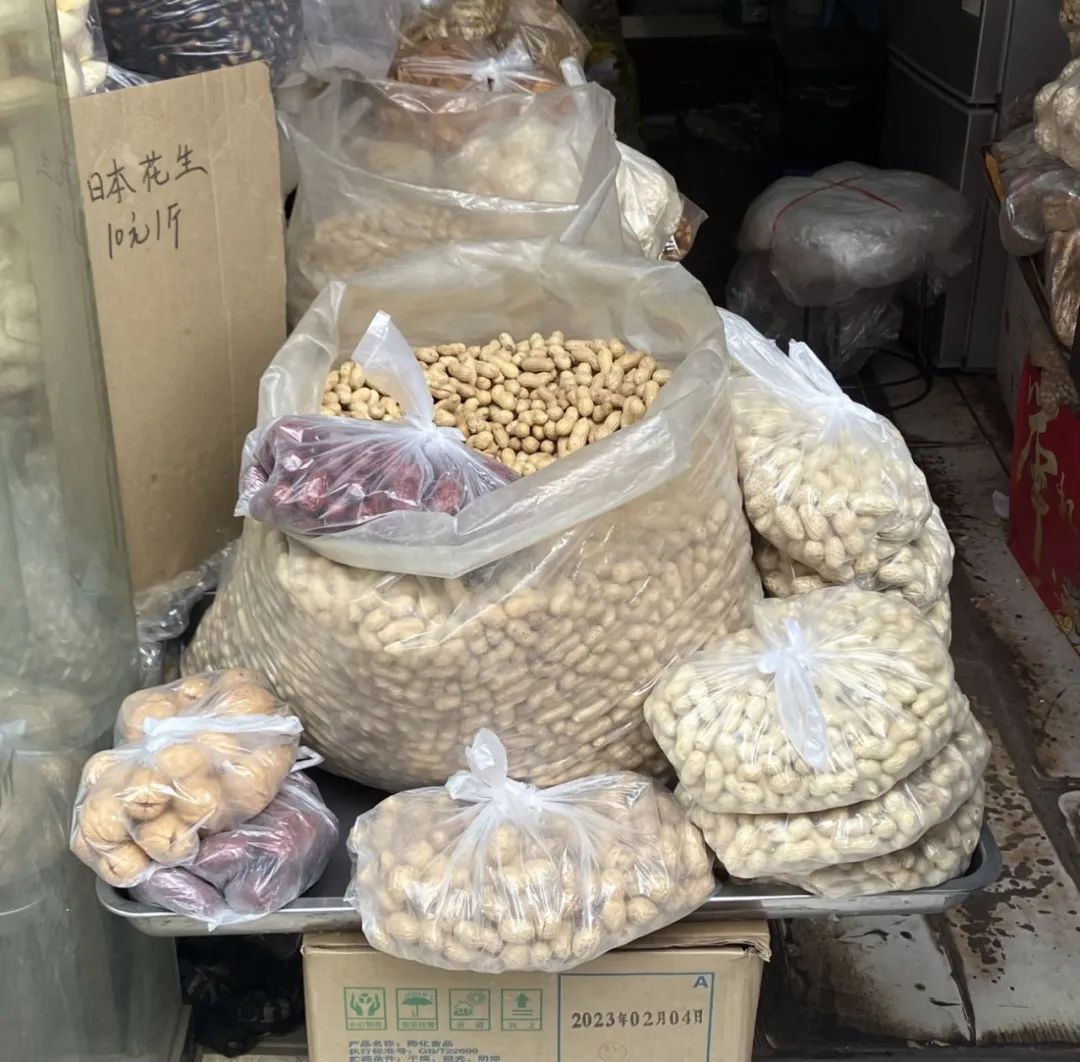
The draft for public comment on new edible agricultural product sales rules imposes vague “whole-process management” requirements on wet market vendors and encourages packaging, while also making reasonable adjustments such as banning misleading lighting. The public can submit comments before 4 June.
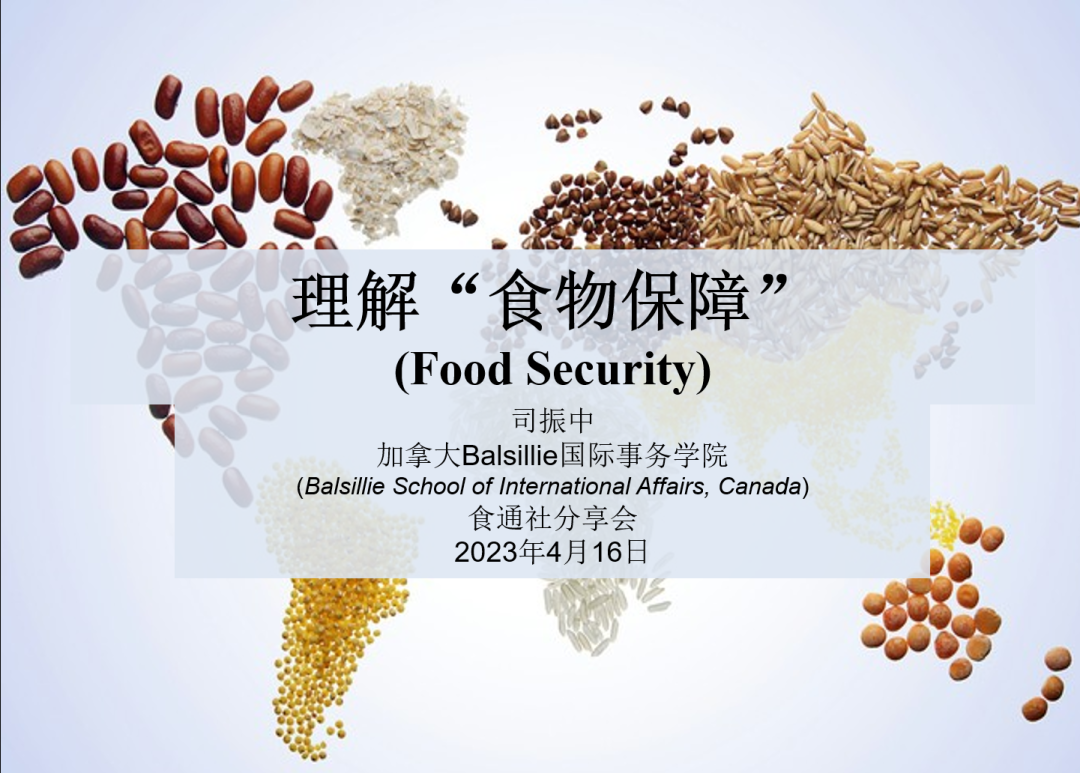
Food security goes beyond national-level “grain security” – it is about whether individuals can access nutritious and safe food at any time. Nanjing’s “Vegetable Basket” Programme and its mixed-ownership wet markets offer a model for sustaining high levels of food security.
Foodthink hosts chat with food culture researcher Sun Lin about “legal, but unnecessary” food additives: soy sauce made without a single soya bean, a slice of toast containing over a dozen additives, and whether the true cost of industry replacing slow fermentation has been clearly seen.
China’s Acceptable Daily Intake for procymidone exceeds that of the EU, Japan and Australia; under contiguous high-tunnel cultivation of Chinese chives, growers apply preventive spraying every seven days, grey mould fungus resistance continues to rise, and adjusting residue limits cannot change a production model built on overuse.
Liang Junjie, a post-1980s native of the Shanxi–Shaanxi–Inner Mongolia Loess Plateau, left chemical-fertiliser and pesticide sales to return home and found the brand Xunxiang Dao. Nine years of pitfalls—product selection, processing, packaging, channels—ultimately led him to ecological agriculture and rural study-tour programmes for children.
Grandma, who made it through COVID-19, home again at the old house in Fengjie after hospital: Second Uncle at the wok, Mum reminding the jar needs young ginger, a tableful of steamed pork with rice flour and pig’s snout, steaming—family gathered round as though nothing had changed.
The SCA flavour wheel’s reference foods skew towards Europe and North America, and woody and earthy flavours are labelled as negative, placing producing regions in Indonesia and India under pressure. Developing local flavour wheels and trusting your own tongue is a freer way to enjoy coffee.
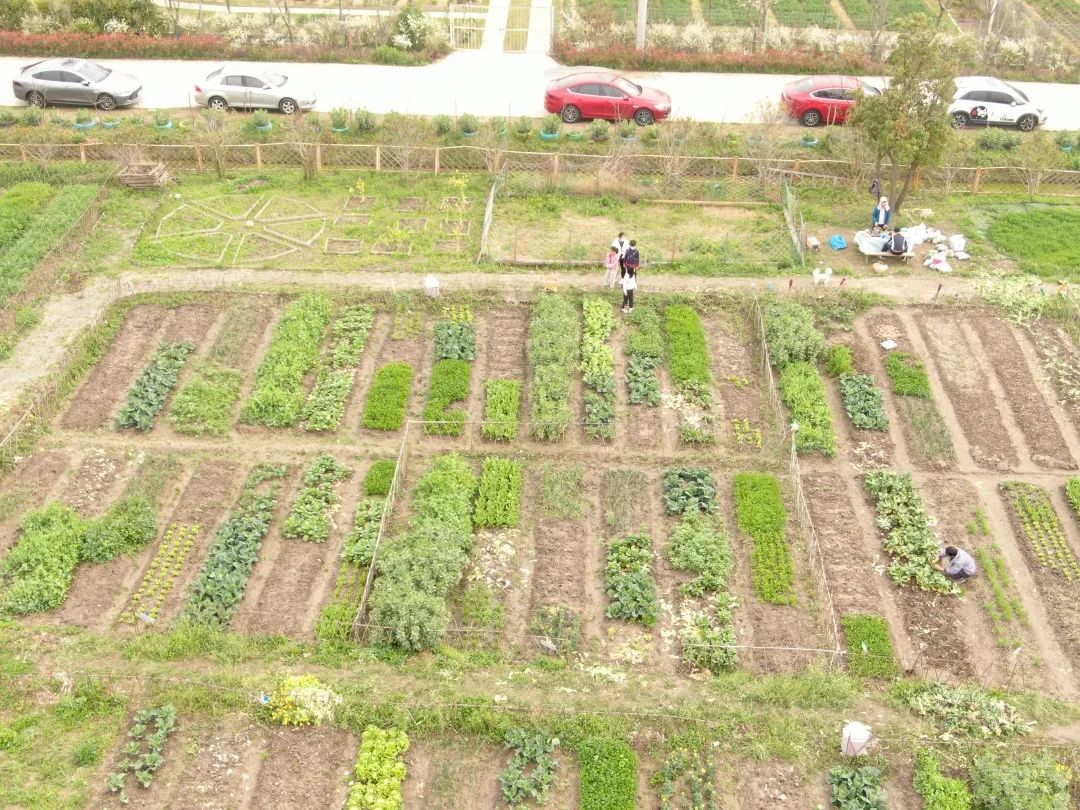
Mr Yuan Qinghua, director of Letian Haiwan Farm in Fengxian, Shanghai, is handy at everything from repairing vehicles and sawing timber to growing vegetables and answering questions. After months interning there, Xiao Mi saw that an ecological farm needs polymaths, not city-style specialists.
Former Beijing advertising worker Yu Jiangang and wife Mei Yuhui rear silkworms and reel silk in Zhenghebang Village, Tongxiang, tending the village’s last acre of Hangzhou white chrysanthemums. Their silk quilt brand Meiheyu passes on the craft — but the family farm now faces land and road development hurdles.