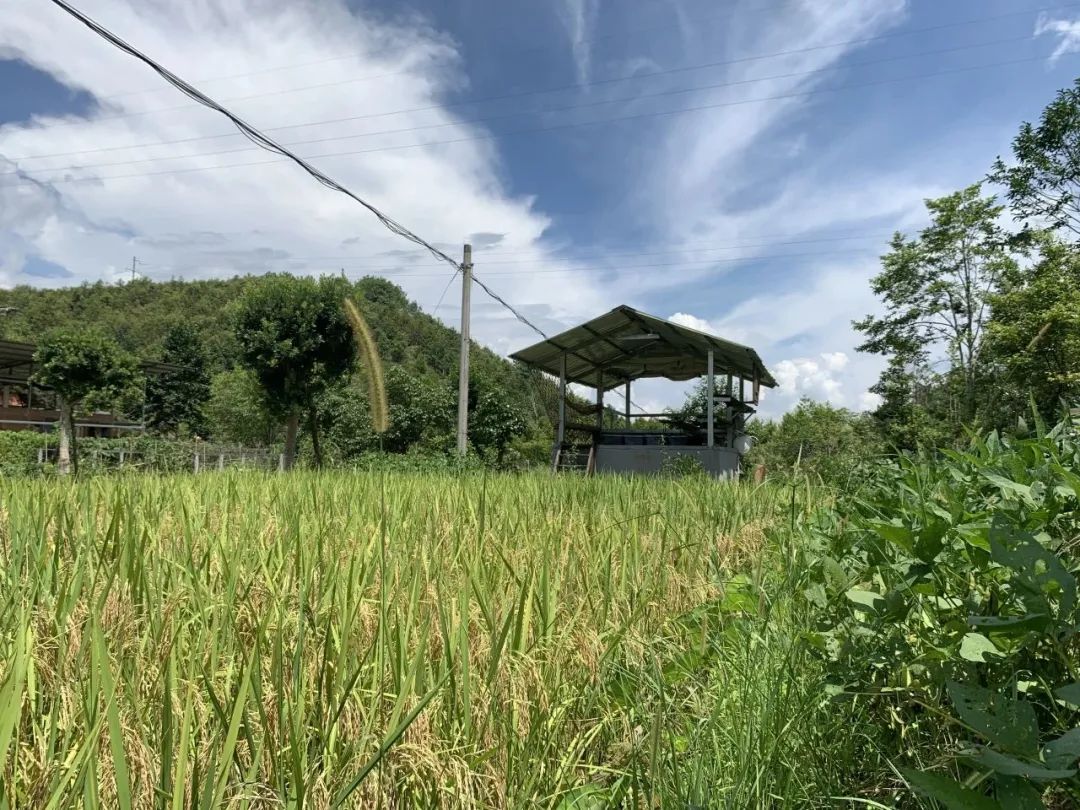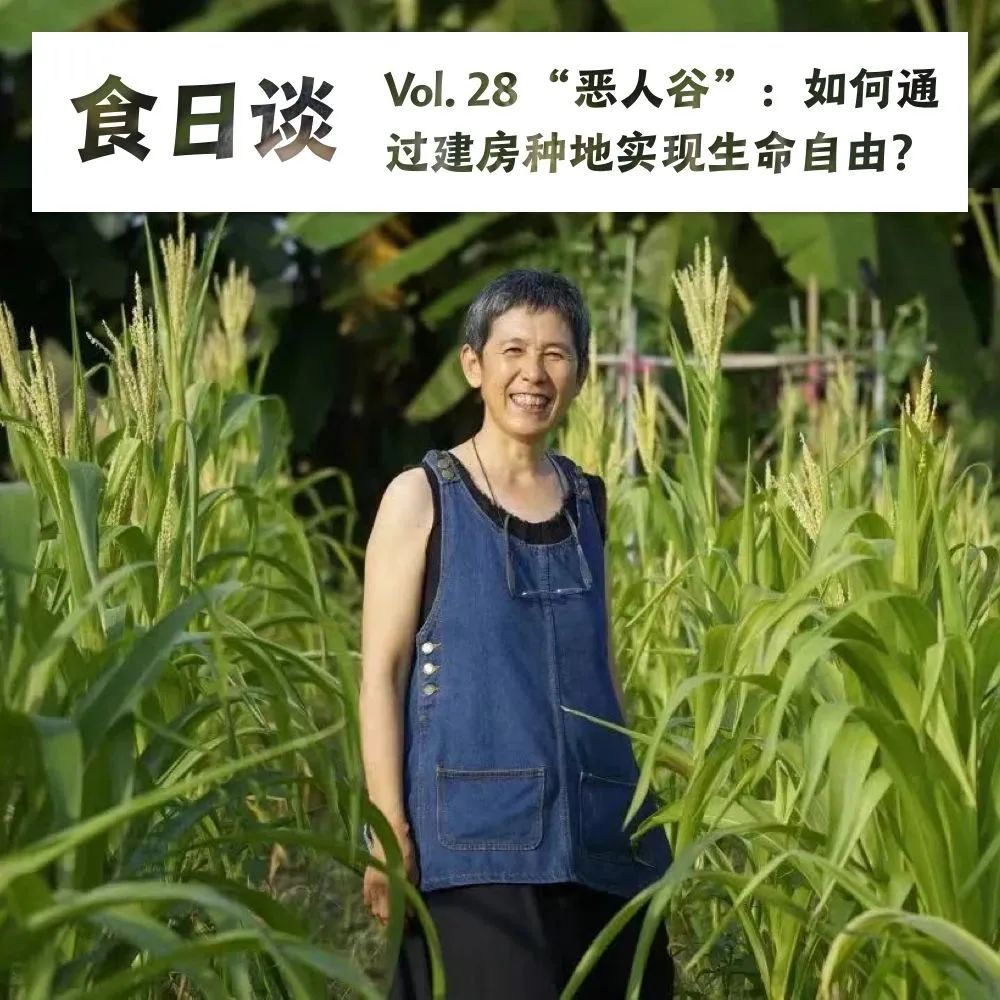
In her late fifties, Kouzi moved to Scoundrel Valley, Fujian, in 2021 – building her own light-gauge steel-frame home, growing perennial crops, and buying almost nothing beyond a little fruit, sugar and salt. Foodthink lived and ate alongside her, exploring the endless shrinking inward behind her “lazy farming method”.
From the Green Revolution to carbon credits, Bayer and IRRI’s schemes have consistently placed hidden costs on smallholders. Yet farmer networks such as MASIPAG in the Philippines and DDS in India are rebuilding a different emissions-reduction foundation through local varieties and agroecology.
A friend’s winter visit with washing-up liquid and a stir-fry wok turned Villains’ Valley’s spring-water pool black as thick ink, ending two years of untroubled greywater purification. No argument conveys so vividly how modern household chemicals sever the mutual-nourishment cycle between people and the land, under one’s eyes.
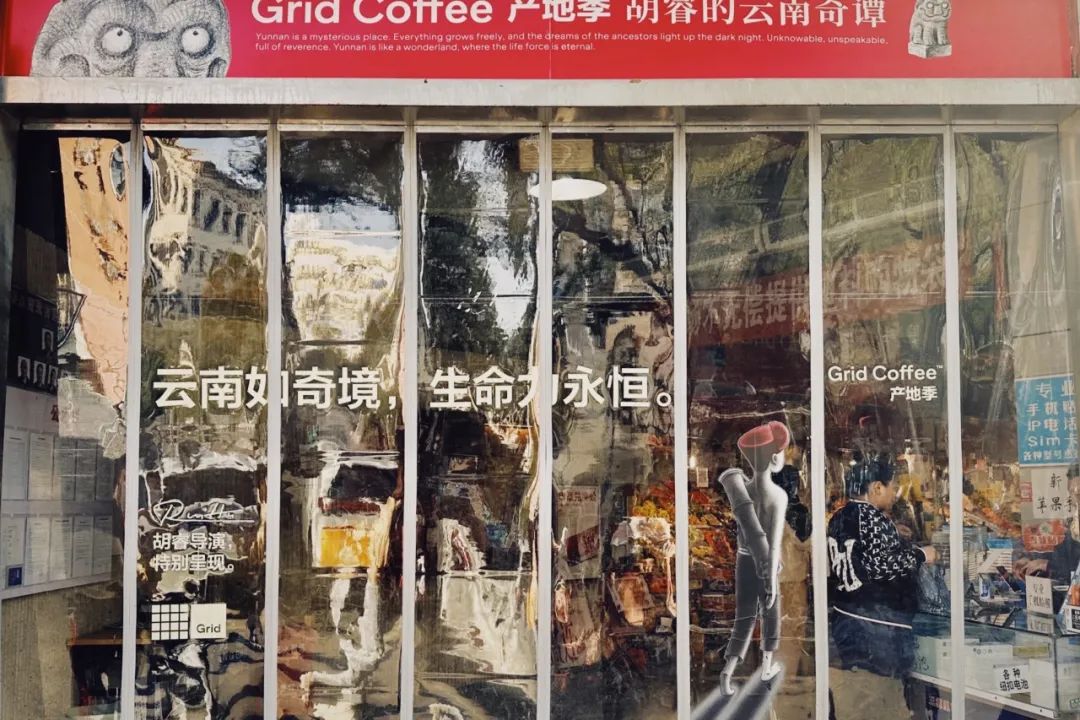
Sanyuanli has become a coffee brand’s check-in exhibition venue. At the Beijing Organic Farmers’ Market, meanwhile, pesticide-free strawberries, king oyster mushrooms with their caps open, and seasonal Chinese chives stand guard over the most solid trust between daily meals and the land.
Sun Shan runs an ecological farm and fermentation kitchen in Ottawa. Eight years of daily vegetable-growing and sauerkraut-making embody Sandor Katz’s vision in The Art of Fermentation: fermentation is not just food preservation, but a way to rebuild connections with microorganisms, the land and the community.
At Alxa Zhiliangtian Farm, a yellow-painted shipping container coffee house brings together study tour children, fellow volunteers and kitchen helpers. Two months of small, everyday moments gave concrete warmth to the seemingly barren desert.
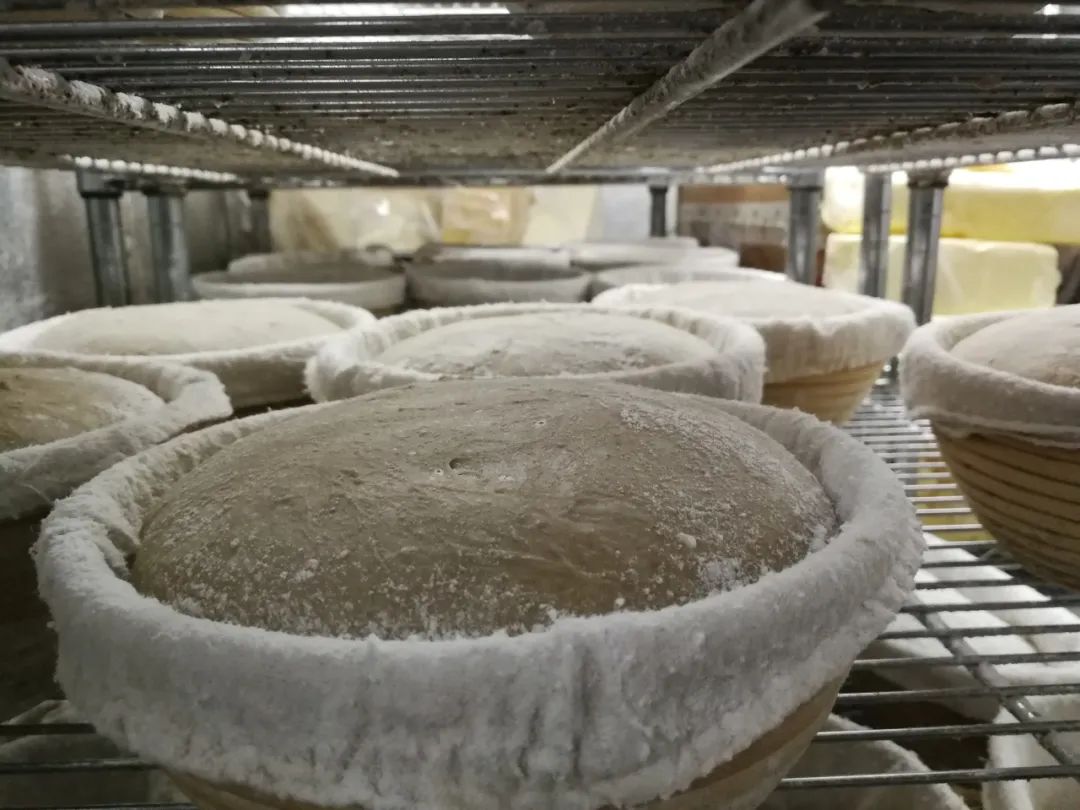
As the scattered village in the New Territories crumbled under demolition, Sanjiao carried a sourdough starter through pandemic streets and bread workshops, finally reaching Yinlin Ecological Farm, Conghua, where ecological smallholder flour gives bread back to the land beneath her feet and the community around her.
The International Institute for Environment and Development (IIED) and the Forest and Farm Facility surveyed over 1,800 smallholder farmers across 13 countries and found that their own climate adaptation spending far exceeds international climate finance. Farmer organisations are calling on COP28 to fund grassroots cooperatives directly.
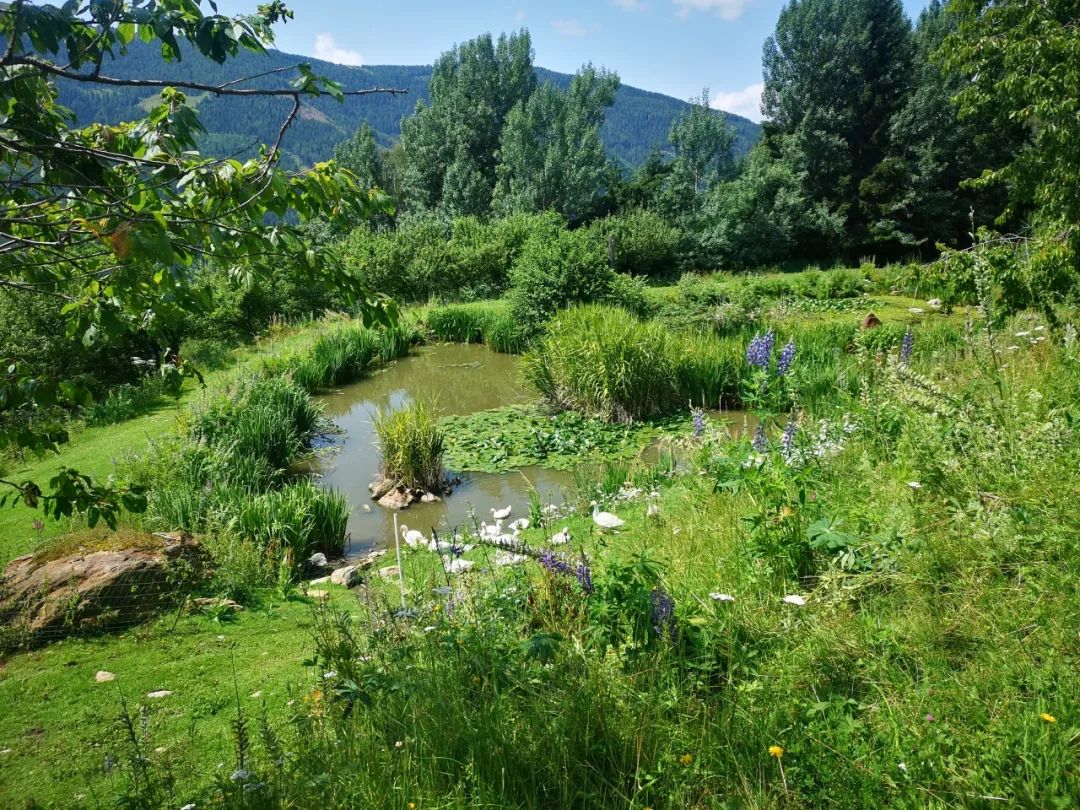
Two generations of Holzers have rebuilt terrace ponds on the arid slopes of the Central Alps, meeting the harsh climate with 72 interconnected ponds and small year-on-year experiments, grounding ecological diversity in economic calculation rather than moralistic rhetoric.
A farmer who refuses chemical fertiliser and pesticide in a Hakka village — the weeding auntie worked four days, urged me to spray for four, then carried off my taro stalks on her way out. Her own taro? Too full of pesticide to eat.