Drawing on years of reporting, Foodthink shows how China’s small-scale ecological farmers grow healthy produce without relying on chemical inputs — from pest and disease management and soil management to permaculture and other farming systems — and previews the agricultural training courses set to launch in 2024.
The Beijing Organic Farmers’ Market is China’s most mature Participatory Guarantee System (PGS) initiative, but high organisational costs, the care burden on female consumers, and mainstream scale-oriented competition are constantly compromising the ideal of producers and consumers co-negotiating food standards.
Five months on Foodthink’s ecological agriculture internship programme at Green Me Farm in Xianyang — from driving tractors and harvesting wheat to caring for the soil through Biodynamic farming. The greatest harvest wasn’t technique, but a fresh look at the condition of the land, food and animals.
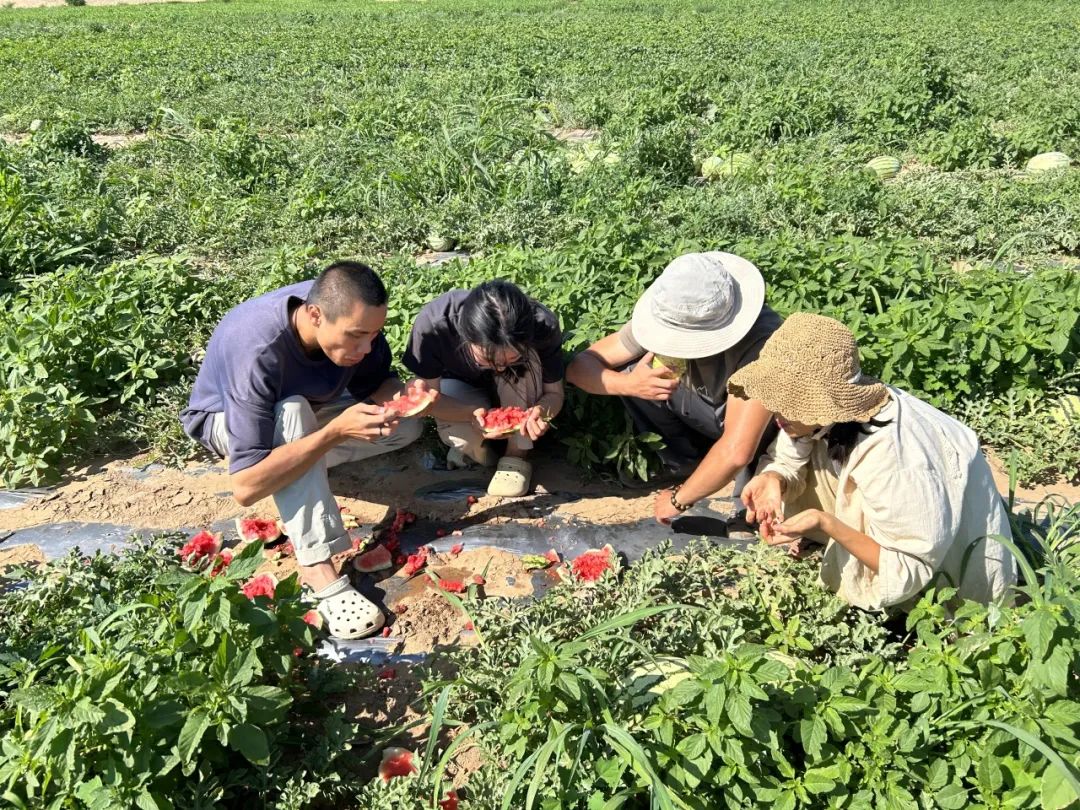
Foodthink’s third Ecological Agriculture Internship Programme welcomes four new farms, with twelve partner farms spread across Guangdong, Beijing, Inner Mongolia, Guangxi and beyond. Interns will learn crop cultivation, animal husbandry and farm management from experienced growers out in the fields.
This episode of Food Talk visits Pingren Farm in Changping, Beijing. Food doctoral researcher Zhou Chen, cultivation technician Zhao Fei and home cook Auntie Li discuss releasing the fixation on looks, learning more about production and engaging all five senses to come closer to truly “good food”.
Early 2024: over thirty thousand farmers drove five thousand tractors into Berlin against scrapping the agricultural diesel tax rebate. The real fury was systemic injustice: after over 170 years of subsidies tethering agriculture to fossil fuels, small farms bore the cost crisis alone while large farms harvested theirs.
At Letian Bay Farm in Fengxian, Shanghai, pest damage has left barely any organic maize, the local farm workers don’t buy into the no-spraying method, and the farm’s real revenue comes from land rental and activity experiences – not selling vegetables.
At Ji Shi in Beijing’s Sanyuanqiao, all produce comes from local ecological smallholder farmers—cabbages alone span multiple varieties from different farms, and farmers come in person to recommend how best to enjoy their produce. The Foodthink conversation extends from selling vegetables to efficiency, consumption and gentrification.
Foodthink’s Lianhe Programme has opened applications for the third cohort of its Ecological Agriculture Internship Programme. The first two cohorts placed more than 40 young people at over ten ecological farms across the country. Application deadline: 6 March.
Several new Foodthink colleagues once again occupied Ji Shi before the Spring Festival of the Year of the Dragon to sell vegetables for a day, sharing first-hand experiences — from not being able to recognise wutai cai to reconciling receiving invoices from over twenty farmers.