
The Land Is Calling: Last-Minute Recruitment Before the First of the Lunar Month
At the same time, we have noticed that many newcomers to ecological farming are still repeating the same costly mistakes with little to show for it. This has, to a degree, held back the growth of the sector, put young people off pursuing ecological agriculture altogether, and even dented its reputation.
Through our reporting we have also found that a farmer who first gains experience learning and working on an established farm before striking out on their own can avoid a great many detours, sometimes reaching break-even—or even turning a profit—much sooner. Yes, losing money and, at best, breaking even is the reality for most ecological farms in China.
In view of this, Foodthink’s Lianhe Programme launched the Ecological Agriculture Internship Programme in 2021, with the aim of supporting both young people keen on ecological agriculture and established ecological farms: enabling young people to master agricultural knowledge and skills through hands-on practice, helping to document and pass on the experience of veteran farmers, and at the same time channeling talented new blood to farms and breathing fresh life into rural communities.
To date, two cohorts have been completed, placing more than 40 fellows at over ten ecological farms across the country on internships lasting anywhere from two months to a year. The second cohort of interns “graduated” at the end of 2023.
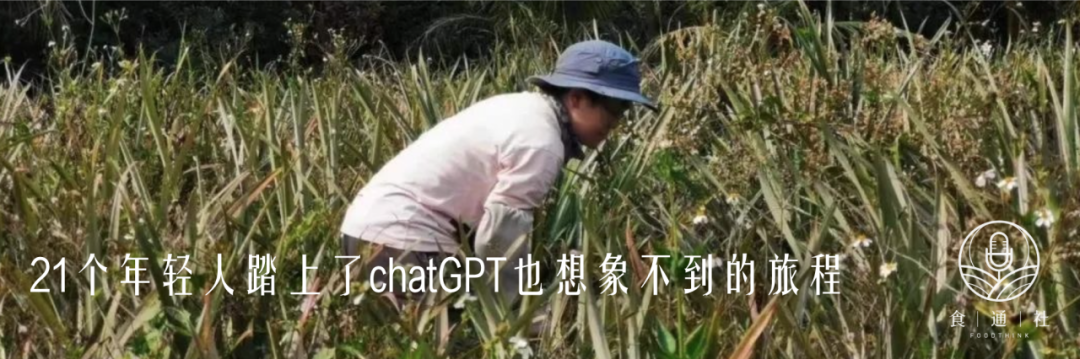
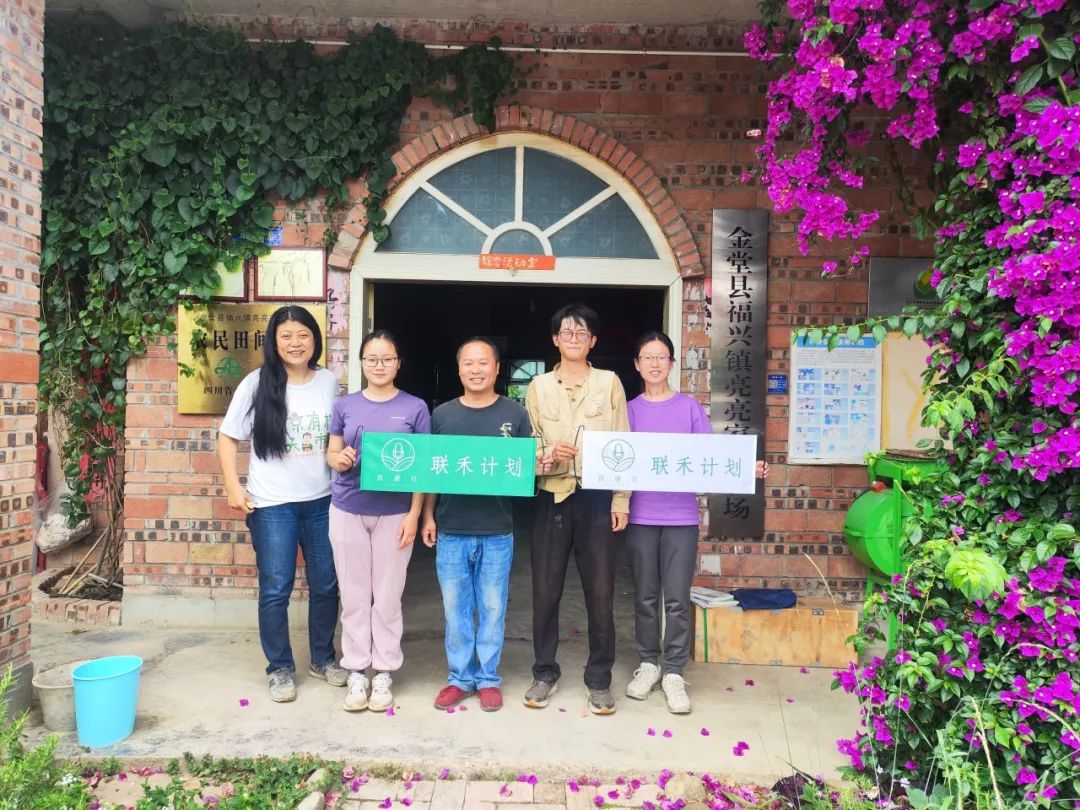


Applications are now open for the third cohort, for both interns and host farms.
If you are interested in ecological agriculture and want to learn the knowledge and skills of farming, or if you care about agricultural issues and wish to explore the possibilities of environmentally friendly, sustainable rural development through hands-on experience, you are warmly invited to apply for the third cohort of the Ecological Agriculture Internship Programme!
If you run a farm and would like to host interns, you are equally welcome to apply to become a farm mentor. Details on how to apply are at the foot of this page.
If you simply want to learn more about ecological agriculture techniques, you are welcome to take part in Foodthink’s survey of technology needs in ecological agriculture.
Before you apply, let us take a look at what the second-cohort interns experienced over the past year.
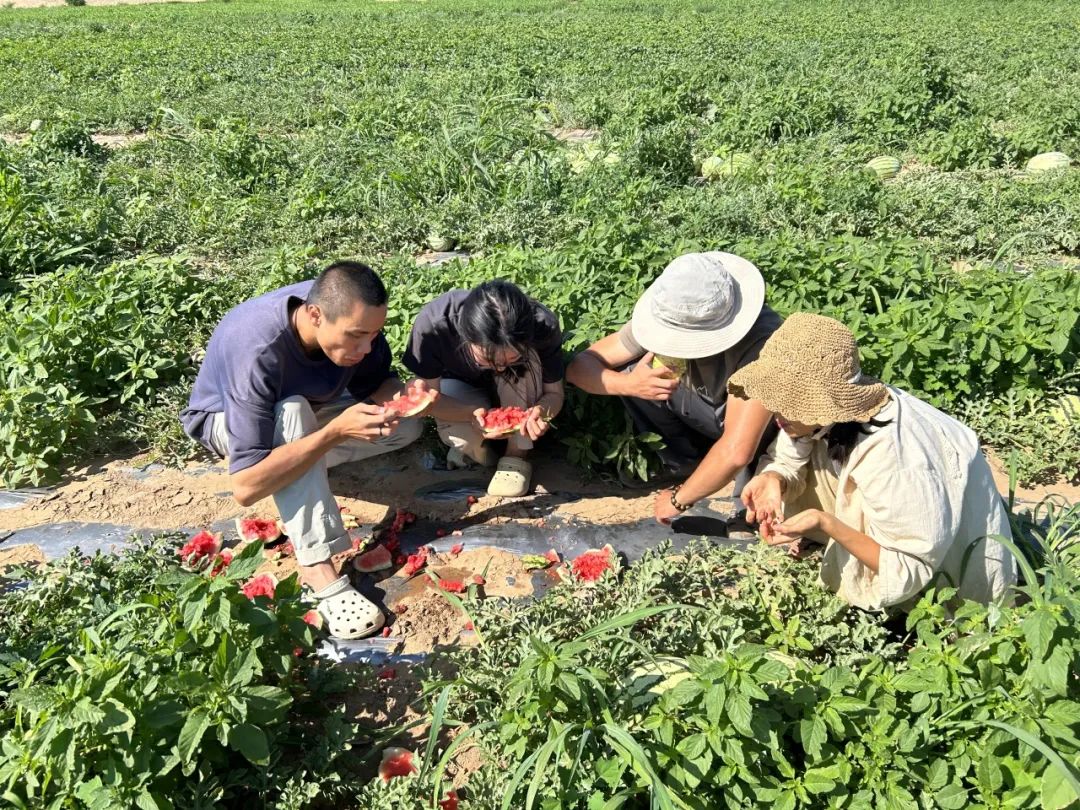
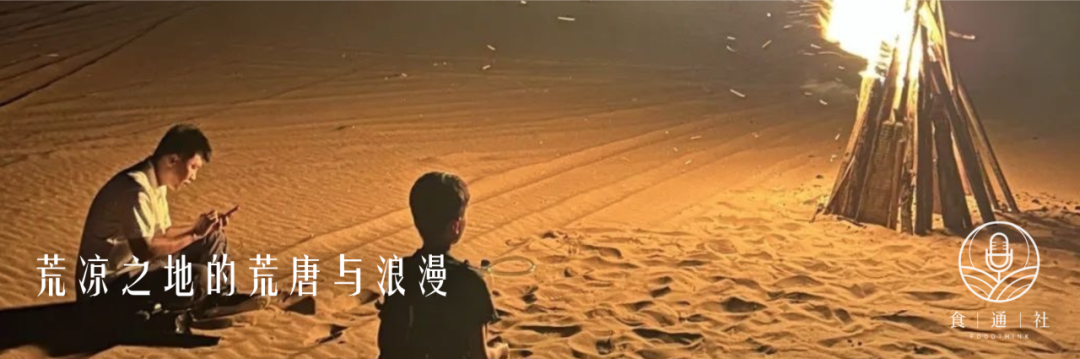
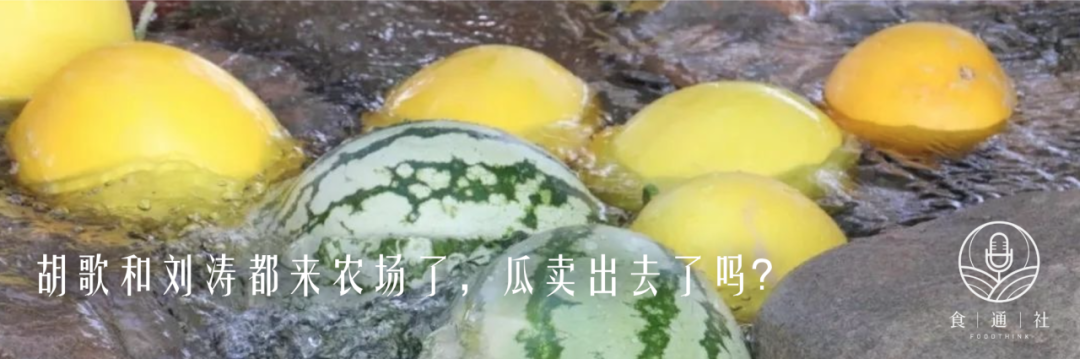
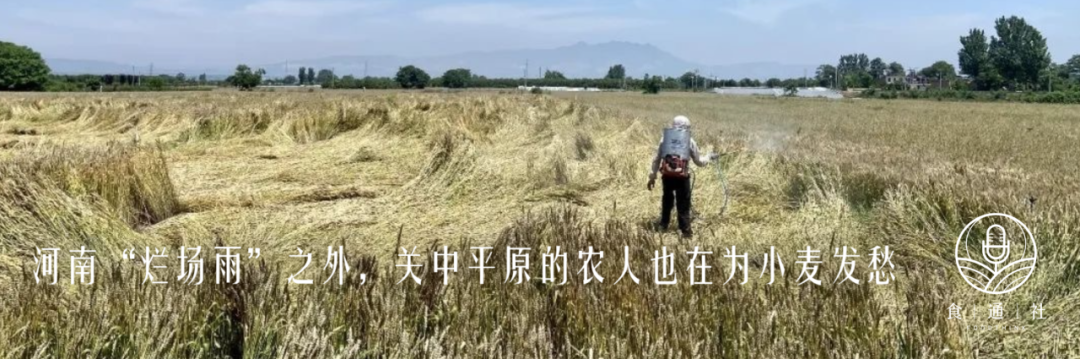
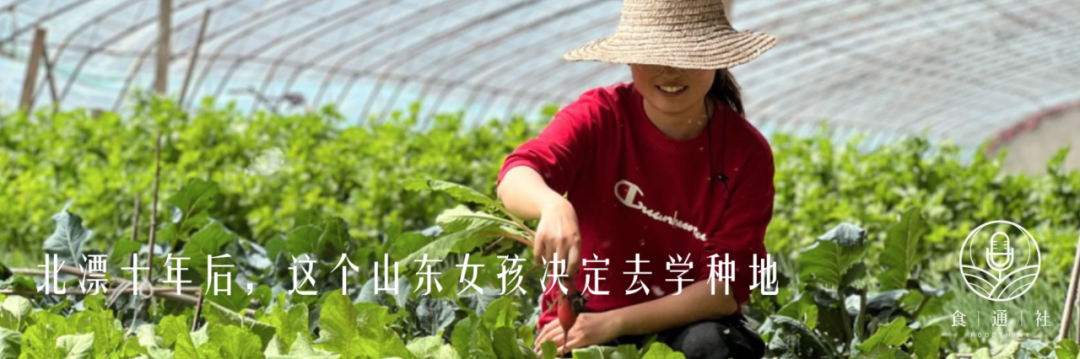
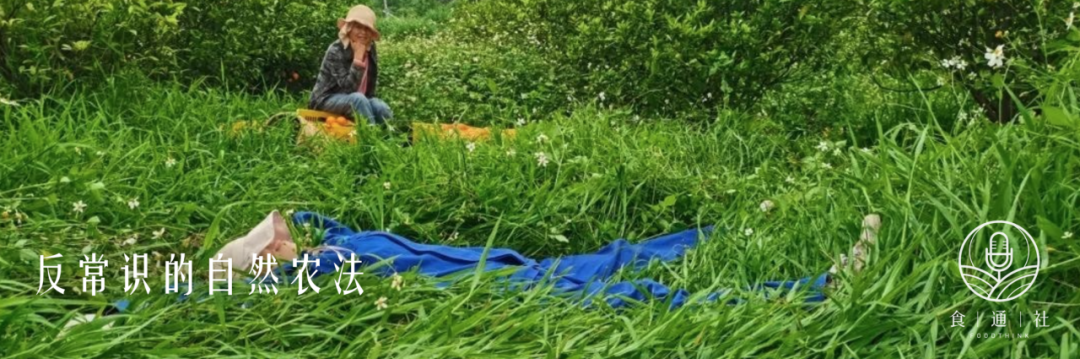
Some interns left the city for rural life and discovered that “a farm is like a big family” and that they had “met so many wonderful people—I don’t know where else I could find such a paradise.” One intern, working at a farm that had once hosted actors Hu Ge and Liu Tao, tried her hardest to sell the melons, and when they simply wouldn’t sell she achieved true watermelon freedom. Others made coffee in a shipping container in sweltering heat, repeatedly reminding visitors to sort their rubbish, led study-tour groups while keeping an eye on the children, went hiking and camping in the desert, and talked the whole night through around the bonfire.
The friendships forged through ecological agriculture will keep nourishing them for years to come.
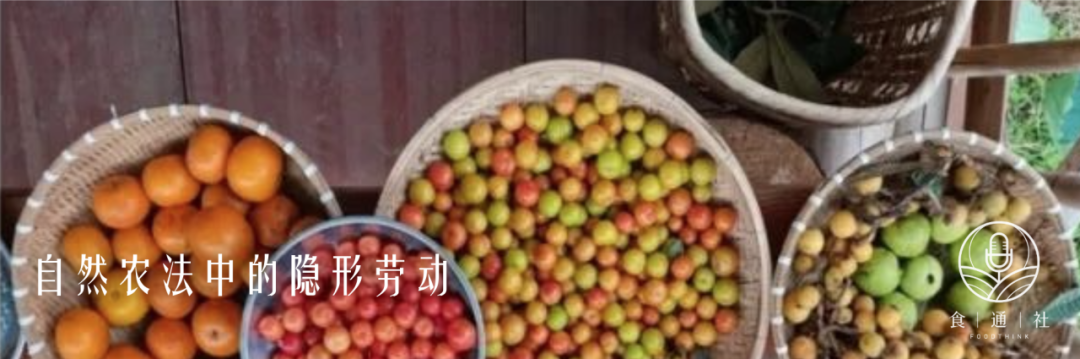
Some interns truly put their hands in the soil and their backs to the sky, shattering any romantic notions about farming, coming to understand how hard a farmer’s life truly is, and emerging with an even firmer resolve to pursue ecological agriculture.
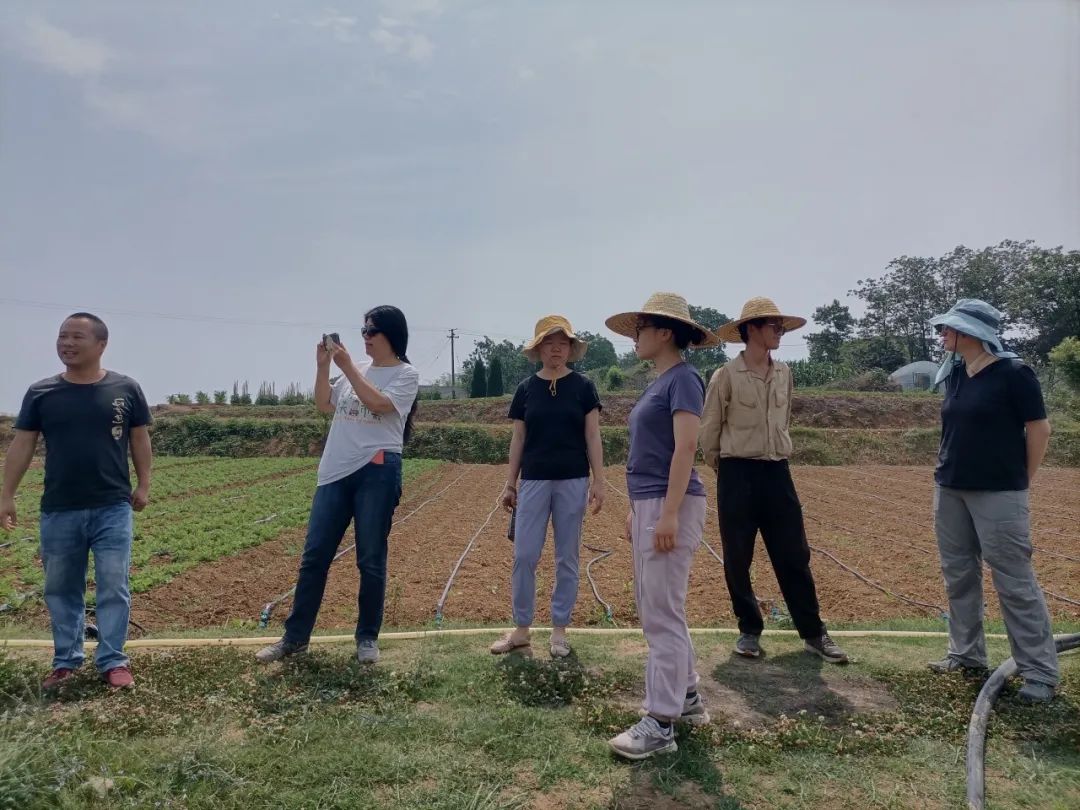

Some interns came away from the experience with a whole string of reflections on ecological agriculture:
“The environmental damage and inequality caused by agriculture are problems embedded in wider social structures—politics, economics, education, history, culture. As an individual, how should we understand and respond to such a complex predicament?”
“In modern society you simply cannot survive on farming alone; you also need to get marketing and service right. But how exactly do you go about that?”

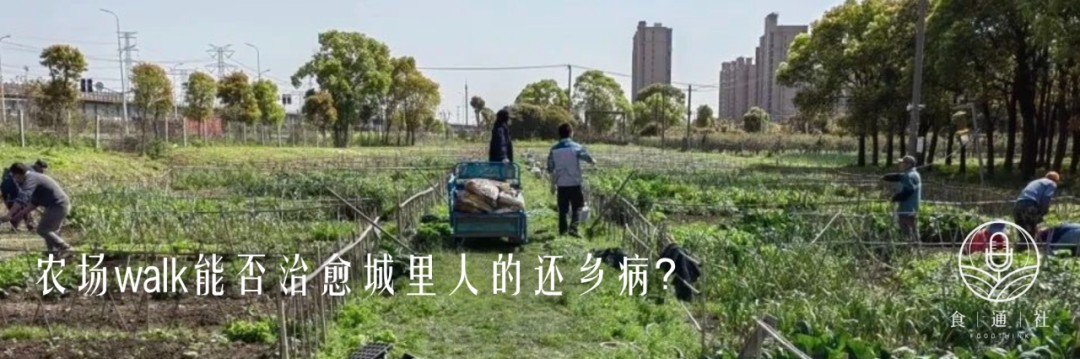
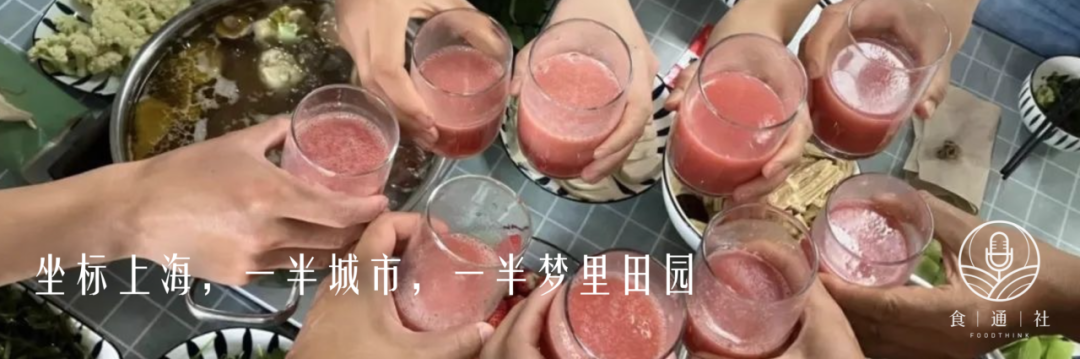
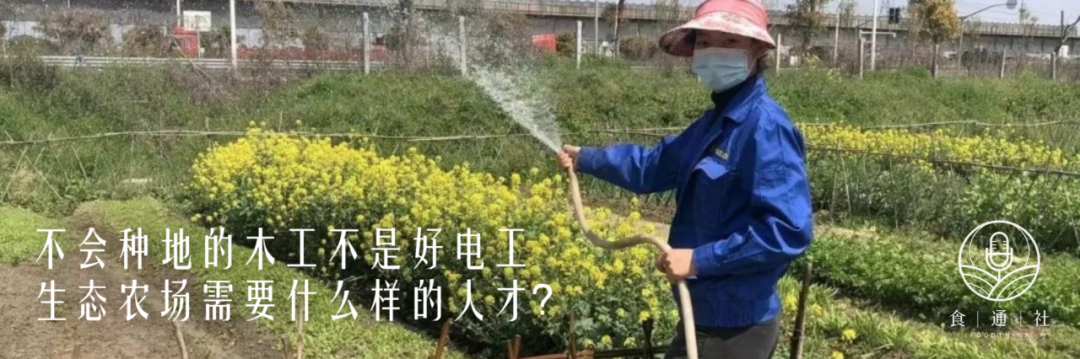
The host farms have also spoken highly of the internship programme.
“From being afraid of a single flea to rolling around on the grass; from being scared of mice and crying at the sight of a snake to feeling brave enough to stay up on the hillside without our company; from refusing to cook to being put in charge of a week’s worth of meals in rotation … through all the sweet, sour, bitter, salty and umami, through joy and sorrow, anger and grief, worry and fear—I think they tasted it all!”—Yan Ping, Xingfu Guo Baicao Yuan, Guigang, Guangxi
“Every intern has a genuine passion for ecological agriculture. They throw themselves into the work earnestly and reflect with heart. They may not always excel at the specific physical tasks, and sometimes confusion sets in, but I believe any intern who has been through this placement will come away with a truly special life experience, and a far more direct understanding of ecological agriculture, the countryside, and the family farm.”—Tang Liang, Liangliang Farm, Chengdu, Sichuan
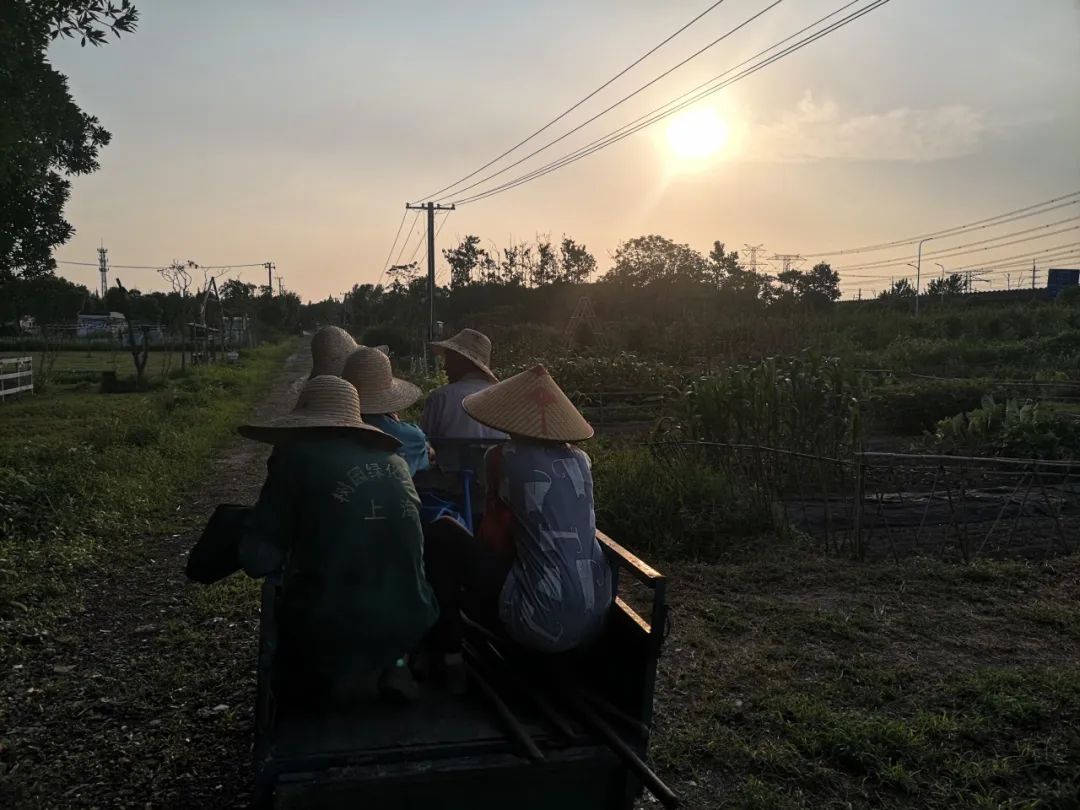
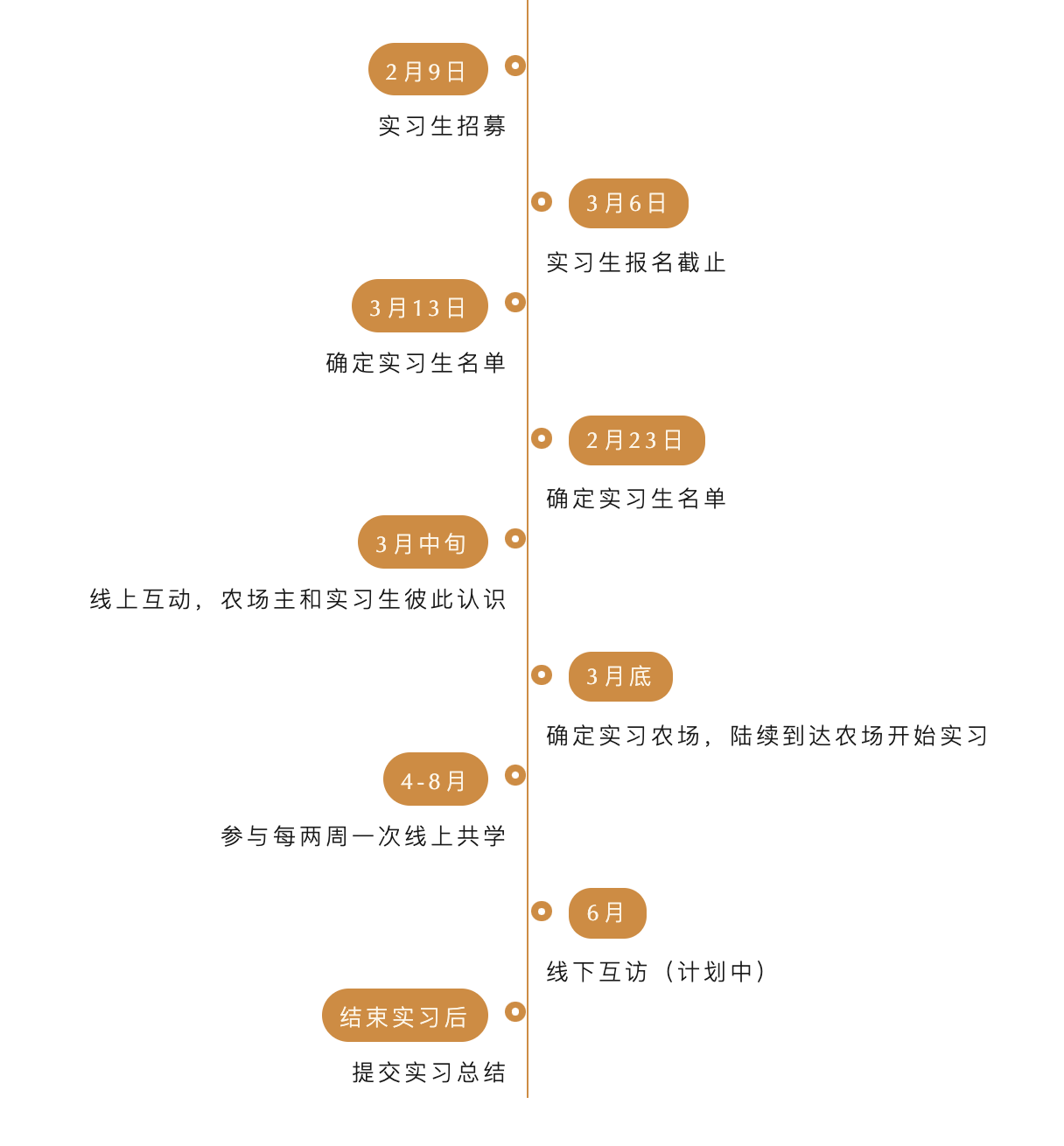
Application deadline: 6 March 2024.
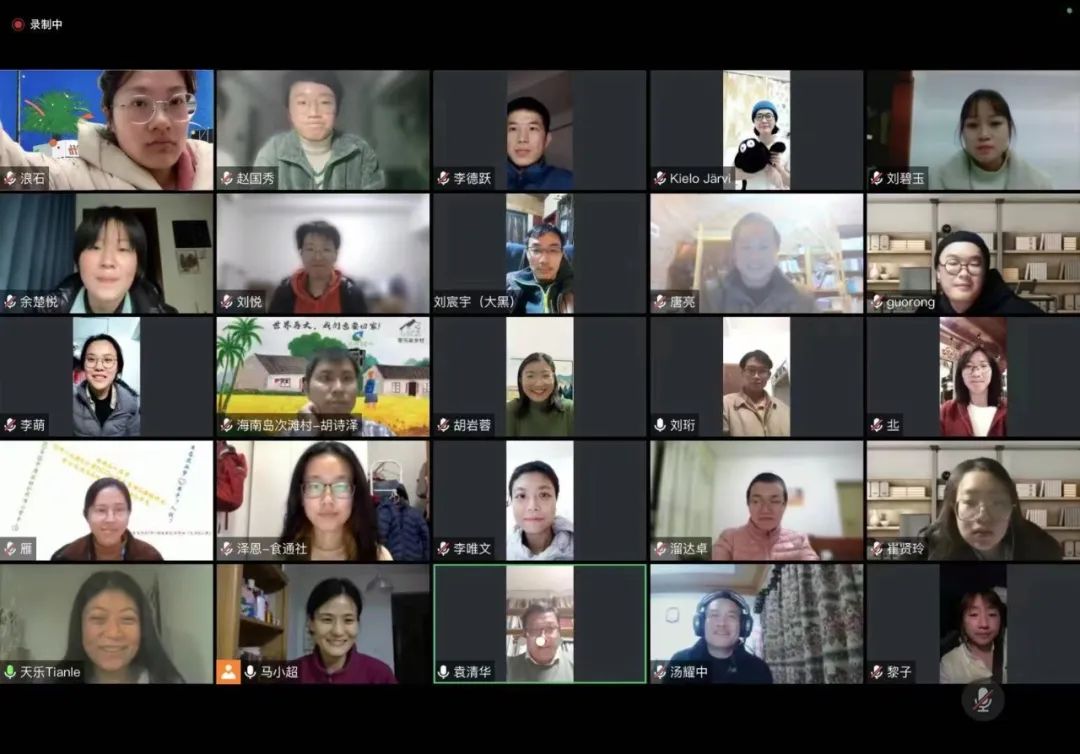
In late February we will also hold a special sharing session in which past interns and mentors look back on their placements. It will be hosted on Tencent Meeting and live-streamed on Foodthink’s WeChat Channels. If you would like to know more about the programme, you are welcome to submit questions online.
- A match with an experienced ecological farm as your placement site
- Structured learning in sustainable food-and-farming systems
- Joining an ecological agriculture peer network
- A bursary: complete the internship and take part in the online co-learning sessions, and your round-trip travel costs will be reimbursed
- The chance to attend in-person gatherings of interns and farm mentors
- The opportunity to publish articles on Foodthink sharing your internship experience and reflections, with payment
- Hands-on learning and professional guidance: Based on the intern’s interests and the farm’s actual needs, guidance is provided in areas such as cultivation techniques, machinery operation, marketing and farm management. Interns can take part in a diverse range of tasks—planting, marketing, hosting farm events, day-to-day maintenance—experiencing farm life first-hand while learning the techniques and management of ecological agriculture.
- Research and innovation: The chance to get involved in farm research projects such as soil improvement, heritage variety conservation and biodiversity studies, as well as in the design and organisation of the farm’s nature-education study tours.
- Community engagement: The chance to take part in the farm’s interaction with the local community, through activities such as cooperative operations, and to learn how agriculture can play a role within rural communities.
- Personal growth: Building up agricultural experience, improving practical life skills, learning to be more self-sufficient in a rural setting, and making friends from a wide range of fields and backgrounds.


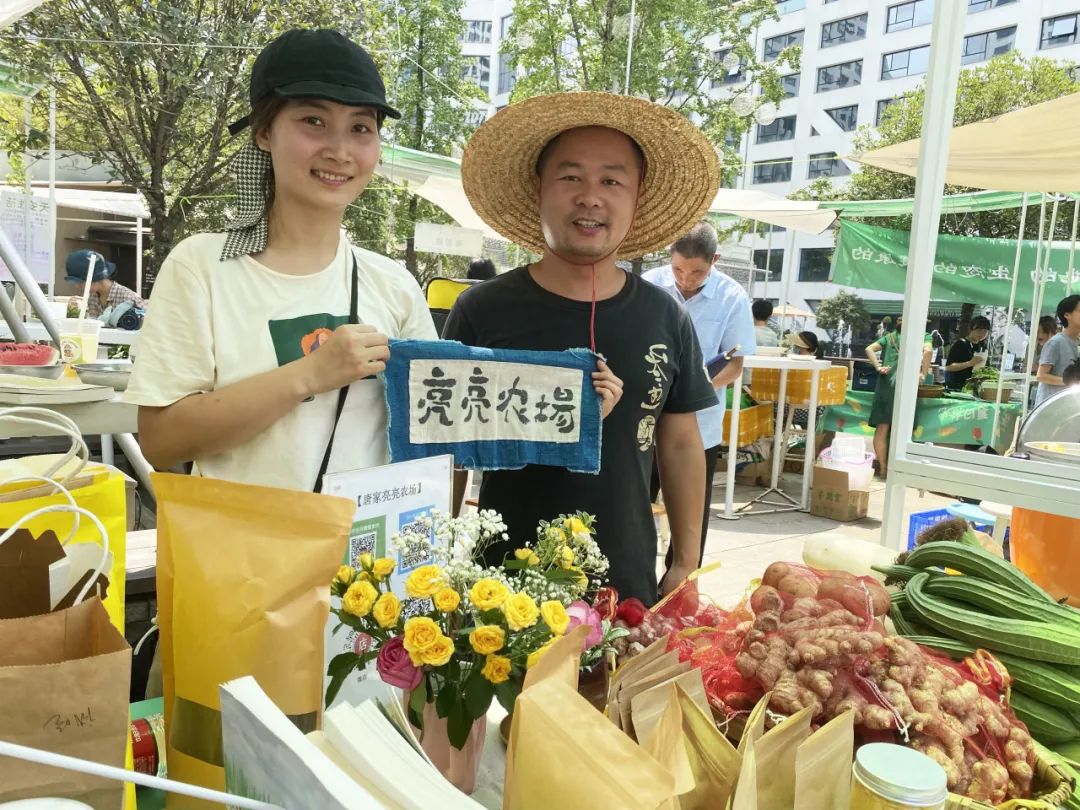
What We Expect of Interns
- Have at least 3 months to step away from other work and fully dedicate yourself to life on the farm, committing a minimum of 5 days per week;
- Take part in the biweekly online co-learning sessions and actively engage in day-to-day intern community exchanges;
- Have an open mind and a willingness to learn from nature and from farmers;
- Be hardworking and resilient, ready to take on physical labour on the farm and assist with other tasks;
- Keep a thorough record of your internship and submit a summary at its conclusion.
Host Farm Recruitment
If your ecological farm has been growing for a while and you would like to take in fresh blood, add energy and help young people develop, please scan the QR code at the end of this article to apply to host an intern. We will follow up with you to discuss details and, after a site visit, decide whether to recommend your farm as a host site.
The farms already participating in the internship programme are:
01 Yinlin Ecological Farm Guangzhou · Conghua
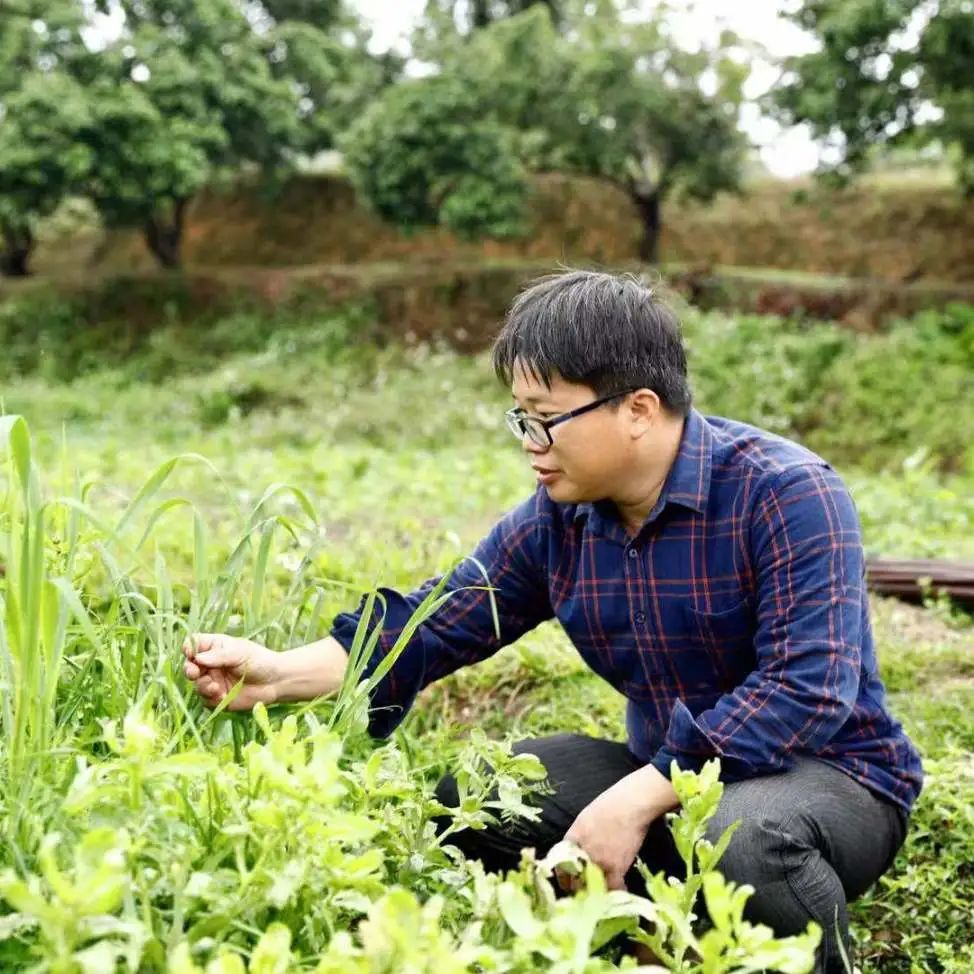
E c o l o g i c a l F a r m M e n t o r |G u o R u i
Guo Rui graduated in 2005 from South China Agricultural University with a degree in biotechnology. He returned to his hometown to start a farm in 2009 and began practising ecological cultivation in 2013. Along the way he completed training courses in Natural Farming, biodynamic farming and soil improvement, and he continues to study and refine ecological cultivation techniques. His wish is for the farm to provide his family with a comfortable life, his children a happy environment in which to grow, and consumers with safe, healthy and nutritious food.
Guidance the farm can offer an intern: Ecological agriculture cultivation techniques, machinery operation, farm management, marketing and more.
Related articles ▼

02 Letian Bay Farm Shanghai · Fengxian

E c o l o g i c a l F a r m M e n t o r |Y u a n Q i n h u a
Yuan Qinghua holds a master’s degree from Renmin University of China. Since 2003 she has worked alongside Professor Wen Tiejun on rural development in China. She has served as general manager of Little Donkey Community Farm and Design Harvest, and as operations director of Chuangzhi Farm; she is currently general manager of Letian Bay Farm. In 2008 she studied Natural Farming under the Korean practitioner Cho Han-gyue, and in 2010 she obtained a permaculture certification course certificate from Jef Janssens in Hong Kong. In 2019 she received a natural education certification from Cornell University. From 2009 to 2010 she spent a year learning organic cultivation within the Rice God system in Thailand.
Work an intern can take part in at the farm:
1. Cultivation
2. Marketing: sales, publicity, customer service
3. Farm events (guest reception)
4. Farm construction and more
Guidance the farm can offer an intern: Training in a range of ecological agriculture techniques—Natural Farming, permaculture, biological composting, machinery repair, farm construction and other practical skills—as well as lessons learned in farm operations and management.
03 Zhiliangtian Ecological Farm Inner Mongolia · Alxa
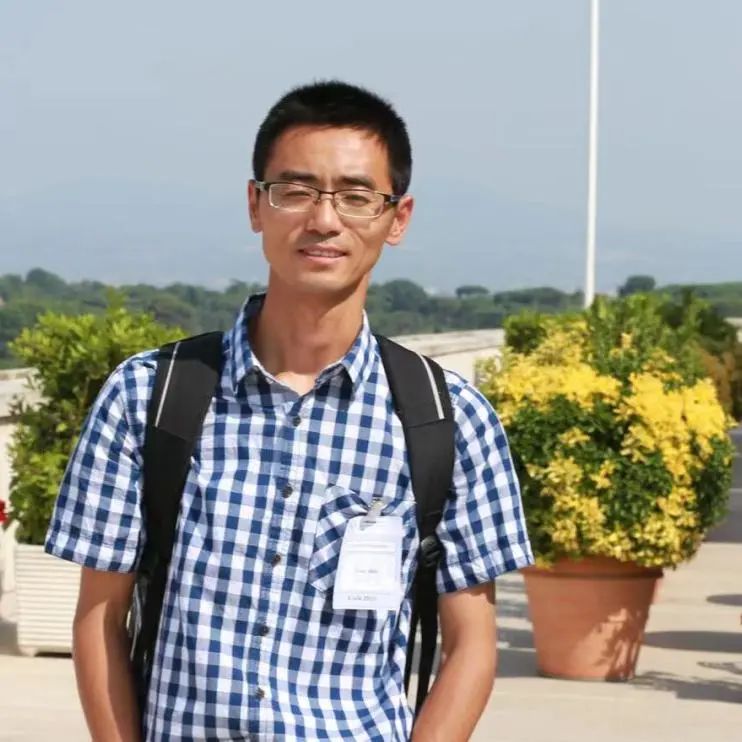
E c o l o g i c a l F a r m M e n t o r |M a Y a n w e i
Work an intern can take part in at the farm:
1. Day-to-day production
2. Preparing and leading the farm’s nature-education activities
3. Product design, short-video production, marketing and more
4. Day-to-day farm maintenance and logistics
Guidance the farm can offer an intern:
1. Ecological agriculture cultivation on the farm
2. Farm management and operations
3. Design and organisation of nature-education study-tour activities
04 Yuefeng Island Organic Farm Jiangsu · Kunshan
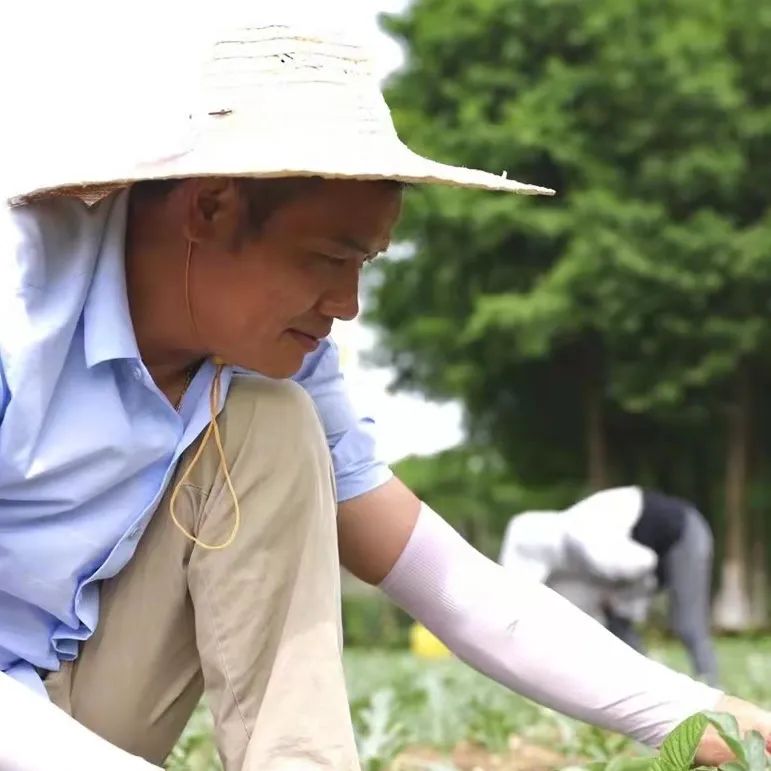
Work an intern can take part in at the farm: Cultivation and experimental research (growing and documenting heritage varieties).
Guidance the farm can offer an intern:
1. Agricultural production and farm management
2. Guidance on soil improvement, heritage variety conservation, biodiversity and other experimental and research work
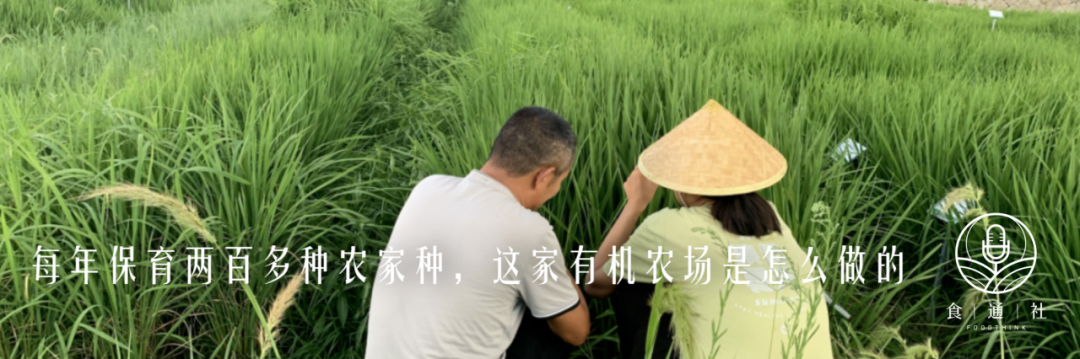
05 Lüwo Farm Shaanxi · Xianyang
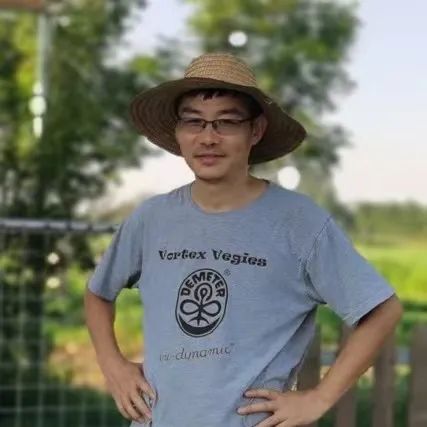
E c o l o g i c a l F a r m M e n t o r |D a H e i
Da Hei founded Lüwo Farm in 2014. He studied and practised biodynamic farming, established a local biodynamic farming association and teaches as an instructor. He has also redesigned a substantial amount of farm machinery so that it does no harm to soil structure and is better suited to local conditions.
Work an intern can take part in at the farm: Interns participate in every aspect of the farm’s operation, because a farm is a whole; it cannot be experienced in fragments. If you are here to learn, you should learn in full.
Guidance the farm can offer an intern: From theoretical understanding and mindset to every aspect of practical work, including product development and sales—there is no field we cannot explore together.
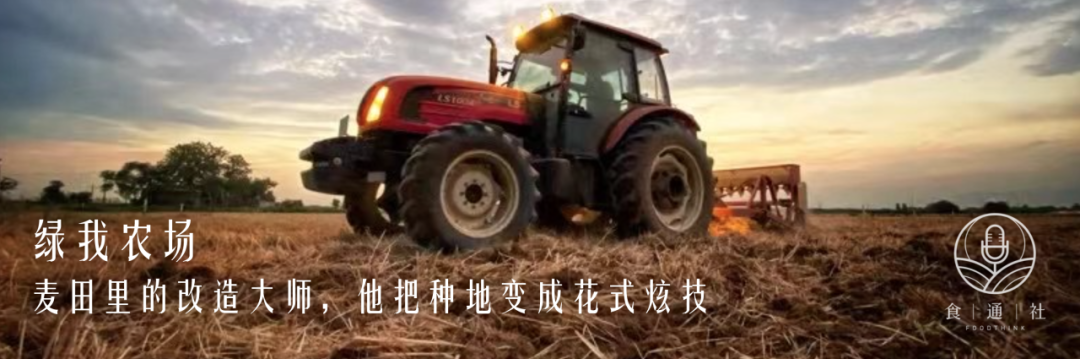
06 Liangliang Family Farm Sichuan · Chengdu
E c o l o g i c a l F a r m M e n t o r |T a n g L i a n g
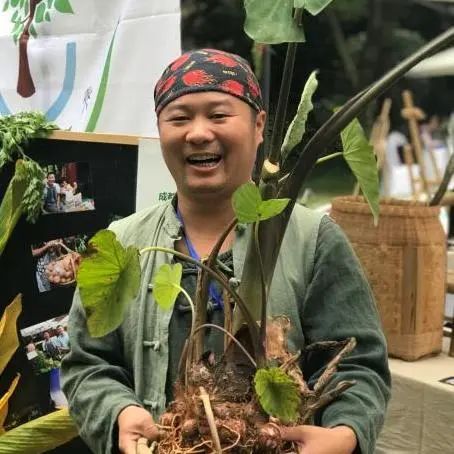
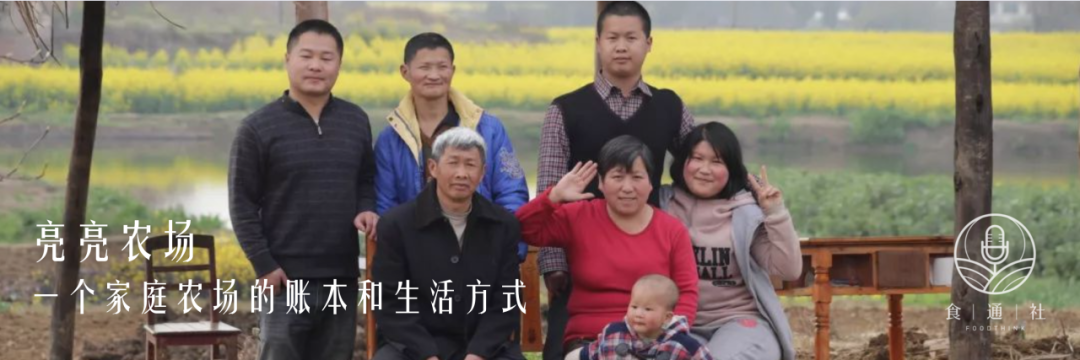
Born after 1985, Tang Liang is the head of Liangliang Family Farm. He graduated from Southwest University in 2008 with a degree in biological sciences and went on to work at a technology company in Chongqing. From 2011 to 2013 he interned at Little Donkey Community Farm and Share Harvest Ecological Farm for two years. In 2013 he returned to his hometown to set up Liangliang Family Farm (the Tang Family Liangliang Farm), practising land-friendly farming, bringing rural families together, and exploring a rural way of life closer to the essence of living. In 2020, becoming a father, he hopes that through his own hands he can create a home full of vitality for his child and explore the building of a local ecological community and a future living village.
What we hope for in an intern: Someone who loves ecological agriculture and rural life, or genuinely wants to understand them—someone who works, lives and learns with initiative and steadiness, not someone who simply pops in for a brief, superficial taste. You should be able to take part in basic farming activities, cook for yourself (or at least be willing to have a go), possess a fundamental capacity for learning, work cooperatively with the farm and community staff to get the work done, and leave at the end of your placement feeling it was well worth the trip.
Work an intern can take part in at the farm: Production and cultivation, marketing (sales), communications and outreach, assisting with farm events, and community-building at Niujiaoyan Living Village, among other tasks. (Note: at a family farm or community like this, you will not be confined to a single role; you are likely to take on a variety of tasks, including practical life skills.)
Guidance the farm can offer an intern: Ecological agriculture production techniques, farm operations and management, family development, and ecovillage building / community-building.
* Liangliang Family Farm has also launched the Rural Life Partnership Programme, and you are welcome to take part in this way too. A Rural Life Partner enjoys greater freedom than an intern; you pay for your basic food and accommodation, and you get to experience rural life and rural work at a relatively low cost.
Related articles ▼
07 Xiqing Farm Beijing
E c o l o g i c a l F a r m M e n t o r |W a n g X i n
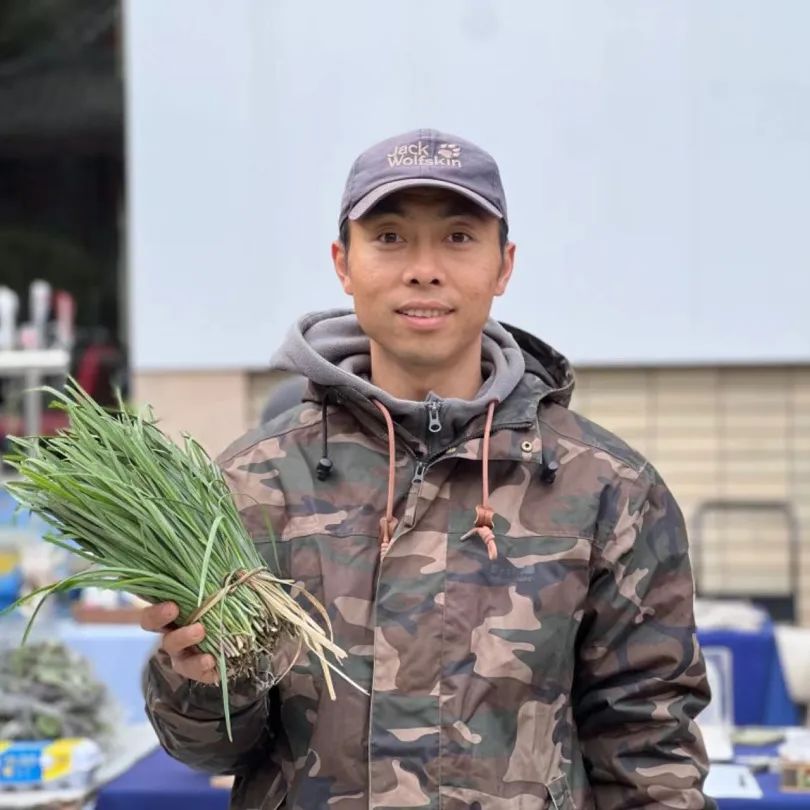
Work an intern can take part in at the farm: Cultivation, farm management, marketing (publicity)
Guidance the farm can offer an intern: Developing the observational, practical and judgemental skills of prospective ecological farmers—for example, how to observe soil, plants, insects and weather, and how to understand what you see.
– Registration Link –
If you are ready to take on the role of intern, please fill in the registration form below. We ask that you think it over carefully, fill it in earnestly, and be sure you are willing to commit the time the programme requires.
Intern Registration Form Link

Farm Registration Form Link

Application deadline: 6 March
* If you submit an application and pass the initial screening, we will contact you by phone or email within two weeks of your form submission—please keep an eye out for it. If you have not heard from us by 7 March, you have not been selected at this stage. We appreciate your understanding.
In 2024, let us meet in the fields!
Coordinated by: Mei Ying
Edited by: Tianle
Images: Previous interns, Farm mentors, Foodthink