Shaanxi is experiencing its worst drought since 1961. In May, at a workshop in Xianyang, Foodthink visited ecological farms and discussed climate technologies and pathways for social organisations, seeking ways to help farmers face climate disasters with preparedness and support.
From 2008, Cao Xiaohong built a group-buying circle for mums in a small Hunan town via Wotu Workshop; Xiao Yunsheng has sold veg at the Beijing Organic Farmers’ Market for over a decade. They reflect on building producer–consumer trust, and whether it can still withstand livestreaming and drop-shipping.
The organic farm on the sandbar collapses amid shareholders parting ways, land disputes and natural disaster. After losing her homeland, her mother and the farm, Xiao Yu walks into the reedbed with the last cow, treating land reclamation as the self-declaration of the rootless.
After the 2019 Rice Tariffication Law abolished import quotas, the paddy procurement price fell from 20 pesos to 14 pesos while middlemen sat back and profited; smallholders in Mindanao are now reclaiming autonomy over production through participatory plant breeding.
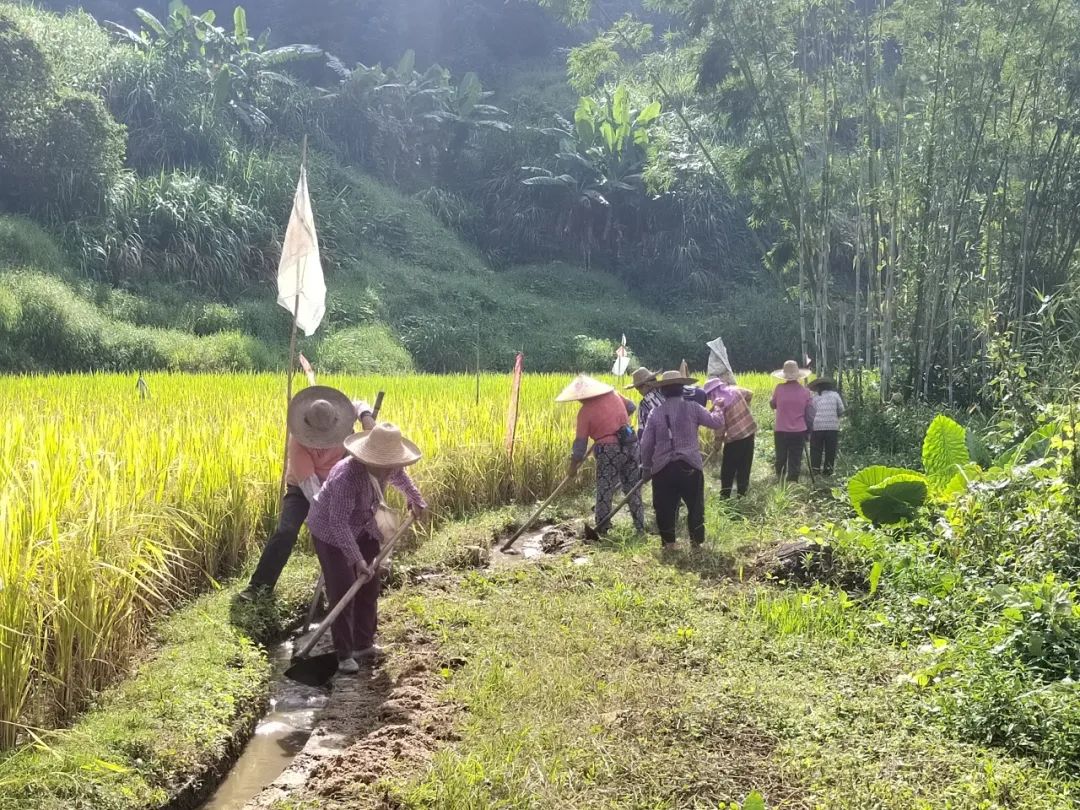
In April this year, Foodthink and the Guangxi Climate Change Action Network held a workshop in Nanning where farmers, social organisations and funders explored concrete pathways for rural climate response amid the tangled interplay of drought and flood, pests and disease, market swings and policy constraints.
Sister Yan Ping at Baicao Garden, Guigang, Guangxi, refuses herbicides on fifty mu of Wogan mandarins, making labour a practice of nurturing body and mind; Uncle Youming of the White Pants Yao in Nandan keeps a seed bank for heirloom rice, preserving his people’s rootedness in the land.
Muyunpo was founded in 2017 by the non-profit Shuguang in Xiaojin County, Sichuan’s Jiarong Tibetan region. Villagers’ groups set their own foraging and cultivation standards, with sales surpluses returned to the community at year-end—replacing the traditional purchasing system of price-suppressing traders and farmers at the market’s mercy.
Shu Shiwei, who spent a decade in the countryside, founded Green Sprout to document Taichung fruit growers’ stories of transformation. Each issue is printed in a thousand copies, most given away free; the magazine has sustained over 100 issues on reader sponsorship and unpaid contributions.
Farmer Lu Rongyan trialled chayote shoots from local heirloom varieties in Guzhai Yao Ethnic Township, Mashan, lifting income for elderly and women who stayed; cultivation hit 2,000 mu in five years. Last year’s alternating floods and droughts cut seed-fruit supply, putting seed-saving and diversified cropping on the agenda.
Rooted in Heshun, Shanxi, for a decade, Maomeng protects the North China leopard’s habitat through ecological agriculture without chemical fertilisers or pesticides. Project lead Hannah tells how a single cornfield connects leopard populations, villagers and the urban public.