
Is Climate Change in the Countryside Really Just a “Natural Disaster”?
Foodthink Says
What agricultural systems and rural realities do today’s farmers truly inhabit?
How should the macro-level issue of climate change be understood when placed within the micro, concrete realities of rural life?
How should social organisations rooted in the countryside weave their climate-response actions into the genuine development needs of rural communities?
These questions remain far from fully discussed.
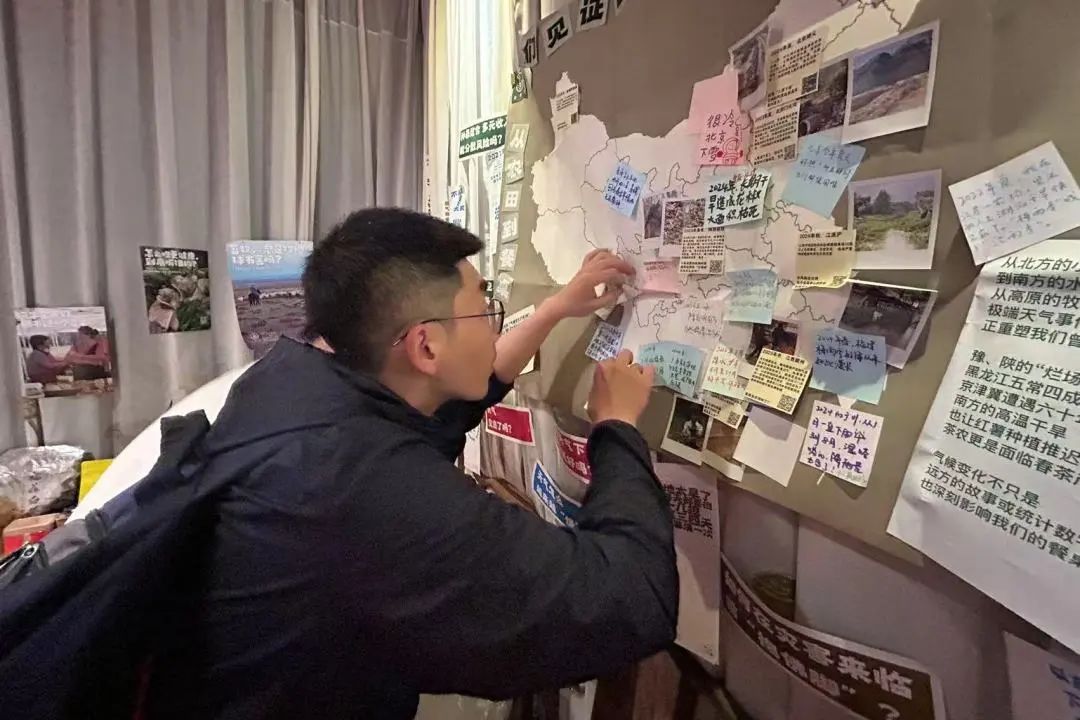
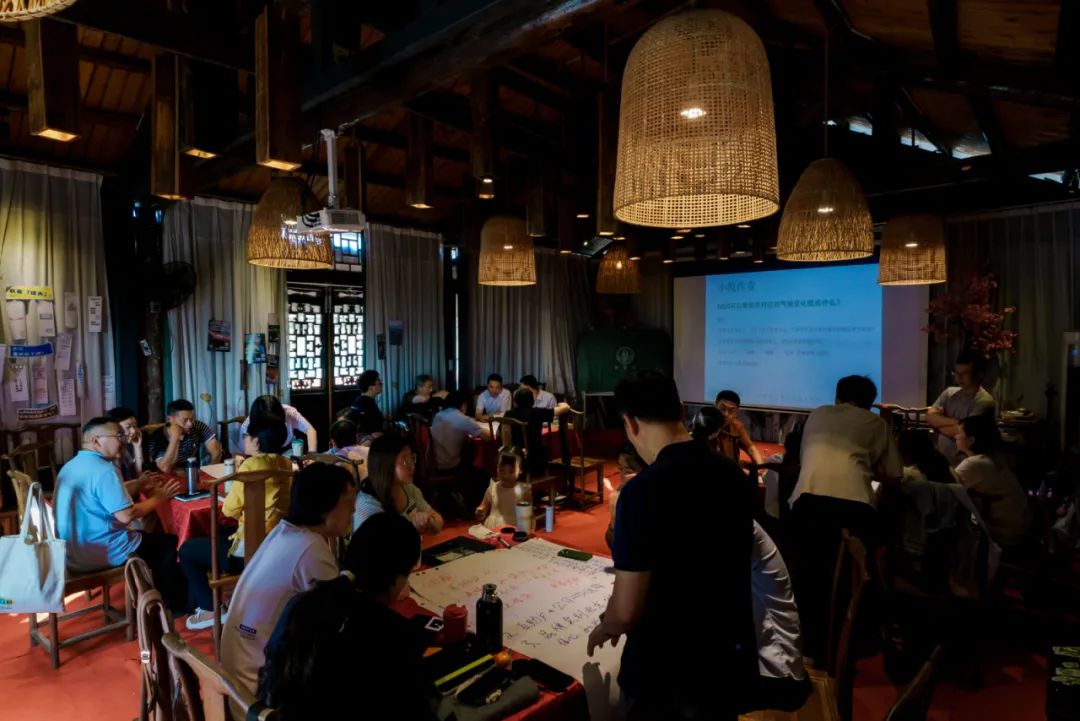
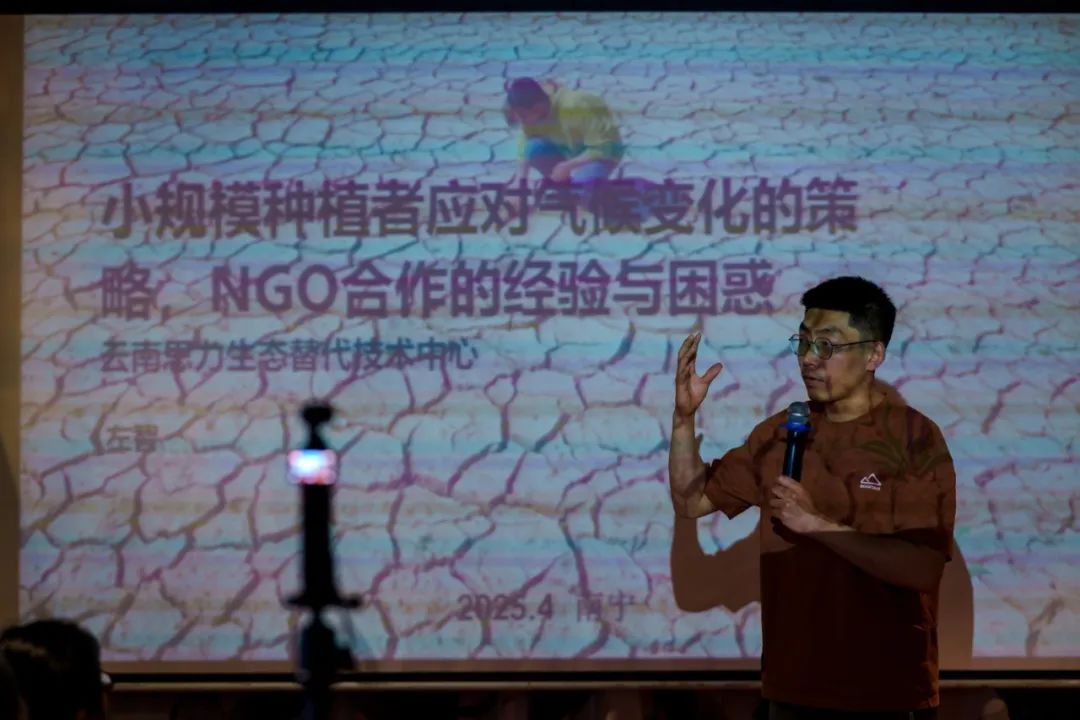
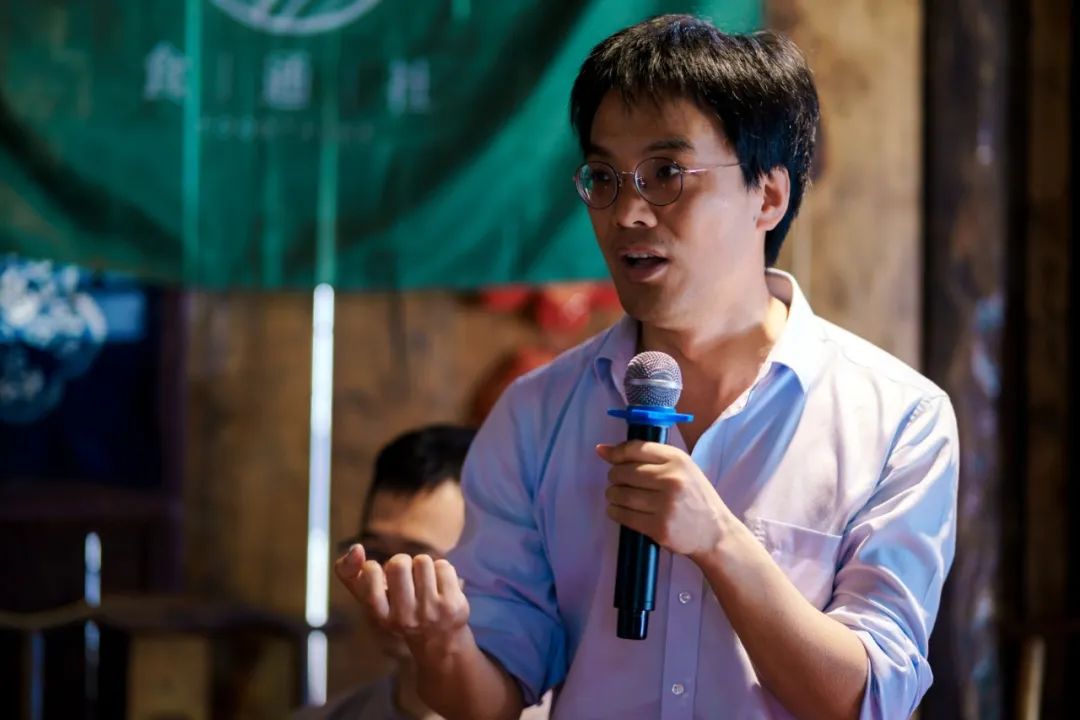
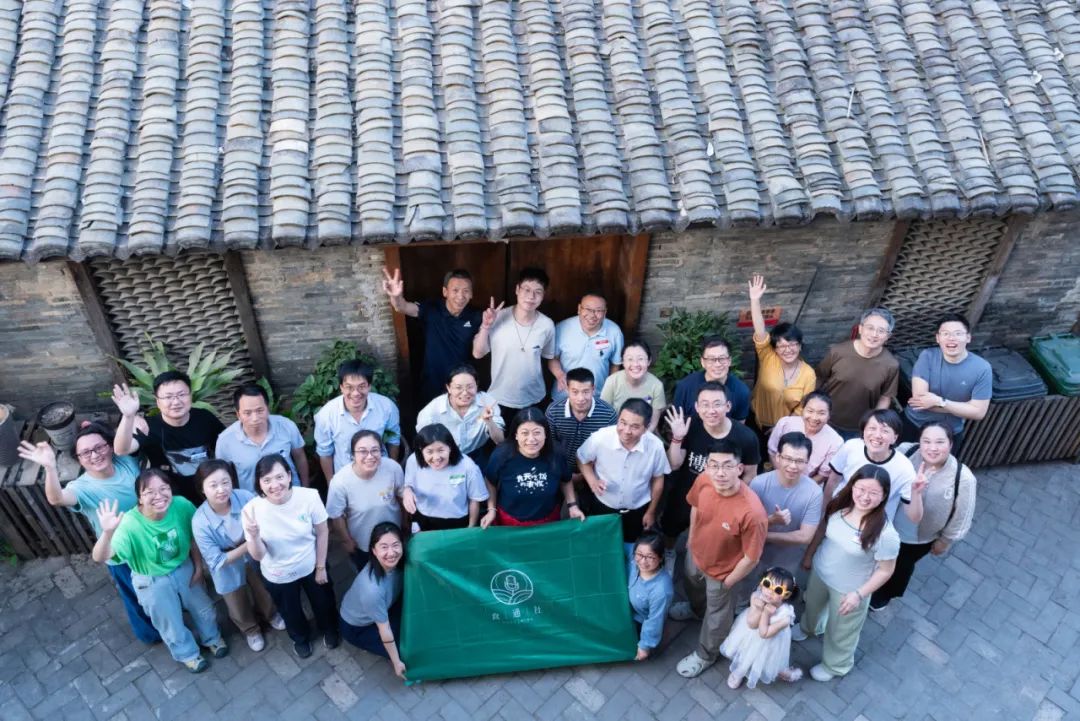
In April this year, with the support of Oxfam Hong Kong’s Beijing Office, Foodthink, together with the Guangxi Climate Change Action Network, held a “Workshop on Rural Social Organisations’ Response to Climate Change” in Nanning.
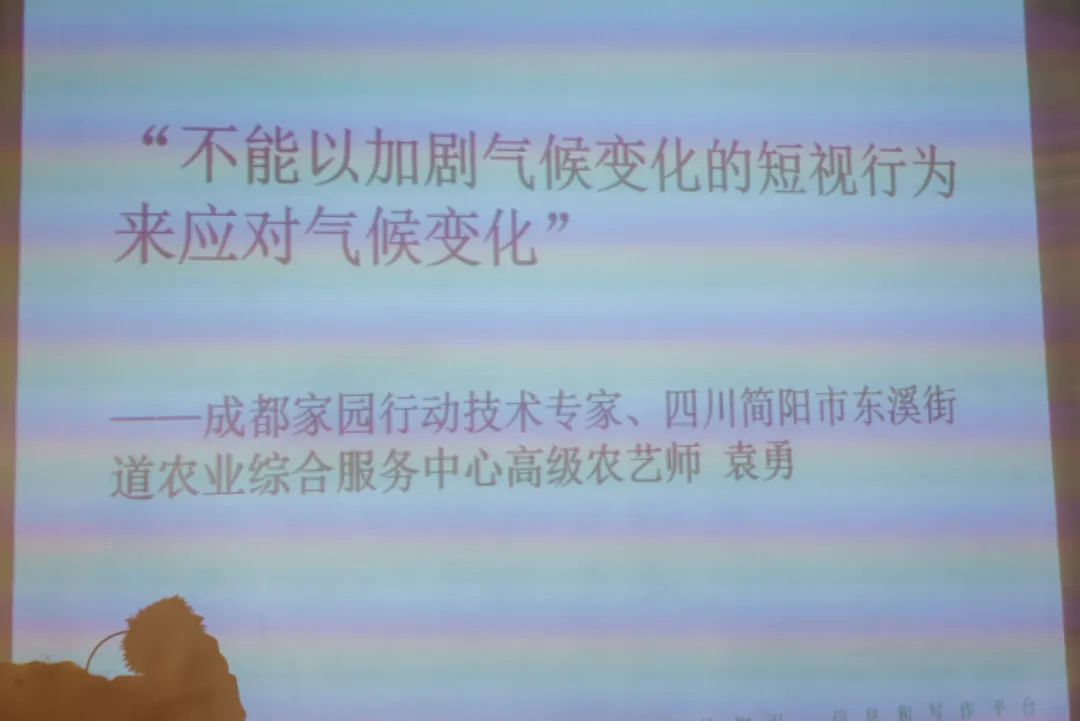
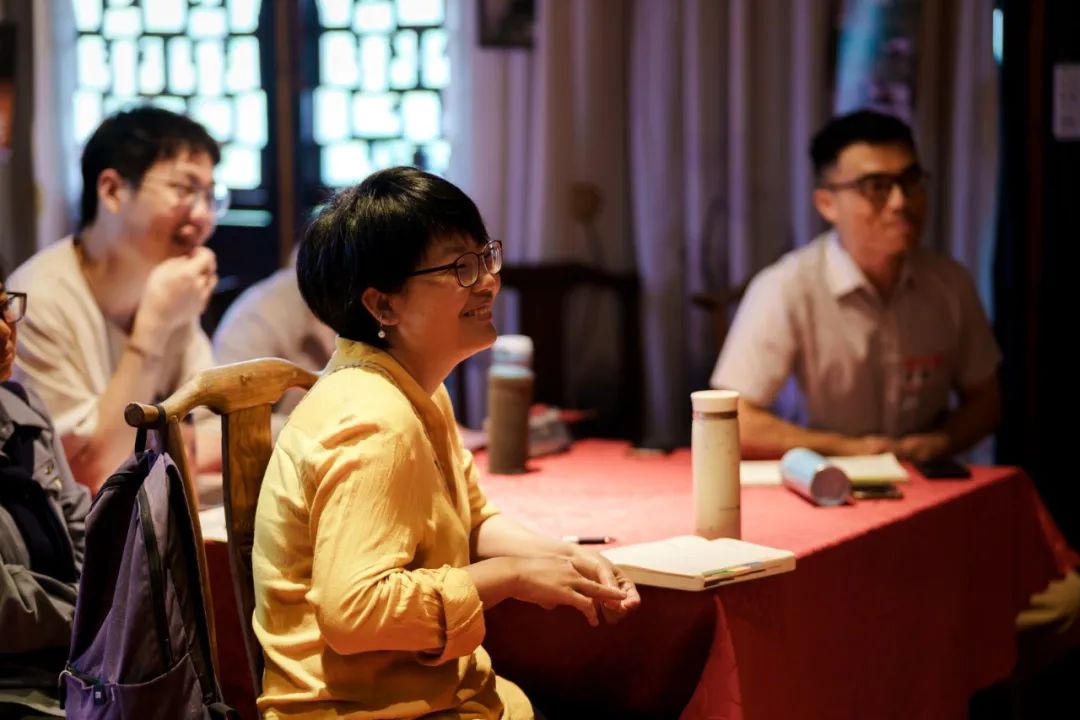
Under the theme “When the Heavens Misalign, Shall People Still ‘Come Together’?”, the workshop gathered participants from a range of backgrounds—farmers, village officials, returnee entrepreneurs, social organisations rooted in rural areas, researchers, and funders—to think together about the possibilities for social organisations working in the countryside against the backdrop of climate change. Let us take a look at the illuminating remarks and discussions that unfolded over the two days.







I. Climate Change through Farmers’ Eyes
Fenglian comes from Huichang County in Ganzhou, Jiangxi Province, where her village grows navel oranges as its main crop. In 2022, after enduring four months of relentless heat and drought, the village was suddenly hit by over a month of rain. In the abrupt drought-to-flood transition, the navel oranges planted across the village absorbed too much water, causing the flesh to swell and the already-ripe fruit to split. More than half the crop had not even been picked before the oranges burst open. As the villagers put it, “the cooked ducks have all flown away!” Others in turn described how days of continuous rain during the ripening stage left rice grain heads mouldy, how frost ruined wogan mandarin fruit, and how extreme heat killed cattle and sheep.

Such stories gave flesh and blood to what had been an abstract climate-change narrative. Building on them, the workshop participants gained a more direct and concrete understanding of what climate change means on the ground.
Yet for farmers, these lived experiences are not merely illustrative cases of a macro-level climate story. When faced with uncontrollable extreme weather—gale-force winds, torrential rain, hail—they can only endure passively. But in many cases, farmers are already, deliberately or otherwise, taking action to respond to climate change simply by solving the problems in front of them, whether or not they frame those actions through a climate-change lens.
Related Articles ▼
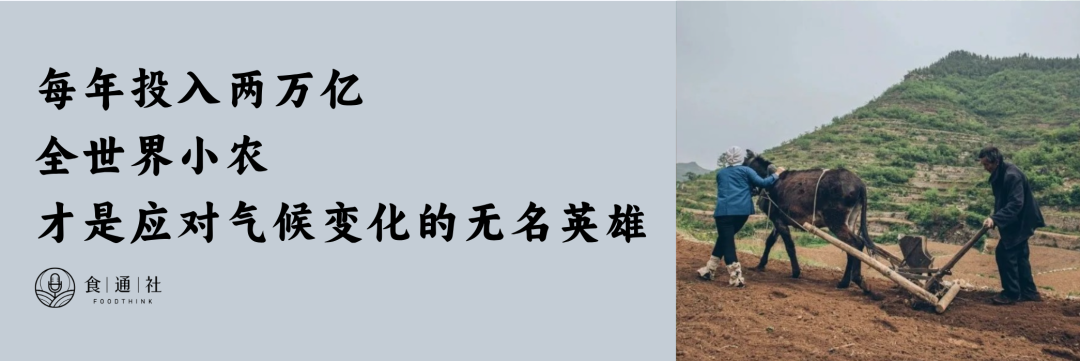
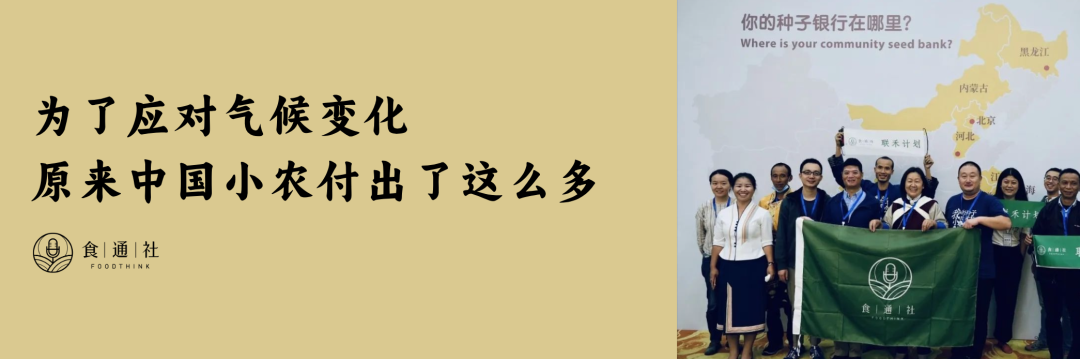
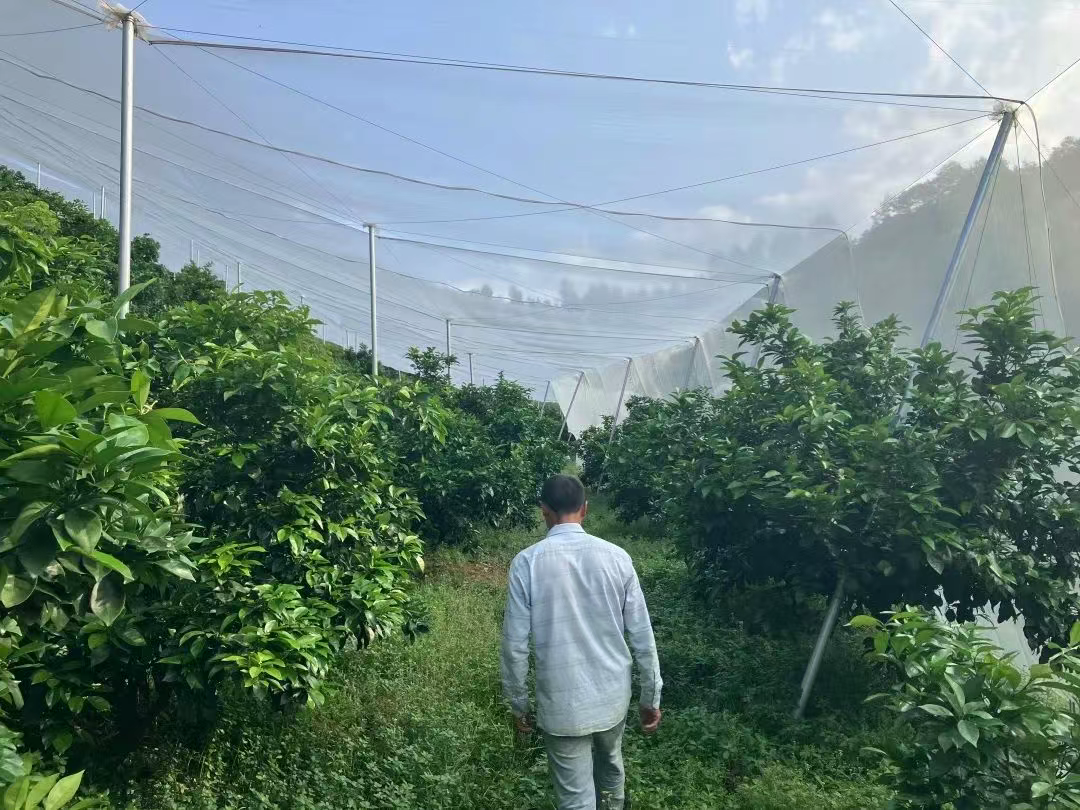
For example, in tackling drought, Dai Yunyun from Geliu Village in Xianshui Town, Quanzhou County, Guilin, Guangxi, proposed that planting heritage rice varieties—those long shaped by the local ecology—can effectively boost drought and disease resistance. Fenglian shared her own experience of keeping ground cover in the orchard to retain soil moisture, helping fruit trees survive months of drought. And Fan Hanquan, the village Party secretary of Meitou Village in Liancheng, Longyan, Fujian, noted that diversified cropping can guard against the sudden, widespread pest outbreaks brought on by intense heat and drought.
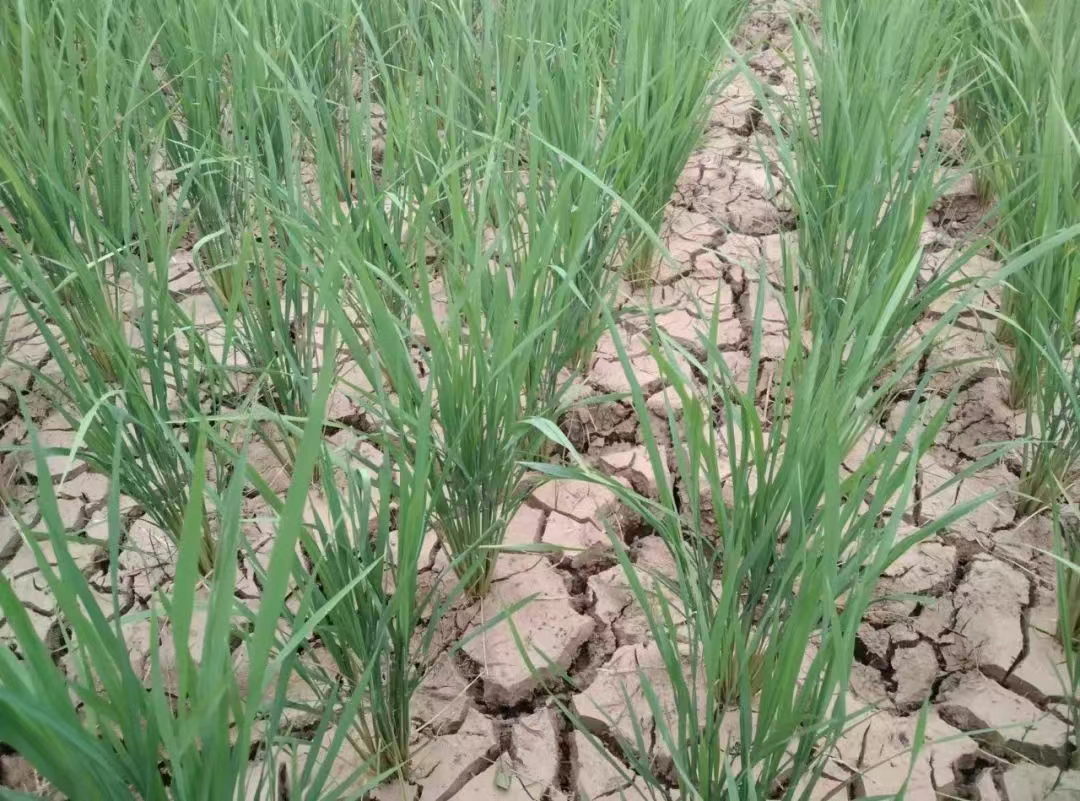
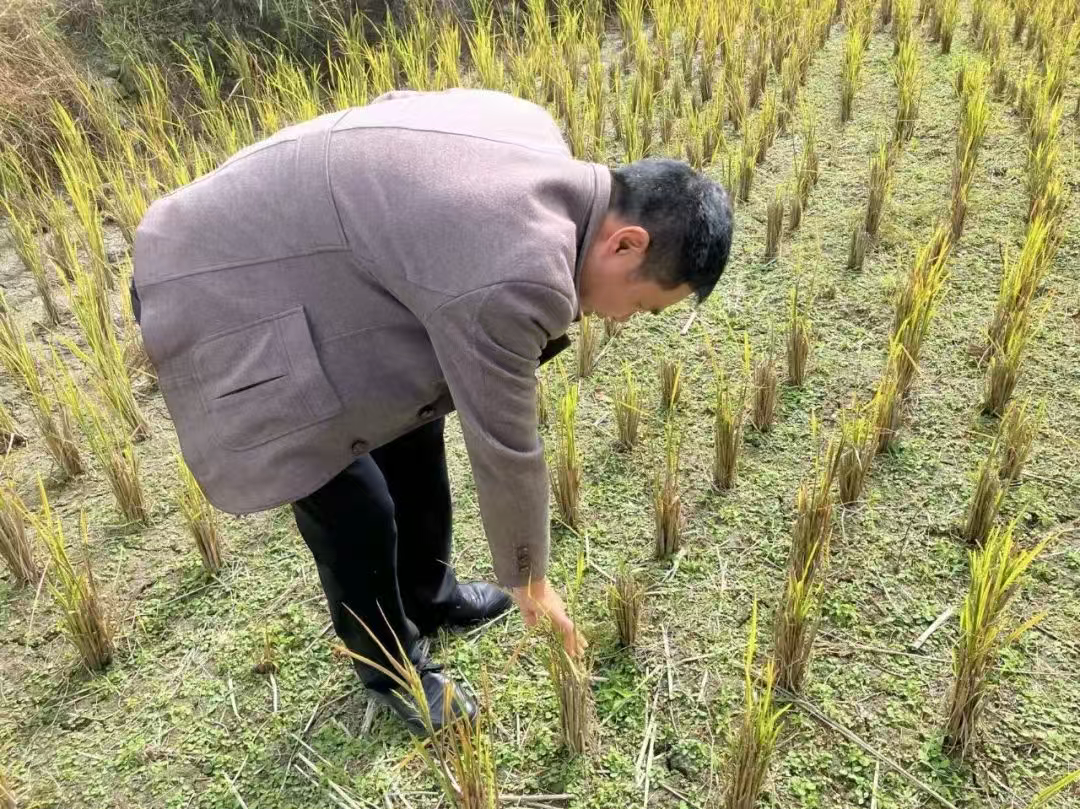
Yang Lan of the Sichuan Haihui Poverty Alleviation Service Centre believes that farmers often possess their own wisdom in perceiving and responding to climate change. She mentioned that some farming families not only forecast the weather using the Twenty-Four Solar Terms but also use the weather during each solar term to predict what follows—for instance, a snowy winter heralding spring rains. She also described how her father, an apple grower in Gansu Province, learned mulching techniques at an agricultural training session run by a social organisation and successfully prevented hail-driven soil erosion by laying straw over the soil.
Clearly, farmers are neither blind to climate change nor short of ways to respond to it. Even where gaps remain, they can strengthen their adaptive capacity through ongoing learning. But the real question is this: when other pressing realities pile on top of climate change, bearing down on farmers’ livelihoods and daily lives, do they still have the confidence—or the energy—to act?The discussion that followed was built around this very question.
Among the practical factors the speakers raised, two broad categories emerged: internal and external. The internal factors concern a village’s own workforce and finances; the external factors point more often to the volatile agricultural market. In reality, the two are frequently intertwined.
For Fenglian, the most intractable problem is citrus greening disease (huanglongbing), which has swept through the navel orchards planted across the village. While some scientific evidence links the spread of citrus greening to climate change, Fenglian believes that whether villagers actively combat the disease depends not on whether they grasp the causal chain between climate change and the blight, but on whether navel orange market prices can give them the confidence to make small-scale adaptations. When prices are good, farmers will keep going by felling trees, erecting protective nets, or injecting antibiotics into the trunks; but two years of dismal prices have already extinguished the villagers’ will to fight citrus greening.
Climate change is also driving pasture degradation across pastoral areas, hitting herders’ livelihoods directly. Chen Jingjing of Tusheng Studio spoke of the reluctance to sell and the debt problems among herders in a certain Gacha (Mongolian village-level administrative unit) in Chifeng, Inner Mongolia. Yet tracing the problem to its roots revealed that market forces and human factors played the larger role: falling beef and mutton prices led herders to hold back their stock, borrowing to keep production and daily life afloat; the government’s “Increase cattle, reduce sheep” policy banned grazing, while designated grassland reserves overlapped with herders’ pasture, squeezing their livelihoods further; and herders buying fodder on credit for livestock needs found themselves saddled with actual interest rates far above the norm.
Chen Jingjing believes the most viable solution now is to organise villagers from within: first, encouraging groups of three to five herding households to operate jointly, sharing pasture and managing separate grazing groups to widen the grazing radius; second, purchasing fodder at the township level so that individual herders are not gouged by the supply chain when buying on credit; and third, building a brand so that good-quality beef makes its way to Beijing’s tables.
Yang Lan also mentioned that hail is common in north-western China during the summer. County authorities had trained two villagers to fire modified cannons at hail clouds, dispersing storms before they caused damage. But once those two villagers left for migrant work elsewhere, the method simply stopped.
Sometimes these internal and external factors appear to have little direct connection to climate change on the surface, yet they are the very difficulties farmers face most acutely—and they shape in real terms whether climate-response actions can take root in the countryside. Uncovering the more concrete and tangled relationships between climate change and rural reality is work that demands social organisations genuinely embedded at the village level.
II. How Do Social Organisations Rooted in the Countryside Take Action?
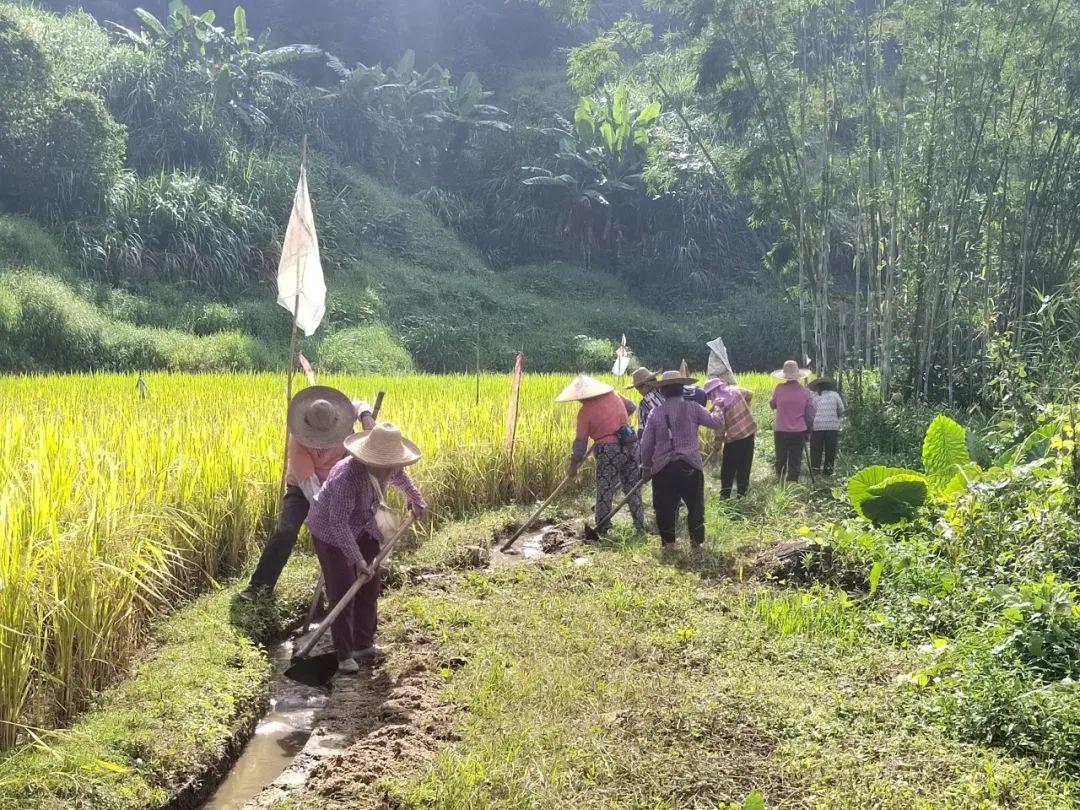
Although in the earlier discussion Fenglian had spoken as a “villager” from Jiangxi’s navel orange belt, her day job is as a project officer with a social organisation called Shenggeng (Deep Cultivation). She has spent years running a climate-change-and-community-development project in a mountain village in Conghua District, Guangzhou. She pointed out that the irrigation channels in the project village had collapsed and water was no longer flowing freely—caused both by weed overgrowth and silt build-up after successive rains, and by the thinning of the village population, which meant less investment in water-source management. The strategy that “fits the ailment”, then, is to work alongside villagers to map out the shared stakes and, from the angle of the village’s public environment, encourage them to clean and repair the irrigation channels collectively—a solution that simply cannot come from talking about climate change in the abstract.
“Hollowed-out” villages—those emptied by migration—are compounded by climate change, posing new challenges to rural communities. Yang Fang from the Yongqing Rural Development Service Centre in Zhaotong, Yunnan, described how, amid worsening drought and increasingly frequent heatwaves, elderly residents left behind in the countryside face shortages of water for farming and daily life, the worsening of pre-existing health conditions, social isolation and risks to mental health. She also spoke about how the Yongqing Centre draws on multiple social resources to ensure that these older residents have both care and joy in their lives.
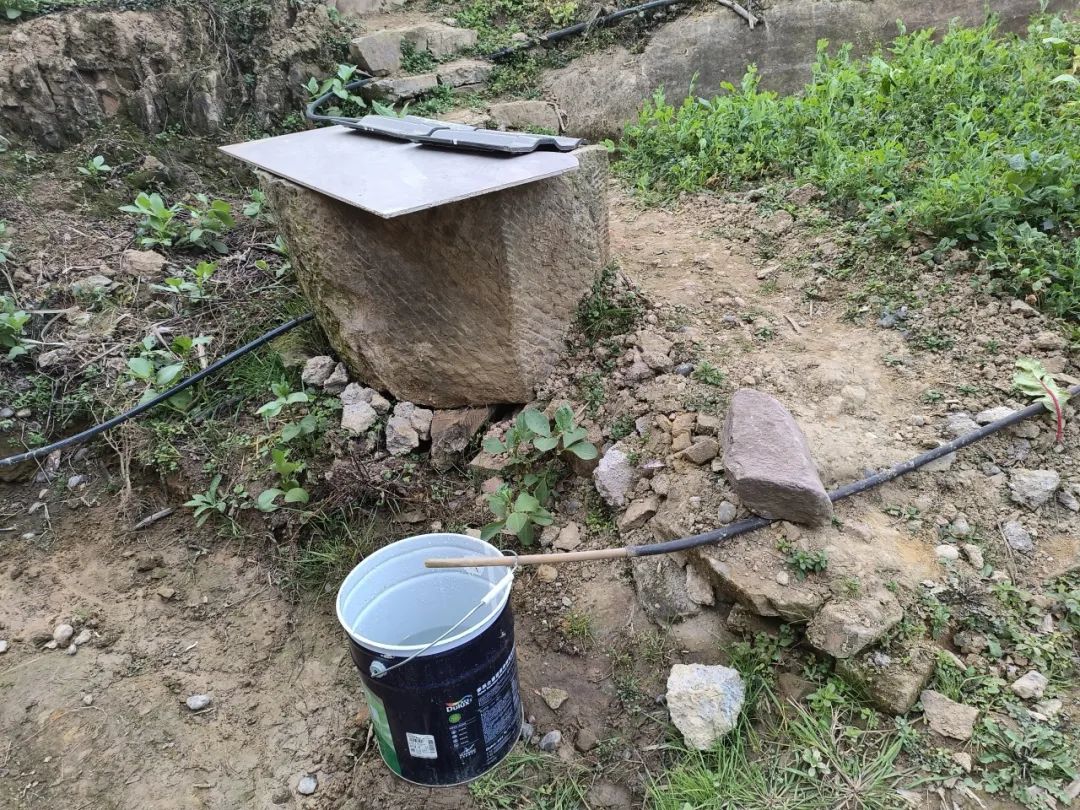
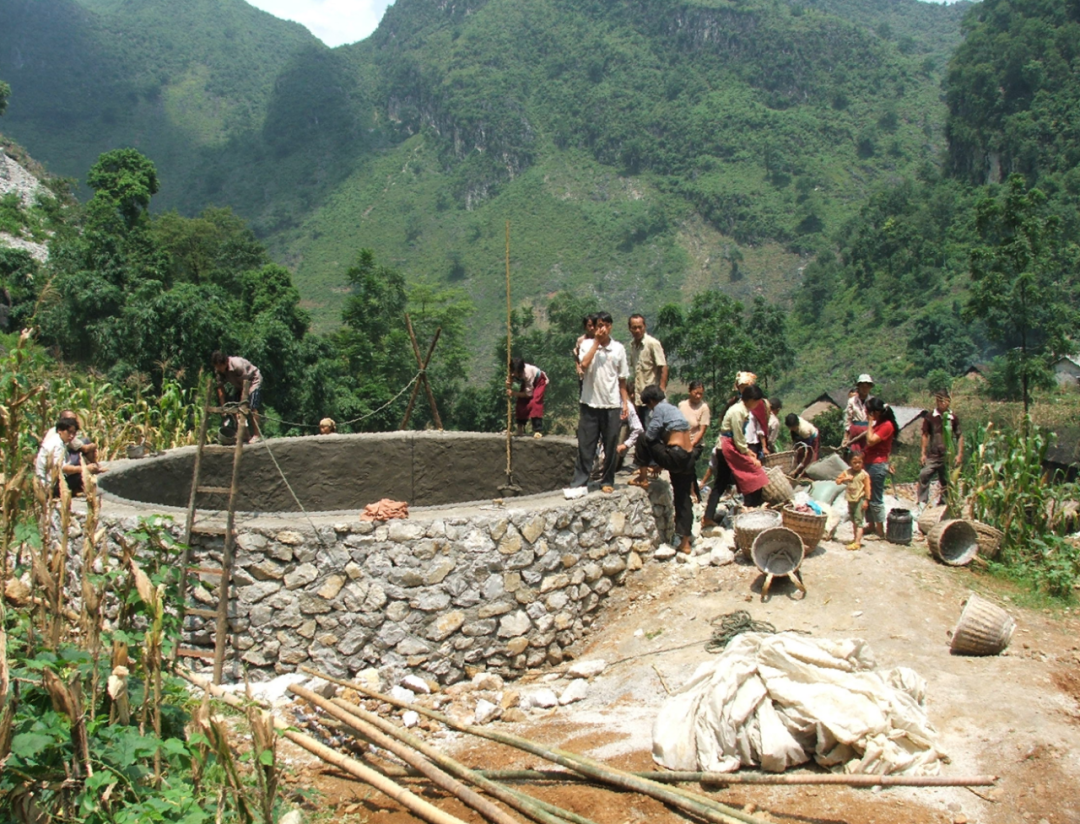
In Guangxi, drought conditions have likewise intensified in recent years. Huang Weiwei from the Guangxi Guoren Rural Poverty Alleviation and Development Centre introduced the traditional wisdom of growing drought-adapted crops and storing water in cisterns in Karst rural areas, and described how Guoren builds on local experience to mitigate drought and flood damage and address rocky desertification through low-cost approaches that villagers are happy to join in.
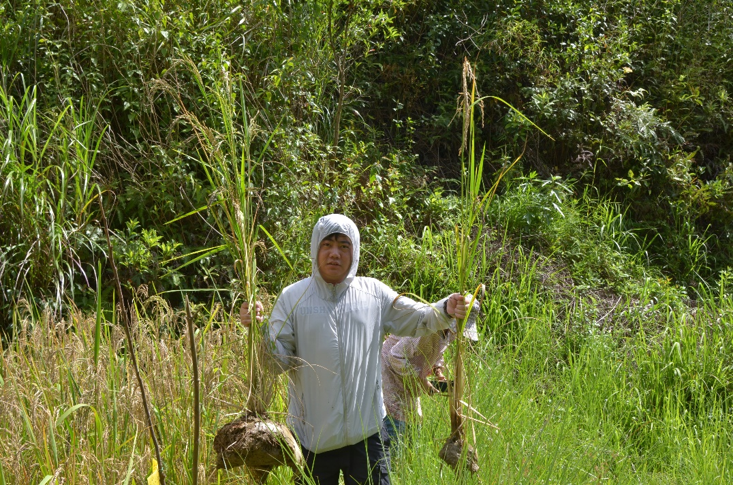
Representatives from the Farmer’s Seed Network and the Yunnan Sili Technology Alternative Centre each discussed how to link heritage seed conservation and ecological agriculture research and development with farmers’ indigenous cultures.

There was near-unanimous agreement that a climate-change lens is extremely useful for helping social-organisation workers understand the risk factors affecting rural communities, but that action must be grounded in villagers’ own perceptions and understanding, and must be closely linked to the drive that already exists within villagers and the village itself, if it is to lead to truly effective action.
Sometimes “connection” is not limited to the level of action but also shapes the strategies social organisations adopt—especially in their dealings with government. Huang Weiwei noted that the rocky desertification ecological restoration methods that the local government and farmers had developed together were well worth learning from, and she actively sought collaboration on that basis. Zuo Zhi shared how the Yunnan Sili Technology Alternative Centre, in carrying out its work and initiatives, sought cooperation with local government and national research institutions, taking on the task of bridging the last mile of scientific research so that technical solutions could truly take root on the ground.
Drawing on years of project collaboration with government, Chen Jingjing of Tusheng Studio offered a more direct piece of advice: if a social organisation wants to secure government policy support to achieve its goals, the first step is to find a small entry point—turning an abstract concept into a specific person or situation. Chen Jingjing gave an example: “If you want to address the deteriorating water quality in a reservoir, then your policy proposal should mention the livelihood problem of elderly women in the village who have to carry water uphill to irrigate their fields, or the public-health concern of rising cancer cases near the reservoir. Only by framing the issue this way can you make a compelling case.”
“And then,” he added, “connect what you propose to what the government actually needs—in other words, to their KPIs. You might get nowhere by simply talking about climate change, but if the county Party secretary hears that it ties into the ecological performance assessment, he could approve the project on the spot.”
Chi Jing, of the Guilin Bo’ai Social Work Service Centre, who was sharing experience from rural disaster preparedness and relief work, also remarked: “If other organisations want to replicate a good practice like the villagers’ emergency response team, then as they carry out their work they will need to mobilise the relevant government departments—the county Emergency Management Bureau, the Social Work Department, even the Veterans Affairs Bureau—so that these bodies coordinate and lend their support. Things go far more smoothly that way.”
III. What Do Funders Think About Responding to Climate Change?
Shu Junsong from Amity Foundation noted that the Foundation’s climate-change projects focus on resilient community development. He explained that, looking at overt outcomes, many of the activities in resilient community projects have in fact been part of community development work since two decades ago—work that may have taken the form of building a water channel or a flood drainage channel, small-scale infrastructure. “But today, how we understand and carry out the work of building resilient communities through a climate-change lens—that is what is truly critical.”
He believed that the methods and tools for climate risk assessment and action that some foundations and social organisations have developed are very useful in helping more organisations begin to understand rural development from a climate-change perspective. “If an organisation can use these tools to carry out a genuine climate risk assessment and analysis, it at least shows they have given careful thought to their climate-related projects. Strengthening a community’s own capacity to respond to climate change through project work—that matters.”
Oxfam‘s Hu Wei noted that, to date, numerous extreme weather events and climate disasters have caused enormous losses to frontline communities and projects underway, and the risks posed by climate change must be taken seriously. When social organisations try to bring a climate-change perspective into their community work, she said, the first step is to clarify why they are introducing that lens and how to introduce it. She also pointed out that different social organisations have their own areas of expertise—some focus on women, the elderly and children, others on livelihood development, disaster preparedness and relief—and how these existing pathways intersect with a climate perspective requires further reflection and discussion.
Chen Xuechong, also from Oxfam, shared his understanding of the relationship between a climate perspective and community work: one is to know both the what and the why. For example, in building a dam, we understand both the link between dam construction and climate change and the practical impact the dam itself will have on the community. The other is that you need not know the why—but you must know the what. “For instance, in promoting biological control for pests and diseases, we may not need to know the connection between outbreaks and climate change. As long as the control work itself is effective, it can be regarded as climate-change adaptation.”
Responding to these discussions, Chen Shuqian, a philanthropy grant-making advisor, also offered her view: the links between climate change and community work often need time to become visible. For example, concrete production generates greenhouse gas emissions and air pollution, so if some organisations advocate for villages to build houses from locally sourced lightweight materials, does that meet the application criteria for a climate-change project? How, precisely, should a macro-level climate agenda land in a specific community? Social organisations should be given space to find out—whether through co-learning, preliminary research or open discussion. Funders should lean in and, together with social organisations, explore the multi-dimensional practices that take shape once climate response is brought to the ground.
Li Ziyue from Community Partners has been supporting smallholder development projects since 2004. “Over these twenty years, I have witnessed countless smallholders struggling and growing through ecological transition.” In Li’s view, technology matters, but more important in the long run is nurturing ecological awareness in people. Faced with the complex impacts of climate change, he believes social organisations should deepen their understanding of ecological thinking, foster dialogue between science and tradition, and help more people understand climate change from diverse perspectives—and come to appreciate the value of every living being.
Tianle, Foodthink’s founding editor, mentioned two recent United Nations meetings on climate change that she had attended. What surprised her was that “every country talks about splitting the money—the numbers are enormous—but when you listen to what they actually intend to do, it doesn’t seem so closely tied to climate change, and it may not even be as valuable as the efforts of our smallholders.”
Smallholders—ecological smallholders in particular—have made considerable contributions to emissions reduction, yet without sufficient data to substantiate their case, they have struggled to gain recognition. “We have already missed the chance to tell the world about the emissions-reduction efforts of ecological smallholders. We should learn from that and think about how to better combine ecological agriculture with climate adaptation,” she said.
Tianle also expressed bewilderment at the current state of climate-change funding in the sector: many social organisations specialise in community work. Must they all be asked to translate their work into climate-change discourse? Or might it be more efficient for the whole sector if funders take on that role of “translating”?
Tianle summed up her hopes for how the philanthropy sector responds to climate change in one word: common sense. “What measures are lower-carbon, more adaptive—ordinary people have common sense about this, and we in social organisations should have it too.”
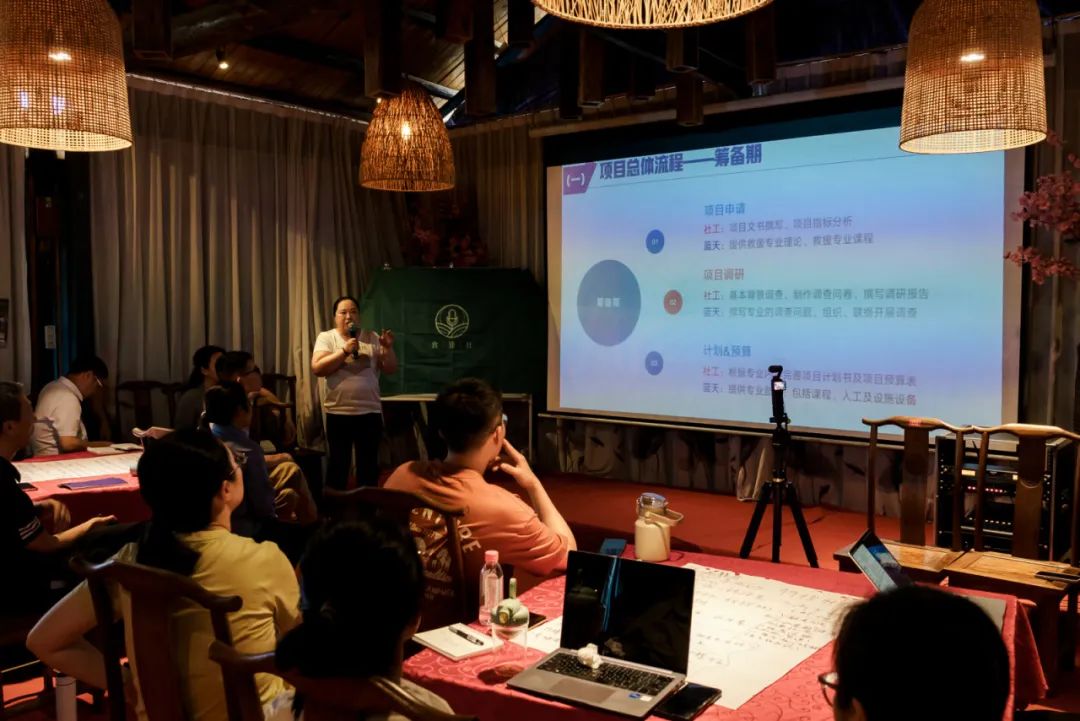
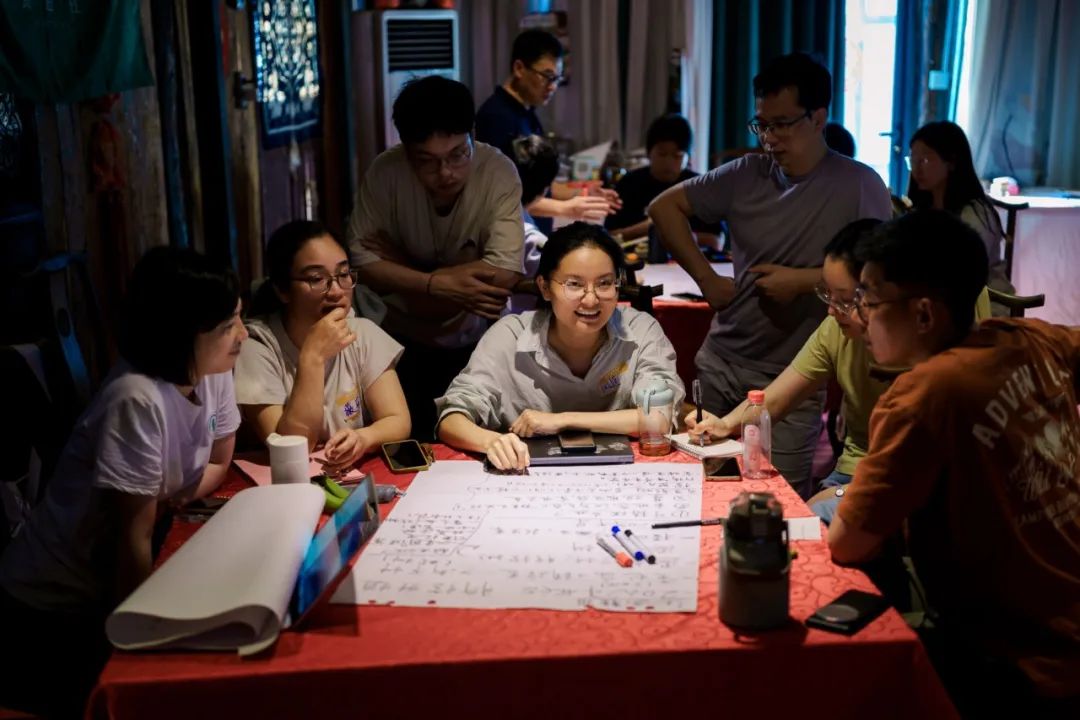
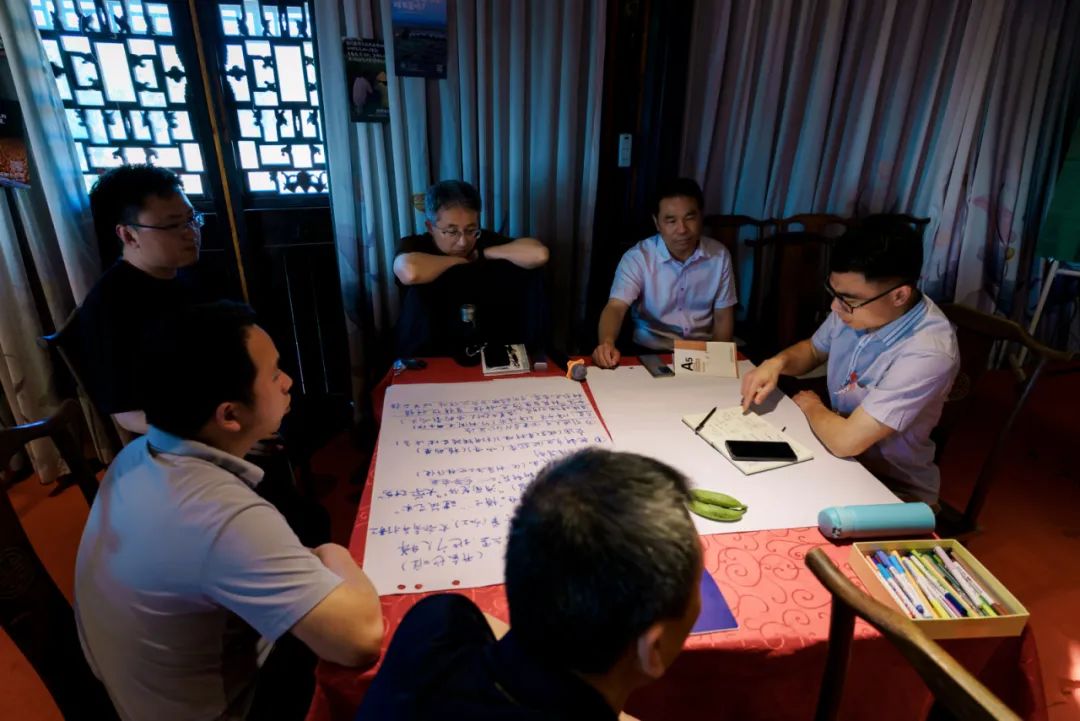
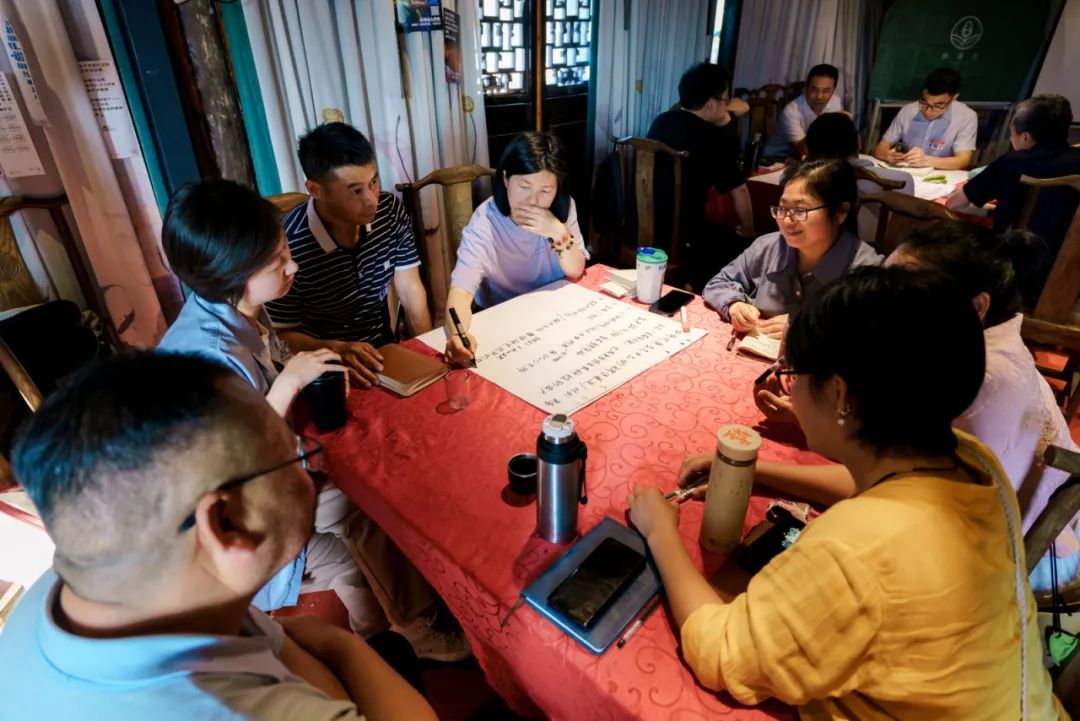
After these discussions, the partners at the workshop broke into groups around the theme “What can social organisations do for the countryside?” They examined the four “villagers'” communities in terms of their basic situation, the main challenges they face, the possible compounding effects of climate change, which different groups and stakeholders would be involved in action, and how support could be secured—and offered ideas and proposals for the development of those four villages.

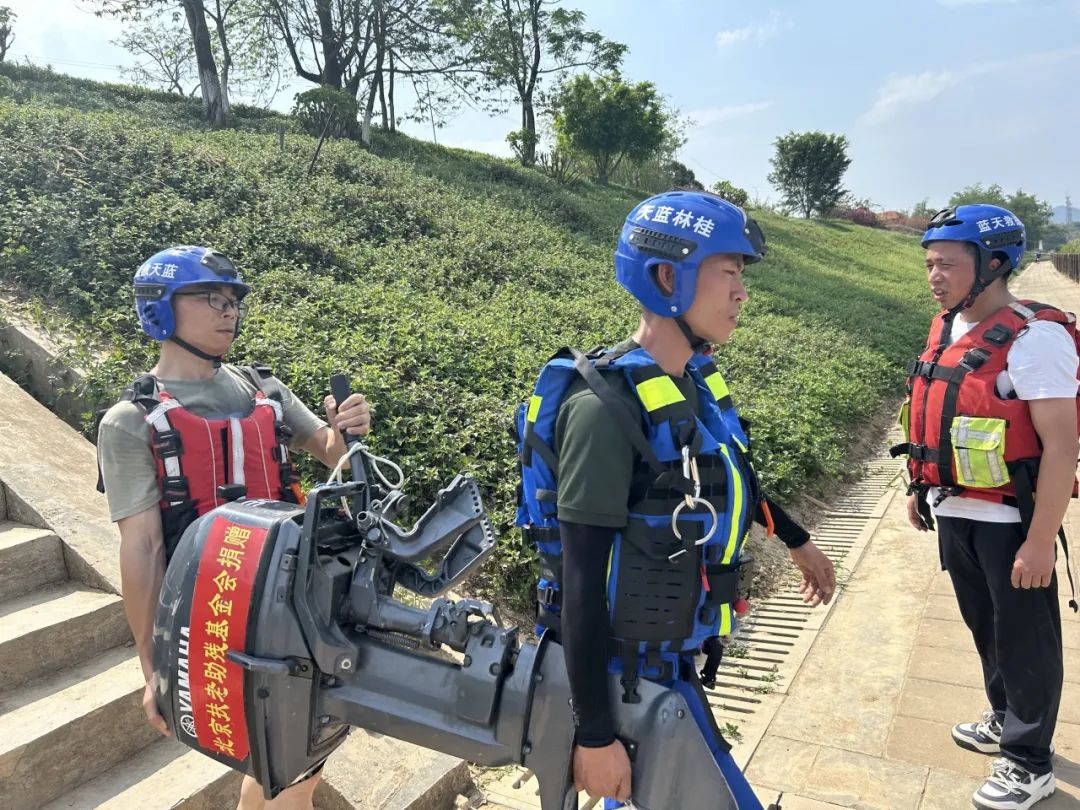
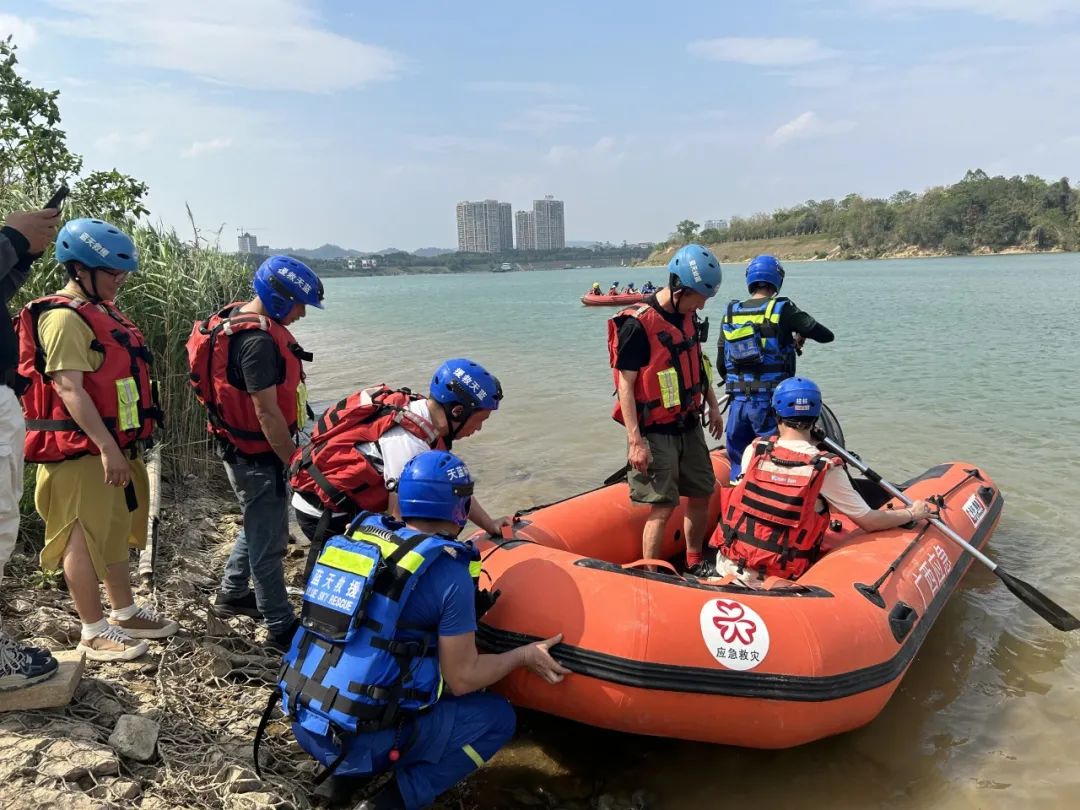
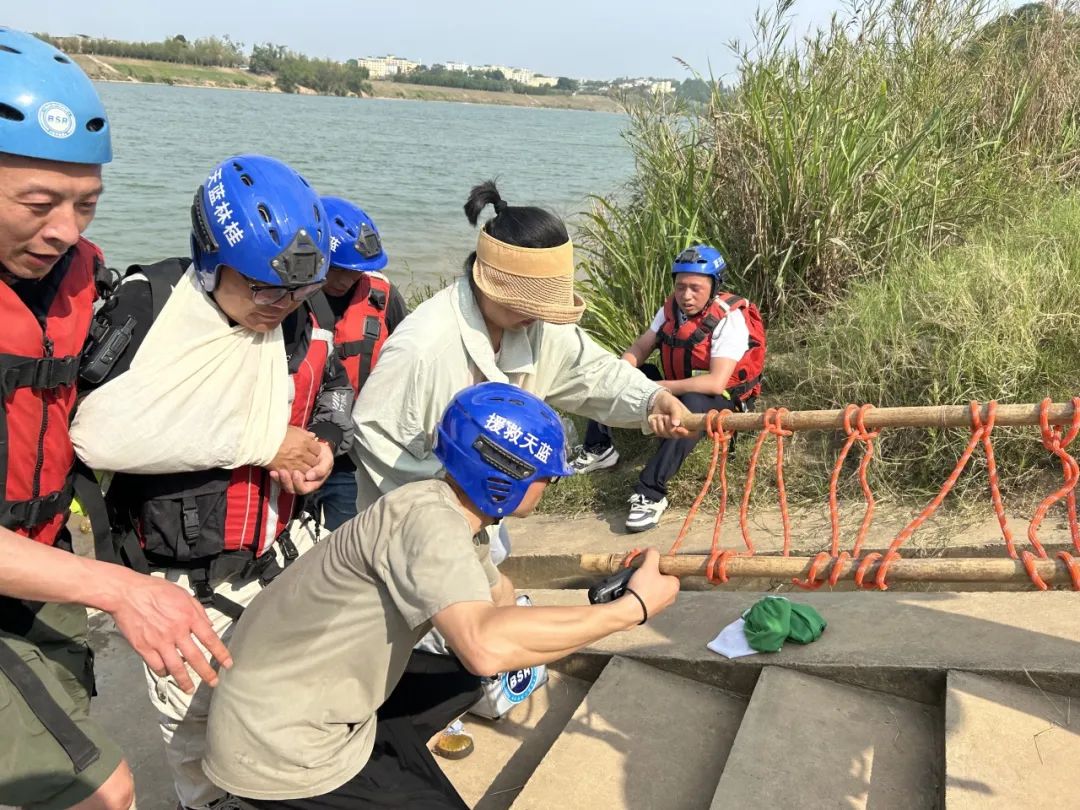
Finally, the workshop invited the Guilin Blue Sky Rescue Team to lead the participants in a water rescue drill. The physical exertion gave everyone on site a more tangible sense of the disaster consequences that climate change could bring.

Upcoming Event

Unless otherwise noted, all images were supplied by the speakers. On-site photography by Mr Wang Jian of the Guangxi Climate Change Action Network. Thanks to them both.
Compiled by: Yuyang
Edited by: Lingyu