Fish cages shattered, mud crabs all escaped with the seawater, orchards and sugarcane groves blown flat. Farmers in Hailing Island, Taishan and elsewhere, barely ten-odd days from the Mid-Autumn harvest, were ruined overnight. The salinisation left by seawater inundation is even harder to repair in the short term.
In 1953, Swanson & Sons launched the “TV Dinner” – modelled on the aluminium foil trays served on planes – to deal with unsold Thanksgiving turkeys, bringing frozen pre-prepared food into American homes.
In Britain’s world food system, class and race determined who could eat their fill, famine was “outsourced” to Ireland and India, and industrialised slaughter hid its violence at “the end of the earth”.
Foodthink collated reader comments under articles on delivery riders’ struggles in severe weather. The debate far exceeds the “order or don’t” binary: do riders want earnings or dignity, how responsibility splits between consumers and platforms, and whether Platform gig workers remain an escape route for ordinary people.
A former agriculture reporter covered feed market prices and live hog shipments for two and a half years – yet stories mostly came from listed companies’ earnings, and food was always just figures. Renting a plot, chasing abscessed pork: neither closed the gap between commercial framing and the field.
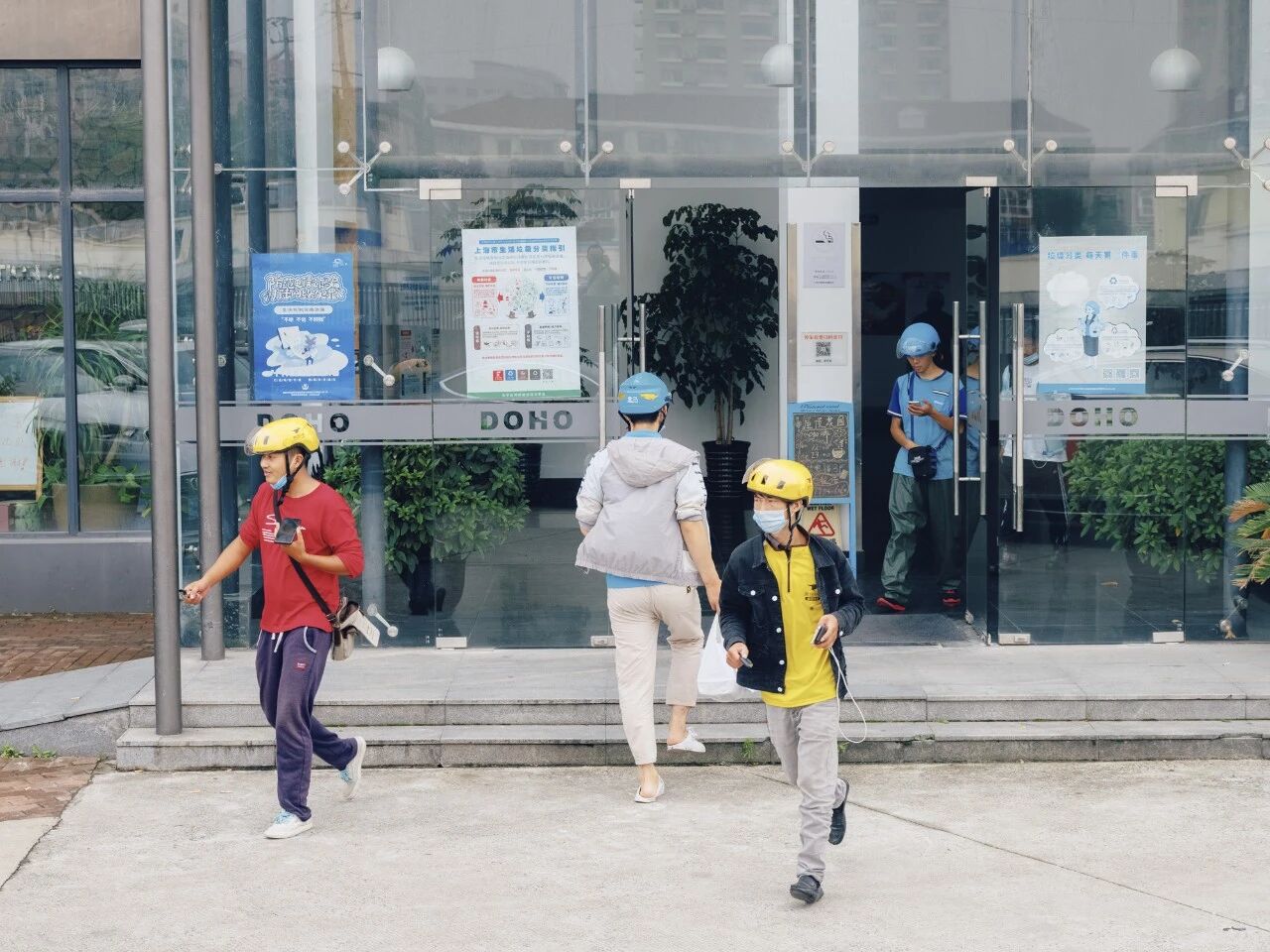
Amid Beijing’s torrential rains and heatwaves this summer, Meituan, Ele.me and JD riders had feet soaked raw, suffered heat stroke and rear-end collisions – yet attendance bonus and late-delivery penalties still forced them to run orders in the rain.
Pu’er’s coffee farmers, tossed by global prices for over a decade — felling trees for tea, then scrambling back — now see record highs. Yet the surge stems from Brazil’s cuts, extreme weather still disrupts flowering, and they are turning to value-added processing and ecological cultivation for a steadier path.
Zhang Kai of Fenye Brewing and Xu Xin of Mars Elephant Lab use a single grain to bridge brewing and baking—from spent-grain biscuits to an Earth Day beer brewed from leftover bread from ten Beijing bakeries—reflecting the practical challenges of the local grain supply chain.
Farm owner Zhen Rui’s two staff were swept three to four hundred metres by floodwater before escaping from their sleep in the small hours. Their 450 mu of land and nearly thirty million yuan invested over more than a decade were wiped out overnight—with no evacuation notice.
At a slaughterhouse in eastern Sichuan, over ¥100 million in investment, daily beef sales mean pre-dawn complaint barrages, lost orders over scarce back sirloin, and blood stench that won’t wash off — nineteen years of education shattered by the butchers’ flexibility.