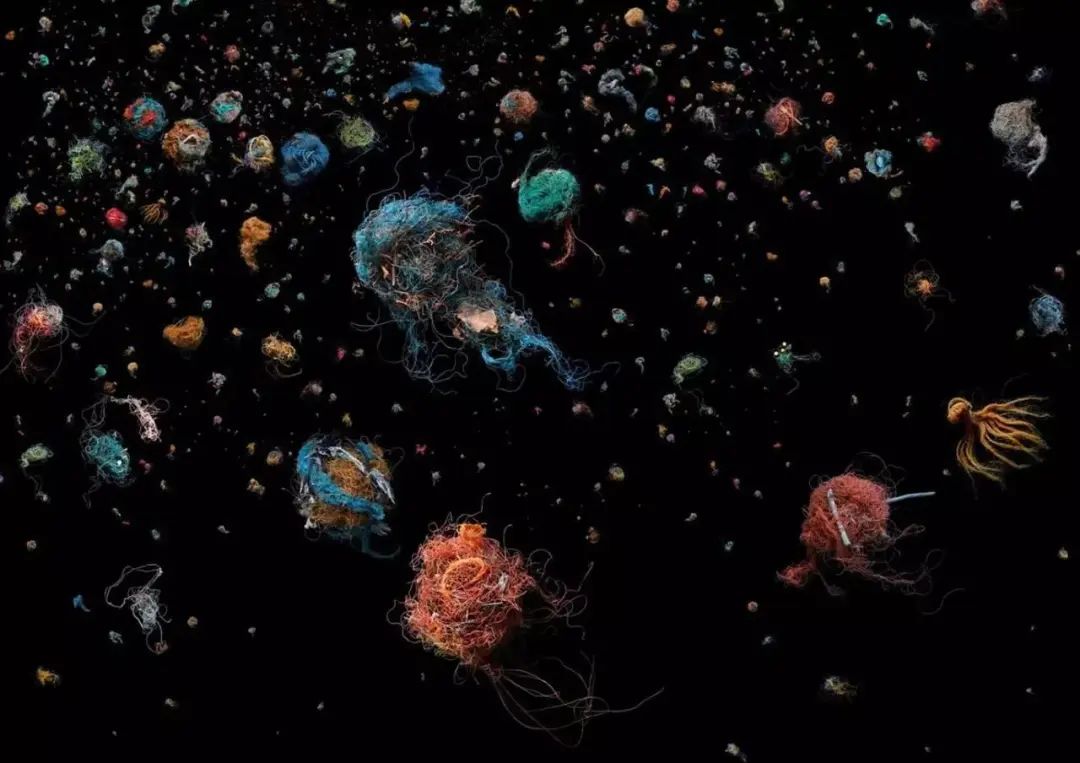
The proliferation of plastic is a byproduct of the petrochemical industry seeking outlets for post-war capacity, not a carefully considered decision. In Plastic: A Toxic Love Story, Susan Freinkel argues that the problem lies not with the material, but with the relationship between people and plastic.
From 2008, Cao Xiaohong built a group-buying circle for mums in a small Hunan town via Wotu Workshop; Xiao Yunsheng has sold veg at the Beijing Organic Farmers’ Market for over a decade. They reflect on building producer–consumer trust, and whether it can still withstand livestreaming and drop-shipping.
On World Book Day, Foodthink brings together recommendations from its editors, authors and fellow travellers in the field — over ten books that, unbidden, converge on the most fundamental connection between people and food, land and the natural environment.
Microplastics, plasticisers and Bisphenol A lurk in shower curtains, takeaway containers, cling film and laundry capsules. While total avoidance is impossible, reading resin identification codes and cutting back on single-use packaging can keep everyday exposure within a lower-risk range.
The National Health Commission has launched a three-year “Weight Management Year” initiative, yet modern obesity is a systemic issue shaped by food industry, takeaway and pseudo-health foods. Foodthink charts a scientific path from dietary structure through processed-food traps to natural dietary principles, beyond ‘dieting equals weight loss’ mindset.
Work vibe so heavy you can’t stomach a takeaway box; sweet soup 3–5 yuan dearer than dine-in; a rider’s hand slashed in the snow. Dozens of readers wrote down specific moments of pushing back against takeaway – from ready meals to plastic packaging, all pointing to a proper meal.
A cup of Americano squeezed to six yuan, a meat pancake to ten — traffic has become the platform’s weapon to force shops into loss-making price concessions. Pinhaofan’s cheapness is no technological innovation, but a cost borne jointly by shop owners and riders.
In 2023, The Examination and The Washington Post found that several US Registered Dietitians took money from beverage and sugar industry associations to endorse products while hiding sponsorship — and that the American Beverage Association is itself a principal sponsor of the Academy of Nutrition and Dietetics (AND).
In 2024, riders’ sudden deaths, the exposé of “ghost takeaway”, collective protests, two new books and two films pushed the plight of workers under delivery-platform algorithms into public discourse. Foodthink reviews the year’s key stories and films about platforms and food.
In Texas, a home kitchen can legally sell homemade baked goods after completing a $15 online hygiene course. Zhang Yiqing began there, aiming to build organic food exchanges among neighbours and asking what kind of food law leaves room for small producers.