Pop-Up Chef, Unable to Fly Free of the System

In recent years, dining experiences such as pop-up kitchens and shared small dinner tables have become increasingly popular. As a former chef, I was itching to try one. Isn’t this the dream of everyone who loves to cook – to cook however your heart desires, free from the stifling pressure of commercial kitchens, to return to the original intention of cooking for others, and to connect with people through food and build community?
So when the opportunity arose to travel to Shanghai, I decided without hesitation to have a go at being a pop-up chef.
Across a series of events spanning over a month, hopping between different restaurants, bars and studios, I did connect with many people who love food and felt the joy of meeting in person. But it was my first time taking part in the domestic food industry, and the experience proved far more complicated. In kitchens abroad, the tiredness stayed in the body. Back home, it’s all about being utterly drained – body and mind.
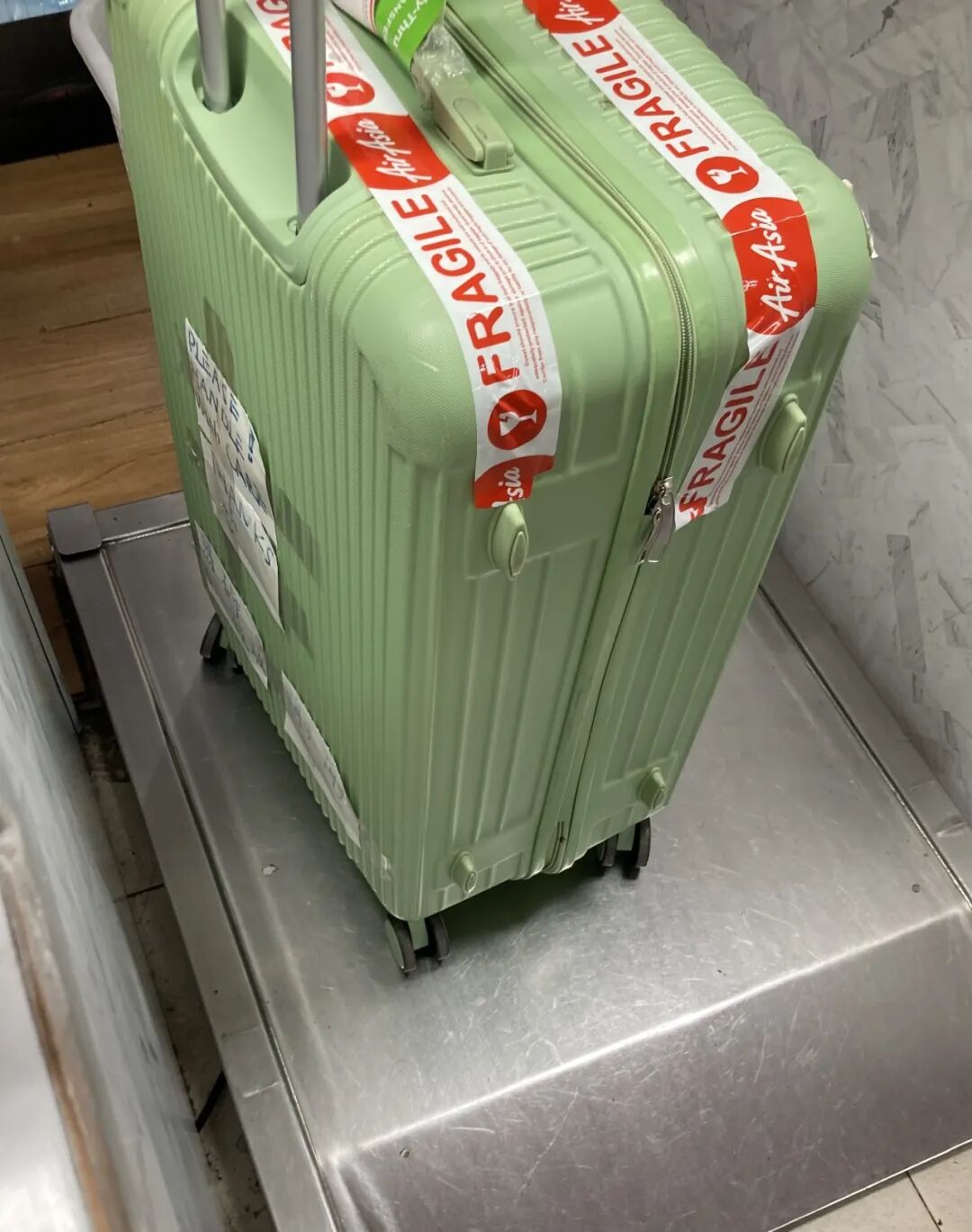
◉A 30-inch suitcase, two-thirds filled with ingredients and seasonings I’d brought back from Chiang Mai. I’d heard from another Thai cuisine chef here in China that 80% of Thai soy sauce on the market is fake, and there were also some of my own carefully selected fish sauce, shrimp paste and the like.
Trapped in the System: Food Industry Workers
I met bar owner A (pseudonym) through our shared interest in ecological agriculture and music. Set on one of Shanghai’s trendy “influencer” streets, his dark-toned, austere-style bar was, improbably, planted all over with all manner of herbs and vegetables. And A had a taste for obscure regional dishes. With such unconventional minds, we clicked instantly. I am grateful for his uncomplicated trust – he agreed to the collaboration before even tasting my food. And so I flew from Chiang Mai to Shanghai, a suitcase full of seasonings in hand, brimming with the thrill of shaking things up.
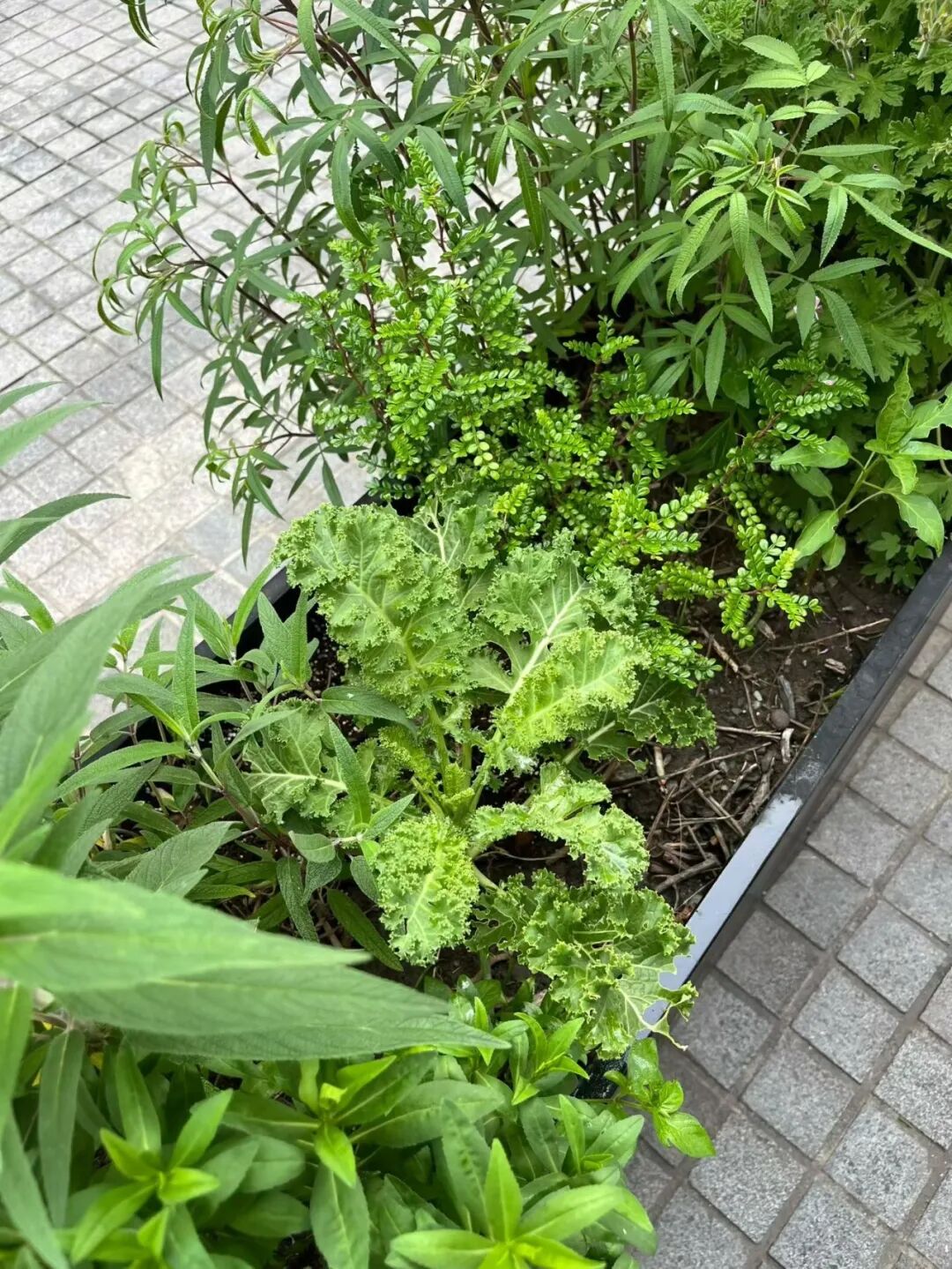
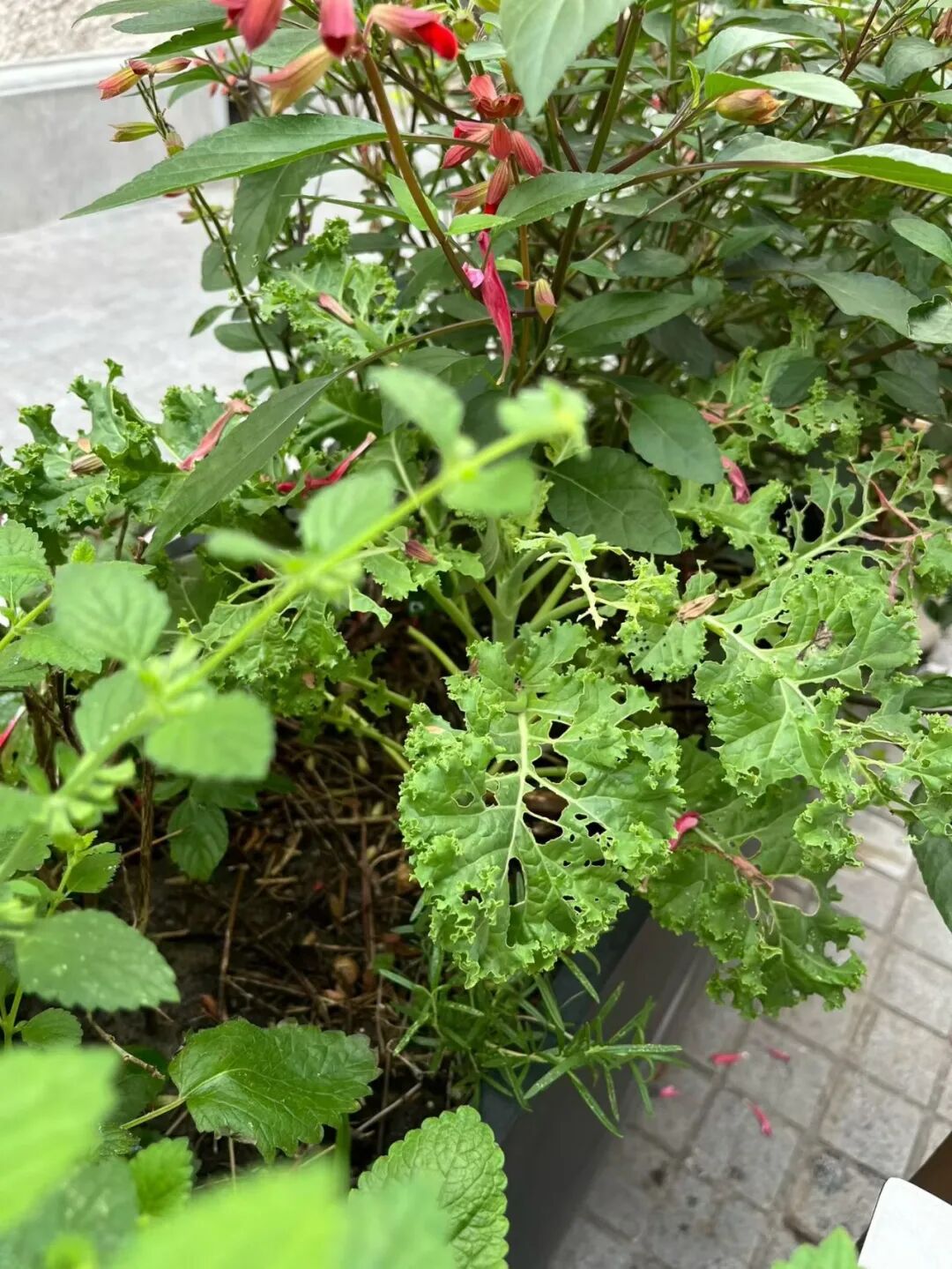
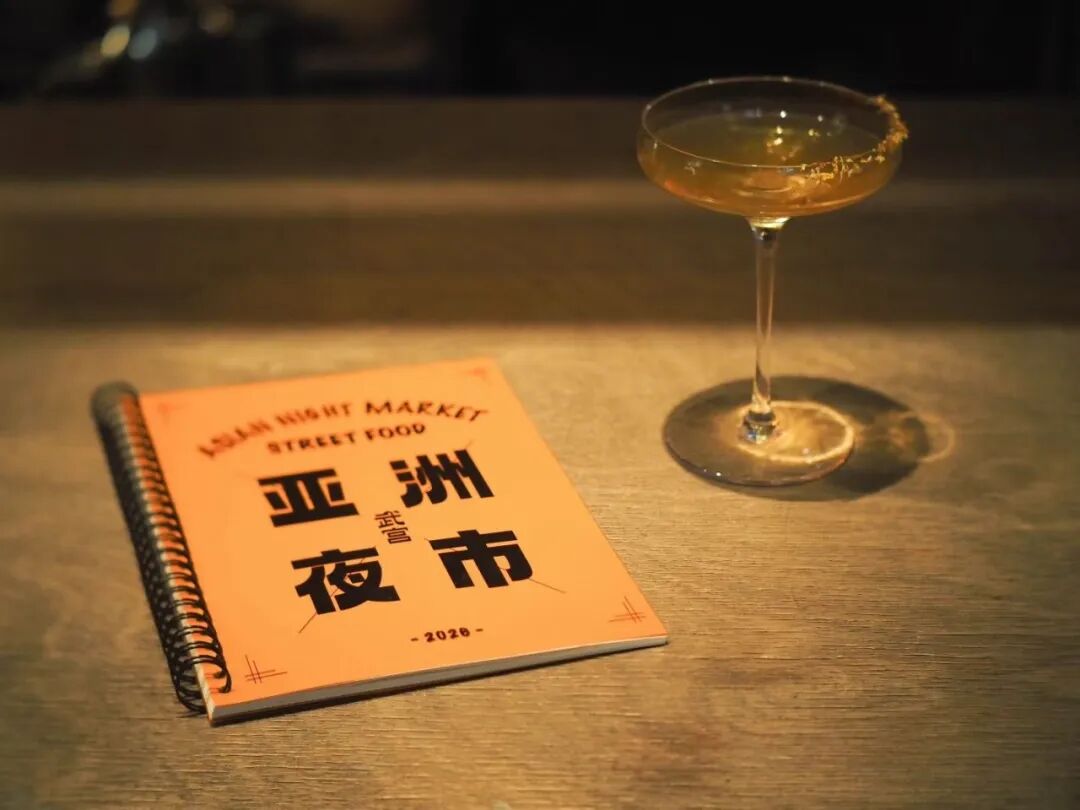
◉ Inside: stylish cocktails alongside the pop-up kitchen menu; outside: herbs growing in full, vibrant health. Image: Wugong
Having lived in Chiang Mai for so long, I chose Northern Thai cuisine as the theme for the pop-up dinner. In China, most people’s idea of Thai food boils down to Pad Kra Pao, Som Tam, Tom Yum and the various curries that virtually every Thai restaurant serves. But just as Kung Pao Chicken and stir-fried tomato and egg cannot encompass the diversity of Chinese cuisine, Thai food is divided into Northern, Northeastern, Central and Southern Thai traditions, and Chiang Mai is the principal city of northern Thailand. I wanted to present more authentic Northern Thai cooking, letting diners experience the full richness of Thai cuisine – for instance, Khao Soi, golden egg noodles that migrated from Yunnan and absorbed Lao and Northern Thai characteristics, or Nam Ngiao, a Shan rice noodle dish made with kapok flower stamens. Recreating these dishes in Shanghai – foods you struggle to find once you leave northern Thailand – also meant far harder sourcing and a much longer prep process.
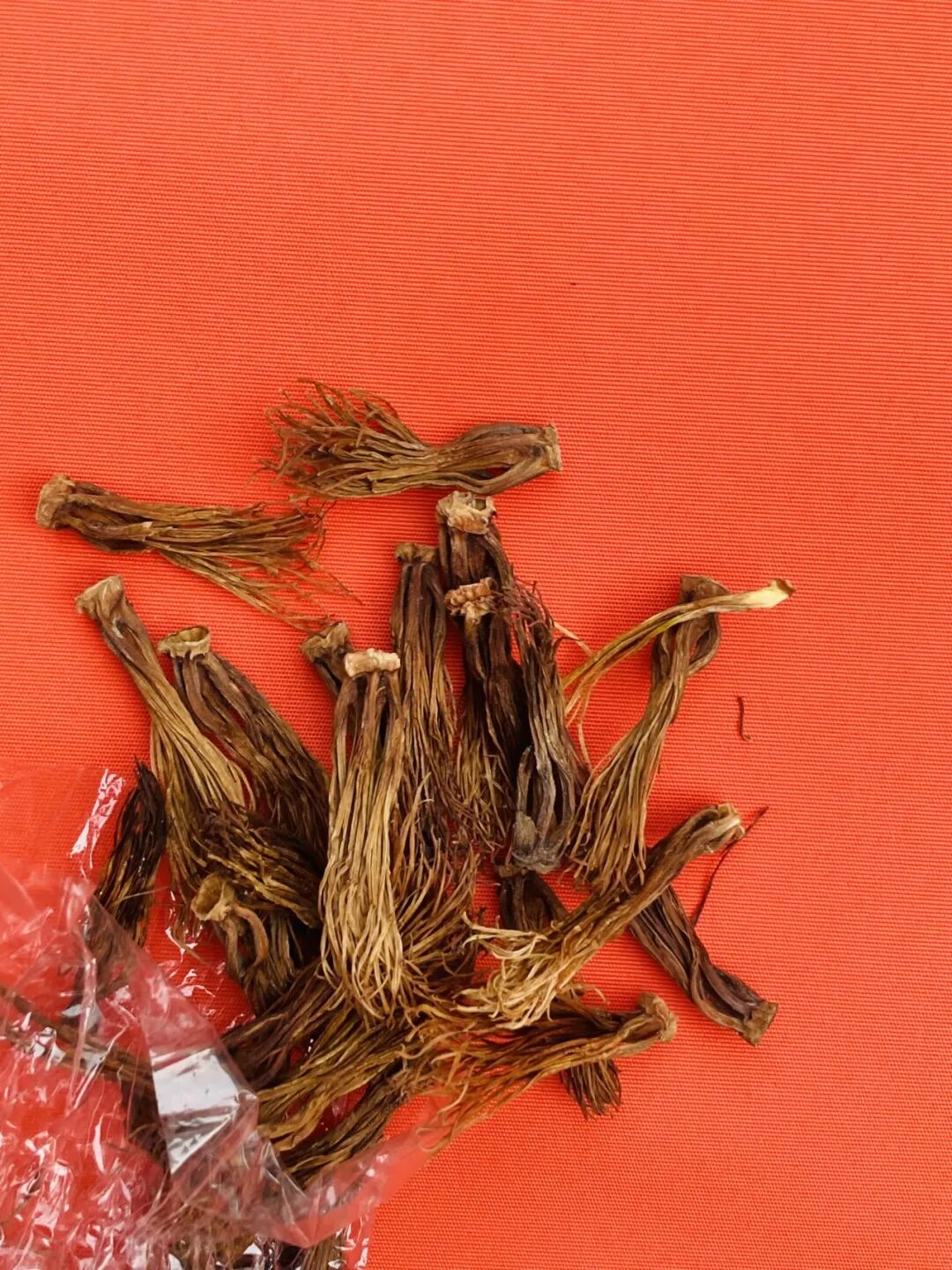
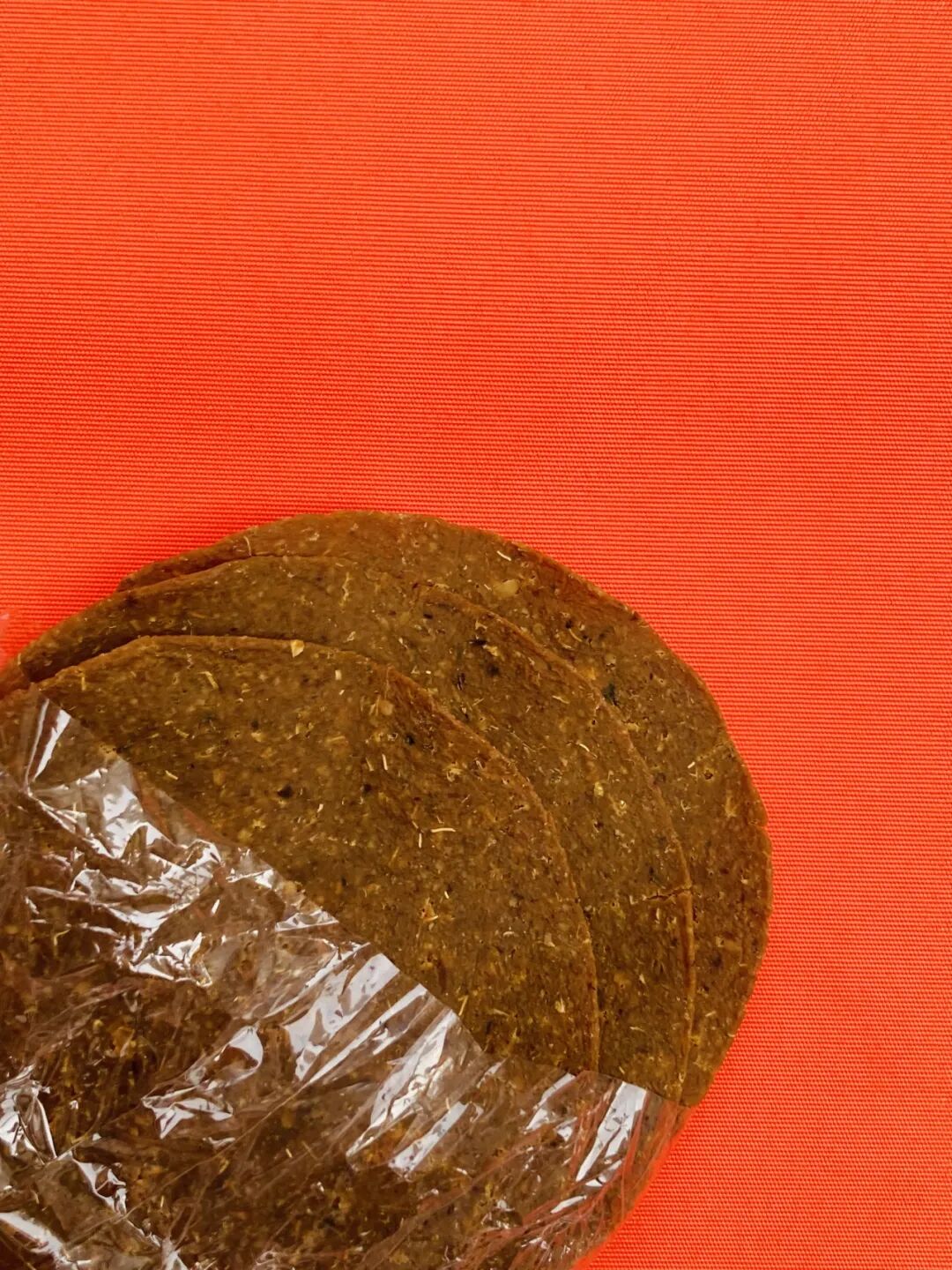
◉ Local ingredients for the Shan sour-and-spicy rice noodles Nam Ngiao: dried kapok flower stamens (left) and fermented bean cakes Thua Nao (right).
As a pop-up chef splitting revenue with a bar – this was supposed to be a flexible model. Instead, I too had become someone trapped in the system.
On one peak weekend, bar owner A spotted a negative review on Dianping complaining about waiting over half an hour for food to arrive.
I could probably identify which guest it was – over the entire service, only one person kept sending the server back to the kitchen to rush the orders. It wasn’t as though I hadn’t considered what waiting feels like for a guest: when it was busy, I’d have the servers mention at the time of ordering that it would take at least twenty minutes, confirming they were happy to wait before placing the order. The kitchen had just me and one assistant, who mainly helped with the washing up and cleaning. Most of the work – the cutting and prep, hand-making every curry paste base and sauce, and all the cooking – fell to me. Still, I could understand that as diners, they cared more about how much longer the wait would be than about the chaos behind the kitchen door.
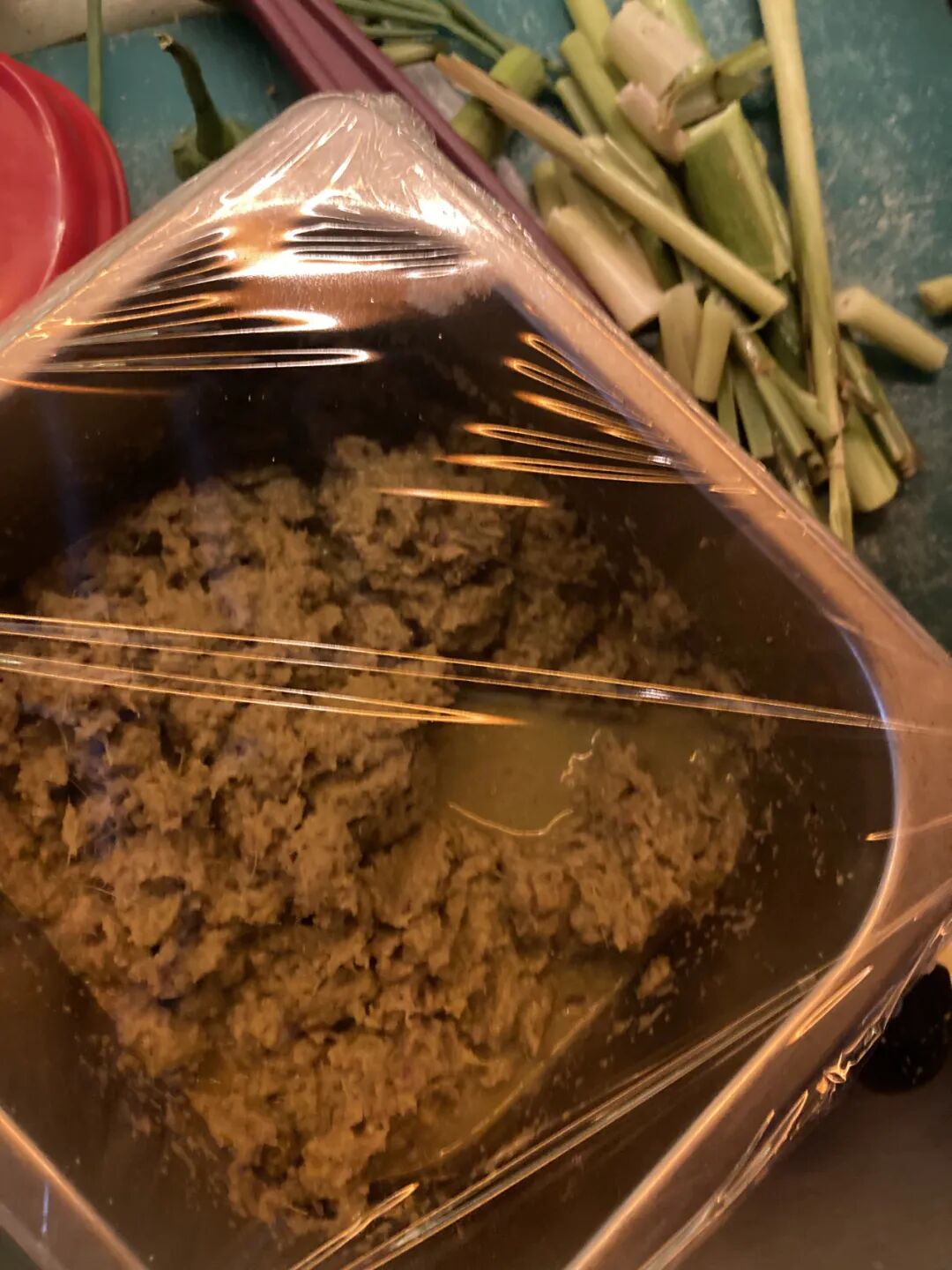
◉ Making curry paste from scratch. Calculating when the online-ordered herbs would arrive, working out ratios, testing recipes, blending the paste, straining, packaging and storing it… When every last one of these tedious tasks falls on your own shoulders, the pressure inside builds day after day.
A is a friend who keeps his emotions in check, and he didn’t blame me at all. But I could feel the negative review weighing heavily on him. The logic behind that pressure took me a while to piece together.
Dianping’s mechanism is this: a negative review directly drags down a restaurant’s rating, and the rating determines algorithmic promotion – the higher the score, the greater the likelihood of the restaurant being surfaced to more users. If a restaurant wants to make the Must-Eat List or earn a Black Pearl rating, the score is an outright gatekeeper. According to official data, newly listed Black Pearl restaurants in 2023 saw search volumes surge by over 150 per cent around the time of listing, with actual footfall increasing by between 30 and 70 per cent. Maintaining a rating is not just about a restaurant’s image – it determines whether the business can keep running.
More complicated still, reviews from different users do not carry equal weight. The platform applies a weighting by user level: the higher the level, the greater the impact. A restaurant friend told me: “When a negative review pops up on Dianping, it’s the sort of thing that calls a meeting at our shop. One bad review can knock 0.1 off your score, which might mean your restaurant drops from page one to page three or four in Dianping search results. Less exposure, and it really hits footfall. Probably because people rely on Dianping so heavily these days.”
If the person leaving the negative review is a Dianping V8 user, it is nothing short of a “fatal blow” for the restaurant. In extreme cases, a single V8 user’s negative review can knock half a star off a restaurant overnight. In other words, every high-level account a restaurant sees is not an ordinary diner, but a hand that can strangle the restaurant’s life or death.
And it is not easy for consumers to reach V8 either, which has given rise to a grey-market industry. Looking at Dianping’s own rules, the difficulty jumps sharply between V7 and V8. Dianping itself acknowledges that the higher you climb, the more the required volume and quality of reviews grows non-linearly – the closer you get to the top, the harder it is to level up.
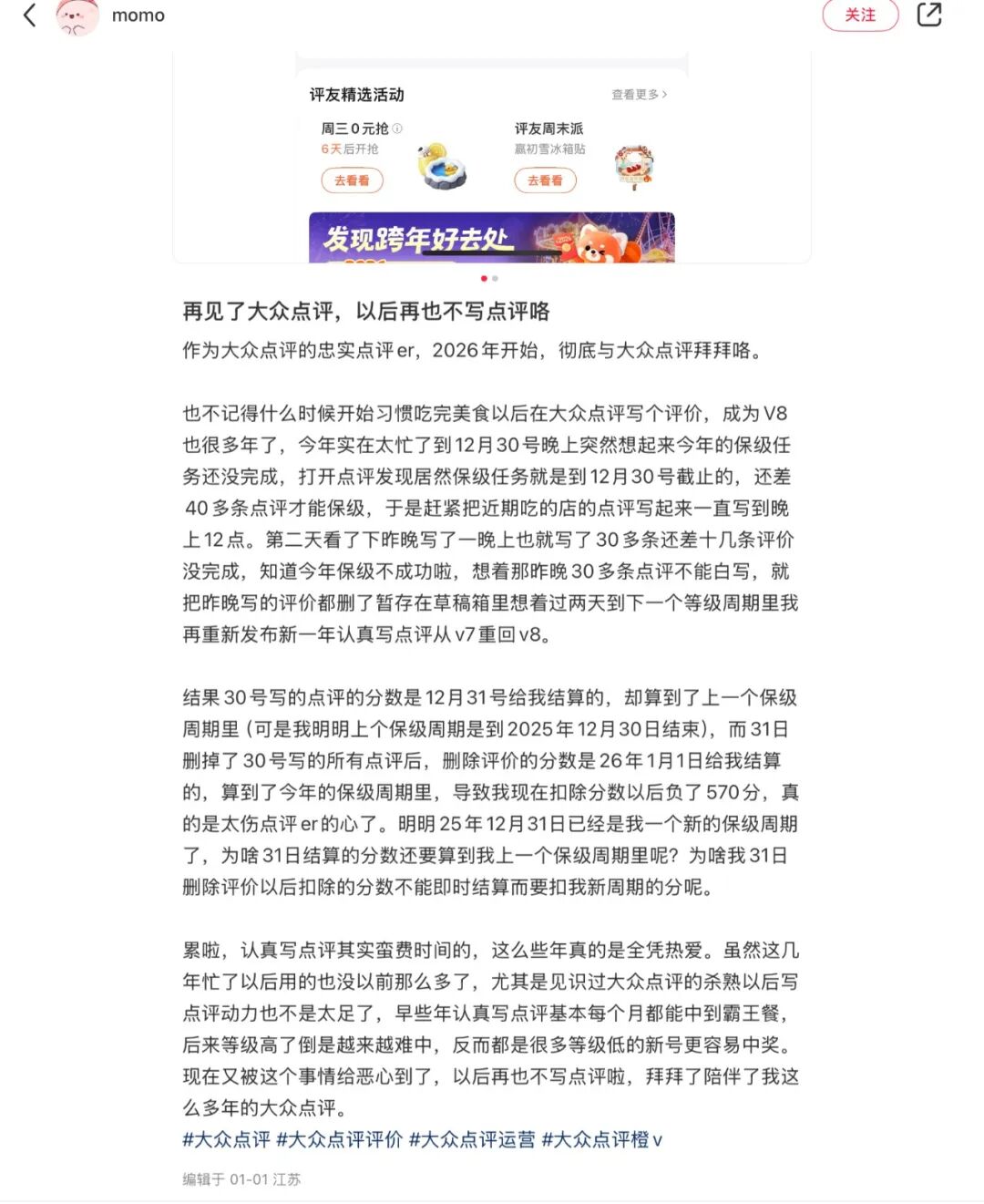
◉ Dianping users have also voiced their dissatisfaction with the rating system.
This is also why, for a long time, a V8 account in itself became a kind of quantifiable asset, and specialised third-party management companies emerged to help restaurants maintain their ratings. A 2021 investigative report in Caijing magazine noted that third-party operations firms would purchase services from positive-review writers at clearly published prices, with higher levels commanding steeper fees.
The platform itself has also waded directly into the fray, putting price tags on promotional campaigns tied to ratings. In 2021, a restaurant owner interviewed by food journalist Mei Shanshan mentioned paying the platform 4,000 yuan per round to invite high-level users to dine for free, building up weighty positive reviews.
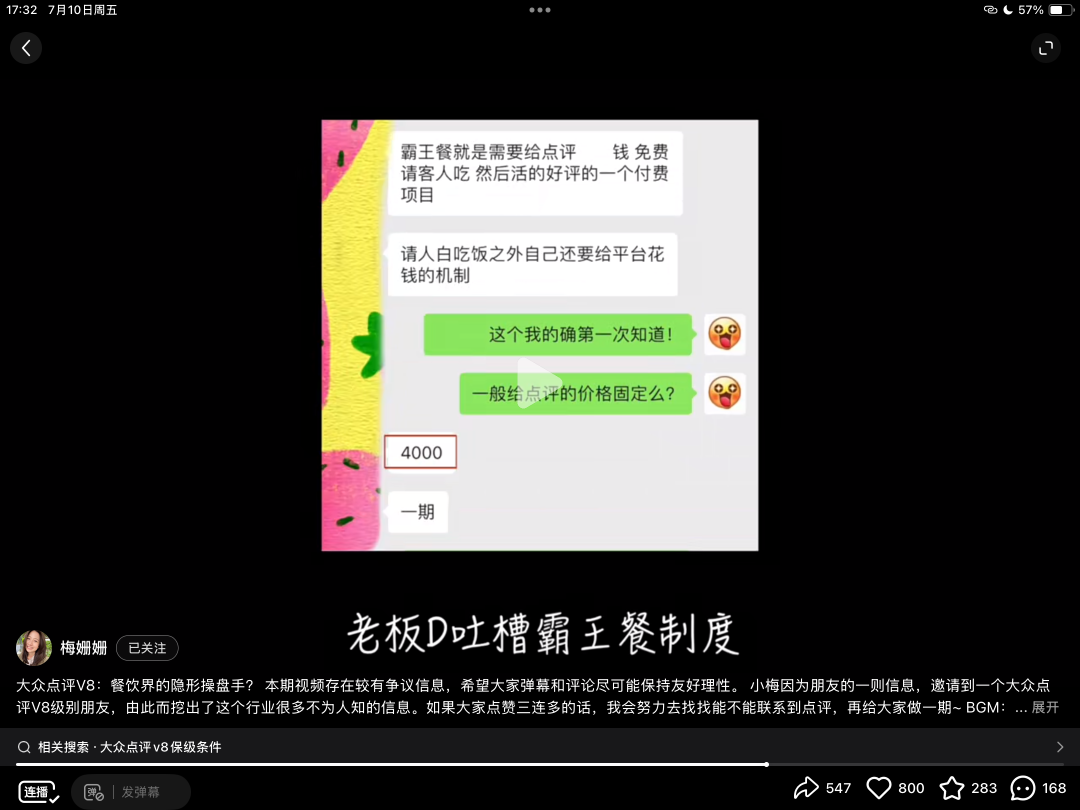
◉ In 2021, food journalist Mei Shanshan discussed Dianping’s free tasting meal mechanism on Xiaohongshu, sparking extensive discussion from users and merchants alike.
By August 2025, although Dianping claimed to have improved its rules – merchants that invite large numbers of users to dine in and write positive reviews en masse would see their star benefits restricted, while shops that do not actively manage reviews and focus on the food and service would find it easier to earn stars through genuine word of mouth. According to Dianping’s own 2025 Review Transparency Report, published in March 2026, six months after the new rules took effect, the number of merchants engaged in high-intensity review solicitation fell by 42 per cent; over the year, 310,000 merchants had their star ratings reduced and 320,000 gained stars. In other words, the ratings that restaurants had previously fought for with every trick in the book – including the star bonus earned by treating V8 users to free meals – are being actively narrowed by the platform.
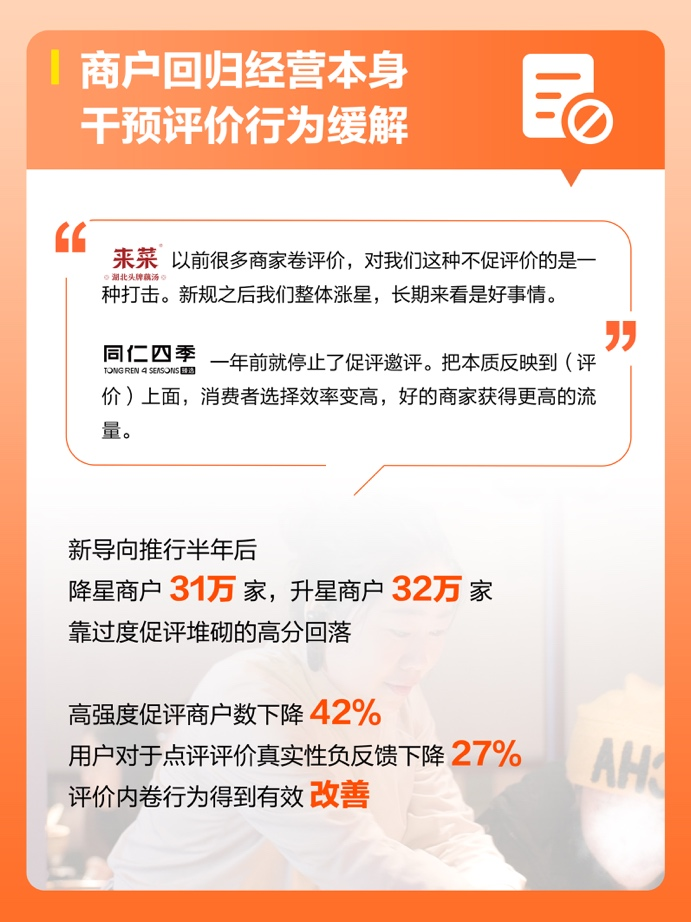
◉ Dianping selectively features positive comments from some merchants about its rating reforms, while behind the scenes far more restaurants are nursing the frustration of having their stars stripped without cause.
The industry chain is adapting, too: negative review removal services are now openly priced, ranging from 60 to 1,500 yuan per review. The price depends on the star level and how specific the review content is – the more detailed and well-evidenced the negative review, the lower the success rate for removal. At the same time, the AI moderation system designed to identify “malicious negative reviews” has begun generating new controversy: users have reported on complaint platforms that their genuine negative reviews were taken down by the system within minutes on grounds of “suspected competitor activity”, with the platform refusing to disclose the specific basis for its decision.
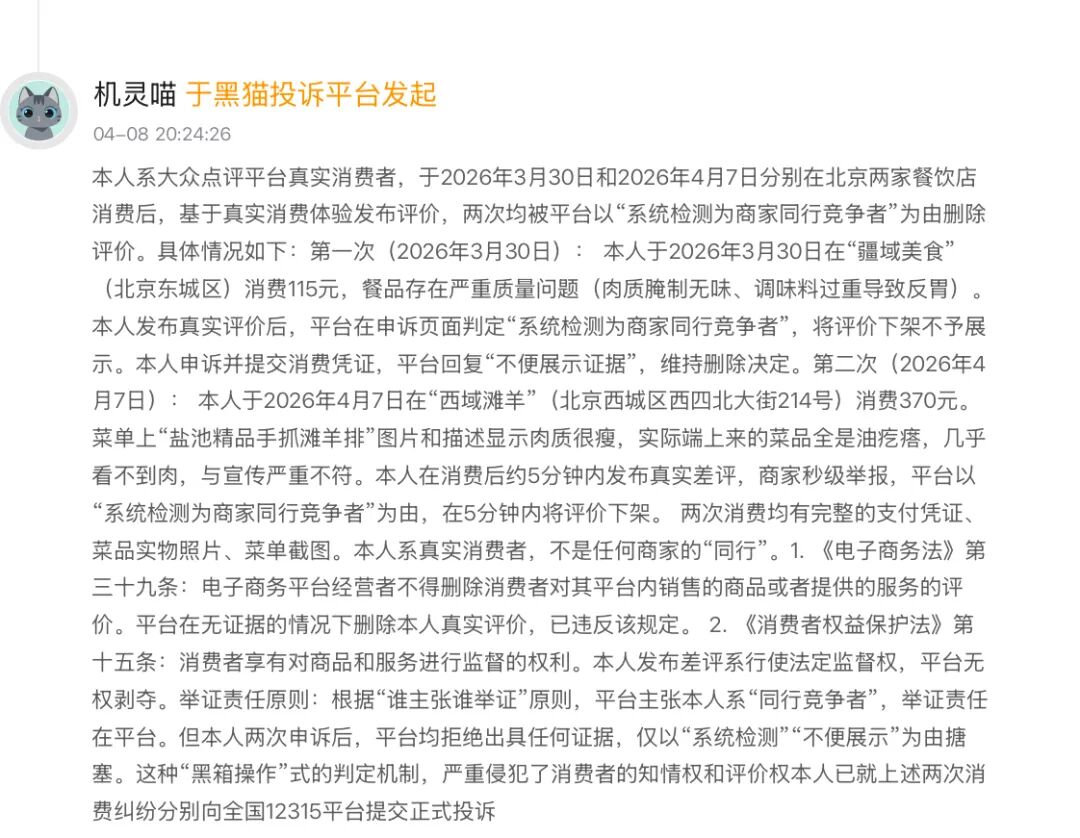
◉ On the Heimao Complaints Platform, a Dianping user complained that the platform had arbitrarily deleted their genuine review.
Dianping V8 users’ bargaining power may be tightening as the rules are revised, but the tug-of-war between merchants and this rating system has become no more transparent for it.
The First Time I Cried in the Kitchen
Only after understanding all of this did I grasp why everyone was so tense: a single negative review could set off a chain reaction of trouble. And I stood at the very end of that chain – all I could do was apologise and propose a remedy. I suggested that the bar manager get in touch with the person who had written the review, telling them they were welcome to come back and that I would offer a complimentary meal. It was the only solution I could think of, and I felt the helplessness of it even as the words left my mouth.
For me, cooking means opening yourself up to other people’s judgement – I had always expected that much. But the real pressure came from the thought of causing trouble for others. I was working in a kitchen that A had run for years. Ours was a short-term collaboration; I could pack up and walk away, but the fallout would stay with him and his team. And my friend had chosen to work with me without even tasting my food – trust I was not prepared to let down.
I had barely finished processing that feeling when, a day later, something similar happened. A few guests, having finished their meal, asked a staff member to call me over. They said the food was awful and that they were not going to pay. I asked which dish was the problem – was it a sauce or an ingredient? They could not say. I confess I could not quite understand how they could complain that the food was terrible and yet manage to polish off an entire table of dishes, but I kept my tone courteous and asked whether they would like anything remade. None of them gave a straight answer.
I felt as though I were watching a scene from a play. One guest played the tough one: “I’m not paying for food like this!” The other played the peacemaker: “It’s fine, it’s fine – I’ll cover it!” The remaining two wore impatient expressions, heightening the drama. I was about to keep explaining when a staff member grabbed my arm and said, “It’s alright! The meal is on the house! If the guests don’t like it, never mind – everyone has their own preferences.”
In the end, the guests got the meal on the house, and the staff and the owner who were present all breathed a collective sigh of relief: the guests had promised that, once the bill was waived, they would not post about the incident online.
That evening, for the first time, I cried in the kitchen. I cannot quite name what I felt – something between a deep sense of grievance and helplessness. When a conflict like this erupts, there is no room left for a normal conversation. I do not blame the staff. I understand why they had to cut me off, and I was deeply sorry to have put my friend through this once again – though he did say that such things are perfectly normal in China.
Of course, it is impossible to please every palate, and differing opinions are entirely natural. But before online rating systems grew so influential, no guest could have finished an entire table of food, declared it not to their liking, and still walked away with a free meal. Nor would a restaurant and its staff ever have had to grovel like this – all they wanted was to waive the bill and make the problem disappear.
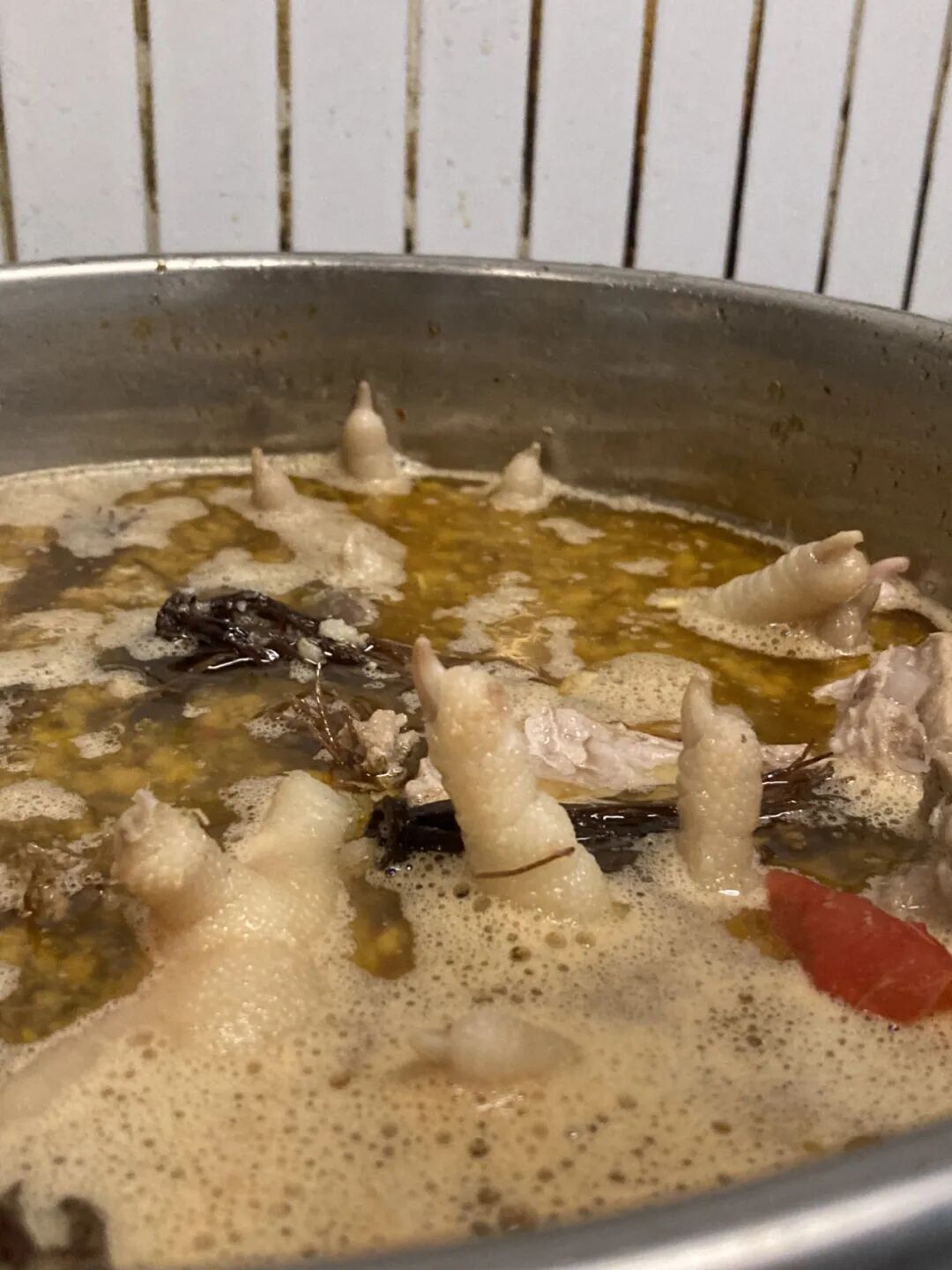
◉ Photographed while the soup was simmering – these deathly pale, soulless chicken feet, a perfect reflection of my mood.
An Exception
But there are also stubborn owners who refuse to bend.
Another bar owner, Maizi, does not manage any Dianping or social media presence – he relies entirely on regulars. I ran a pop-up dinner at his bar. The food was ready, yet he had not even set out chopsticks and spoons for the guests; I could not help but nag him to get on with it. He scurried off to the restaurant next door to borrow some cutlery and, grinning, said, “Don’t rush – slow is steady, steady is fast.” The words suited him perfectly. He was unhurried, the guests were unhurried, and the whole bar carried a languid ease utterly at odds with the Jing’an Temple commercial district.
Maizi’s kitchen is tiny – put two people in it and it already feels cramped. And yet it was the most comfortable kitchen I have ever cooked in during my time in Shanghai, simply because no one rushed me. I was grateful for the guests’ patience, and they returned the favour in the highest way possible: by eating every last scrap of the steaming-hot dishes.
Maizi says that the people who like the place truly love it, and those who do not simply never come back. Many visitors come not just for the drinks but to chat with him. His rating on Dianping is a mere 3.8, yet that has not stopped regulars from returning again and again. Some guests even keep a key to the bar – they let themselves in, pour their own beer, and leave payment. For me, the greatest pleasure of working as a pop-up chef in Maizi’s kitchen was, surprisingly enough, getting to eat his sour broth dumplings. The dried chilli flakes and dried seaweed were all sent from his mother’s hometown.
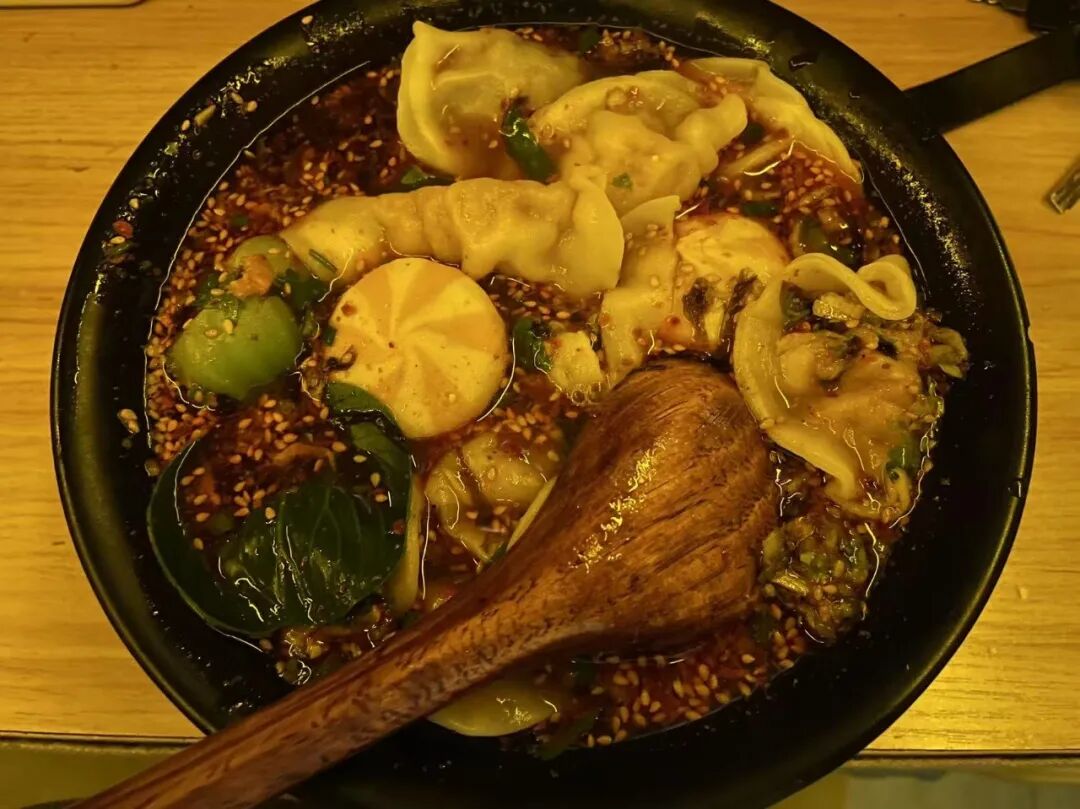
◉ Sour broth dumplings made by Maizi, who hails from the northwest.
“I still feel that “people” are the most important element of my bar,” Maizi told me. He has run this bar in the heart of bustling Jing’an district for eight years without relying on any platform for promotion or traffic. I asked Maizi what it was that kept the place going. He simply said, as mildly as ever, “Slow is steady, steady is fast.”
I met Maizi by chance, and his presence perhaps reminds me that this system does not have only one path – staying true to your original intention can itself be a choice.
A Month Without the Sun
In Shanghai I met several pop-up chefs, and found that the source of our stress was uncannily alike: a heart-weariness. How exactly that weariness manifested differed from person to person, but the underlying logic was the same – one person shouldering every link in the chain, with no cushion when anything goes wrong.
Sourcing was the most draining link of all, to the point that even a trip to the supermarket or the fresh-food market now sends me right back into “sourcing” mode. Cleaning the kitchen, taking stock of the fridge, jotting down what needs restocking – it sounds simple enough, but every single day it meant at least an hour or two spent on this tedious grunt work.
Herbs were the trickiest – holy basil leaves and Thai basil spoil so easily that the timing of your purchase has to be just right: buy too early and they go bad, buy too late and you miss the window. Every day I was cross-referencing prices and availability across Taobao, Meituan Delivery, Freshippo and the fresh-food market. Fussy as I am, I was trying to keep costs down while also hunting for tomatoes that actually tasted of tomato and had a tang to them, meat with the right fat content, holy basil leaves of consistent quality… Home-cooking prices on the plate, fine-dining anxiety in the heart.
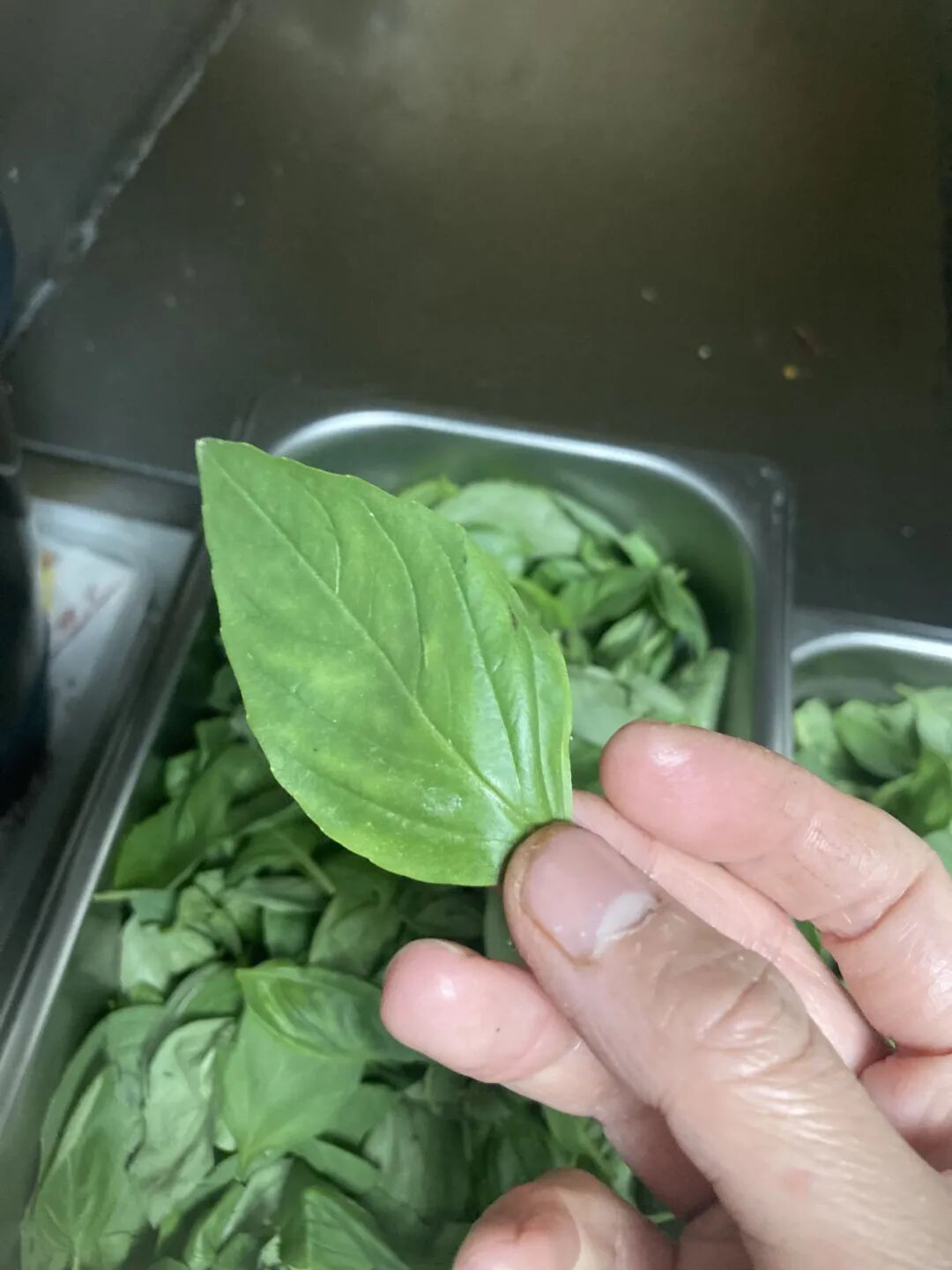
◉ Ordered holy basil leaves, received Thai basil instead. But dinner was fast approaching – all I could do was close my eyes and hope for the best.
And so, out of the kitchen I was the buyer; back inside, I was the chef. Switching between the two roles left almost no room to draw breath.
I have always loved browsing the fresh-food market, picking over the produce with my own hands. Yet during that stretch I actually began to dread going there. Once, buying green chillies, I asked the vendor how hot they were, and she rolled her eyes: “How am I supposed to know how much heat you can handle?” She had a point, but I could not understand why she was so impatient… (Though I certainly did not go and leave a bad review over it.)
Another time I went to buy rice, and after I had paid, the elderly shopkeeper fixed her gaze on me and said, “Do you have one arm longer than the other?” To this day I have no idea what she meant.
Eventually I just switched to Freshippo and Dingdong – thirty-minute delivery, quality reasonably dependable, and best of all, convenient. But relying on online sourcing had its own headaches. One time I forgot to change my delivery address, and my order ended up at a friend’s flat. All I did was message customer service to ask where my package had gone, yet the delivery rider immediately rushed over to my friend’s building to confirm the drop-off, insisted it had been delivered, and then phoned me frantically, begging me to withdraw my complaint. I was bewildered – I had simply asked where the delivery was, with no intention of complaining at all. I have no idea whether that misunderstanding ended up on his record, and even now the thought of it makes me feel awful.
Beyond sourcing, the whole rhythm of life was quietly warping. During my stint as a pop-up chef, I was finishing up around eleven or midnight, sleeping until two in the afternoon, getting up to wash and dress, then entering the kitchen by four to prep – by the time service was over and the kitchen was cleaned and the ingredients counted, it was the small hours again.
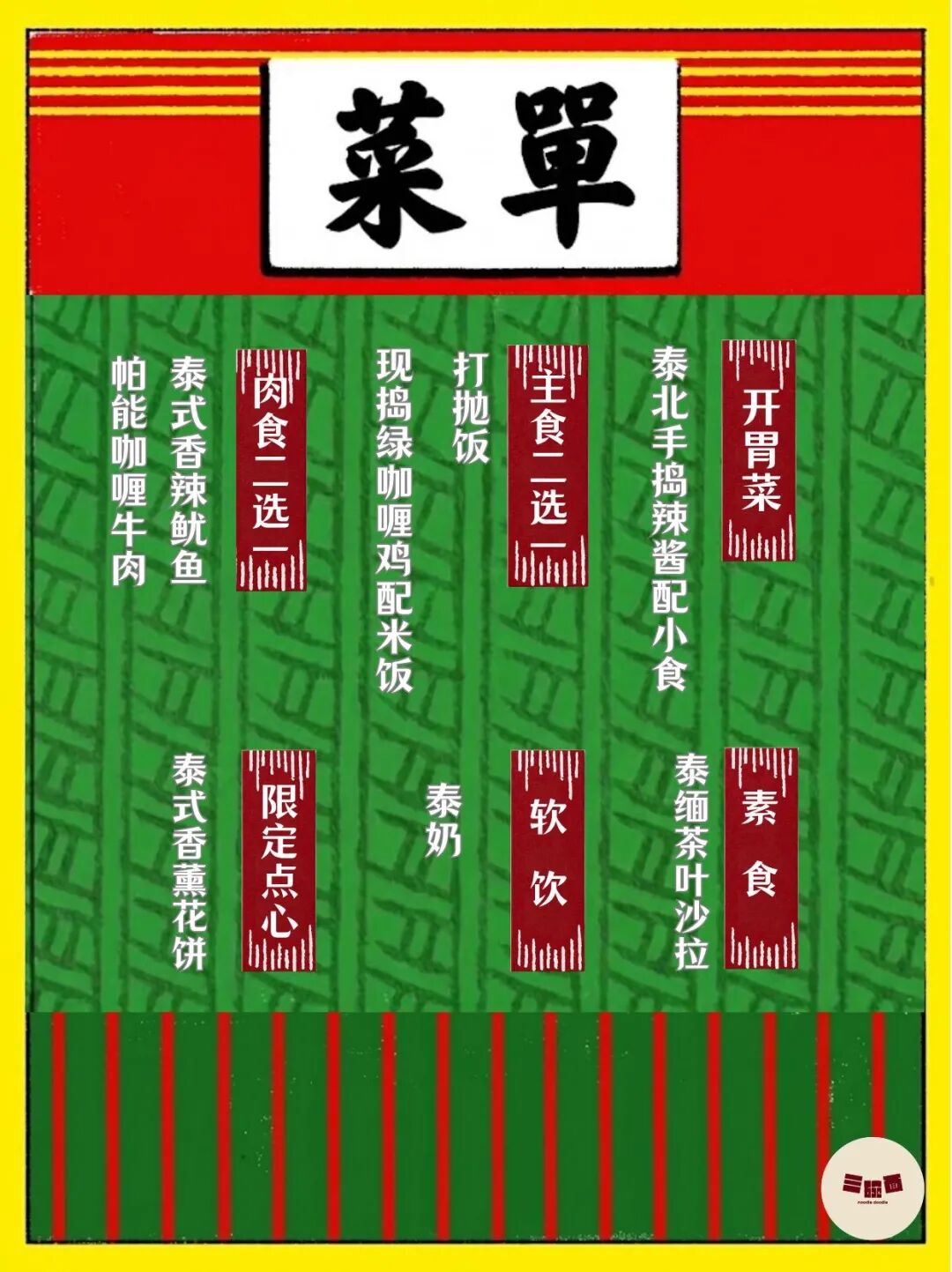

◉ Between sourcing and cooking, there was also menu design to do.
I had not properly seen sunlight in days. The bar crew I worked alongside were on much the same schedule – asleep at three or four in the morning, up only by one or two in the afternoon, back on shift by four or five, with exercise and daylight a luxury. Seeing how the team was often too busy to eat, I would frequently stay up past eleven, after finishing my shift, and whip something up for everyone from whatever ingredients were left. It became one of the few moments of ease in the day.
What Algorithms Cannot Capture
And yet, within that month there were also moments that made all that draining feel a little less heavy.
An artist who had come from Bangkok tasted my cooking and said it carried the flavour of home. A diner who had once studied vegetarian cooking at a temple sampled every dish on the menu at the vegetarian dinner, then left me a long message sharing their thoughts and suggestions for improvement. Compared to those vague, generic five-star reviews, this kind of feedback made me feel that what I was doing truly mattered. On a second visit, another diner sat at the bar for a long while and quietly helped me design a handwritten menu…
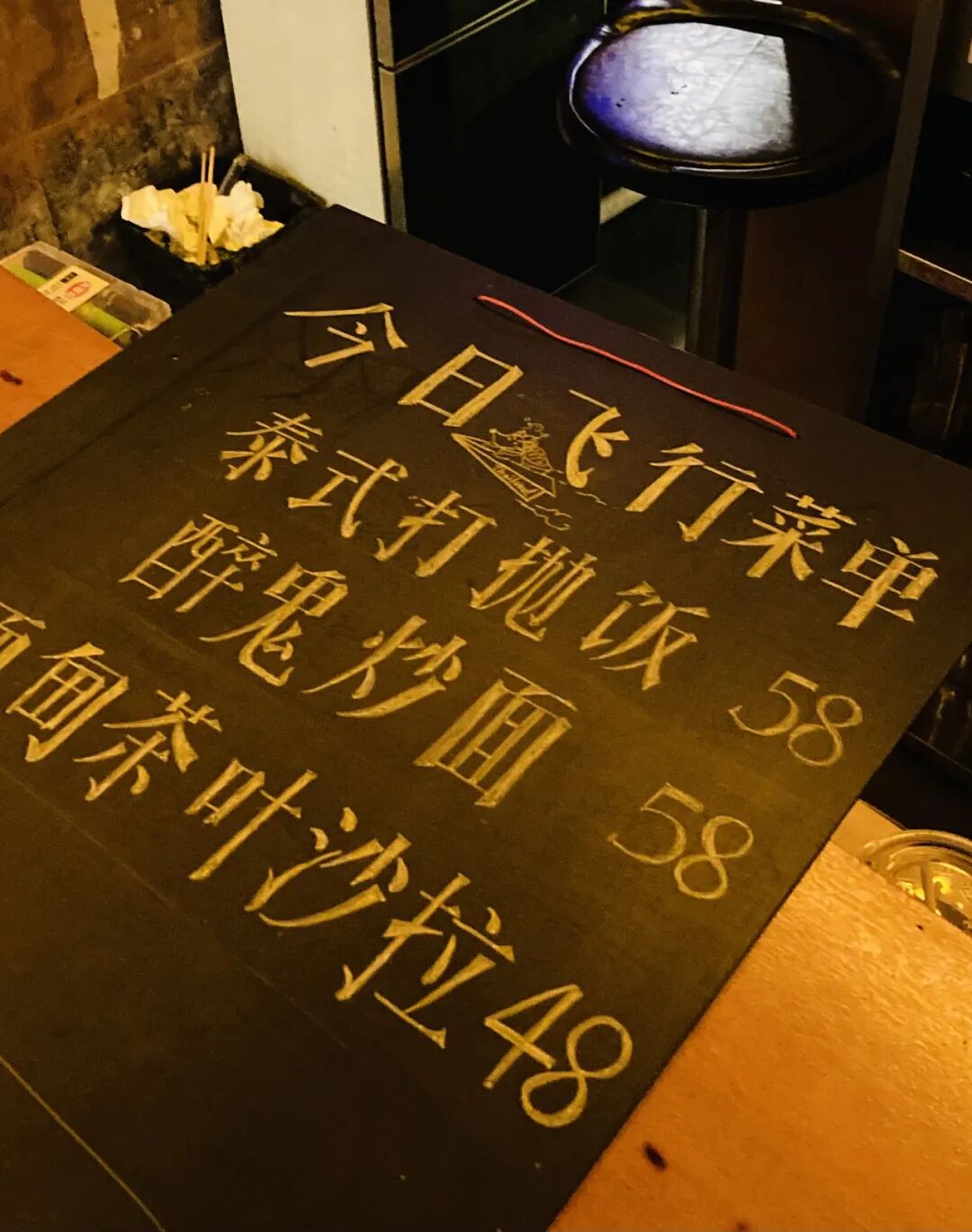
◉ A menu handwritten with a guest’s help.
The most unexpected blessing came from sourcing rice. Because I could not find a suitable Thai jasmine rice here in China, I felt the flavour of my dishes was just slightly lacking. A seller of Yunnan single-origin rice reached out to me and sent over rice without being asked. The aroma of that freshly steamed rice brought back the clean, hot fragrance of rice from Thailand’s narrow alleys, and it made me realise that for the next event I should build the menu around more local ingredients. The seller was a lovely woman. She said she found my dishes so appetising that she thought they deserved to be paired with a good rice. I think such a thought comes from a shared belief we both hold about food, as this lady put it: “Get closer to food, and you get closer to people.”
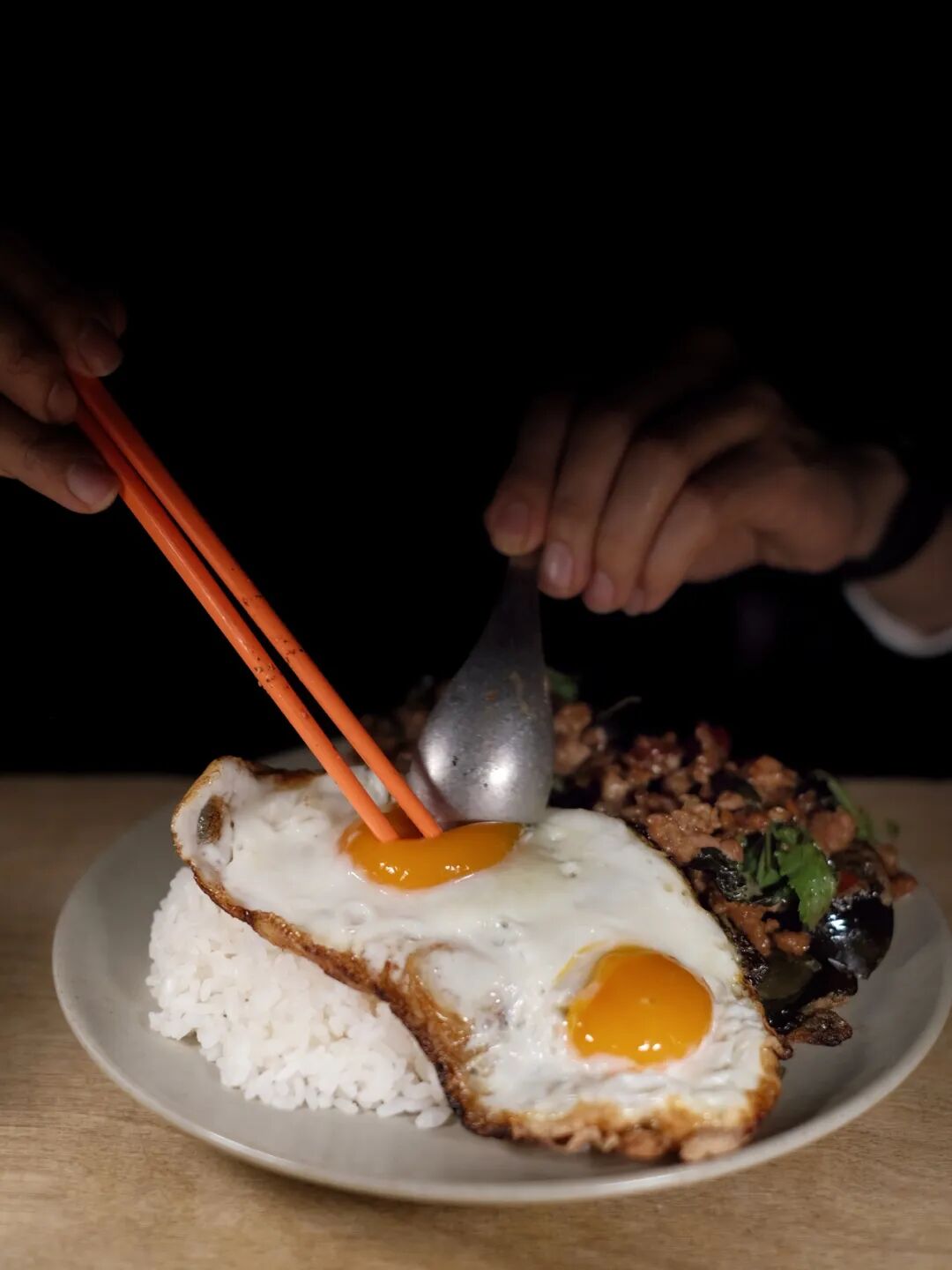
◉ A regular diner photographs the food I cooked after yet another visit.
And it was only after tasting rice that fragrant, soft and glossy – rice with a true rice aroma – that I came to appreciate how germ rice, a quality single variety, and the soil and water behind them shape not just the texture of the grain but the very well-being of those who eat it.
None of these moments that touched me were computed by an algorithm, nor will they ever be factored into any rating system.
From Dianping to Meituan, the rating mechanics and the grey zones lurking behind them seem to be a predicament that food-industry workers simply cannot escape. Over this month I, too, have tasted the suffocation these apps impose on China’s restaurant owners. Every time I felt hemmed in by those external voices, I would think of Maizi – the bar owner who has run his place for eight years without managing a single platform – and his slow, unhurried words: “Slow is steady, steady is fast.”
Perhaps the system is not as air-tight as it appears; it is simply that most of us trapped inside it, myself included, cannot find the same ease he has. Still, I choose to believe that what will carry us further along the road of working with food is not an “optimal solution” churned out by an algorithm’s recommendation, but the moments when we savour food with genuine attention and connect with a real person.
– This is Foodthink’s 823rd original article –

Foodthink
Author
Renso
Southeast Asian Sanhe drifter, brimming with curiosity about
things she has never tried
All photos courtesy of the author
Editor: Tianle
Layout: Minglin
Scan to tip and support original food journalism
▼

▼
Click an image to read related articles

▼
Click a keyword to browse more article collections
Seeds | Farming Techniques | Policy | Fermentation | Nutrition | Fruit | Fisheries | Events | Careers | Takeaway | Markets | Animal Husbandry | Food Talk | Sharing Sessions | Book Clubs | Harvest Festival | Smallholder Stories | Climate Change | Rural Development | Cooperative Economy | Urban Farmers | Food Safety | Digital Technology | Biodiversity | Pandemics & Food | False Solutions | Ecological Agriculture Internship Programme
Beijing | Hebei | Shanghai | Guangdong | Guangxi | Henan | Sichuan | Jiangxi | Xinjiang | Shaanxi | Hong Kong | Chongqing | Zhejiang | Jiangsu | Guizhou | Taiwan | Inner Mongolia | the Philippines | Canada | Russia | Mexico | Italy | the United States | the UK | Germany | the Netherlands | Thailand | Sweden | Japan