The organic farm on the sandbar collapses amid shareholders parting ways, land disputes and natural disaster. After losing her homeland, her mother and the farm, Xiao Yu walks into the reedbed with the last cow, treating land reclamation as the self-declaration of the rootless.
After the 2019 Rice Tariffication Law abolished import quotas, the paddy procurement price fell from 20 pesos to 14 pesos while middlemen sat back and profited; smallholders in Mindanao are now reclaiming autonomy over production through participatory plant breeding.
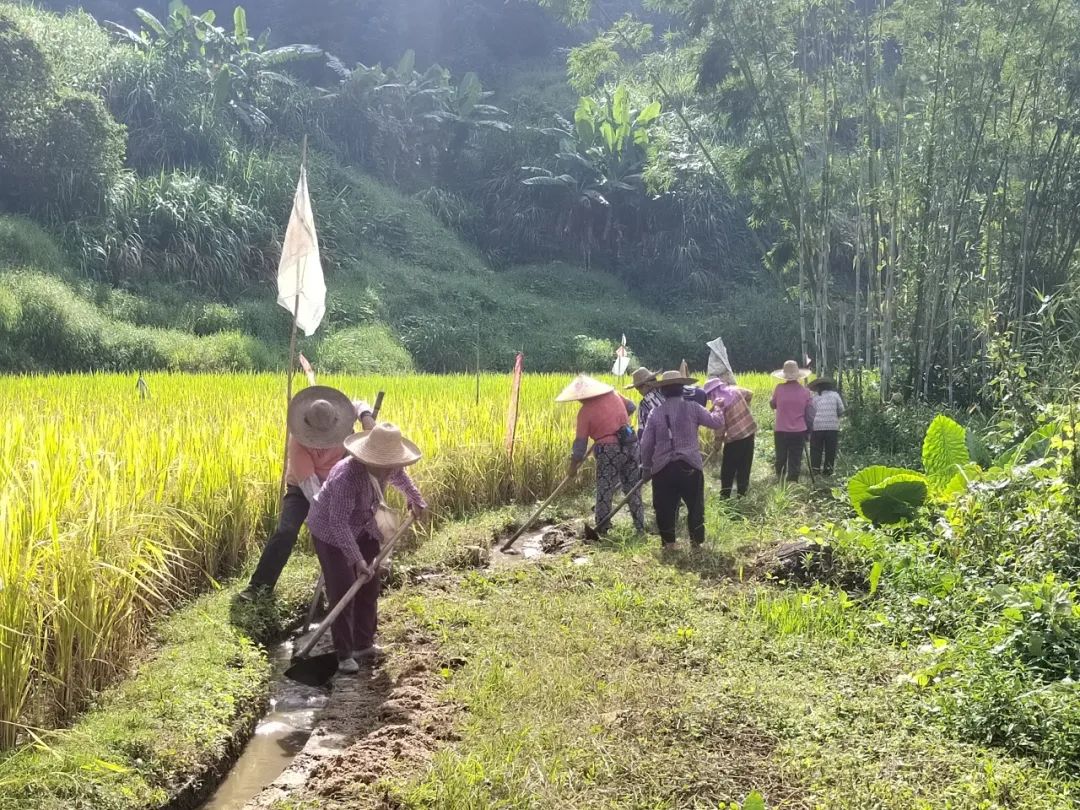
In April this year, Foodthink and the Guangxi Climate Change Action Network held a workshop in Nanning where farmers, social organisations and funders explored concrete pathways for rural climate response amid the tangled interplay of drought and flood, pests and disease, market swings and policy constraints.
Guanzhong’s old-variety muskmelon Baituwa, passed down for decades by farmers saving their own seed, has now retreated from city shelves under the pressure of large-scale cultivation and e-commerce sales, glimpsed only occasionally at rural markets.
On World Book Day, Foodthink brings together recommendations from its editors, authors and fellow travellers in the field — over ten books that, unbidden, converge on the most fundamental connection between people and food, land and the natural environment.
The Udon Thani sugar mill was shut for over-receiving burnt sugarcane, stranding nearly 2,000 lorries and some 50,000 tonnes facing rot. Fresh-cut harvesting costs triple that of burning; fines and subsidies cannot bridge the gap — smallholders have no way out between the burn ban and survival.
One-pot fried rice, claypot rice, pressure-cooker meals done in fifteen minutes, weekend braised meat portioned out for the week, workplace canteens, community canteens, little neighbourhood eateries, wet markets… Skip takeaway, and working people actually have plenty of ways to eat.
Microplastics, plasticisers and Bisphenol A lurk in shower curtains, takeaway containers, cling film and laundry capsules. While total avoidance is impossible, reading resin identification codes and cutting back on single-use packaging can keep everyday exposure within a lower-risk range.
Eight years after moving from Xiji, Ningxia to Shenzhen, Ma Lan, a Hui girl, has almost no halal options beyond Lanzhou lamian restaurants. Cooking and eating alone, all she really wants is a dining companion to share meals with.
China’s registered dietitian system has no ethical guidelines on commercial endorsements, so taking ads easily becomes a purely financial choice. US Registered Dietitian (RD) Zheng Luyue interviewed peers; the traffic-integrity trade-off varies individually. Consumers can spot pseudo-science communication by identifying conflicts of interest and questioning data sources.