

A farmer who refuses chemical fertiliser and pesticide in a Hakka village — the weeding auntie worked four days, urged me to spray for four, then carried off my taro stalks on her way out. Her own taro? Too full of pesticide to eat.
A farmer who refuses chemical fertiliser and pesticide in a Hakka village — the weeding auntie worked four days, urged me to spray for four, then carried off my taro stalks on her way out. Her own taro? Too full of pesticide to eat.

From Katz’s The Art of Fermentation to Watanabe Gaku’s Field Bakery Wonders, from Nine-Inch Craft Brewing’s home-brewing notes to a civilisation history of fermented food – five books and ten video episodes sketch an entry path into home fermentation and link offline communities across many cities nationwide.

Two fermentation engineering graduates founded Nine Inches Craft Brewing after starting with home-brewed beer, then visited fermentation artisans across the country – from mead and Stinky winter melon to suanye – hoping that flavour will help more people see the diversity of the fermentation world.

Bule Handmade Cheese proprietor Liu Yang first makes Mozzarella from one pot of pasteurised fresh milk, then heats the leftover whey into Ricotta – two Italian fresh cheeses, both completed at home.

Fermentation is migrating from home kitchens to factory production lines; millennia-old techniques are on the brink of disappearing. Sandor Katz, author of The Art of Fermentation, advocates bringing fermentation back to homes and communities, rebuilding local food economies and communities. Foodthink hosts four Shared Reading discussions in November.

Under poverty-alleviation subsidies, farmers in Gong County (pseudonym) grow greenhouse vegetables—yet find no rest all year round, missing even Hakka ancestral hall gatherings. White lotus, despite lower returns, lets the whole family—old and young—each find their place.

Despite 20,000–30,000 yuan per mu from greenhouses, Gong County farmers still grow rice and lotus—paddy fields have been taken over by linked greenhouses, costs become unsustainable once subsidies end, and skills and hiring demands do not suit the pace of the elderly left behind.
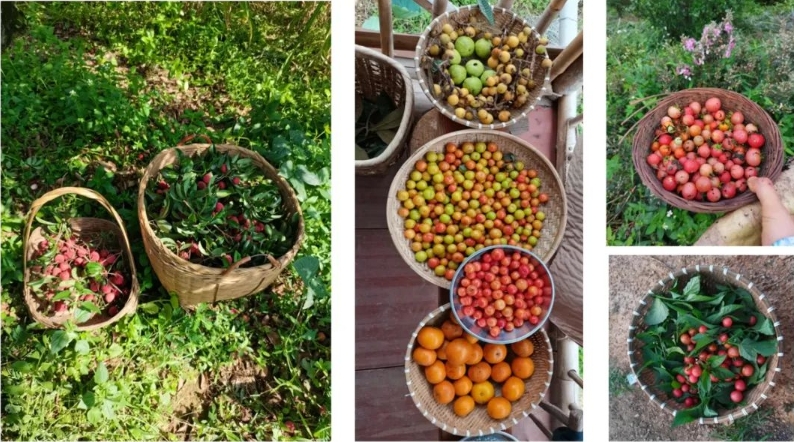
At Sister Yanping’s Baicao Garden in Guigang, Guangxi, from handling courier after-sales past midnight and hauling waste with a carrying pole each day, to spending three to five years rebuilding soil ravaged by agrochemicals, Natural Farming is far from the effortless “relying on heaven’s bounty.”

Foodthink’s first issue of The Alchemy of Food breaks down kombucha through 20 questions — from cultivating the mother culture and tea-to-sugar ratios to identifying mould, secondary fermentation and storage, covering the full hands-on process.

Sister Yanping is trialling Natural Farming across over 50 mu of orchard in Guigang, Guangxi: leaving ripe fruit on the branches to pick slowly, leaving waist-high grass around the trees, dropping unsellable fruit back beneath them – an orchard becoming a living composting ground.