

From 1949, the Soviet government distributed 600-square-metre suburban plots to workers’ families: potatoes, vegetables and jam from the plot sustained them through long winters — and defined the summer of an entire generation.
From 1949, the Soviet government distributed 600-square-metre suburban plots to workers’ families: potatoes, vegetables and jam from the plot sustained them through long winters — and defined the summer of an entire generation.

In 2011, Yu Jiangang resigned in Beijing and returned to Zhenghebang, Jiaxing. Tracing nearly a century of change in Kaixiangong Village, from silk rural reconstruction to factory-style rearing, he chose to sustain the vanishing silkworm-rearing tradition through his family’s handcrafted silk duvets.

Wayina’s Banong and Guilin musician Shiba returned to farm and sing. Pesticides have nearly emptied the fields of fish and frogs, heirloom rice is all but extinct, and schooled young people can no longer tell herbs, catch insects and frogs, or reclaim old ways of singing while working.

Barcelona’s Mercat de la Terra replaces organic certification with Participatory Guarantee Systems (PGS), enabling small-scale producers to bypass cumbersome paperwork and fees, sell local seasonal produce through direct trust with consumers, and sustain a community network from farm to table.

What’s in sugar-free cola, Bingfeng and preserved plums, exactly? Sugar-substitute formulations stretch ingredient lists, and sweetness signals that can’t be relayed from gut to brain make quitting sweets even harder. Lulu, cardiovascular medicine doctoral student at Fuwai Hospital, takes us from ingredient lists to humanity’s evolving sweet tooth.
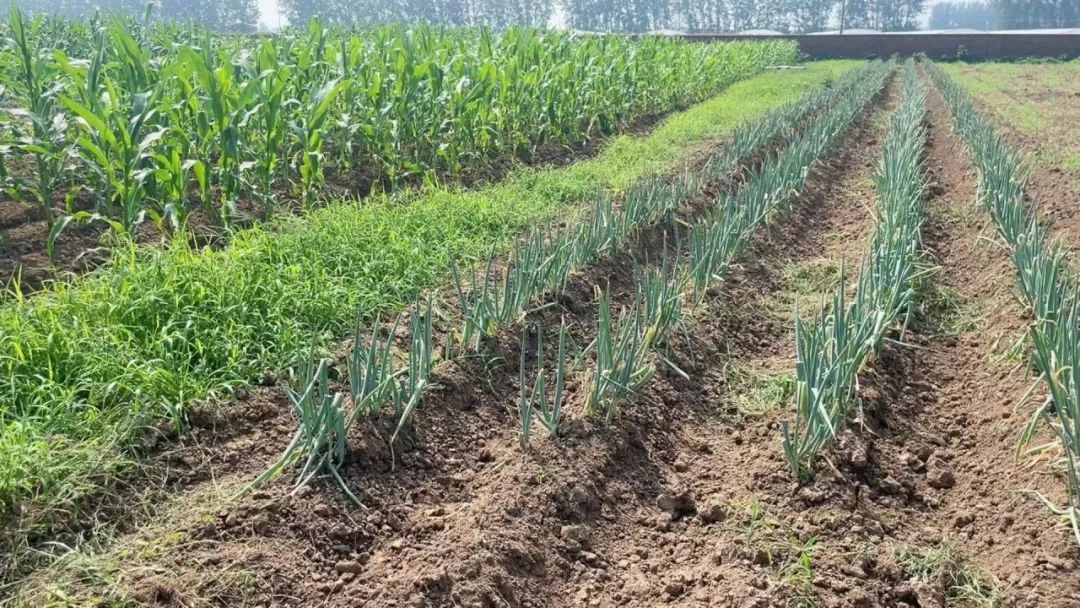
Chen Ziyu of Wo Cui Yuan farm, Baoding, and Liu Gang of Xiao Liushu Farm, Shunyi, face total crop failure in maize, drowned vegetables, compacted soil. All they can do: turn the land, sun the soil, rush to plant cabbages. Who bears the cost of climate adaptation? Unanswered.

The cooperative’s home-brewed green plum wine was targeted by professional counterfeit hunters and its partner fined; building a processing factory far exceeds smallholders’ means. Lawyer Zhang Xueming, anthropologist Zhong Shuru and rural entrepreneur Li Jie each share their views on small-scale operators’ plight under food safety regulations.

Anthropologist Zhong Shuru, lawyer Zhang Xueming and rural entrepreneur Li Jie noted at a Foodthink and Tencent News roundtable that food safety risks arise at every stage, from cultivation to distribution. Both traceability and testing remain constrained by a lack of information; consumers must actively discern to protect their plates.

Pollinating and bagging a 300-mu pear orchard, coordinating older workers to follow the farming calendar, hitting the markets to sell the new early-maturing pear variety – after two years growing pears, there is only one conclusion: farming is truly hard, capital on your side or not.

The UK’s Soft Drinks Industry Levy, effective from 2018, taxed manufacturers and gave them two years to reduce their sugar content; calorie intake and childhood obesity did fall, but most simply replaced free sugars with non-sugar sweeteners — which the WHO has warned also carry health risks.