
Smaller Farm, Happier Life: A Couple’s 11-Year Journey Back to the Land
Board the high-speed train at Xizhimen, pass through Nankou and over the towering peaks of the Yan Mountains, and you arrive at the Huailai Basin. Though barely an hour from Beijing, the scene here could not be more different — vast, open plains stretching in every direction, unbroken stretches of cornfield and vineyard, dotted here and there with the huge towers of wind turbines.
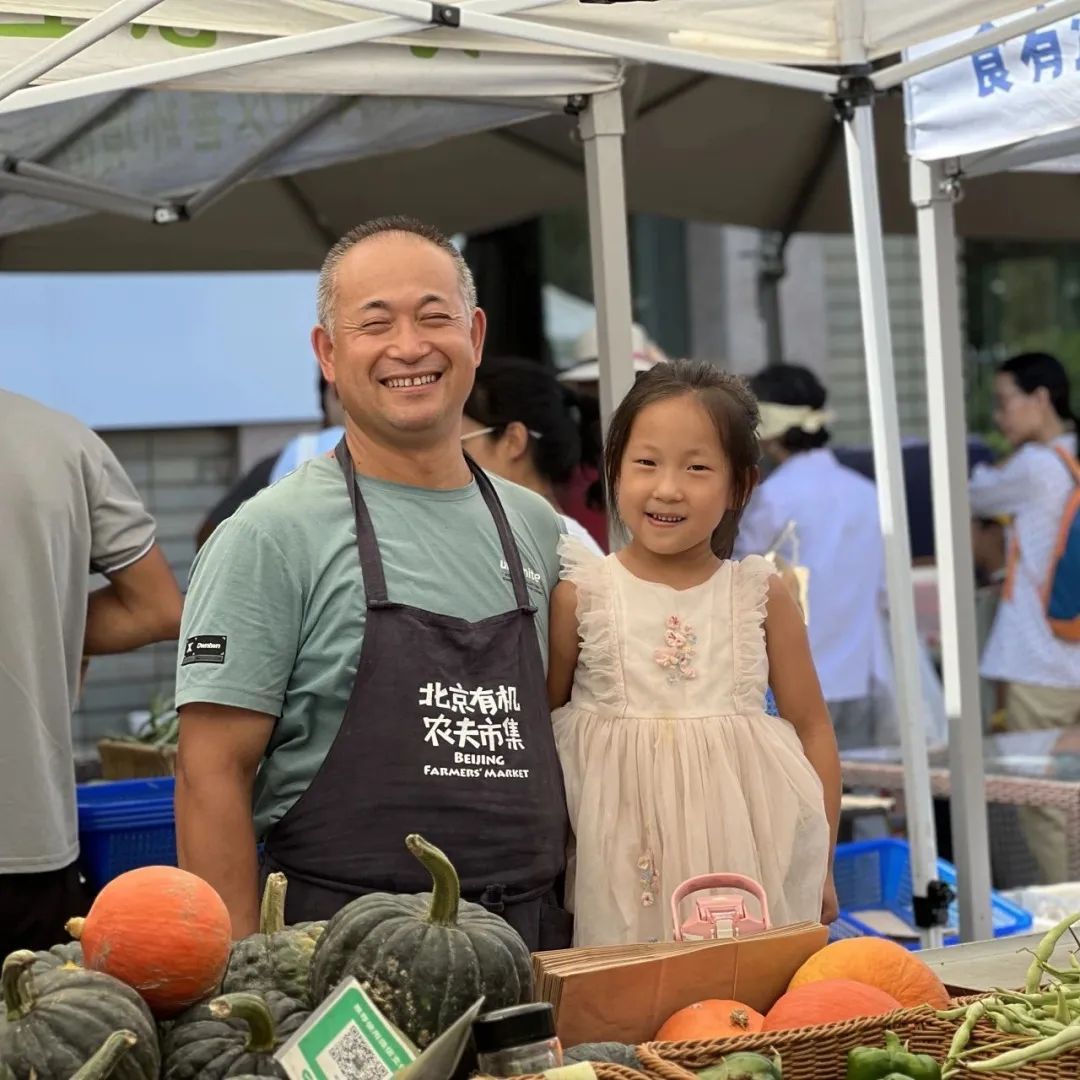
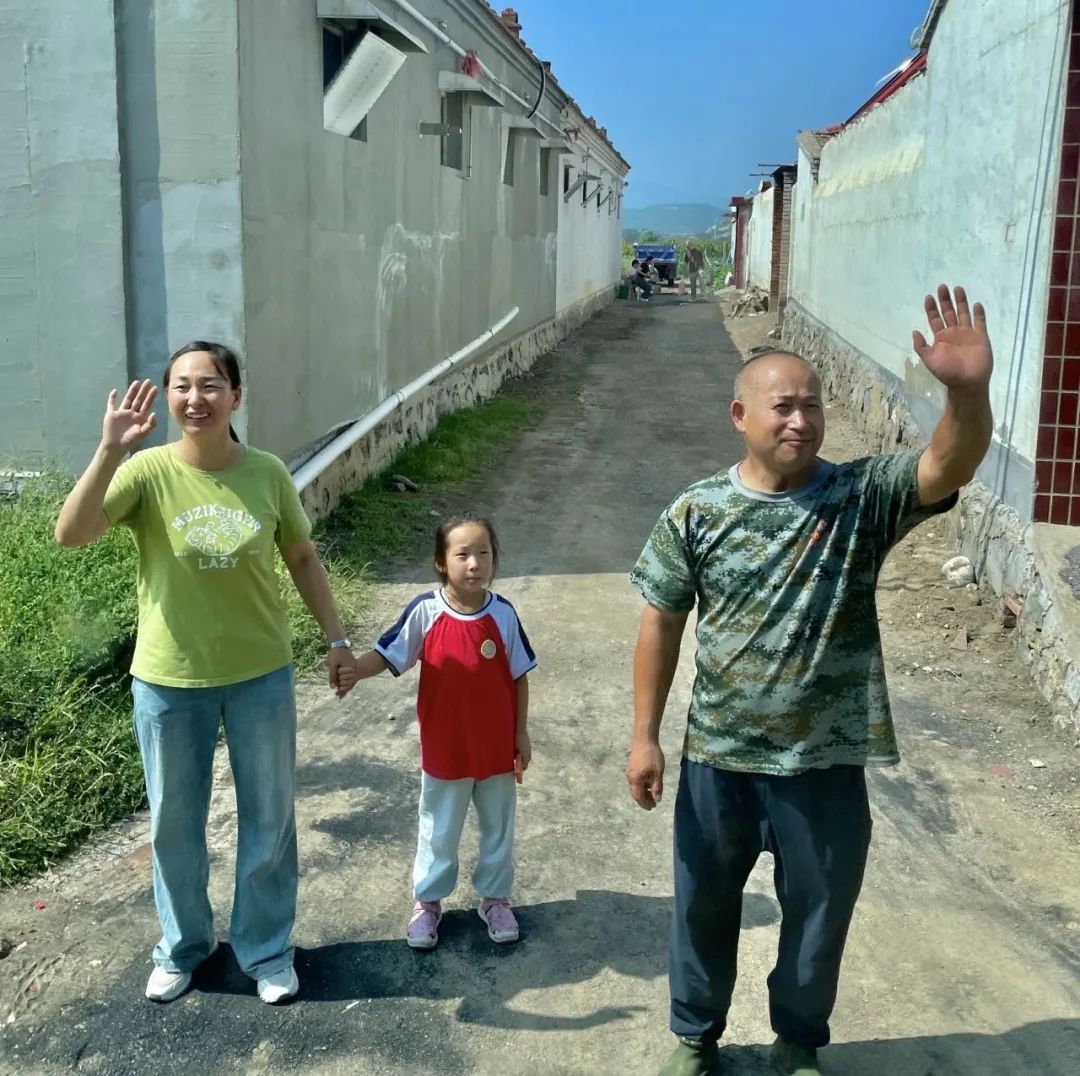
The purpose of this trip is to join consumers from the Beijing Organic Farmers’ Market on a visit to Happy Returning Youth Farm. I have met the farm owners, Huang Lifeng and Li Yuxia, at market stalls in Beijing before: on warm days, they travel into the city every week to sell their home-grown tomatoes, potatoes, onions, pumpkins and all manner of vegetables, and sometimes they even bring their adorable little daughter along to set up the stall. This time, it is our turn to travel the road they take home from every market day.

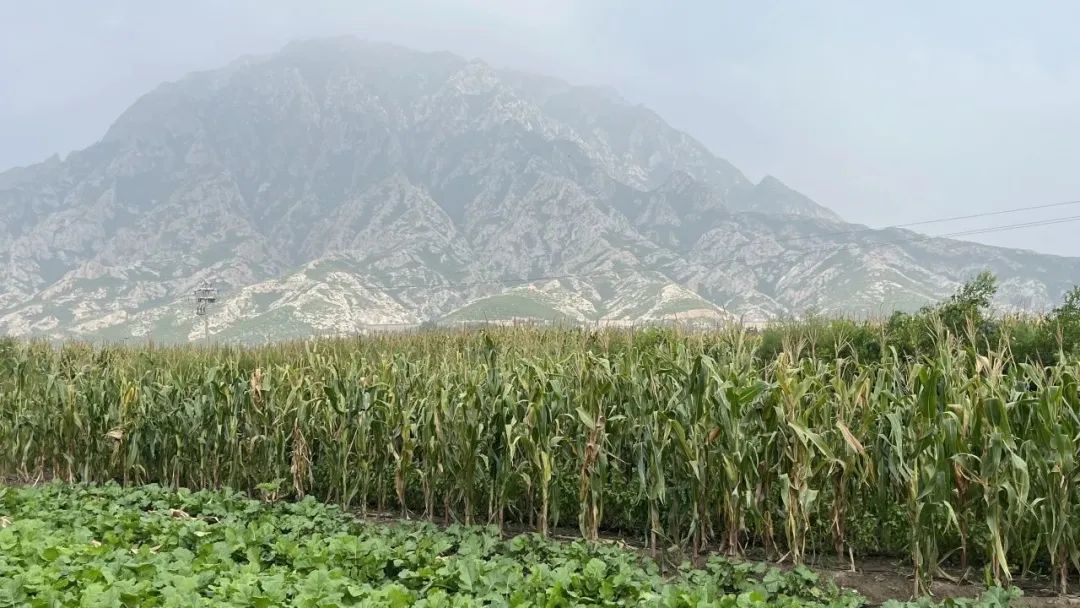
Switching to a car, we drive on, and a great peak rises imposingly before us. The fellow consumers on this trip cannot help exclaiming: What a wonderful spot! Turn around once more, and Huang Lifeng is already waiting for us on the main road. Six years ago, this young couple who had returned to the countryside found their new home in a village at the foot of the mountain.
I. Two Homecomings: From Bashang to Baxia
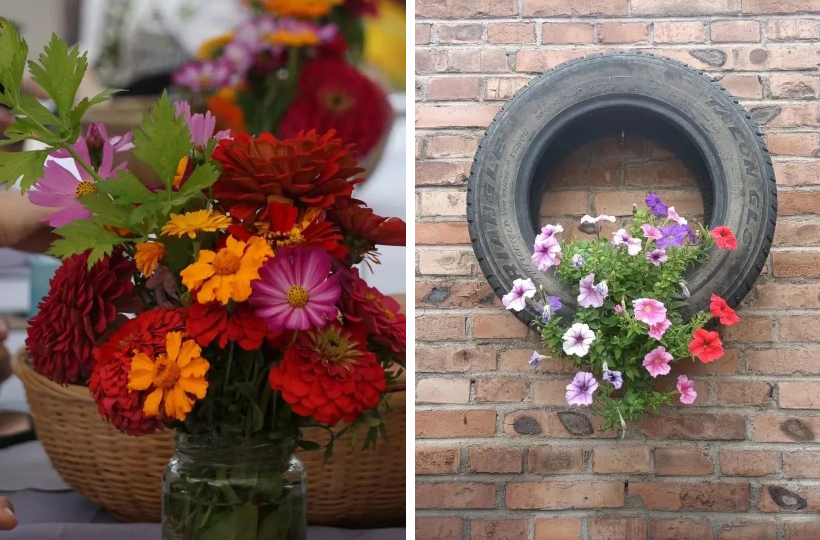
It was the hostess Li Yuxia’s idea to use celery leaves as a garnish for the zinnias in the flower arrangements. She was in the kitchen, busy with a few village ladies, preparing steamed dumplings made from naked oat flour for lunch, while Huang Lifeng stood out in the courtyard, beginning to tell us the story of how the couple returned to the land.
Huang Lifeng and Li Yuxia were classmates, both trained in landscape design and horticulture. After graduating from Hebei North University in 2007, they duly “put what they had learned to good use”, first landing jobs at a flower company in line with their studies. Huang Lifeng’s work involved spraying pesticide on the plants. Day after day he carried the spray tank on his back; although layers of clothing kept his skin from direct contact with the chemicals, he soon began to suffer allergic reactions and his skin started peeling.
And that was only the visible harm. What damage might inhaling pesticide spray do to one’s internal organs? Huang Lifeng shuddered at the thought and resolved to cut all ties with chemical pesticides — yet he still wanted to work with the land and with plants.
By chance, they learned of an ecological farm in Beijing called Derunwu and went to work there. Huang Lifeng quickly rose from intern to the backbone of production, while Li Yuxia took charge of liaising with consumers. Together, the couple stepped into the world of ecological agriculture.
A few years later, Yuxia became pregnant. After several trips to the hospital, the cost of registering for prenatal care and giving birth in Beijing terrified the young couple. By then, Huang Lifeng had been commissioned by Derunwu to ask his family back home in Kangbao County, Hebei, to grow potatoes without any pesticides or chemical fertiliser, and the idea of returning home to start a farm began to take root.
So the couple simply quit their jobs and headed back to their hometown, awaiting the birth while planning their own farm. They had seen plenty of young people who had returned to the countryside only to grind away at agriculture, earning nothing and understood by no one back home. So they named their farm “Happy Returning Youth”.
Before long, their first child Taotao arrived safe and sound, and the farm got underway — first on the family’s own 10 mu (≈6,670 m²) of land in Kangbao County, Hebei, Huang Lifeng’s home turf. At first they wanted to run a mixed farm, growing vegetables and keeping chickens; Huang Lifeng even moved his quarters next to the chicken shed. But they soon discovered that raising chickens and growing crops required completely different skills and knowledge. In less than a year, they had eaten plenty of hardship and kept very few chickens alive, so they quickly scrapped that project and concentrated on growing crops.
Over the next few years, the farm gradually expanded to 300 mu, growing mainly potatoes, carrots, oats and wheat — which became star products at the Beijing Organic Farmers’ Market.
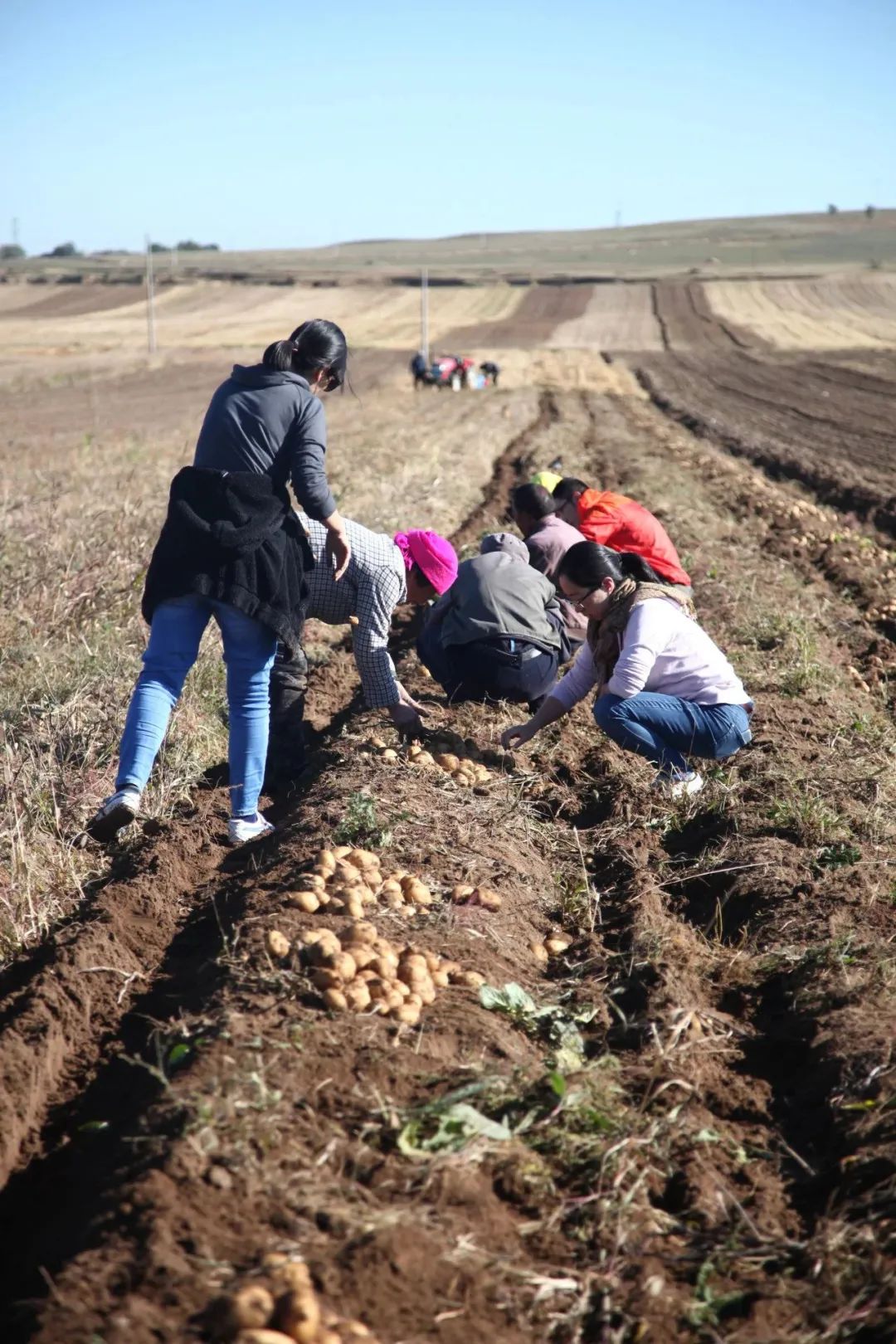
“Don’t let the size fool you — the unit yield is actually very low. Wheat gives at most 150 jin per mu, and oats around a hundred,” Huang Lifeng added.
The Bashang area of Hebei, where Kangbao County sits, lies on the southern edge of the Inner Mongolian Plateau. It is a typical agro-pastoral ecotone and a marginal zone for agriculture. The average elevation here is 1,486 metres; winters are long, bitter and windy, with an annual accumulated temperature of only 2,000 degrees. The growing season for crops is simply too short, and these inherently deficient heat and moisture conditions are the principal bottleneck limiting yields per mu.
Yet low as the yields were, the cool climate gave potatoes and oats an irreplaceable advantage. At the Beijing Organic Farmers’ Market, Happy Returning Youth’s tri-colour potatoes and yuyu — traditional fish-shaped noodles made from naked oat flour — have always been firm favourites.
In recent years, the local government has seized the opportunity and pushed hard to industrialise potato production. Agribusinesses have been leasing contiguous stretches of over a thousand mu of land in the village. Potato fields are multiplying, but smallholder farmers are fewer and fewer. “All the land has been taken by the big companies. To grow potatoes, they do at least twenty-odd rounds of aerial spraying,” Huang Lifeng said, hardly able to believe it. Aerial pesticide drift can travel tens of metres or even further, devastating the smallholders next to the big operations — some have lost their entire crop to herbicide drift.
The few plots their family still held, sandwiched between the big companies’ bases, were in a precarious position. To eliminate the contamination from aerial spraying and pesticide drift, they had been scaling back their land in Bashang year after year; this year, only 30 mu remained. Thinking long-term, the couple resolved to find new land elsewhere.
In 2017, they rented two small courtyards and 9 mu of land in a village in Baxia, Huailai County. The heat and moisture conditions here were better than in Bashang, making it more suitable for growing vegetables, and it was only about a dozen kilometres from Li Yuxia’s family home — with the two children attending school nearby, the daily school run was easy.
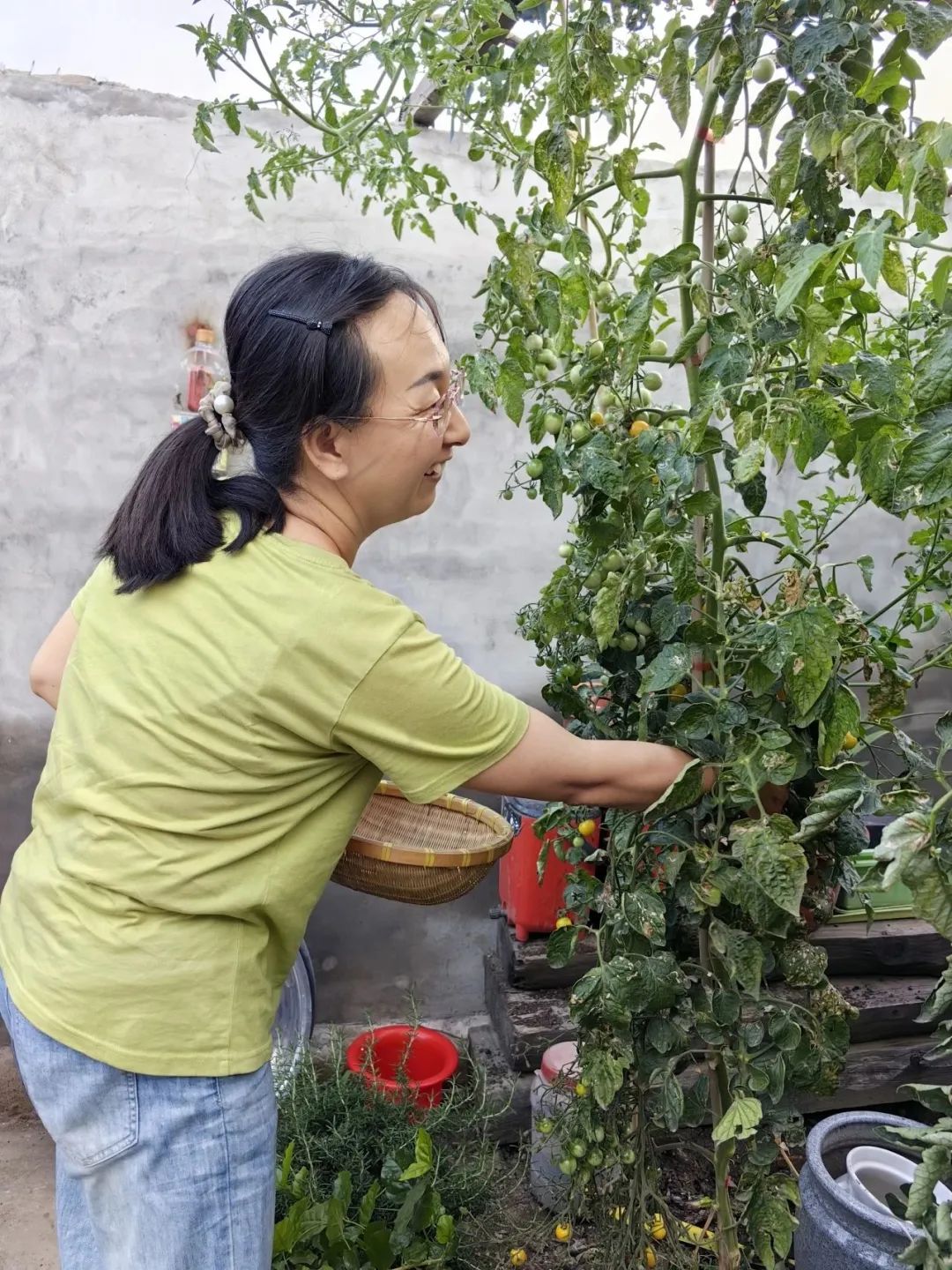
During the productive season, they set up a stall at the Beijing Organic Farmers’ Market every weekend. “Moving here also put us closer to Beijing. We get up at four or five in the morning, and by six or seven we’re in the city.”
Compared with Kangbao, 320 kilometres away, Huang Lifeng felt that running an ecological farm here put them closer to Beijing’s consumers and was more in keeping with the principles of a short supply chain and organic consumption. Smaller as the area was, the yield from intensive cultivation was enough to feed the family of four, year after year.
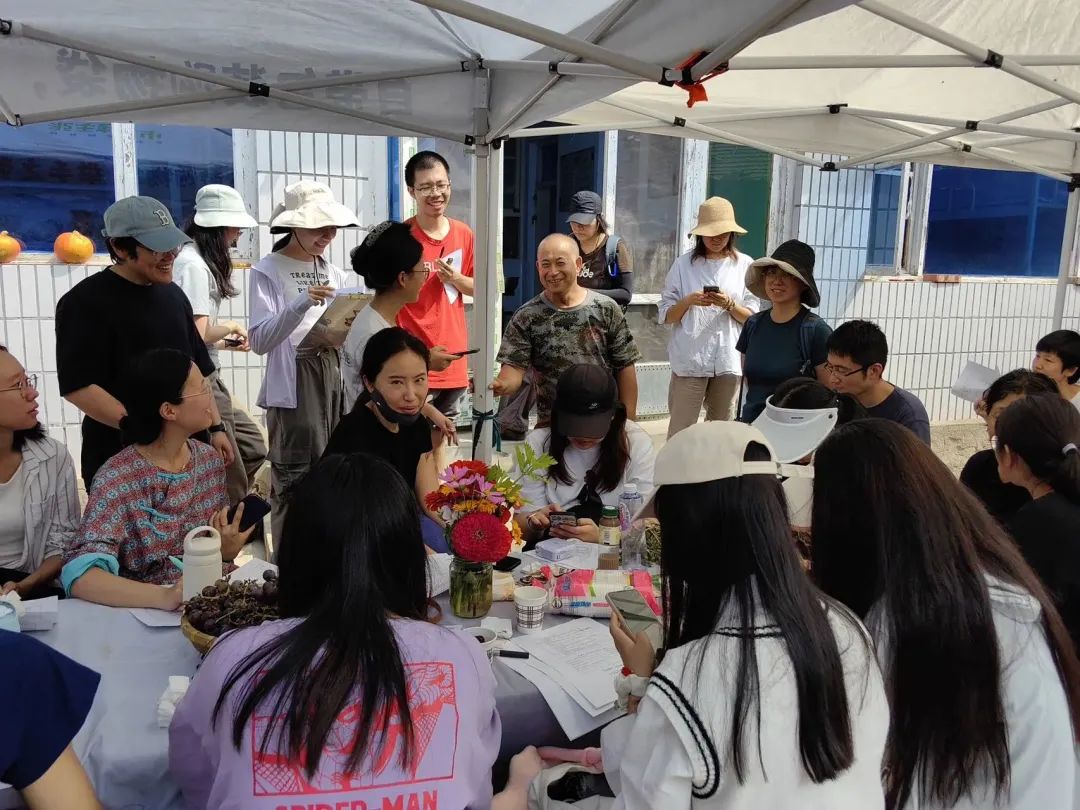
II. Saving Land, Saving Water: Intensive Cultivation on a 9-Mu Family Farm
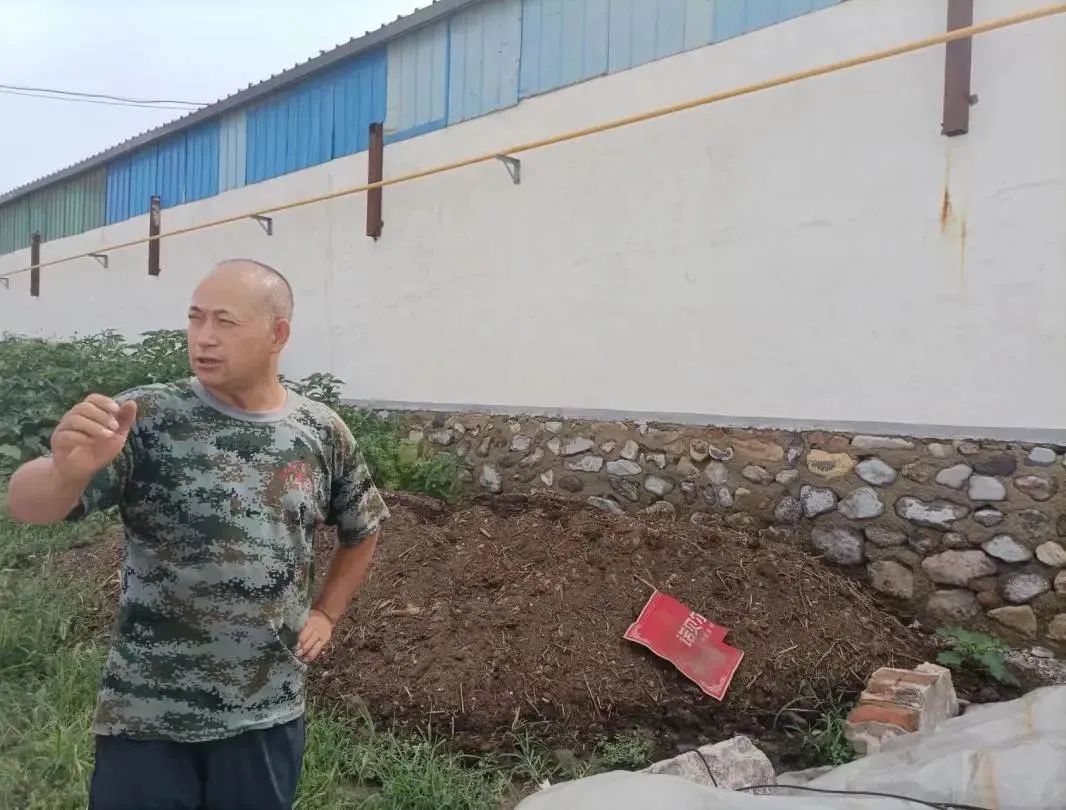
Where does the knowledge about composting come from? Beyond what he had picked up at the Derunwu ecological farm, Huang Lifeng also mentions the Wotu Farming School and even having studied the Australian biodynamic farming method of growing green manure. But green manure is typically sown after the first crop is harvested, and then left to mature before being incorporated into the soil and the next planting begins. That months-long fallow period simply does not make sense for a small-scale vegetable farm like Happy Returning Youth.
Huang Lifeng came to see the problem himself: “Green manure is enormously costly. It’s cold here, we can only grow one crop a year — if we plant green manure, we can’t grow vegetables, and the whole year is wasted.” So he has stuck with fermented compost based on sheep manure. A full cycle typically takes about a month and a half to mature; with plastic sheeting to accelerate the heating, just one month is enough. That way composting and planting can run in parallel, without eating into the land.
“So where does the sheep manure for the compost come from?” a consumer asked earnestly, following the checklist questions.
Huang Lifeng pointed to the great mass of Jiming Mountain rearing up behind him: “There are shepherds grazing their flocks up on the mountain. We buy the manure straight from those households.” The remark drew murmurs of envy. To obtain clean animal manure, some ecological farms have to spend a fortune hauling sheep dung in from pastoral areas. Here, in a semi-agro-pastoral zone, that hassle is saved.
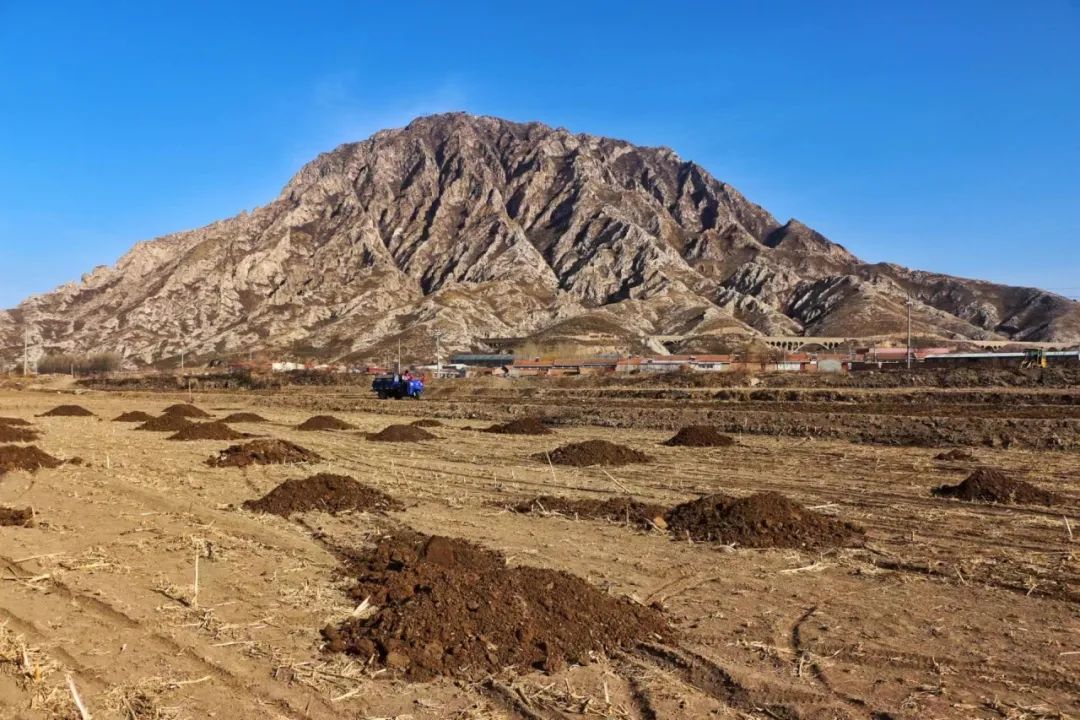
Crop straw and fine grass clippings are also excellent material for returning to the soil and nourishing it. Da Hei, a farmer friend from Shaanxi who grows wheat using biodynamic farming methods, suggested a trick to Huang Lifeng: use weeds as green manure — pile them up outside the field, then haul them in. After trying grass-clipping mulch and finding the results encouraging, Huang Lifeng has spent 40,000 yuan on a small loader, a three-wheeled vehicle and a chaff cutter this year, determined to keep experimenting with this “green manure that takes up no land.”
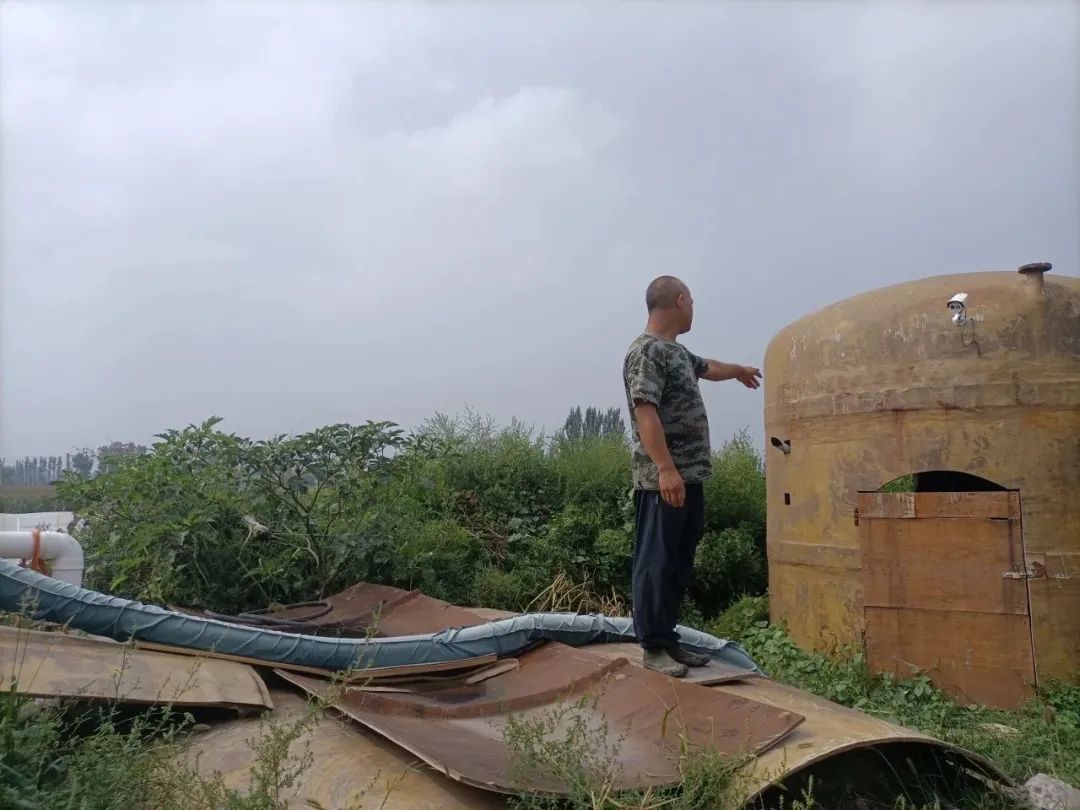
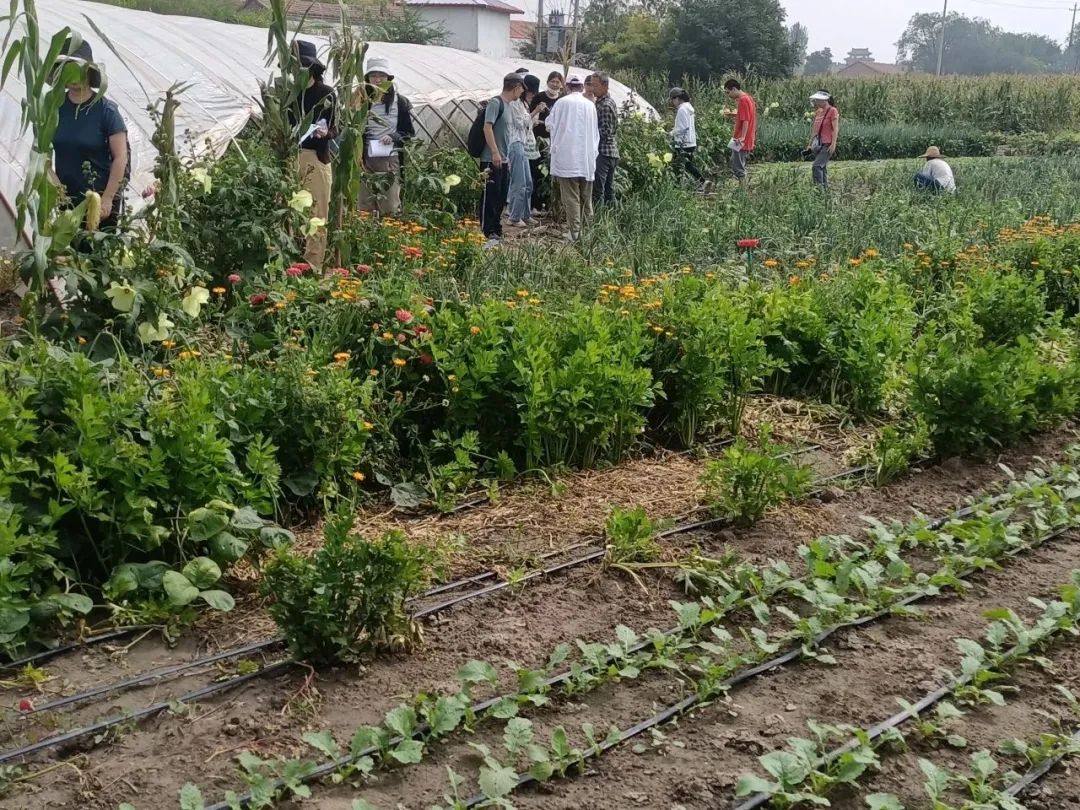
Just a few dozen metres beyond the 9 mu of vegetable plots runs the Yongding River irrigation canal. Many villagers draw water from it to irrigate their land to save money, but the Huang couple avoid it at all costs — a pesticide factory once stood upstream on that canal. One year, water carrying pesticide residue wiped out a local farmer’s entire rice crop. To guard against water contamination, the Huang household uses water from a pumped borehole more than 100 metres deep in the village.
The Zhangjiakou region has an arid climate; the wind strips moisture from the surface, and annual evaporation far exceeds rainfall. Traditional flood irrigation demands far too much water and also reduces the soil’s permeability, so they have chosen drip irrigation instead. Out in the field, Huang Lifeng shared with us the lessons he has learned from working with drip irrigation: next year he plans to ridge up the land for onions and lay drip irrigation tape at intervals in the furrows, so that the soil stays moist while the roots on the ridges remain well aerated throughout.
The choice of drip irrigation is as much about the economics as it is about the sustainable use of resources. Huang Lifeng has done the sums: pumping water for an hour costs over 30 yuan; with flood irrigation, soaking a single mu thoroughly runs to 80 or 90 yuan, but drip irrigation achieves the same result for just 22 yuan — and the initial outlay on the equipment has long since been recouped.
III. Cooperating with Nature
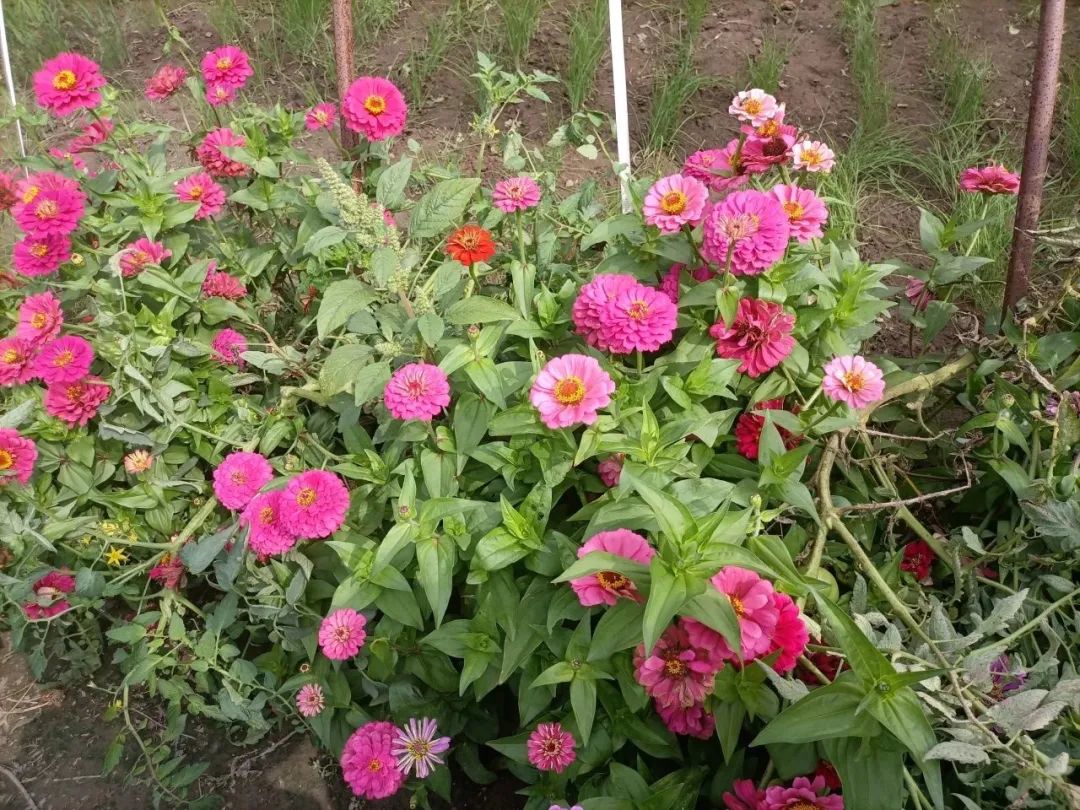
Planting the flowers was Li Yuxia’s idea. A lover of flowers since childhood, with a background in horticulture, she had hoped to attract bees to pollinate the tomatoes. At this, Huang Lifeng wore a look somewhere between amusement and exasperation: “Whether we attracted any bees, I don’t know. What we did attract was swarms of cabbage white butterflies — and a cabbage white butterfly is just a cabbage white caterpillar grown up.”
Clouds of cabbage whites drew complaints from the vegetable-growing neighbours next door, and the family’s own white cabbage was badly chewed by cabbage white caterpillars. Those that survived the larvae then rotted in the ground after a heavy rainstorm in early August.
Still, these losses fell within their expectations. The reasoning is straightforward: if you farm in an open, natural environment and accept the ecosystem services it provides, you also have to accept the yield losses that may come with it.
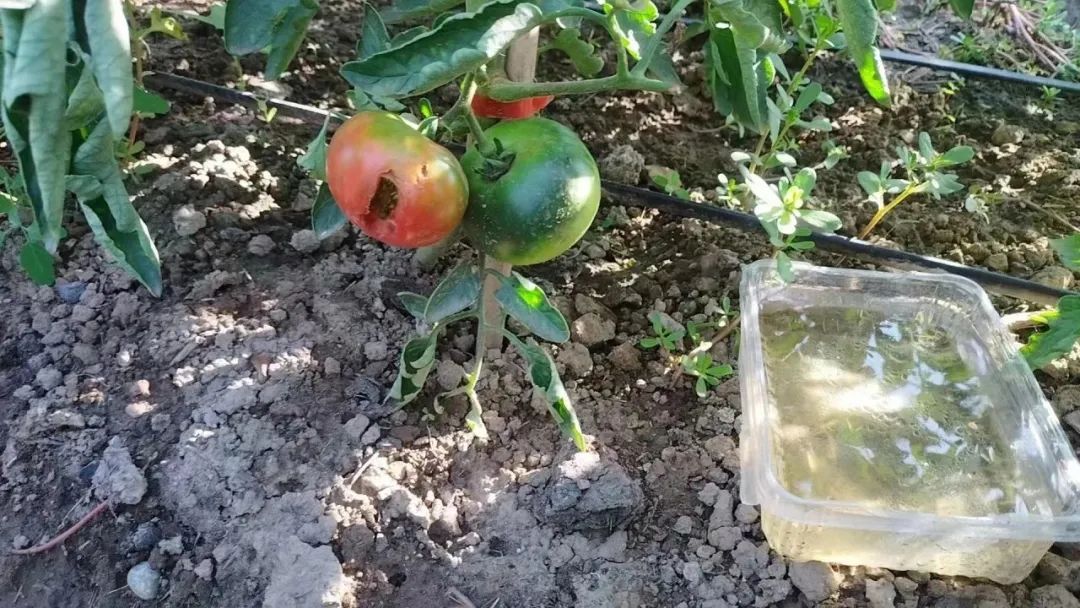
Take the tomatoes, for example. The guiding principle at Happy Returning Youth Farm is “birds eat half, humans eat half.” This past summer, Eurasian magpies kept pecking at their tomatoes. Huang Lifeng explained that it was precisely the season when the other fruits were not yet ripe, so the birds zeroed in on the family’s tomatoes, the only ones ready.
At first he figured the magpies must be thirsty and set out a row of plastic containers full of clean water along the ridges. Every tomato was pecked nonetheless. “It doesn’t matter if they peck them,” he said. “Bring them home, cut away the damaged part, and they’re still good to eat.”
As the very first “consumers” of what the farm grows, birds can be particular. Huang Lifeng planted a batch of heirloom corn, and the birds adored it, while the hybrid varieties grown next door — those sprayed with pesticide — they would not touch.
One consumer suggested putting up bird netting, but Huang Lifeng was not convinced. The only intervention he would consider is a plastic rain shelter over the tomato field — this year’s August downpour left more than half the tomatoes cracked.
His ideal rain shelter, he said, would be “film on top, open on all four sides,” and it must be retractable. Bird netting and a fixed rain shelter could indeed cut losses, but they would also shut out the beneficial elements of the ecosystem. “You absolutely must establish a food chain cycle,” Huang Lifeng stressed to us, over and over.
He has also worked out quite a few tricks of his own for harnessing the relationships among the farm’s many species to support the crops. The plot where garlic has just been harvested is perfect for cabbage: garlic’s pungent smell repels the insects that love leafy greens. Basil and cabbage are intercropped among the corn. Solanaceous crops — tomatoes, aubergines, peppers — are given close planting so their leaves shade one another.
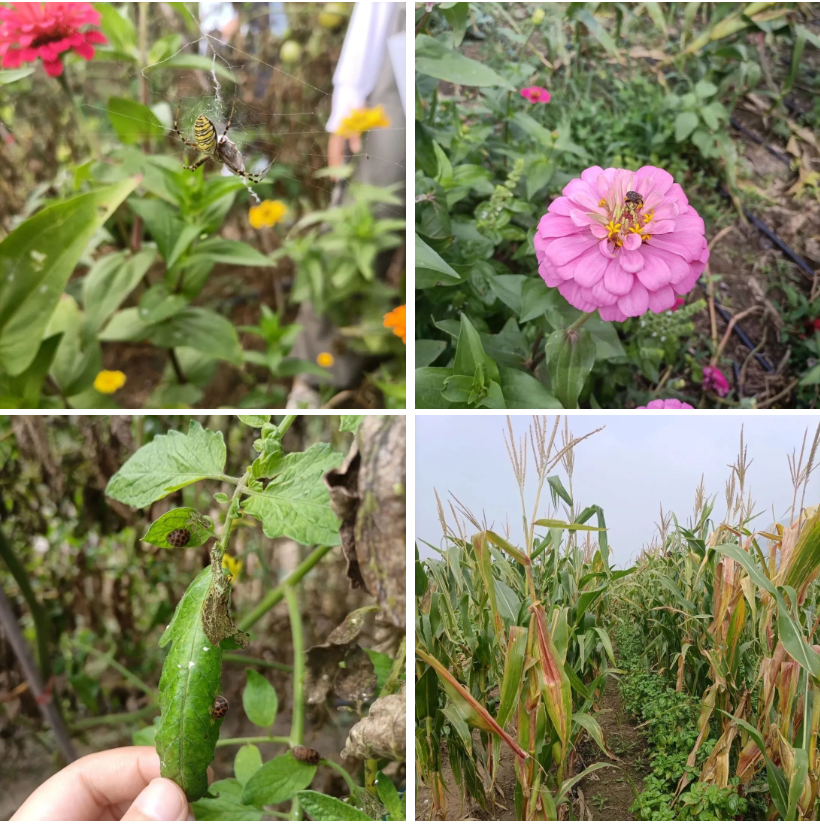
“Let me tell you, this year my aubergines and peppers — oh, they were magnificent! Not a speck of disease, and the yields were tremendous!” Huang Lifeng was thoroughly pleased with the little tricks he had figured out on his own.
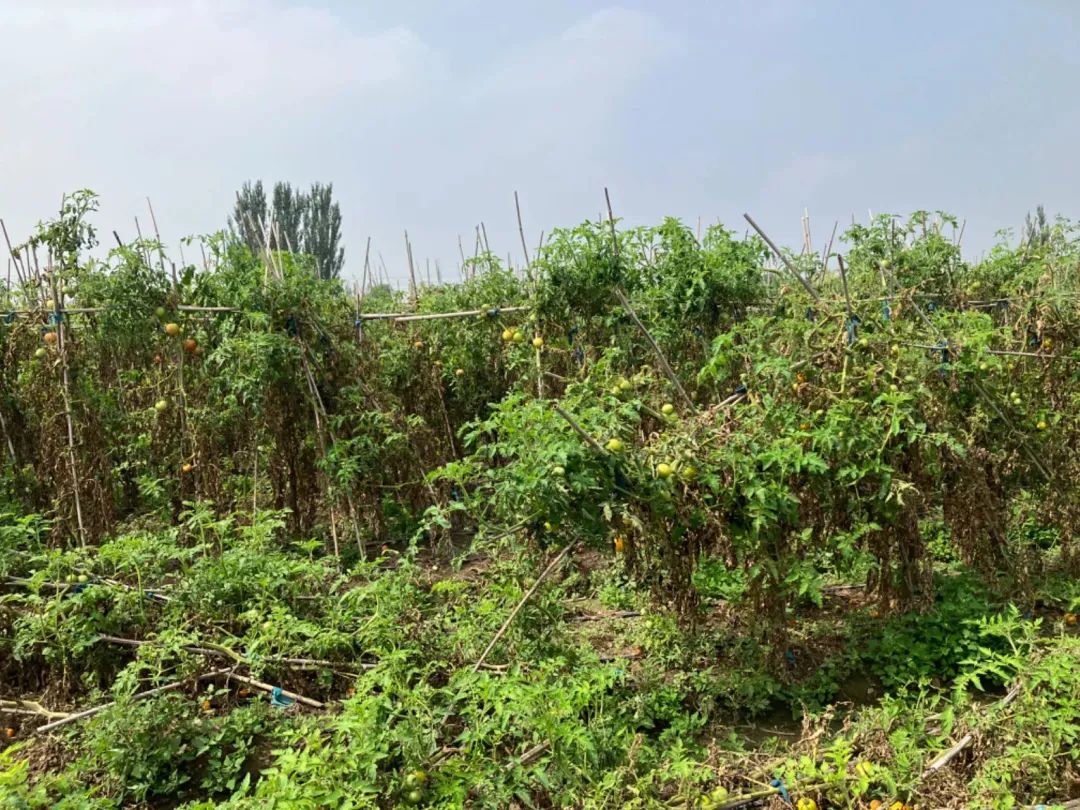
Thanks to the fierce winds of Baxia, open-field crops are almost free of aphid damage. But every advantage carries its price. The other day, a gale blew down every tomato stake on the farm. Huang Lifeng laughed as he vented his frustrations to us: “These winds — I truly cannot bear them. They’re even fiercer than in Bashang; at their worst they can snap the power lines. You’re all welcome to come take turns staying here for a while and see for yourselves.” This set off another round of laughter.
IV. Joy Amid Hardship
Huang Lifeng ran the numbers again: they head into the city for market every week to sell vegetables, whatever doesn’t sell is shipped to the farmers’ market’s physical shop for continued sales, and their own WeChat shop absorbs a further share. The farm basically covers the family of four’s everyday needs — food, clothes, the lot.
Ever since the focus of production shifted to Baxia, the Bashang land has been looked after mainly by Huang Lifeng’s mother. The old woman passed away last year — a devastating blow to the whole family, and one that raised a more pressing question: who would tend the Bashang land now?
After hosting this PGS visit, Huang Lifeng planned to head straight back to Bashang the following day to harvest the oats. But running between two places is no long-term solution. For one thing, smallholders find it near impossible to survive in the gaps squeezed shut by big companies seizing land; for another, splitting your attention inevitably leaves management gaps. With this in mind, the two “Happy Returning Youth” have steeled themselves to give up the Bashang land.
Huang Lifeng reminded us, not without emotion: “Whether you run a farm or do anything else, you must do it yourself — bear your own hardships yourself.” Relying on parents or hired workers can never match the solid peace of mind that comes from tending the land with your own hands. That, perhaps, is a smallholder farmer’s realisation.
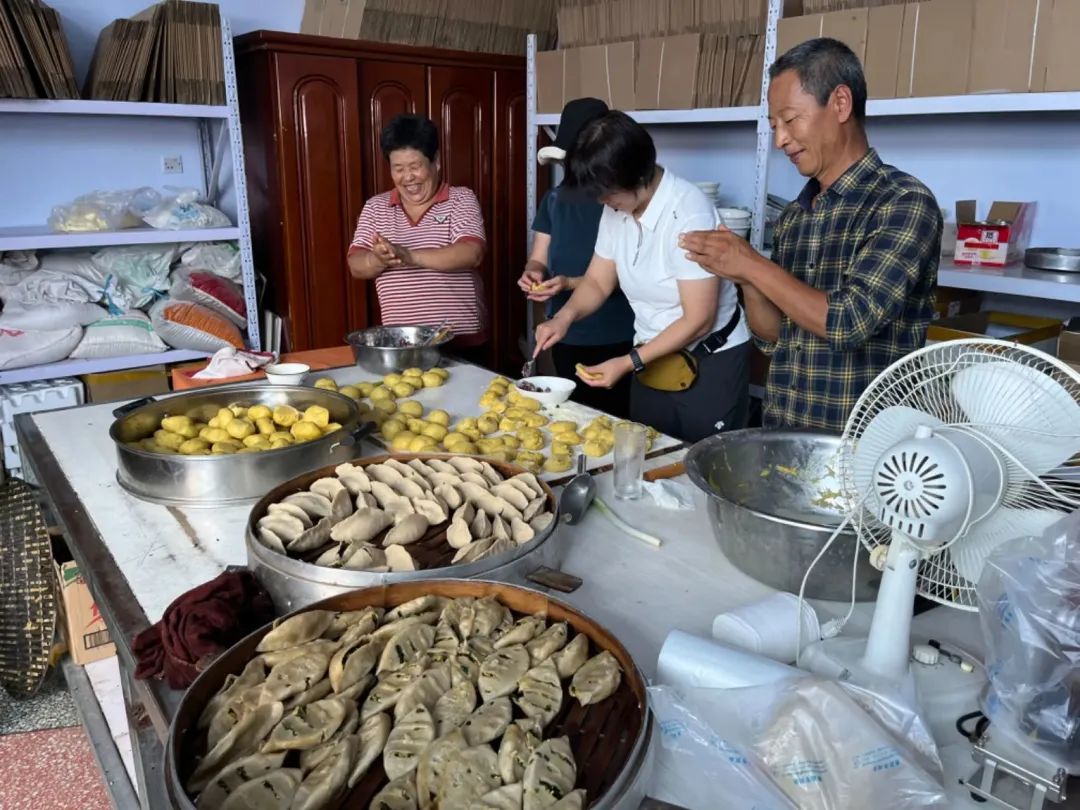
The clock was nearing noon when a hearty lunch was carried out of the kitchen — above all, the long-awaited steamed dumplings made from naked oat flour, crafted from oats they had grown up in Bashang. Yuxia, who had been bustling all morning to welcome us, finally got a moment to sit down and have a chat. By now, eldest son Taotao had come home from school for lunch, pestering his mum for the phone. He was born the year his parents returned to the countryside, and this year he is already in Year Five.
Though only they themselves truly know the “hardship” of farming, as always, the couple seemed so bright and optimistic. Amid all the busyness, to earn a decent income through ecological agriculture, to eat organic vegetables grown in their own fields, to care for their family outside working hours, and to put down roots in their hometown — such a life is already the envy of others.
Perhaps they have found, at long last, the happiness they set out for in the first place.
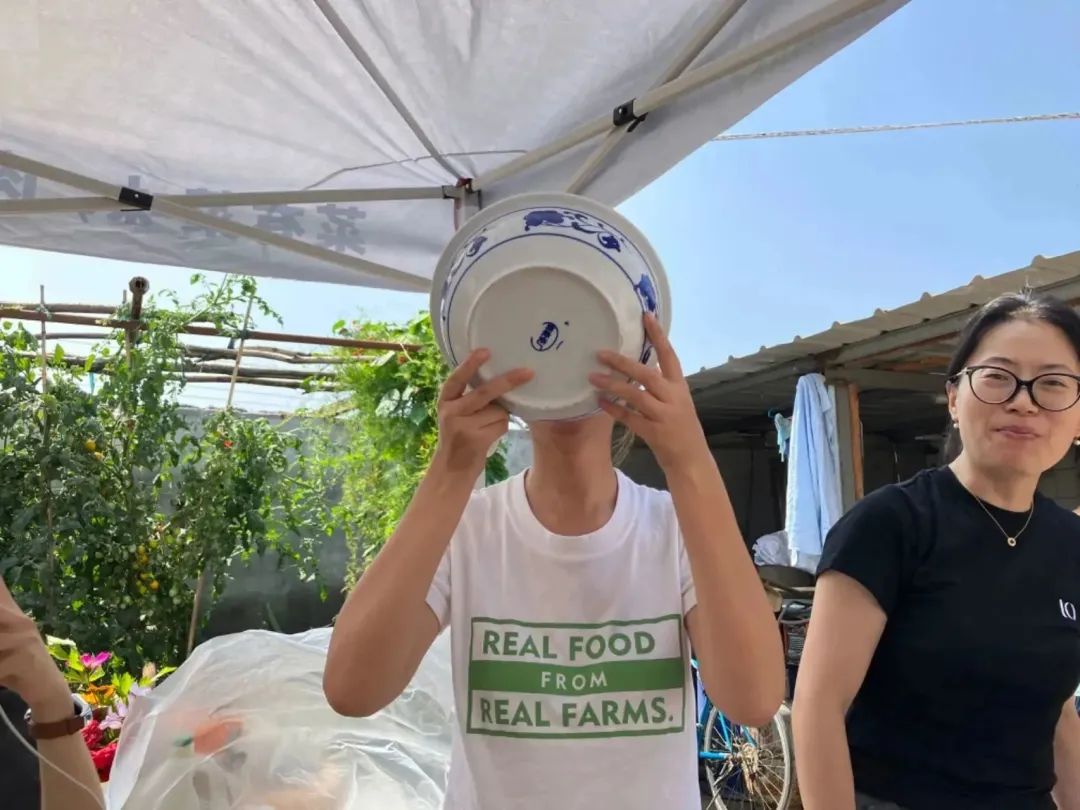
Foodthink editor, born and raised in a small county town in northwestern China. Special skills that come with being a Shaanxi native include but are not limited to: eating from a big old bowl, cracking two cloves of raw garlic alongside every bowl of noodles, and having a remarkable tolerance for sour flavours.
Editors: Wang Hao, Tianle