Stop telling me flexible employment is a benefit

Who’s doing gig work?
When Zhang Dandan, a professor at Peking University, said that ‘flexibility itself is a benefit,’ I was deep in the remote forests of the Greater Khingan Range, struggling forward with a group of gig workers picking pinecones. Their job was to carry nearly a hundred jin of the harvested cones out along the mountain trail.
I cannot forget what a woman worker said to me at the time: ‘Is there any long-term, stable job you could recommend to me?’
She’s from Honghe, Yunnan, born in 1995, but already a mother of two. Travelling all the way to the northeast to pick pinecones is just one of the many gig jobs she takes in a year. She said it makes it easier for her and her husband to take turns looking after the children at home.
I had gone to the Greater Khingan to interview these seasonal gig workers who travel far to forage in the mountains. The conversation along the way centred on what real-life circumstances had pushed her into gig work, but it never occurred to me that she simply didn’t want to be doing gig work.
This is also why Professor Zhang’s words struck me as so painfully grating.
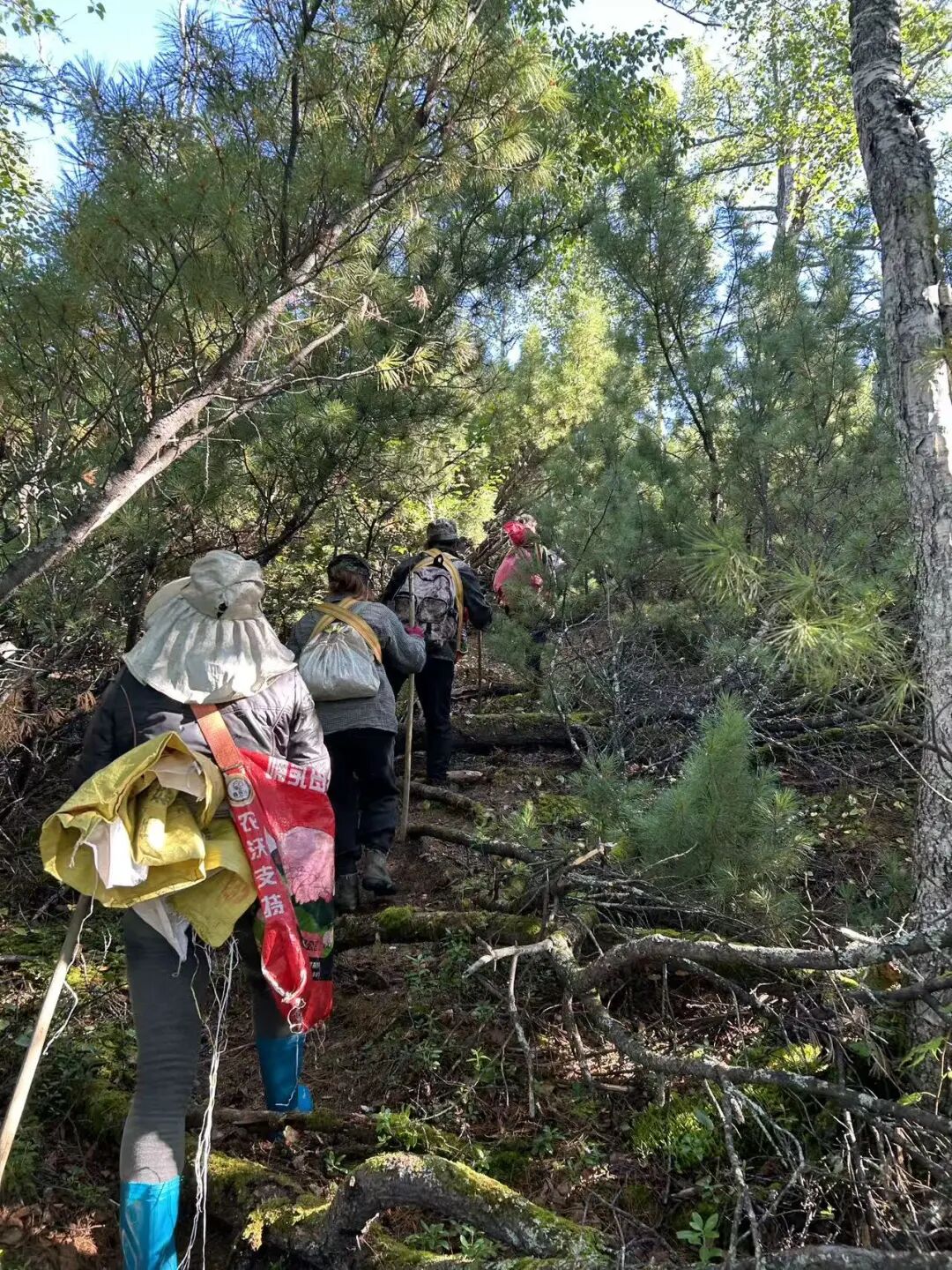
◉Every August, large numbers of gig workers from Sichuan, Yunnan and Guizhou make the long journey to the Greater Khingan Range in the north-east to pick pine cones and make a living.
As someone who has long followed the gig-worker community and who has also worked full-time as a delivery rider, I know perfectly well what Professor Zhang means by ‘benefit’.
Take a fellow rider I knew at the time—a man from the north-east in his fifties. In the summer lull, he would come to Beijing to ride through the peak season, then head back in October for the autumn harvest. Once the long winter came, he would return to the delivery streets again.
As for myself, that summer I finally won a place on Peking University’s graduate programme. In the months before I was due to start, I needed to earn some money for living costs, and delivery was the lowest-barrier job I could find—one that would let me work for just a few months.

◉In this podcast episode, I shared my experience working as a delivery rider. Click the image to read the original article.
For me and that man from the Northeast, flexibility was indeed a ‘benefit’: the gig economy allows a person to arrange their work and life however they see fit, free from the constraints of a fixed job.
But it is precisely because I have truly done food delivery that I cannot, so glibly as Professor Zhang, call flexibility a benefit for workers. For most gig workers, their job—like Professor Zhang’s at Peking University—is simply the choice each person makes to make a living. The difference is that what gig workers face is a full-time job with long hours, heavy constraints, low hourly pay, and minimal protections, and they have no Peking University platform or standing to be grandiose before the media. Even the right to be heard must be ceded to Professor Zhang.
Although Professor Zhang circumspectly framed her point in academic language to appear objective, what lies beneath is a value judgment about what ordinary people actually want from work and life—and that is precisely why her remarks provoked such heated debate. Scholars who do not understand the actual working and living conditions of gig workers—who stand from the perspective of corporations or some grander vantage point rather than from that of workers—have no standing to speak on their behalf.
Is the Gig Economy a Step Forward or a Step Back?
In my view, before we can even discuss whether gig work is freer, the question that truly deserves to be asked is: Is gig work a livelihood that delivery riders, ride-hailing drivers and others have freely chosen in pursuit of freedom, or is it an employment model deliberately designed by platforms to cut labour costs and shift risk?
Let us begin with the story of 19th-century British dock workers. Though more than a century separates us, they were strikingly similar to today’s platform gig workers, locked into precarious, high-risk labour relationships.
At the time, colonial goods were shipped to Britain by sea. The arrival and departure of ships would generate large, unpredictable surges in labour demand at the docks within short periods, so a ready pool of workers had to be available on demand. Two-thirds of dock workers were regarded as a casual labour reserve. But in the end, after a prolonged struggle, workers won the right to higher wages, overtime pay, and guaranteed minimum working hours. By the late 1960s, every dock worker in Britain held a permanent contract.
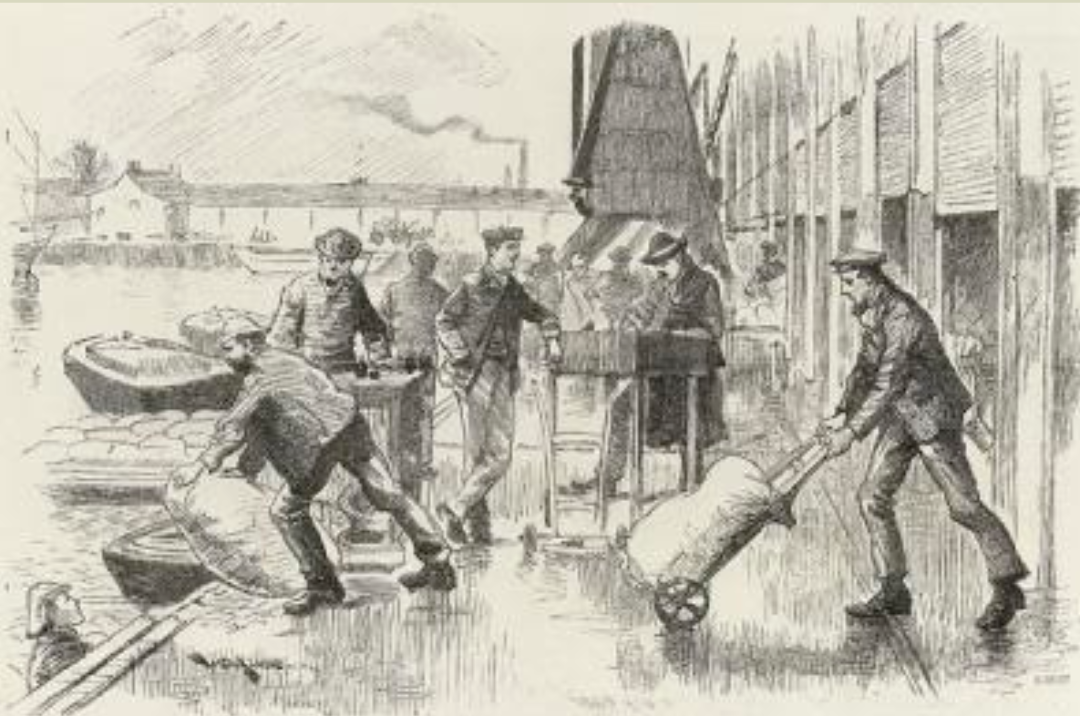
◉A day in the life of British dock workers. Image source: old-merseytimes
The moment they decided to fight, there was no standard employment relationship—the kind we take for granted today—waiting for them. Instead, a fairer and more just employment relationship was itself the product of workers’ ongoing back-and-forth struggle against the control of capital, and was further improved and secured through law.
As a socialist state led by the working class, our Labour Law, introduced in 1995, has since been amended twice, continually refining workers’ rights at the legal level. And so, any attempt to bend down and find some progressive quality in the gig economy strikes me as a step backwards in history. I find myself wondering whether, more than a century ago in Britain, there was also a labour economist named Dandan Zane trying to tell those dock workers: ‘Never fight for a permanent contract! Flexibility is a benefit, because you can freely arrange your own time.’
◉In The Gig Economy: A Critical Introduction, two British scholars trace how nineteenth-century British dock workers, through struggle, transformed gig work into permanent-employment work.
No one can speak for gig workers
Struggle is for a better life, for dignity and fairness — and at its core, it is about reshaping power relations. Why did Britain’s dock workers a century ago insist on making history and transforming employment relations? Why couldn’t they simply enjoy the ‘benefits’ of ‘flexibility’ and ‘freedom’ contentedly — working as a dock hand one day, in a match factory the next, and picking fruit in the countryside the day after? They could earn a living and still be free to wander.
Perhaps Professor Zhang, who finds a post at Peking University ‘lacking in freedom,’ has indeed yearned for such a life. But I know that many Chinese gig workers today have surely longed, in their hearts, for a day when they no longer have to work a frantic, insecure gig — but instead hold a job that brings dignity, growth, and a sense of belonging.
When I first started out, the rider who took me under his wing was a young man five years younger than me. He didn’t dare tell his family that after university he was out delivering food, but he thought the gig was quite all right. “Proper jobs are hard to find these days, and they don’t pay much either.” A year after I’d quit delivering, I saw him again, and he’d changed his tune. He “boasted” to me about being promoted to the station and getting a proper management post. He was having a cigarette, watching the little rider icons moving around on the dispatch dashboard, and said, rather casually: “Even if the pay’s a bit lower, it’s still better than being out on the main road in all weathers, isn’t it?” A year later, I bumped into him again, and he was back on the road delivering. His embarrassed expression and evasive eyes at the time are something I cannot forget.
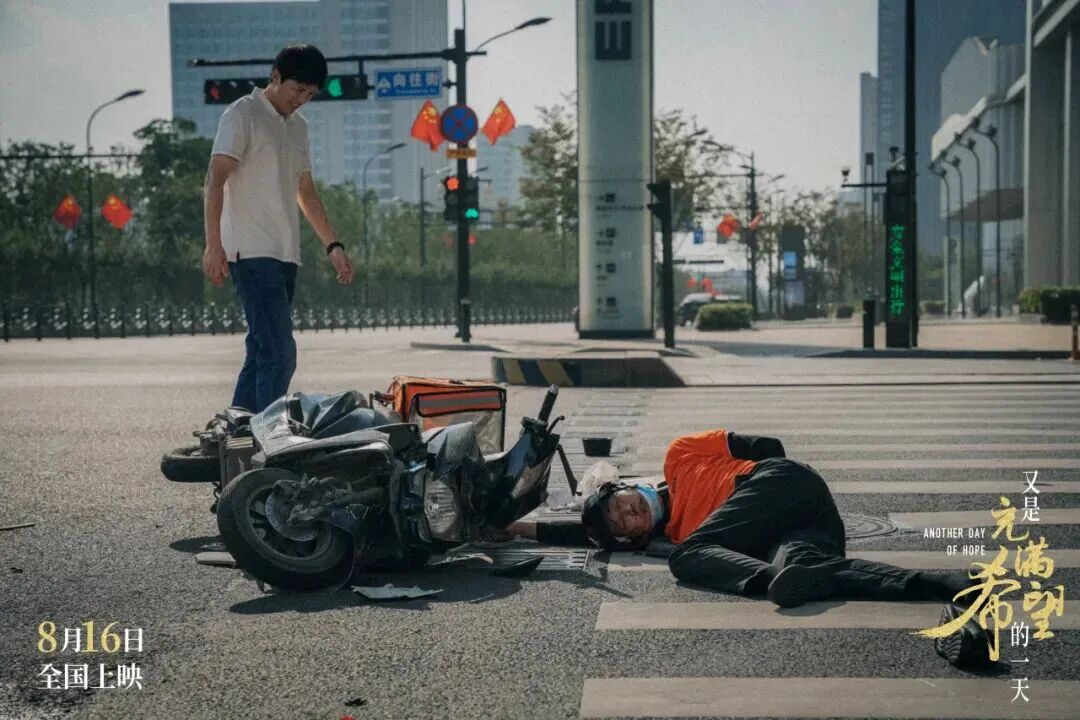
◉The Best Small-to-Medium Cost Narrative Feature at the 2024 Golden Rooster Awards, *A Day Full of Hope Again*, vividly depicts the predicament and suffering of delivery riders. Their voices go unheard; perhaps only a traffic accident that claims a rider’s life can prompt even a fleeting moment of reflection. Click the image to learn more about the director’s observations and reflections on the food delivery industry. Image source: official film poster
It is evident that, even where the gig economy does afford workers a greater degree of freedom, this does not mean they enjoy the rootless, unstable conditions of their work and life. Flexibility is less a benefit to be enjoyed than a stopgap to be endured for the time being. Gig workers may quietly bear the status quo, even find themselves content, but they would never praise it — and those outside have even less standing to speak on their behalf and call it a benefit.
Gig Work ≠ Freedom
If, viewed purely from the standpoint of the working cycle, flexible employment is a benefit, there is still room for debate. But when Professor Zhang Dandan says, ‘Although our work comes with protections such as the five social insurance schemes and the housing fund, those are what we trade time and freedom for. What flexible employment workers want is precisely flexibility and self-management, so protections in areas such as social security are naturally weaker,’ that is even less reasonable.
Let alone the fact that the total earnings of the vast majority of flexible employment workers, scraped together through long, gruelling overtime, may well be lower than the statutory social security contributions a Peking University professor ‘exchanges’ their time and freedom for (not to mention Professor Zhang’s actual take-home pay and the other material wealth and cultural capital she accrues by virtue of a platform as prestigious as Peking University)—the view that defines a fragmented labour process as freedom and flexibility while ignoring the platforms’ mechanisms of control is fundamentally untenable.
Who naively believes that a delivery rider’s or ride-hailing driver’s working hours depend only on how much they want to earn? Speak to taxi and ride-hailing drivers a few times and you will find that in major cities, exceptionally long hours are the norm. Even when exhausted, a driver must work the required number of hours each day and stay online during peak periods, or the algorithm will reduce the orders assigned to them.
The same holds true for delivery riders. The stations and teams they belong to have the power to force them online during peak periods and in severe weather, with penalties for non-compliance. Some stations also stipulate that if a rider fails to meet the required KPI, the per-order rate for the entire month will be reduced. I remember clearly: during the 2021 May Day holiday, order volume in Beijing was extremely low. One evening around ten o’clock, a rider was still waiting on the roadside for an order — he was just one short of meeting that day’s KPI. I transferred one of my orders to him. He told me, ‘Thank you. The ride-home order.’
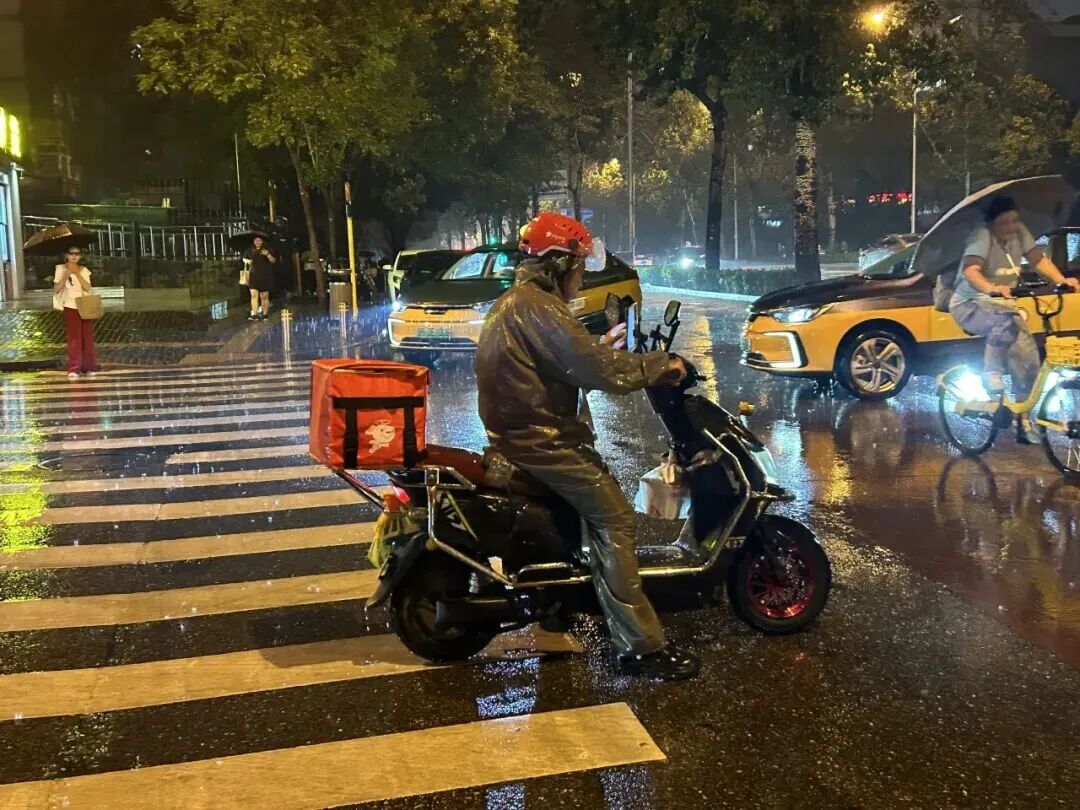
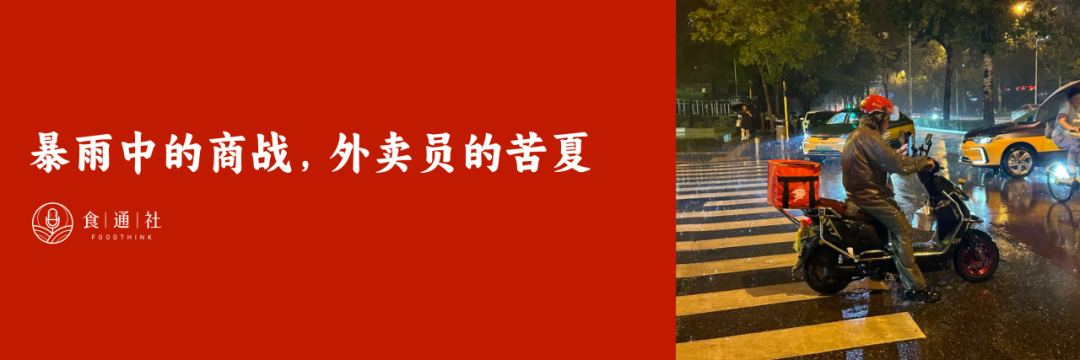
◉Last year, Foodthink published an article, “A Commerce Battle in the Downpour: A Delivery Rider’s Bitter Summer,” which described the plight of delivery riders during severe weather. Click the image to read the full article.
Compared with people in regular nine-to-five jobs, delivery riders are subject to no less control. If anything, they work longer hours, at greater intensity, and bear more risk.
Beyond delivery riders and ride-hailing drivers, emerging categories of platform gig workers — such as fresh-food supermarket pickers — are equally subject to the control of algorithms and piece-rate systems. To meet the platform’s 30-minute delivery window, they must complete an order’s picking within three minutes, earning just a few cents per item. The work is extremely fragmented, yet the physical demands are intense. Many pickers work a six-day week, putting in at least twelve hours a day, carrying heavy loads and walking tens of thousands of steps, with only one meal break for the entire day.
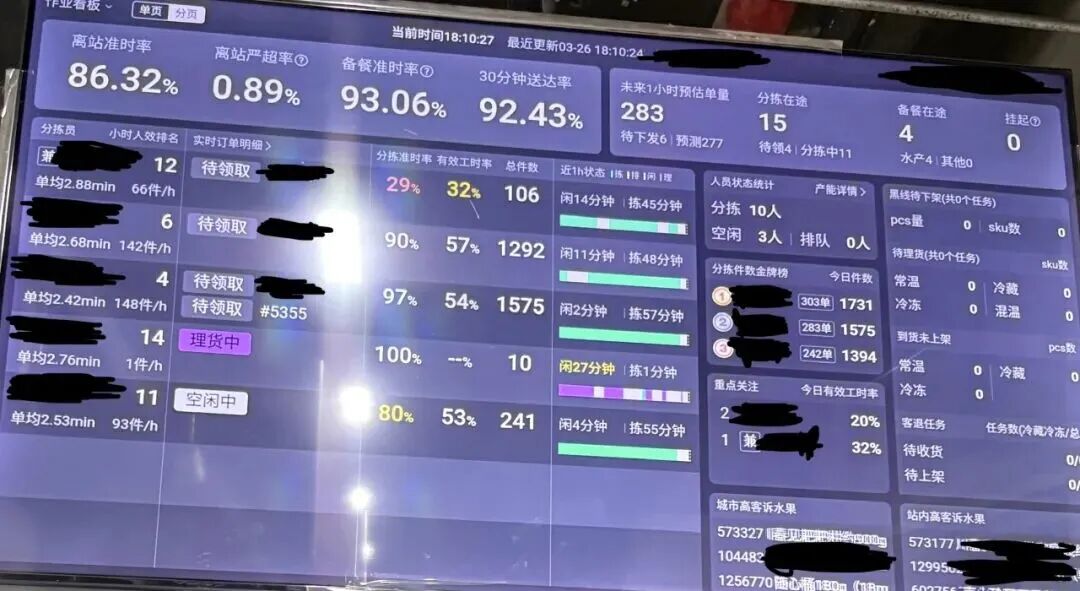
◉On the large screen, the data generated by all the sorters running about in the fresh food warehouse is updated in real time, placing enormous pressure on the workers. Click the image to find out the truth behind sorting work. Image source: Yakou
Many people, feeling constrained in their permanent jobs, are quick to project their notion of freedom onto gig workers, and onto small producers such as market stall traders and small shop owners. In particular, when a person has no understanding of what gig workers’ work actually involves, they will, on the basis of nothing but their own imagination, simply assume off the top of their heads that gig workers truly do have freedom. But in reality they do not—or rather, what they want was never that kind of negative freedom, the liberty to walk away from work at any moment, but rather more reasonable working conditions and pay.
Back to the question raised earlier that so easily muddies the waters: Is gig work genuinely a livelihood that delivery riders, ride-hailing drivers, and others have voluntarily chosen in pursuit of freedom—or is it an employment model that platforms deliberately seek in order to cut labour costs and transfer risk?
According to Professor Zhang Dandan, both of these facts coexist and are inextricably linked. But in my view, as the delivery wars have intensified over the past few years, driven by demands for peak-time capacity and delivery efficiency, platforms’ control over delivery riders has visibly tightened. Orders are now dispatched preferentially to the more easily managed dedicated (zhuansong), LePao, and ChangPao riders, while crowdsourced riders, who enjoy greater freedom, are gradually losing ground.
Since the platforms themselves are actively narrowing riders’ autonomy and intensifying the assessment and control they impose, the natural next step is to give riders the social protections they are entitled to, just as full-time employees receive them. Even if institutional obstacles stand in the way of implementation, that is precisely the kind of problem scholars ought to be grappling with—rather than continuing to live in their own imaginations, once again inappropriately equating gig work with freedom, and presuming to declare on behalf of gig workers that ‘flexibility is a benefit.’
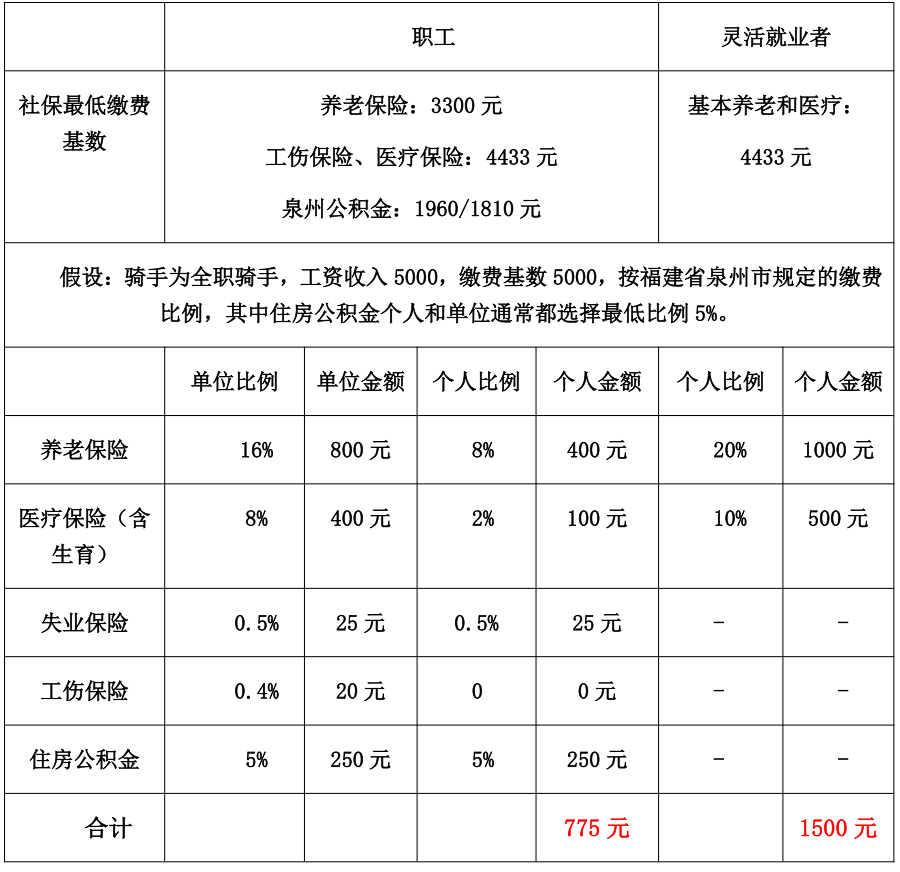
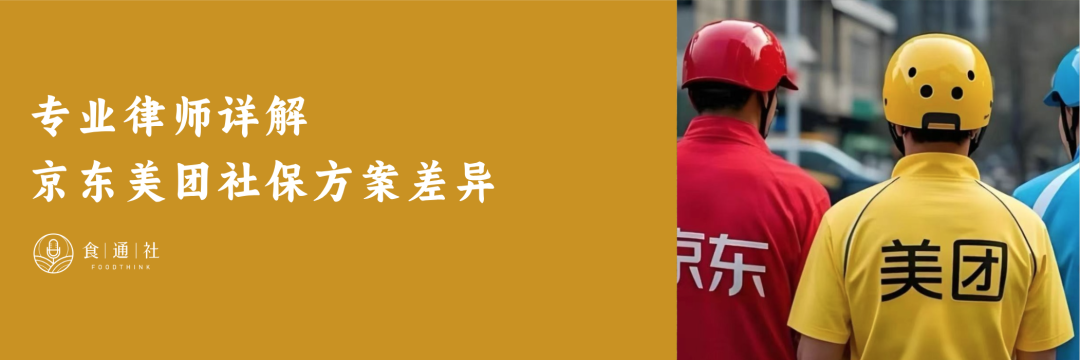
◉How does the social security scheme for flexible employment workers differ from that of regular employees? See the article ‘An Expert Lawyer Explains the Social Security Scheme Differences Between JD.com and Meituan.’ Click the image to read the full article. Image: Hao Zhengxin
The True Social Cost of the Gig Economy
On the question of social insurance, Professor Zhang Dandan stated in a different context: “Some platforms have proposed further measures to expand coverage of the five statutory social insurance schemes and the housing fund. This has disrupted the existing market landscape and brought pressure on labour costs. Rising labour costs could lead platforms to cut full-time positions, reduce gig workers’ pay, or even pass costs on by raising delivery fees.”
This once again made me appreciate the labour-economics lens through which she works: she is accustomed to thinking about the platform–gig worker problem in terms of supply-and-demand matching across the whole labour market. But a scholar’s mind cannot contain only abstract labour and employment.
Providing social insurance for delivery riders may indeed reduce the number of jobs, but while raising riders’ protection, it could also curb the platforms’ current, destructive model of cheap food delivery: driving delivery fees down to seize market share, then extracting high commissions from the food service industry to turn a profit, thereby squeezing the livelihoods of small and medium-sized restaurants, forcing merchants to cut ingredient costs and produce unhealthy food for consumers.
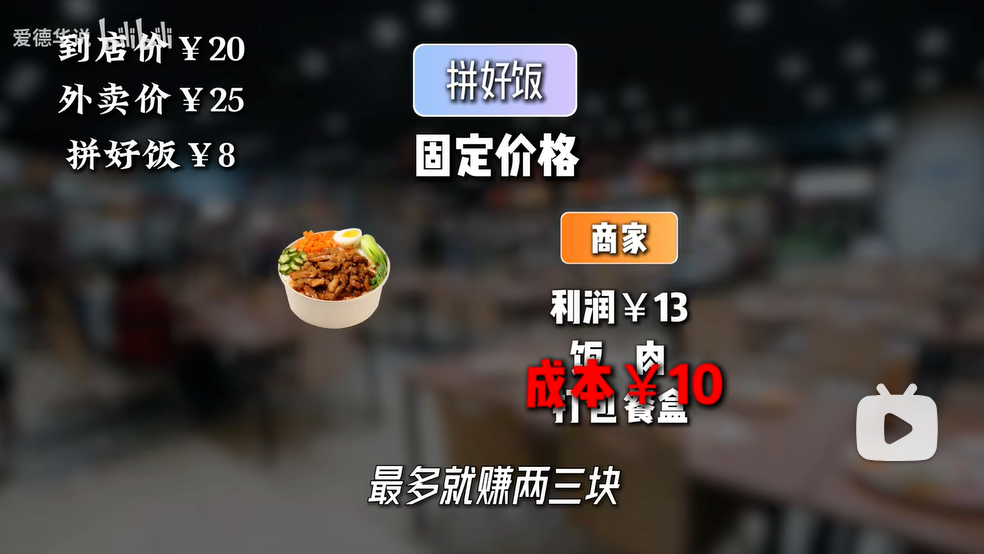
◉For more analysis of Meituan’s cheap food delivery, see the article ‘Who Really Gets a Good Meal on Pin Hao Fan?’ — an examination of Meituan’s budget group-meal programme. Click the image to go to the original piece.
Previously, Southern Weekly published a report that ran the numbers: if Meituan were to make social insurance contributions for the 1.2 million riders who qualify as full-time, the cost would be 21.6 billion yuan. But in the recent delivery wars, Meituan, Taobao, and JD.com have burned through more than a hundred billion yuan. So while the rise in labour costs from social insurance would squeeze smaller businesses, for these platform giants the additional cost is dwarfed by the sums they have already spent to fight for market share.
Even more ironically, Meituan’s 2025 financial report shows that the company’s R&D spending on drones, autonomous delivery vehicles, and AI reached 26 billion yuan. In other words, the R&D investment a food delivery platform has put into trying to replace delivery riders could already cover the social insurance costs of full-time riders.
Professor Zhang Dandan is also researching the impact of AI on employment and claims to have policy influence. Her judgement on gig work leaves us worried that the same unfounded assumptions may reappear in research on AI and labour relations, misleading the public and policy alike.
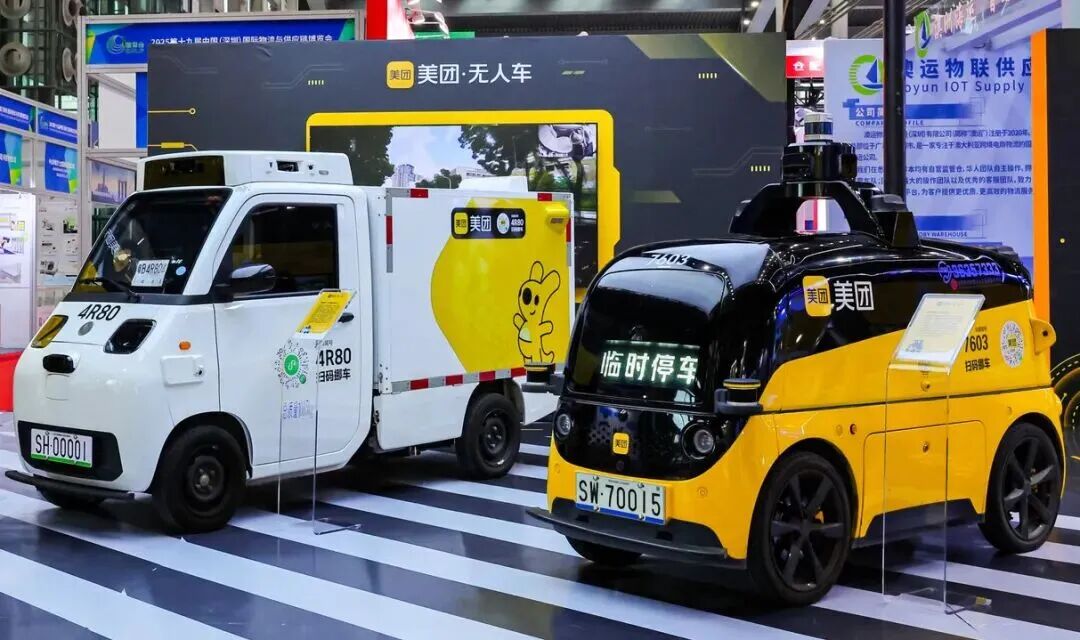
◉Meituan’s autonomous delivery vehicle on display at the exhibition. For more analysis on AI and labour, see the article ‘In the Age of AI, Where Is Power Shifting?’. Click the image to read the full article.
In short, there are still many questions we need to think about regarding platforms and the gig economy, and the relationship between technology and workers. Employment is, of course, important, but that does not mean that whoever provides jobs to workers is entitled to their unconditional support. After all, as between platforms and workers — who is the skin and who the hair — who depends on whom to survive is a question worth a separate debate. Even at the most generous, not a single worker simply wants a job granted as a favour. We simply want, through our own labour, to achieve a better life and a better way of working.
– This is Foodthink’s 835th original article –

Foodthink
Author
Zheng Yuyang
An INTP who grew up at the Second Livestock Farm in Bayan County, Heilongjiang Province, now based in Beijing. Worked as a food delivery rider in Beijing for four months. Currently focuses on digital technology, agricultural technology, and sustainability.
Editor: Tianle
Layout: Xiaoshu
Scan to tip and support original food knowledge
▼

▼
Click the image to read related articles
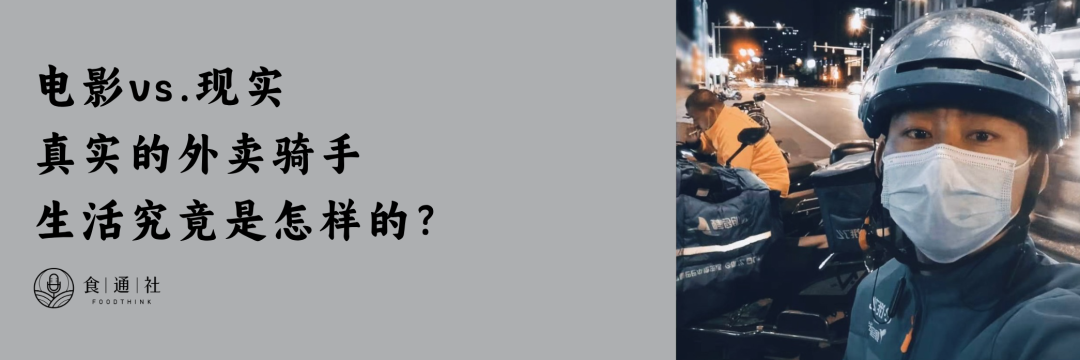
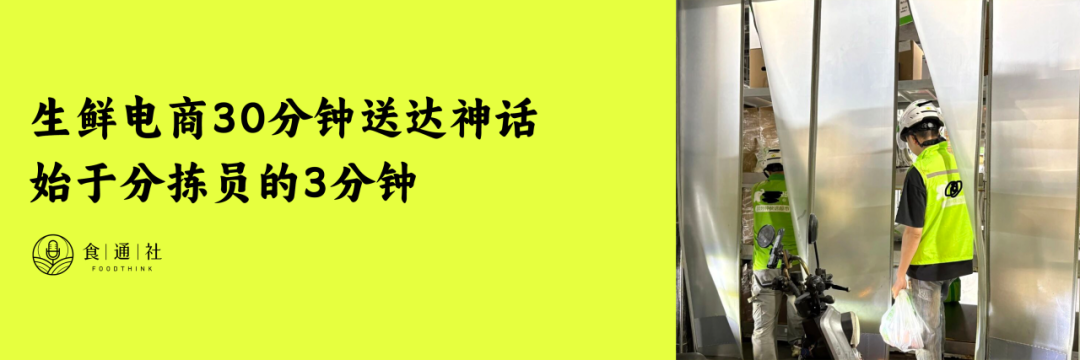
▼
Click a keyword to explore related article collections
Seeds|Farming Techniques|Policy|Fermentation|Nutrition|Fruit|Fisheries|Events|Careers|Delivery|Wet Markets|Livestock|Food Talk|Sharing Sessions|Book Club|Harvest Festival|Smallholder Stories|Climate Change|Rural Development|Co-operative Economy|Urban Farmers|Food Safety|Digital Technology|Biodiversity|Pandemics & Food|False Solutions|Organic Farming Internship Programme
Beijing|Hebei|Shanghai|Guangdong|Guangxi|Henan|Sichuan|Jiangxi|Xinjiang|Shaanxi|Hong Kong|Chongqing|Zhejiang|Jiangsu|Guizhou|Taiwan|Inner Mongolia|Philippines|Canada|Russia|Mexico|Italy|United States|United Kingdom|Germany|Netherlands|Thailand|Sweden|Japan