Beside the Trendy Quarter, an Unhurried Trade Endures in Wenzhou’s Wet Market

In an era of rapid change, wet markets have found themselves in a difficult position for various reasons. Some have inevitably faced closure, while others have been preserved for the convenience they offer to locals. Wenzhou’s Shuangjingtou Wet Market is one such holdout. This naturally raises a question: in today’s landscape of e-commerce and fresh-produce supermarkets, are the traders who still operate within these markets embracing digital retail, or have they chosen to remain rooted in the familiar confines of the market?
The largest dried-goods shop in the wet market
In the early 1980s, a spontaneous market of mobile vendors began to form around the Shuangjingtou New Village and the surrounding residential area. This gathering eventually evolved into a street market. The east–west thoroughfare is a narrow alleyway, 450 metres long and between 6 and 8 metres wide. On a typical day, it can barely fit two people and an electric bike side by side; during holidays, when it is packed with temporary stalls, there is only room for one person at a time.
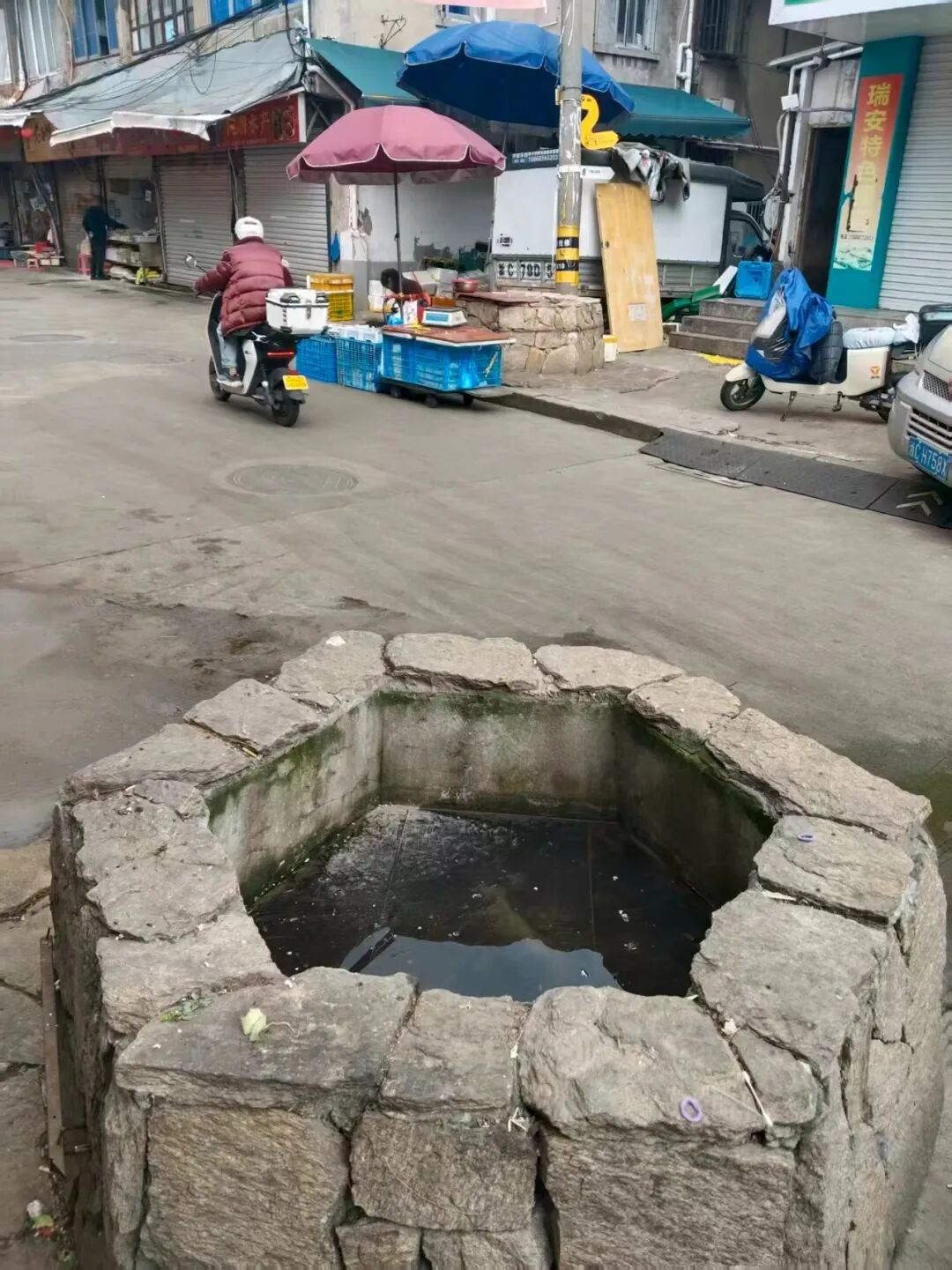
◉Shuangjingtou Wet Market takes its name from two wells. Hence, the redeveloped cultural block has adopted the English name “Well Well”. Image source: Foodthink
Citing the high number of mobile vendors, dilapidated fixed stalls, and narrow passageways, the district government initially planned to completely demolish and relocate this open-air wet market in both 2017 and 2021. Unable to withstand the persuasive pressure from market regulators and sub-district authorities, some shop owners eventually relocated to the Puxieshi Wet Market.
The Puxieshi Wet Market is an indoor facility, separated from the Shuangjingtou Wet Market by a single road. Annual rent for a stall there starts at just a few thousand yuan. By contrast, annual rents at the Shuangjingtou Wet Market typically range between 100,000 and 200,000 yuan, placing it firmly on the higher end for the Wenzhou urban area (Lucheng District).
Despite the significantly lower rent, prices there can sometimes be even higher. “There aren’t many customers there these days, so vendors raise their prices. But the higher the price, the slower the goods sell. If the purchase cost is five yuan and half the stock spoils, the effective cost doubles to ten yuan. As a result, you end up buying items that are neither fresh nor affordable,” says Xu Yuyan, who runs a seafood and dried goods stall at the Shuangjingtou Wet Market.
Most mobile vendors and shop owners who wished to stay relied on “street smarts”. They pieced together the schedules for the street patrol officers’ random inspections and adopted “guerrilla tactics”: as soon as the officers approached, they would quickly pack up and scatter.
Fortunately, when the sub-district authorities conducted a survey of local residents, the majority voiced opposition to demolishing the wet market. This public feedback prompted the abandonment of the complete demolition plan for the Shuangjingtou Wet Market in 2022. The strategy was instead revised to focus on environmental and commercial upgrades, allowing the wet market itself to remain in operation.
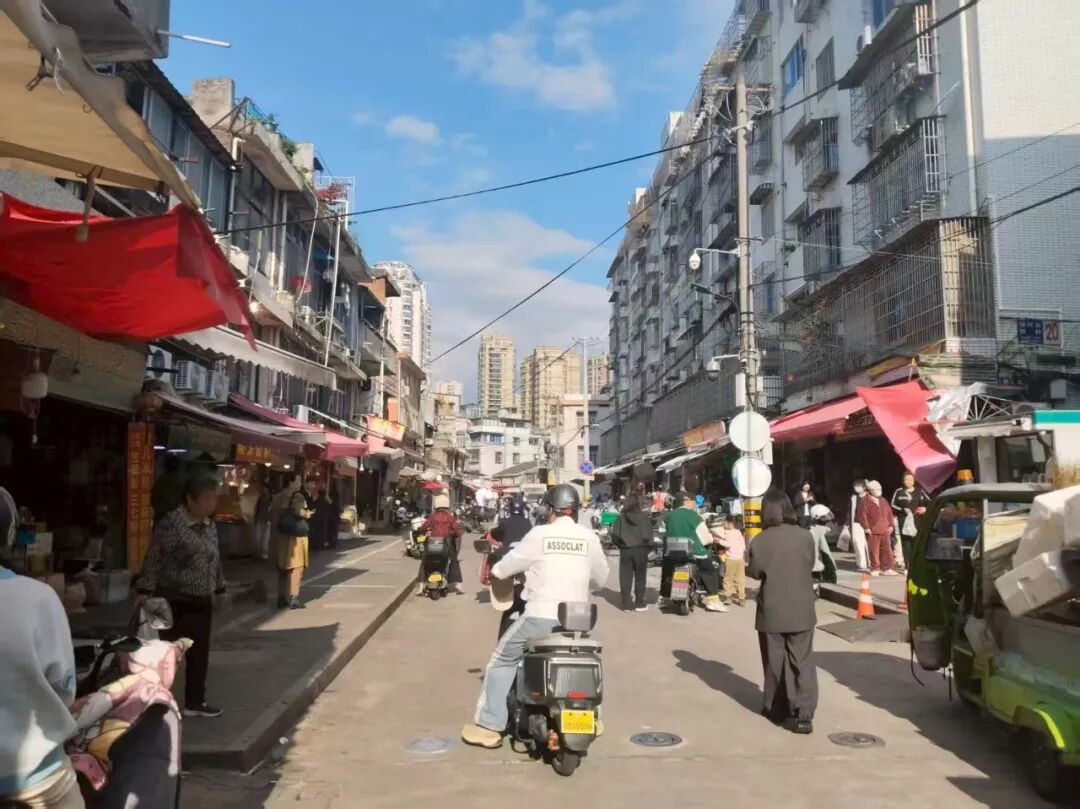
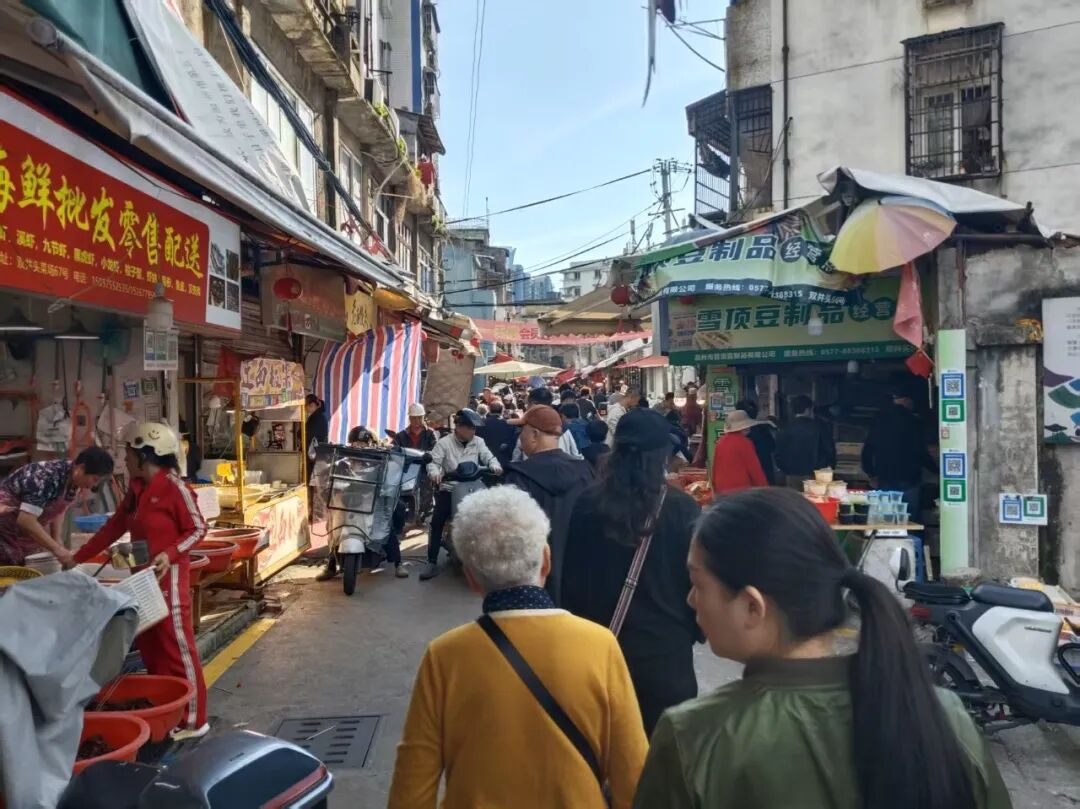
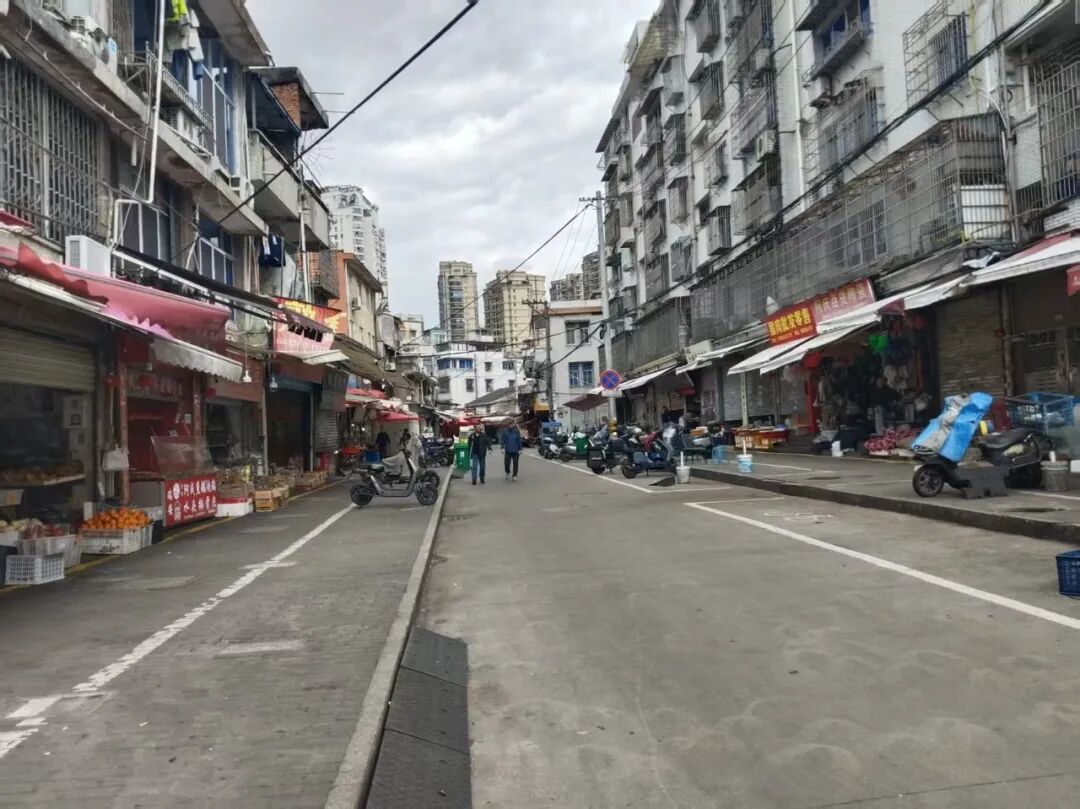
◉These three photographs were taken during busy and relatively quiet periods at the Shuangjingtou Wet Market. Photo: Foodthink
Today, Well Well, spanning 50,000 square metres, has become a new cultural and tourism hotspot in Lucheng District, Wenzhou. It houses numerous restaurants, cafés, and small comedy venues, with popular stand-up comedians such as He Guangzhi performing here on multiple occasions. Meanwhile, Shuangjingtou Wet Market remains part of Well Well’s cultural quarter.
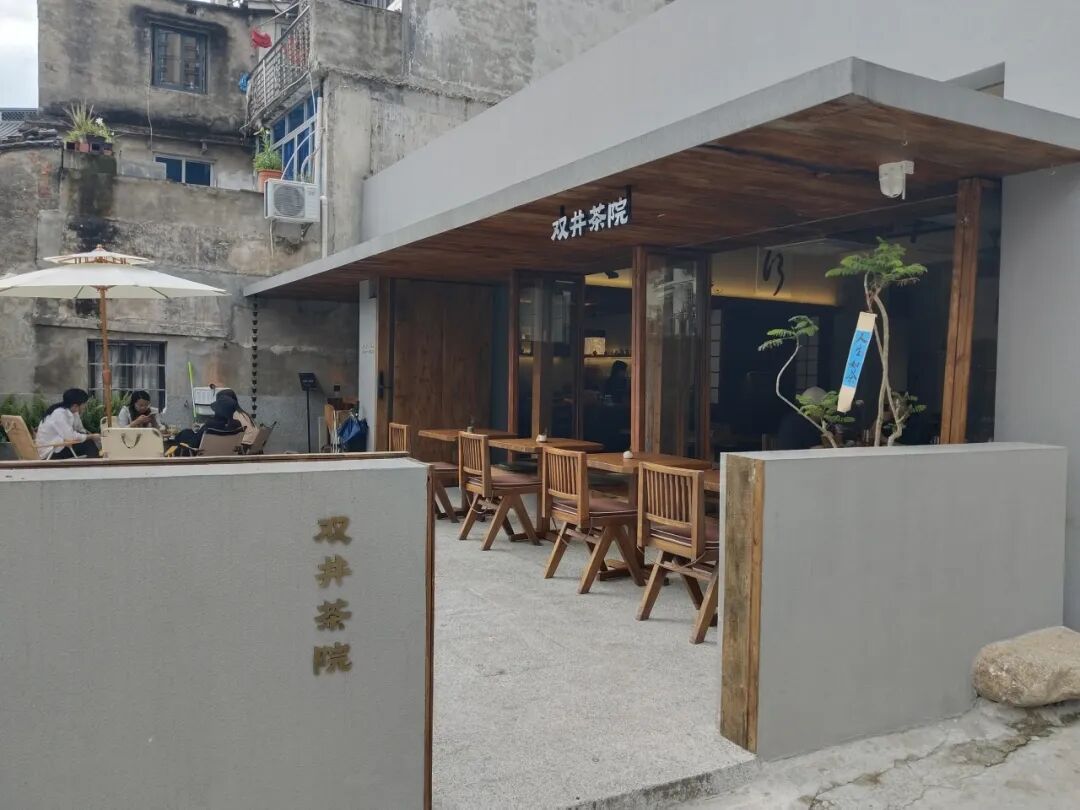
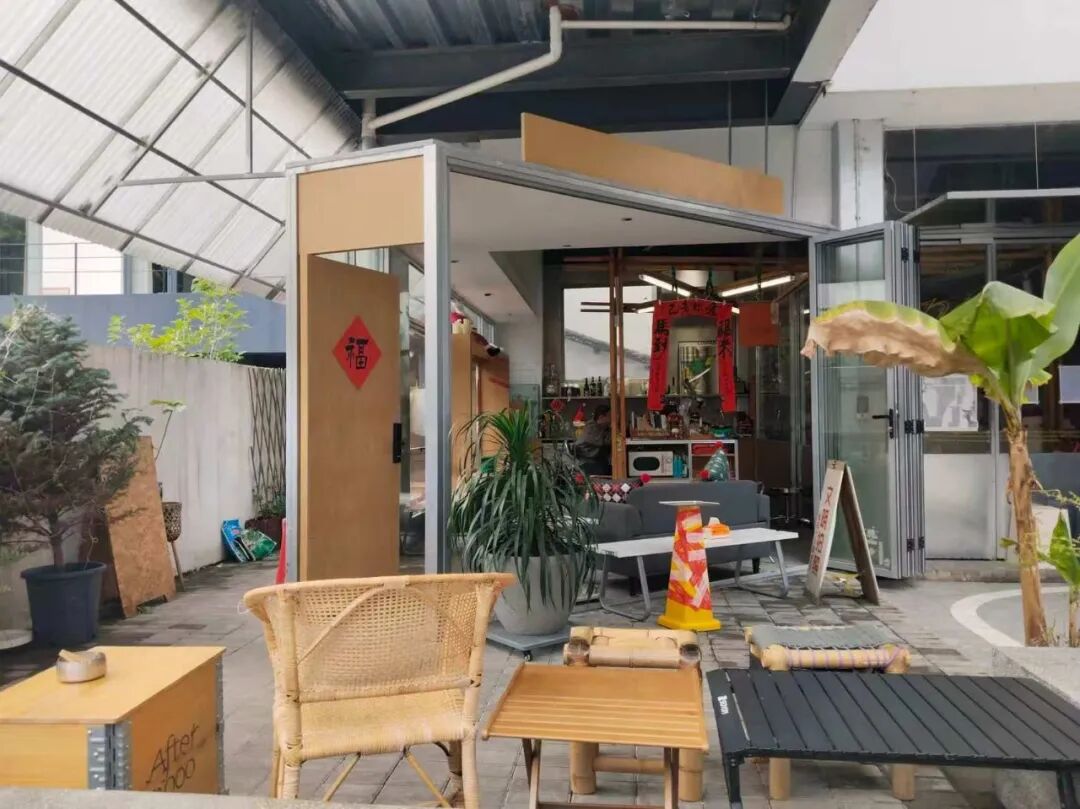
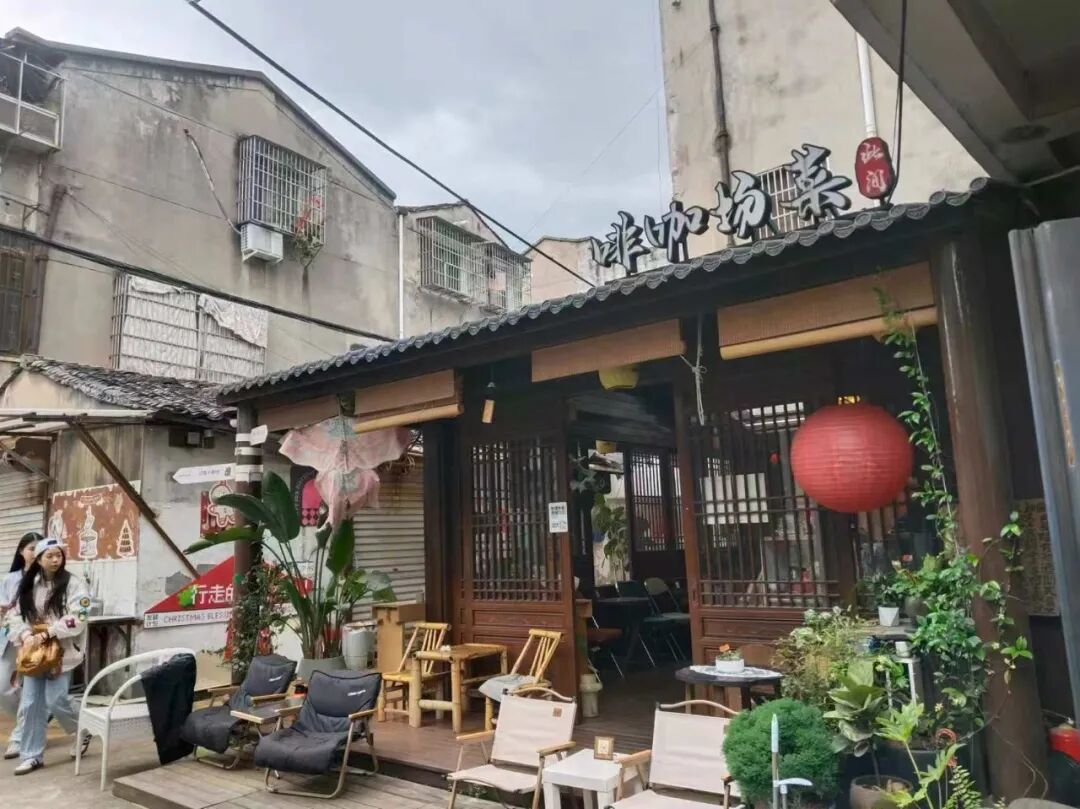
◉New commercial ventures following the renovation. Photo: Foodthink
Yet the two have not truly merged; an invisible barrier seems to separate them. On the odd holiday, a small group of stylish young visitors to Well Well might wander in by chance, stumbling into the bustling, down-to-earth Shuangjingtou Wet Market.
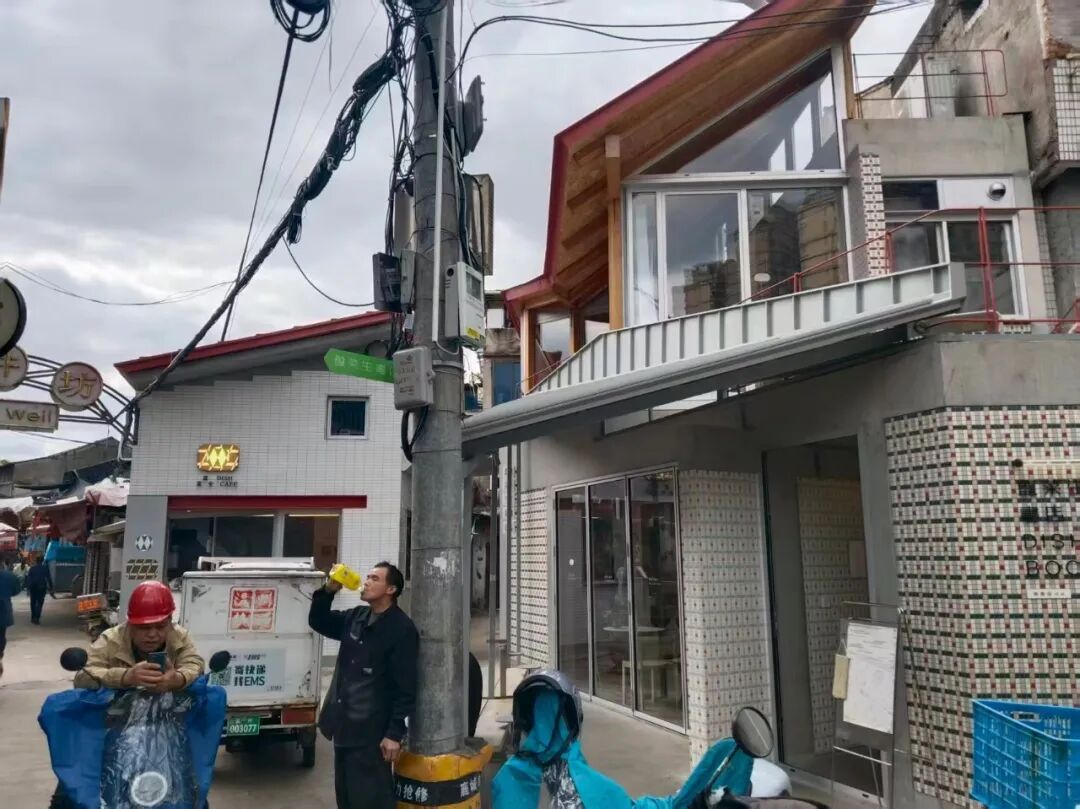
◉The entire block is effectively divided by the internet-famous Pancaisheng Bookstore. On one side lies the bustling, unpretentious wet market; on the other, newer commercial formats appealing to younger crowds, such as cafés and stand-up comedy. There is little interaction between the two. Image source: Foodthink
“Well Well hasn’t drawn in any extra footfall and has had virtually no impact on our business,” Yuyan said. Situated right beside one of Wenzhou’s most popular destinations, Xu Yuyan tends her stall at Shuangjingtou Wet Market, still carrying on a traditional trade.

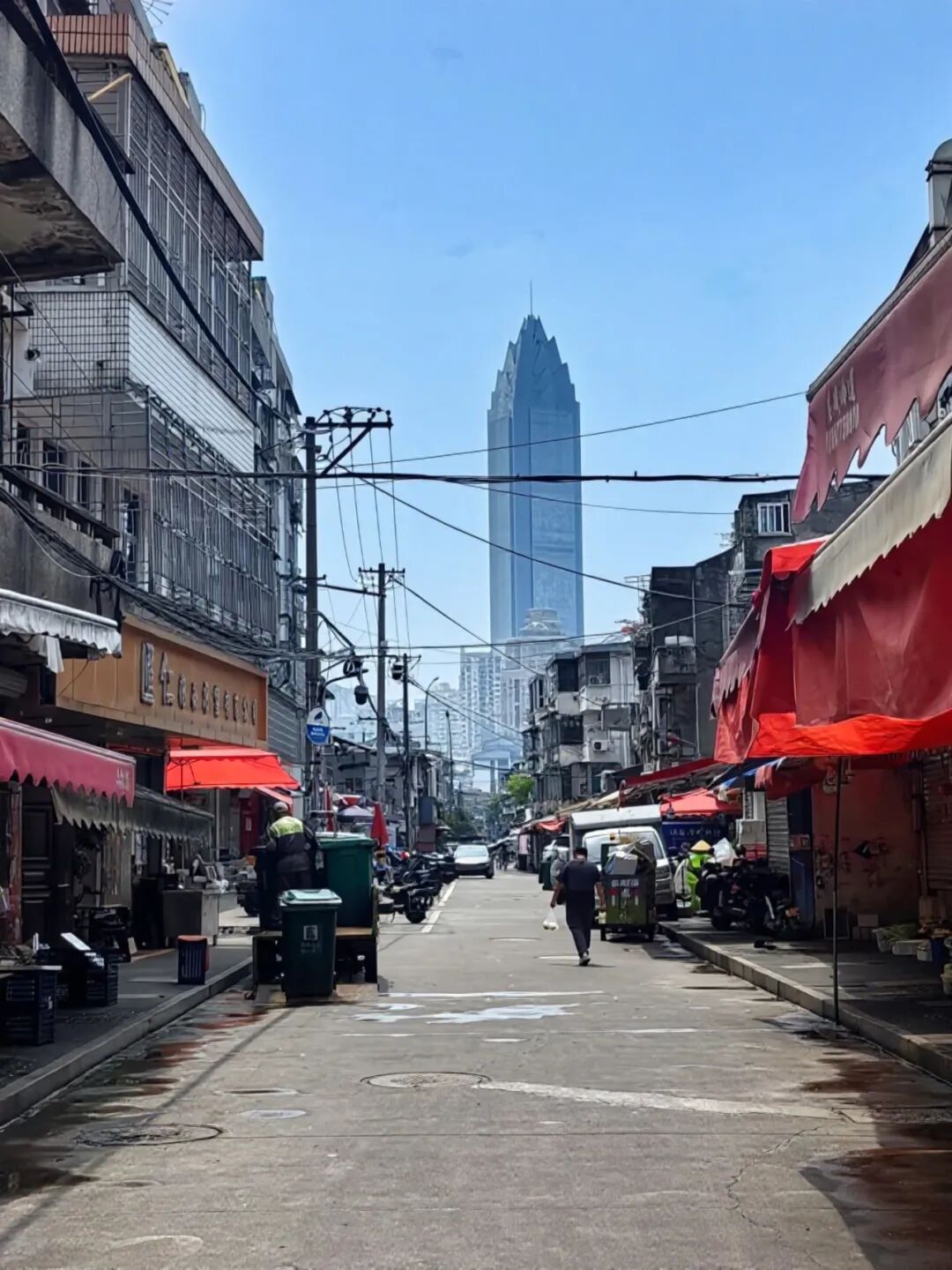
◉Shuangjingtou Wet Market.
The Wet Market Trader’s Playbook
Li Jian’s Ginseng & Dried Goods Shop, run jointly by Yuyan and her husband Li Jian, is the largest dried-goods stall in the market. At 50, Yuyan is the backbone of the business—easygoing and outgoing, with a sharp, adaptable mind.
Before the nationwide craze for spicy, heavy flavours took hold, Wenzhou locals favoured fresh, salty tastes, with the briny sweetness of seafood perfectly suited to the local palate. Living by the coast, Wenzhou people cannot do without pickled seafood sides like salted razor clams and mud snails, nor hearty main dishes such as large yellow croaker in scallion oil or mud crabs braised in wine.
All of these can be found at Yuyan’s shop. The stall stocks a range of affordable dried seafood, mostly priced at 35 yuan per jin (500g) or less, including dried shark, dried sand smelt, salted white fish, small silver fish, clam meat, Dongtou seaweed, and wakame.
She sources most of her stock from the Dongmen Seafood and Dried Goods Wholesale Market in Wenzhou. Buying from Dongmen only costs a few jiao to a yuan more than going direct to the producers, so the markup is minimal. This saves her the trouble of sourcing directly from out-of-town suppliers, making the process both time- and labour-efficient.
Yet Yuyan has her own strategies when it comes to stock selection. She runs a cautious business and avoids rushing to buy large quantities of viral dried goods like Yunnan morel mushrooms, steering clear of the heavy losses that can come from drastic price swings. For instance, the price of so-called premium Yunnan morels (the largest variety) has plummeted from over 1,000 yuan per jin six or seven years ago to just three or four hundred yuan per jin today.
“When we first started selling them, the media hype claimed they could significantly boost the immune system,” she says. “But once more people started growing them, prices gradually fell. The actual demand for internet-famous dried goods isn’t that high; people only buy a small amount for novelty or as gifts. Unlike everyday staples like dried baby shrimp, which people eat daily, these common ingredients are what really drive sales.”
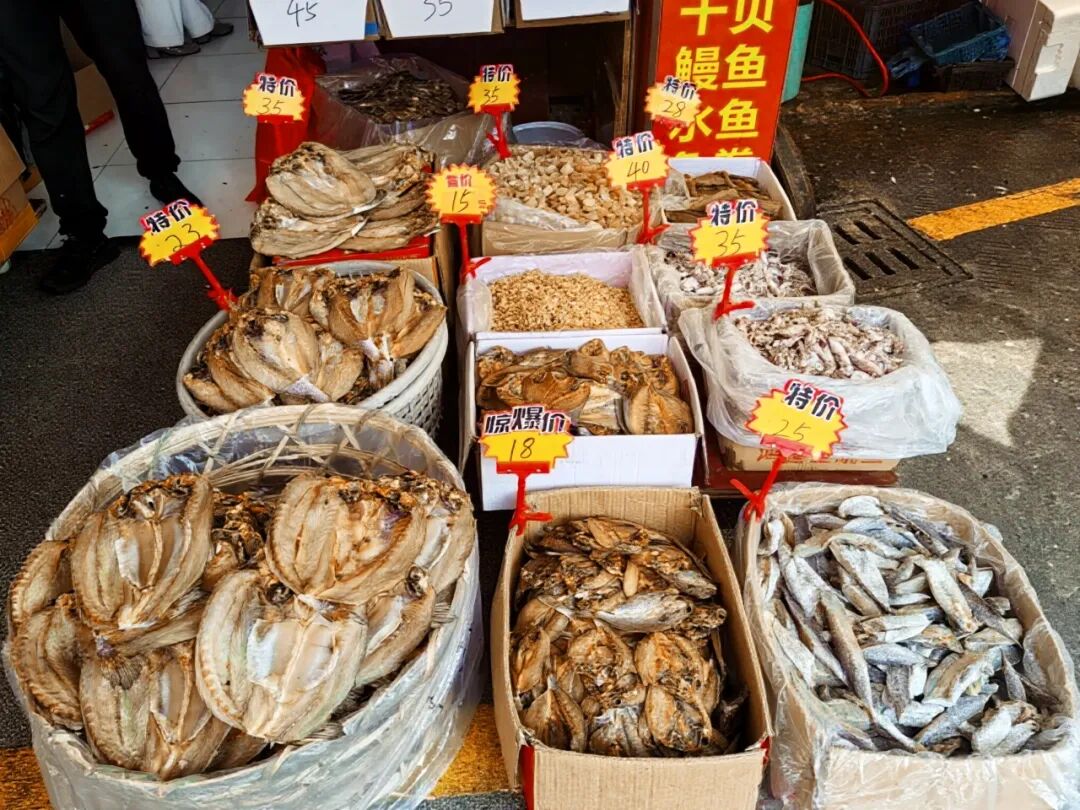
Dried seafood sells quickly as a fast-moving consumer good. During the annual fishing moratorium from May to August, dried salted fish, dried baby shrimp, squid, small cuttlefish, and cuttlefish are particularly popular. Once the moratorium lifts, from October through to the Chinese New Year, dried eel (oil eel) hits the market. The cheapest semi-dried oil eel costs around 30 yuan per jin, while fully dried premium cuts can fetch up to 80 yuan per jin at their peak. Nowadays, however, oil eel rarely commands such high prices, usually staying below 60 yuan per jin. Customers who are fond of it will often spend over 1,000 yuan in one go to stock up for the year ahead.
In addition, Wenzhou specialities such as duck tongues, dried cuttlefish, dried shrimp, and Tengqiao smoked chicken are bestsellers. The shop also stocks traditional Chinese health tonics year-round, including American ginseng, Korean ginseng, Panax notoginseng (Sanqi), Gastrodia (Tianma), astragalus, and goji berries. For everyday soups, it supplies white, brown, and rock sugar, mung and red beans, job’s tears, red dates, along with purple southern dates and golden candied dates used in simmered broths. Higher-priced items include fish maw, sea cucumber, and cordyceps.
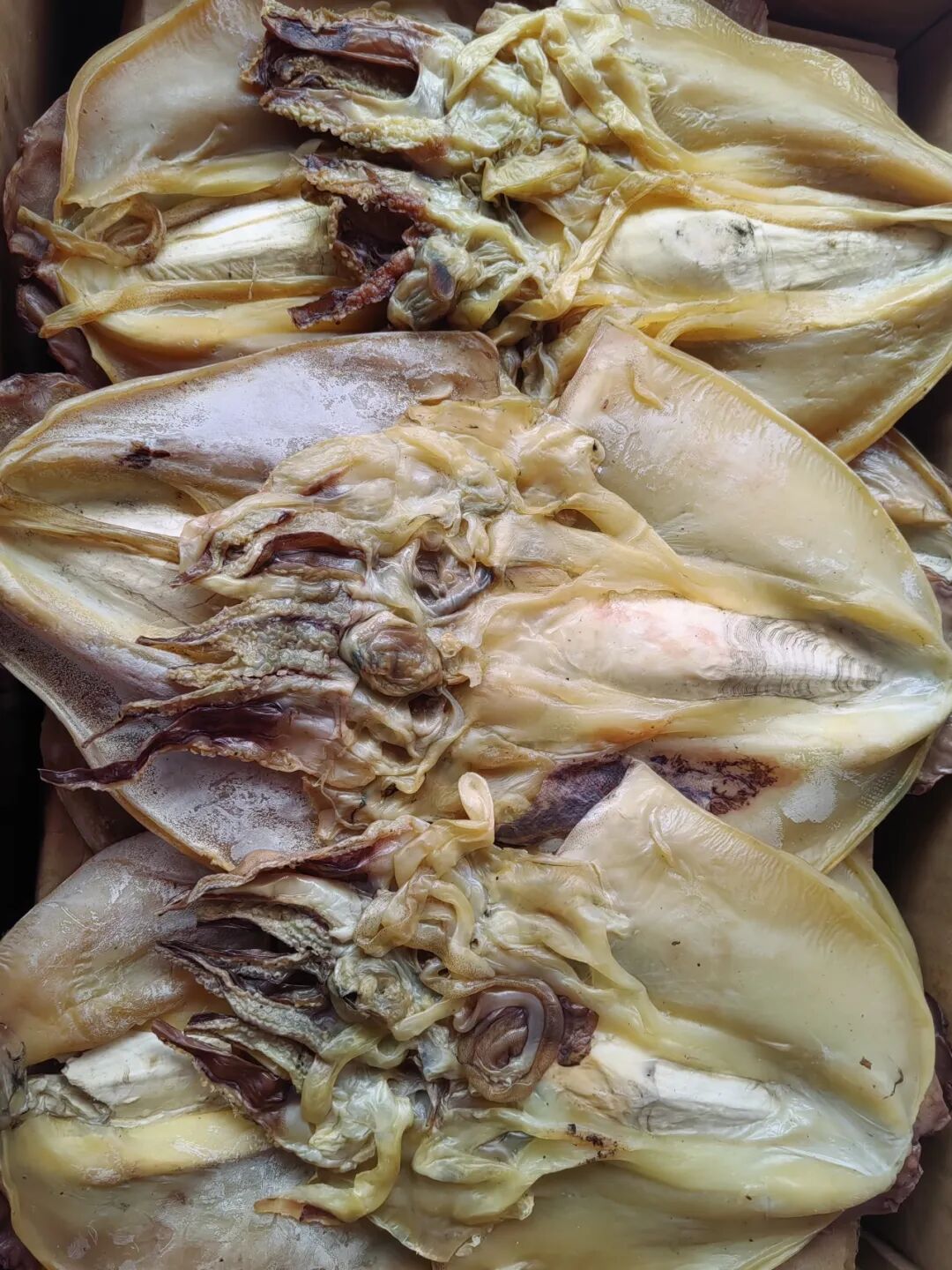
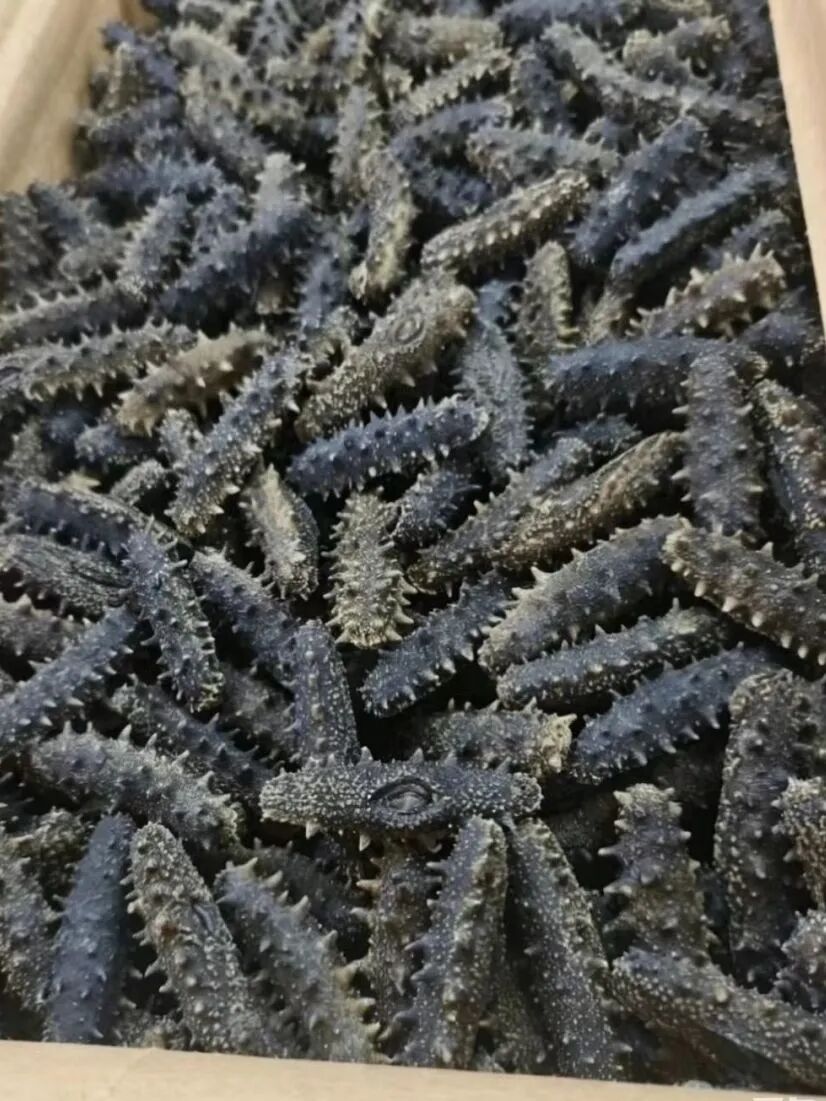
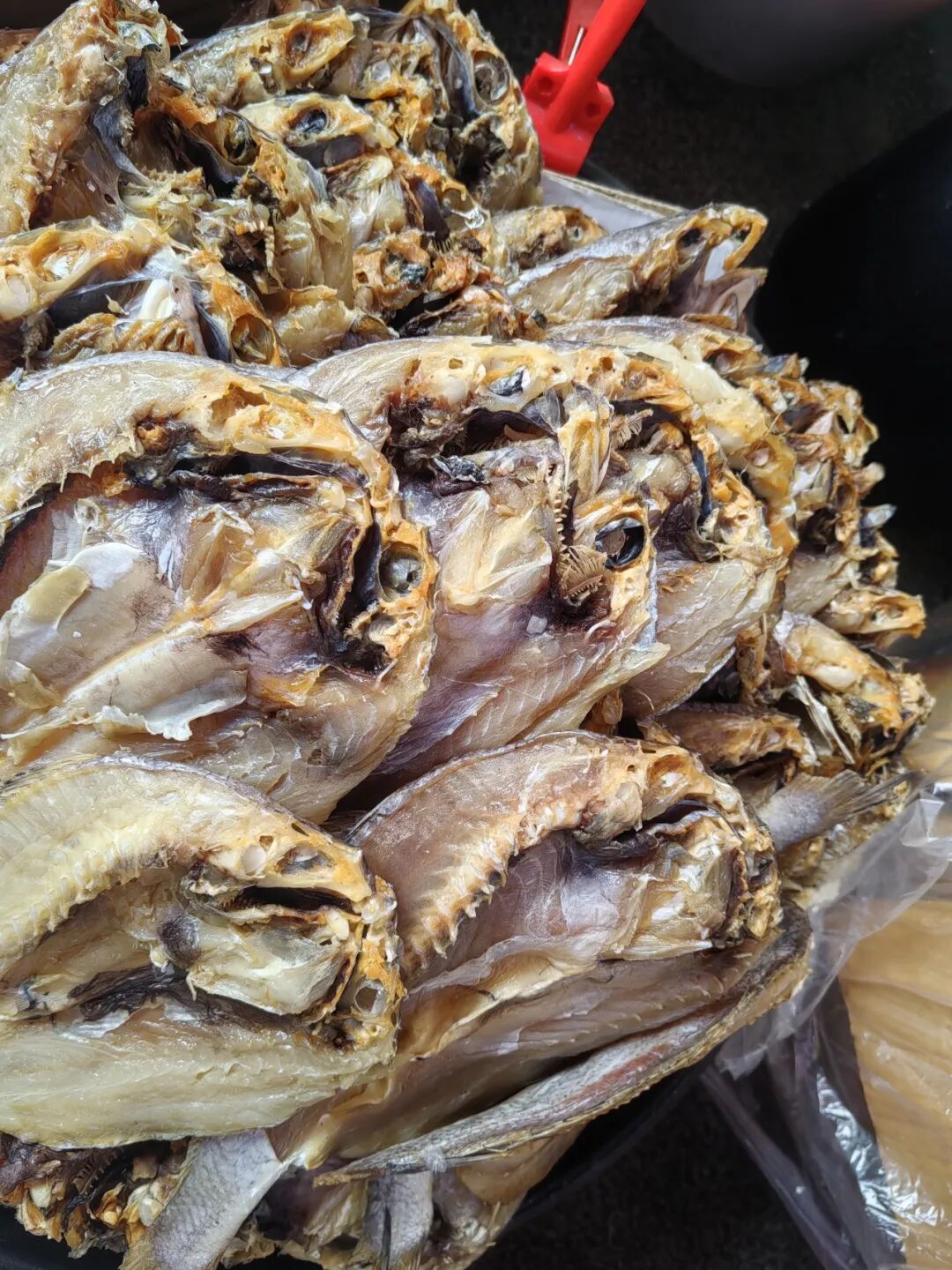
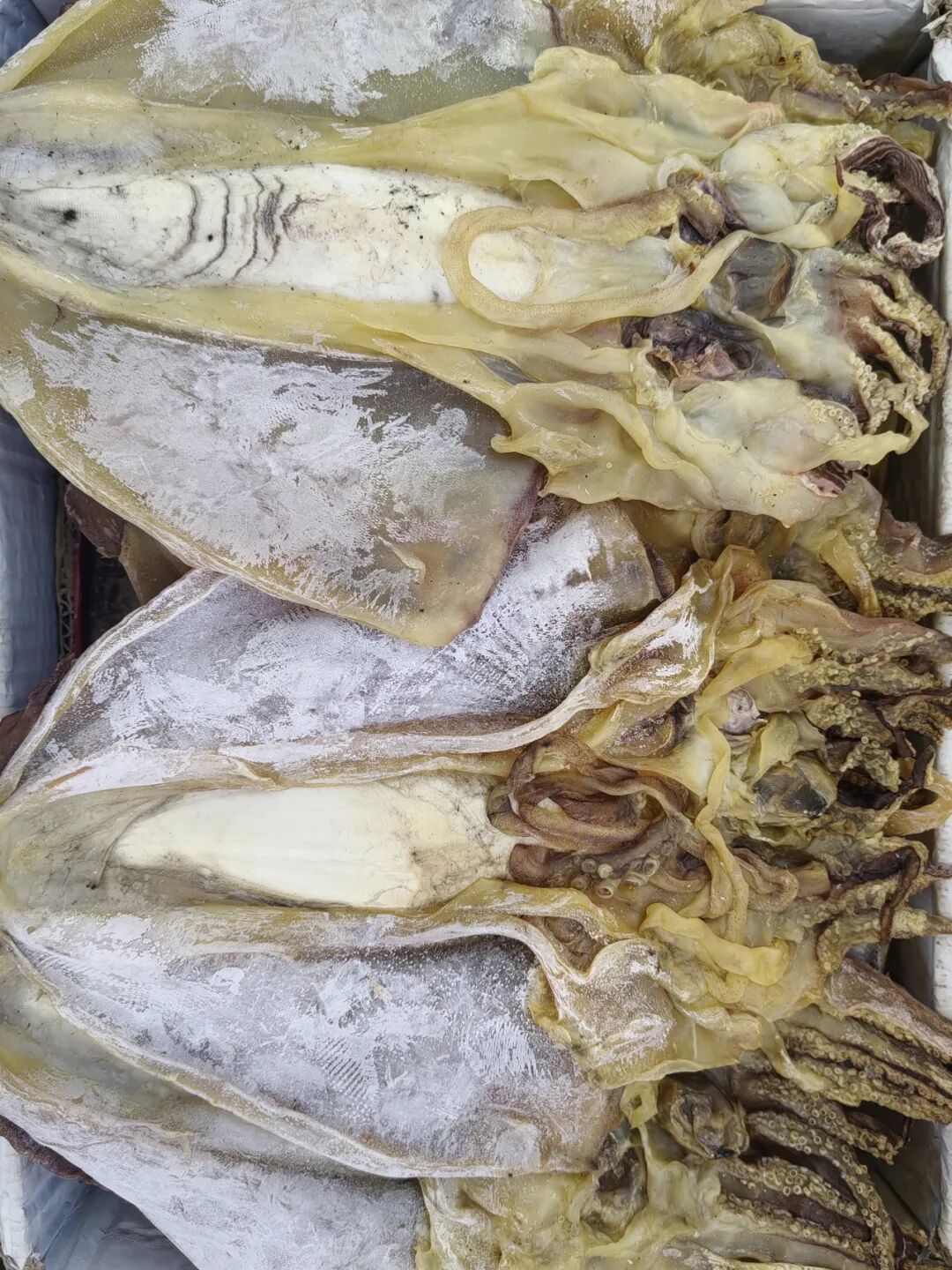
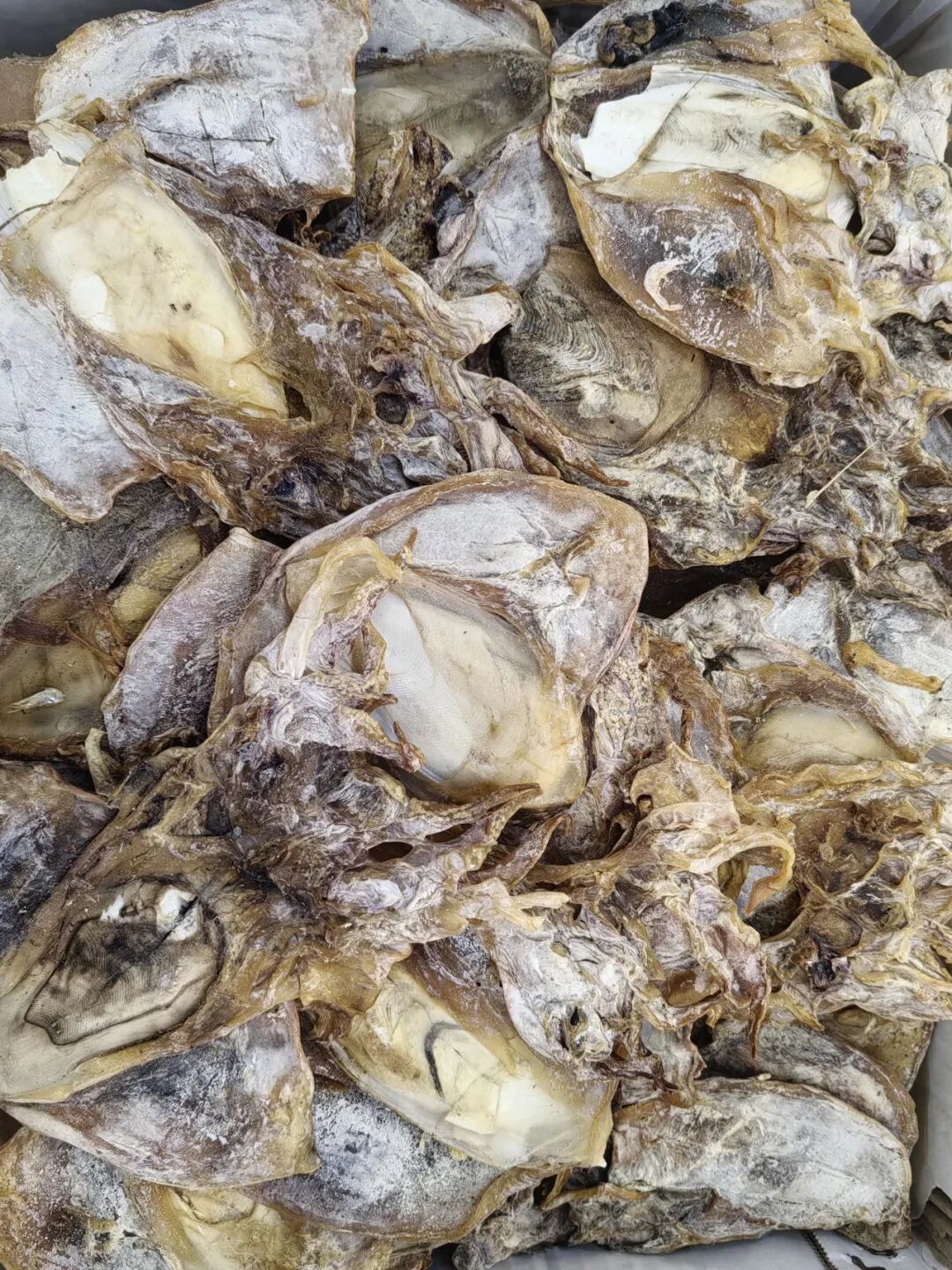
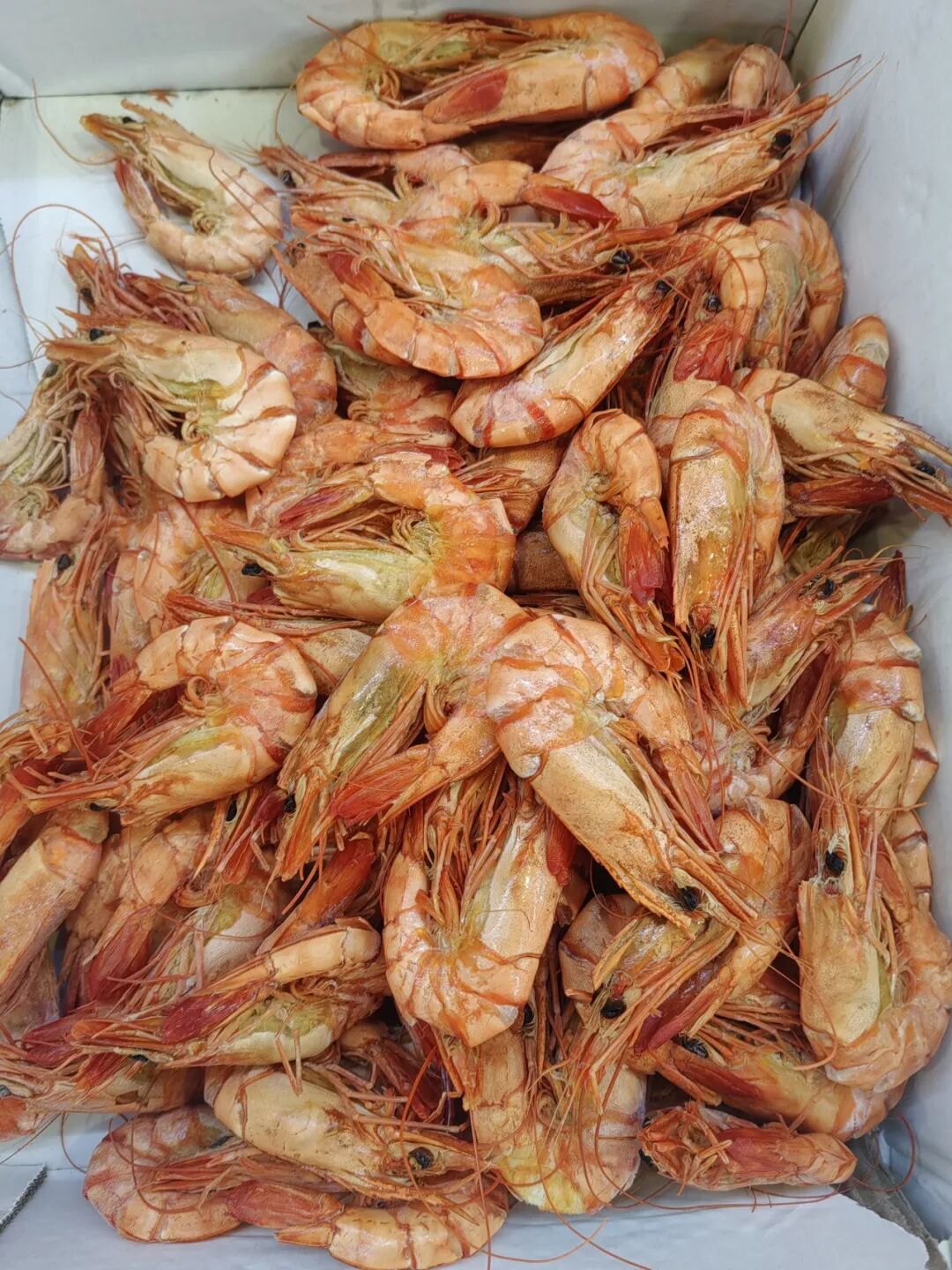
◉A selection of goods from the dried goods shop.
Dried goods of every variety fill most of the shop, leaving just a narrow, elongated aisle for customers to navigate—barely wide enough for one person to squeeze through.
A Retreat to the Wet Market
Always ready with a welcoming smile, Yuyan has had a varied career, having worked in offices and tried her hand at all sorts of trades.
A native of Yongjia in Wenzhou, she graduated in 2000 from the Wenzhou Health Cadre School with a secondary vocational qualification in medical technology. After graduating, she worked as a contract staff member at a local health clinic before marrying a local man in 2001. Without the security of a permanent state-sector appointment, her monthly salary of 800 yuan was nowhere near enough to cover household expenses. Drawing on her medical training, she tried opening a pharmacy to sell traditional Chinese health supplements.
Since the 1990s, many people from Yongjia have left their mountainous homeland to make their fortunes elsewhere. Yuyan’s family followed her siblings to the outskirts of Jiangsu and Shanghai to run clothing supermarkets. After they moved away, their eldest son was left behind in Wenzhou in the care of his paternal grandparents.
After five years in the clothing business, with their son approaching primary school age, the couple realised that educational resources in suburban Jiangsu paled in comparison to those in central Wenzhou. To give their son a better education, they closed down their business out of town and returned home.
Back in Wenzhou, the couple set up shop at the Huanglong Wholesale Market in Lucheng District, dealing in daily necessities and general merchandise. They sold everything from cosmetics and jewellery to slippers and umbrellas, staying in the business for ten years. During this period, Yuyan gave birth to their second son.
Built in the 1990s with 120 million yuan raised by private investors, this general merchandise wholesale market began a gradual decline from 2010 onwards. By around 2016, the rise of e-commerce delivered a massive blow to brick-and-mortar stores. Yuyan’s shop was not spared, and her business entered a steady downward spiral.
The Huanglong market eventually came under redevelopment and clearance. By 2019, a landmark that had been part of Wenzhou’s collective memory for 26 years had vanished, and Yuyan and her husband withdrew from the market.
Yuyan spent a year at home “resting”, mulling over what sort of business to start next to keep the family afloat. At the time, countless trades were being hammered by the rise of e-commerce platforms like Taobao. She figured that the wet market might be the only sector insulated from the worst of it. “People always have to eat and buy groceries. If the wet market trade goes under, then we really won’t have any business left at all.”
For most of 2020, Yuyan spent her time wandering through the various wet markets across Wenzhou’s urban districts, conducting casual field research. In the end, she decided to set up shop at the Shuangjingtou Wet Market, known for its mid-range pricing. What began with a focus on nourishing tonics has grown over time; today, her dried goods stall carries an even split between tonics and general dried produce.
“Running a stall in a wet market is all about hard-earned money. This shop covers every expense for our family of four,” Yuyan says.
During the three years of the pandemic, business at the dried goods shop actually thrived, placing it among the most successful stalls in the market. With concerns over cross-infection, shoppers were reluctant to make frequent trips out and tended to buy larger quantities at once. Unlike fresh seafood, which spoils quickly, dried goods have a far longer shelf life.
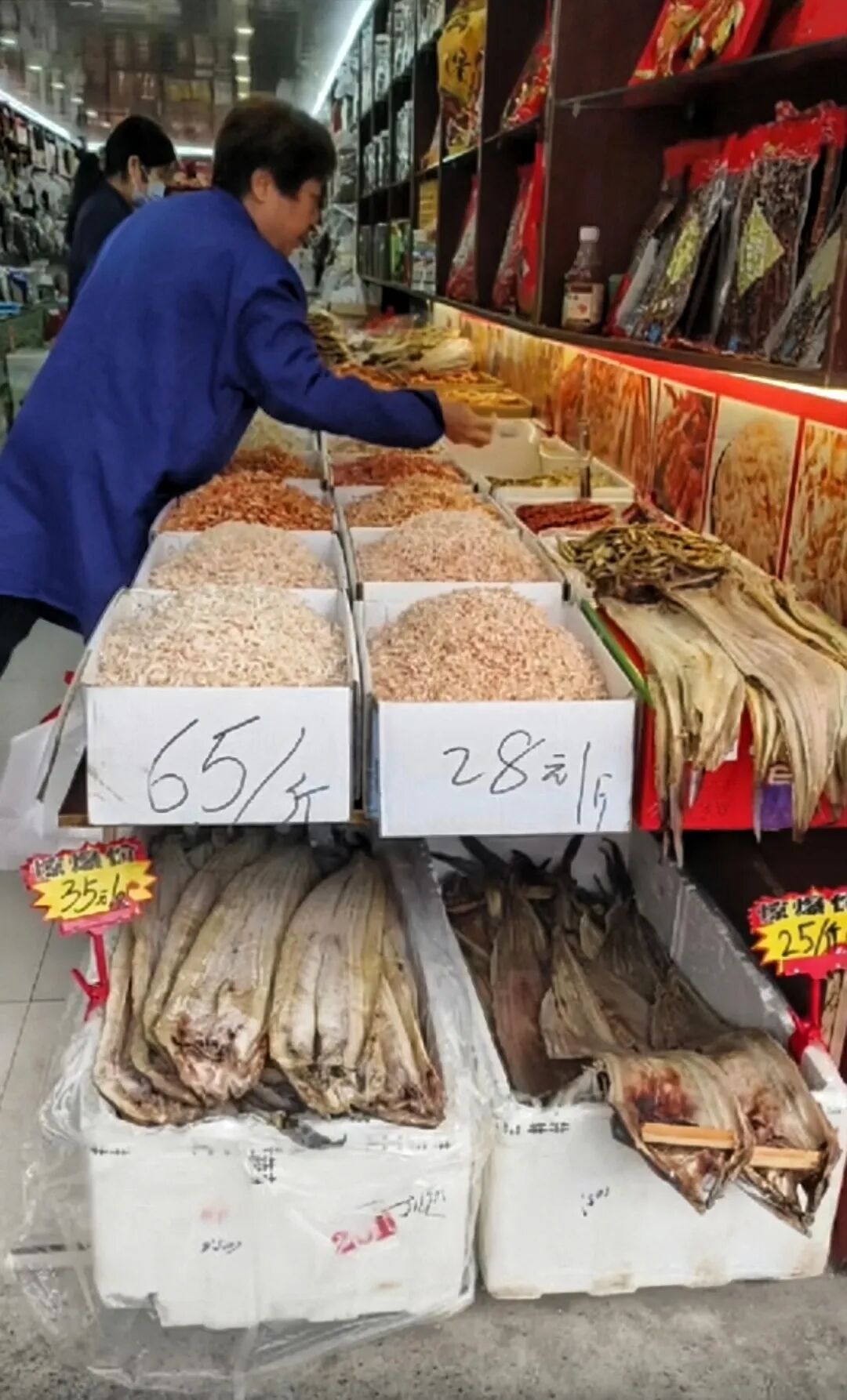
◉Customers browse and select dried ingredients independently in the shop.
Business is built on patience.
After seven years of hard graft, the couple, Li Jian and Xu Yuyan, have put down firm roots in Shuangjingtou Wet Market.
There is an old saying in Wenzhou: “Business is built on patience.” Li Jian, along with a hired hand, starts work every day at 5 a. m., sorting through the goods kept in the cold store and freezers before laying them out at the shop entrance.
Older shoppers in their sixties and seventies are accustomed to the morning market; they are often in the shop making purchases before 6 a. m.
By midday, business slows across the entire open-air market, and the stalls grow quiet. In summer, under the glaring sun, vendors take a breather after six long hours of morning labour. Inside the dried goods shop, Xu Yuyan, her husband, and their worker rotate shifts for a one-hour rest. Footfall picks up again around 3 p. m., and they stay open until closing at 8 p. m.
The shop relies mainly on individual market shoppers for its customer base. A smaller portion comes from corporate clients; private business owners typically buy dried goods to distribute as festive gifts to staff or present to clients. Since most visitors are regulars, all items are clearly priced. When the three workers are swamped, regulars help themselves to select and bag their purchases. “Customers pick out what they want and bag it for us. We calculate the total, and they just scan to pay.”
The month around the Lunar New Year is the peak trading season. Daily turnover triples that of an ordinary month, accounting for nearly a third of the year’s total. During the New Year period, the shop’s narrow aisle is packed with customers. Li Jian stands at the entrance with a megaphone, calling out specials, while Xu Yuyan manages the floor. At peak times, Xu Yuyan calls on her own parents to help and temporarily hires seven or eight extra workers. Hours are longer than usual; after closing at 8 p. m., they are still busy packing orders. Take dried eel, for example: during the festive period, they sell an average of three boxes a day, each weighing around 25 to 30 kg.
On the first day of the Lunar New Year, some seafood and dried goods stalls shut, but Xu Yuyan’s shop stays open. Many customers are visiting relatives and friends on the first and second days of the New Year and need gifts, so they come to the dried goods shop to choose. Some even leave purchases to be stored at the shop because their home freezers are too full.
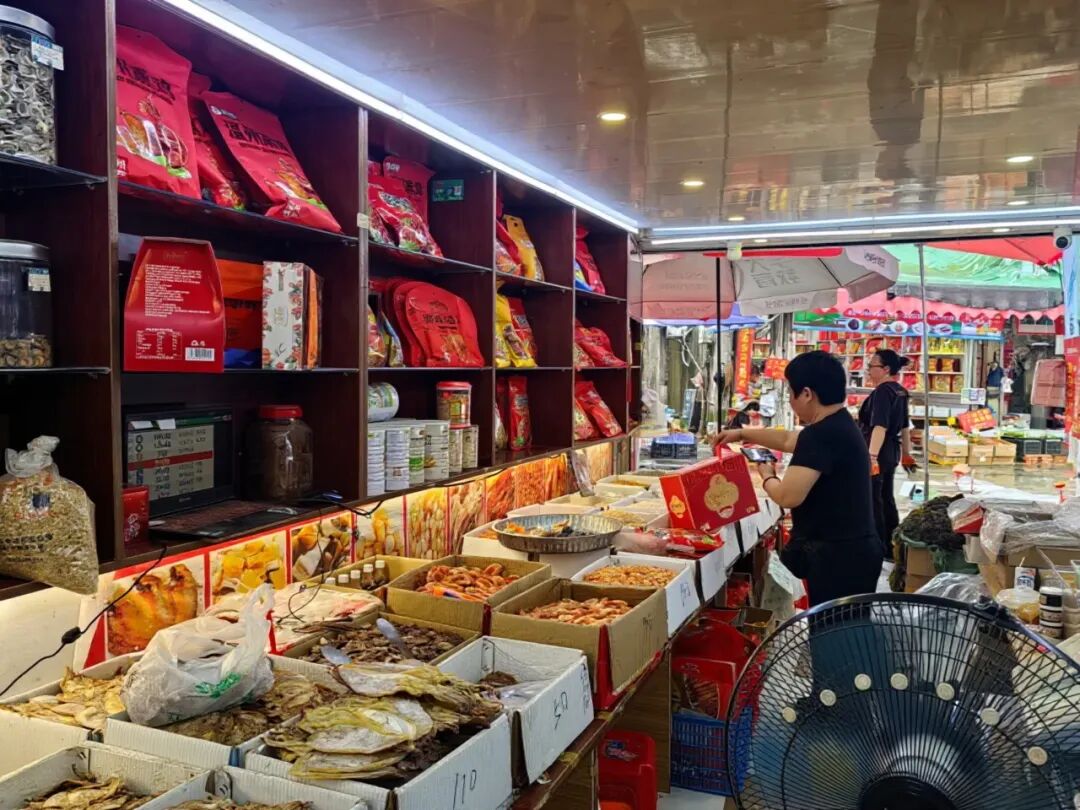
◉Shop owner Yuyan photographing gift box packaging samples for a customer.
Rejecting E-Commerce
Although the impact of e-commerce had once forced them to close their own general merchandise shop, Li Jian’s Ginseng & Dried Goods Shop has not felt the need to keep up with the times. They have opted against opening an online store, running live-stream sales, or joining delivery platforms such as Meituan and Taobao Flash Sale.
“Our shop sells retail at wholesale prices, making our goods even cheaper than those sold online. I’ve looked into setting up an online store, but listing on an e-commerce platform comes with fees, whereas we have no overhead from shop rent. We only make a few yuan profit per jin, and the platforms’ commission rates would far exceed that. When we first opened, field sales reps from Meituan and Taobao came around trying to persuade us to join. They offered to have a third-party agency manage the online store for us, but they demanded upfront fees on top of high commissions. After paying both, there would be virtually no profit left.”
Her dried goods shop relies on word of mouth to attract new customers, and Yunyan firmly believes that quality speaks for itself. Friends who used to live in Wenzhou but have since moved away often find themselves missing the taste of her dried goods; they add her on WeChat and place regular orders. When locals from Wenzhou travel elsewhere to visit friends and family, the hosts, having sampled local specialities (duck tongues in particular), naturally become her customers too.
She is old-fashioned, rarely ordering food delivery. Instead, she heads to the wet market herself at midday to buy fresh produce, leaving a staff member to cook lunch. She hasn’t downloaded Dingdong Maicai or Meituan’s grocery apps. When customers message her on WeChat to order goods and she needs to arrange a courier, she finds herself at a loss, as the shop’s address lacks precise location tagging for delivery riders.
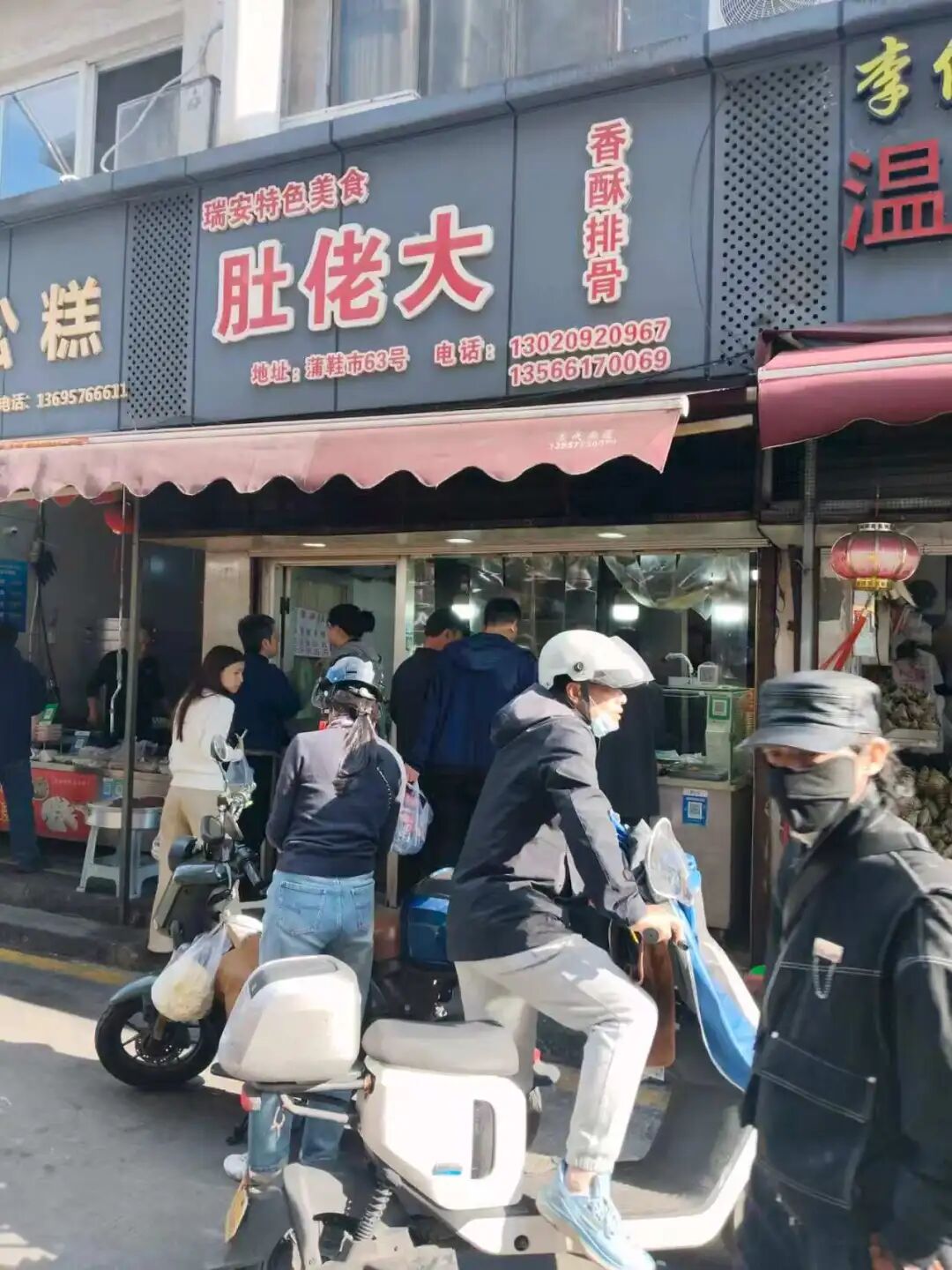
◉Some popular food stalls in wet markets are always packed with customers. The moment a batch is ready, it sells out instantly, leaving no room for online sales. Image source: Foodthink
Apart from one tiny stall selling mung bean cakes whose owner runs live-streamed sales, no other traders in the Shuangjingtou wet market have turned to live streaming. Yuyan feels that simply minding the shop is exhausting enough; she has no energy left to attempt live commerce. “I’m so busy I don’t even have time to reply to WeChat,” she says.
Fortunately, Yuyan’s customer base tends to be older. The main clientele for a dried-goods shop are retirees, who generally have far greater spending power than younger shoppers. “Young customers come in wanting to spend exactly ten yuan on dried baby shrimp; they won’t go a single yuan over, buying just enough for a few meals. Older shoppers, who may find it harder to get around and prefer to stock up, will buy half a jin or a whole jin at a time. If we weigh out two jin for them, they won’t mind at all.”
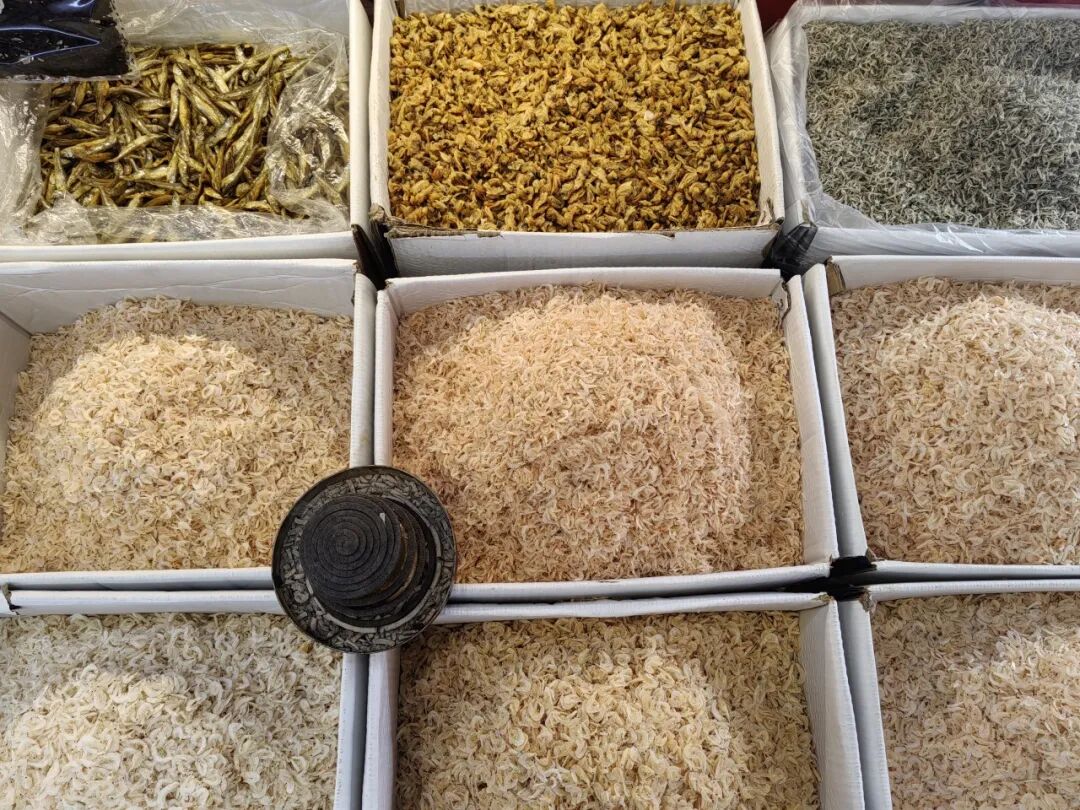
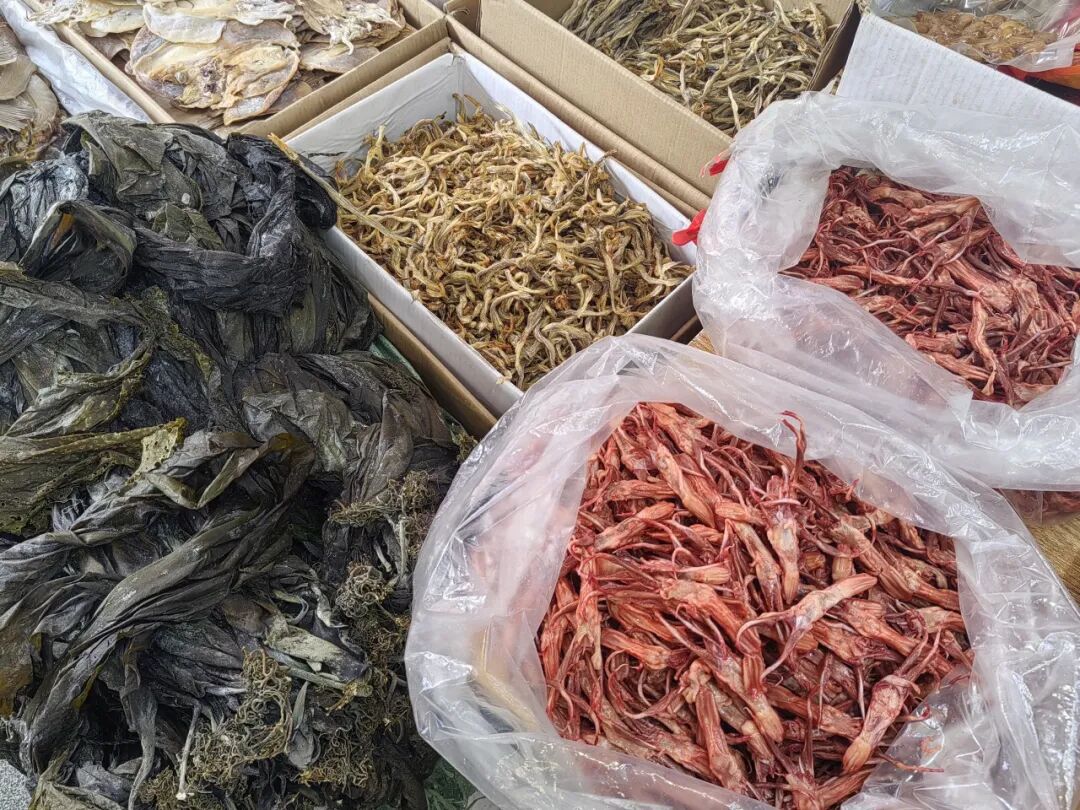
◉Various dried goods.
A Family Anchored to the Wet Market
Despite the gruelling nature of her work, Yuyan always manages to carve out a few days during public holidays and school breaks to take her younger son out. On WeChat Moments, aside from work logs, she shares mostly posts documenting her two sons’ upbringing, affectionately calling them her “eldest young master” and “younger young master”.
As the dried goods shop operates almost year-round, Yuyan and her husband must take turns manning the counter whenever an early closure or outing is necessary. As a result, even when they do take their sons out, it is rarely the whole family.
In 2025, her eldest son returned home after graduating with a degree in electronic information engineering and fitted out the shop with an anti-theft checkout system. “Originally, installation cost more than 2,000 yuan, but now it”s only just over 1,000. Most people have to hire a professional to do it. My eldest knows how to install it himself, so we saved on the fitter’s fee.’ At the mention of the installation, a flicker of pride lights up Yuyan’s eyes; she smiles brightly, dimples showing.
Her younger son, now in Year 4 of primary school, could truly be said to have grown up in the wet market. It was there he witnessed his first snowfall: snow pellets tumbling down onto his nose, tickling him until he couldn’t resist swiping at them. On Chinese New Year’s Eve, his parents took him to set off firecrackers in a nearby alley, and he wasn’t the least bit frightened. By nature a playful child, he would often bolt off without a word to his parents even into his first year of primary school, dashing off to play with the children from neighbouring stalls in the market.
Her mischievous antics used to land Yuyan with no end of complaints from teachers. These days, her younger son leads a life much like that of children from dual-income households: he stays at an after-school care centre on weekdays until he is collected around eight or nine, and attends academic tutoring on weekends. However, unlike most dual-income parents, Yuyan and her husband must take it in turns to accompany him outside to play badminton and basketball to keep him fit.
Yuyan now harbours distinct plans for her two sons’ futures. Her eldest, an academic achiever, is currently applying for state-sector jobs.
“I initially hoped my younger son would take to his studies, so he wouldn”t have to grind out a living later on. But I’ve learned to let it go now. If he isn’t cut out for academics, he can always take over the shop. We have traded for decades and built up a reliable base of customers, resources, and connections.’
Yet Yuyan harbours a private preference of her own. “This shop is predominantly retail. I”d rather my younger son go into wholesaling. When I was doing wholesale at the Huanglong Small Commodities Market, it felt far less taxing than running a shop in the wet market. Retail is just so fraught with tedious little tasks.’
– This is Foodthink’s 835 th original article –
Foodthink
By
Sweet Potato Face
Full-time grocery shopping and cooking, writing on the side. I love wandering through wet markets; there’s hardly any frustration, low mood or anxiety that a trip to the market can’t lift.
Unless otherwise stated, all images are provided by the author.
Edited by Xiao Dan
Layout by Xiao Shu
– New Book Recommendations & Upcoming Events –

Scan to tip and support original food insights
▼

▼
Click image to read related articles

▼
Click a keyword to explore more articles
Seeds|Agri-tech|Policy|Fermentation|Nutrition|Fruit|Fisheries|Events|Recruitment|Takeaway|Wet Markets|Livestock|Food Talk|Sharing Sessions|Book Clubs|Harvest Festival|Smallholder Stories|Climate Change|Rural Development|Cooperative Economics|Urban Farmers|Food Safety|Digital Technology|Biodiversity|Pandemics & Food|False Solutions|Agroecology Internship Programme
Beijing | Hebei | Shanghai | Guangdong | Guangxi | Henan | Sichuan | Jiangxi | Xinjiang | Shaanxi | Hong Kong | Chongqing | Zhejiang | Jiangsu | Guizhou | Taiwan | Inner Mongolia | Philippines | Canada | Russia | Mexico | Italy | United States | United Kingdom | Germany | Netherlands | Thailand | Sweden | Japan