Organic Vegetables That Led Farmers Out of the Debt Crisis
Mae Tha’s Past
An hour’s drive south from Chiang Mai in northern Thailand, bouncing along a winding country lane for the better part of that hour, and you arrive at Mae Tha, a district now renowned for its organic agriculture. Rolling hills stretch into the distance, and the roadside is lined with wooden stilt houses, a familiar sight across rural Thailand. In the evening, a handful of families light fires in their ground-floor kitchens – a scene little changed from decades ago. Yet while Mae Tha’s farmers still tend their fields, organic agriculture has granted them greater autonomy: their income is no longer dictated by the market, nor do they dread rising prices for agricultural inputs.
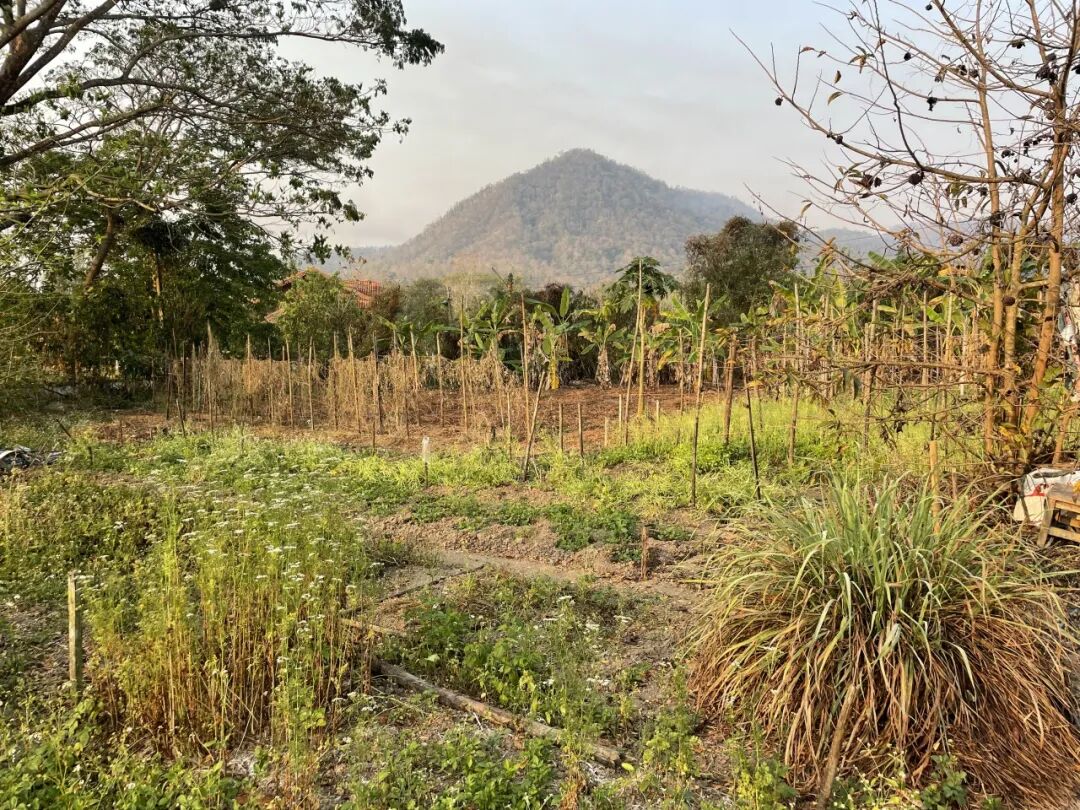
◉ The vegetable plot at the Mae Tha Organic Education Centre
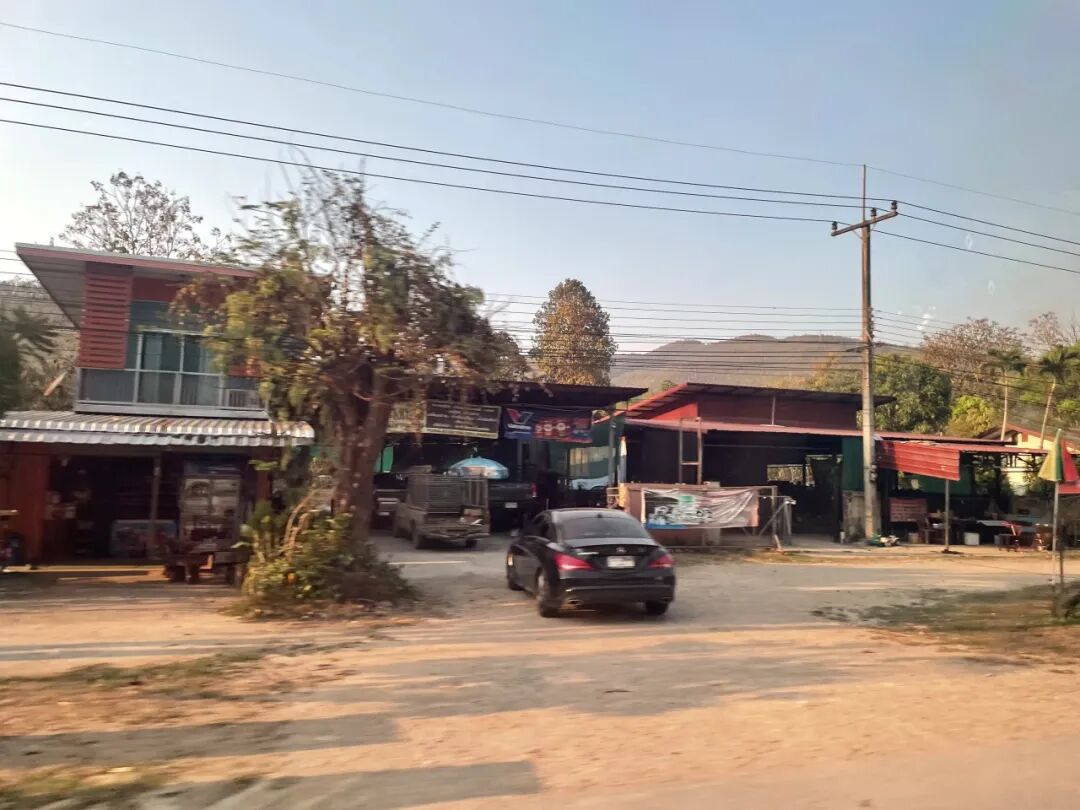
◉ In late February, the air across northern Thailand carries the char of stubble burning
From the 1960s onward, Thai national policy, shaped by the Green Revolution and neoliberalism, prioritised agricultural exports. Farmers were steered from their traditional diversified agroecology – primarily self-sufficient, with sales playing a secondary role – towards specialised, single-crop industrialised agriculture, accompanied by inputs of every kind: pesticides, fertilisers and new seed varieties. The result was a dramatic escalation in production costs. Like many other villages, Mae Tha came, in its pursuit of maximum returns from cash crops, to depend on agribusiness and external markets.
Against this backdrop, Mae Tha’s villagers were forced into a monocropping system of tobacco, peanuts and tomatoes. The land still belonged to the farmers, but in the villagers’ memory, “the government and the companies handed out pesticides, dictated when we planted, what we grew and how much. It was our own land, yet we had no say – only their rules to follow.” “They were like investors; we were their employees.”
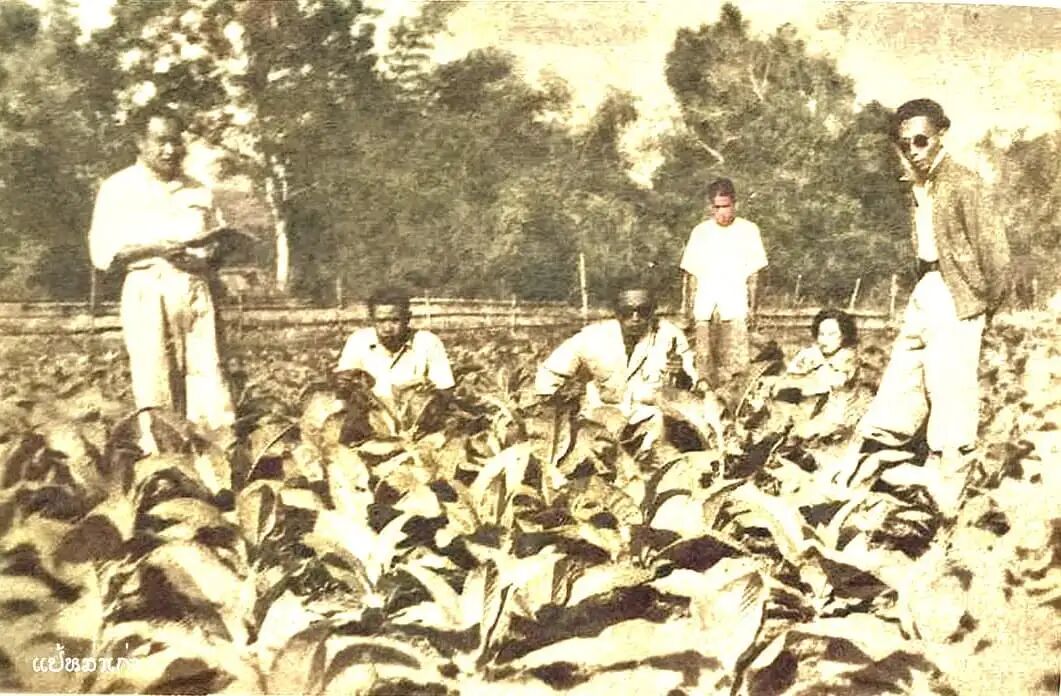
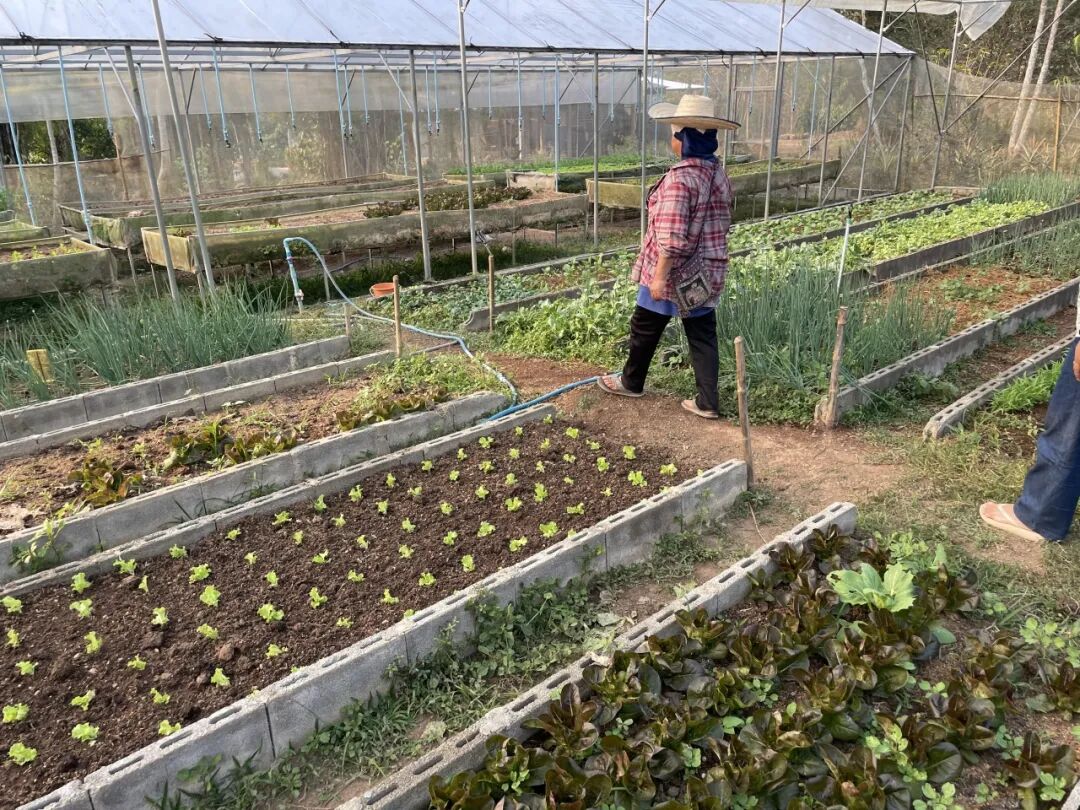
◉ Above: By the mid-twentieth century, many Thai farming households had switched to growing tobacco as a cash crop. Image source: Facebook page Pa Ma Kao Ancient Phrae. Below: Today, Mae Tha village has restored crop diversity. Late February marks the dry season in Chiang Mai. Farming families have installed their own drip irrigation systems, drawing water from rainwater harvesting systems to ensure fresh lettuce reaches the market in good time.
With the heavy use of fertilisers and pesticides, environmental degradation became plain to see. “A dozen different pesticides applied at once” – land quickly lost its fertility, water sources were poisoned, and the environment was ravaged. “You couldn’t find fish, prawns or crabs in the paddy fields any more.” “Yields went up, but the whole ecosystem fell silent” – mountains, rivers and streams all drained of life.
Meanwhile, the villagers’ bodies began to show the toll. “Breathing in the smell of pesticides every day – it felt like I was destroying my own body.” When recalling that period, what villagers mentioned most was physical suffering. “The water wasn’t drinkable.” “Our skin broke out in sores.” “Our health declined.” “We were sick all the time.” Some even died from excessive exposure to chemicals.
Moreover, to fund their shift to single-crop farming, villagers began borrowing to buy seeds, fertilisers and pesticides, and the debts mounted. Yet market prices for these cash crops were volatile, and in the end, earnings often failed to cover what had been owed. High-risk, high-investment monocropping ultimately dragged many families into a debt trap. As a consequence, numerous households had no choice but to seek wage work elsewhere, further straining family ties. Recent research indicates that, owing to structural flaws in agricultural credit, more than half of the nearly four million Thai farmers with a borrowing history are unable to clear their debts before the age of seventy.
Agricultural capital and technology raised yields, but competition among farming households reached unprecedented levels, and the old patterns of mutual labour-sharing gradually faded. Villagers sensed that even neighbourly relations had grown cold, governed increasingly by the calculus of economic self-interest.
The Organic Transition
The rise of organic agriculture in Thailand can be traced to the late 1980s and early 1990s. By then, the Green Revolution had been promoted nationwide, and farmers were applying heavy quantities of fertilisers and pesticides to grow single cash crops, causing soil degradation, water pollution and health crises. At the same time, as the global organic movement spread and environmental awareness grew, Thailand began to see attempts at sustainable and organic agriculture led by non-governmental organisations (NGOs), academic institutions and international development bodies.
Organic agriculture in those early days was driven mainly by grassroots communities and NGOs, and largely took the form of small-scale experiments. During this period, organic farming was closely intertwined with rural development, poverty alleviation, health and ecological conservation, carrying a distinctly social-movement character. Some farmers began selling produce directly to consumers at farmers’ markets, creating a “short supply chain” model that became a significant institutional innovation in Thai organic agriculture. Mae Tha was among the first northern villages to respond and persistently pursue organic methods.
In Mae Tha, the shift from conventional farming to organic agriculture was never a tidy “project implementation” – a box ticked in a single stride. Rather, it was a process of villagers finding their footing, stepping from stone to stone through the confusion of the past, one careful stride at a time.
By the late 1980s, villagers were gradually coming to see that the Green Revolution and industrialised agriculture were making their lives, incomes, health and surroundings worse by the year, and they sought change. Influenced by NGOs and under the leadership of local figure Poh Phat, they formed a small cooperative of ten farming households. After pooling a modest sum, they bought rice directly from their own members, bypassing rice middlemen and selling straight to rice mills. Meanwhile, cooperatives for other farm products began to spring up across Mae Tha.
Even so, at this stage Mae Tha’s income still depended on mainstream cash crops grown through conventional farming. Through the 1990s, prices for agricultural inputs kept rising while purchase prices for produce remained frozen, pushing many villagers into debt. So, to avoid spending on pesticides and fertilisers, they began returning to traditional farming, growing for self-sufficiency once more. In 2000, Mae Tha’s villagers carried forward their pesticide- and fertiliser-free farming methods and established the Mae Tha Sustainable Agriculture Cooperative.
Today, around 740 people across the village are formal members of the cooperative, while other farming households, though not formally enrolled, collaborate closely with it in various capacities. Members coordinate production, consolidate produce, carry out quality checks and handle unified sales. The cooperative is built upon the existing fabric of neighbourly networks, collectively safeguarding market stability and a minimum income. It proved especially vital in the early stages of organic agriculture, using collective organisation to reduce individual risk and helping farming households find a foothold in the market.
Agroecology is first and foremost about one’s own health and the health of the environment, yet cash income matters too. Mae Tha’s produce sells out almost entirely within Chiang Mai. In addition to setting up a stall at the weekly farmers’ market, Mae Tha’s packaged goods have reached major supermarkets. Since taking up agroecology, villagers no longer need to buy pesticides, fertilisers or seeds, and so they no longer fall into debt. With stable sales channels in place, there is also no longer a need to watch the cash-crop market for price swings.
Beyond the cooperative, Mae Tha’s young people established the Mae Tha Organic Agriculture Community Enterprise in 2014, dedicated to organic farming and market development. Run by the younger generation, this community enterprise is more market-oriented, emphasising brand and packaging, and adept at leveraging e-commerce and social-media channels. As a result, Mae Tha’s income now comes not only from produce but also from ventures such as a café and a co-learning camp.
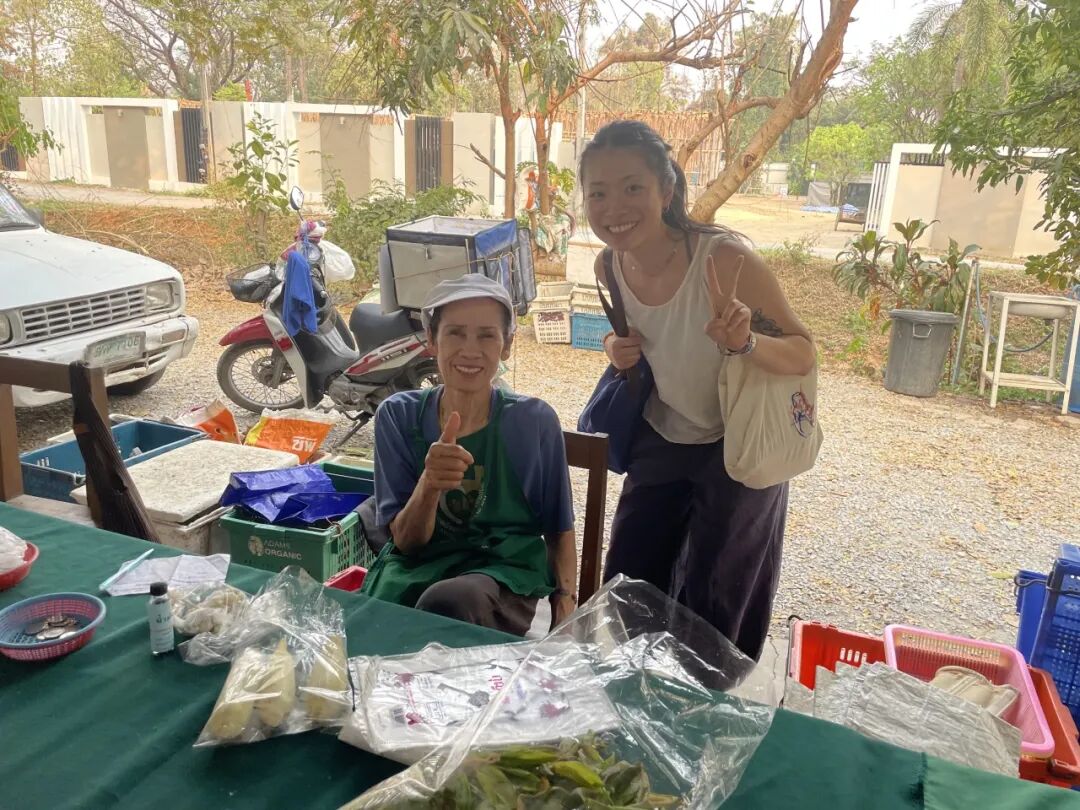
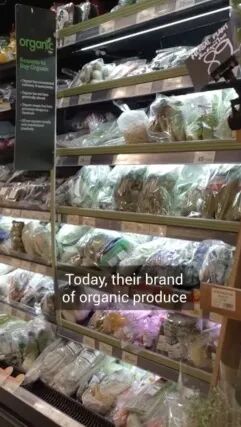
◉ Left: Mae Tha villagers sell at the Saturday market on the outskirts of Chiang Mai. Since market day means a four a.m. start, the work is exhausting, and Matthana’s elderly mother rarely makes the trip now. This time her rare appearance happened to coincide with Jieni (right), one of the authors of this piece. Right: Under the leadership of Mae Tha’s second generation, the village’s products have been stocked in chain supermarkets across Chiang Mai. Image source: South China Morning Post.
Mae Tha, Generation After Generation
The Mae Tha Eco-community comprises seven natural villages, 1,350 households and roughly 4,000 people. Apisak, a community coordinator, says that over 60 per cent of second- and third-generation organic Mae Tha folk have chosen to stay in the village. For them, sustainable agricultural practice encompasses the “sustainability” of people themselves.
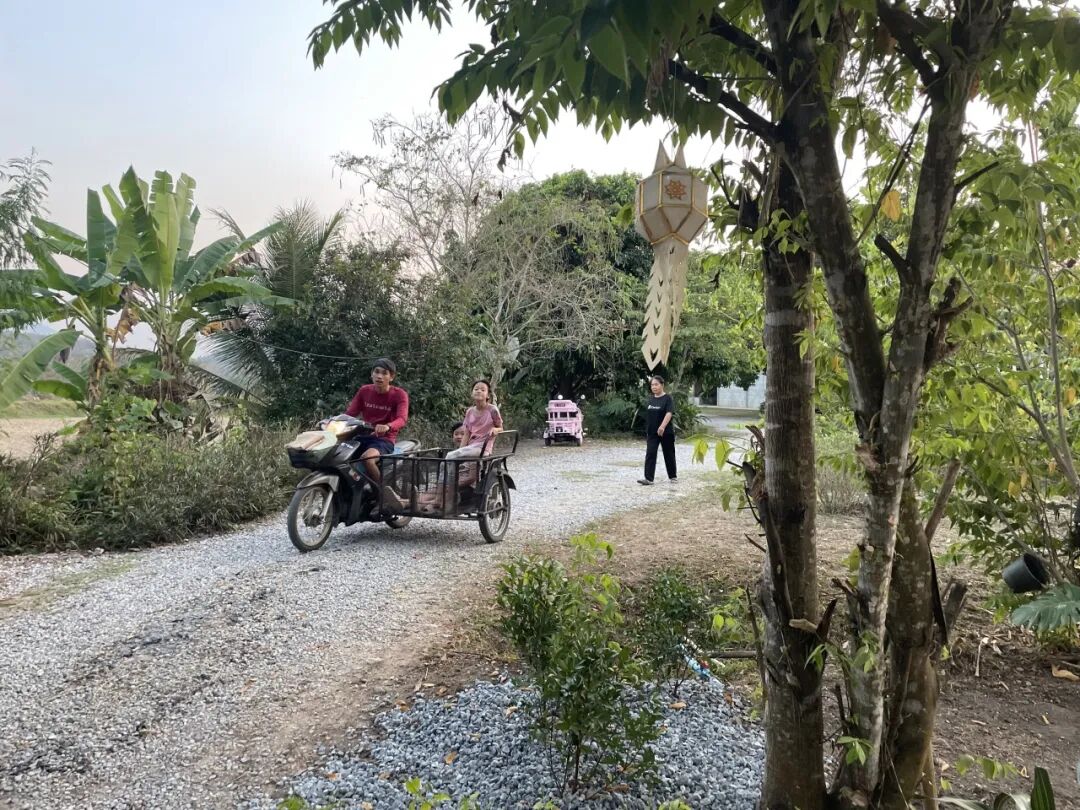
◉ Apisak’s motorcycle – handy for carrying both passengers and produce.
“We’re doing well now, but we will grow old and die.” Apisak does not want Mae Tha to share the fate of other villages, where farmers sign over their land to companies to settle their debts. He believes farmers should own their land – only then do they have freedom. That thread must not break.
In an era when traditional family structures are gradually dissolving, Mae Tha’s organic model remains tightly woven into the village’s own family-based social fabric and depends on the next generation’s involvement and continuity. “Freedom and family” has become a central motif in the narratives of returning young people who head back to the countryside to farm organically. Many of the reasons young people cite for coming home are rooted in family. One villager had left for wage work shortly after his child was born; months later, upon returning, he found that “she – my child – didn’t even recognise me.” “I don’t want a life like that,” he said, and decided to come back to Mae Tha and commit to the organic cause. The prevailing view is that the high degree of labour autonomy organic agriculture offers is a vital way to rebuild bonds within families and the wider community.
“Compared to wage work, organic farming makes me feel there’s a future.” Of course, many young people also mention the ease of rural life – the absence of pressure – as the ideal they aspire to. “Organic farming is hard work, yes, but it’s free; I’m my own master.” Matthana, another community coordinator, is the daughter of the late leader Poh Phat. Matthana had hoped to continue her studies after her undergraduate degree, but her father worried that too much book learning would cost her the basic skills needed to survive. He once said: if a PhD can’t tell which plants are edible and which are poisonous, his diploma is little more than waste paper. Influenced by her father, Matthana returned to the village, created a biodiverse seed-saving plot in the family’s back garden, and took on her father’s role as a community leader.
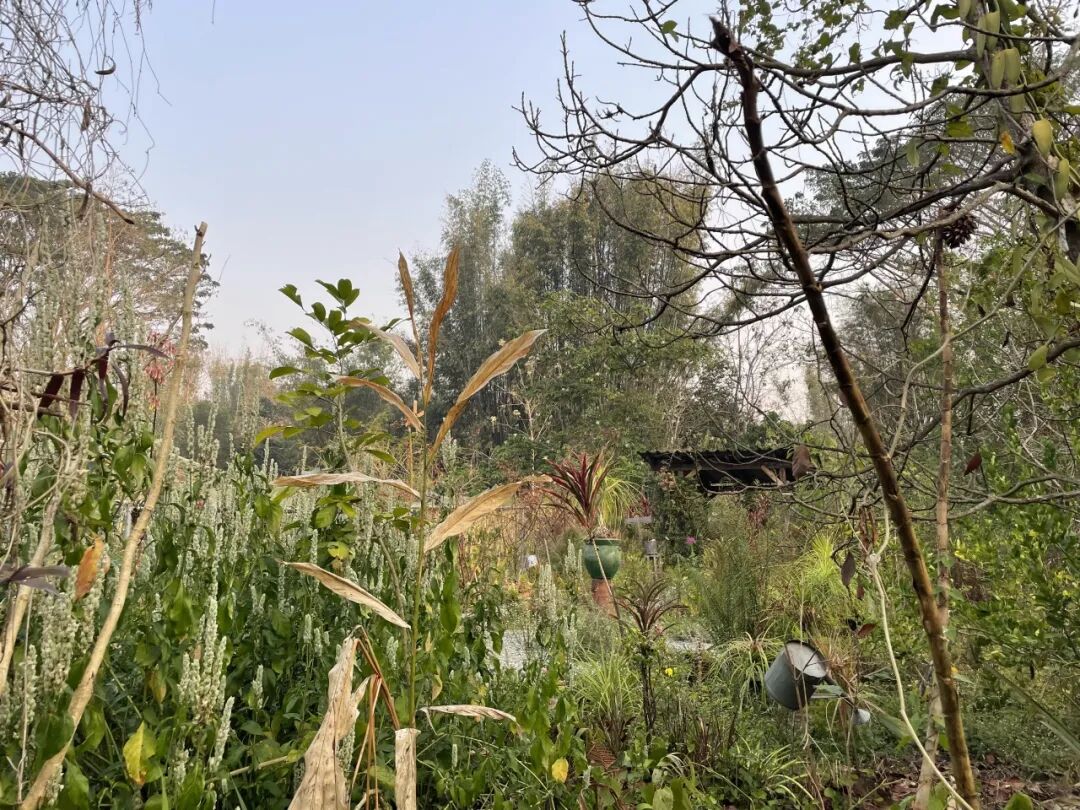
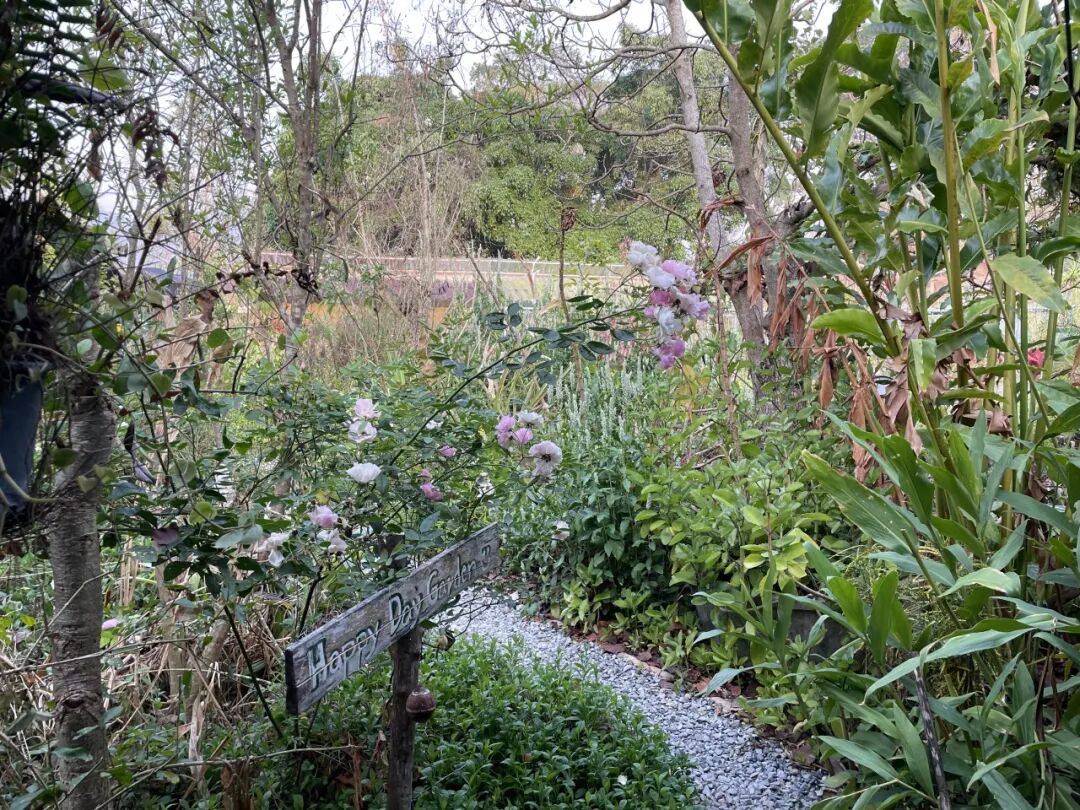
◉ Here and there between the courtyard buildings and pebble-lined paths, seed “plots” pop up unexpectedly. Alongside the vegetables villagers commonly grow, Matthana’s flowers and plantings flourish in an agroforestry plot.
The Making of Collective Memory
Beyond the visible forces – health, the environment, income, community and family bonds – that have kept Mae Tha folk devoted to agroecology year after year for decades, another vital driver is the villagers’ collective memory. By recalling the health and stability that preceded the Green Revolution, they cast the illness, debt and unfreedom of the chemical-farming era in stark relief, underscoring the restoration and hope that organic agriculture brings today.
I asked Matthana if I could photograph her garden. She replied with a light shrug, “No problem, go ahead – though you can find all of this online already.” In their home, every corner seemed laid out as a ready-made story template for Thai and international media.
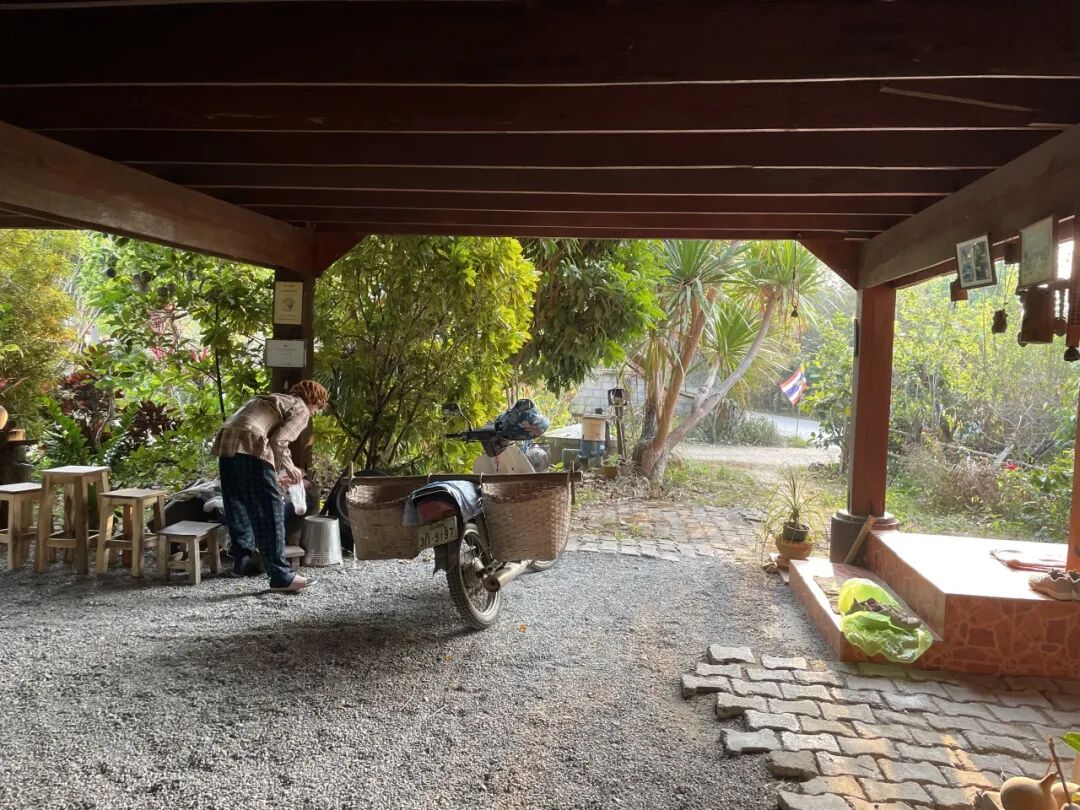
◉ The ground floor and upper floor of Matthana’s house. Her father built it from teak sourced on site, before community forest tenure was contracted out to outside parties.
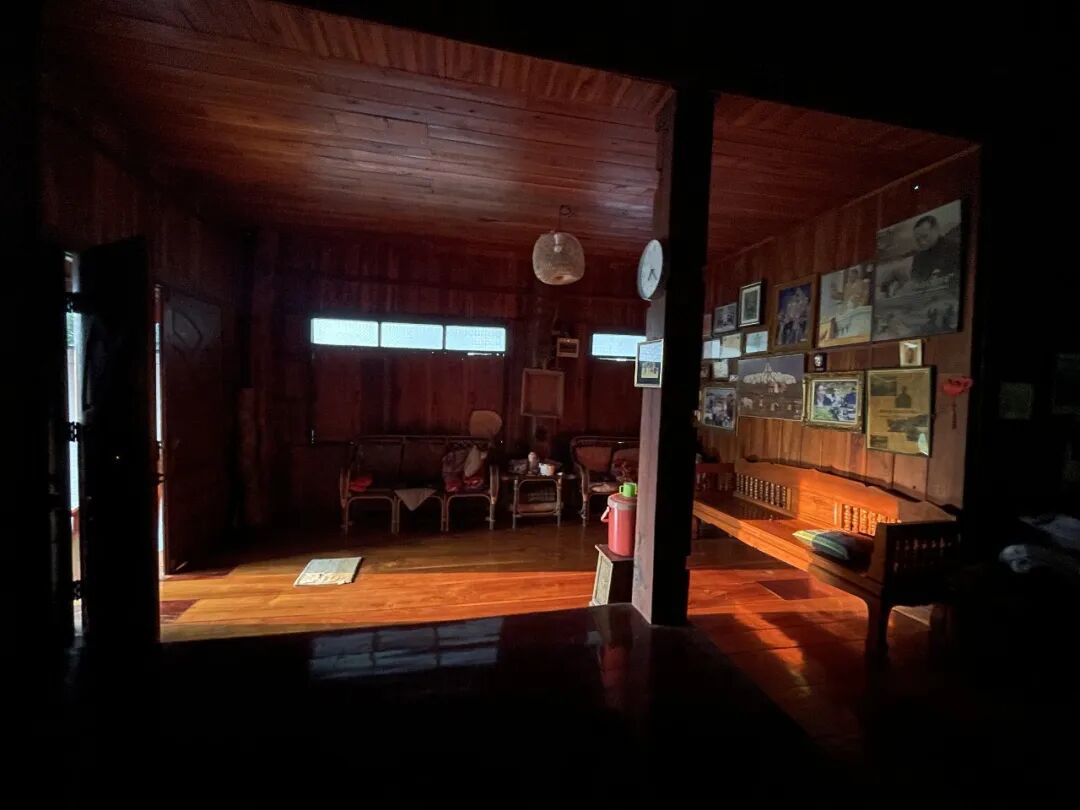
◉ The ground floor and upper floor of Matthana’s house. Her father built it from teak sourced on site, before community forest tenure was contracted out to outside parties.
Indeed, in recent years the media and urban consumer circles have taken an interest in organic agriculture, and Mae Tha’s story has been told countless times in Thailand and abroad. The narrative arc tends to revolve around what villagers call the early “golden age” of self-sufficient farming. They recall how production was geared primarily towards feeding the family – “you grew whatever you felt like eating” – not for sale; only “what was left over went to market.” Farming was diversified: alongside paddy rice, households grew vegetables, cotton and other crops to meet their needs in food, clothing and daily life. Work relied on ox-ploughing and hand labour, with families and kinfolk helping one another, and hired hands being almost unheard of. It is worth noting that the gendered division of labour looms large in these memories: women needed to master fishing and household management to be considered marriageable, while men had to know how to plough and tend the paddies – agricultural knowledge was tightly bound up with gendered identity.
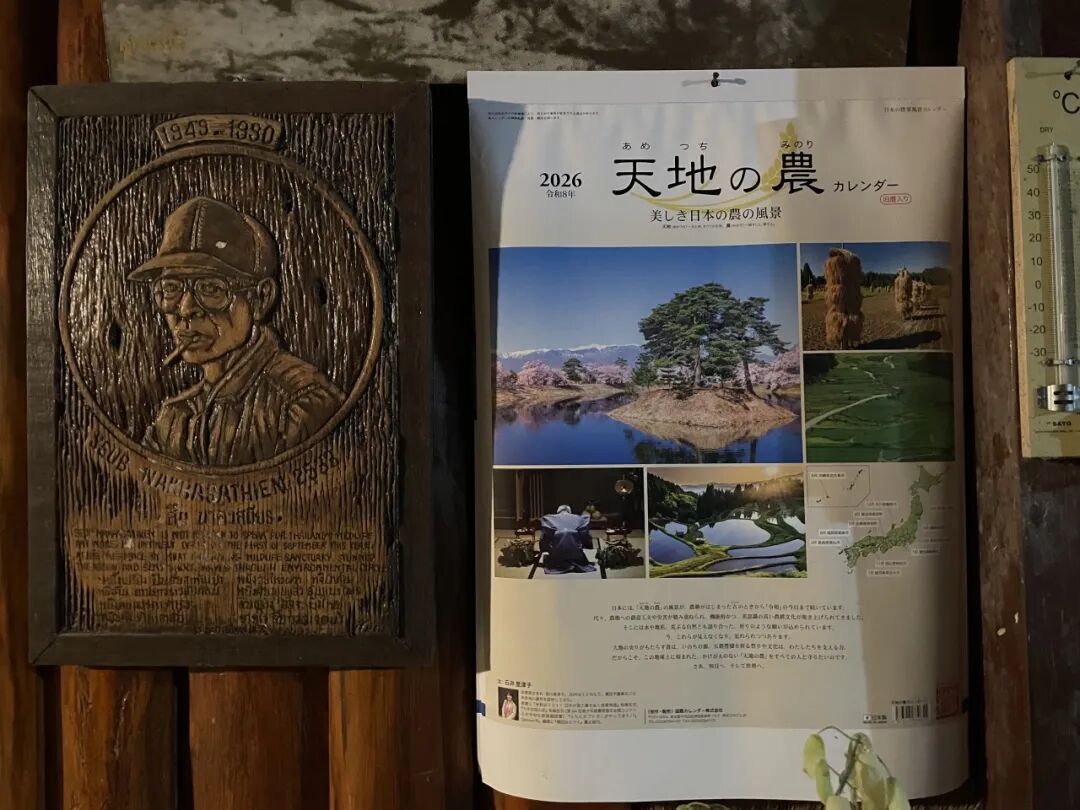
◉ The “Poh Phat” memorial portrait in the home. “Poh” means “Father” in Thai.
Within this romanticised narrative, environmental and bodily health feature prominently. Older villagers often recall how the water in the paddy fields once ran clear and clean – “you could scoop it up and drink it straight from the field” – and how fish, shrimp and crabs were plentiful among the paddies. The food was wholesome, the rice fragrant and sweet, the vegetables and fruits fresh, because “everything we ate came from the land,” and so “people didn’t fall ill as easily back then.”
In short, in the self-sufficient era, labour was hard but the body was spared. Interestingly, these embodied narratives are voiced by older and younger villagers alike. The elders recall “the old days” directly; the young open their stories with “my dad says,” “my mum says,” or “the village elders say.” Of course, beyond the visceral sense of the body, years of building a loyal consumer base have also brought villagers tangible economic benefits from organic production.
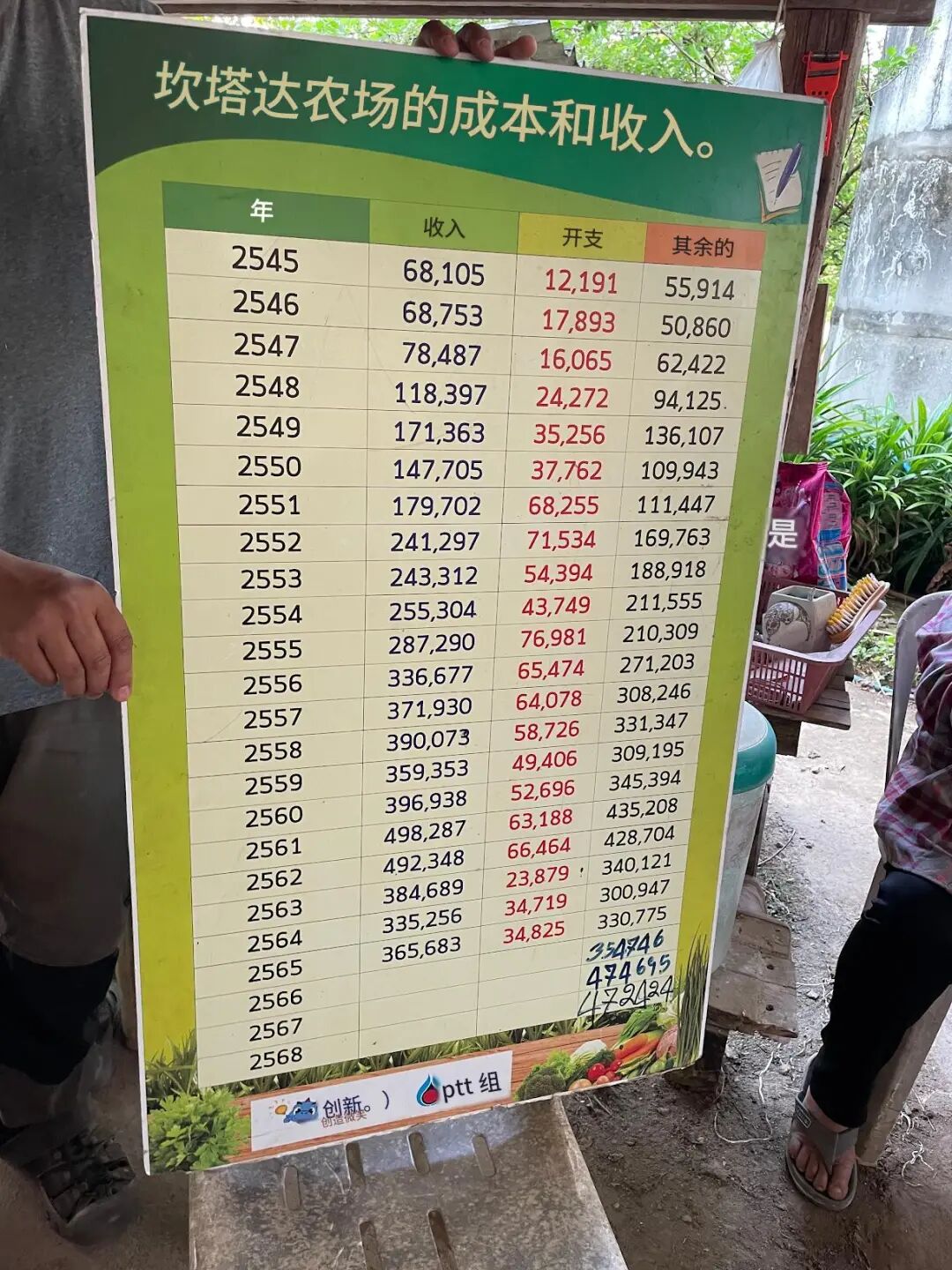
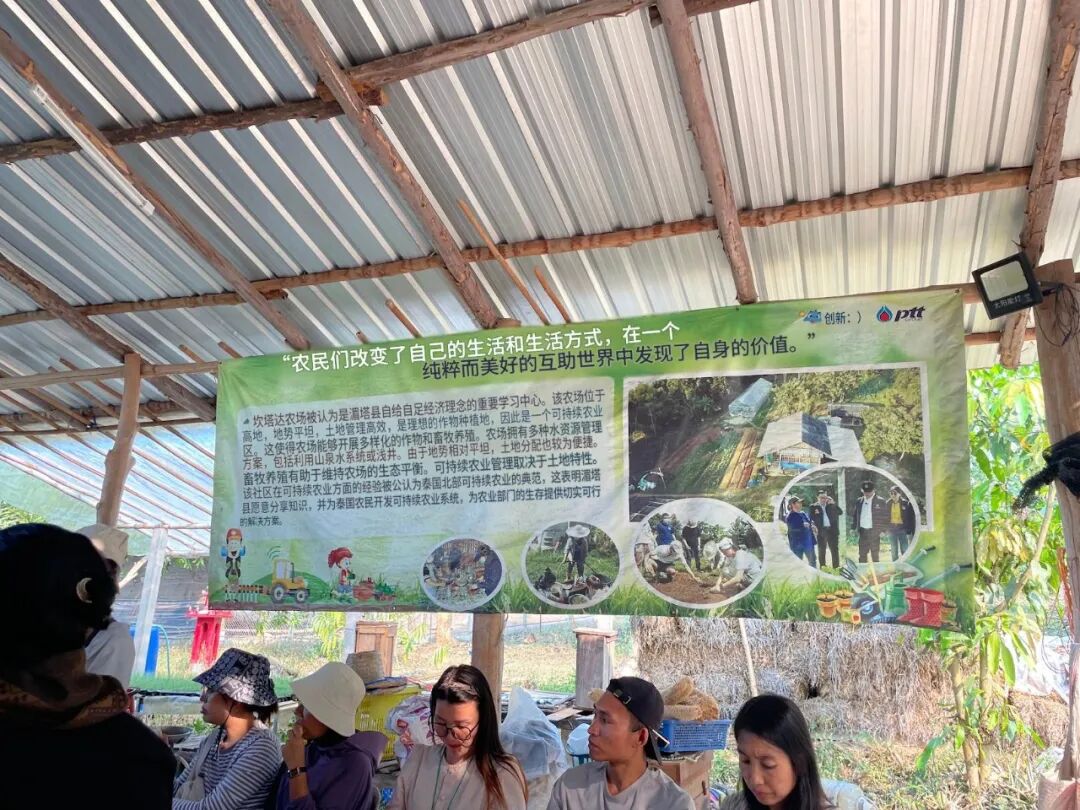
◉ A model farming household has put up a special display board so visitors can see at a glance how household income has quintupled over twenty years since the organic transition (ignoring inflation). The original signage is in Thai; the Chinese text was generated by Google Translate.
Some villagers ascribe an even higher significance to organic agriculture. They emphasise that organic farming “lets you bring your imagination to the work” – agriculture is more than a means of livelihood. “Organic farming isn’t just for ourselves; it’s about beautifying the environment too.” In recent years, villagers have actively participated in forest conservation to contest government claims over the forests their village sits within, asserting their legitimacy as stewards of the woodland. Yet in their storytelling, villagers do not dwell on the political struggle with the state; instead, they stress that organic agriculture rests on the holistic protection of the ecosystem, especially the forest, which provides the water and ecological foundation that organic farming depends upon. “Without the forest, there is no organic agriculture for us.”
Naturally, alongside the Mae Tha history passed down through generations, the village has secured some support from charitable foundations under the third generation’s leadership, helping develop the café and the organic agriculture education centre. Today, a major challenge for Mae Tha is winning more external backing – and applying for projects demands quantifiable evidence. “The education centre’s programme is barely two years old; it’s hard to prove our efficiency. And so much simply can’t be reduced to numbers – we’ve got nothing that looks like hard evidence,” Apisak laughs. “But you know, the moment you step into Mae Tha, you can feel what healthy living is all about. Here, even a glass of beer feels like a healthy beer.”
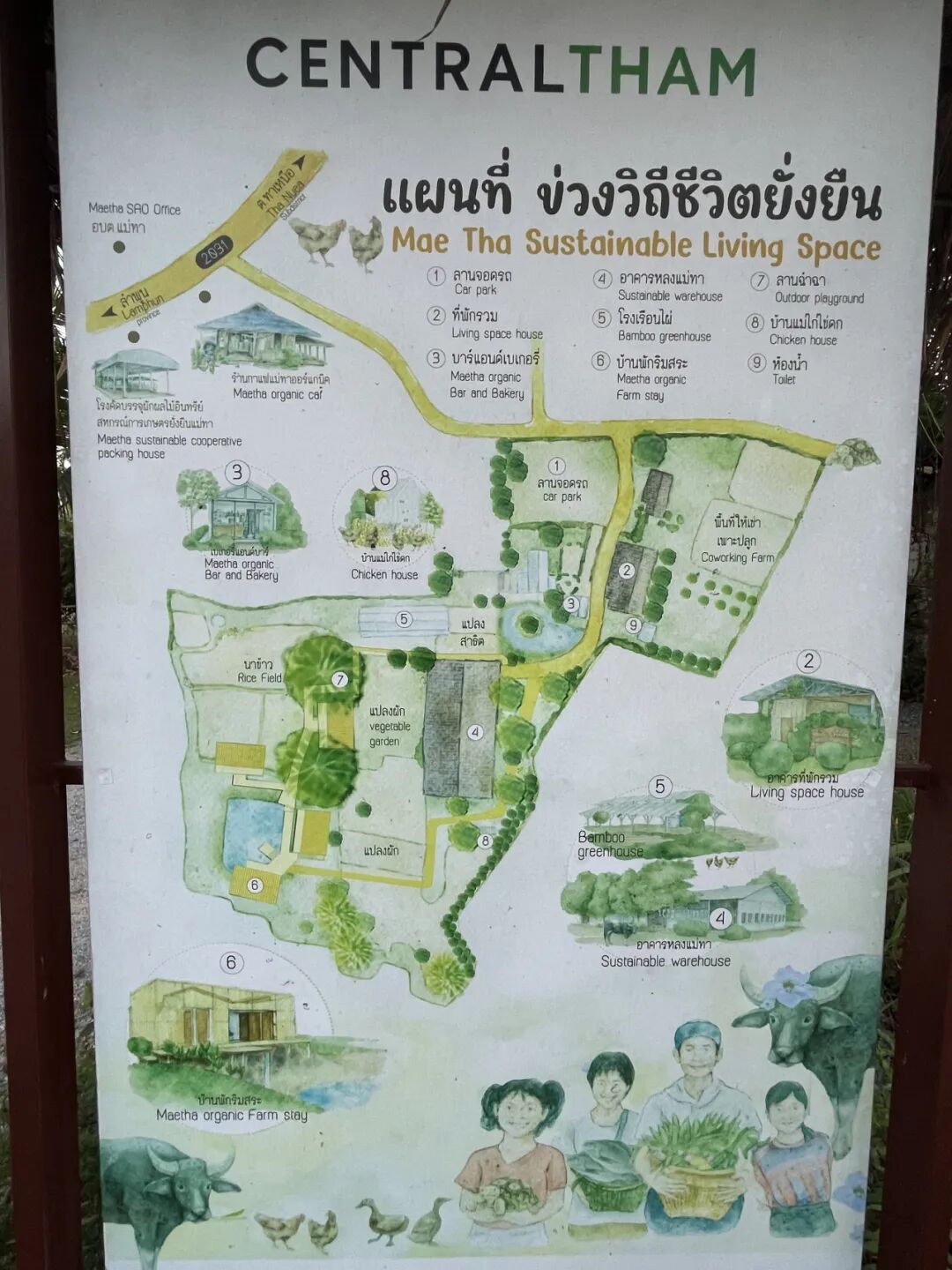
◉ Aerial view of the Mae Tha Organic Agriculture Education Centre, built by the younger generation.
While interviewing Apisak, I could sense how deeply rooted his conviction in his own choices had become – and it was precisely in the act of articulating those choices to others that he reinforced his own understanding. To answer someone else well, you must first understand the question through and through yourself. The agricultural practices of each era have been woven into a story everyone knows and tells with certainty. Health and illness, toil and recovery, bound to the fabric of memory, form the core logic through which farmers comprehend and justify the agricultural transition.
This three-act narrative – “golden age, dark age, age of hope” – does more than recount a history of lived experience; it is continually reaffirmed in exchanges between villagers and the outside world, underpinning the farmers’ choices and actions. On one hand, it supplies villagers and their households with an experiential logic for action: to persist with organic farming rather than seek wage work elsewhere or grow conventional high-value crops. On the other, it constitutes a form of collective social imagination. Through intergenerational transmission and institutional arrangements, villagers keep inculcating this narrative in the young, sustaining the continuity of organic agriculture and of the community itself. Seen this way, Mae Tha’s agricultural transition is not merely a transformation of technique, economics or production models; it is a process in which the reinforcement of shared values lets individual memory and social imagination work upon each other.
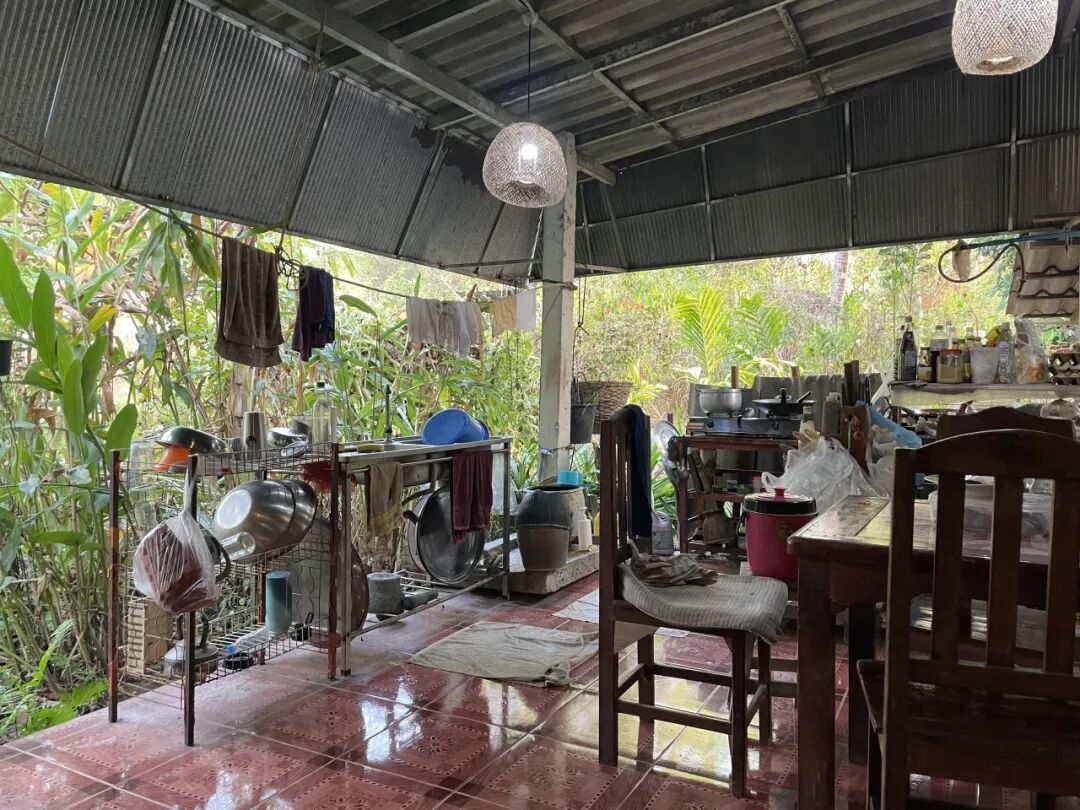
◉ Matthana’s kitchen – one morning we sat here eating sticky rice, fried eggs, a chilli side dish and termite egg soup.
– This is Foodthink’s 856th original article –
Foodthink
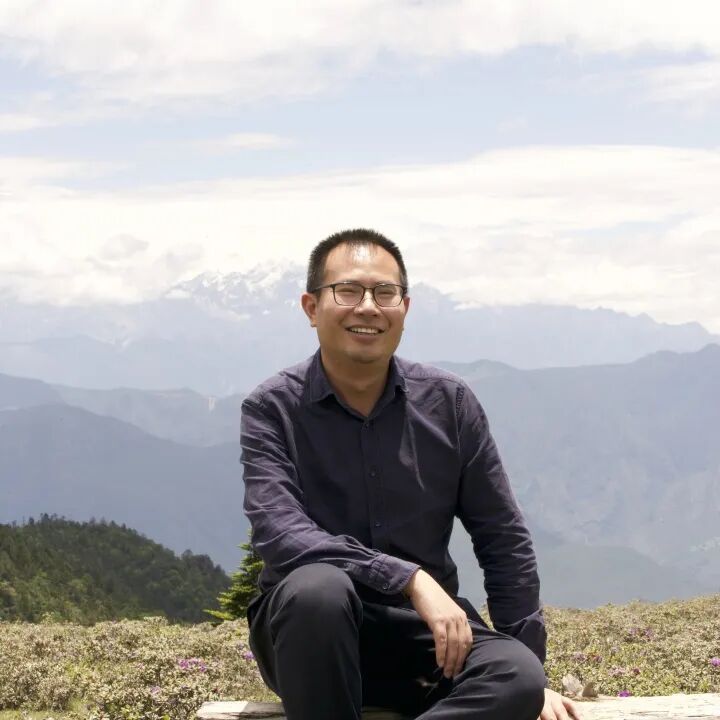
Author
He Haishi
Lecturer in anthropology at Yunnan University, researching agricultural development in Yunnan and cross-border farming connections between China and Southeast Asia.
Foodthink
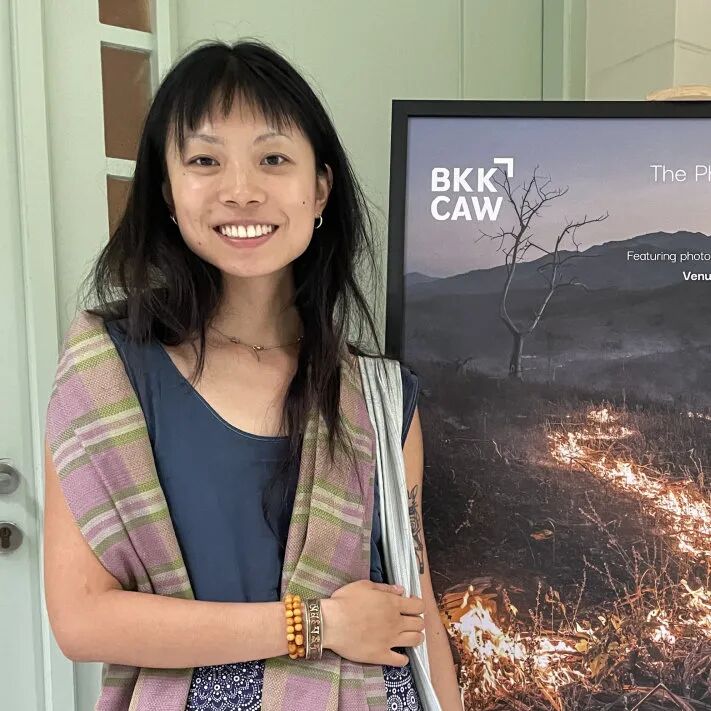
Author
Jieni
Loves old varieties of maize; interested in social and environmental issues.
Author’s Note
Portions of the interviews in this article are drawn from field notes by He Jinhua, He Lingxin, Ejilong, Zhou Wenxuan and others; our thanks to them. Since 2019, the School of Ethnology and Sociology at Yunnan University and the Research Centre for Social Science and Sustainability (RCSD) at Chiang Mai University have jointly hosted the China-Thailand Civilisational Exchange Qualitative Research Summer Camp each year. Students are selected from each institution and led by both Chinese and Thai faculty to four rural fieldwork sites in northern Thailand, spanning Chiang Mai and Chiang Rai province, for short-term research. He Haishi served as one of the Chinese-side supervising instructors for the 2025 cohort and took part in the fieldwork at Mae Tha village. He Jinhua, He Lingxin, Ejilong, Zhou Wenxuan and other undergraduate and postgraduate students from Yunnan University were members of the research team.
Jieni’s visit was supported by the Thai organisation Towards Organic Asia.
Images
All photographs by Jieni unless otherwise credited
Edited by: Tianle
Layout: Xiaoshu
Scan to tip and support original Foodthink journalism
▼

▼
Click an image to read related articles
▼
Click a keyword to browse more articles in the collection
Seeds | Farming Techniques | Policy | Fermentation | Nutrition | Fruit | Fisheries | Events | Recruitment | Takeaway | Markets | Livestock | Food Talk | Sharing Sessions | Book Clubs | Harvest Festivals | Smallholder Stories | Climate Change | Rural Development | Cooperative Economy | Urban Farmers | Food Safety | Digital Technology | Biodiversity | Pandemics and Food | False Solutions | Agroecology Internship Programme
Beijing | Hebei | Shanghai | Guangdong | Guangxi | Henan | Sichuan | Jiangxi | Xinjiang | Shaanxi | Hong Kong | Chongqing | Zhejiang | Jiangsu | Guizhou | Taiwan | Inner Mongolia | Philippines | Canada | Russia | Mexico | Italy | United States | United Kingdom | Germany | Netherlands | Thailand | Sweden | Japan