El Niño Is Still Intensifying – What Have Farmers Already Lost?
Xiaoyun Sheng has noticed that fruit has been particularly hard to sell this year.
The Beijing Organic Farmers’ Market where she works is, simply put, a place that helps ecological smallholder farmers sell their produce. This year, the farmers served by the market have been struck one after another by severe yield reductions – some have even suffered total crop failure.
“There has been an extraordinary amount of extreme weather this year, and it just happens to fall right in the middle of harvest season,” she says. “Total crop failure doesn’t mean not a single fruit survives – it means there is no marketable fruit left that meets shipping standards.” Once blueberries, Chinese bayberries or figs develop fruit cracking, for instance, they simply can no longer be sold as fresh fruit.
The majority of farmers the market works with have known one another for years and long since found their rhythm between growing and selling. What to sell in which season and in what quantities – they have always handled this with ease. But this year’s exceptionally abnormal weather has thrown off the sales rhythm for nearly every product.
Hail Disaster
Shu Yingdong is one of the farmers the Market works with. He grows organic blueberries on 100 mu of hillside land near Kunming in Yunnan, all cultivated in the open. On the evening of 25 April, hail swept down with fury. By that time, the bushes were already laden with fruit. Just two days earlier, the blueberry branches had barely survived a previous bout of hail – but that day’s hailstones had been no bigger than small cherries. By the 24th, the largest had reached the size of an egg.
Meanwhile, passengers waiting at Kunming Changshui Airport were likely startled by a relentless pelting and banging on the roof. The sheer volume of hail in so short a time overwhelmed the terminal’s drainage system, and water began seeping through the ceiling on either side. The departure hall became a veritable Water Curtain Cave. A hundred and thirteen parked aircraft were also battered, and flights were delayed en masse.

◉ Water leaking through the roof of Changshui Airport’s departure hall. Image source: Cover News, via social media
After a single night, Shu Yingdong tallied his losses: over ninety per cent of the crop was gone. From 100 mu, he harvested only seven or eight hundred kilograms of saleable fruit. Records show that on 25 April multiple districts of Kunming issued Level IV hail warnings, followed by severe convective weather bringing hail, thunderstorms with gale-force winds, and short-duration heavy rainfall. In Songming County alone, more than 36,000 mu of crops and polytunnels were affected.
Shu Yingdong has farmed this land for thirteen years. Kunming suffers a late spring cold snap every year; the lowest winter temperatures on the mountain fall below zero, and hail is nothing new to him. Because he does not use pesticides, disease in the fruit bushes is a regular occurrence. But a loss this severe has only happened in the past two years. Last year, his blueberry base in Dali was also hit – in this region, where the dry and wet seasons are starkly distinct, the rains typically do not arrive until June, but in May 2025 the rain fell for thirteen consecutive days. The blueberries, already in fruit, were ruthlessly knocked from the bushes and could not be picked; even those salvaged for shipping posed storage and transport problems. The flavour, too, had been diluted. From fifty mu of land, the harvest was halved.
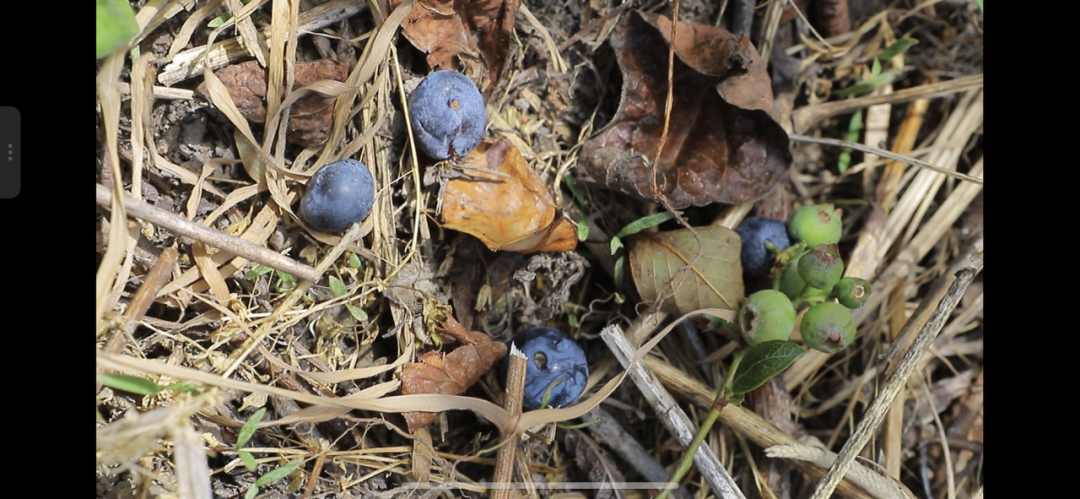
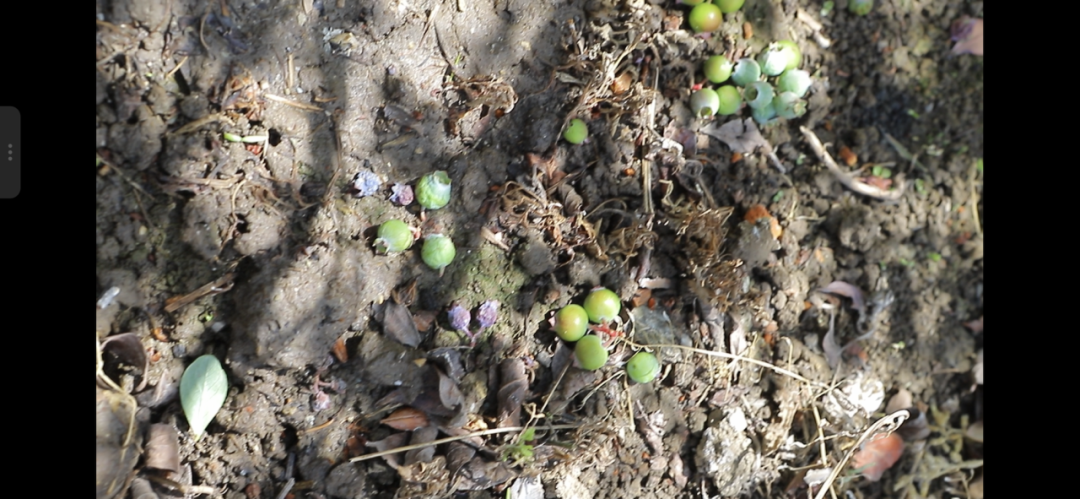
◉ Blueberries knocked to the ground by rain. Image source: Shu Yingdong
Come summer, hail struck North China. In June, a hailstorm lasting more than ten minutes lashed nine mu of open-field vegetable beds at Happy Returning Youth Farm in Hebei Province. By that time, the muskmelons and watermelons had already fruited, and all bore wounds from the hail. The open-air tomatoes were also somewhat affected.
The vegetable beds are in Huailai County, Zhangjiakou, set in an open, flat basin at the foot of the Yanshan Mountains. “Compared with other farmers in the village, I actually consider myself lucky,” says Li Yuxia, who runs the farm. The damage in the northern part of the village was far worse – some people’s roofs were smashed in, with every tile needing replacement, and car windows shattered too. She feels grateful that her cabbages had been covered with insect nets; those who grow entirely in the open field lost every last vegetable to the hail.
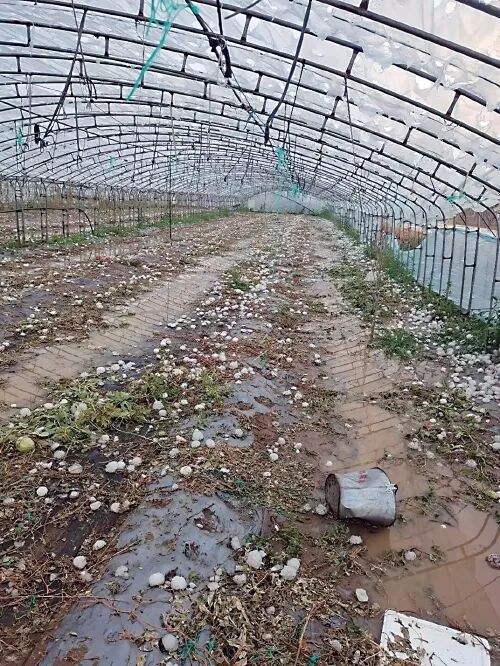
◉ Egg-sized hailstones piercing polytunnel film. Image source: Farmers’ Daily
In August 2023, heavy rainfall had also split more than half the tomatoes in Yuxia’s fields, and cabbages already nibbled by pests all rotted after the downpour. But none of that compared with this year’s losses. After the hail, the rain came down hard again; the wounded muskmelons not only tasted poor but had all rotted within a day or two – effectively a total crop failure. The watermelons, all told, numbered fewer than fifty sold. She says she planted more muskmelon and watermelon this year than in any previous year and put in enormous amounts of labour. Now the only way to offset the losses is to keep planting leafy greens.
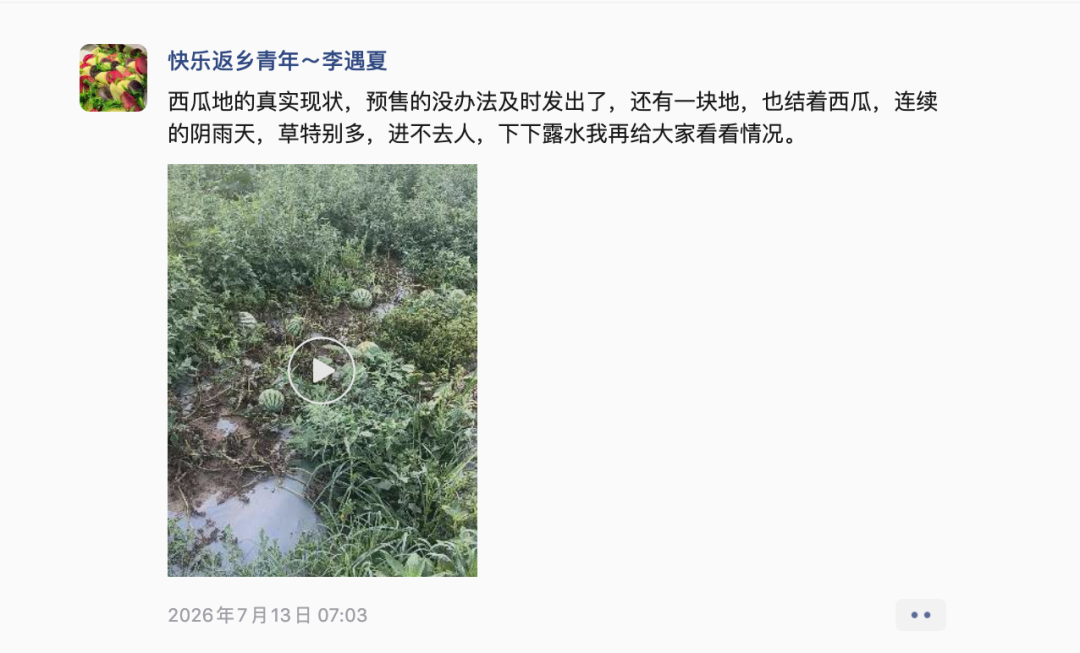
◉ Yuxia’s produce is sold mainly through the Farmers’ Market and her network of acquaintances; she updates customers directly on production and damage via WeChat Moments. Image source: Li Yuxia
“Next year, I simply cannot grow so many muskmelons. I might change the varieties. I’m heartbroken – I’ve only managed to carry on by psyching myself up,” Li Yuxia wrote on WeChat Moments.
North China: Another Rainy Summer
In July, the National Emergency Broadcast issued 515 hail warnings for Hebei Province, covering the core fruit and vegetable growing areas of Baoding, Zhangjiakou and Shijiazhuang. The vast majority were rated orange, indicating a high risk of disaster from severe convection and large hail.
Striking the North China Plain alongside the hail was torrential rain. According to statistics from the China Meteorological Administration, the 2026 North China rainy season lasted 50 days – 20 days longer than the annual average – with rainfall 74.2% above the yearly norm.
Lianxiang Farm in Chengde, Hebei, has six heated greenhouses in total; this year, four of them were waterlogged and collapsed. In previous years, low spots in the greenhouses would also collect water, and farmers could pump it out. But this year the rain came so heavily all at once that water was everywhere and it simply could not be drained. “We have been farming for more than ten years and never encountered rain this heavy,” says the farm owner, Yingying. Even the vegetables stored in the small hut at the greenhouse entrance were all soaked and washed out.
As a result, an entire greenhouse of tomatoes – due to ripen at the end of June and go to market in early July – was completely ruined. Half the eggplants, which should have kept fruiting right through to October, were drowned off. The cucumbers and watermelons both lost a harvest.
Tomatoes are Lianxiang’s star product. Under ideal conditions, this batch of tomatoes alone should have brought in 40,000–50,000 yuan in revenue. The greenhouse itself also had to be demolished and rebuilt; it was not back in use until mid-August.
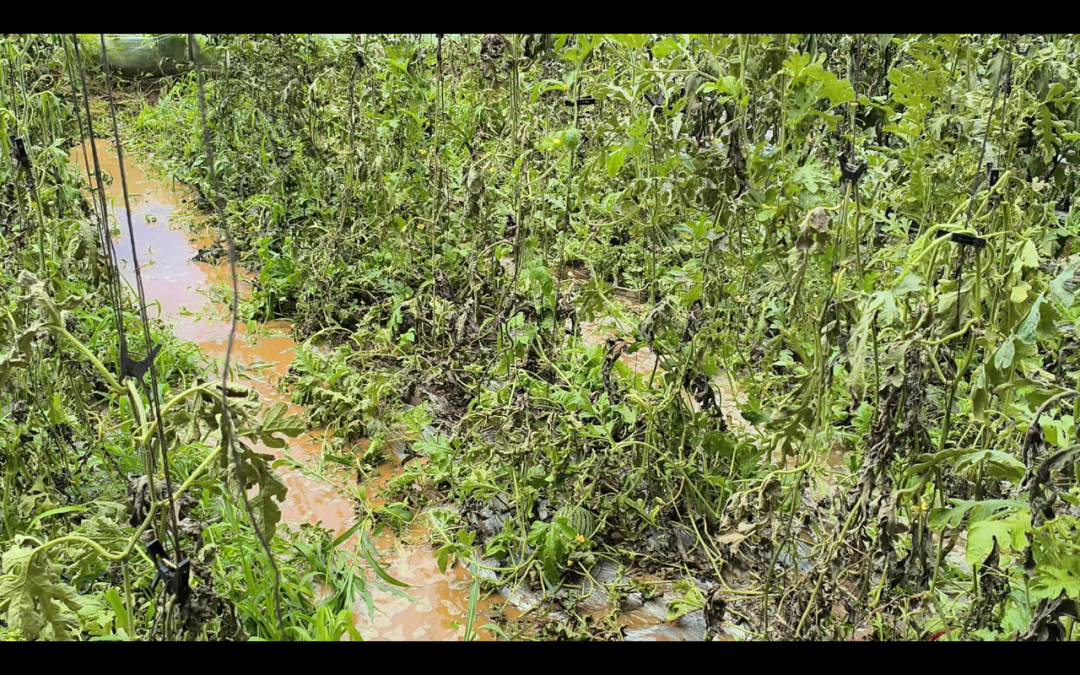
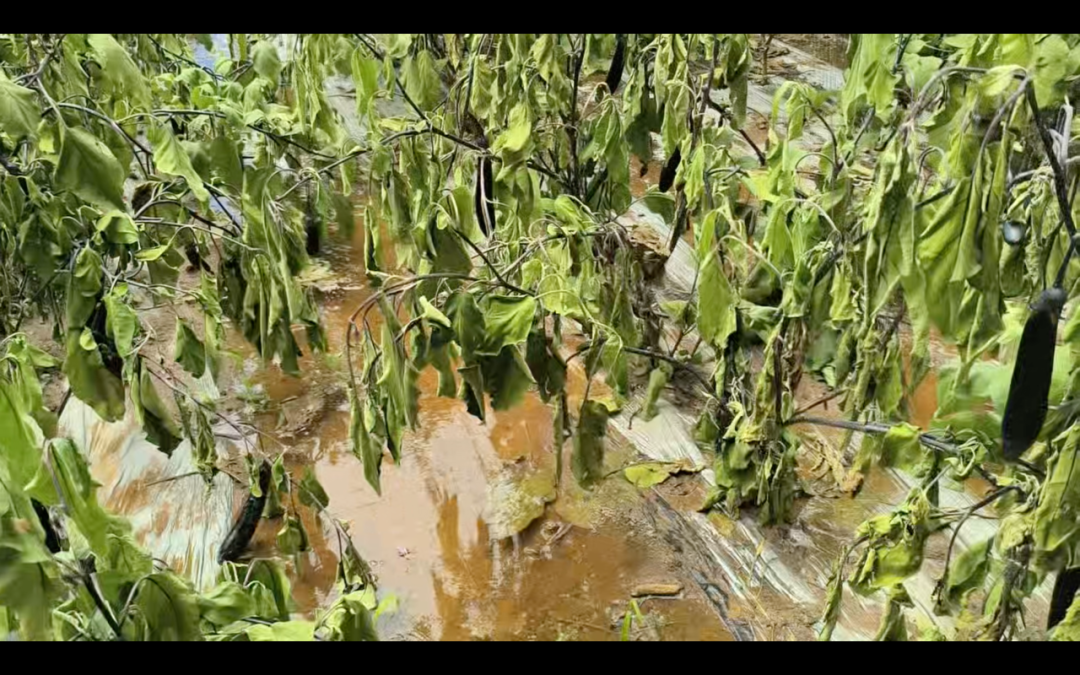
◉ On 14 July, waterlogged watermelons (left) and eggplants (right) inside a heated greenhouse at Lianxiang Farm. Image source: Ren Yingying
Further south, Zhang Erpeng, who grows grapes in Pingdingshan, Henan, has also been suffering badly from the rain. Erpeng graduated from the Institute of Botany, Chinese Academy of Sciences, specialising in grapes. He began growing grapes in his hometown while still in graduate school and has been at it for twelve years now. In the early years, experimenting with varieties and developing techniques meant barely any harvest. Just as he had reached a stable production period, the rain kept increasing year on year – and always falling right during grape-ripening season.
“The more rain there is, the more prone grapes are to disease,” Erpeng explains. The table grapes he grows originated in the low-rainfall regions of Central and West Asia and are simply not tolerant of excess rain.
Another problem is fruit cracking. “In late June and early July, the grapes are still in their fruit enlargement stage. After a downpour, the berries absorb far too much water; the skin cannot grow fast enough to keep up with the rate of absorption, and it just bursts.”
Last year, Erpeng’s yield was 650 kg per mu. This year, he had originally estimated that with intensified management he could reach 750 kg per mu, but five consecutive days of torrential rain during the harvest period left him with not even 500 kg per mu.
The 2021 Zhengzhou floods made ordinary people begin to take notice of the consequences of warming and humidification in the north. That year, Erpeng’s vineyard was submerged six times. Since then, summer flooding in orchards has become the norm.
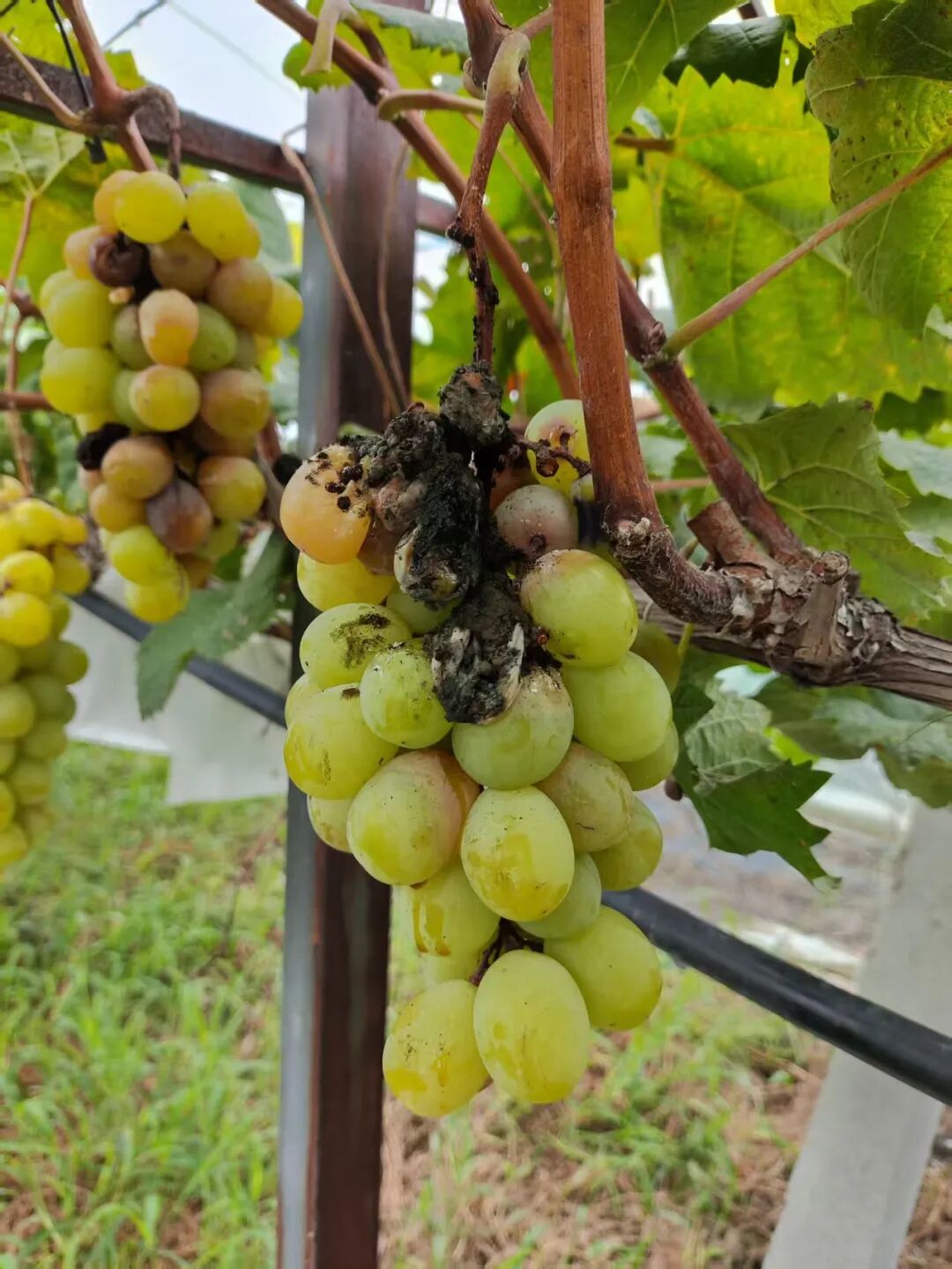
◉ Grapes stricken with disease after water exposure. Image source: Erpeng
Nothing but Rain, Rain, Rain Across the Whole Country?
Just in late October, at a farmers’ market in Chongzhou, Chengdu, the topic of climate change had the farmers from the surrounding area all talking at once, and every single one had suffered. In their view, rain had done the most damage this year. The July–August monsoon has long been a nuisance for local growers, but this year the rain began falling right after the Spring Festival, and in the western outskirts of Chengdu – where the land sits low and lies close to Dujiangyan – it was still going in late March. At the farm of Xuemei, a fellow grower near Chengdu, the land is low-lying and the rain heavy; after she harvested her garlic scapes around the Spring Festival, the wounds on the plants never healed, and the harvest halved.
And even after the rainy season gave way to autumn, the gloomy drizzle simply would not let up. When Xuemei dug up her taro, the overcast, rainy days meant it could not dry properly; by the time it reached her customers, it had all gone bad.
Southwest of Chengdu, in the rolling hill country near Pujiang County, two citrus orchards lost their fruit to disease triggered by rain after the trees had fruited. On the low-lying ground, the citrus had moulded into what farmers call “black balls”.
Junqiao Farm, where the market was held, has dedicated more than ten mu of its land to a flood-retention wetland – a defence against July’s drought and the ferocious swelling of the river beside it during August downpours.
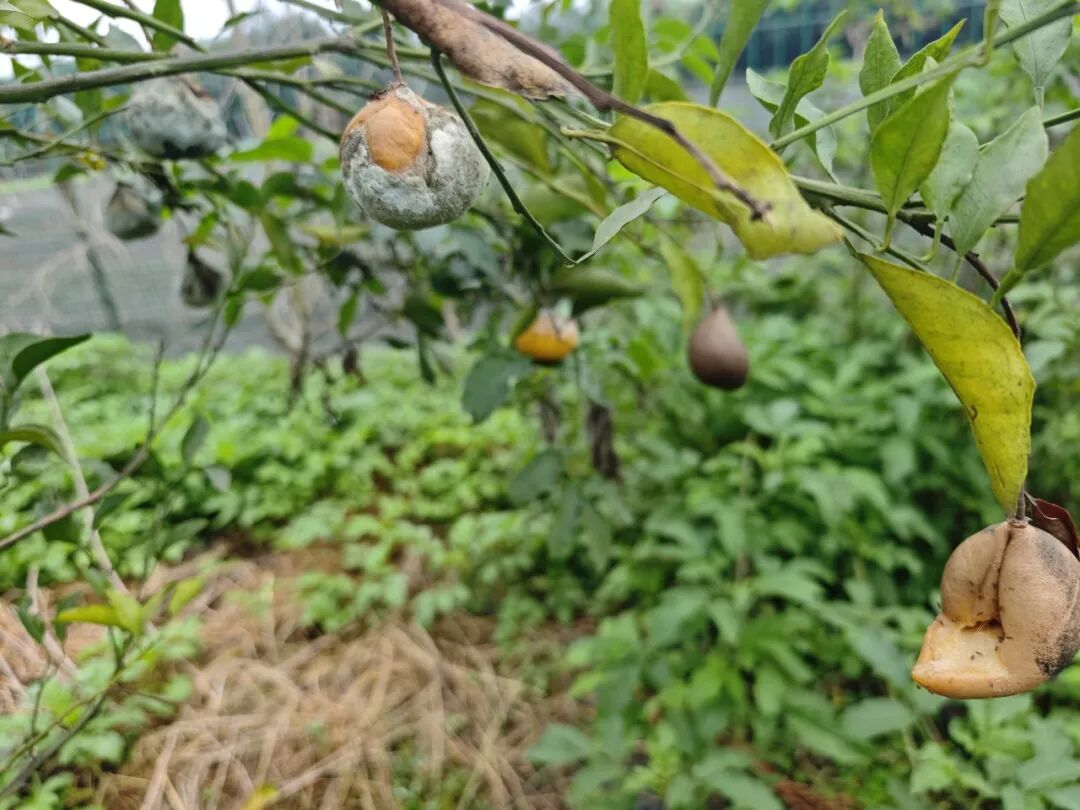
◉ Mouldy citrus turning into “black balls” at a farm near Chengdu. Image source: He
There is another farmer also called Xuemei, who grows garlic, ginger, taro and sugarcane in the dry-hot valley along the Jinsha River in Heqing County, Dali, Yunnan, and over the past two years has begun expanding into peanuts. Although some years have been exceptionally dry, she considers the rainfall conditions broadly suitable.
But in April 2026, two of her three garlic plots suffered total crop failure, leaving just a fifth of the usual harvest. Of more than ten mu of peanuts, she reaped no more than two mu’s worth in a normal year, and even of that, barely half could be sold. The ginger, too, was entirely flooded out.
The garlic was ruined by rain. Late last year and again around the April harvest this year, the rain simply would not stop, and soil-borne diseases such as white rot (black-shell disease) spread through the plants’ root systems. “When you need rain, there is none – drought and pest damage are severe; then all at once a violent storm hits, the fields become a sea, and the soil compacts into a crust.” That is how Xuemei describes the way it rains now, and it matches what we heard from farmers around Chengdu and in Guangxi.
The disease had already appeared in quite a few households in the village the year before last. Last year Xuemei’s garlic crop dropped by thirty per cent. Her elder brother and younger brother were both hit too. Xuemei switched to a different plot afterwards, but the disease kept spreading regardless.
Garlic and ginger account for more than seventy per cent of Xuemei’s annual income. Switching to peanuts was meant to offset some of the losses, but the peanuts, too, ran into drought, rat damage and disease just as the pods were forming, making it hard to meet shipping standards. In years past, rats would nibble a few crops – Xuemei once posted this on WeChat Moments as proof of the quality of her ecological growing – but it never reached plague proportions. Now she reflects: the little animals must sense something is wrong with the weather and are stocking up early!
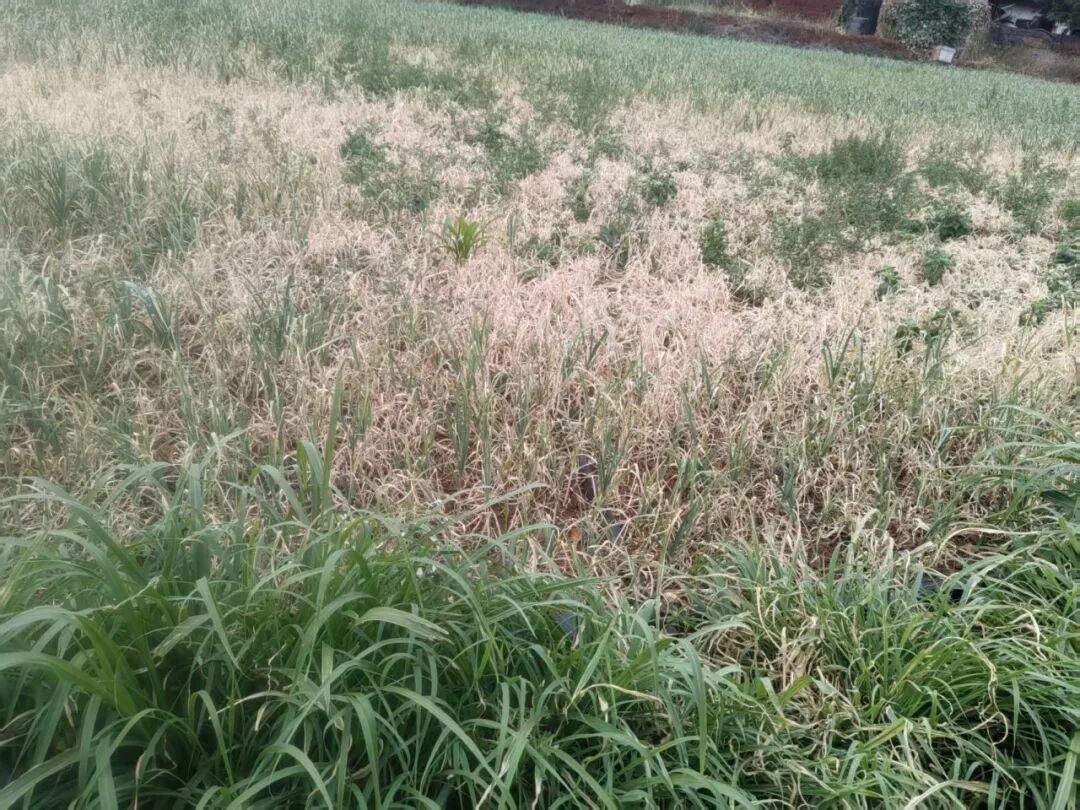
◉ Yellowing garlic seedlings stricken with white rot. Image source: Xuemei
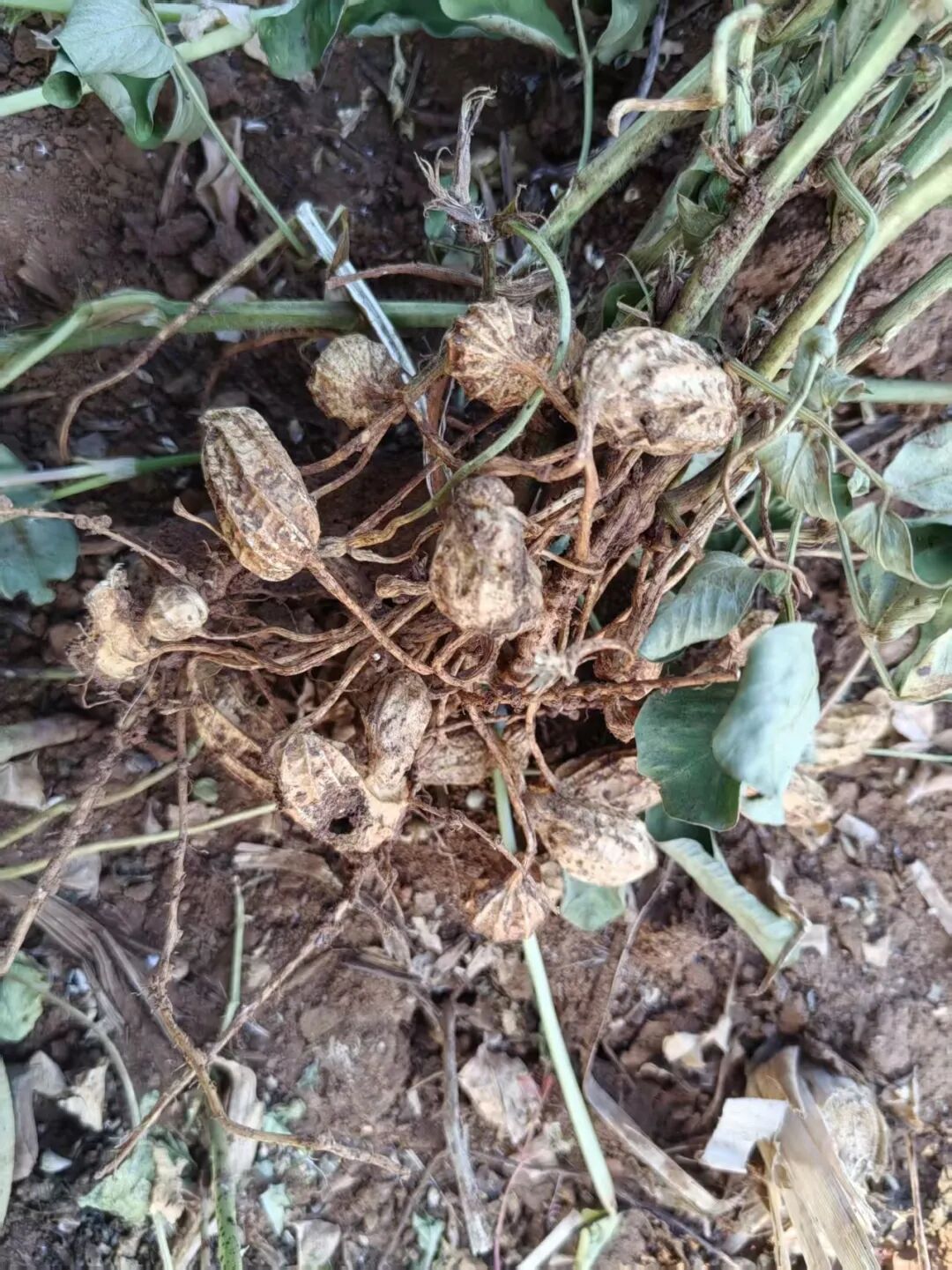
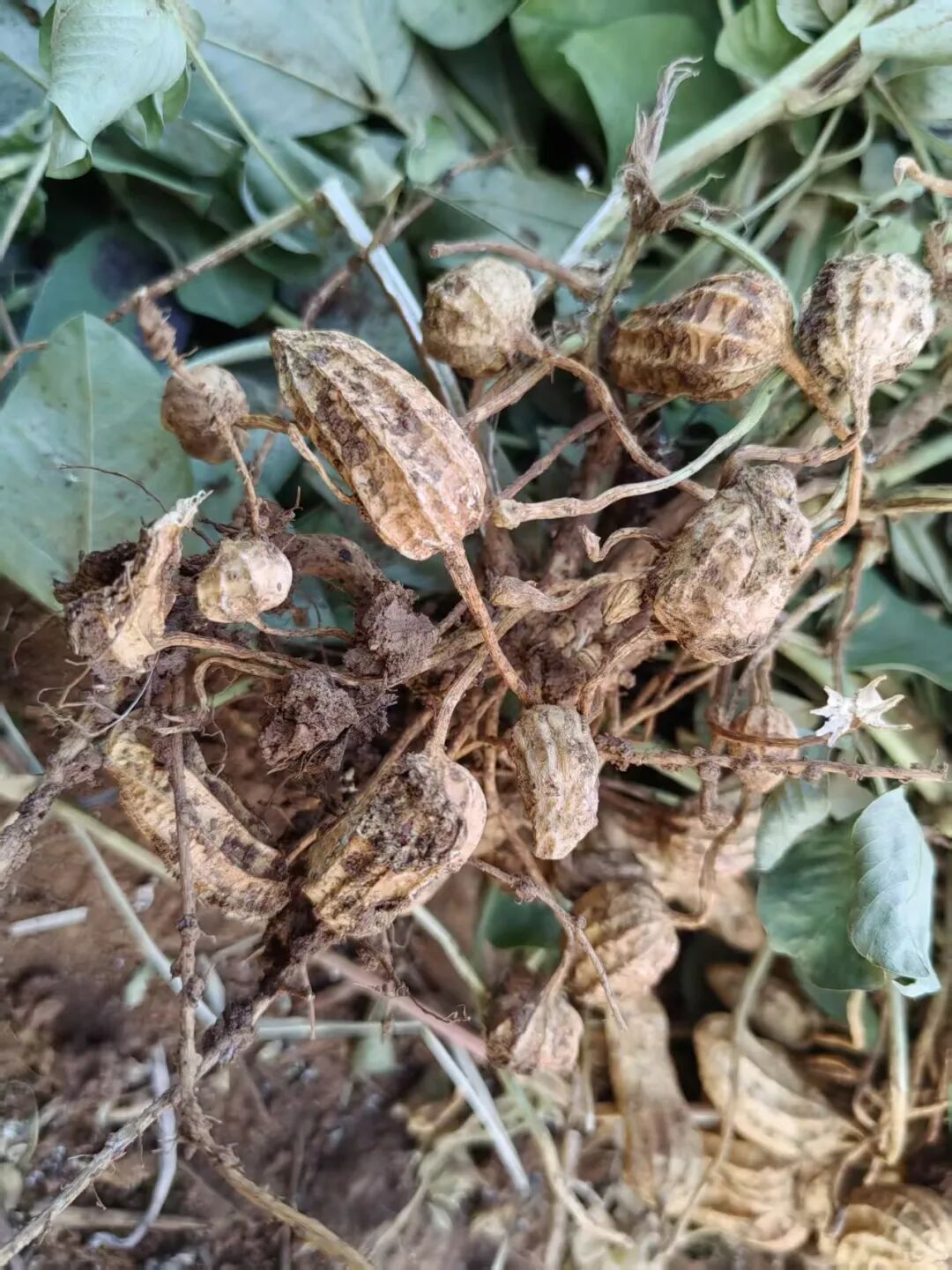
◉ Peanuts damaged by disease and gnawing. Image source: Xuemei
Meteorological data confirms what the farmers themselves have been feeling about the rain. The report on national natural disasters for the first three quarters of 2026, released by the Office of the National Committee for Disaster Prevention, Reduction and Relief and the Ministry of Emergency Management, shows that 24 typhoons formed across the northwestern Pacific and the South China Sea, of which 7 made landfall in China – both figures far above the long-term average.
South Wind reported that rainfall in South China, North China and the Northeast was also markedly above normal. The North China rainy season lasted 50 days – 20 days longer than usual – with cumulative rainfall 74.2% above the long-term average.
The disaster report cited earlier also noted hail. In the first three quarters of 2026, there were 35 regional episodes of severe convective weather across China, affecting 1.2343 million hectares of crops – in other words, the area of farmland hit by hail nationwide was the equivalent of the entire city of Tianjin.
Looking at just the first three quarters, this year is the hottest on record for this period since 1961 in China. The national average temperature was 13.1°C, 1.1°C above the long-term average for the same span. Professor Zhang Qinghong of the Department of Atmospheric and Oceanic Sciences at Peking University’s School of Physics has pointed out that as the climate warms, hailstones actually grow larger. This is because more warm, moist air is rising and the atmosphere holds more moisture – as if fitting the storm clouds with a stronger engine and a richer supply of raw materials.
After Disaster: What Next?
Wei Guanghai’s father, a fellow farmer in Du’an, Guangxi, began growing Shatian pomelos in 1987. In 2013, Guanghai came home to take over two mu of the old fruit trees and also planted twenty mu of red-fleshed pomelo. Growing pomelos is the family’s signature skill and the farm’s main selling point. But in the winter of 2023, unbroken damp weather threw the blossoming cycle into chaos, and by 2025 a mild winter made flower bud differentiation even harder – the harvest plunged.
Yet Guanghai’s biggest headache is not the lost income from lower yields but the sheer effort of quality control after a collapse in volume, and the after-sales problems that follow. Pomelos from different branches and heights on the same tree vary in sweetness and size; the grower must “manage” the fruit through branch pruning, root pruning and nutrient sprays – all costly in labour and money. Moreover, ecological growing prioritises the healthy development of the trees and cannot impose the rigid uniformity of a conventional orchard. When yields were high, Guanghai could roughly sort fruit by size into sacks and ship them to the local market. But with fewer pomelos, that quality control becomes far harder. Customers who buy online remember only the sweetness they tasted before, and expectations are inevitably disappointed.
So in 2026, with rain still battering both yields and flavour, Wei Guanghai simply gave up managing the trees.
Xiaoyun Sheng has noticed that the gap between consumers’ expectation of certainty and ever more uncontrollable weather extremes leaves many ecological farmers at a disadvantage in online sales. “In the past, when we talked about ecological farming, it was usually about whether consumers were willing to pay a premium for environmental protection. Now, even if they are willing to pay, platform fulfilment rules, logistics systems and highly standardised supply chains can still squeeze ecological produce indirectly out of the market,” she laments.
Knowing that sales channels demand stability, some farmers only dare to report the good news and hide the bad, fearing they will lose partnerships next year. Sometimes it is also a form of self-reassurance, Xiaoyun Sheng says: because of extreme weather, a farmer near Beijing was unable to supply the Beijing Organic Farmers’ Market for two months last year, yet kept saying, “It’s fine, it’s fine.”
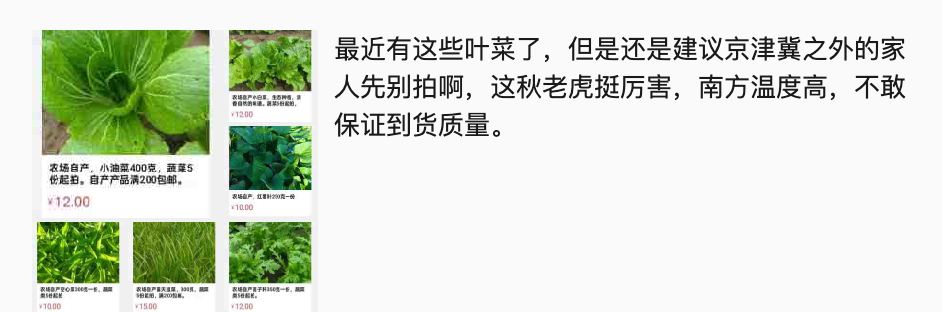
◉ Because weather in transit is unreliable, Yuxia advises her southern customers on WeChat Moments to think twice before ordering leafy greens.
Faced with lost income, Guanghai tried to make up the shortfall by growing more passion fruit – but yields had already peaked in 2025. In his little test plot of just over one mu, the passion-fruit canes are kept dense, and when the rain fell non-stop through all of June, a bacterial disease outbreak struck. He put in more management input, but the yield refused to grow.
Thanks to the heat and humidity, Xuemei in Yunnan lost her garlic, ginger and peanut harvests, but her sugarcane actually grew better. Still, this unexpected silver lining is rather like a chicken rib – barely worth the effort. Even within the ecological-farming circle, demand for organic sugarcane is limited, and hauling it to a mill for sugar extraction costs extra money, so it cannot really be called a windfall.
Resilience and Cost
Many farmers believe that ecological farming offers an advantage against extreme weather: healthier soil, deeper root systems, greater stress resistance, and a more intact ecosystem. The examples are everywhere: when the summer sun blazes down, sun-exposed fruit suffers lower rates of peel damage; weeds help kiwifruit retain dew during droughts and soak up rainfall, preventing waterlogging around grapevines; garlic fields under ecological cultivation have healthier soil and stand up better to disease in wet weather; growing several crops with different life cycles on the same plot hedges against total crop loss.
Yet when a disaster crosses a certain threshold, ecological farming finds it hard to compete in the short term against “technological brute force”. When excessive rain lets pathogens run wild, for instance, conventional growers can push back by ramping up chemical pesticide applications, but ecological farmers are restricted to plant-, microbial- or mineral-based preparations of limited efficacy, making it difficult to target diseases specifically. Take garlic white rot: one farmer we interviewed, thanks to healthy soil, had gone disease-free in earlier years. But this year it was, in fact, the two households that had suffered severe yield losses and bought more fungicide who managed to hold their harvest.
This farmer noticed that more and more people in the village had started “doing what the farm supplies shop tells them to do.”
So what does the farm supplies shop’s technical package actually look like? “In the main growing areas, it used to cost 200–500 yuan per mu to get a decent yield. Now, just keeping two types of soil-borne disease at bay costs 1,200 yuan; add the rest of the treatments and you are paying 1,400–1,700 yuan to the farm supplies shop over a year. Yet total income from an entire mu is only 4,000–8,000 yuan.”
The garlic seeds she saw had been “soaked until they turned a vivid green.” After planting, the seedlings still need spraying during the early growth stage, and once established, a further chemical schedule follows. “The villagers say among themselves that they wouldn’t dare eat what’s grown this way,” she adds.
To keep growing garlic, many villagers are considering renting land in neighbouring counties where the disease has not yet appeared. She herself faces the same dilemma.
Another farmer who grows garlic near Chengdu laid plastic film over her plots just this past September. That way, when the rain returns, it will not seep into the soil but will drain away through the ditches. To guard against disaster, she had no choice but to sacrifice the ecological principle she once held dear: growing without plastic mulch film.
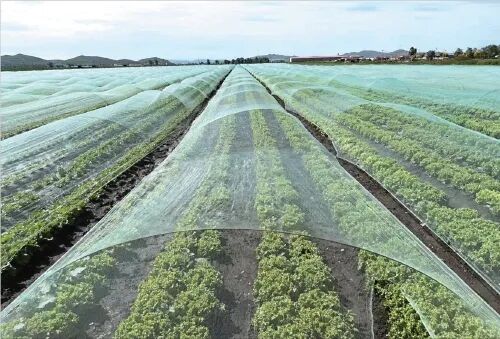
◉ Hail nets erected over a vegetable base in Shandianhe Township, Guyuan County, Zhangjiakou. Photo: Liu Zijian, multiplatform reporter for Farmers’ Daily
More conventional growers simply do not trouble themselves with all this. Shu Yingdong, who grows blueberries in the open air in Yunnan, has noticed that more and more fruit growers are not only putting up polytunnels but also transforming the growing environment inside them. “Yunnan now has over 500,000 mu of blueberries, fewer than a tenth of it open-grown, and many plants have their roots fixed in hydroponic substrate,” he says.
To increase growing certainty and rein in the impact of rainfall, conventional fruit growers keep stepping up investment in infrastructure; some companies have even concreted over the ground inside and around their polytunnels. After the national ban, they switch to laying weed-suppressing ground cover across the entire plot – a permeable, breathable plastic covering laid on the ground, used primarily to keep weeds down. Shu Yingdong worries: “The ecological impact is extremely serious.”
Shu Yingdong’s land-transfer fee in Kunming is 1,500 yuan per mu – and that already counts as cheap, because “the whole world’s agriculture is heading to Yunnan.” Land in Yunnan is precious to the last square inch. In the broader context of climate change, large-scale protected-agriculture companies want to ensure their investment pays off. Ecological protection, then, is hard to place anywhere near the top of the list.
Erpeng has noticed that although after each year’s flooding many earthworms are drowned and the soil compacts, because his family harrows in autumn, applies organic fertiliser and keeps a grass cover on the ground, the soil loosens and breathes again the following year. In conventional orchards, though, which rely mainly on chemical fertiliser, the soil is already compacted; once flooded, the situation worsens. The only remedy is ploughing during the autumn application, which treats the symptom but not the cause. “Overall, a conventional orchard just gets worse and worse. Flood it for several years running and you may find you can’t grow anything any more – time to give up,” Er Peng says. Meanwhile, to reduce the damage from heavy rain, he has already rented a plot on higher ground and plans to shift his orchard there gradually.
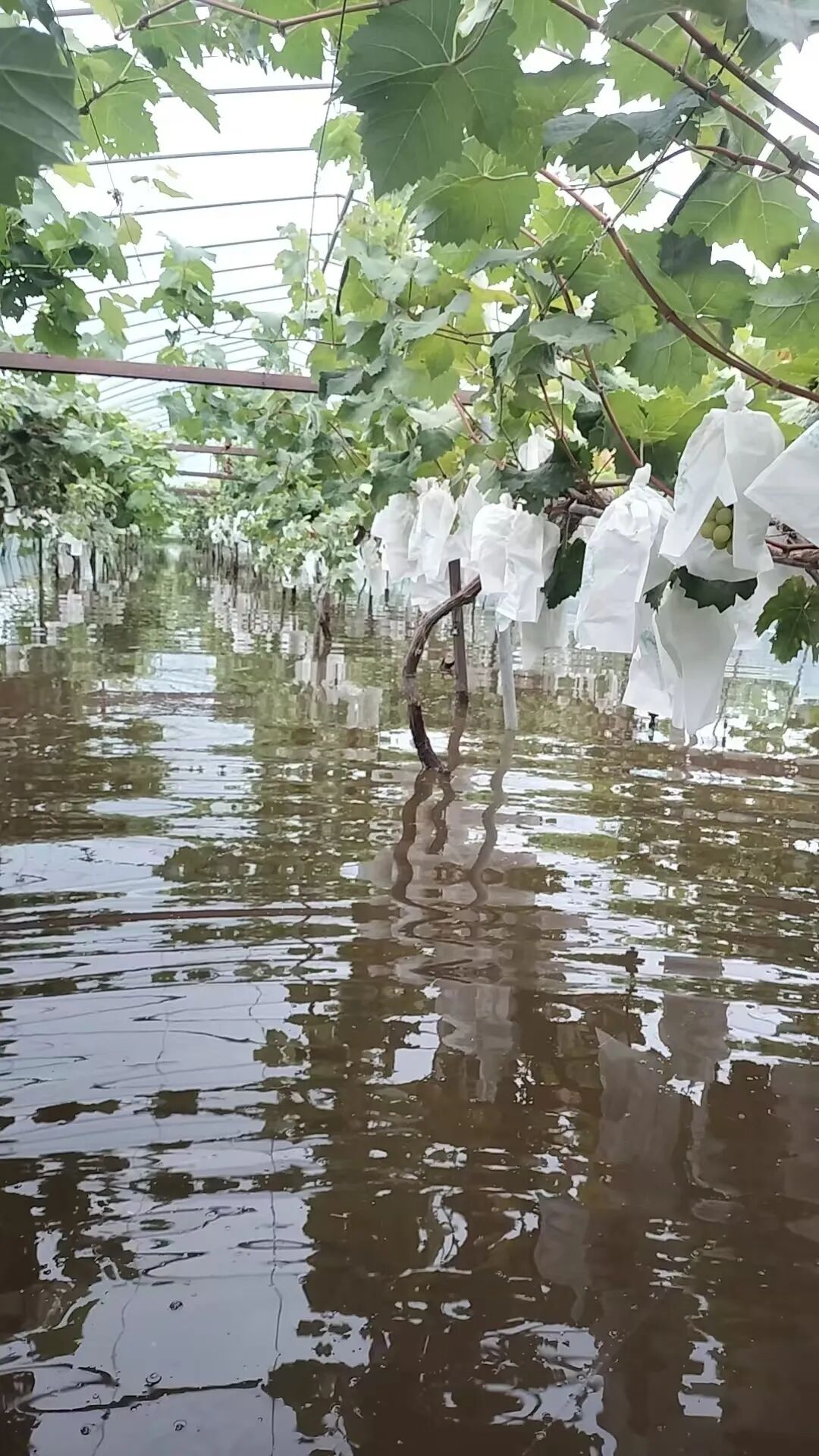
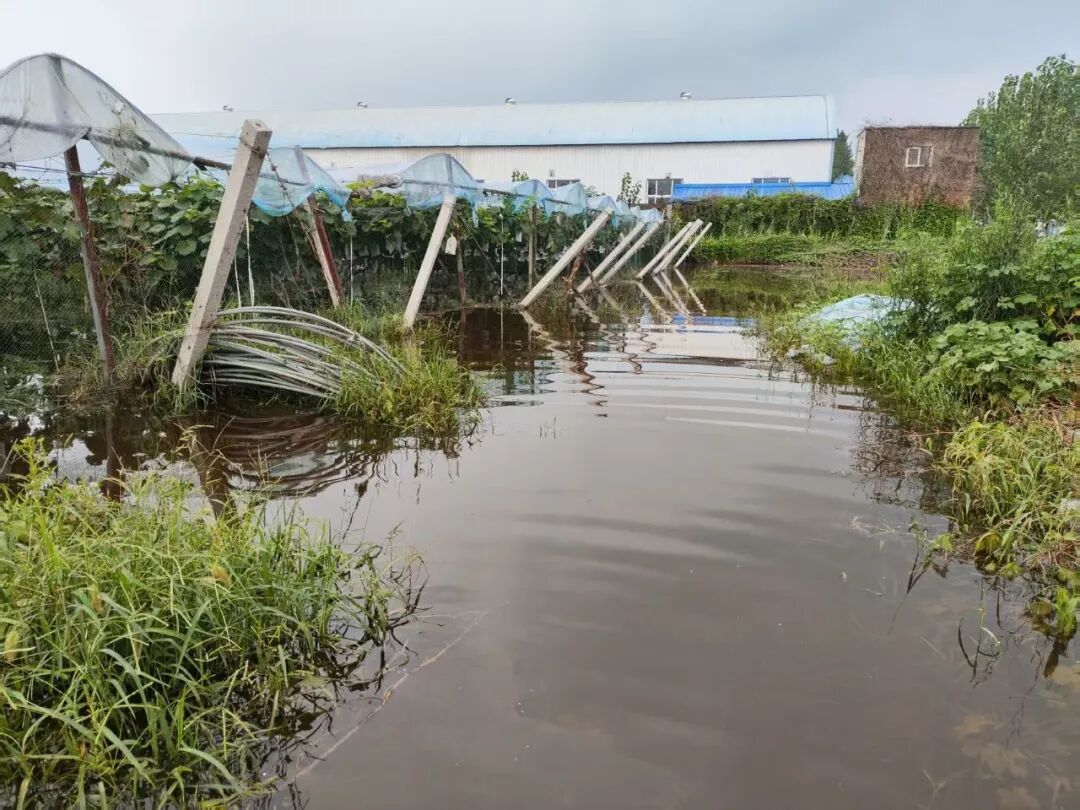
◉ Erpeng’s orchard submerged in floodwater. Image source: Beijing Organic Farmers’ Market
By the end of October, the weather in Dali, Yunnan, still had not turned cool – never this hot before. Xuemei noticed that the celtuce (stem lettuce) in her fields was bolting at breakneck speed, the stems shooting rapidly upward. At the same time, having weathered rain the year before, drought last year, and more rain in May and June this year, the village where Wei Guanghai lives has now gone two months without a drop: 100 tonnes of stored water are gone, and the reservoirs are bone dry.
Those closest to the land must always keep their eyes on the sky. In September 2026, China detected the official formation of the strongest eastern Pacific El Niño on record. The National Climate Centre warned that El Niño’s impact lags well behind its onset, with disasters often hitting hardest the following year. According to the Centre’s forecast, China’s temperatures this winter will overall trend above average but swing widely between warm and cold spells; cold waves may occur slightly more often, and the south still needs to prepare for low-temperature rain, snow and ice.
As this piece was being prepared for publication, Xiaoyun Sheng’s work group chat lit up again: this year, Jiang Lu, a farmer in Fujian, had his navel oranges and tangors wiped out by hail.
– This is Foodthink’s 854th original article –

Foodthink
By
Pei Dan
A wordsmith back on the right path, writing about climate change, ecology, and the real people living through the changes.
Have you experienced any extreme weather this year?
What impact has it had on your farming?
We’d love to hear from you – leave us a comment.
Editor: Lingyu
Layout: Xiaoshu
Scan to tip and support original food writing
▼

▼
Click an image to read related articles
▼
Click a keyword to explore more article collections
Seeds | Farming Techniques | Policy | Fermentation | Nutrition | Fruit | Fisheries | Events | Jobs | Delivery | Wet Markets | Livestock | Food Talk | Talks | Reading Groups | Harvest Festivals | Smallholder Stories | Climate Change | Rural Development | Cooperative Economics | Urban Farmers | Food Safety | Digital Technology | Biodiversity | Pandemics & Food | False Solutions | Agroecology Internship Programme
Beijing | Hebei | Shanghai | Guangdong | Guangxi | Henan | Sichuan | Jiangxi | Xinjiang | Shaanxi | Hong Kong | Chongqing | Zhejiang | Jiangsu | Guizhou | Taiwan | Inner Mongolia | Philippines | Canada | Russia | Mexico | Italy | United States | United Kingdom | Germany | Netherlands | Thailand | Sweden | Japan