
At Ji Shi in Beijing’s Sanyuanqiao, all produce comes from local ecological smallholder farmers—cabbages alone span multiple varieties from different farms, and farmers come in person to recommend how best to enjoy their produce. The Foodthink conversation extends from selling vegetables to efficiency, consumption and gentrification.
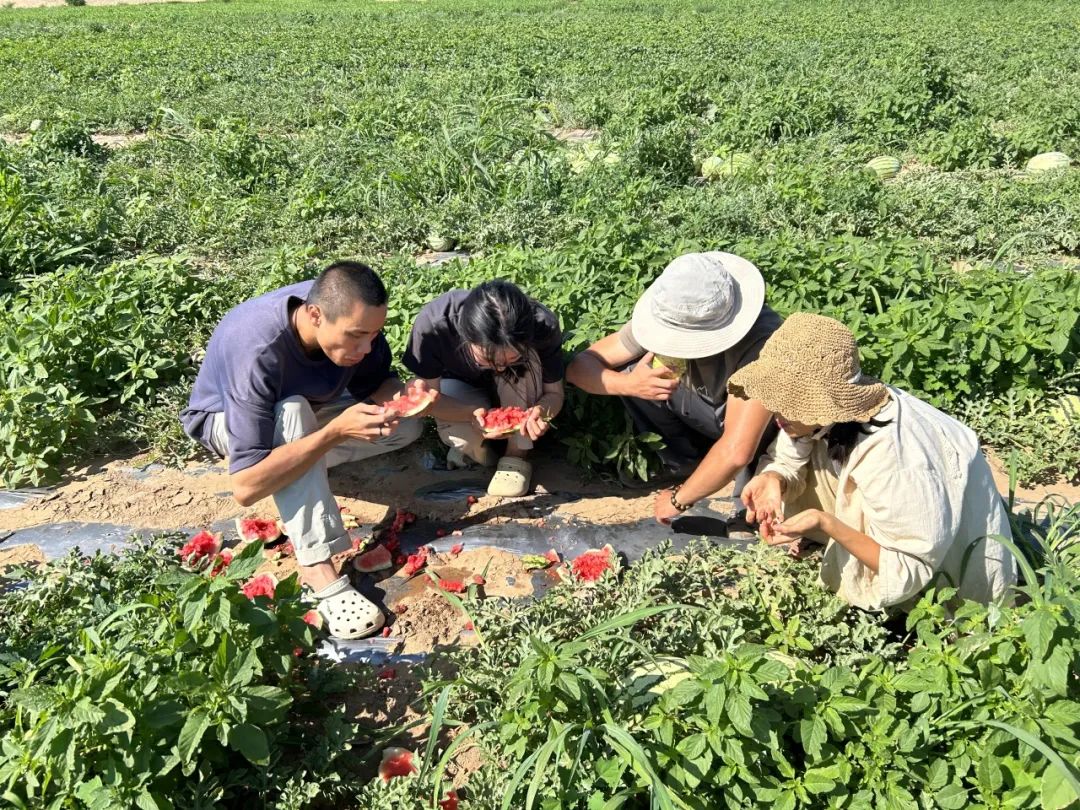
Foodthink’s Lianhe Programme has opened applications for the third cohort of its Ecological Agriculture Internship Programme. The first two cohorts placed more than 40 young people at over ten ecological farms across the country. Application deadline: 6 March.
Several new Foodthink colleagues once again occupied Ji Shi before the Spring Festival of the Year of the Dragon to sell vegetables for a day, sharing first-hand experiences — from not being able to recognise wutai cai to reconciling receiving invoices from over twenty farmers.
At Letian Haiwan Farm in Fengxian, local elders averaging over seventy are still tilling the land. After eight months alongside them, a Chinese-literature student found they mostly come for company and chat; the pay of just over ¥100 a day is the afterthought.
In her late fifties, Kouzi moved to Scoundrel Valley, Fujian, in 2021 – building her own light-gauge steel-frame home, growing perennial crops, and buying almost nothing beyond a little fruit, sugar and salt. Foodthink lived and ate alongside her, exploring the endless shrinking inward behind her “lazy farming method”.
From the Green Revolution to carbon credits, Bayer and IRRI’s schemes have consistently placed hidden costs on smallholders. Yet farmer networks such as MASIPAG in the Philippines and DDS in India are rebuilding a different emissions-reduction foundation through local varieties and agroecology.
A friend’s winter visit with washing-up liquid and a stir-fry wok turned Villains’ Valley’s spring-water pool black as thick ink, ending two years of untroubled greywater purification. No argument conveys so vividly how modern household chemicals sever the mutual-nourishment cycle between people and the land, under one’s eyes.
From tending the fire by the stove to leaning on a cane to visit his own grave, the granddaughter threads her childhood with her farmer grandfather through four farming proverbs—until, in early spring 2022, he passed away at home.
Gannan navel orange output nearly doubled year on year, yet purchase prices plunged from nearly 3 yuan per jin to under 1 yuan. A cold snap forced fruit farmers into a rushed harvest with no sales channels in place, and merchants who had booked orchards broke their contracts.
Sanyuanli has become a coffee brand’s check-in exhibition venue. At the Beijing Organic Farmers’ Market, meanwhile, pesticide-free strawberries, king oyster mushrooms with their caps open, and seasonal Chinese chives stand guard over the most solid trust between daily meals and the land.


