Nearly a decade on from the Ten Air Measures, Hebei’s coal-to-gas conversions, Shandong’s clean heating upgrades and the blanket straw-burning ban were rolled out one after another. Yet nearly one-sixth of converted households have already abandoned their systems; the green transition’s extra cost has long fallen on farmers.
Gail Borden’s canned condensed milk, Henri Nestlé’s infant milk powder and the transnational competition of the Anglo-Swiss Condensed Milk Company turned perishable fresh milk into an ocean-crossing industrial commodity in the nineteenth century.
In a sixteenth-century manor in western France, a 1970s hippie couple sustains self-sufficiency through work-exchange volunteers. A month with a Colombian brother and sister—undocumented workers—picking strawberries, smashing walls, making cheese: the “return to the countryside” romantic imaginings shattered by day after day of unpaid manual labour.
Grandma Kouzi at Villain’s Valley in Fujian harvested over a hundred pumpkins and over a hundred jin of beans, grains and peanuts in 2025—full food self-sufficiency except salt. A single batch of air-fryer roasted pumpkin sustains a day’s staple food.
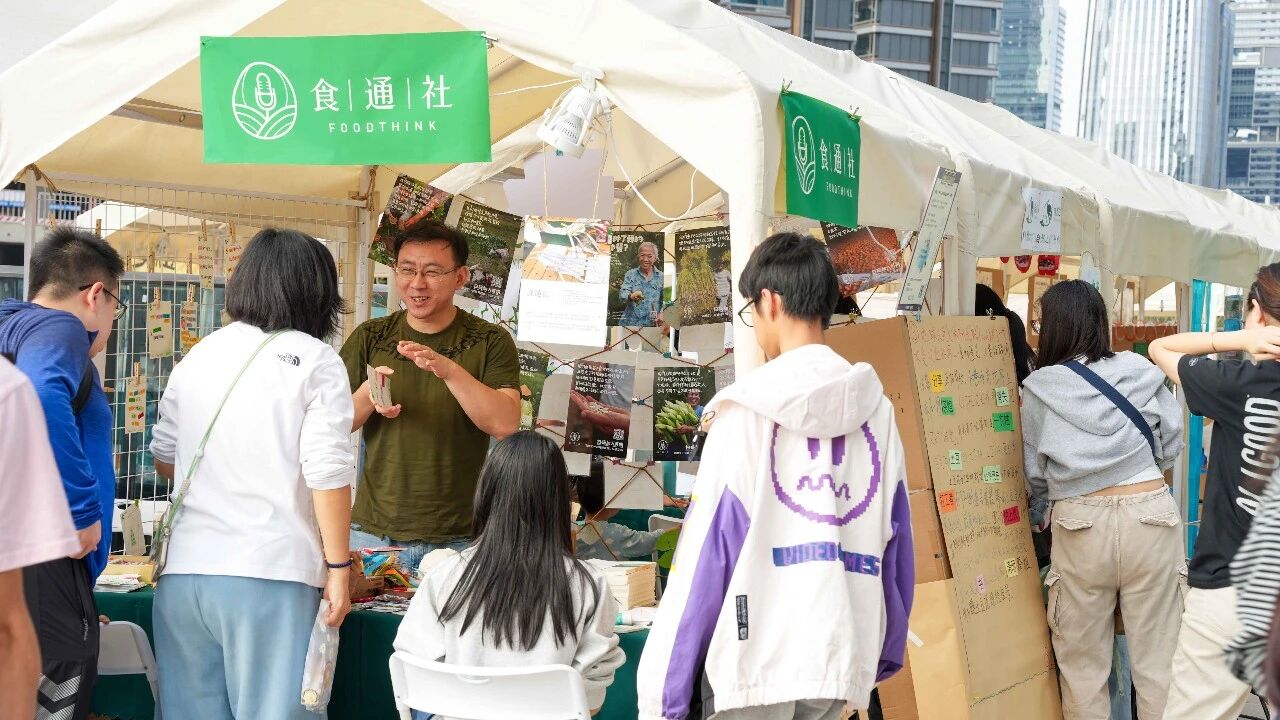
At Guangzhou’s Harvest Festival, Foodthink had nearly a hundred readers relay-write eight climate fiction (cli-fi) stories from article titles, screen a documentary on imported beef and lamb hitting the Qinghai pastoral area, and discuss fields and dining tables under extreme weather with fellow growers and documentary filmmakers.
A 2023 study by Feng Xiaojun and team at China Agricultural University in a major dairy-farming county in Shandong found family dairy farms surpass large-scale farms on income, import resilience, environment and dairy cow welfare. Smallholder exclusion by dairy processors stems from unequal bargaining power; policy and organisation must combine.
The melamine incident was not the fault of small dairy farmers, nor are large pastures necessarily safer at the production, distribution, and processing stages. With residents’ protein intake already adequate, the nutritional gap between the two types of milk is negligible.
Where farming guarantees a loss and processing a profit, Wuwei’s returned young farmer Yin Fahua makes noodles from purchased gravel-covered Hongguangtou wheat — only to hold the line on pesticide-free ecological farming, and to hold on to that fragrant handful of fried chickpeas along his childhood field edges.
In far-flung Beijing, Uncle Li bought two bunches of winter-keeping leeks at the open-air market twenty-odd years ago. Selecting the best, crossing varieties, treasuring storm survivors—he saves seed; the white stems stretch and thicken. Buyers agree: no one round here growing leeks comes close to old Li.
From Qiandongnan to Baoding, from Thailand to the Philippines, seed-saving farmers and seed workers guard old varieties amid the standardised expansion of hybrid seed, questioning who has the right to decide what we grow and what we eat.