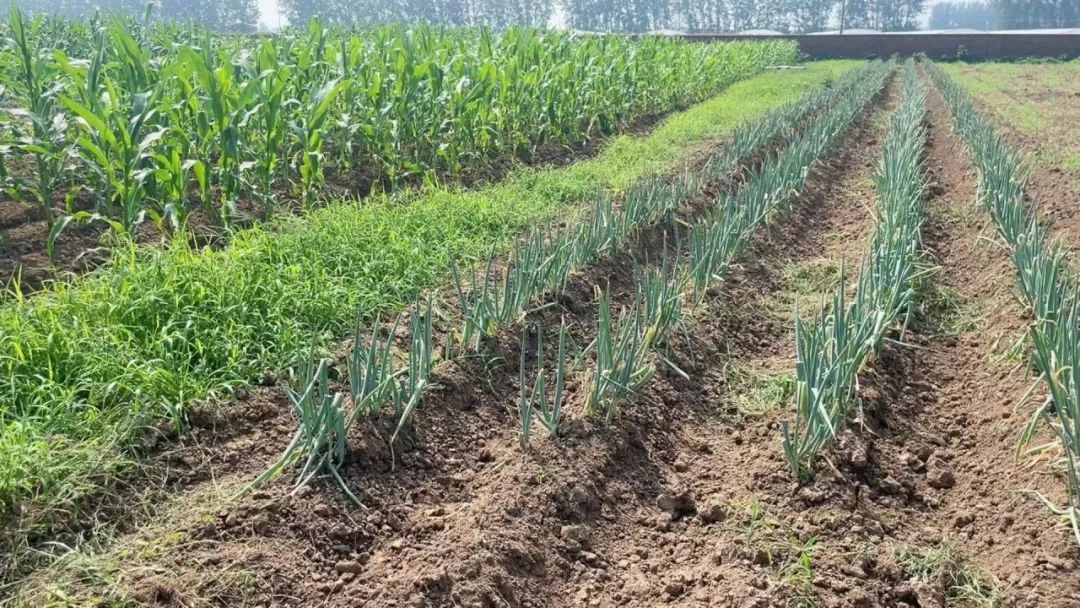
From 300 mu in Bashang to 9 in Huailai, Baxia: Huang Lifeng and Li Yuxia let Eurasian magpies peck their tomatoes, save 60 per cent of water with drip irrigation, and sell home-grown veg at the Beijing Organic Farmers’ Market at weekends — enough for a family of four.
More than a month after the floods receded, the Longjiazhuang market reopened, yet nearly half the farmers’ east-side stalls remain empty. Aunt Li’s two mu of farmland lies buried under silt and debris. ‘People are fine, the land is done,’ she says. Compensation has yet to materialise.
In 2011, Yu Jiangang resigned in Beijing and returned to Zhenghebang, Jiaxing. Tracing nearly a century of change in Kaixiangong Village, from silk rural reconstruction to factory-style rearing, he chose to sustain the vanishing silkworm-rearing tradition through his family’s handcrafted silk duvets.
Barcelona’s Mercat de la Terra replaces organic certification with Participatory Guarantee Systems (PGS), enabling small-scale producers to bypass cumbersome paperwork and fees, sell local seasonal produce through direct trust with consumers, and sustain a community network from farm to table.
Chen Ziyu of Wo Cui Yuan farm, Baoding, and Liu Gang of Xiao Liushu Farm, Shunyi, face total crop failure in maize, drowned vegetables, compacted soil. All they can do: turn the land, sun the soil, rush to plant cabbages. Who bears the cost of climate adaptation? Unanswered.
Pollinating and bagging a 300-mu pear orchard, coordinating older workers to follow the farming calendar, hitting the markets to sell the new early-maturing pear variety – after two years growing pears, there is only one conclusion: farming is truly hard, capital on your side or not.
I Started a Farm in Canada: From Peking University Biology to Smallholder Farmer | Food Talk Vol. 22
A family tends ten mu of land, grows salad greens, makes ferments – with the support of Canada’s Fair Food Farms incubator, Sun Shan built Chi Garden from scratch and, through the joy of growing, left behind the helplessness and exhaustion of years in public-interest work.
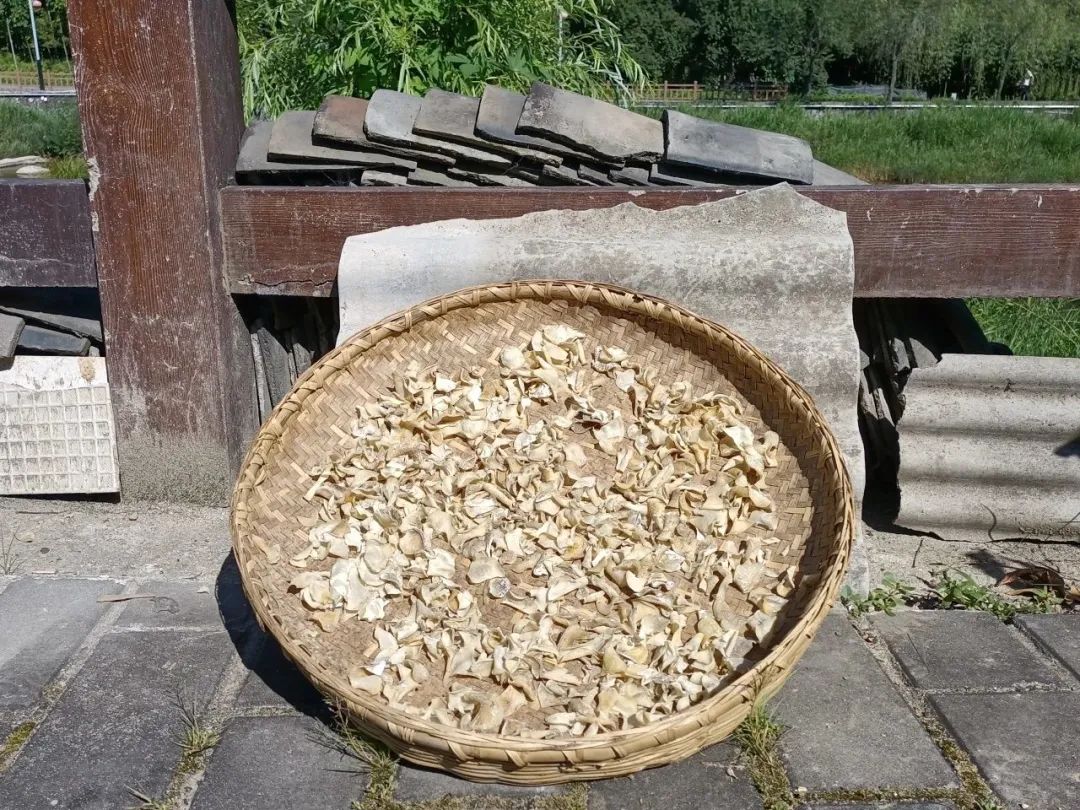
The State Administration for Market Regulation confirms, in its interpretation of the new Measures, that dried fish, dried vegetables and dried fruit can be sold as edible agricultural products if they have only undergone simple sun-drying. Earlier revision recommendations submitted by Foodthink and others together with farmer friends have been adopted.
Huanglongbing fells trees, citrus tristeza ruins saplings, agricultural inputs have doubled while fruit prices stall at 2.5 yuan a jin—over thirty years, fruit growers in a Gannan mountain village have lived a navel orange’s full arc, from funding a new house to an ever greater struggle.
In the 1990s, Yinlin Village, Conghua, swapped citrus for lychees; Nuomici once fetched seventy to eighty yuan a jin. Now most fruit trees lie wild. Brother Zhong and Guo Rui watch the old trees, hoping the second Yinlin Lychee Festival will bring the wild lychees back into view.