Founded by young Dutchmen Sam and Martin, the “Happy Vegetables” farm uses standardised seedbeds, paper-pot propagation, a hand seeder, subsurface sprinkler irrigation and no-till to make ecological vegetable growing a nine-to-five job, earning a decent income through community subscriptions.
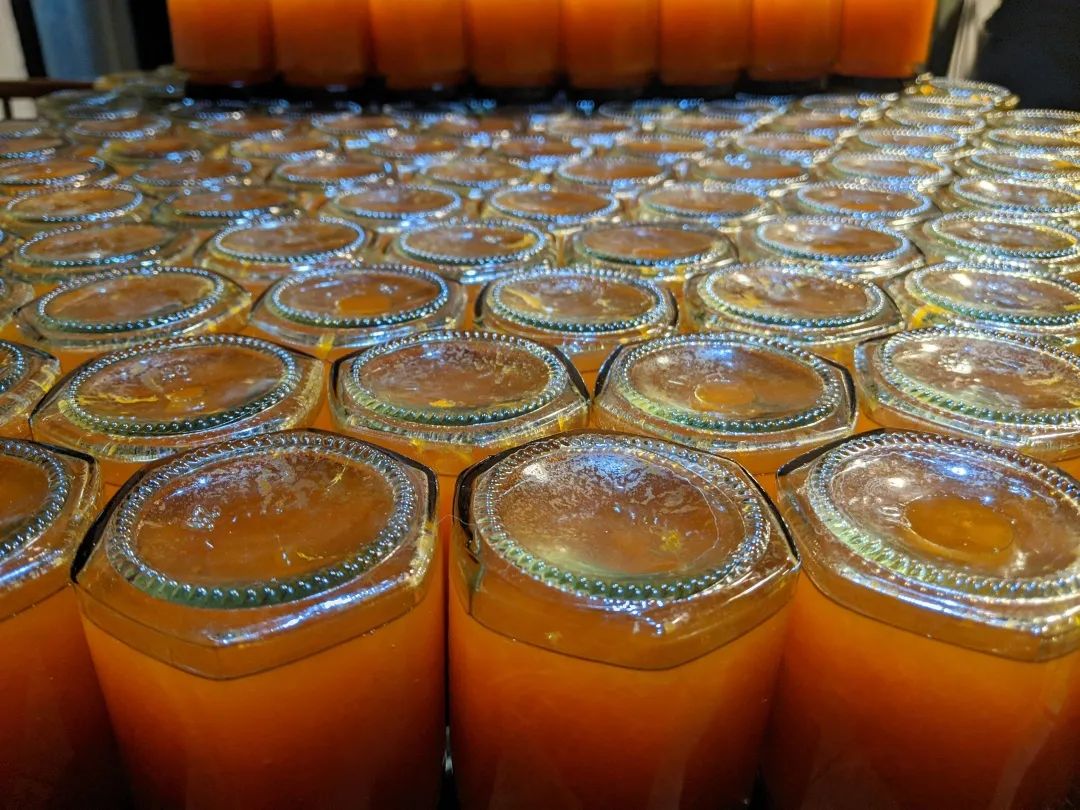
The State Administration for Market Regulation plans to remove “drying” from the definition of “edible agricultural products” in its draft for public consultation. Smallholders who sun-dry and sell their own dried goods may face penalties, while building a factory or arranging contract processing is unrealistic for most farmers.
Liang Junjie, a post-1980s native of the Shanxi–Shaanxi–Inner Mongolia Loess Plateau, left chemical-fertiliser and pesticide sales to return home and found the brand Xunxiang Dao. Nine years of pitfalls—product selection, processing, packaging, channels—ultimately led him to ecological agriculture and rural study-tour programmes for children.
Former Beijing advertising worker Yu Jiangang and wife Mei Yuhui rear silkworms and reel silk in Zhenghebang Village, Tongxiang, tending the village’s last acre of Hangzhou white chrysanthemums. Their silk quilt brand Meiheyu passes on the craft — but the family farm now faces land and road development hurdles.
Since returning home in 2011, Yu Jiangang has resumed ecological cultivation of Hangzhou white chrysanthemum in Zhenghebang, Tongxiang. Six years of typhoons, extreme heat and a partner’s total crop failure have left only this one mu still farmed by a villager.
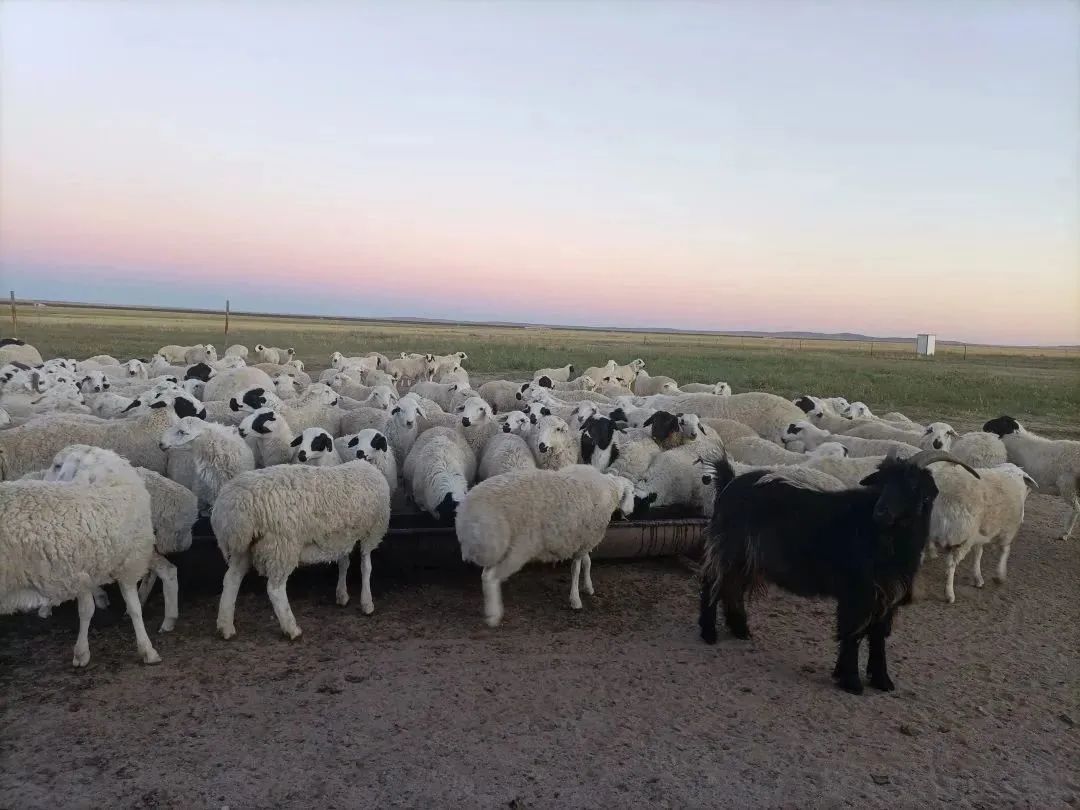
Introduced stud rams like Suffolks and Dorpers are vastly larger in frame than Ordos Fine-wool ewes, so difficult births from uterine torsion are frequent. Vet Dayang in S Banner averages forty to fifty Caesarean sections a day, yet herders often delay calling him while trying traditional remedies.
On a hundred-acre farm beside a creek in the Ohio River valley, Xiaotang and Xiaowen grow shiitake using the sawdust cultivation method to supply about ten local restaurants, while underground, mycelium quietly intertwines tree roots, wildflowers, and everyday life.
Xiaowen clones mycelium on agar plates in a little cabin by the stream; husband Xiaotang hoists ninety-pound oyster mushroom columns bare-handed. While button mushrooms in North American supermarkets haven’t changed their genes in forty years, the couple guards a hand-powered workshop, outside the assembly line.
Supported by Friends of Nature’s Linglong Programme and Foodthink, the team visited 30 ecological smallholder farmers across five provinces and municipalities, recording their practices for responding to extreme weather and the external barriers—funding, insurance—they face, filling a research gap on Chinese smallholder farmers’ active climate adaptation.
A former programmer interned at two family farms in Pidu and Meishan – tilling soil, making compost, sun-drying pastes, packing vegetable boxes – and glimpsed the true face of returning to the land through the daily labours of Hu Xuemei and Chen Ying.