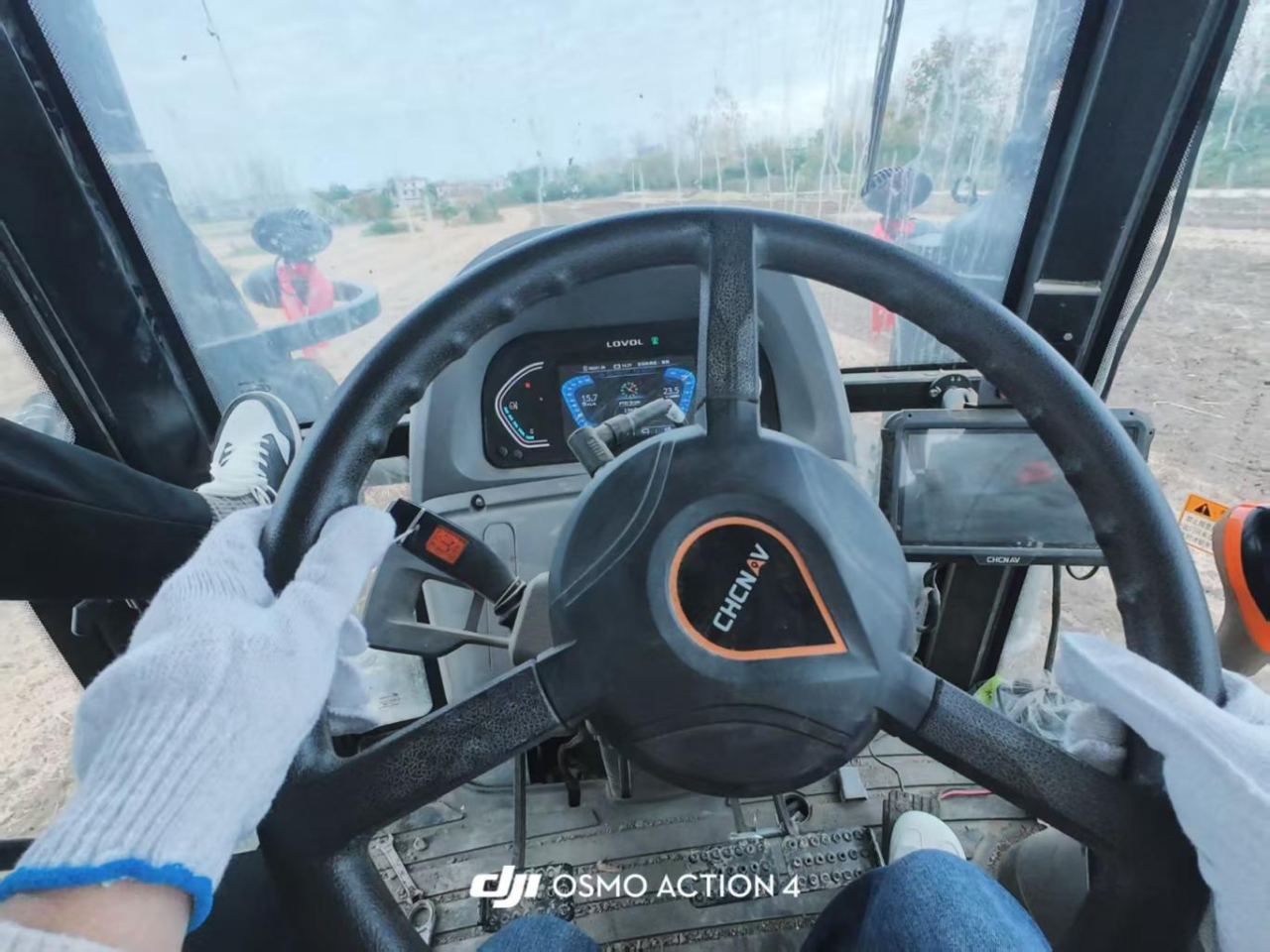
In Tongchuan, Shaanxi, Hongxia and her husband farm around 100 mu of hillside plots, having invested some 150,000 yuan in farm machinery. As returning villagers reclaim the land they had rented out, that outlay becomes a sunk cost, and the land is fragmenting from consolidation once more.
New harvesters with large grain tanks have left Fourth Uncle, the village’s last “bag catcher”, completely out of work. Small-scale farmers have done the sums: one smart machine costs as much as two or three conventional ones, so they still opt for second-hand Dongfanghong diesel tractors.
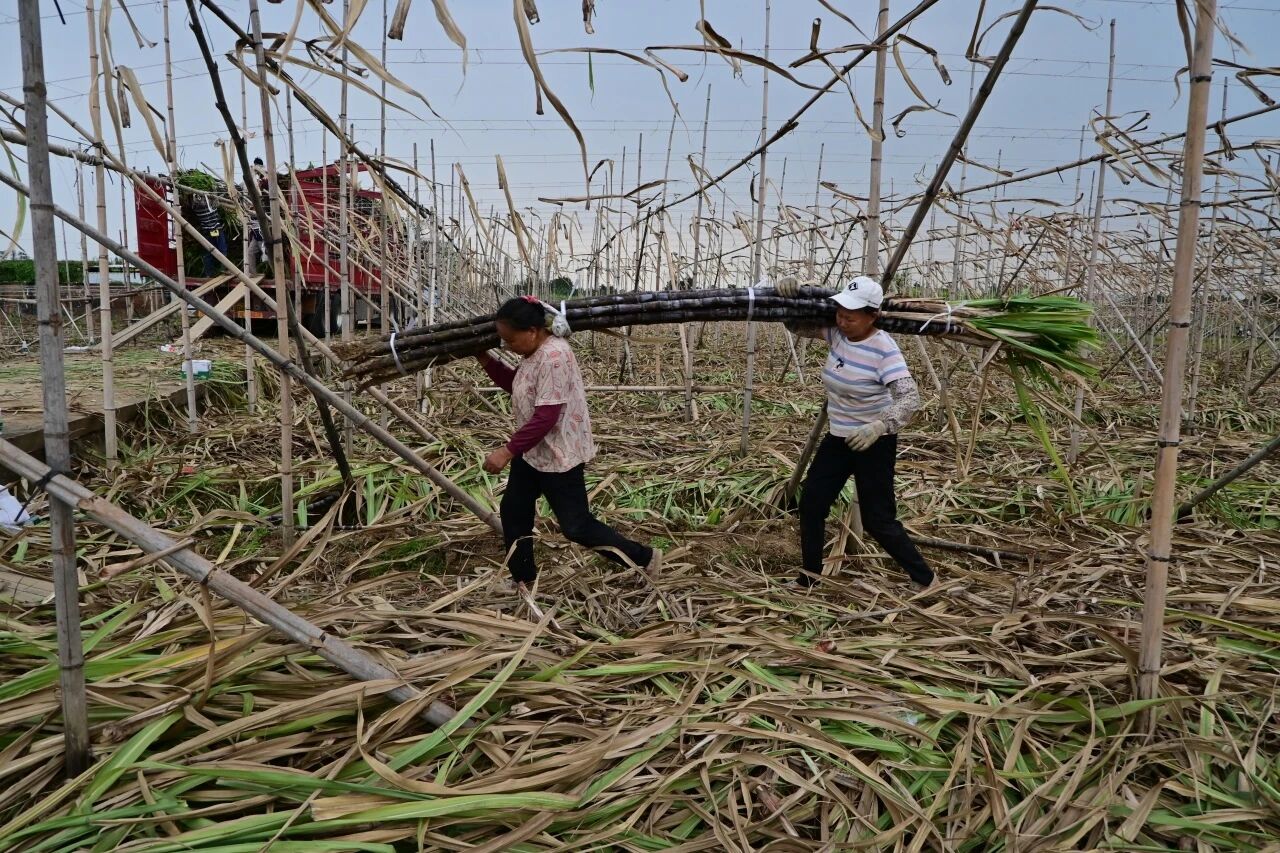
In Lanhe Town, Nansha, Guangzhou, the buying price of black-skinned sugarcane has plunged from nearly 100 yuan to 5 yuan. Farmers over 50 give their cane away for free to clear land before the spring ploughing window, yet farmland policy means they can only keep planting sugarcane.
Fuyang’s free farm-machinery course had 50 trainees, just 7 of them women. Wu Ting and her peers hesitated again and again before the combine harvester—until one sister claimed the cab and started off steady, loosening the assumption that “women can’t drive.”
Yu Jiangang and his wife Mei Yuhui made silk duvets in Zhenghebang for over a decade. An osmanthus silkworm poisoning in autumn 2024 led him to lease 14 mu of rice paddies – from seedling to Lidong harvest, four rounds of hand-weeding, a nearly 180-day life cycle complete.
Extreme weather upends farmers’ planting rhythms, the food-delivery wars compress a meal into a 30-minute order, and imported meat reaches the highland pastoral areas directly – Foodthink’s 2025 field records hold on to the traces of the land and its labourers.
Shandong native Kouzi’s sixth winter in rural Fujian: from rocket stove kang to old granary turned warm room, from radish soup to dried pumpkin, the south’s damp cold at last gives way to ease.
Farmer Kou Yanding of Villain Valley, Fujian, has sued Baidu at the Beijing Internet Court, alleging its AI fabricated an extortion charge against her — the first documented AI defamation case in China.
Chen Jingjing, a 20-year researcher of rural construction, worked a paddy for the first time this year in Qingshan Village, Hangzhou—no herbicide, sun-drying. Rice cost over 30 yuan a jin, and he also hit a hard wall woven from land rent, hired labour and the division of labour.
Anonymous readers from southwest, northwest, and central China described farmland abandonment due to water shortage after high-standard farmland conversion, raw subsoil exposed by construction destroying soil fertility, and outsider large-scale operators suspected of leasing land to extract subsidies. Contractors also reported plunging profits and overly stringent oversight.