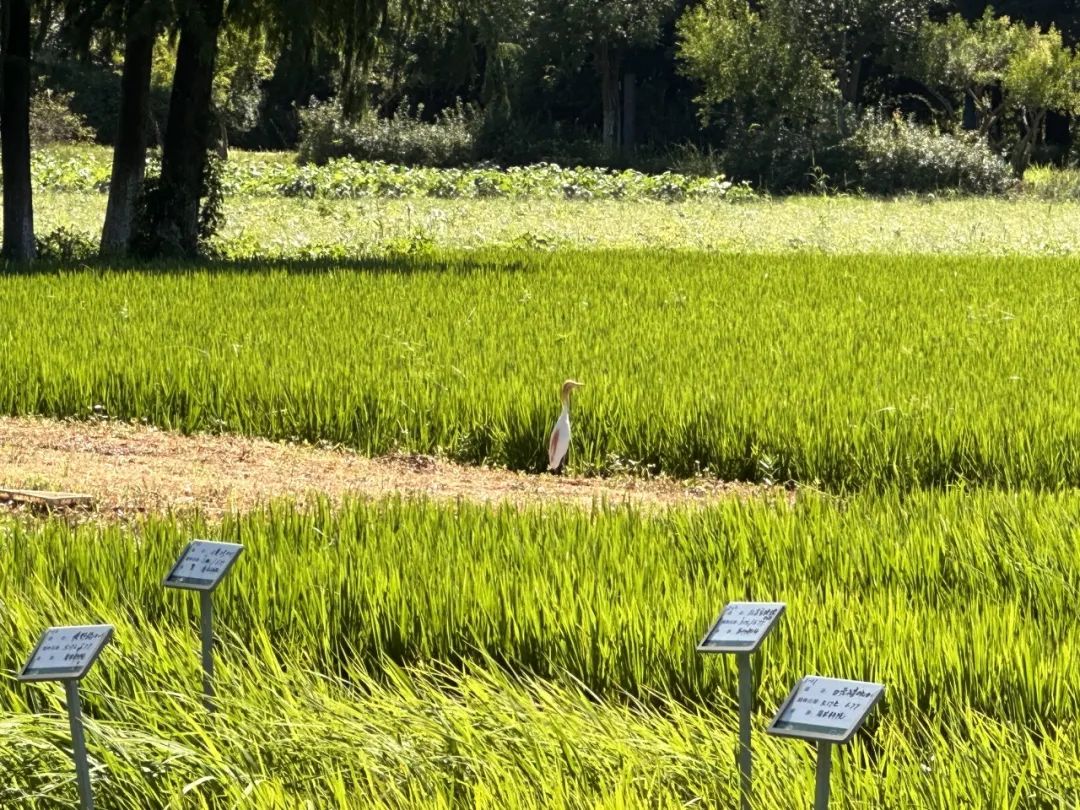
Machinery cannot access small, scattered plots, and straw-incorporation subsidies flow mainly to large-scale farms and machinery operators. Yuan Yong, an agricultural technician in Jianyang, Sichuan, has spent over twenty years in no-till mulching, seeking a way for smallholders to nourish the soil and save money.
In Ji County (pseudonym) on the North China Plain, agricultural technology extension has passed from government monopoly through market-town retail to project-based governance contracts, leaving more than 21,000 small-scale farmers with nothing but a phone call to get a drone to spray their crops.
Meicuntou, with fewer than four hundred permanent residents, faces “village extinction.” Fan Hanquan offers his own land and housing free for three years to attract ecological farmers, while the village collective’s 2023 trial planting lost 70,000 yuan and the land was left fallow in 2024.
Nichole, 55, spent a decade turning her Texas yards into a jungle of food and herbs without chemical fertilisers or pesticides. She and Yunnanese Zhang Yiqing — a cross-generational pair — bonded over refusing the American suburban lawn before Nichole moved to rural Pennsylvania to practise permaculture on larger land.
From saccharin and polychlorinated biphenyls (PCBs) to genetically modified seeds, Monsanto kept its profits and left the pollution to society for a century. Sun Yat-sen University’s Xu Zhun, Zhejiang University’s Zhou Mujun and others discuss The Seed Empire: who sets the rules, and who pays?
Ecologist Zou Yi at Xi’an Jiaotong-Liverpool University finds that land consolidation reduces natural enemy richness in rice paddies, driven by the loss of linear habitats such as field bunds and irrigation channels. She recommends rebuilding these semi-natural habitats and considering the economic and ecological costs of insecticides.
A Nature Communications serum study of 5,696 people across 15 provinces found 74 environmental hazardous chemicals at high detection rates, closely linked to 12 chronic diseases including diabetes and obesity; China’s blood residue levels of organochlorine pesticides and PFASs are significantly higher than in other countries.
In Zhaizi Village, Jianyang, Sichuan, Senior Agronomist Yuan Yong teaches smallholders the no-till cover method for growing rice hands-on. A few aunties and uncles sit round discussing whether it suits their plots; Grandpa Jiang decides on the spot to set aside two fen of land to try it.
Drawing on years of reporting, Foodthink shows how China’s small-scale ecological farmers grow healthy produce without relying on chemical inputs — from pest and disease management and soil management to permaculture and other farming systems — and previews the agricultural training courses set to launch in 2024.
Smallholders — over 98% of agricultural business entities — and a wholesale network that blends produce at every level render the “Compliance Commitment Certificate” incapable of full testing or traceability. The Ministry of Agriculture and Rural Affairs’ new measures are unlikely to curb pesticide residues in the vegetable basket.