
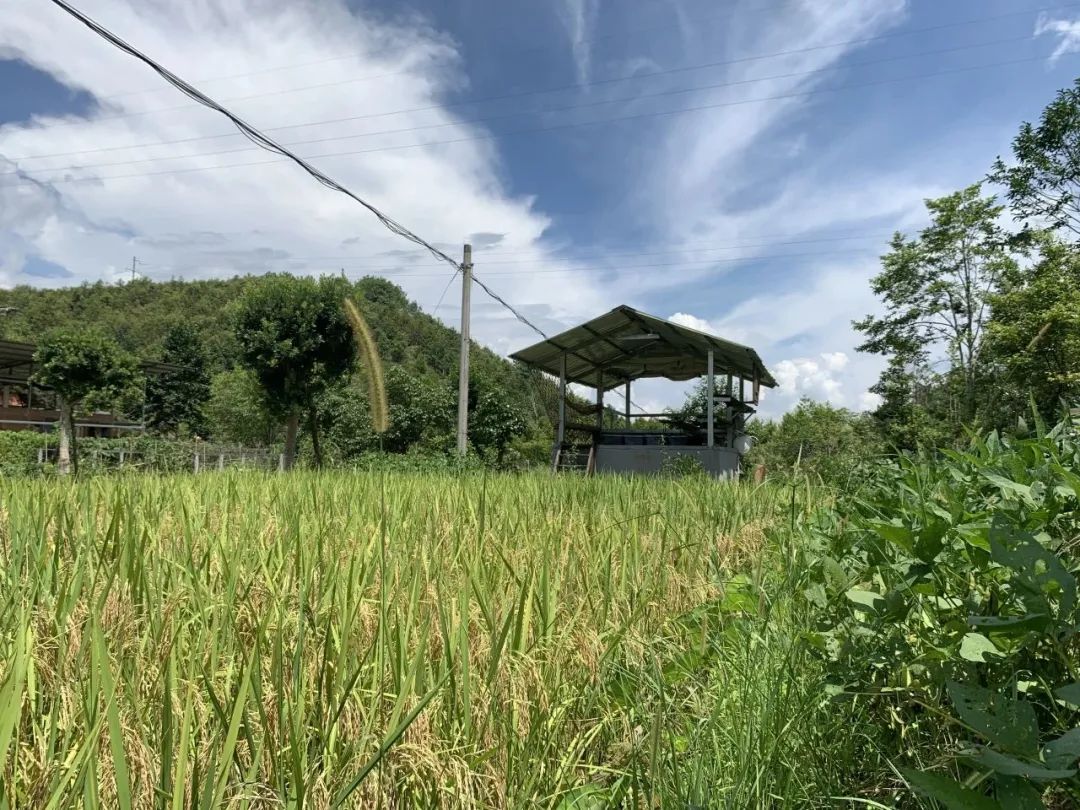
A farmer who refuses chemical fertiliser and pesticide in a Hakka village — the weeding auntie worked four days, urged me to spray for four, then carried off my taro stalks on her way out. Her own taro? Too full of pesticide to eat.
The environmental and soil impacts of agricultural inputs and pollution issues.
A farmer who refuses chemical fertiliser and pesticide in a Hakka village — the weeding auntie worked four days, urged me to spray for four, then carried off my taro stalks on her way out. Her own taro? Too full of pesticide to eat.

Under poverty-alleviation subsidies, farmers in Gong County (pseudonym) grow greenhouse vegetables—yet find no rest all year round, missing even Hakka ancestral hall gatherings. White lotus, despite lower returns, lets the whole family—old and young—each find their place.
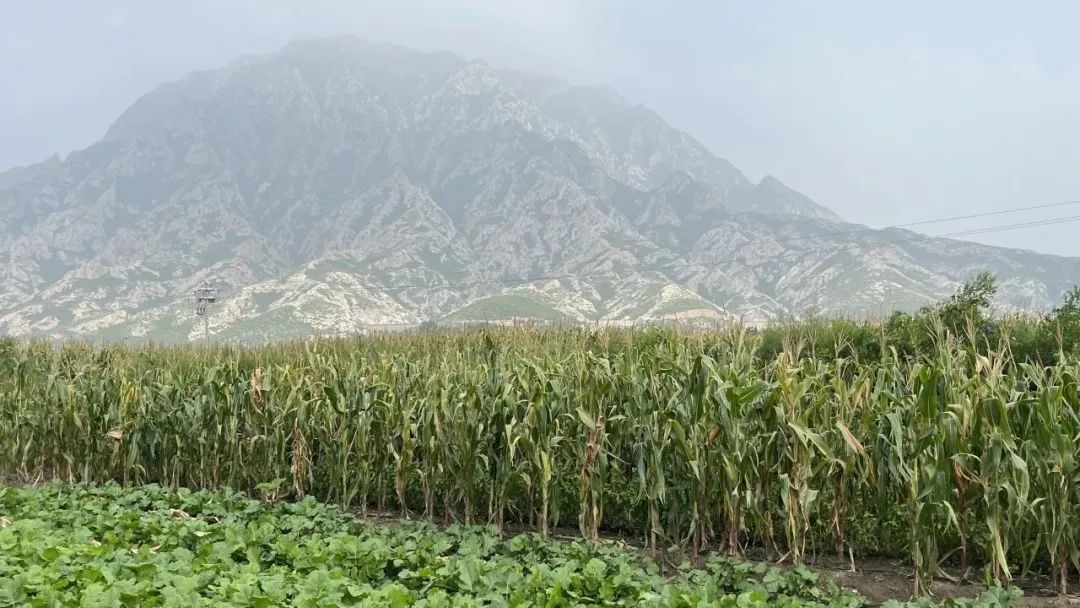
From 300 mu in Bashang to 9 in Huailai, Baxia: Huang Lifeng and Li Yuxia let Eurasian magpies peck their tomatoes, save 60 per cent of water with drip irrigation, and sell home-grown veg at the Beijing Organic Farmers’ Market at weekends — enough for a family of four.
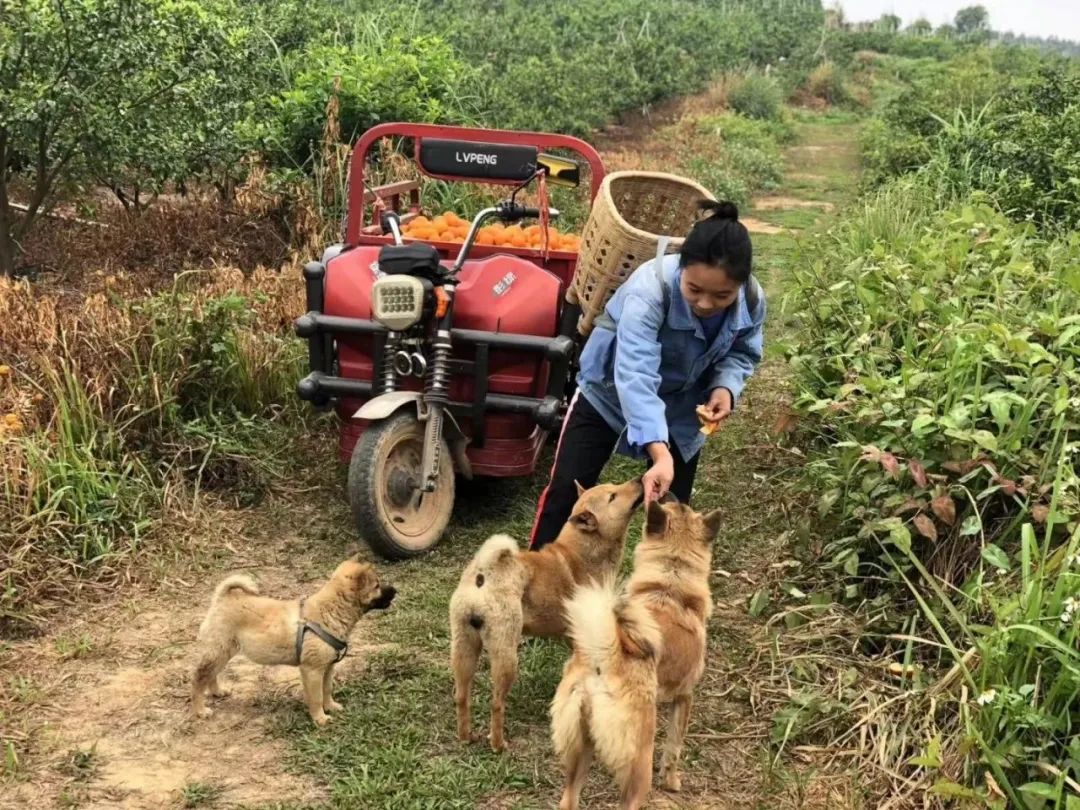
At Sister Yan Ping’s Hundred-Herb Garden in Guigang, Guangxi, the Wogans went from heavy on every tree to utterly bare. Three months of picking fruit, planting cassava and going to market turned ecological agriculture into blisters on our hands and flea bites on our legs.
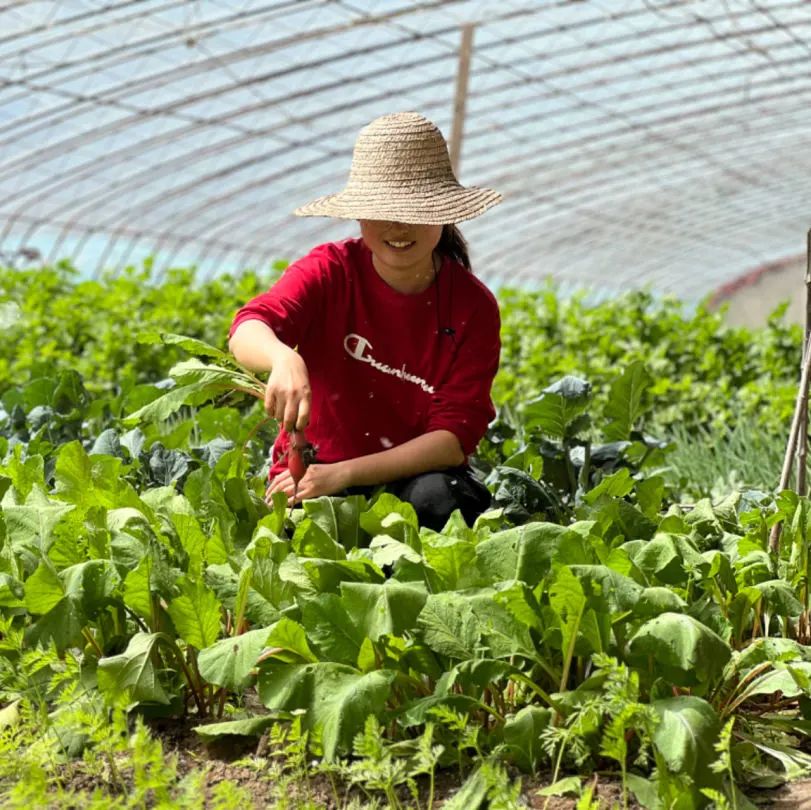
Back in Shen County, Shandong, she found no vegetables tasting like childhood. Through Foodthink’s Ecological Agriculture Internship Programme, she spent three months at Xiqing Farm, Beijing, learning from farmer Wang Xin – from identifying fully ripe strawberries to understanding ecological balance – now planning an ecological apple orchard at home.
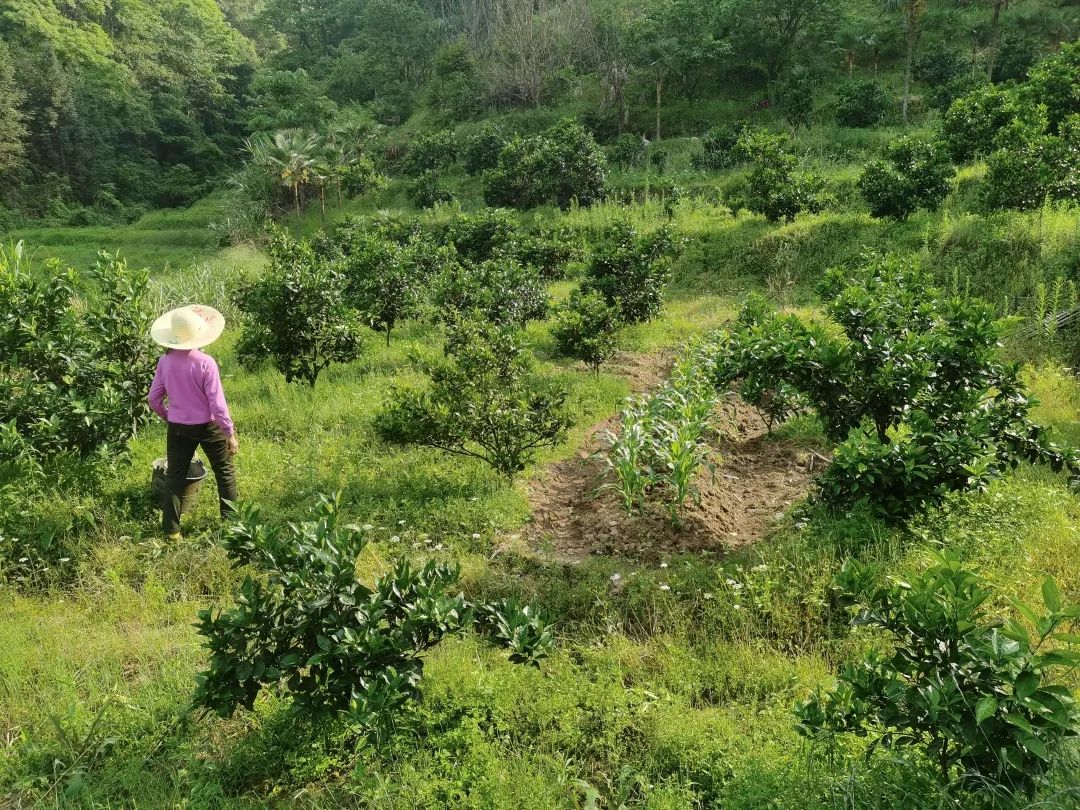
Huanglongbing fells trees, citrus tristeza ruins saplings, agricultural inputs have doubled while fruit prices stall at 2.5 yuan a jin—over thirty years, fruit growers in a Gannan mountain village have lived a navel orange’s full arc, from funding a new house to an ever greater struggle.

China’s Acceptable Daily Intake for procymidone exceeds that of the EU, Japan and Australia; under contiguous high-tunnel cultivation of Chinese chives, growers apply preventive spraying every seven days, grey mould fungus resistance continues to rise, and adjusting residue limits cannot change a production model built on overuse.

More than ten young people in Foodthink’s 2023 cohort in the Ecological Agriculture Placement Programme have given their answers: some to reclaim the childhood taste of vegetables, some to master growing knowledge at the front line, some to understand agriculture and the land anew through their bodies.