15 August is National Ecology Day. When ecology and biodiversity are mentioned, our first thought goes to wild animals or the Amazon rainforest; few of us think about the interplay between agriculture and ecosystems.
In fact, over the past seven decades the expansion and intensification of agriculture have been escalating their negative impact on natural ecosystems: the IUCN Red List shows that agricultural activities threaten 24,000 of the world’s threatened species; and between 2000 and 2018, cropland expansion accounted for 90% of global deforestation.
In China specifically, how do agricultural activities affect ecology and biodiversity? In May this year, ecologist Zou Yi and her team at Xi’an Jiaotong-Liverpool University published a study in Basic & Applied Ecology pointing out that land consolidation projects, such as merging small plots into larger fields, are reducing biodiversity in rice paddies.
●Image credit: Zou 2024 Basic & Appl Ecol
What are the mechanisms behind this? Why does agricultural biodiversity matter for ecological conservation? And what are the implications for policymakers, smallholder farmers, and the general public? On the occasion of the second National Ecology Day, Foodthink sat down with Dr Zou Yi for an exclusive interview. What follows is an edited transcript.
Foodthink contributor
Zou YiAssociate Professor and PhD supervisor in the Department of Health and Environmental Sciences, Xi’an Jiaotong-Liverpool University; PhD from University College London, followed by postdoctoral research at Wageningen University in the Netherlands; her research focuses on agricultural landscape ecology, insect biodiversity, and ecosystem services.
Foodthink: How did you and your team come to focus on the relationship between land consolidation and agricultural biodiversity?
Zou Yi: Between 2014 and 2016 I was researching agricultural landscapes at Wageningen University, looking at the relationship between China’s agricultural landscapes and biodiversity. At the time, our team selected two or three dozen monitoring sites in Jiangxi Province and found that some of the land was undergoing consolidation.
Land consolidation takes two forms: merging small plots into larger fields, and regularising plot shapes—the aim is always to improve mechanisation and production efficiency. So we naturally began to look at how consolidation affects biodiversity.
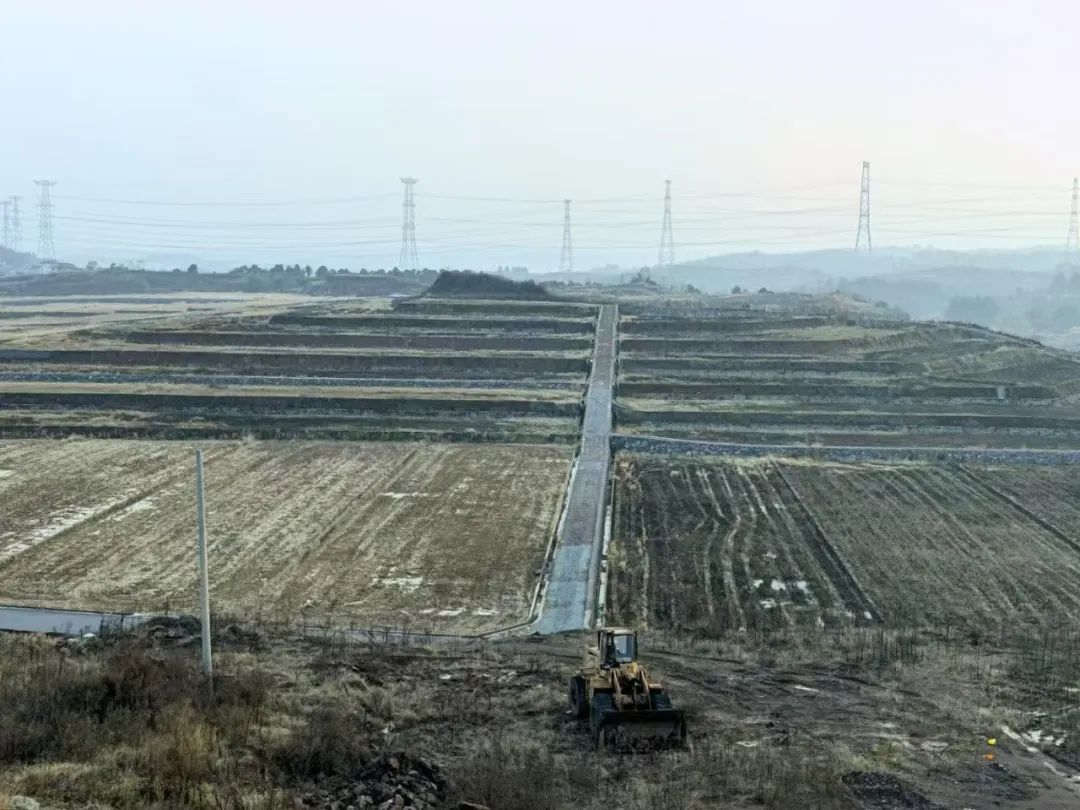
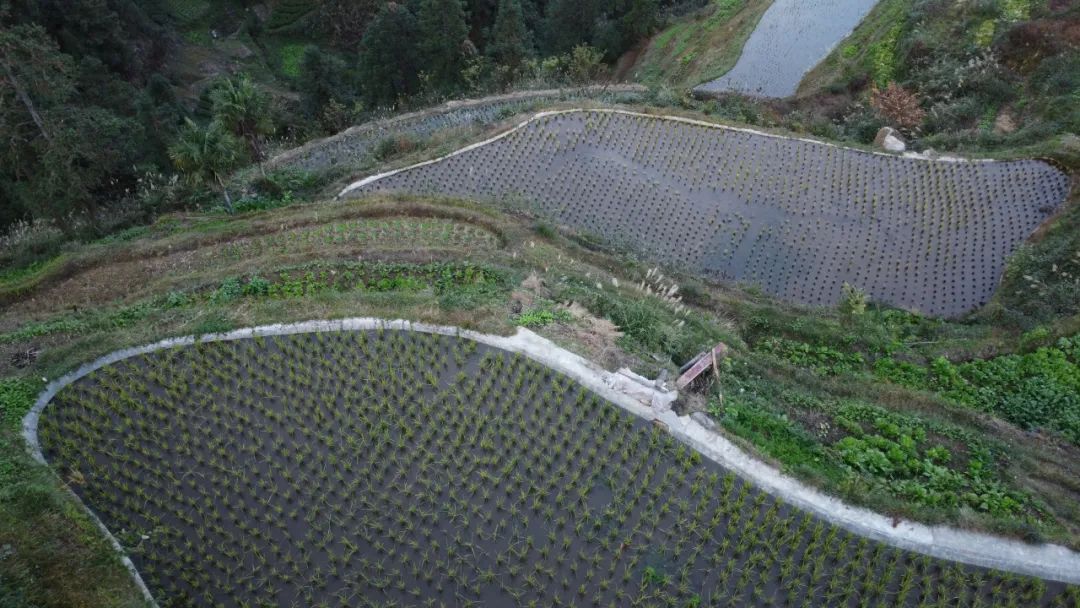
●High-standard farmland in the hilly areas of Zhejiang, early 2024. Photo: Chen Jingjing●A minority village in Qiandongnan, Guizhou, 2021, where concrete has already been poured over some terrace bunds. Photo: Xiao Shu
Foodthink: Why did you choose to study the impact of land consolidation on insect diversity in agricultural ecosystems, rather than on microbial, avian, or mammalian groups?
Zou Yi: First, insects are my area of expertise. Second, biodiversity indicators need to operate at an appropriate spatial scale.
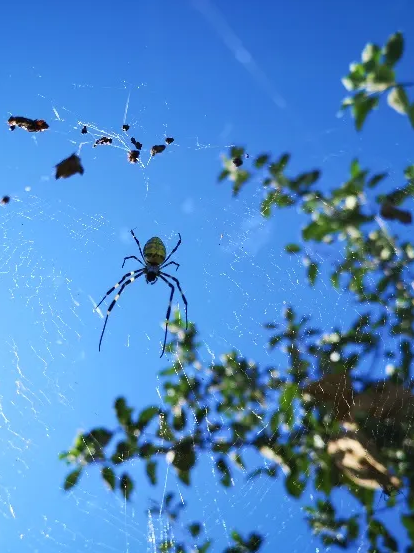
Microorganisms respond on a very small scale—perhaps just one square metre of soil—so they cannot indicate the effects of field standardisation; birds have large ranges and are more easily influenced by macro-level changes such as climate. Arthropods, especially insects, have a moderate range—mostly within a radius of 1.5 km—and their response to local environmental change is the most indicative.
But that does not mean microorganisms, birds, amphibians, and other organisms are unimportant; each plays its part in the ecosystem and they interact. Microorganisms also play a crucial role in soil structure. Moreover, in our 2018 study on predation of rice planthoppers, we found that birds do prey on them; and frogs, as amphibians, provide very strong biological pest control, yet their role is often overlooked.
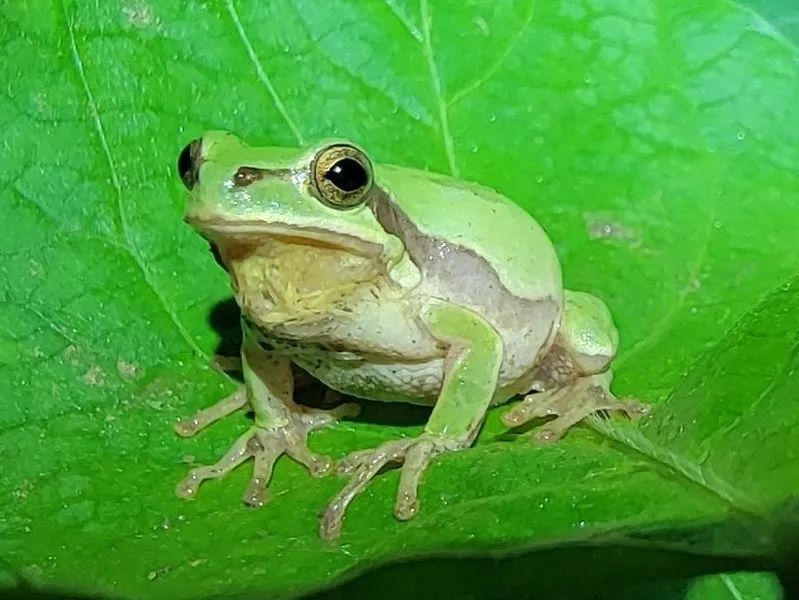
●The immaculate tree frog was once a common species in the rice paddies of East China. However, urbanisation and the spread of chemical agriculture have driven it to critically endangered status. Image credit: Amaël Borzée/Wikimedia CommonsFoodthink: Your central finding is that “the richness of natural enemies of pests in consolidated rice paddies is lower than in ordinary paddies”, and a possible explanation is the loss of linear habitat. Could you explain what linear habitat is and how it affects agricultural biodiversity?
Zou Yi: Let me start with semi-natural habitats. They fall into two types: larger patches—contiguous areas of grassland or forest—and smaller, linear habitats.
Linear habitats have no strict definition; the term usually refers to non-crop habitats such as hedgerow weeds, field bunds, irrigation channels, and woodland, which provide refuges for natural enemies from tillage and pesticide spraying. In China’s small-scale fields, these linear habitats are relatively abundant, but consolidation has destroyed some of them, along with the herbaceous vegetation at the margins of the plots.
●Natural field bunds and concrete bunds cemented on all three sides (“three-sided smooth”) at the study sites.
In Europe, by contrast, wildflower strips and other linear habitats are often planted around fields. Scale and monoculture there are far greater than in China, with individual plots running to thousands or even tens of thousands of mu. Under the EU’s agri-environmental measures (AEM) programme, farmers who retain a proportion of linear habitat around their plots to protect agricultural biodiversity receive appropriate subsidies.
●Wildflower strips alongside large-scale European farmland. Image credit: The Applied EcologistInterestingly, we had expected land consolidation to affect both natural enemies and pest populations, but the pests showed almost no response. One possible explanation is that local rice pests are migratory pests, so they are less affected by local-scale consolidation—for example, rice planthoppers.
I recall a large-scale rice planthopper outbreak in Anhui around 2010, which may have been linked to climate change and pest-control practices in South-East Asia, as rice planthoppers—particularly brown planthoppers—migrate in from that region.
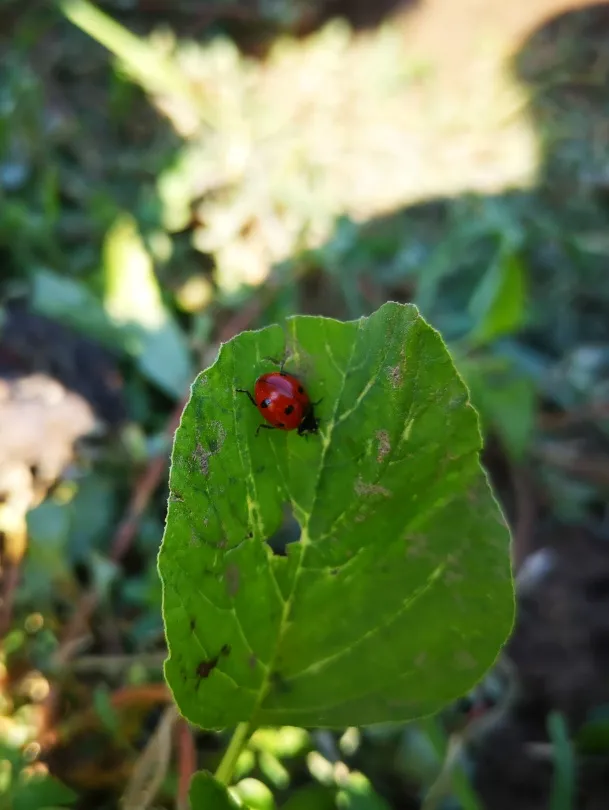
Although we hoped that protecting natural enemies such as spiders and ground beetles would help control pests, our experiment found no clear correlation; longer-term monitoring may be needed.
Foodthink: Many European and American studies have found that larger semi-natural habitat patches can buffer the negative impact of land consolidation on biodiversity. This was one of your hypotheses as well, but it was not confirmed. What do you think explains that? Can we conclude that the more complex the farmland landscape, the richer the biodiversity, and the more robust the ecosystem services provided?
Zou Yi: I think this is related to the characteristics of smallholder farming in China.
European plots are large, but agriculture in southern China is still dominated by smallholders—the plots are small, scattered, and irregular, and the linear habitats between them are relatively abundant. Furthermore, semi-natural habitats account for anywhere between 20% and 80% of China’s total farmland area, whereas abroad this proportion may reach no more than 20%.
Our speculation is that the relationship between semi-natural habitats and biodiversity is not necessarily linear—it may show a positive correlation that levels off. That is why, in the Jiangxi study, we did not find a significant effect on biodiversity.
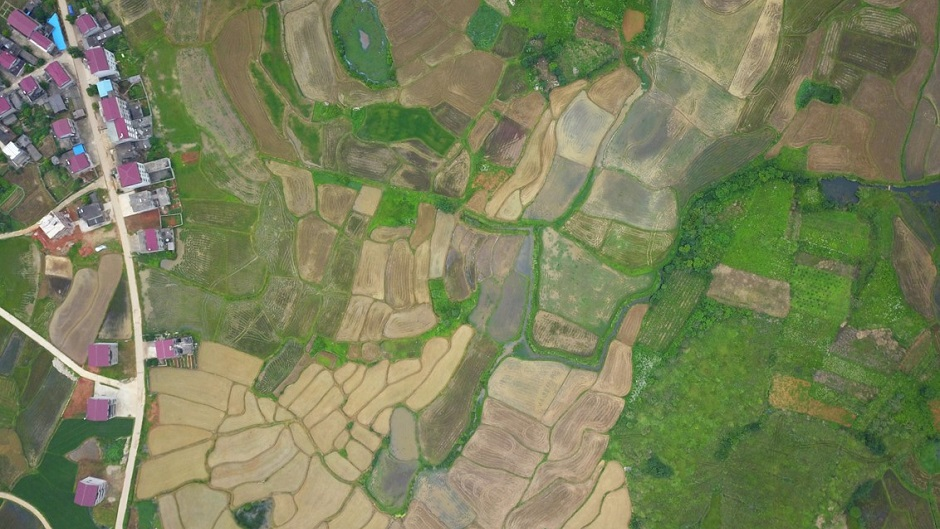
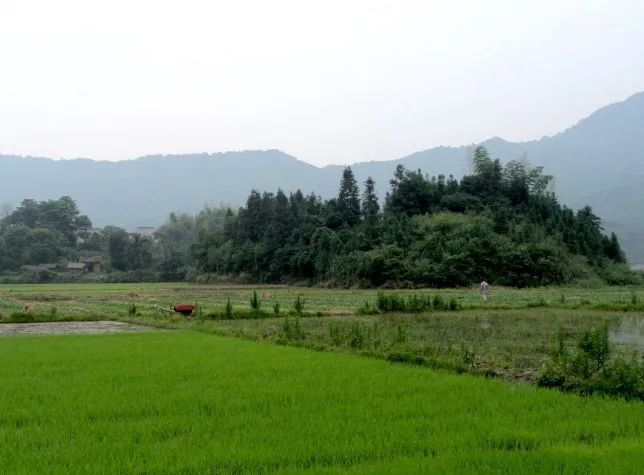
●A typical smallholder landscape in south-eastern China.●The farmland pictured here in Jiangxi Province illustrates a complex agricultural landscape, including forested habitats, smaller plots growing different crops, and field margins covered in various semi-natural habitats.
By contrast, China’s semi-natural habitats are relatively well preserved, but the overuse of insecticides cannot be overlooked.
Many farmers use large quantities of chemicals mainly to secure yields and hedge against risk. However, our 2020 study in Jiangxi found that rice paddies without insecticides yielded only 12% less than those treated with them—in other words, insecticides boosted yields by just 13.6%. Once the cost of chemicals and labour is factored in, farmers are actually losing money; they simply do not account for their own labour.
So we offered farmers a subsidy for forgoing insecticides, and they were very willing to cooperate, feeling that a 12% yield reduction was acceptable. On our follow-up visit, we found that some farmers had indeed stopped using chemicals, and those near mountainous areas had reduced their insecticide use as well, because they noticed that the semi-natural habitats in those areas could provide a degree of pest control.
●According to FAO (the Food and Agriculture Organization of the United Nations) statistics, China is the world’s fifth-largest pesticide user, applying 236,000 tonnes of pesticides each year. Image credit: FAOAnswering your second question: does a more complex farmland landscape mean richer biodiversity?
First, landscape complexity operates along two dimensions: composition complexity—the proportion of different types of patches within a given area—and configuration complexity—the nesting, proximity, size, and shape of patches.
Generally, complex landscapes support more biodiversity and deliver more ecosystem services than simple ones. But the relationship is not necessarily a straightforward linear one. Some studies have found that landscape complexity favours biological control but does not always significantly improve pollination conditions; results can vary depending on the measurement method used, so more field research is needed before a fuller conclusion can be drawn.
Foodthink: What implications does the value of semi-natural habitats have for smallholders protecting biodiversity, and for our current land consolidation policies?
Zou Yi: In our research we found considerable variation among individual farmers. Some are well familiar with pests and natural enemies and use relatively less pesticide, but most have only a limited understanding—they can recognise common pests, yet few have any concept of biological control. If we can raise farmers’ awareness of biodiversity, it will greatly help both their own protection and biodiversity conservation.
But protecting agricultural biodiversity cannot rest on farmers alone, because everyone benefits from biodiversity—it should not be up to them to bear the cost. First, ecological engineering occupies land and affects yields. Second, many farmers no longer depend primarily on agricultural output for their livelihoods, so their motivation to care about agricultural biodiversity is even smaller. But persuading one person to engage with the issue is still easier than persuading a thousand.
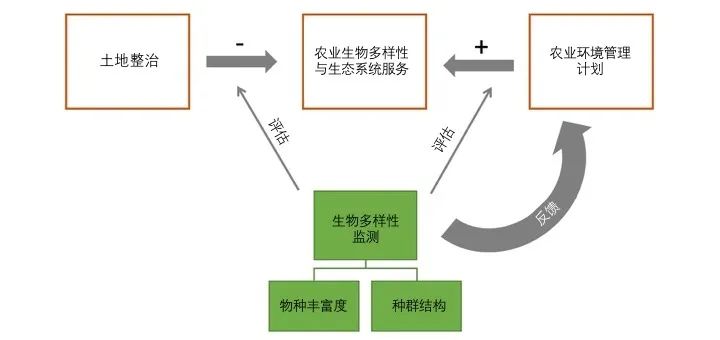
This also suggests that when the government undertakes land consolidation, it should minimise damage to existing semi-natural habitats and consider rebuilding these linear habitats. We need to establish national or industry standards, and of course we need sustained biodiversity monitoring. Only through monitoring can we evaluate the effectiveness of conservation measures, refine them, and build a productive positive-feedback loop.
●The feedback mechanism of biodiversity monitoring can help assess the impact of land consolidation and the effectiveness of agri-environmental measures (AEM). Chart adapted from Dr Zou Yi’s doctoral thesis.Apart from protecting semi-natural habitats and reducing pesticide use, switching directly to organic or ecological farming also significantly enhances agricultural biodiversity, as extensive research has confirmed. Your team also conducted a comparative biodiversity study between conventional and organic rice farming in Jiangsu—could you share your findings with us?
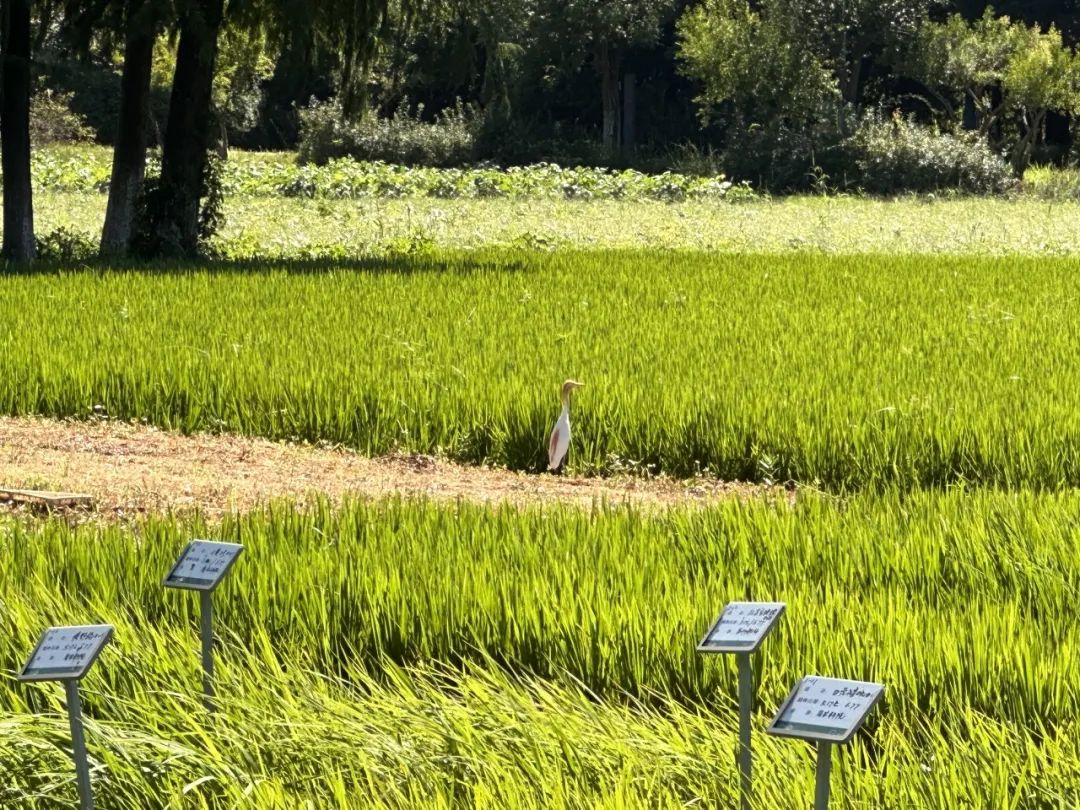
Zou Yi: Our study found that organic agriculture significantly increased aboveground biodiversity. Compared with conventional farming, aboveground arthropod diversity on the organic farm was 40% higher, encompassing both pests and natural enemies. We believe that in organic farming, the increase in aboveground arthropod biodiversity offsets the yield loss, offering potential for a win-win between biodiversity gains and economic returns.●Yuefeng Island Organic Farm, where Dr Zou Yi’s team conducted their research, is located in Kunshan, Jiangsu, and covers 230 mu. The farm conserves several heirloom rice varieties and has built a well-functioning agricultural ecosystem; 11 bird species of high ecological value have been recorded in its rice paddies, including the Arctic warbler and the cattle egret. Yuefeng Island is also one of the partner farms of Foodthink’s agroecology internship programme. Photo: Maodou/Yuefeng IslandOur study also found no significant difference in belowground microbial communities between the two farming methods. The main reason is likely that soil microbes are heavily influenced by factors such as irrigation and tillage, and also by soil texture. We did not detect significant differences in soil nutrients such as nitrogen, so the microbial communities showed no notable change.
This seems to run counter to the intuitive expectation that organic agriculture improves soil quality, and we also recommend longer-term observation to see whether a trend eventually emerges.
Foodthink: How do you think agricultural policy can be steered towards being more friendly to agricultural biodiversity?
Zou Yi: In the research field, studies on farmland and agricultural biodiversity in China have grown exponentially—from one or two papers in the early 1990s to 47 in 2020, the number of relevant publications keeps rising, showing that more and more people are turning their attention to this area. There is also growing interest in ecological agriculture as a topic.
When the state sets relevant standards, our research can provide a scientific basis. Of course, it would be ideal if scientists could participate directly in formulating those standards. If not, we can draw on years of accumulated research to supply factual evidence that supports policymakers in making more informed decisions.
In Europe, public awareness of biodiversity conservation is stronger, and this owes much to public outreach—where even the humble honeybee attracts widespread concern among citizens.
●To improve habitat conditions for pollinating insects, Berlin launched an urban biodiversity restoration project that includes keeping honeybees on Berlin Cathedral, one of the city’s iconic landmarks. Image credit: Jen Guyton/The Nature ConservancyI believe public awareness in China is also gradually growing. NGOs serve as a bridge between researchers and the public, and their role is enormously important. Research that concerns the public interest in particular needs outreach to forge that connection.
Foodthink: What can ordinary people do to protect agricultural biodiversity?
Zou Yi: Keep a love of nature alive deep inside. I think nurturing an affinity for nature—especially in children—is vitally important. Biodiversity is not just “useful”; it is also “beautiful”, and it benefits our physical and mental well-being.
Referenceshttps://besjournals.onlinelibrary.wiley.com/doi/abs/10.1111/1365-2664.14671