Meteorologist Wei Ke and scholars Liu Juan and Liu Jie point out: rural disaster preparedness falls short amid extreme weather; farmers cut planting due to labour shortages; ambiguous insurance settlements leave smallholders unable to secure compensation; and the left-behind elderly are pushed into ever greater vulnerability.
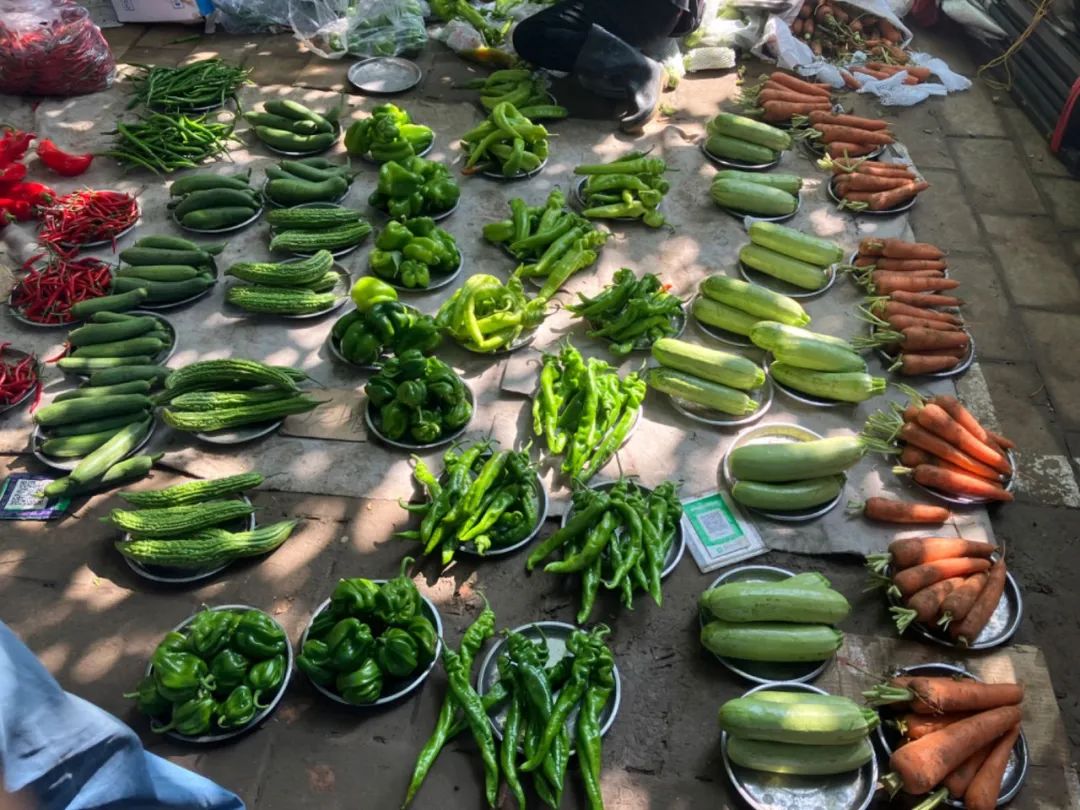
Smallholders — over 98% of agricultural business entities — and a wholesale network that blends produce at every level render the “Compliance Commitment Certificate” incapable of full testing or traceability. The Ministry of Agriculture and Rural Affairs’ new measures are unlikely to curb pesticide residues in the vegetable basket.
The International Institute for Environment and Development (IIED) and the Forest and Farm Facility surveyed over 1,800 smallholder farmers across 13 countries and found that their own climate adaptation spending far exceeds international climate finance. Farmer organisations are calling on COP28 to fund grassroots cooperatives directly.
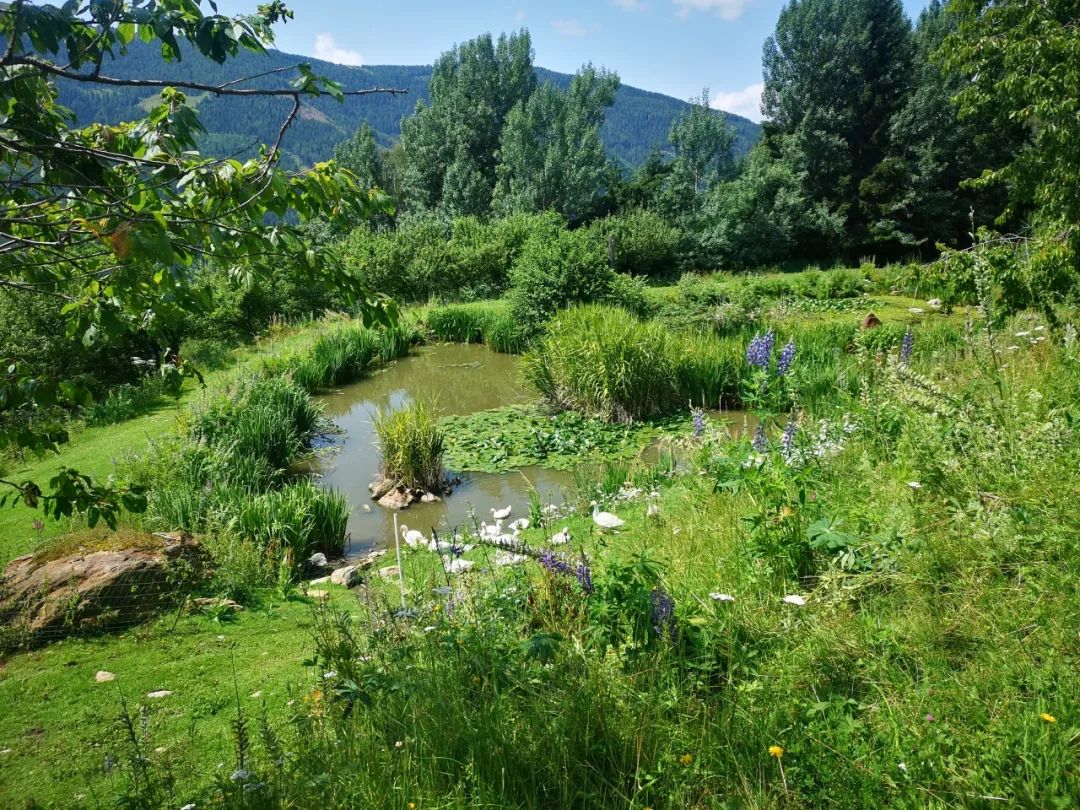
Two generations of Holzers have rebuilt terrace ponds on the arid slopes of the Central Alps, meeting the harsh climate with 72 interconnected ponds and small year-on-year experiments, grounding ecological diversity in economic calculation rather than moralistic rhetoric.
A farmer who refuses chemical fertiliser and pesticide in a Hakka village — the weeding auntie worked four days, urged me to spray for four, then carried off my taro stalks on her way out. Her own taro? Too full of pesticide to eat.
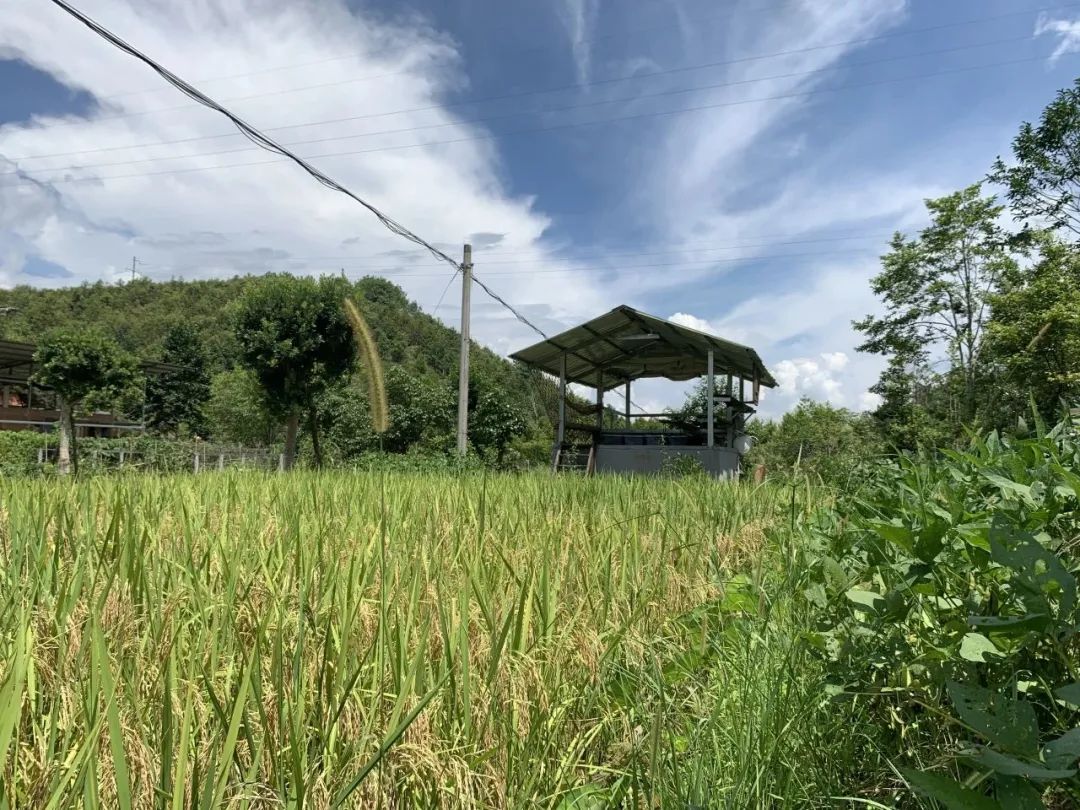
Under poverty-alleviation subsidies, farmers in Gong County (pseudonym) grow greenhouse vegetables—yet find no rest all year round, missing even Hakka ancestral hall gatherings. White lotus, despite lower returns, lets the whole family—old and young—each find their place.
In 2015, a couple born in the 1990s – Yingying and Zhiqiang – returned to their hometown of Pingquan, Chengde, Hebei, and set up Lianxiang Farm. Over eight years, they have grappled time and again with pests, weeds, extreme heat and hiring difficulties – yet they persevere.
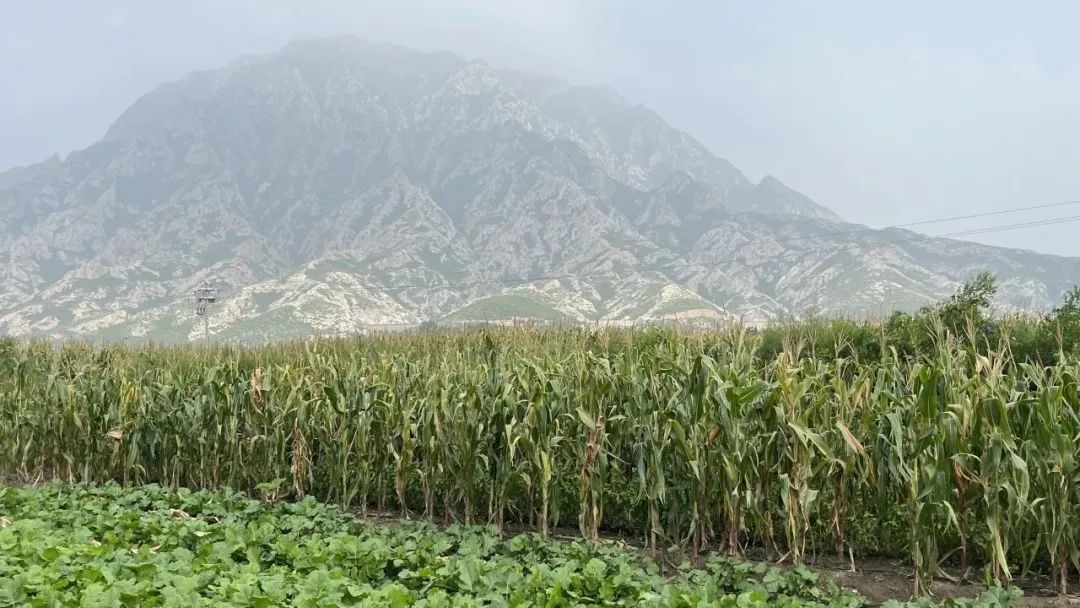
From 300 mu in Bashang to 9 in Huailai, Baxia: Huang Lifeng and Li Yuxia let Eurasian magpies peck their tomatoes, save 60 per cent of water with drip irrigation, and sell home-grown veg at the Beijing Organic Farmers’ Market at weekends — enough for a family of four.
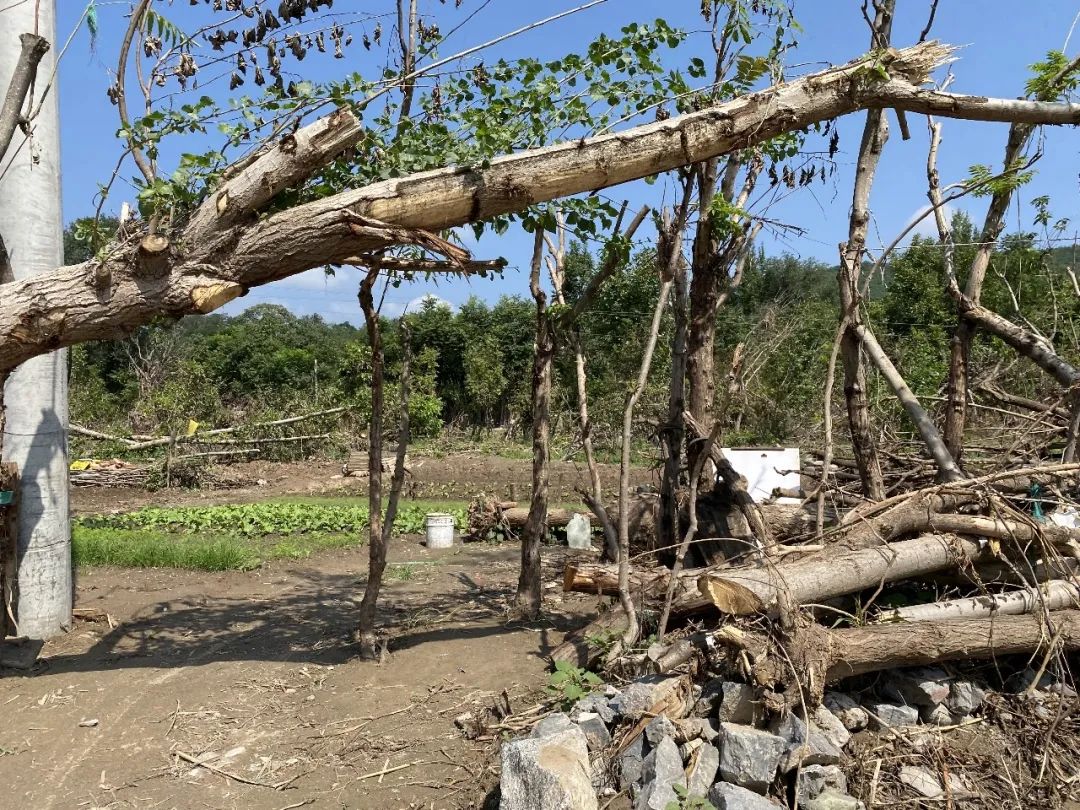
More than a month after the floods receded, the Longjiazhuang market reopened, yet nearly half the farmers’ east-side stalls remain empty. Aunt Li’s two mu of farmland lies buried under silt and debris. ‘People are fine, the land is done,’ she says. Compensation has yet to materialise.
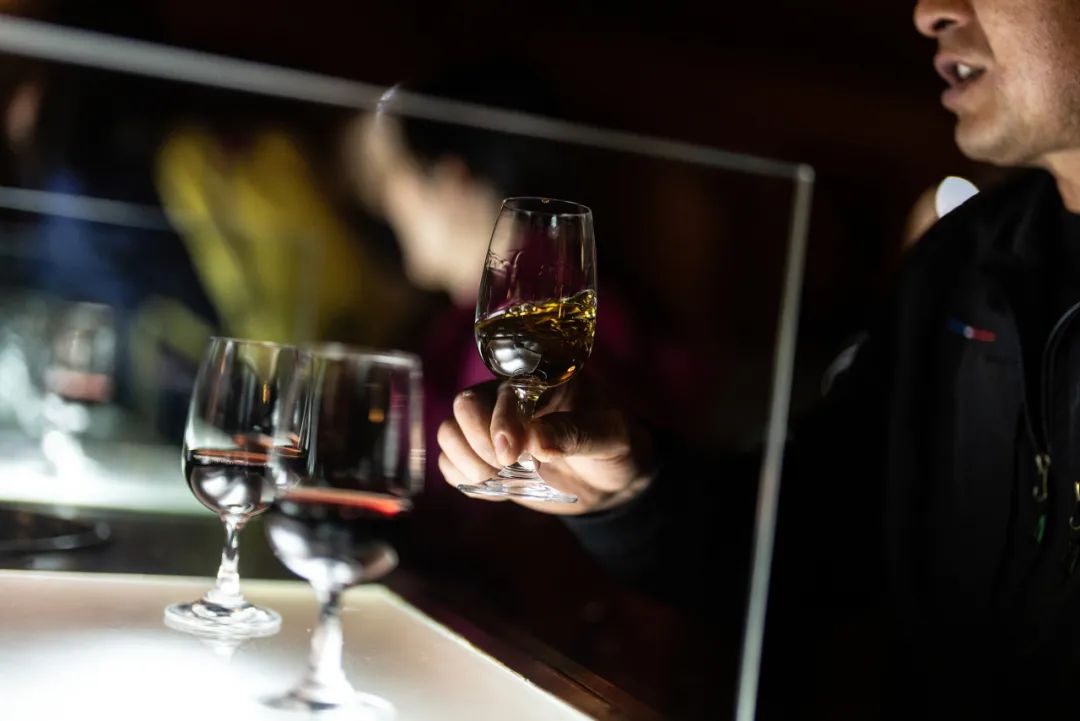
Northwest China is warming at roughly twice the global rate, and rising extreme precipitation means wine grapes in areas such as Zhangye and Yinchuan are repeatedly hit by late frosts and rain damage during the harvest period. Greenpeace’s report warns that warming and wetting are threatening their quality.