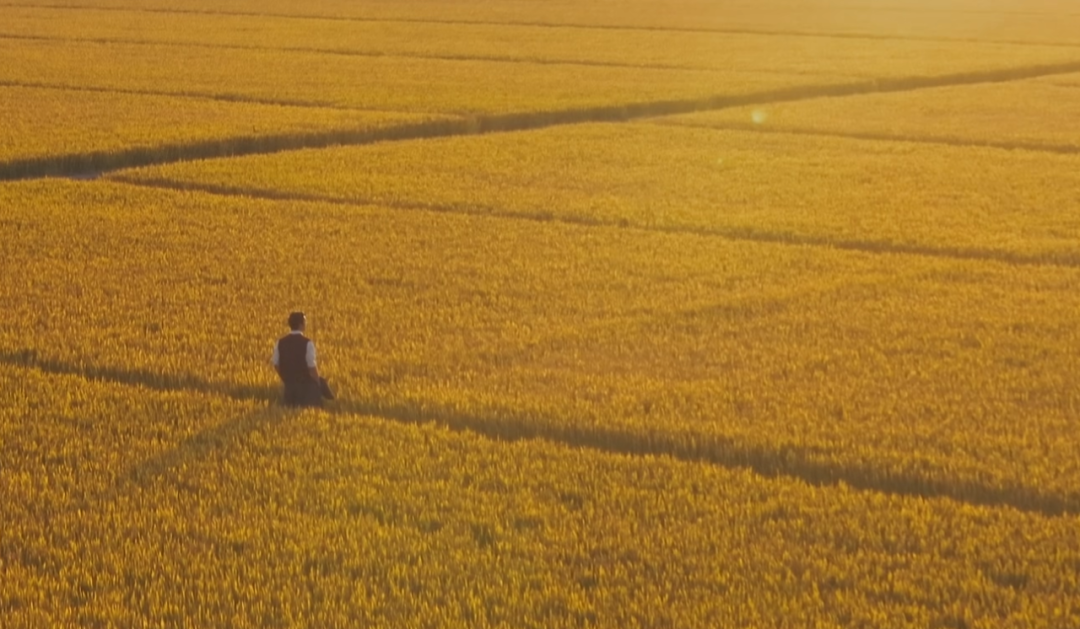
During the summer of 2021, Yuyang spent four months as an Ele.me dedicated rider in Zhongguancun, navigating between the delivery station, merchants and customers, contending with order dispatch, complaints and attendance tracking – making a decision almost every minute and second.
Brandenburg’s rainfall is 30% below the national average. The Eberswalde University for Sustainable Development has introduced broad beans, chickpeas and other overwintering crops into trial plots at organic farms, recommending farmers gradually shift from the three-summer-two-winter to the three-winter-two-summer rotation.
A shop manager demoted by a single system message; shop assistants grinding non-stop under the commands of 70-odd tasks and 30-odd cameras. Bianlifeng, which handed all decision-making to algorithms, has shrunk from nearly 3,000 stores to just over 1,000.
In a tea-growing village in the Hunan–Hubei borderlands, after a leading tea enterprise entered under the “company + farming household” model, all-round producers — from growing and picking to pan-firing and selling — were reduced to “partial tea farmers”, with value-added stages like tea-making and branding monopolised by the firm.
At Ji Shi in Beijing’s Sanyuanqiao, all produce comes from local ecological smallholder farmers—cabbages alone span multiple varieties from different farms, and farmers come in person to recommend how best to enjoy their produce. The Foodthink conversation extends from selling vegetables to efficiency, consumption and gentrification.
From ready-to-heat dumplings to central kitchen ingredients, pre-made dishes have permeated takeaways, school meals and New Year’s Eve dinners. Five contributors — including an anthropologist, a domestic worker and a sustainability practitioner — shared their views on identification, plastic packaging and the impact on Chinese chefs.
At Letian Haiwan Farm in Fengxian, local elders averaging over seventy are still tilling the land. After eight months alongside them, a Chinese-literature student found they mostly come for company and chat; the pay of just over ¥100 a day is the afterthought.
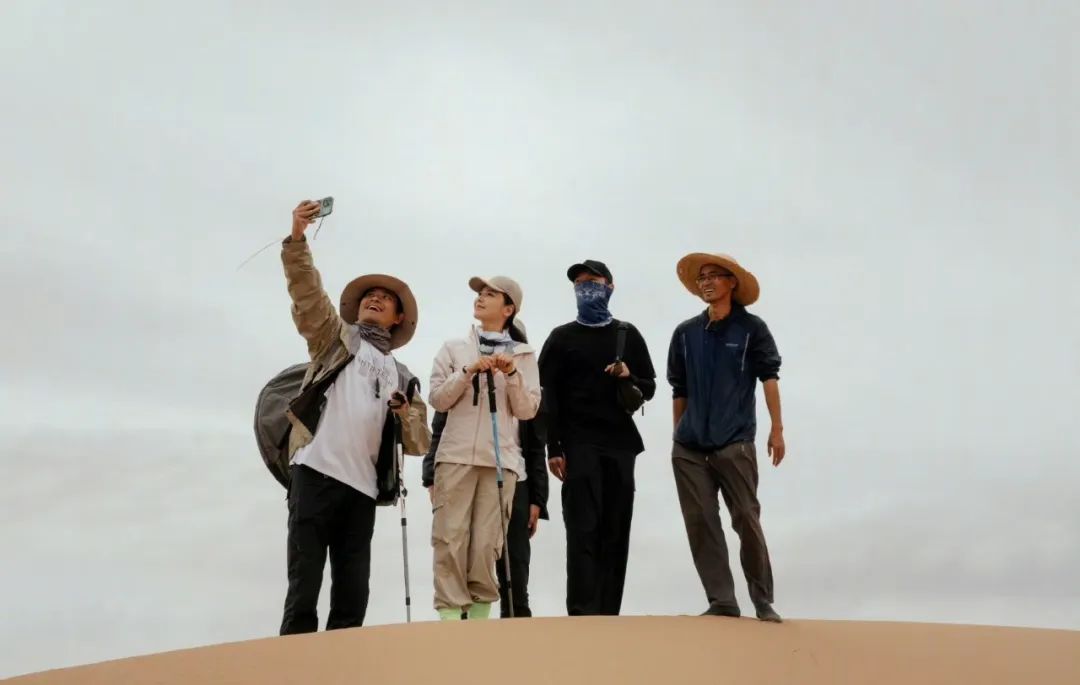
At Alxa Zhiliangtian Farm, a yellow-painted shipping container coffee house brings together study tour children, fellow volunteers and kitchen helpers. Two months of small, everyday moments gave concrete warmth to the seemingly barren desert.
A former business journalist interned two months at Zhiliangtian Farm in Alxa: eight years of organic melon growing yet no stable sales channel, live-stream audiences barely hit a hundred, per-box logistics nears 20 yuan, and the farm owner himself admits the flagship product still runs at a loss.
Meteorologist Wei Ke and scholars Liu Juan and Liu Jie point out: rural disaster preparedness falls short amid extreme weather; farmers cut planting due to labour shortages; ambiguous insurance settlements leave smallholders unable to secure compensation; and the left-behind elderly are pushed into ever greater vulnerability.