Brandenburg’s rainfall is 30% below the national average. The Eberswalde University for Sustainable Development has introduced broad beans, chickpeas and other overwintering crops into trial plots at organic farms, recommending farmers gradually shift from the three-summer-two-winter to the three-winter-two-summer rotation.
A shop manager demoted by a single system message; shop assistants grinding non-stop under the commands of 70-odd tasks and 30-odd cameras. Bianlifeng, which handed all decision-making to algorithms, has shrunk from nearly 3,000 stores to just over 1,000.
From the Rochdale Society of Equitable Pioneers in 1844, cooperatives have connected members at both consumption and production ends for 180 years. Foodthink gathers cooperative practices in food and agriculture worldwide, tracing this movement’s paths to health, fairness and sustainability in the ‘food empire’s’ gaps.
With over a decade in the villages – growing rice, raising chickens, brewing green plum wine, running rural tourism – Huang Yajun of Conghua’s Deep Cultivation centre offers, after multiple setbacks, a practitioner’s response to the academic judgement that rural work runs counter to modernisation.
In a tea-growing village in the Hunan–Hubei borderlands, after a leading tea enterprise entered under the “company + farming household” model, all-round producers — from growing and picking to pan-firing and selling — were reduced to “partial tea farmers”, with value-added stages like tea-making and branding monopolised by the firm.
After the sequel premiered in spring 2024, four Foodthink editors gathered to rewatch Food, Inc., discussing whether the industrialised farming, seed monopolies and corporate grip on the food supply it exposes have worsened or improved in the United States—and whether China is facing the same problems.
Marking the International Day for Biological Diversity, Foodthink invited four guests – including writer Ban Xia and ecologist Sun Shan – for a dialogue. At Kunming’s Zhuanxin Farmers’ Market, one stall carries 106 varieties of foraged wild greens; matsutake, however, has been listed as endangered.
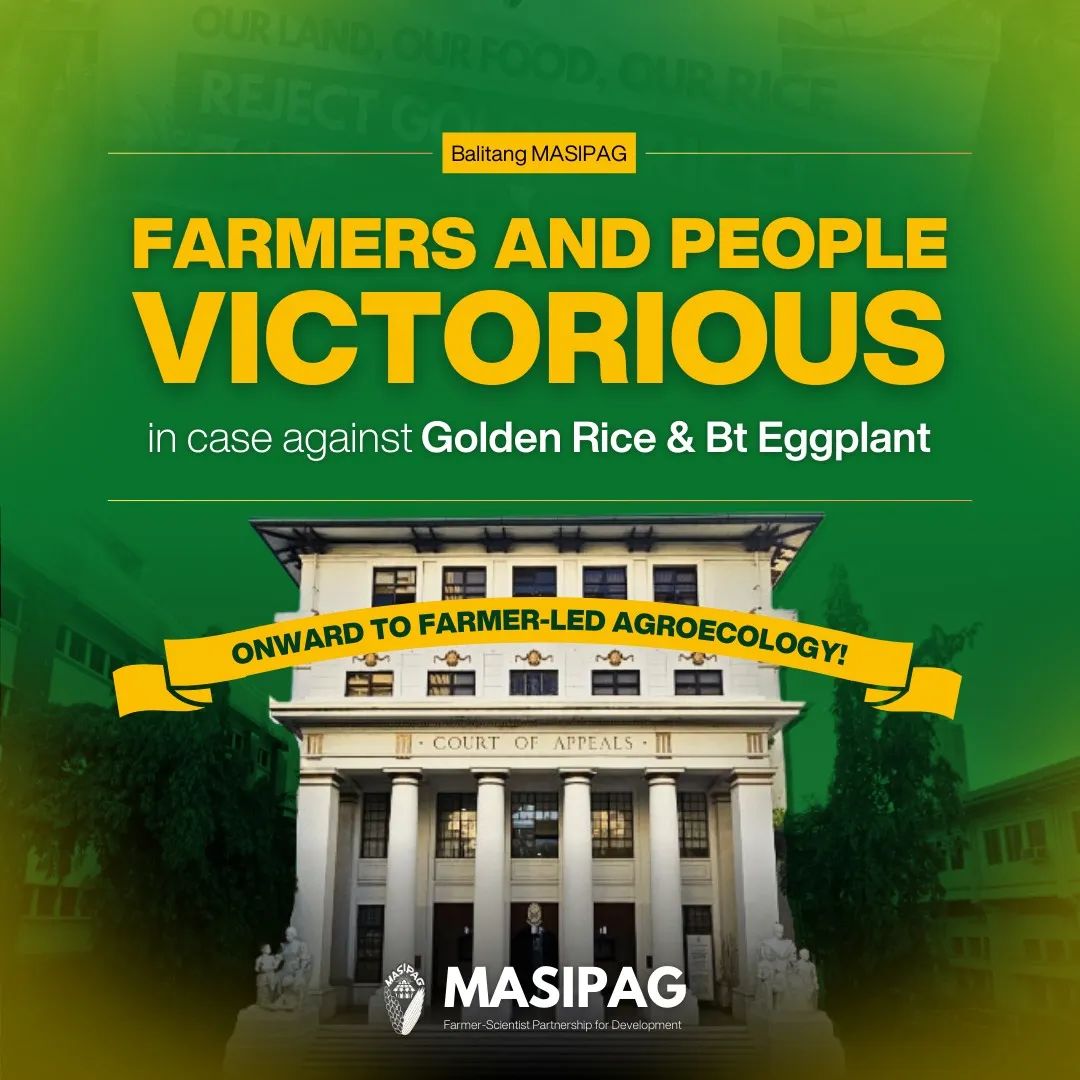
The Supreme Court of the Philippines has ruled Golden Rice commercialisation unconstitutional, revoking all Biosafety Permits. Farmers and scientists led by MASIPAG have fought for over twenty years: from table safety to tenant farmers’ freedom to breed their own rice seeds, free from seed company control.
Since 2018, Inner Mongolia has pushed its “Dairy Revitalisation” policy, yet small dairy-food producers in Senggendalai Town are trapped: standardised upgrades cost hundreds of thousands of yuan, far beyond herders’ per capita annual income of just over 20,000, while natural fermentation’s traditional flavours fade in mechanised mass production.
Deyi Tea Garden’s Zhang Chao counters the squeeze the pure bud-tip standard places on tea farmers through “multi-purpose use and flexible production”: the same mountain-site material shifts between green, black and white tea with weather and seasons, extending the picking window from twenty days to sixty.