Fish cages shattered, mud crabs all escaped with the seawater, orchards and sugarcane groves blown flat. Farmers in Hailing Island, Taishan and elsewhere, barely ten-odd days from the Mid-Autumn harvest, were ruined overnight. The salinisation left by seawater inundation is even harder to repair in the short term.
In this model village for rural revitalisation, coaches carry visitors along the same route almost every day—yet the scorched paddy bunds beneath the rice ears, scattered fertiliser bags and pesticide bottles, and ever-worsening light pollution never feature in the script.
With support from Oxfam Hong Kong’s Beijing office, Foodthink surveyed 29 social organisations and 11 scholars, finding that the real bottleneck for rural climate projects is not carbon emission reduction targets themselves but structural challenges such as hollowing and ageing.
In 1953, Swanson & Sons launched the “TV Dinner” – modelled on the aluminium foil trays served on planes – to deal with unsold Thanksgiving turkeys, bringing frozen pre-prepared food into American homes.
In Britain’s world food system, class and race determined who could eat their fill, famine was “outsourced” to Ireland and India, and industrialised slaughter hid its violence at “the end of the earth”.
Foodthink collated reader comments under articles on delivery riders’ struggles in severe weather. The debate far exceeds the “order or don’t” binary: do riders want earnings or dignity, how responsibility splits between consumers and platforms, and whether Platform gig workers remain an escape route for ordinary people.
Videos of Zhejiang and Shanghai incineration plants “competing for waste” across provinces and municipalities went viral. But waste management advocates point out that overcapacity is the reality – legally mandated dioxin data, tested only once a year, is far from “real-time monitoring”.
A former agriculture reporter covered feed market prices and live hog shipments for two and a half years – yet stories mostly came from listed companies’ earnings, and food was always just figures. Renting a plot, chasing abscessed pork: neither closed the gap between commercial framing and the field.
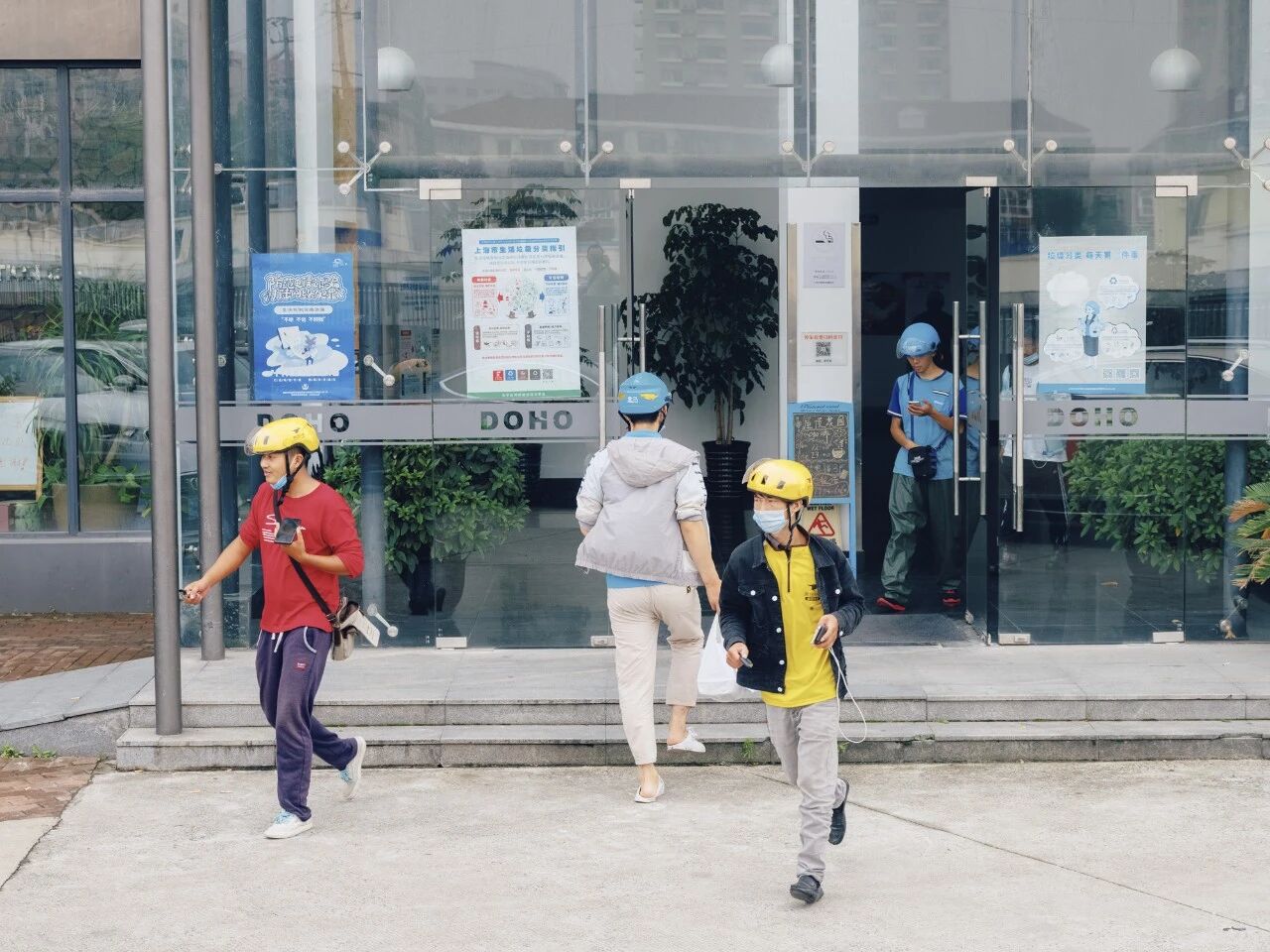
Amid Beijing’s torrential rains and heatwaves this summer, Meituan, Ele.me and JD riders had feet soaked raw, suffered heat stroke and rear-end collisions – yet attendance bonus and late-delivery penalties still forced them to run orders in the rain.
At Mondeggi commons, over 450 members collectively farm 1,800 mu of land and deliberate democratically; Genuino Clandestino uses independent certification to bypass official procedures. These communities extend agroecology from a cultivation technique into collective action fighting for land and food sovereignty.