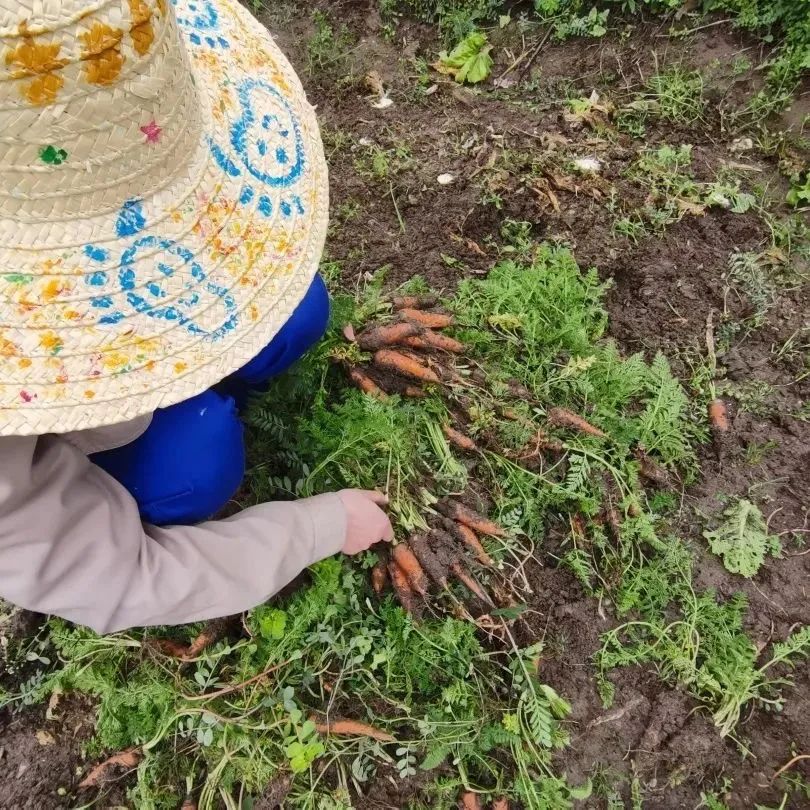
At Letian Bay Farm in Fengxian, Shanghai, pest damage has left barely any organic maize, the local farm workers don’t buy into the no-spraying method, and the farm’s real revenue comes from land rental and activity experiences – not selling vegetables.
Foodthink’s Lianhe Programme has opened applications for the third cohort of its Ecological Agriculture Internship Programme. The first two cohorts placed more than 40 young people at over ten ecological farms across the country. Application deadline: 6 March.
At Letian Haiwan Farm in Fengxian, local elders averaging over seventy are still tilling the land. After eight months alongside them, a Chinese-literature student found they mostly come for company and chat; the pay of just over ¥100 a day is the afterthought.
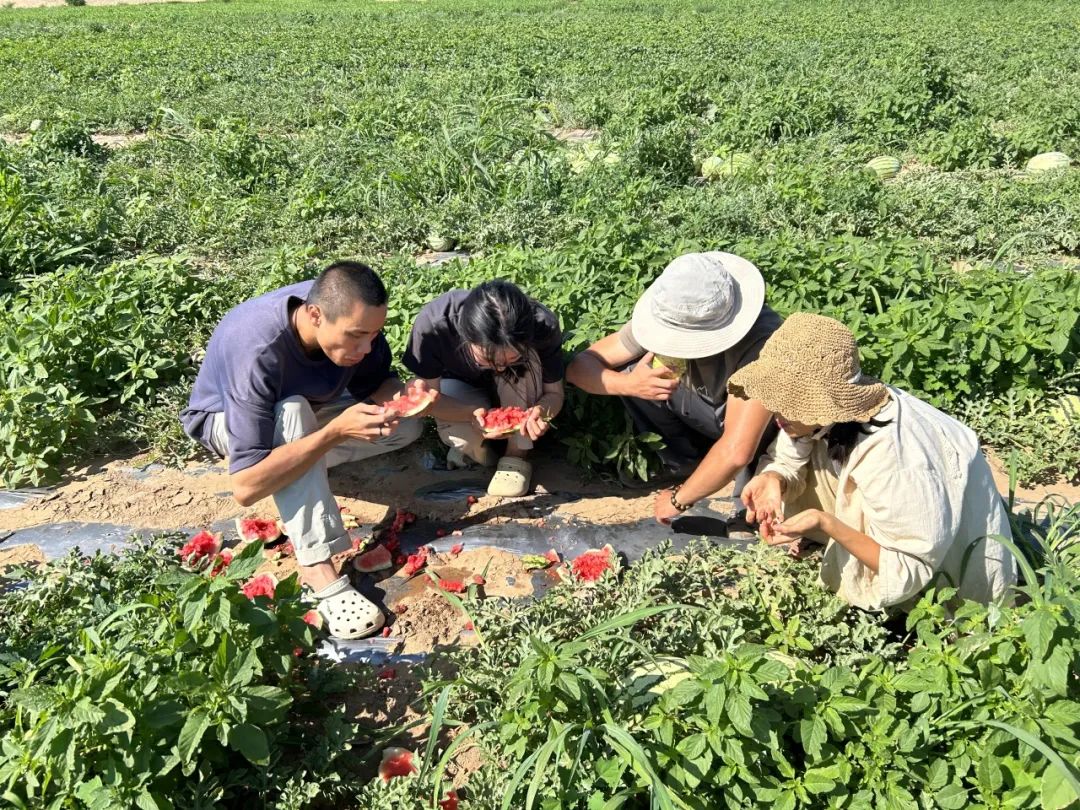
At Alxa Zhiliangtian Farm, a yellow-painted shipping container coffee house brings together study tour children, fellow volunteers and kitchen helpers. Two months of small, everyday moments gave concrete warmth to the seemingly barren desert.
A former business journalist interned two months at Zhiliangtian Farm in Alxa: eight years of organic melon growing yet no stable sales channel, live-stream audiences barely hit a hundred, per-box logistics nears 20 yuan, and the farm owner himself admits the flagship product still runs at a loss.
At Sister Yanping’s Baicao Garden in Guigang, Guangxi, from handling courier after-sales past midnight and hauling waste with a carrying pole each day, to spending three to five years rebuilding soil ravaged by agrochemicals, Natural Farming is far from the effortless “relying on heaven’s bounty.”
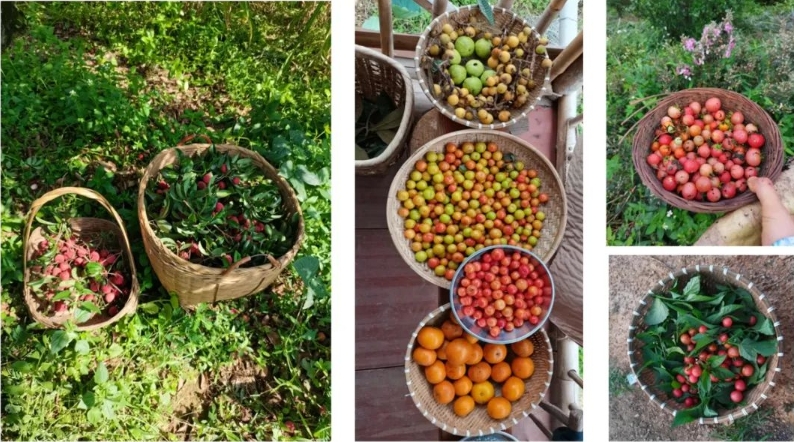
Sister Yanping is trialling Natural Farming across over 50 mu of orchard in Guigang, Guangxi: leaving ripe fruit on the branches to pick slowly, leaving waist-high grass around the trees, dropping unsellable fruit back beneath them – an orchard becoming a living composting ground.
At Letian Bay Farm, consumers rent plots in the countryside not for organic certification or environmental ideals, but for a sense of ease so scarce in the city: seeing how vegetables grow, recognising one’s neighbours, eating cucumbers without peeling.
Anthropology student Xiaocui interned three months at Letian Haiwan Farm in Fengxian, Shanghai. From planting tomatoes by hand to questioning why members rent plots, she saw the imagined pastoral and the real labour between city dwellers and the land.
At Sister Yan Ping’s Hundred-Herb Garden in Guigang, Guangxi, the Wogans went from heavy on every tree to utterly bare. Three months of picking fruit, planting cassava and going to market turned ecological agriculture into blisters on our hands and flea bites on our legs.