
Can a Farm Walk Cure City Dwellers’ Nostalgia?
Before I started my internship at Letian Bay Farm, I always assumed that the consumers here must be a pack of fervent environmentalists – there was simply no other explanation for why city dwellers would travel all the way out to the countryside. In an age when everyone is rushing towards the city, a path that runs so squarely against the current seems rather peculiar.
For a small-time citizen like me, the fantasy of Shanghai life goes something like this: after a day’s work at Lujiazui, seizing a rare slice of free time, taking a stroll along the Bund, sipping a little coffee, popping into museums and art museums. If the mood strikes for a Mediterranean diet, sling a Coach tote over your shoulder and head off to Costa or a big-box retailer like Sam’s Club, and pick up a couple of boxes of certified organic avocados.
Everything in the city is orderly, with prices clearly marked and fixed – so why drive two hours each way just to reach the countryside?

I. What Can Only Be Found in the Countryside?


Not motivated by ecological protection, and seeming to lack any specialised understanding of organic farming itself, consumers’ choices look almost like a purely self-interested act: they focus only on what they can get out of it. Yet they are not even very sure what counts as healthy. When I mention the link between organic certification standards and health, consumers say: I am no expert – I don’t really know the specific criteria for organic food, it just feels healthier.
So why, in the end, do consumers choose to come here and rent a plot?
II. Is Ecological Agriculture a Form of Nostalgic Consumption?
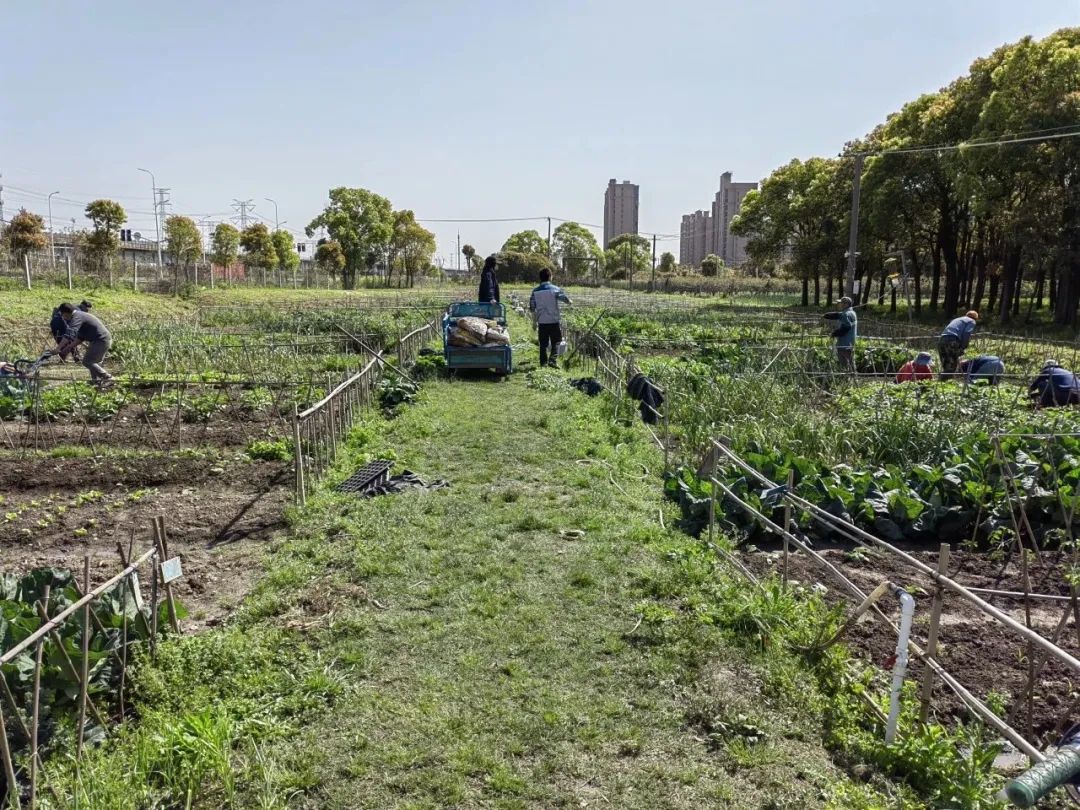
This longing for the past takes shape at the farm in various ways: the pursuit of the kind of harmonious neighbourly relations one expects in the countryside, the joy of harvesting vegetables that can go straight from the soil to one’s mouth without a quality inspection. The most tangible expression is the nostalgic space itself – members frequently mention meals cooked on the wood-fired stove, the experience of feeding the small animals, and so on. One consumer was particularly enamoured of the wood-fired stove: “This place is nothing like the other spots – you know, those agritourism places. It caught me from the very first moment, and I decided right away that I wanted to rent a plot here.” Mothers place more emphasis on the sense of security that comes from familiar spaces and familiar people. One mother went out of her way to stress how reassuring life is here: “You don’t have to tense up the way you do in the city, worrying about what resources to fight over. In the city everything is scarce – you have to jostle for a spot in the park at weekends. But here the space is vast, everything is enclosed at front and back, and the environment feels familiar, so when the children run around inside I feel easy. I don’t have to watch them every second – both grown-ups and children can truly relax… It feels like a community, like home… We don’t even peel our cucumbers. Just rinse them under the tap and eat them straight, because there’s nothing to worry about.”

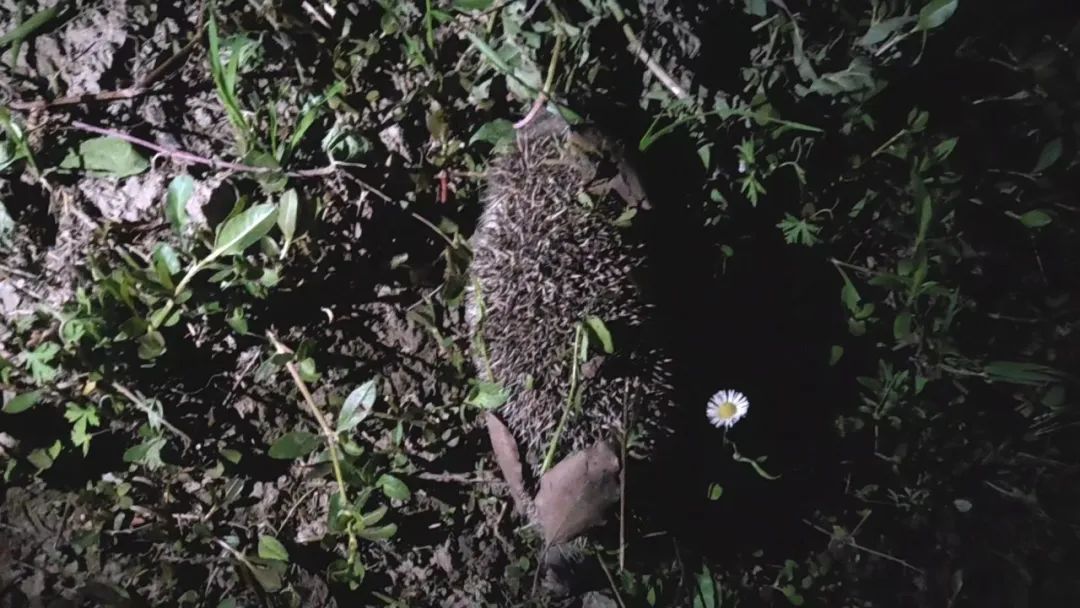
Everything the farm presents feels like a composite. The land has not been fully converted into vegetable plots; instead, a generous amount of space has been left for play – such areas account for up to two-thirds of the farm’s total area. So alongside the cultivated plots, you can see plenty of green trees and water sources, watch children darting about everywhere, and even spot hedgehogs at night. In trendy parlance, this mix might be called “Ecology + Food + Parent-and-Child + Elderly Care + Camping + Nature Education + Other Activities.” It serves a diversity of needs: children’s play, older people’s retirement, office workers’ leisure, and middle-aged people’s tending of friendships. One mother went out of her way to stress how reassuring life is here
At the farm, everything runs the other way around. The organic label that can explain everything so quickly and simply is not the most important thing, because consumers can see and imagine, right in the soil, all that they have had no time to experience in the city.
III. How Do Consumers Judge Food?
But does everyone carry the experience needed to judge the quality of food? There is a passage in The Omnivore’s Dilemma that, for all its quietness, resounds like a thunderclap: “In the food culture of the United States today, the indigenous wisdom that once guided what we eat has gradually faded, and what rises in its place is confusion and anxiety. Something as fundamental as ‘what to eat’ now requires a whole corps of experts to help us. We depend on professional journalists to investigate and tell us where our food comes from, and we need nutritionists to help us settle on the evening’s menu. How has it come to this?” Knowing what to eat and how to eat it – once a matter that spoke for itself – now actually requires expert guidance.
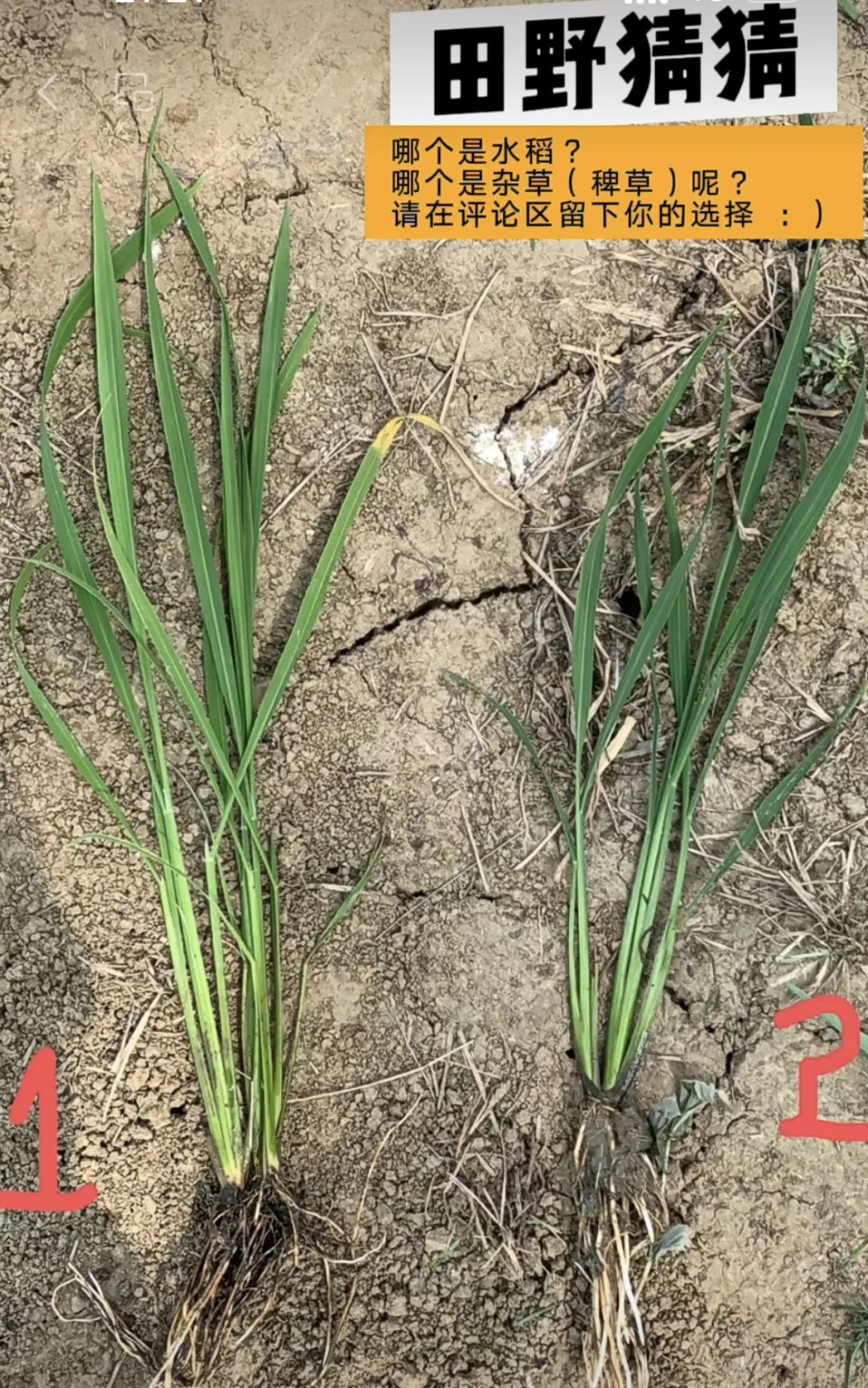
Answering questions about food is especially hard for children raised in the city. They do not understand how the world they interact with every day actually works, nor what secrets lie in the growth of a single ear of maize. Some children learn from poems that rice and barnyard grass are different, yet they have no idea what either of them actually looks like.
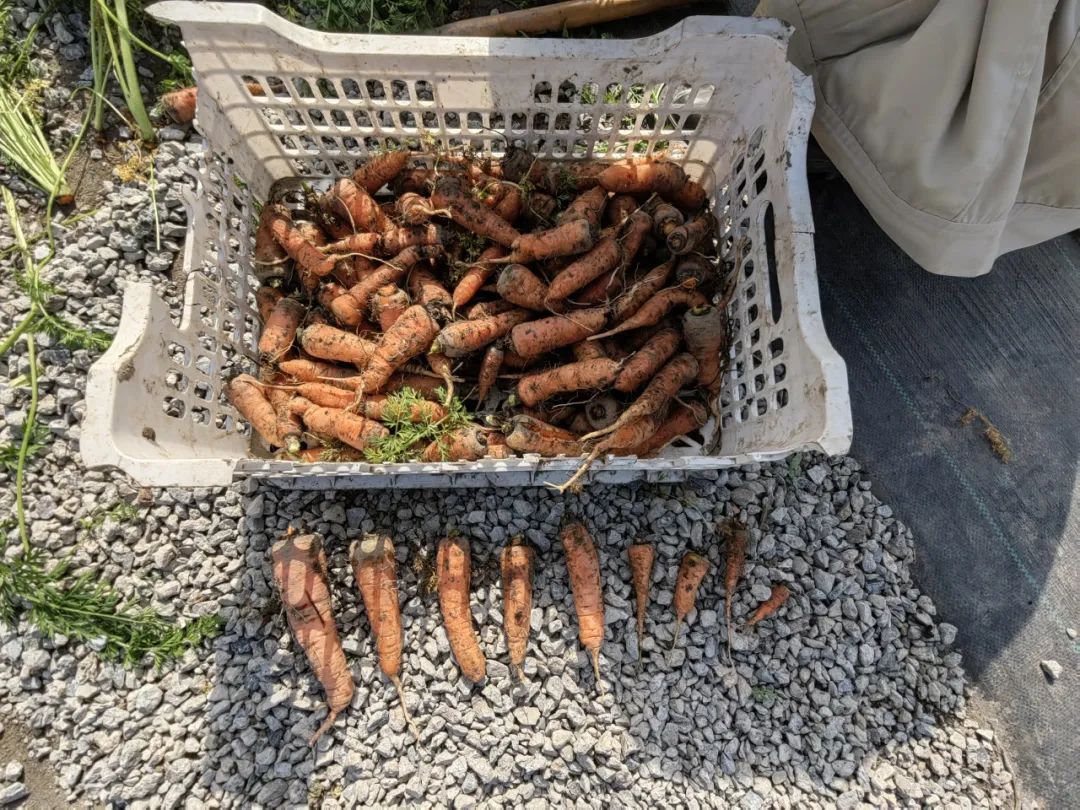
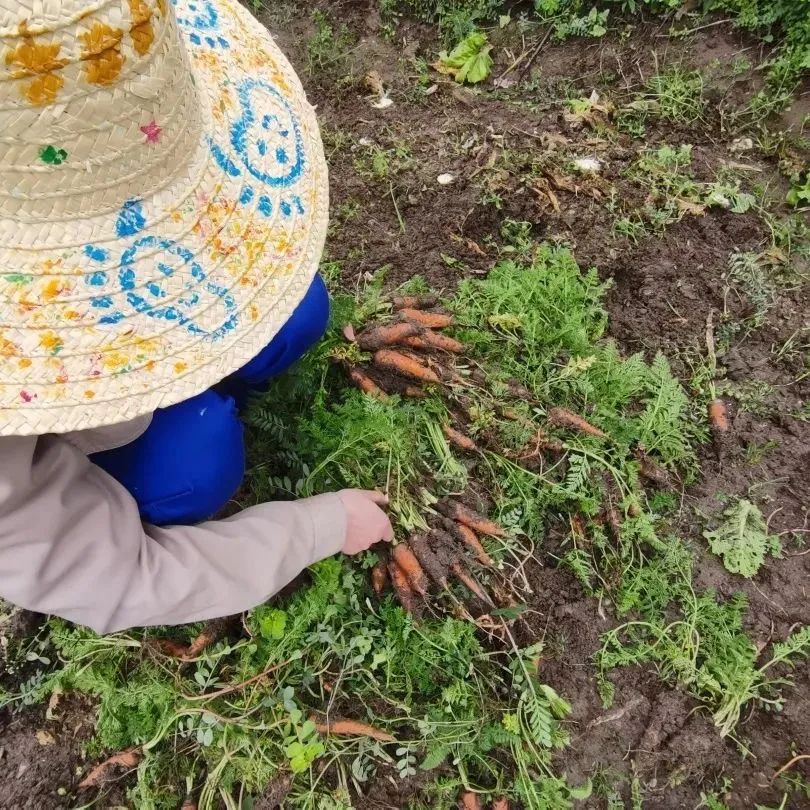
Middle-aged consumers reach for memory to picture what a vegetable ought to look like: insect holes, uneven sizes, a little imperfection. If it matches the shape and taste they remember from childhood, then it is “healthy”, “organic”, “ecological”.
For younger consumers, the severing of certain “traditions” occasionally makes judging food a challenge. I still remember a woman holding up a somewhat over-mature cauliflower and asking me: “Is this still edible?” You would never encounter such a question in a supermarket, where produce that looks unsightly or is past its prime is simply never put on the shelf. But at the farm you have to deal with plants growing as nature intends – much like those wilderness-survival television programmes set in the jungle, only without the contestants’ rich store of natural knowledge.
I am not sure whether this is an unspoken “sense of ritual” shared among city dwellers. Since I genuinely do not know either, I simply say I do not know, and watch them – clutching their cauliflower or a single cucumber – scuttle about the farm like chicks just out of the nest, seeking out the farm manager for an answer. Though they may lack all manner of common sense, one can still glimpse the need for conversation and connection that grows out of this.
Time and again, in the process of checking whether a crop has ripened or whether they have missed the best window for eating it, consumers forge a sturdier bond of trust with the people who grow their food, and gradually recalibrate their own understanding: a cauliflower that has begun to flower a little is still perfectly edible; an over-ripe cucumber can be turned into pickled cucumber; and if you visit every week, there is no need to rush and pick the green tomatoes – left to ripen naturally, they taste better.
For those a little older still, the standards of judgement are different again. Some people, trusting in the experience of the past, actually conclude that if a plant looks too well-tended, it must be a sham.
I once met a woman who used to grow her own vegetables. She said: “I’m sure your vegetables here still get a bit of pesticide sprayed on them. I used to grow my own – and these vegetables of yours –” She paused, tilted her head and jerked her chin at the round cabbage in the next plot, already eaten into a sieve of holes. “When we grew our own at home, how could we ever eat them? The pests took them all.” I was deeply struck by her commanding confidence in the field she knew so well; so much so that, though I wanted to push back, all I could manage was a small-voiced reply: “We use biopesticides, and from time to time we hand-pick the pests.”


IV. Possibilities Beyond Nostalgia
We might say that consumers’ scientific understanding of food, and their concern for the environment, have not reached a certain depth. Although we may lack such a profound scientific narrative, consumers can still start from ecological agriculture to pursue the bonds of trust and the rural culture that are slipping away. In this light, consumers are not self-interested; they, too, long for the beauty of a lost world to be revived in today’s society.
When I ask them why they bring their children here, they simply tell me: “Being in touch with nature is better for the children… things we used to see, our children have never seen… I don’t expect them to learn anything – I just want them to have a look…” It is a tradition that speaks for itself, like a myth: you may not understand the science behind it, yet you do not question the wisdom of doing it this way.
How to extend this nostalgia for a better life in the past to broader values – such as reducing food waste – is a question worth pondering. Repeatedly reaching for yield figures to answer the doubts raised about ecological agriculture seems to be falling into a trap of self-justification: for a single vegetable, is it waste for the insects to eat it, or waste for it to end up in a household bin? That does not seem hard to decide, and it is no wonder that many practitioners of ecological agriculture say: the insects take half, I take the other half.
A nostalgic space evocative of the pastoral idyll of old draws consumers in, but more important than the space itself is the emotional connection between people. For those who keep coming back, feeling sincerity and care in the experience matters. For that reason, they partly set aside the label-driven narratives of modern society, no longer using “organic”, size or variety to describe a vegetable, and trying to harvest and use everything their own plot yields – even if that means eating the same dish five days a week.
For the farm’s staff, they come with a wholehearted wish to change the state of agriculture, because the land offers not only the function of producing food but also encompasses social connection, education and so much more. When two such pursuits meet unexpectedly, both consumers and producers seem able to find peace in the space set apart that the farm provides, and to live a slower life. For young people weary of their office cubicles, this is where a new life begins.

Our aim is to connect young people keen to work in ecological agriculture with established ecological farms – helping the former to acquire farming knowledge and skills, while summarising and passing on the experience of veteran farmers, and addressing the shortage of skilled labour on the farms. Stay tuned for updates on the ecological agriculture internship programme!
Editor: Wang Hao