
Zen Perseverance Behind Food Freedom | Villain’s Valley Foodie Views, Part Two
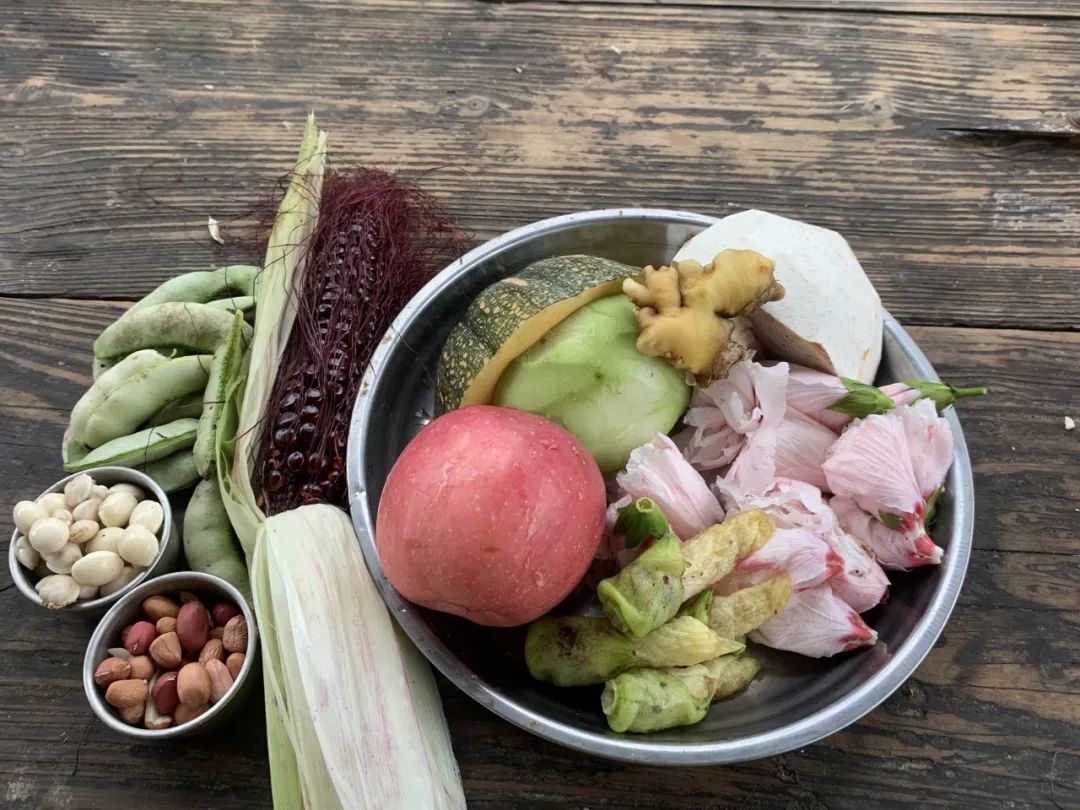
In the first instalment of the Villain’s Valley Foodie Views series, I mentioned that Bailu’s soup called for ten ingredients, nine of them homegrown. I take “self-sufficiency” as the guiding ideal of my life in Villain’s Valley, and on the face of it my self-sufficiency rate runs as high as 90 per cent. But never mind that old saying: of a hundred-li journey, the last ten li count for half the effort. A humble little apple, of all things, has become a stubborn roadblock on the road to that ideal. If self-sufficiency eludes me, then “food freedom” – having whatever one fancies – is nothing but self-deception.
In truth, a fruit-and-vegetable soup without apple can still be made, and still be eaten. After all, I once lived off radish soup for an entire spring and found contentment in it all the same. But without apple, a fruit-and-vegetable soup loses its sweetness. And ‘deliciousness’ holds a commanding position in my Villain’s Valley food philosophy.
Achieving a Villain’s Valley version of “food freedom” on this particular patch of earth is also a measure of how my relationship with the land has been shifting.
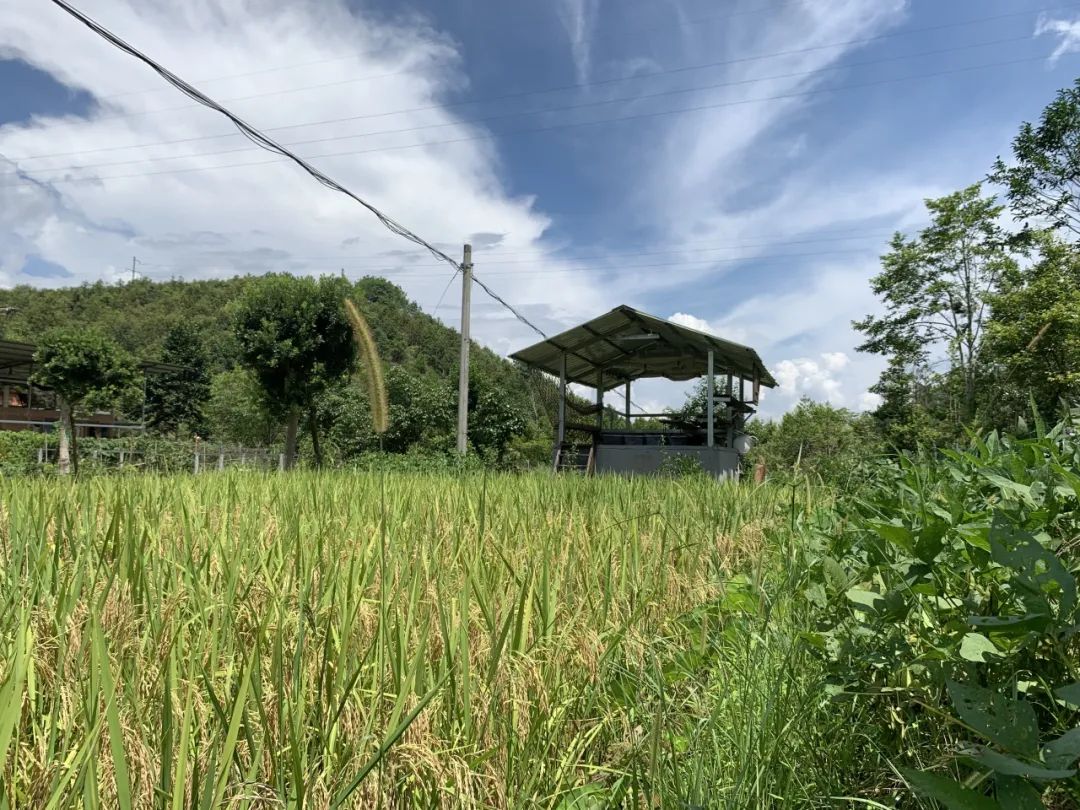
I. Self-Sufficiency: The In-Season, In-Place Edition
In 2021, my first year, dropped alone into a patch of wilderness, I ran myself ragged just getting the ground ready, squeezing in whatever I could wherever there was a gap. Nearly every seed and sapling was a tuition fee paid to the school of trial and error. Whatever did come up, I treasured, ate, and proclaimed to all and sundry like a royal edict.
By the second year, I was tilling as I planted and finally managed to stop buying veg from the market – whatever the patch yielded, that was supper. Everything that grew in my own field was a treasure, and that spring of a daily pot of plain radish soup was still brimming with contentment.
Coming to Villain’s Valley, I set the land as my canvas and drafted a master plan for the dream of “food freedom”. At the outset, there was an “ideal state” I mapped out and set to work. Unfortunately, my success rate was rather low, and virtually every plan turned out to be a steep tax on my own gullibility.
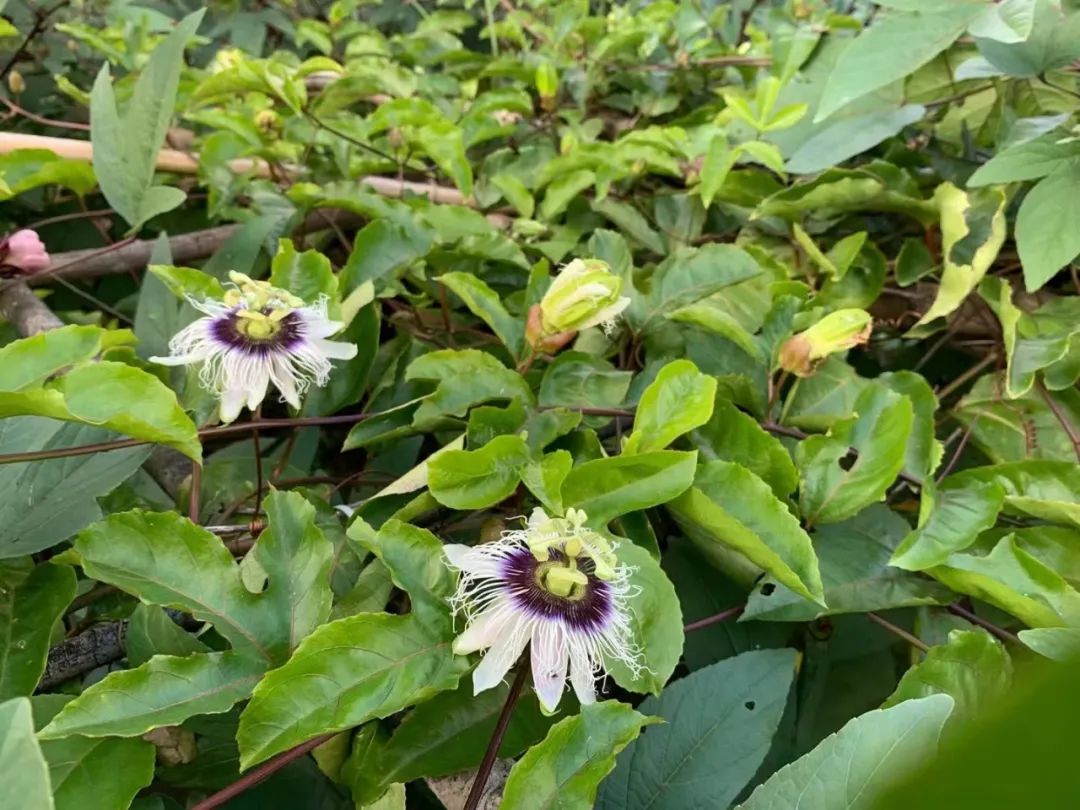
Climate and terrain were the first teachers I met. Over two years, the saplings I have bought number in the thousands. The fruit and nut trees that survived are two Chinese bayberries, two loquats, three Chinese chestnuts, four Furong plums, five Honey Snow pears, plus a handful of honey mandarins, kumquats, kiwi fruits and passion fruits… But they merely survived. To bear fruit takes more years. The only home-grown fruit this year is the passion fruit, which fruits the very season it is planted. Even once fruiting season arrives, it is mostly fresh seasonal fare – self-sufficiency in fruit through all four seasons remains out of reach. The reason apple holds such a firm place in my food basket is not only its flavour, but its keeping quality: it can be stored all year round.
II. Insects: Are There Many? No, Not Many.
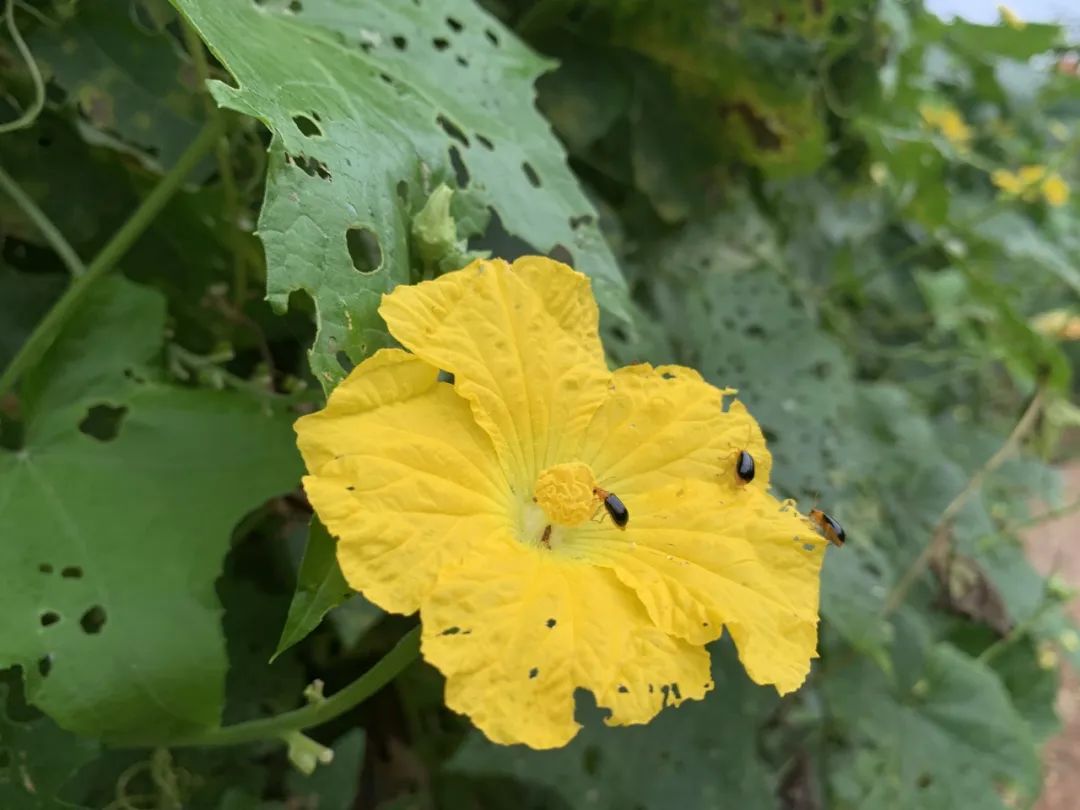
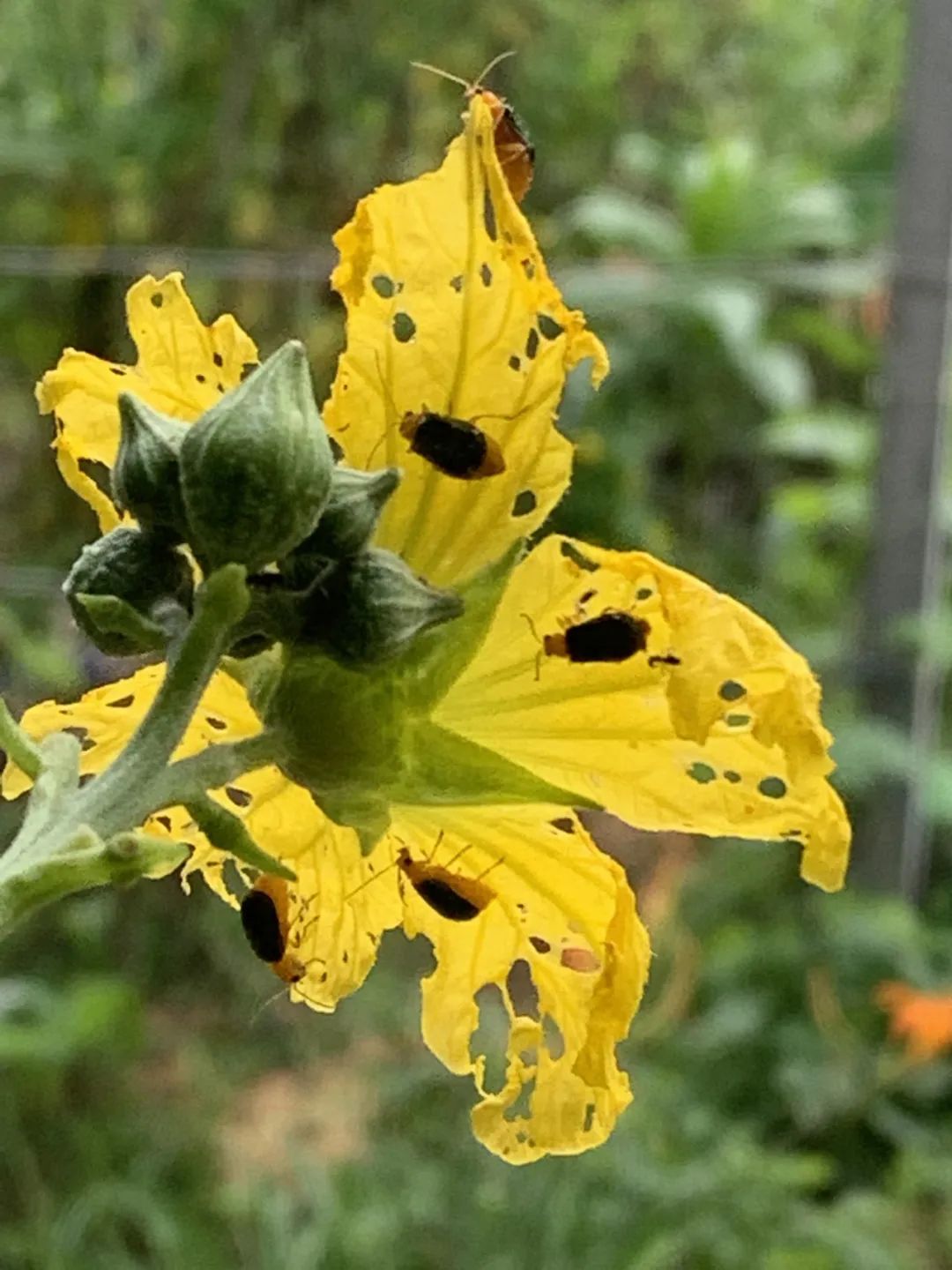
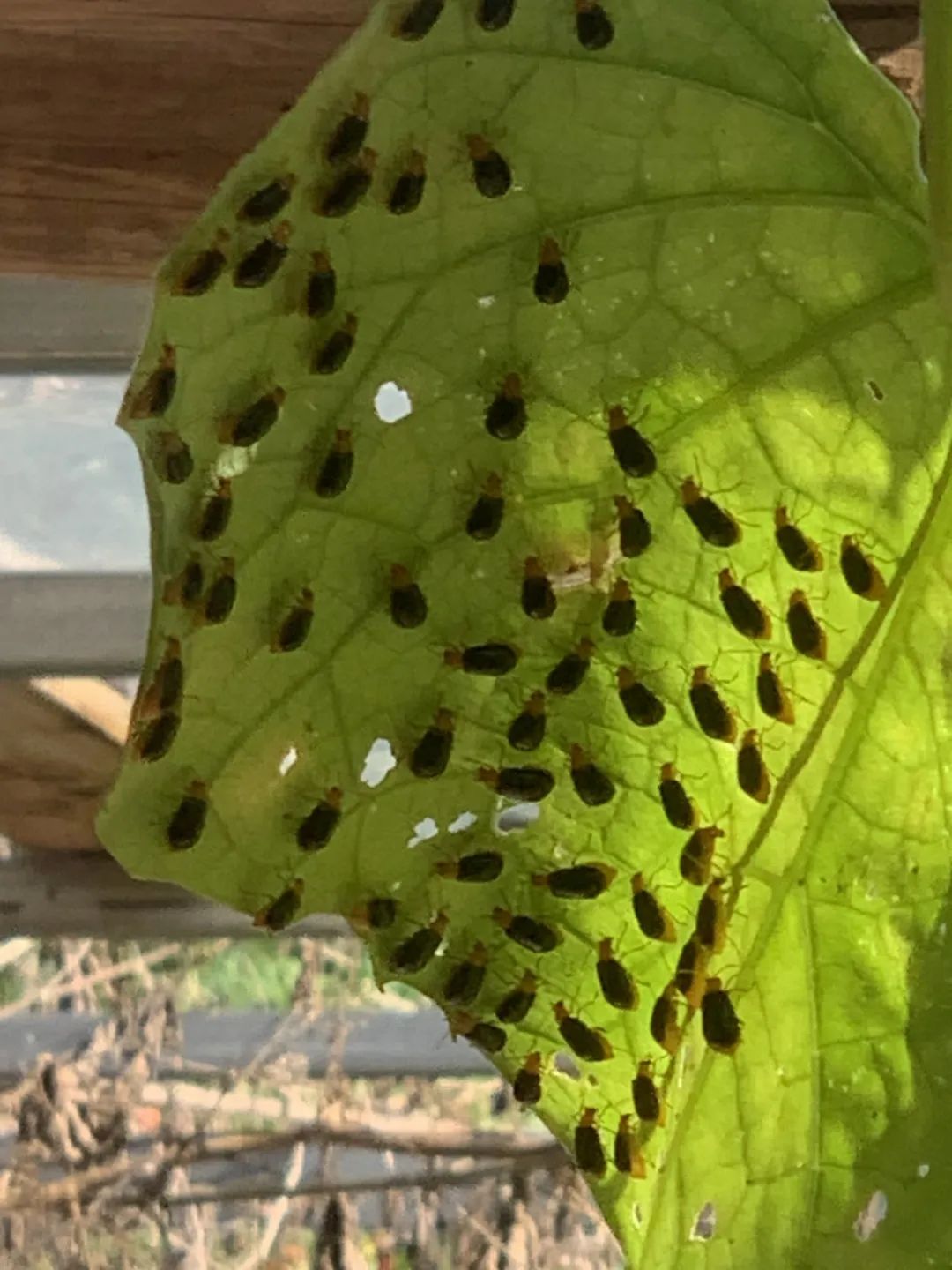
This year I planted a great many varieties of pumpkin. Around Grain Rain, one sows melons and beans – across all of Villain’s Valley, I suspect several hundred pumpkin seeds have gone into the ground. Some were farm-saved seed kept over from last year, some brought down from the north by my family, and some varieties I begged from friends in the Jiangsu and Zhejiang region. In the germination stage, everything looked so lush I felt rich enough to rival a nation, and I even worried, caught between hope and dread, “What if I can’t eat it all?” So I kitted out a whole set of implements for drying pumpkin in bulk. But I never anticipated that insect damage would be so rampant: there is a kind of yellow flying pest that swarms in troops, and its fighting prowess rivals Wong Fei-hung’s – targeting the tender shoots of every melon and gourd crop. Winter melons and pumpkins are their particular favourites: dozens of winter melon seedlings were wiped out entirely, and of the pumpkin seedlings that clawed their way back from the brink, only about ten survived.
Insects are my natural predators here in Villain’s Valley – crawling things in the soil, flying things overhead, scuttling things on the ground, a menagerie of the strange and wonderful. When it comes to dealing with them, I refuse chemical methods outright. Physical methods, I accept with open arms. I have tried every trick from heaven’s net to earth’s snare, from the sound-and-light contraptions that scare birds by day to the insect light traps that lure them at night, paying a steep tax on my own gullibility along the way.
For all the variety of methods, really they are just ways of clinging on. At the end of the day, what I want is to hold out until the day the natural predators of these pests march in and meet us in victory. When I was in Taiwan, fellow farmers shared a theory that I found utterly convincing: every pest has its natural predator, and nature runs on its own food chain. Every creature, like us, follows food to make its home. As soon as one species grows numerous enough to sustain the population above it on the chain, its natural predators will come. The conclusion drawn from this is painfully clear: if the pests arrive but their predators do not, it is simply because there are not yet enough pests.
The locals reckon that because I do not spray, the pests that first found my patch knew very few, but insects have their own internet too, and word has spread – ever more pests are on the road to Villain’s Valley. If I keep refusing chemicals, next year there will be even more…
I have no idea how many pests my patch will need before their natural predators finally show up. In a situation like this, all one can do is, first, plant more. The pests are many, but the seedlings are more – sow enough and a few will always slip through the net. This year I planted a few hundred pumpkin seeds; next year I will sow a thousand or more. Second, physical protection: I have already bought 200 square metres of 40-mesh insect netting. Next spring, during the seedling stage, I will use protected cultivation under the netting. Once the seedlings are big enough, I will lift the net and let another round of natural selection take its course.

III. Zen Pumpkins
The fruit fly is light and dainty, rather like a baby bee – all sweetness and innocence to look at. But it is the death of pumpkins, bitter gourds, cucumbers and ridge gourds. This year, the dozen-plus bitter gourd seedlings that germinated and took hold yielded absolutely nothing – all thanks to the fruit fly.
The fruit fly bites not just gourds but people too. It loves to settle on skin, presumably to feed on the salt in one’s sweat. At first a fruit fly clinging to me got the same treatment as a mosquito – I did not hesitate to slap my own hand, my own leg, even my own face to swat it off. Now I have cultivated the art of not being bothered to wave it away. After all, it isn’t as filthy as a housefly, and its sting can’t penetrate the skin, so unlike a mosquito there is no itch. It is virtually harmless to a human being – let it be.
The fruit flies, swirling by the thousand, strike first – they get their mouth in while the pumpkin is still tiny, tiny. A gourd button not even a centimetre across has already been stung. Most wither and yellow and drop off before they can even flower, their gourd lives cut short before they have barely begun. The few with strong vitality flower and swell to between the size of a quail’s egg and a hen’s egg, only to yellow and fall. Only the rarest, toughest survivors grow into a proper pumpkin.

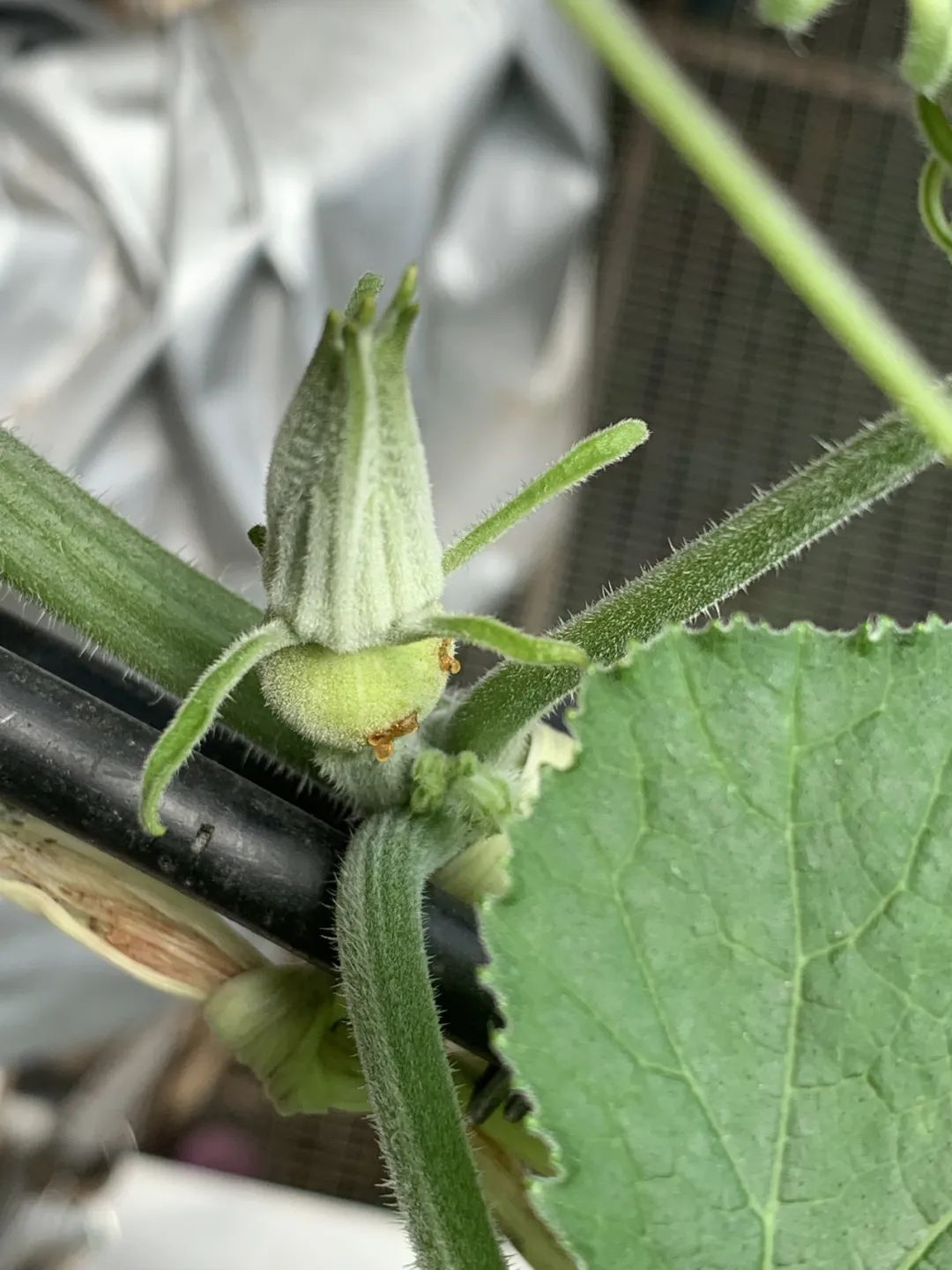
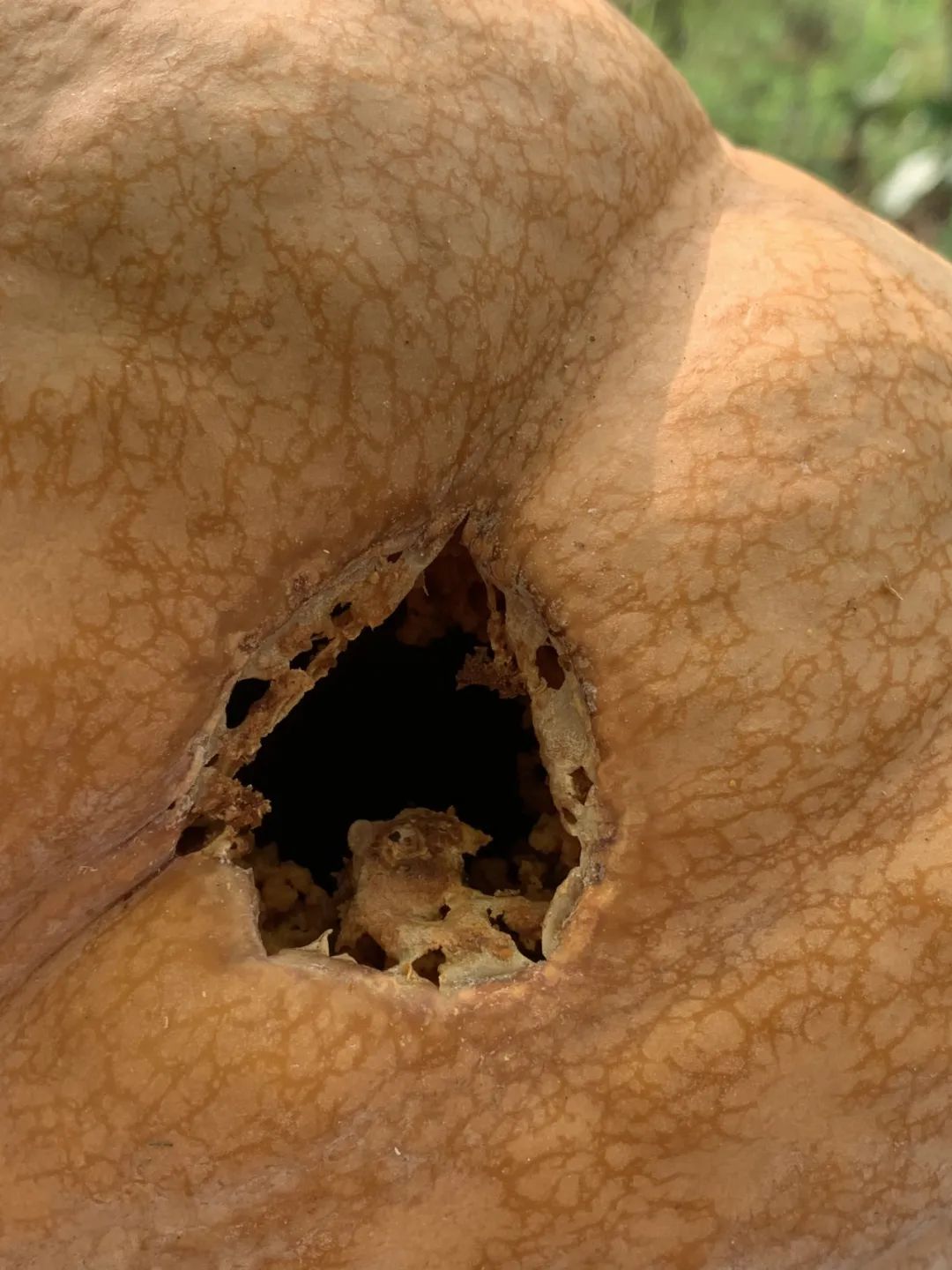
But even if a fruit-fly-stung pumpkin does grow, it has not yet passed its tribulation. As the gourd swells, the eggs the fly laid hatch into maggots inside the core, and they too grow ever plumper within the pumpkin’s belly. Even the toughest survivors, swollen to over ten kilos into true behemoths, still succumb to rot in the end… These pumpkins can go only to the chickens. We pumpkin growers feel no grief, have no fight left, and no complaint to make – the heart is still water.
Last year I could not have been this serene. Back then I hovered over every female flower each morning, every single one, taking a male flower’s stamen and hand pollinating by hand with a care that left nothing to be desired. The fate of every tiny gourd button entered my eyes, my heart, my sleepless thoughts. Mercifully, the fruit fly was not as rampant last year as this. Had it been like this year, ten of me couldn’t have coped.
Under the fruit fly’s relentless siege, fewer than one in ten female flowers survive, and fewer than one in ten of those grow to full size. I know not what unseen decree and unknowable chance govern this. The swirling little yellow pests have taught me to “do one’s utmost and leave the rest to heaven”, and have taught me how to treasure a pumpkin that actually makes it. Each one is precious precisely because it is rare; every mouthful is savoured with the knowledge of how rare it is.
This year, some ten pumpkins weathered their own eighty-one tribulations and came through to full fruit. The pear-shaped pumpkin was the most abundant of the survivors, and happily, it also happens to be the best in flavour.
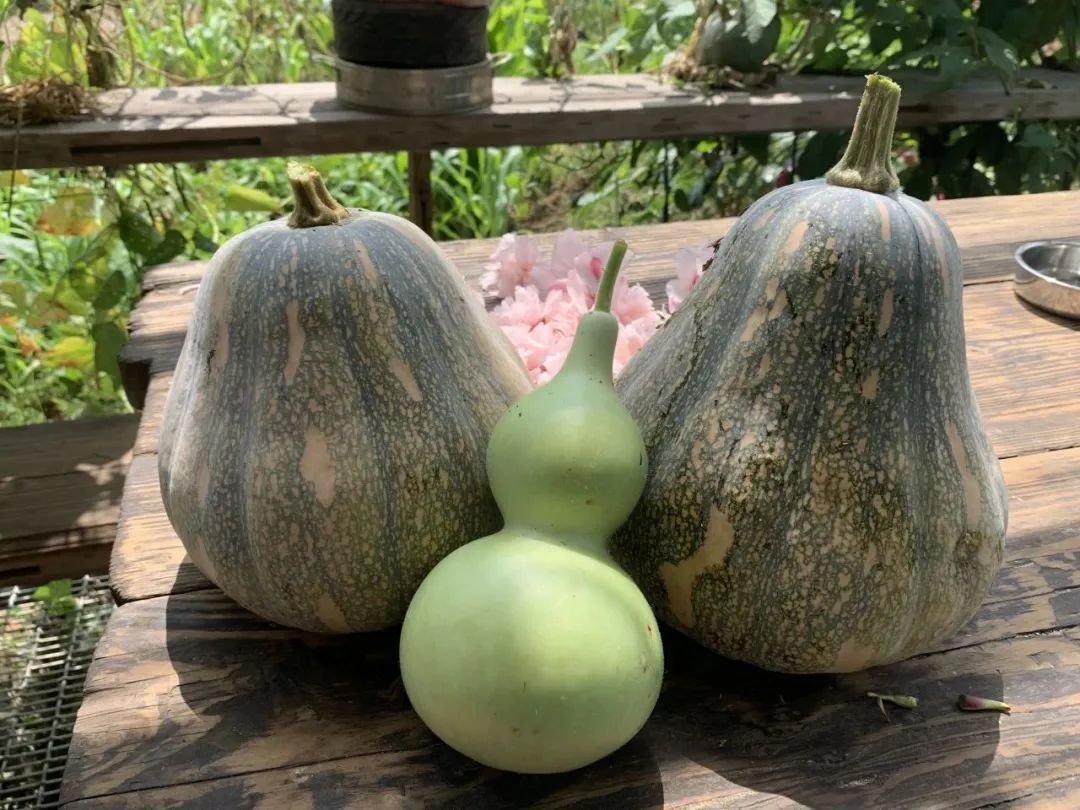
My first criterion for judging a pumpkin is not sweetness but flouriness. Some pumpkins may be sweet enough, but they are too watery – you have to watch the heat like a hawk, whether steaming or boiling, because overcook them by a moment and they turn to mush. This “Big Pear squash” of modest sweetness is naturally blessed in constitution: it fears no pot. Cut into chunks with the skin on – just chuck them in the pan and boil away. Boil to the bitter end and it stays floury and tender, with a texture that is sheer bliss.
To grow pumpkins, I go with the flow. To eat them, I do so with reverence. With every mouthful, this humble pumpkin-eater cannot help but murmur thanks and praise: truly, Heaven will not let even a blind house sparrow starve.
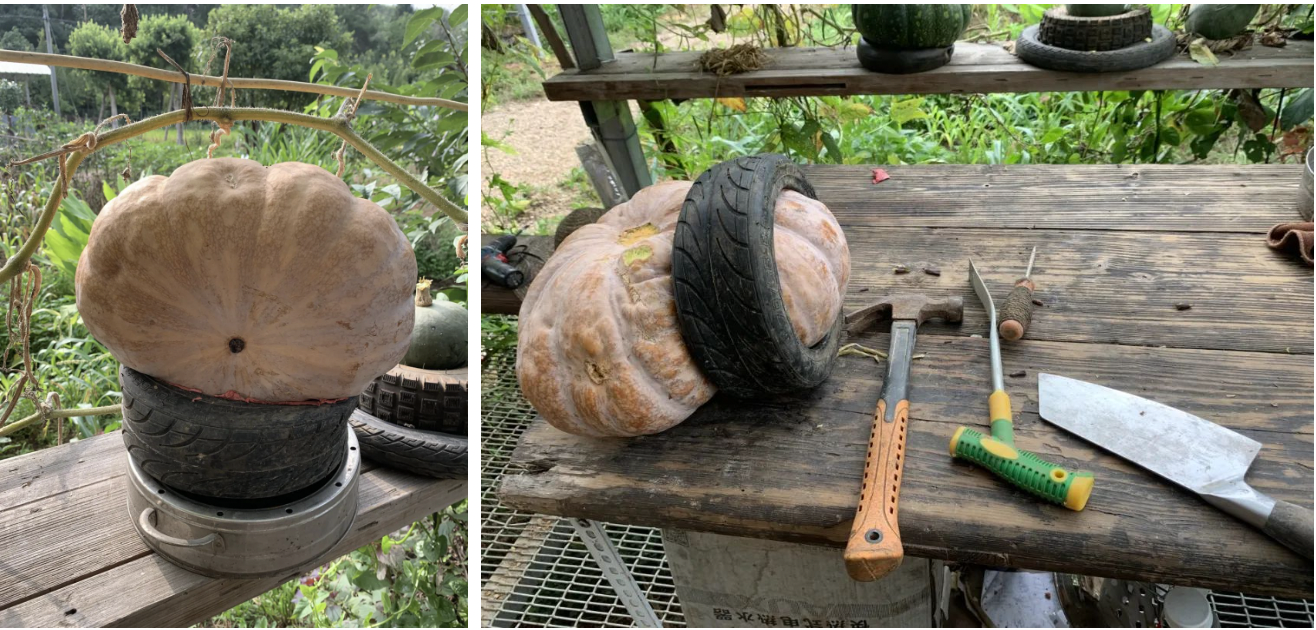
Last on the scene is a pumpkin with a story. Even after being stung by the fruit fly, it swelled into a behemoth of over ten kilos.
The tyre had only been placed there as a cradle, to stop the gourd crashing to the ground in mid-air. But the pumpkin, in defiance, changed shape – growing right into the tyre.
And yet, even after reaching full size, it was breached from within by the hatched fruit-fly larvae.
What a pity – the biggest pumpkin of the year, and not a bite of it for me.
All illustrations in this article are by the author.
Editor: Tianle