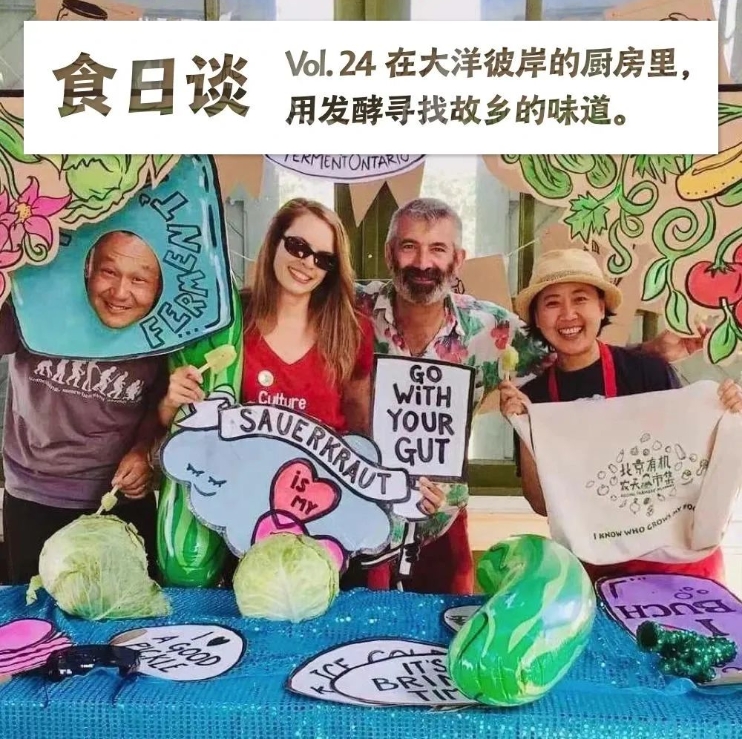
At a Fermentation Awakening Festival panel in Beijing, Lake Shore Culture’s Jing Yan and Liu Xinxing and Mary, authors of The Incredible Fermentation & Brewing, discussed traditional crafts—Highland barley wine, Sulima wine and others—vanishing as makers dwindle. Fermentation culture still lacks dissemination and consumer support.
Liuyi, a Hunanese living in Hangzhou, brings back Mount Heng’s chopped chilli late-night snack and the lard rice in her father’s travelling bag; the sourness of sour chilli comes from salt, not vinegar – it ferments for about twenty days at thirty degrees.
Sun Shan, farming in Canada, turned kale earning rave reviews but selling poorly at the Farmers’ market into Korean-style kimchi, building a fermentation kitchen at Chi Garden Eco Farm. Fermentation touches gut microbiota and memories of home; she shares beginner insights from chilli sauce to fermented pickled vegetables.
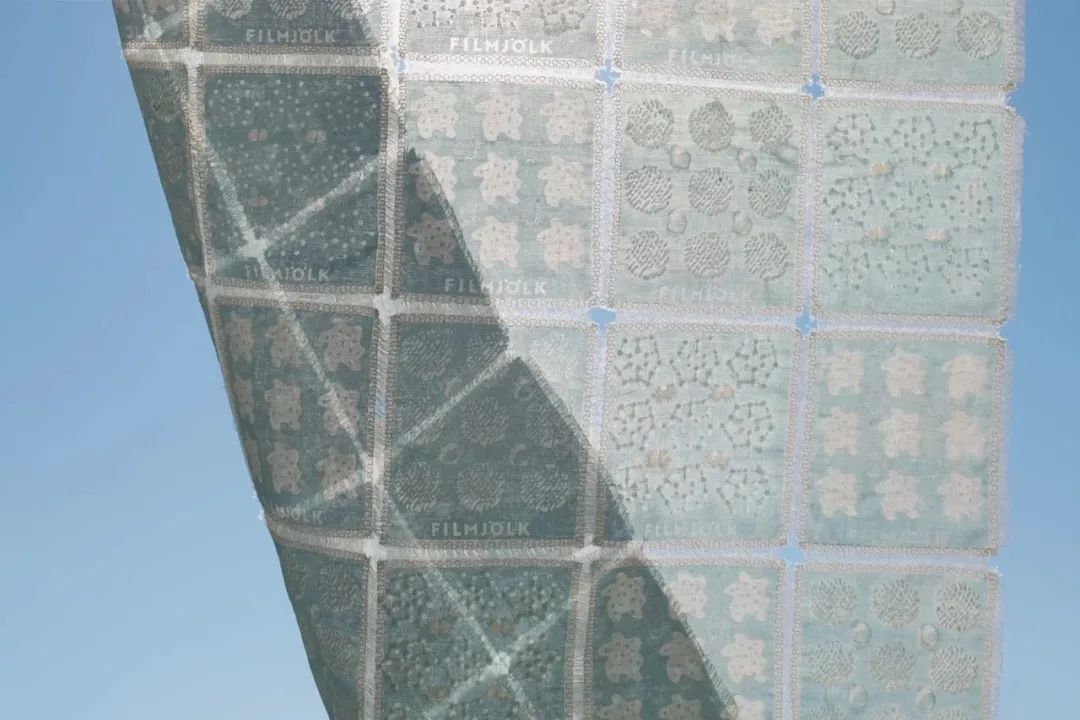
Inspired by Finnish immigrants carrying Viili culture in a handkerchief to America, designer Xu Xijing screen-prints the negative patterns of three natural yoghurts onto cloth, paints the positive shapes in yoghurt, and makes tiny culture containers that revive in milk—sending them to friends to keep roaming.
Kouzi arrived alone in Villain’s Valley two years ago to farm. Of over a thousand saplings, most were tuition fees; fruit flies spare barely one pumpkin in ten. Every mouthful, then, must be savoured and treasured.
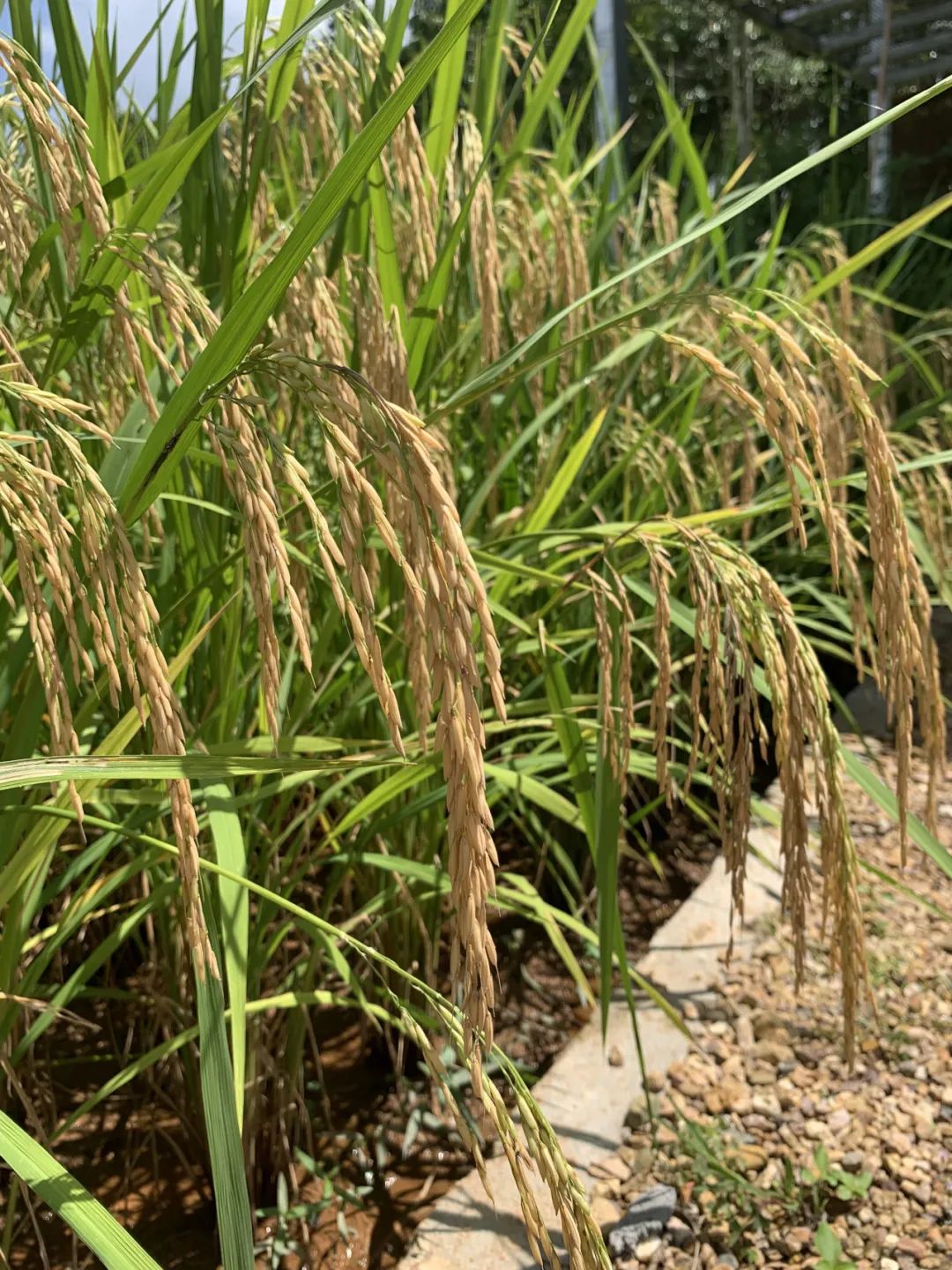
After over three years in Wicked Valley, Fujian, farmer Kōuzi has reaped an entire paddy crop by hand for the first time, from transplanting to final cut. The harvest was treated as a festival: harvest meals prepared three days ahead, the first block of paddy cut between downpours.
US Treasury Secretary Janet Yellen’s visit propelled jiàn shǒu qīng viral – prices soared, e-commerce platforms scrambled to list it, and poisoning cases outside Yunnan surged. “Toxic” and “can you eat it” are two different questions – cooking experience and “see little people” mindset won’t ship in a click.
From 1949, the Soviet government distributed 600-square-metre suburban plots to workers’ families: potatoes, vegetables and jam from the plot sustained them through long winters — and defined the summer of an entire generation.
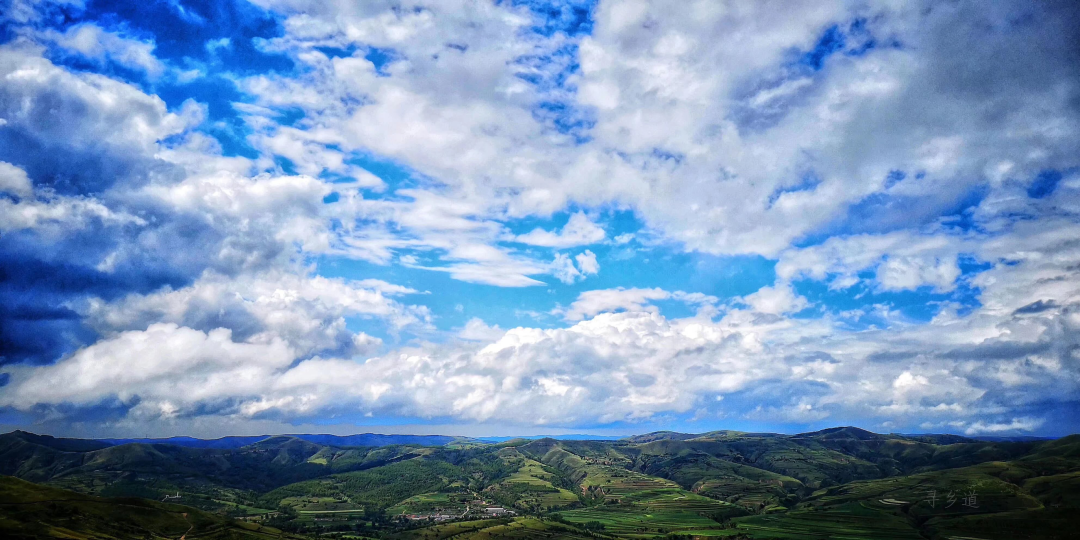
Liang Junjie, a post-1980s native of the Shanxi–Shaanxi–Inner Mongolia Loess Plateau, left chemical-fertiliser and pesticide sales to return home and found the brand Xunxiang Dao. Nine years of pitfalls—product selection, processing, packaging, channels—ultimately led him to ecological agriculture and rural study-tour programmes for children.
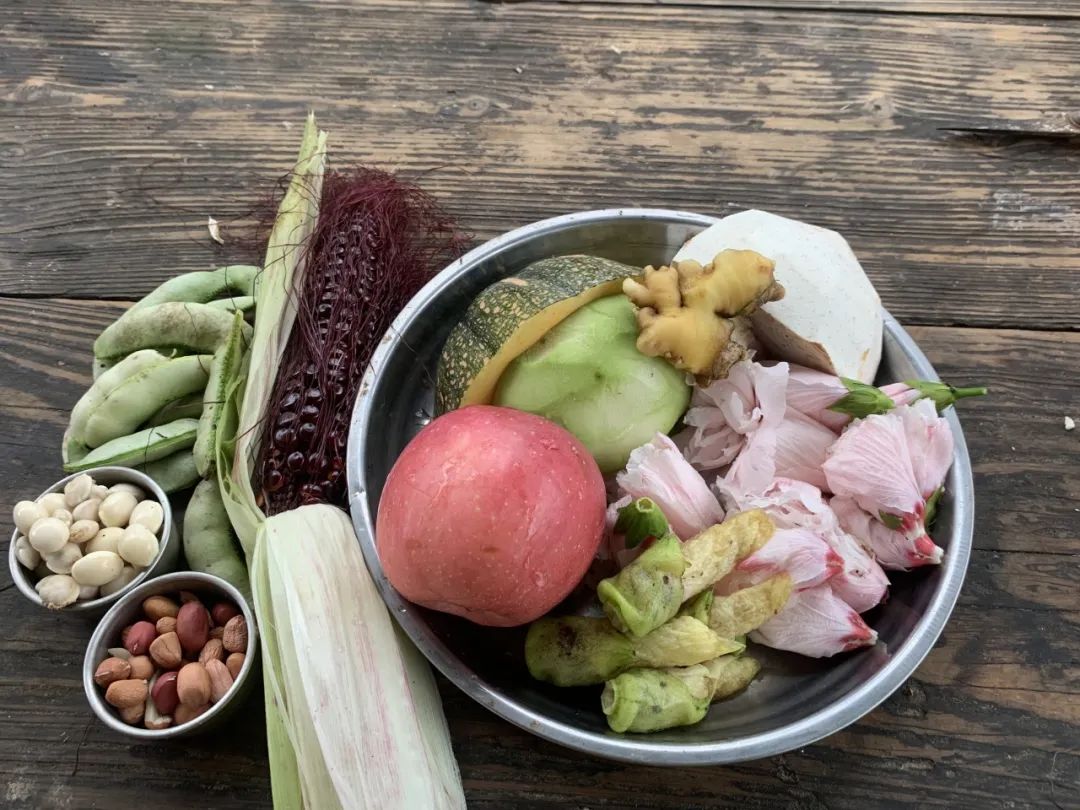
Grandma, who made it through COVID-19, home again at the old house in Fengjie after hospital: Second Uncle at the wok, Mum reminding the jar needs young ginger, a tableful of steamed pork with rice flour and pig’s snout, steaming—family gathered round as though nothing had changed.