
From the Public Sector to a Frontline NGO: An Idealist in Yunnan
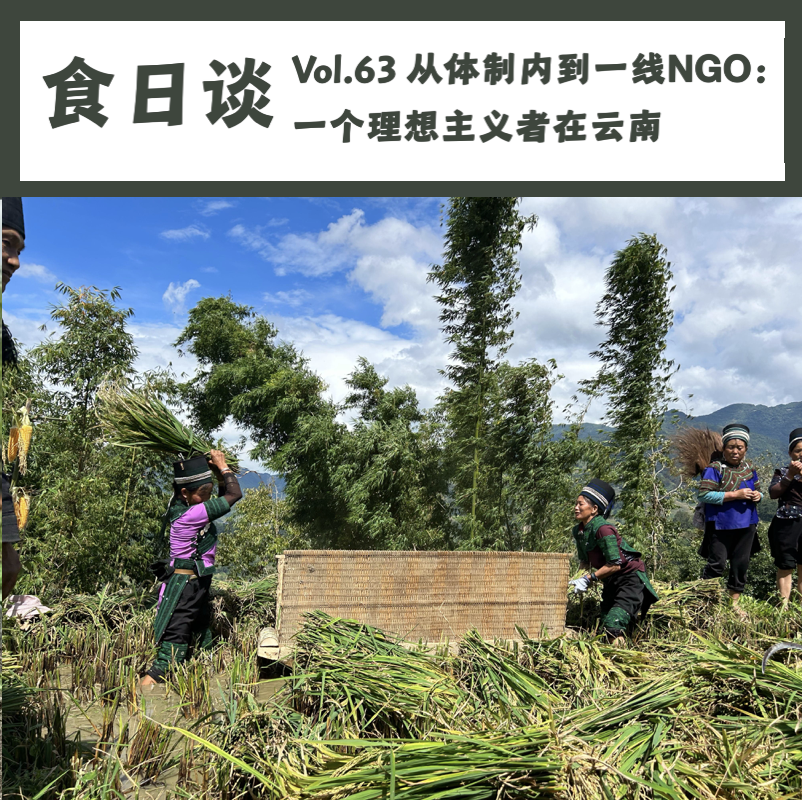
How does an organisation devoted to insect ecology come to care about farmers’ livelihoods? And how does an organisation devoted to farmers’ livelihoods end up composing a “Song of the Flies“?
How did a man from Shanxi become the village’s “male Women’s Director”? And why would a top graduate in genetic engineering be out in the fields urging farmers to ditch pesticides and chemical fertiliser?
How do all these seemingly unrelated people and events wind up stitched together in such a remarkable way?
In this episode, we welcome Zuo Zhi, Executive Director of the Yunnan Sili Ecological Alternative Technology Centre. A member of the post-1985 generation who went from Shanxi into the villages of Yunnan, he chose, after graduating from university, to walk away from his public-sector career and join an NGO called “Sili”, doing something not so easy to explain, out in the fields: teaching farmers to use fewer pesticides and grow heritage rice varieties, and trying to build a bridge between government, farming households and technology.
You will hear some counterintuitive details: flies turn out to be the top “matchmakers” in mango orchards, and the first step in promoting ecological agriculture is actually downing the cup of liquor a farmer presses into your hand. From the Dali Rice Transplanting Festival to the yield-measurement sites among the Hani rice terraces, Zuo Zhi guides us through the dynamics between agricultural input shops, agricultural technology stations and civil-society organisations, breaking down what “climate-friendly rice” truly means — rice that maintains yields while cutting emissions.
In this episode, together with Zuo Zhi, we record how an idealist reaches the ground level by “speaking plainly”. This is not just a primer on “climate-friendly rice”; it is a true account of how, amid real-world constraints, small changes can build trust and keep watch over the countryside.
This Episode’s Guest
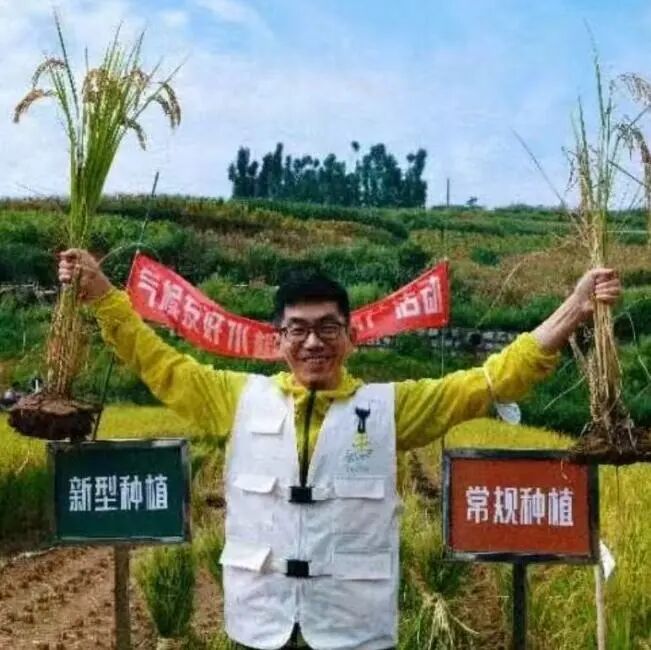 Zuo Zhi
Executive Director of the Yunnan Sili Ecological Alternative Technology Centre. He currently focuses on research, promotion services and practical work on climate-friendly rice paddy management strategies and the screening and integration of technologies, advancing the development of a practice network for climate-friendly agriculture.
This Episode’s Hosts
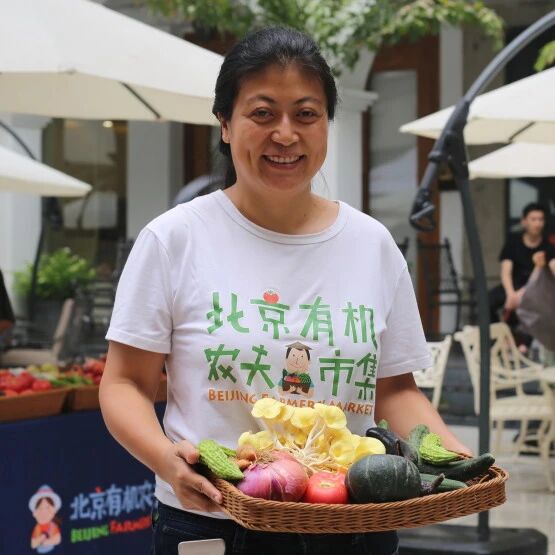 Tian Le
Founding editor of Foodthink and convener of the Beijing Organic Farmers Market.
 Pei Dan
A woman back on the right path, writing for a living. Interested in climate change, the environment, and the real people caught in the tides of change.
Timeline
07:13 From “making the shore” in the public sector to “entering the sea”: Why venture into NGO work?
12:20 In the village, technology is secondary; trust comes first
23:47 Never refuse the liquor, never force the words: “home-grown methods” for working with farming households
27:09 Reviving a heritage variety, reclaiming a festival
30:21 Government, agricultural input shops, NGOs: who is shaping how farmers farm?
38:50 Climate-friendly rice: not just farming, but “working in tandem” with the weather
44:18 Training from those who sell products is nothing new; it is the ones who sell nothing that raise eyebrows
49:15 The drought in Yunnan is about far more than just “no rain”
58:22 Yield measurement, control plots, a grandmother’s wisdom: even technology needs to be “grounded”
68:46 If you too want to get closer to the land
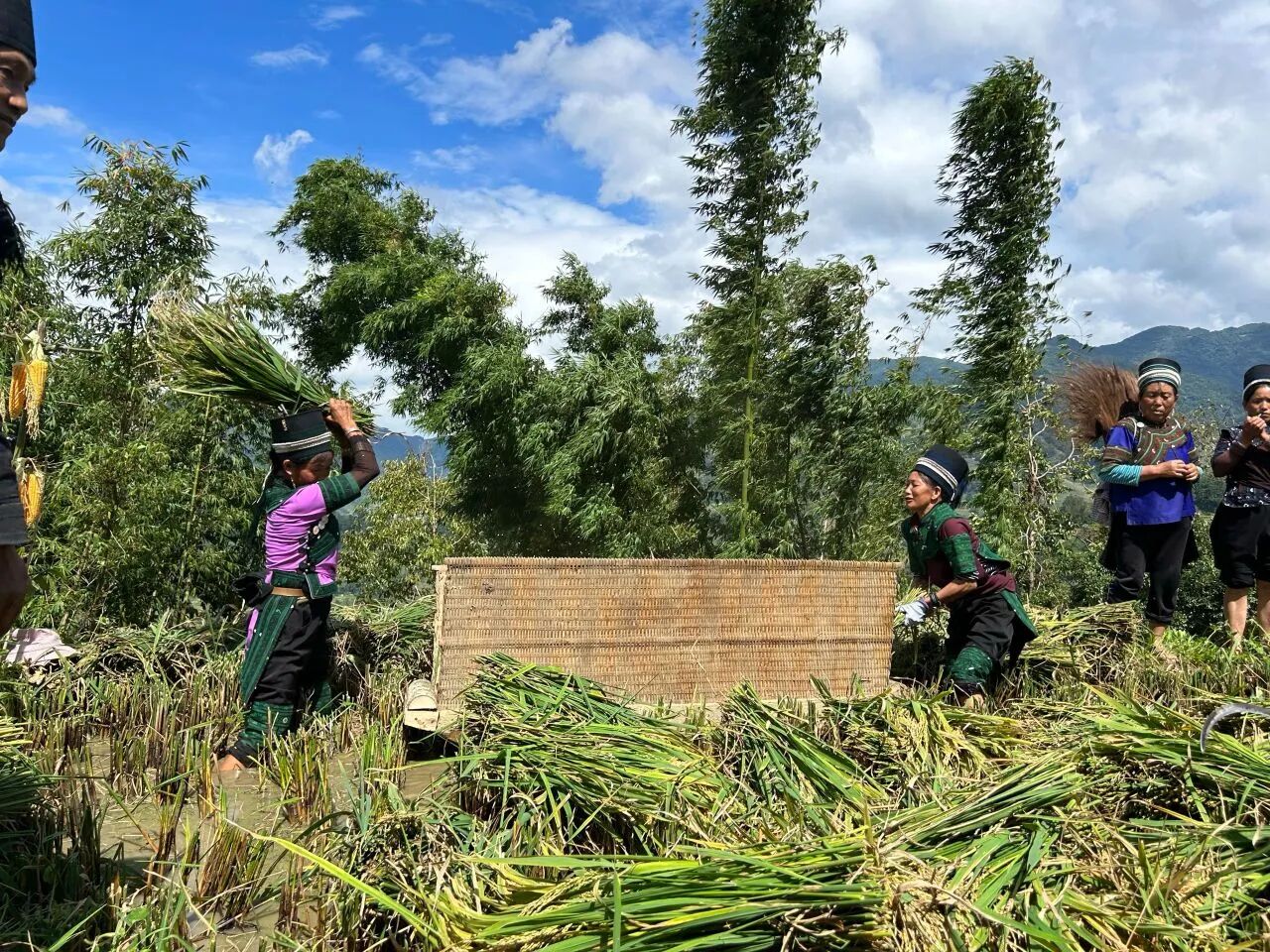
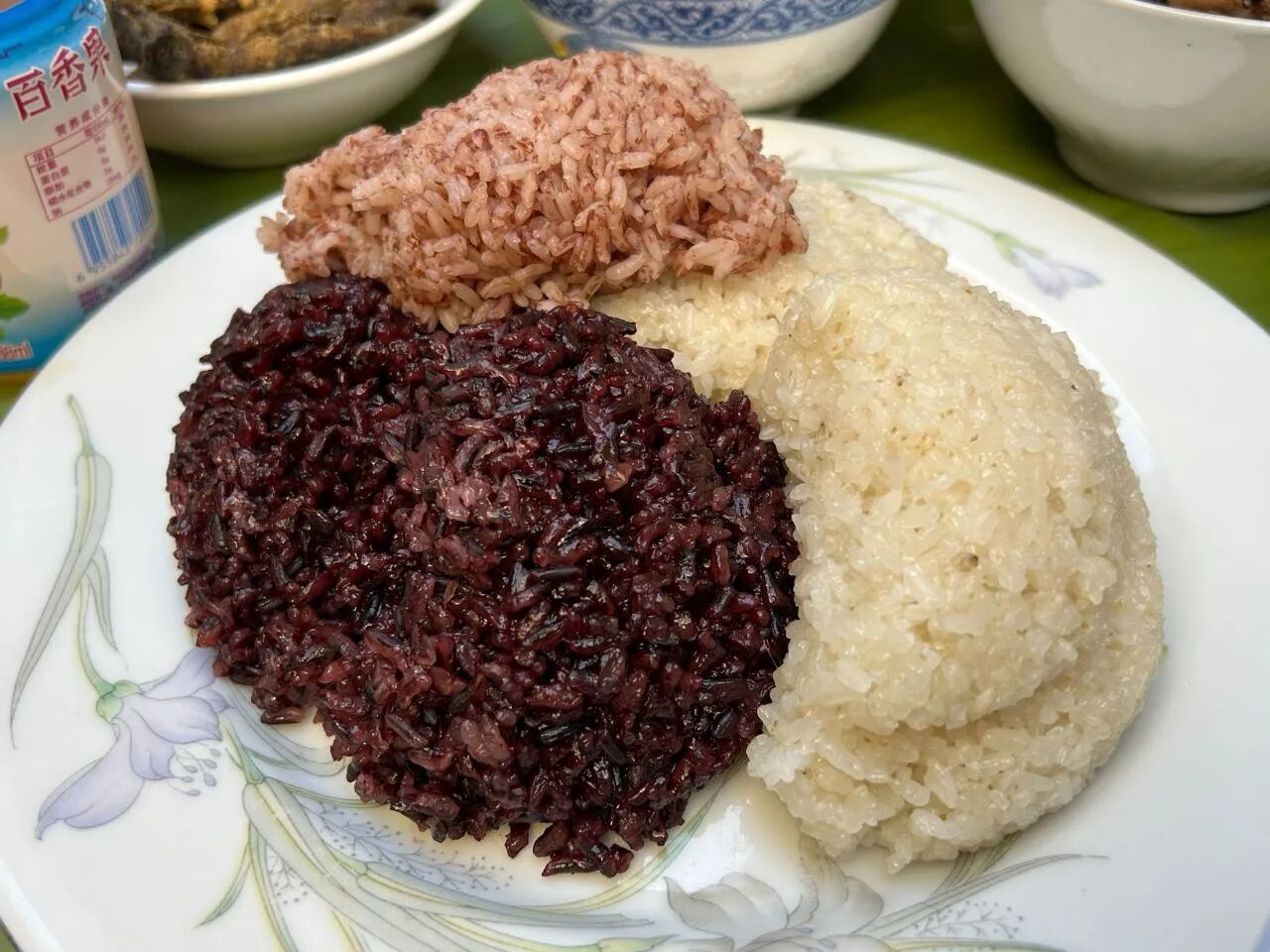
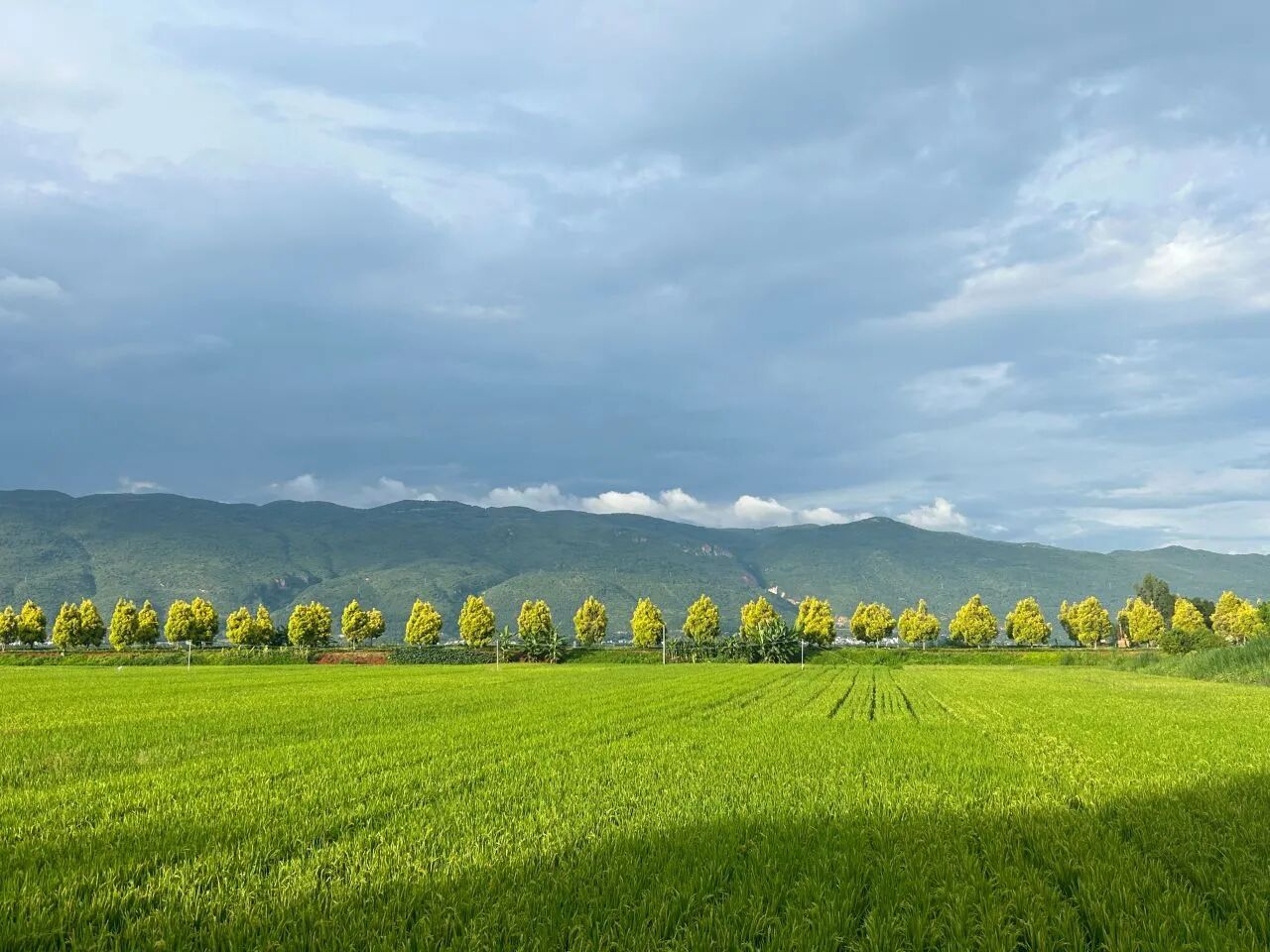
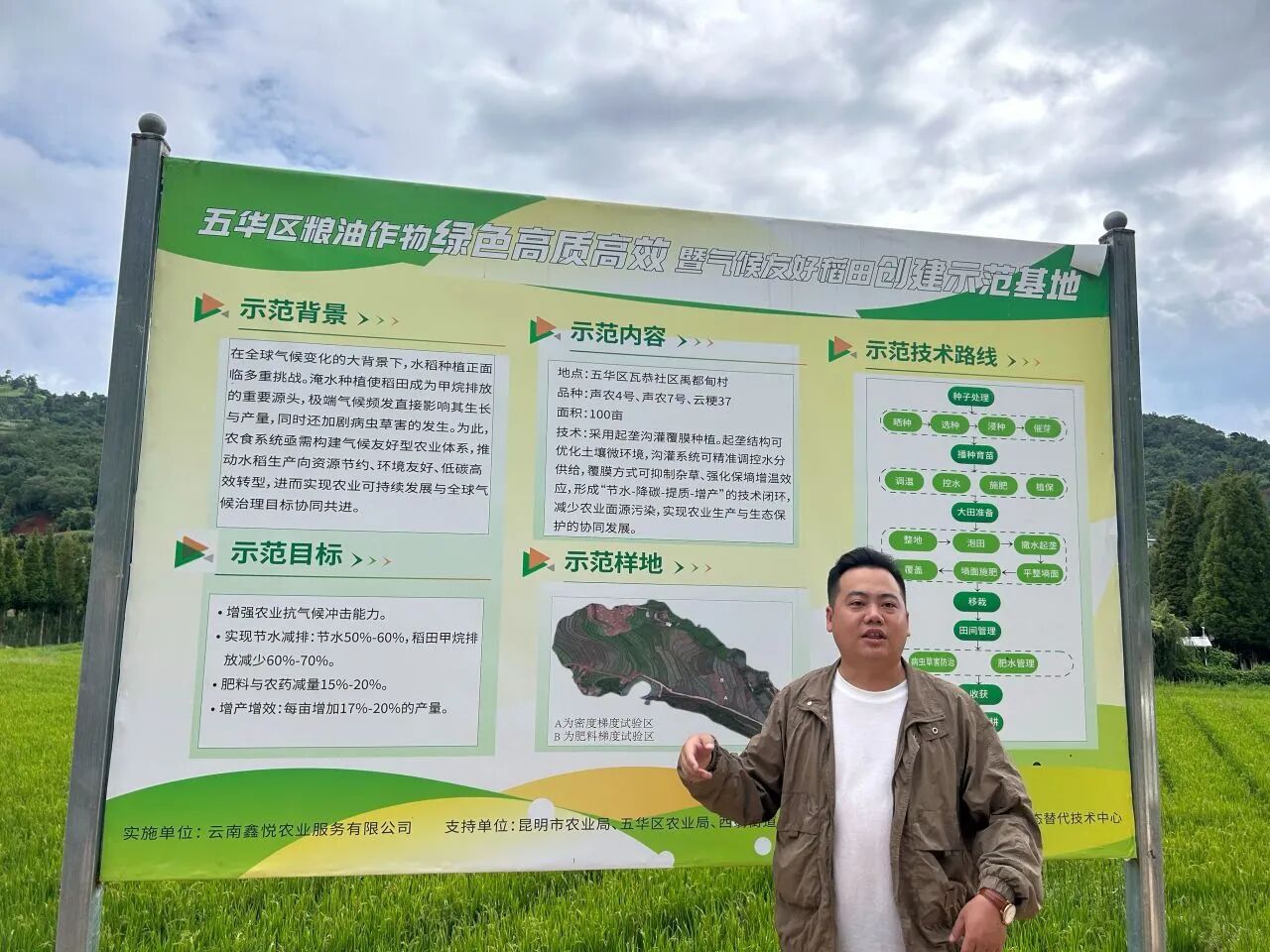
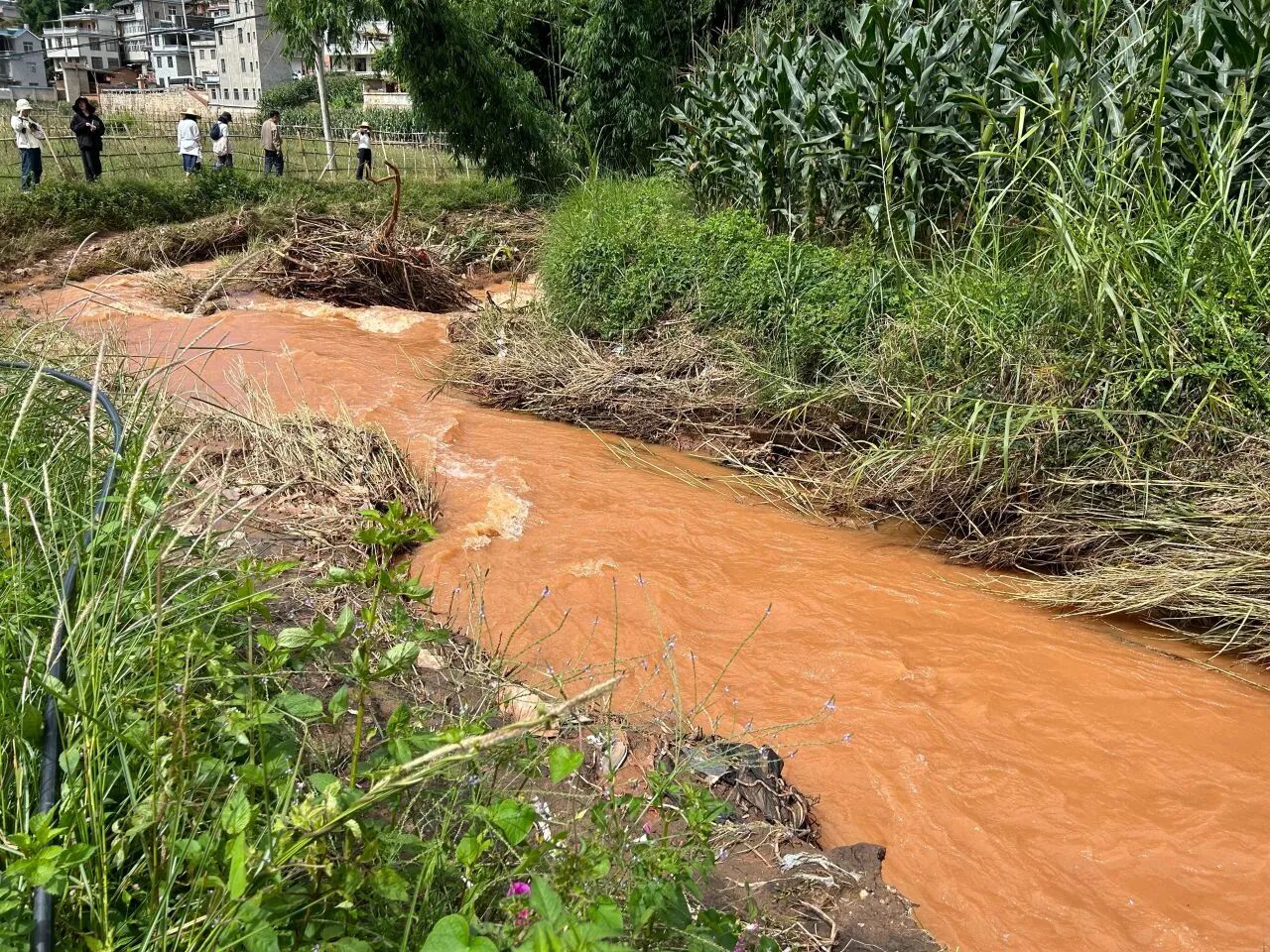
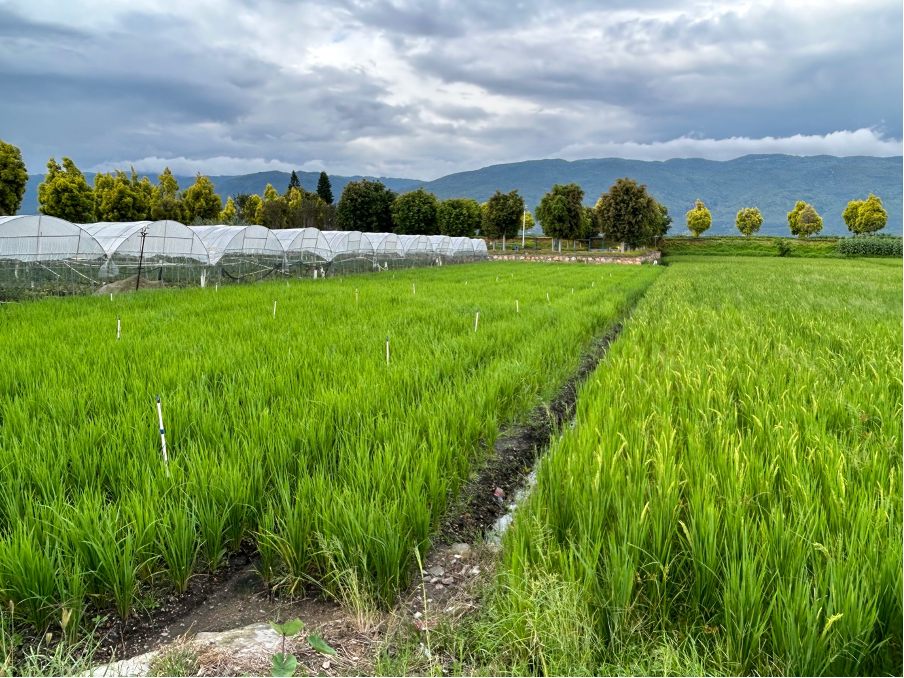
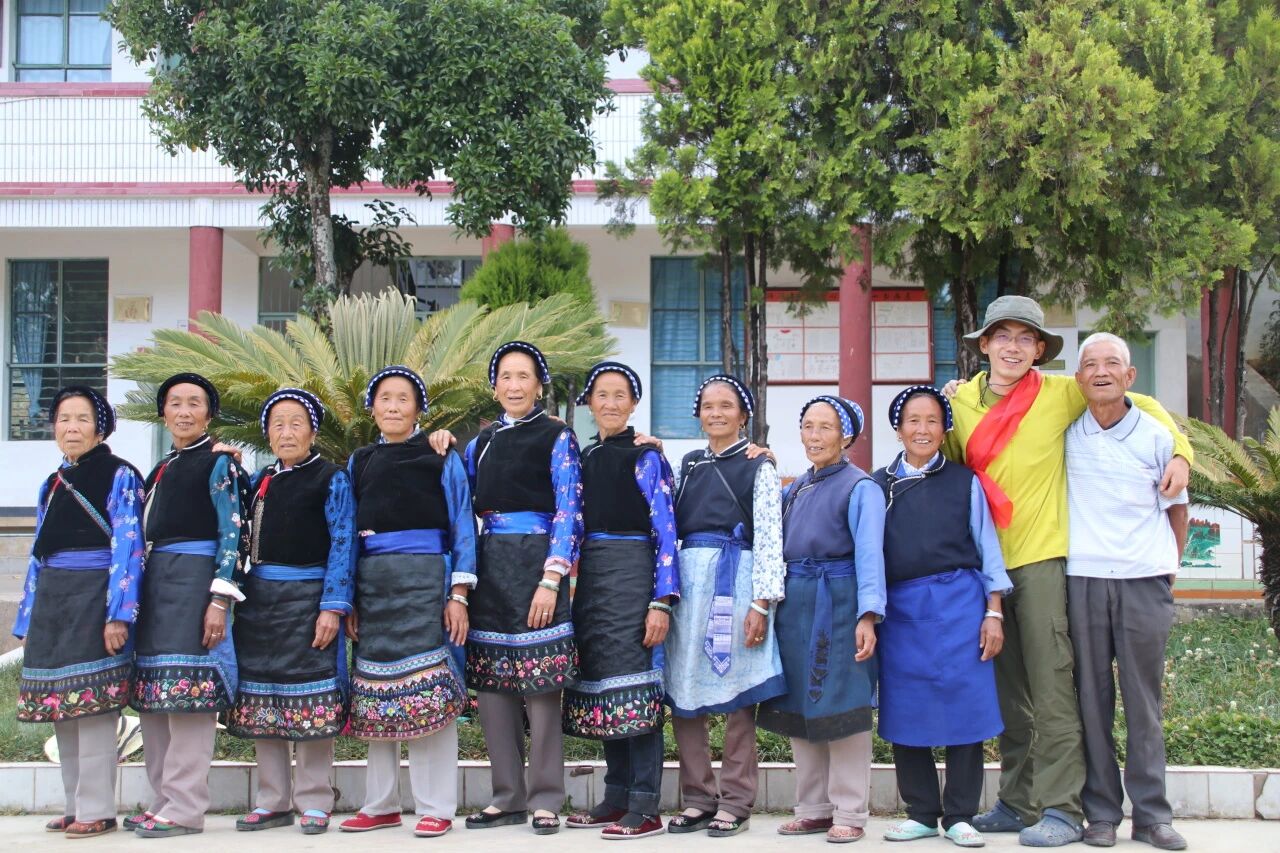
Yunnan Sili Ecological Alternative Technology Centre (hereafter “Sili Centre”), founded in 2002, works around the theme of sustainable agricultural development, carrying out community pesticide risk management, research and promotion of ecologically and climate-friendly applied technologies, agricultural biodiversity conservation and science public education, advancing the synergistic reduction of pollution and carbon emissions in agriculture, and promoting the sustainable use of resources for society and the economy.
Related Reading ▼
The Weather Keeps Getting Drier — What Other Ways Are There to Grow Rice?
People Are Leaving, Water Is Running Low — Who Is Still Growing Rice?
Human Food Security Somehow at the Mercy of a Swarm of Insects
Understand the Basics Facing Rural Communities Before Talking About Climate Change
Scan the QR code below
on Xiaoyuzhou | Ximalaya | Lizhi | Apple Podcasts
to subscribe to the Food Talk podcast

You are welcome to leave comments in the reviews section on any podcast platform — we reply from time to time. Scan the QR code below to add Foodthink’s secondary WeChat account and enter the note “食日谈” (Food Talk) to join the listeners’ chat group.

Unless otherwise stated, all photographs are provided by this episode’s guest.
Podcast music: Banong
Produced by: Xiaojing
Planning: Tian Le, Pei Dan
Editor: Yuyang
Contact: xiaojing@foodthink.cn