Formaldehyde Cabbage, Tasting a Hundred “Poisons” | Grandma Kouzi

Food safety news has once again dominated trending searches, with a blogger reporting that someone was found dipping Chinese cabbage in formaldehyde. On 22 August, the People’s Government of Kangbao County, Zhangjiakou, Hebei Province, issued a public notice stating that, following preliminary verification, the reports were confirmed: a buyer had been applying formaldehyde during the loading process to keep the vegetables fresh in transit, in violation of the law.
Stories like this crop up every now and then, yet similar incidents remain stubbornly persistent. In an era when the very concept of food additives had not yet been established, all manner of chemicals were openly added to food for the purposes of preservation and freshness. It took many years before people came to understand the dangers of these substances, and the struggle for food safety has been a long one.
A USDA Official’s Human Poison Trials
In 1902, Harvey W. Wiley, Chief Chemist of the Bureau of Chemistry at the United States Department of Agriculture, recruited twelve young, healthy men from the department and formed the ‘Poison Testing Group’. The aim was to use human subjects to demonstrate the harm to health caused by widely used food additives of the time, including formaldehyde, borax, salicylic acid, saccharin, and sodium benzoate. The experiments were conducted entirely in the public eye, overseen by the press.
Every volunteer was young and robust. Wiley’s reasoning was straightforward: if these vigorous young men could not tolerate the substances, that would naturally prove them harmful.
During the trials, they resided in the ‘Science Boarding House’, carrying on their daily lives and work as normal, while their diet was strictly monitored. A dedicated cook prepared three meals a day. Wiley personally weighed out the chemicals added to each day’s food on a balance.
Apart from the substance under test, the experimental group and the control group were given exactly the same food and drink. Before every meal, each volunteer was required to record their weight, body temperature, and heart rate. They also carried containers for collecting urine and faeces samples, which were promptly sent to a chemist for analysis.
The first substance to be tested was borax, which was widely used at the time. Within days, the volunteers had begun to lose weight. As the dosage increased, they experienced a loss of appetite, a persistent feeling of fullness, and ongoing headaches and abdominal pain. During the sodium benzoate trial, only three managed to last until the end; the others fell seriously ill, suffering from unbearable stomach pain, dizziness, and weight loss. The formaldehyde trial brought everyone down.
In the end, Wiley proved beyond all doubt that these substances were harmful to health.
America’s Gilded Age was an era of industrialisation and urbanisation, of the chemical and food processing industries, and of food safety scandals erupting one after another. In the United States, swill milk directly or indirectly killed more than 8,000 infants. In Europe, watered-down milk, alum bread, and lead-laced sweets prompted Britain’s Food Adulteration Act (1860). But efforts to enact food safety legislation in the United States were repeatedly derailed by corporate interests and never secured passage through Congress—hence the resort to live human poison-testing.
In the end, on 30 June 1906, the United States passed the Pure Food and Drug Act, also known as the Wiley Act after the name of its drafter. No words could do justice to its historical significance. The Act not only established the normative framework for national food regulation, but also laid down the core rules of modern food safety at a professional level. It has been drawn upon by food safety legislation in the vast majority of countries worldwide. China’s Food Safety Law (2009) likewise encompasses these core food safety principles.
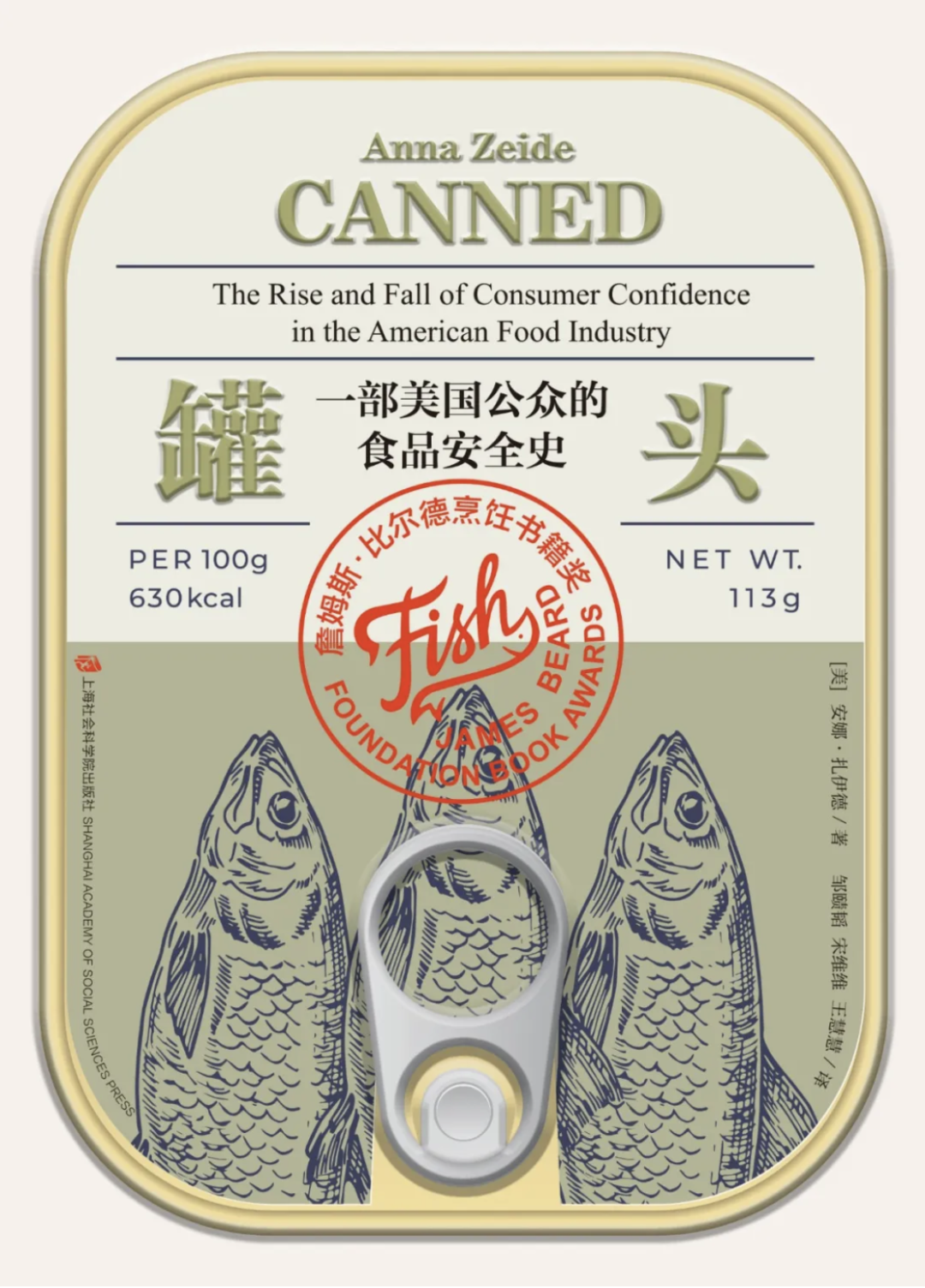
◉ In Canned: An American History of Public Health, American scholar Anna Zeide explores the relationship between the American public and food safety.
Illegal Additives That Persist Despite Repeated Bans
Remember borax, the first substance in Wiley’s real-person ‘taste a hundred poisons’ experiment? It’s versatile, easy to use, cheap and readily available — no faults whatsoever other than being toxic.
I just bought a half-kilo bag online for a little over ten yuan. Of course, I’m not about to follow anyone’s example by tasting poisons — I’m ‘poisoning’ instead: steam a small potato, add equal weights of sugar and borax, mash it all into a paste, and leave it where the cockroaches hang out. The potato’s aroma and the sugar’s sweetness will lure the cockroaches and their friends in for a feast. After a pleasant free meal, the borax will finish them off. For the next few months, no more worrying about cockroaches — and as a bonus, the ants have thinned out considerably too.
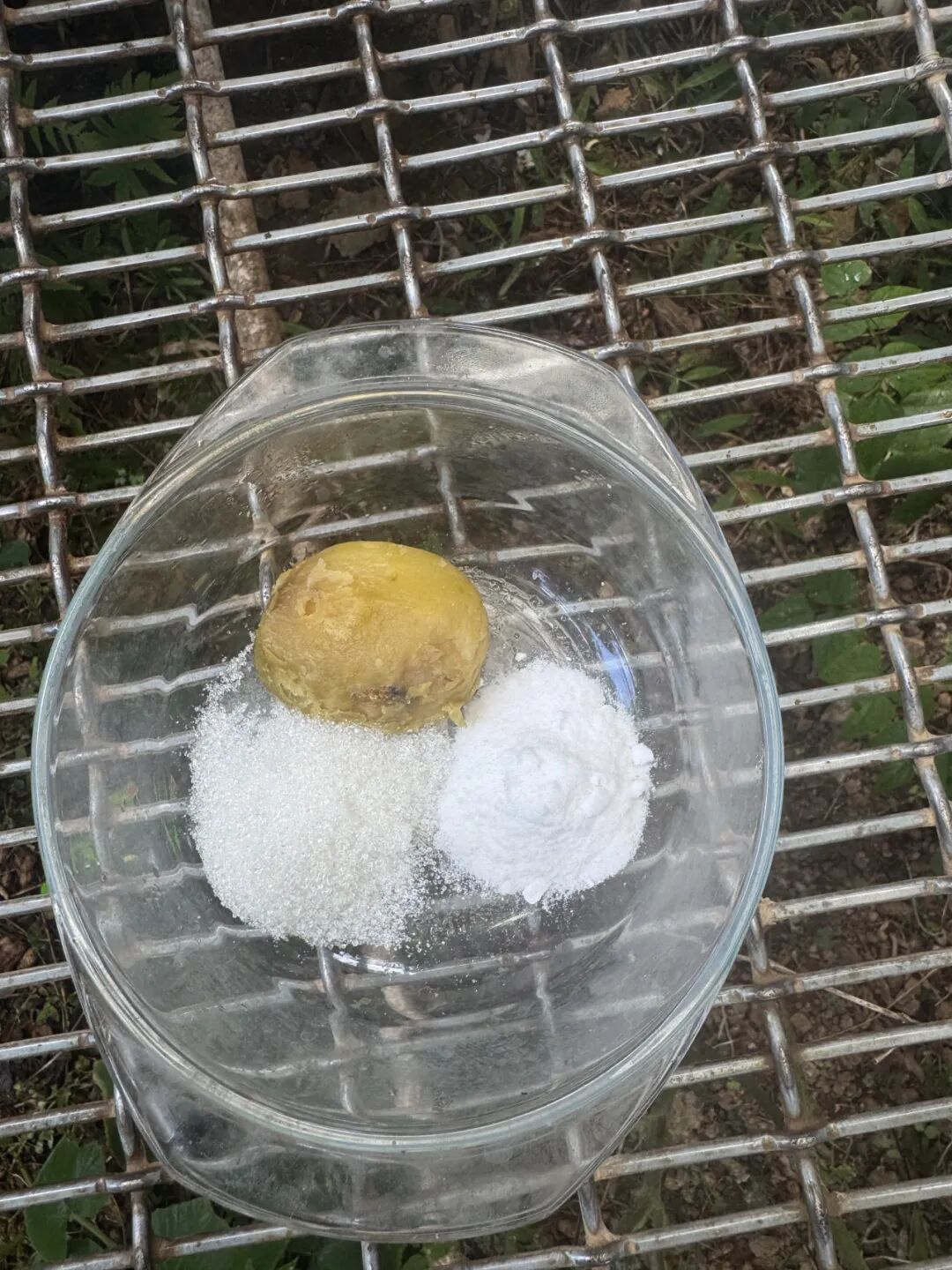
◉Equal parts white sugar, borax and potato, mixed together, make an insecticide. Image: Kouzi
Borax is toxic. China first explicitly banned it as a food preservative in 1978, and in 2008 it was added to the *List of Non-food Substances That May Be Illegally Added to Food*. Yet even now, in 2026, cases of illegal borax addition continue to occur.
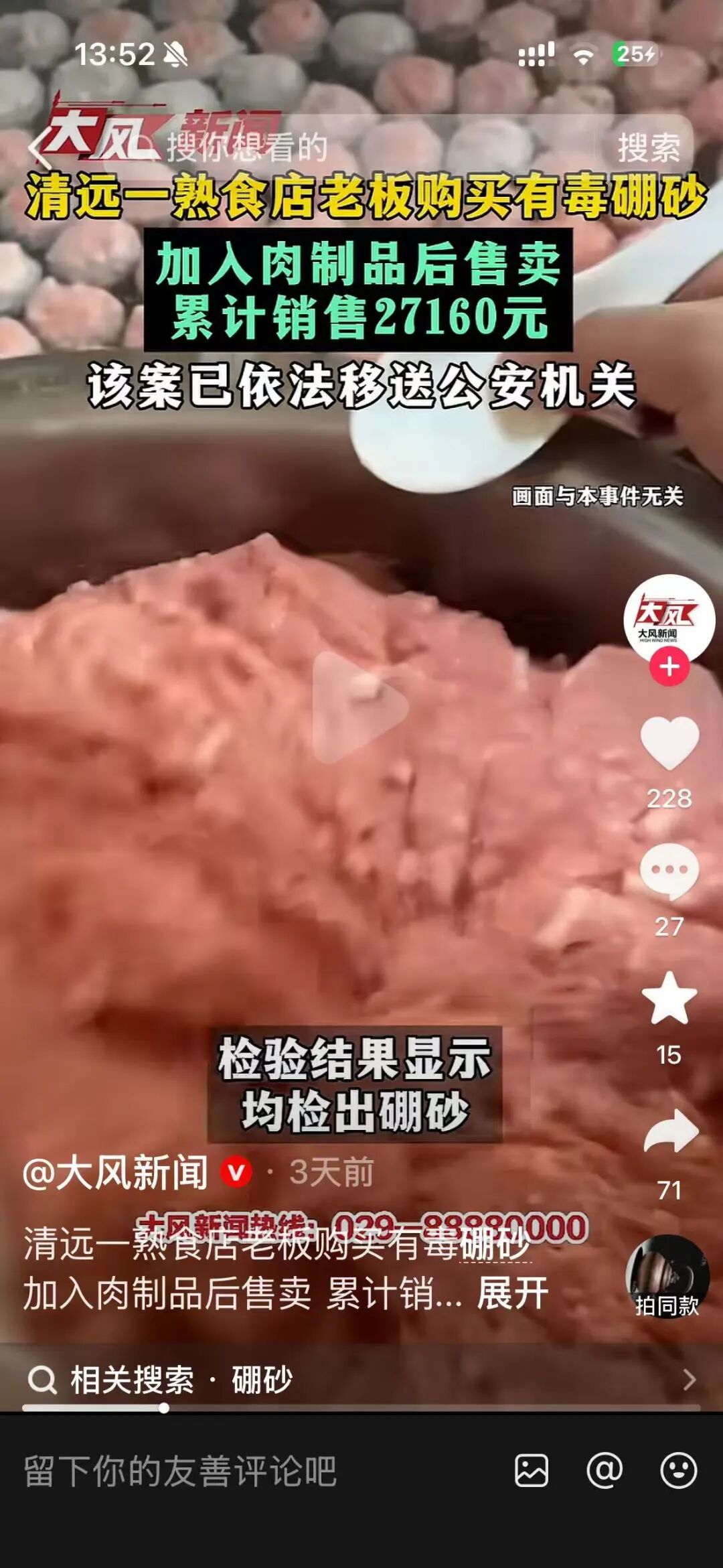
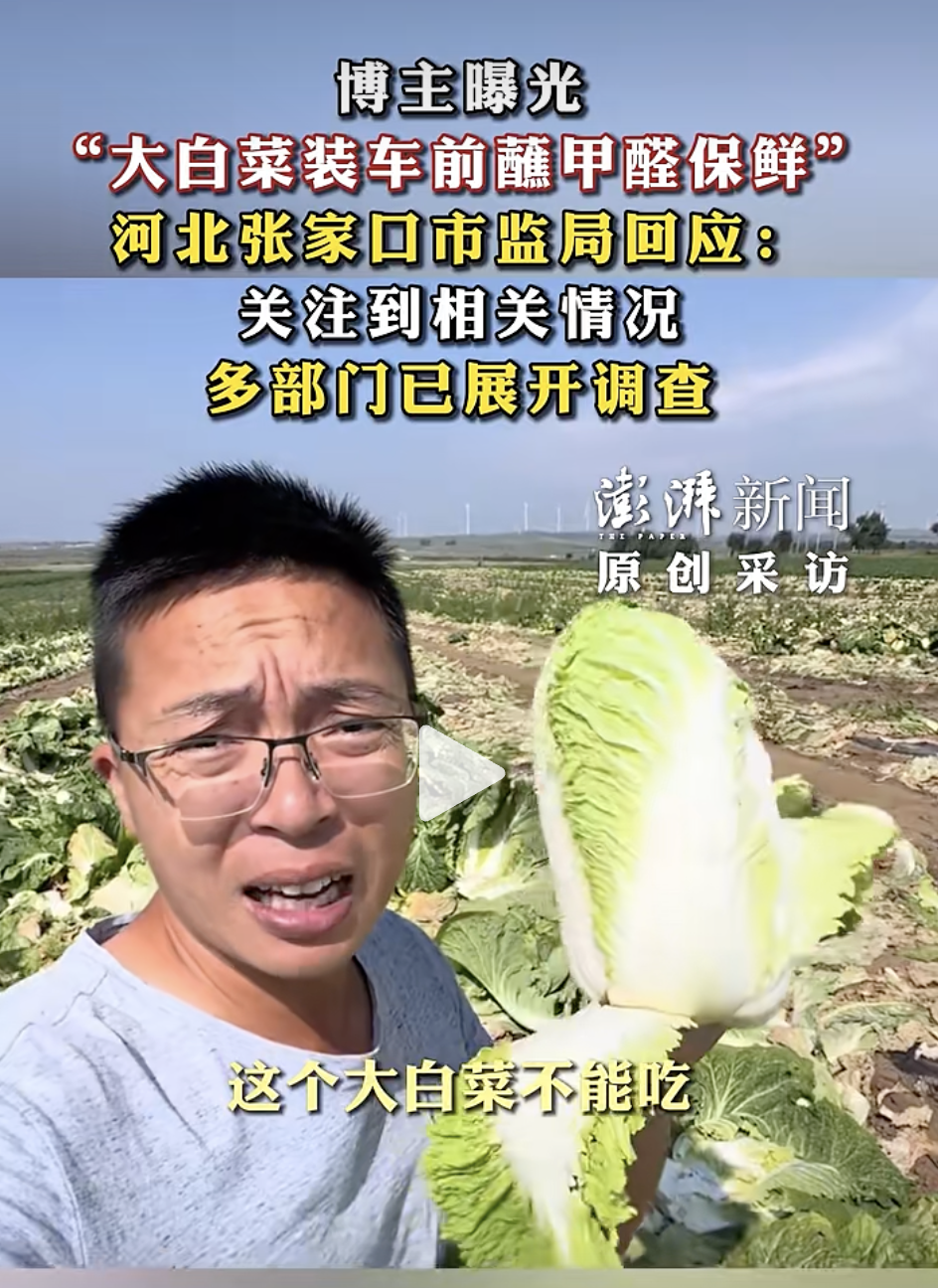
◉This August, a cooked food shop in Qingyuan, Guangdong, was investigated for adding borax to meat products. Image source: Douyin (left). Recently, a content creator reported that someone in Kangbao County, Zhangjiakou, Hebei Province, was suspected of dipping Chinese cabbage in formaldehyde before loading it onto trucks for transport to other regions. Image source: The Paper (right)
Borax performs a kind of alchemy in food, altering the protein structure of rice, wheat, meat, and soy products. Add it to cold noodles or hand-pulled noodles and they become silky, springy, and tough; add it to meatballs or dried tofu skin and they turn chewy and boil-proof — a total upgrade in mouthfeel.
Rice and wheat products are the hardest hit by illegal borax. Zongzi, rice noodle rolls, zongzi, noodles, dumpling wrappers, wonton wrappers, frozen dumplings, and wontons — all potentially affected. Unscrupulous vendors also inject borax into pork, making the flesh look brighter, feel slicker, and stay fresh longer.
As recently as mid-August, a cooked food shop in Lianzhou, Qingyuan, Guangdong, was caught adding borax to meatballs and tofu-skin meat rolls. In stories like these, the suspects shown on TV are almost always small business owners, shopkeepers, or vendors with plain, honest faces — the kind of ordinary people you’d meet on the street or in the market.
Beyond borax, formaldehyde — equally colourless, odourless, and versatile — is a confirmed carcinogen. It is commonly used on frozen seafood, dried goods such as tofu skin, packaged vegetables, mushrooms, and perishable fruit. Equally worth watching out for are sulphur dioxide used in rehydrated products (tripe, pig aorta, and silver ear fungus, for example), industrial caustic soda and formalin used to rehydrate squid, malachite green and eugenol used to preserve live fish in transit, and nitrites used in unpackaged cooked meats and pickled products…
Manufacturers aren’t necessarily honest about their ingredient lists either. In a recent food safety supervisory sampling campaign, the State Administration for Market Regulation tested 2,325 batches, of which 45 failed. The most prominent issue was the misuse of additives, spanning sweeteners, colourants, preservatives, and bleaching agents. For instance, the synthetic colourants Brilliant Blue and Tartrazine were detected in dried noodles; sulphur dioxide residue exceeded the permitted limit in five-spice pickled mustard, lotus root, and star anise; and saccharin — explicitly banned under national regulations — was found in baijiu. Other issues included microbial contamination and heavy metal exceedances.
Science and Ruthless Ingenuity
In the food industry, the use of additives no longer stops at preservation and shelf life — ‘science and ruthless ingenuity’ can conjure ‘gourmet food’ out of thin air.
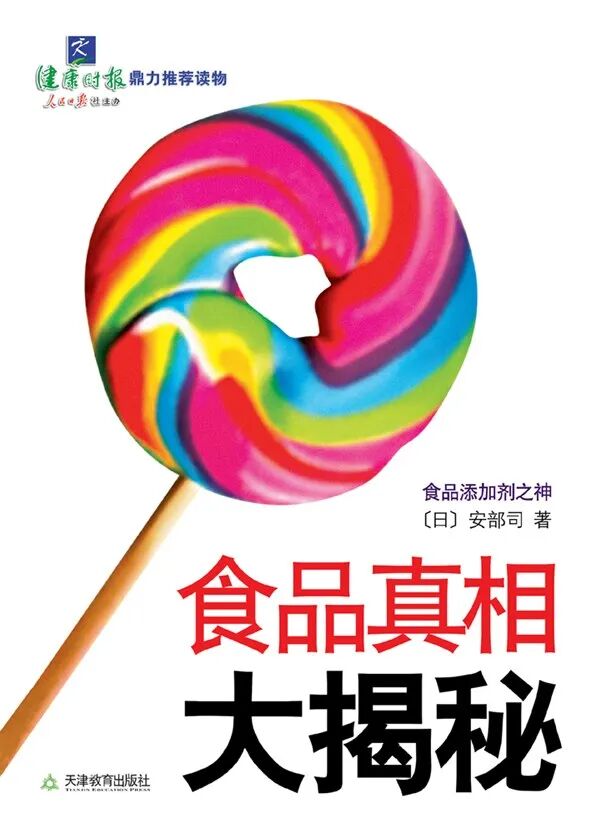
◉Tetsuo Asahi’s book exposing food additives. Image source: Douban
Tsukasa Abe, who worked for ten years at Japan’s largest food additive company and was known in the industry as ‘the god of additives,’ recounted in *The Real Story of Food Additives* the ‘meatballs’ he had produced for a food company. The base was mushy beef offcuts — the sort fit only for dog and cat food — alongside cull hens past their laying years (Abe’s own word: ‘waste hens’) and texturised soy protein. Beef extract and other flavourings were added first to establish the taste of a ‘beefball’; lard and starch gave a smooth, slick mouthfeel; binding agents and emulsifiers allowed mass production on large machinery; colouring agents fixed the hue while antioxidants prevented fading; preservatives and pH regulators extended the shelf life. A ‘ketchup’ sauce finished it off, and it was ready for the supermarket shelf. Real ketchup would have been too expensive, and the ‘ketchup’ contained no tomato at all — it was made from diluted glacial acetic acid, caramel colour, colouring agents, acidulants, and thickeners. Texture, colour, and taste were indistinguishable from the real thing; only the price told them apart.
Abe had managed to turn a heap of waste into something remarkable. Not only had he hit the taste children loved, but he had also nailed the perfect texture — soft enough for a child to chew to a pulp in two or three bites, yet appealing to anyone who tried it. These ‘meatballs’ were also popular with housewives: cheap, vacuum-packed, and ready to eat straight from the microwave.
Abe’s life changed on his daughter’s third birthday. After years of working himself to the bone, he came home early that day and found the meatballs he had developed on the dinner table. Up until then, he had been proud of the product, believing that turning waste ingredients into food was both environmentally responsible and a money-saver for housewives. But the moment he watched his own child eat them, guilt set in. After that, he resigned from the food additive factory and began publicly exposing the inner workings of the food industry.
Later, during his talks, he often performed a live demonstration, surrounded by a large number of small bottles containing ‘white powder.’ Cracking jokes as he went, he would scoop the powder from dozens of bottles one by one, stir it, and pour it into hot water — without a single drop of pork bone broth — and produce the bone broth of Kyushu-style pork bone ramen. The result was so familiar and tasty that even locals would swear it was the real thing.
This phenomenon is not unique to Japan. Some chicken essences and beef powders on the market contain no chicken or beef at all. A considerable proportion of foods in supermarkets today, if you look closely at the ingredients list, are little different from the ‘encyclopedia of additives’ in Abe’s demonstration.

◉This is a Dutch print advertisement for Maggi stock cubes from the early 20th century. The slogan reads: ‘……a real brand!’ Like other industrial foods, Maggi’s stock cubes saved weary housewives cooking time, but this convenience came at the expense of nutrition and flavour. Image source: Popular Science Press
Cumulative Effects
Don’t assume, though, that legally approved food additives are entirely harmless to your health.
Every additive in the meatball that Tsukasa Abe developed is a lawful, compliant product—nothing is added illegally; every additive is used within its legal limit, with no excess; and the raw meat is not rotten or spoiled, merely offcuts and by-products from other meat-processing operations.
But he knows full well that the current compliance thresholds are largely derived from animal experiments on single additives—a ‘single metabolic safety line’—without accounting for the cumulative effects and synergistic reactions that occur when multiple additives enter the body simultaneously. Children’s metabolic organs are still developing. When several additives are ingested at once, the load not only exceeds their metabolic capacity and impairs physical development and normal nutrient absorption, but may also disrupt neurological development and trigger allergic reactions.
Moreover, a legal additive at a legal dosage is not necessarily always legal.Food additives are often introduced by manufacturers to meet production and sales demands, and only later restricted or banned once problems are identified. Different countries and regions apply different rules to the use of food additives. For instance, the Chinese delicacy mooncake cannot be exported to the EU, because dehydroacetic acid and its sodium salt (sodium dehydroacetate), widely used in China, is completely banned for food use in the EU. China has since significantly narrowed the permitted scope of use, and the countdown to a full ban has already begun.
There is a popular online aphorism: ‘Discussing harm without specifying the dose is just being a hooligan.’ Every time a food-safety scare sends the public into a panic, some expert will wade in with this line, then cite literature to explain how much of a substance you would need to consume before it would damage a particular organ. I instinctively bristle at the condescending professional superiority baked into that phrasing, and I want to flip the same construction back at them: ‘Picking apart the cumulative effects and synergistic reactions among multiple harmful substances, then deliberately isolating a single metabolic safety line to argue that no harm exists—that’s what a hooligan does.’
‘The dose makes the poison’ is a core principle of toxicology and the go-to defence logic that manufacturers and sellers deploy time and again against regulatory bodies and public opinion. People have largely accepted this idea and readily extend it: they assume that other additives in everyday life work the same way, that as long as the dose is low enough, the harm is negligible.
Then there are endocrine disruptors, which are not directly added to food but are found in abundance in food-related containers and packaging, household cleaning products, non-stick coatings, and so on. Research has shown that these substances can affect the human body at extremely low concentrations and have been linked to reproductive damage, developmental abnormalities in children, and cancer risk—depending on the specific substance and route of exposure. In some cases, the harm from low-dose exposure actually exceeds that from high doses.
Drugs must be proven safe through testing before they reach the market, and food-safety issues are receiving increasing attention, yet in virtually every country, chemicals known to contain endocrine disruptors do not have to prove their safety before being placed on the market. New products appear endlessly, and manufacturers bring them out first, with restrictions and bans coming only after problems arise.
The Teflon coating developed by DuPont in 1938 first proved its worth during the Second World War. After the war, its non-stick and heat-resistant properties made it a staple in everyday consumer products such as non-stick pans and kitchenware. Subsequent research, however, revealed that PFOA (perfluorooctanoic acid), a processing aid used in Teflon production, is a highly hazardous persistent organic pollutant. Only after the International Agency for Research on Cancer classified it as a carcinogen did various countries begin introducing controls. In 2023, China added PFOA to the China Catalogue of Toxic Chemicals Subject to Strict Restriction (2023). PFOA has since been phased out by the major manufacturers of non-stick cookware.
Examples like these are countless. In other words, we are using our own consumption and our own bodies to participate in one large-scale, unacknowledged human experiment after another.
28-Day Ultra-Processed Food Experiment
Just because something is sold everywhere doesn’t mean it’s safe. Just because everyone eats it doesn’t mean it’s harmless.
British doctor Chris van Tulleken ran his own version of a ‘real person tasting a hundred poisons’ experiment on a BBC programme, using his own body as the test subject. It was not as precise as Willy’s design—no weighing poisons on a balance, no control group—just ‘living an ordinary, normal life.’ Blood tests, brain MRI scans, and other core medical data taken before and after the trial were supervised and recorded throughout by specialists from University College Hospital, London.
Chris was in good health, ate a balanced diet, and rarely consumed ultra-processed food. Once the trial began, he stopped making his own porridge for breakfast and switched to supermarket boxed cereal with a strawberry yoghurt drink. Lunch was a convenience-store sandwich or a microwave meal; dinner was frozen pizza or fried chicken nuggets; and his usual snacks were energy bars and diet cola. It sounds healthy enough, but that is precisely what makes industrialised food so insidious. In the puffed cereal, real oats are just one of many ingredients. In the strawberry yoghurt drink, milk is a minor player—the real stars are the flavourings and syrup.
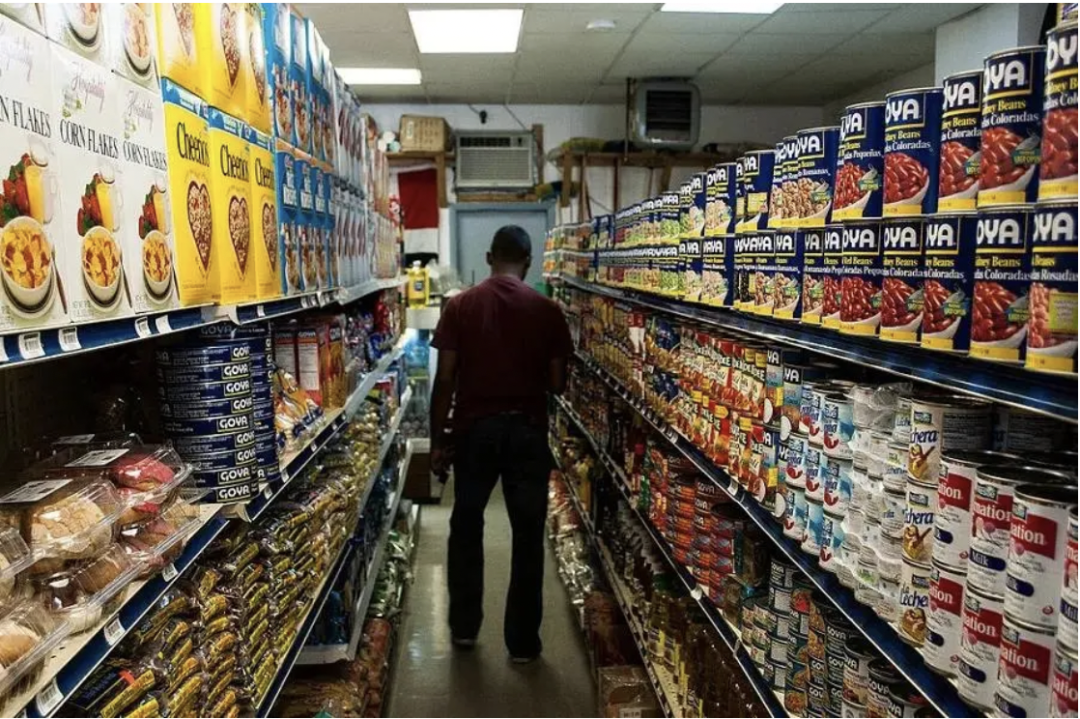
◉Canned and packaged food stacked on the shelves of a North American supermarket. Photo: Sun Shan
Chris first developed constipation, which quickly progressed to haemorrhoids, as the food he was now eating contained almost no natural dietary fibre. He then experienced feelings of heat, excessive sweating, and waking easily, which developed into anxiety and irritability. His mental responses slowed, his memory declined, he lost patience with his children, and enthusiasm for work faded……
When the 28-day trial ended, Chris had gained 6.5 kg and developed a fatty liver. His gut had been affected, most likely by the various food additives. Animal studies have shown that common emulsifiers (such as soy lecithin, mono- and diglycerides of fatty acids, carrageenan, and polysorbate-80) act like washing-up liquid for the gut, weakening the mucus layer and making it easier for bacteria to reach the intestinal epithelial cells. Long-term consumption may trigger low-grade chronic inflammation and increased intestinal permeability (i. e. ‘leaky gut’), and is linked to obesity and metabolic syndrome.
The MRI scans also revealed that his brain had already begun to show addiction-related changes, with patterns nearly identical to those seen in the brains of addicts. As we have discussed before, the ‘Bliss Point’ — the specific ratios of sugar, salt, and fat that manufacturers use to maximise the pleasure of eating while keeping you from feeling full — can even directly stimulate dopamine release. A person’s appetite becomes like a car with the accelerator floored but the brake line cut: not only is it impossible to stop once you start eating, but after finishing, you are left with the feeling of not having had enough.
After returning to a healthy diet, Chris lost weight and his unpleasant physical symptoms gradually faded. But the bad news was that his brain had not recovered. In other words, although he could rely on willpower to quit unhealthy, high-sugar foods, the addictive effects in his brain remained.
Distrust the ingredient list?
Just swear off additives altogether
By now, most people know to check the ingredient label when shopping. But the manufacturer is always one step ahead — and ingredient lists are quietly changing.
“Clean label” is a word game some merchants play, exploiting the information gap between producer and consumer by borrowing the language of health to mislead. “Non-fried” means the product is first coated in oil, soaked in oil, then baked at high temperature — technically, it never goes into a deep fryer, but that doesn’t mean it’s free of fat or trans fats. The harmful reactions between starch and oil at high temperatures haven’t diminished one iota. In fact, the average acrylamide content in some baked “non-fried” potato chips is even higher than in their deep-fried counterparts.
Some “zero added preservatives” products achieve preservation through excessive salt or sugar. “Zero added sugar” often simply means “zero added sucrose.” Increasingly, people know that sugar is bad for your health, but by splitting white sugar into glucose syrup, crystalline fructose, concentrated fruit juice and a dozen other names, a single ingredient can be pushed further down the ingredient list. In reality, the total proportion of added sugar hasn’t decreased at all — in some products, total sugar still ranks near the top of the list.
When “concentrated apple juice” and “fructose syrup” appear on an ingredient list, many people assume “apple juice” is the healthier option. In reality, juicing strips away nearly all the dietary fibre in fresh fruit. Once water is removed through evaporation, fructose and glucose can account for 65–72 per cent — barely distinguishable from fructose syrup. The same applies to other concentrated fruit juices.
Some merchants exploit regulatory gaps, using these word games to create the illusion of “clean ingredients” — even padding out product prices on the back of it. The seller always has the edge. If additives are so impossible to guard against, I might as well give up guarding altogether: don’t eat, don’t buy, and you’ll be safe.
I’ve always believed that “no additives” matters more than “organic.” When buying pre-made products from the supermarket, “organic” is a gimmick you can safely ignore. No matter how organic the raw ingredients, once you add sodium stearoyl lactylate, calcium propionate, ascorbic acid, mono- and diglycerides of fatty acids, or butylated hydroxytoluene, they’re just as harmful to our fragile little lives. If so-called organic ingredients are cooked with high fat, high salt, artificial flavourings, MSG, and generous amounts of added soy sauce, oyster sauce, and sauces, they’re no better — and far less reassuring — than simply boiling or steaming ordinary ingredients plain and clean.
Here are two simple, easy-to-remember suggestions:
First, choose whole foods and avoid processed products. If you can’t work with the whole ingredient directly, pick whatever is closest to its natural form. If you can buy flour and steam your own buns at the weekend, don’t buy pre-made buns or bread. If you can buy prawns in the shell, don’t buy peeled prawns or prawn cakes. If you can buy a whole cut of meat, don’t buy mince patties or meatballs.
Second, avoid the “crispy, gummy, artificial” taste. Peach shortbread and pineapple cake both require large amounts of shortening — trans fat through the roof. Dried fruit and vegetable crisps and dried mushroom chips are mostly dehydrated through low-temperature vacuum oil immersion (also known as low-temperature frying), with fat content exceeding 30 per cent — the fruit or vegetable is purely a marketing prop. Jellies and ice creams are loaded with various gums that offer zero nutritional value and put extra strain on the digestive system; children with a weak constitution should be especially careful. “Strawberry” yoghurt contains no strawberries, “grape” drinks contain no grapes — almost all of it is a blend of artificial flavouring and colouring.
Key takeaway: choose whole foods; avoid the crispy, gummy, artificial taste.
No one wants to be a guinea pig in additive trials, and no one is willing to use their own body as a test subject, yet putting it into practice is often the hardest part. I spent five years in Evil Person Valley conducting a rather timid experiment: swearing off additives altogether.
Practice has shown I can do it — and you probably can too.
References
– This is Foodthink’s 833rd original article –

Foodthink
Author
Kouzi
A steadfast farmer and village brewing master. Full-time foodie, part-time farmer, writing on the side.
Editor: Xiaodan
Layout: Minglin
Scan to tip in support of original food writing
▼

▼
Click the image to read related articles



▼
Click the keywords to explore more article collections
Seeds|Farming Techniques|Policy|Fermentation|Nutrition|Fruits|Fisheries|Events|Careers|Delivery|Wet Markets|Livestock|Food Talk|Sharing Sessions|Book Club|Harvest Festival|Smallholder Stories|Climate Change|Rural Development|Co-operative Economics|Urban Farmers|Food Safety|Digital Technology|Biodiversity|Pandemic & Food|False Solutions|Agroecology Internship Programme
Beijing|Hebei|Shanghai|Guangdong|Guangxi|Henan|Sichuan|Jiangxi|Xinjiang|Shaanxi|Hong Kong|Chongqing|Zhejiang|Jiangsu|Guizhou|Taiwan|Inner Mongolia|Philippines|Canada|Russia|Mexico|Italy|United States|United Kingdom|Germany|Netherlands|Thailand|Sweden|Japan