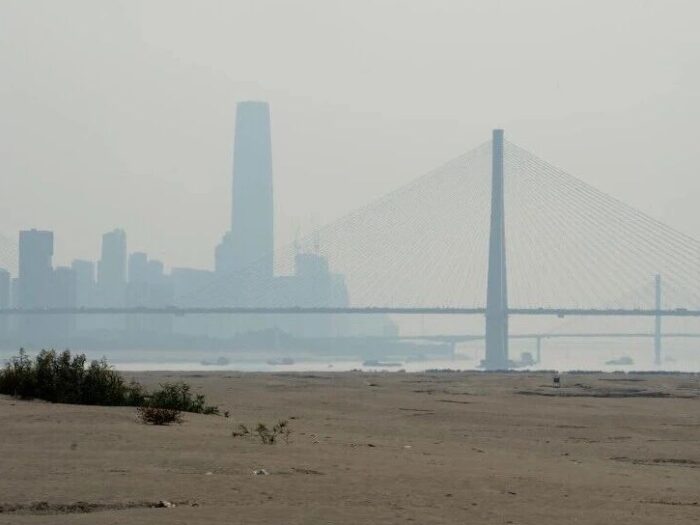
Early-spring cold, April hail, and May downpours keep disrupting the melon season, while flood-diversion-area status and unresolved land-use plans weigh on sales. Tianxingzhou’s few remaining growers still scooter across the river like migratory birds to tend their fields—year after year, they can’t outgamble the sky.
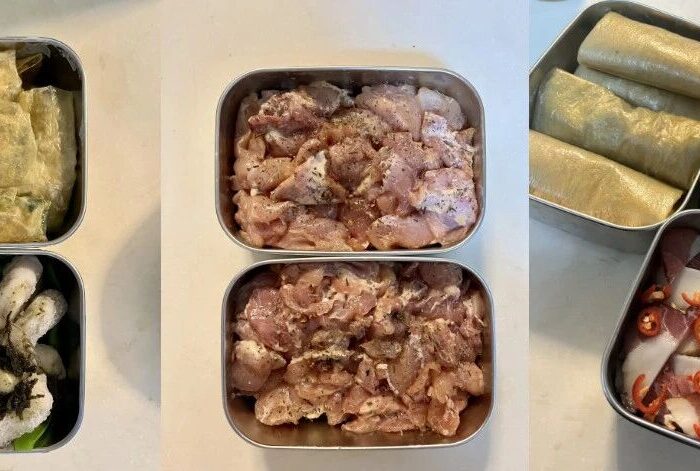
After leaving her job, Jiaxin spent each day pouring mental and physical energy into two meals. She experimented with steamed prepared meals, ten-minute sour soup noodles and other options, no longer insisting on a single standard between freshly stir-fried and hassle-free.
Professor Zhang Dandan of Peking University called flexibility itself a benefit. Zheng Yuyang, who trekked with odd-job workers harvesting Korean pine cones in the northeast and delivered food in Beijing for four months, found this grating: workers want a stable job with social insurance and dignity, not flexibility.
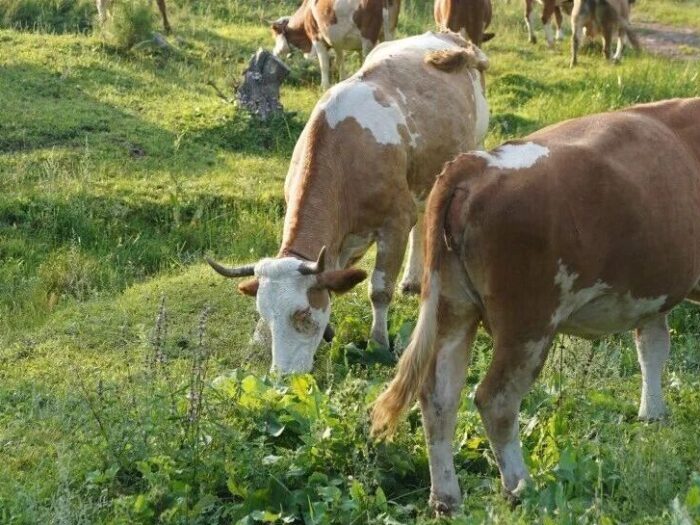
Cattle prices have fallen from thirty thousand to six or seven thousand yuan; cattle-keeping households in Leyi Village, Heshun County, have shrunk from over twenty to three. Gone with the empty cowsheds: hillside dǎo xiē dǎo xiē chatter, walkie-talkie calls, and a newborn calf’s promise.
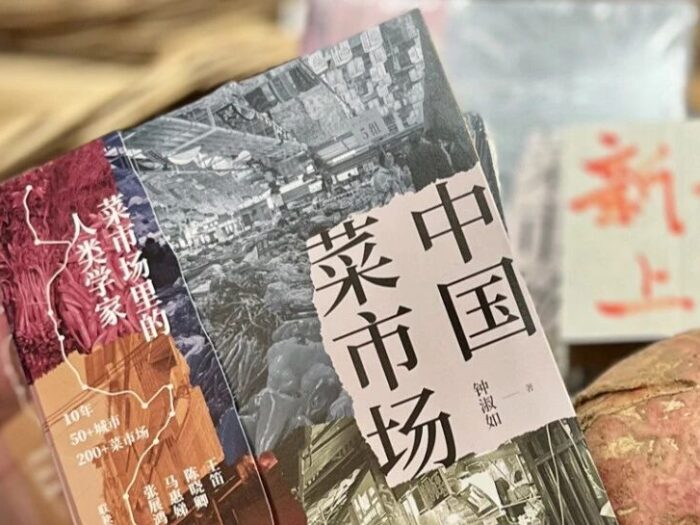
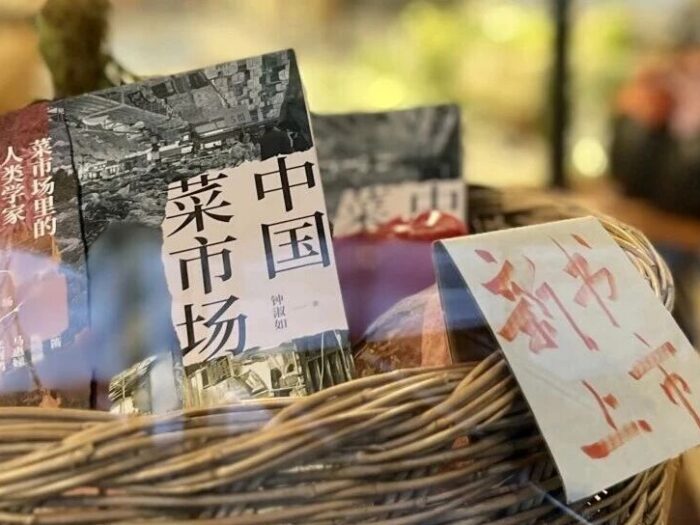
Zhong Shuru distilled a decade of visiting over 200 Chinese wet markets into her new book, Chinese Wet Markets. She and freelance writer qiran discuss ‘star wet markets’ that attract attention but not necessarily profit, cooking labour outsourced to food delivery, and what counts as “eating well properly”.
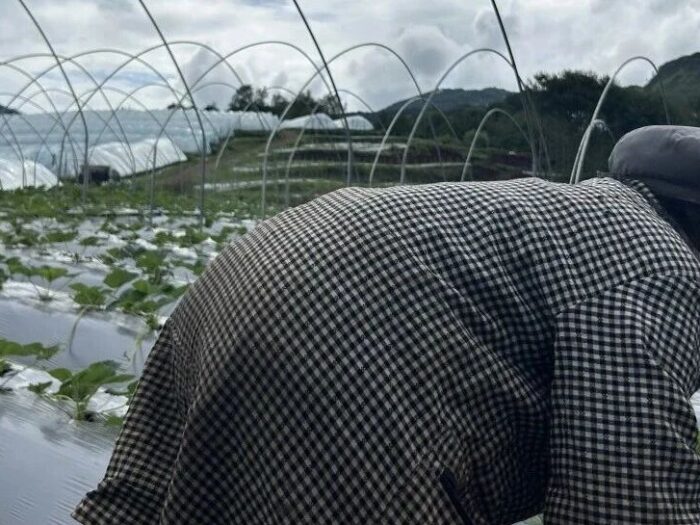
In the polytunnels of Mashu Town, nearly all the workers are women in their fifties and sixties – 27-year-old Lu Yinghong is the exception. She once dreamed of standing at the lectern; in the end, between pinning runners and weeding, she earned a limited autonomy.
From Wiley’s 1902 recruitment of twelve men to prove the harm of formaldehyde and borax on their own bodies, to van Tulleken’s 28-day Ultra-processed Food experiment, food additive safety boundaries remain unsettled after a century—and cumulative effects of legal additives go unassessed.
Two hours at Shahe Fair in Changping, a bag of Pinggu peaches in hand: Zhong Shuru notes young people’s thrill of “once you step in, you can never leave”. In her Market Research Group, browsing markets is shifting from novelty check-ins to reading food and the city.
Foodthink’s feast stories span over a dozen provinces: baba feasts with freshly slaughtered free-range chickens, a bowl of saozi noodles at dawn, ready-made dishes served before the ice has thawed. Red envelopes, seating and toasting clash with young people’s boundaries as village feasts drift into the cities.
Zhong Shuru, author of China’s Wet Markets, brings her new book to Beijing, Saturday (22 August): a morning browse of the Organic Farmers’ Market, then an evening talk on wet market resilience and future at Jiantou Bookstore. Ten years, 200+ wet markets of fieldwork. Online or in person.