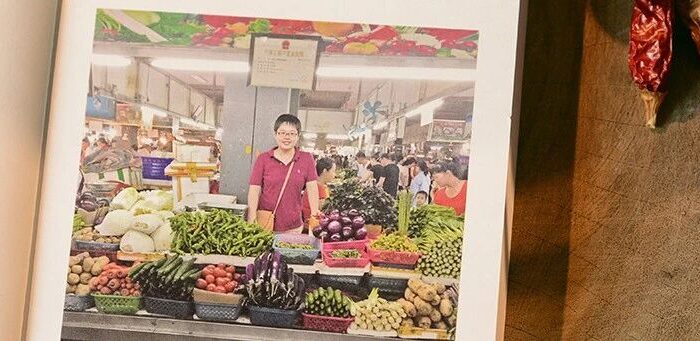
After Shu’er’s autism diagnosis at five, her mother turns market trips into the routine by which this girl of narrow interests maintains social functioning and prevents regression. From dreading stray dogs to watching fish shaved thin at the stall, she grows up amid ten years of market clamour.

Xiaoxiong, Master of Agronomy at Huazhong Agricultural University, measures greenhouse gases in paddy fields and records data under a streetlamp after dark. Her short videos show more people the everyday research life and real employment realities of agronomy students.
Anthropologist Zhong Shuru once took on the role of a “fishmonger” at Hainan’s Yefeng Market, spending fourteen months of fieldwork amid the stink of fish and sweat. Excerpted from the prologue to Chinese Wet Markets, this article records her first encounters embedding herself in stallholders’ daily lives.
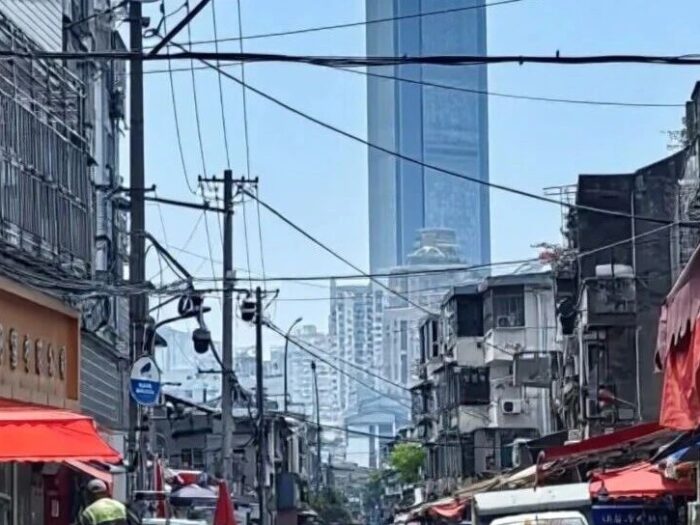
From the decline of Huanglong Wholesale Market to holding her ground at Shuangjingtou Wet Market, fifty-year-old Xu Yunyan supports her family through a ginseng and antler dried goods shop. Refusing e-commerce and livestreaming, she relies on word of mouth and serves only retirees.
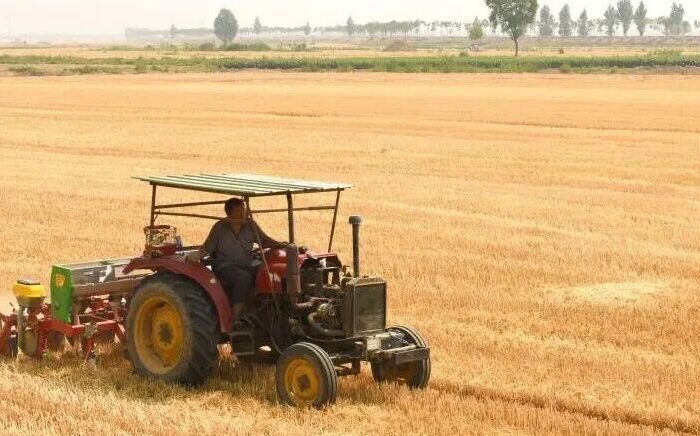
Heilongjiang permits orderly burning, yet Hebei farmers remain unaware: ‘Start a fire and they’ll detain you.’ After over a decade of straw return in Quzhou and Fengfeng Mining District, poor emergence, more pests, rising spray costs draw one shrug: “Not a big deal” — yet they’d far rather burn.
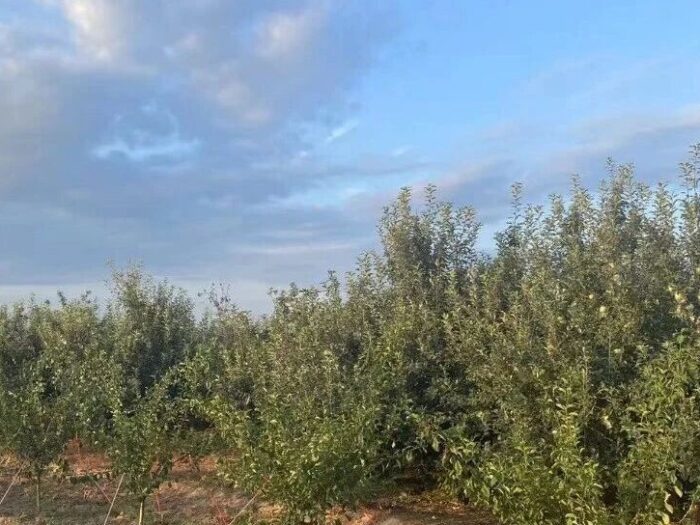
Qinguang gave way to Fuji, Fuji was uprooted for grain, grain brought in no money—peaches and plums went in. Dad, close to seventy, tallies next year’s accounts between the wheat rows, and whether they will still sell in a few years, no one can say.
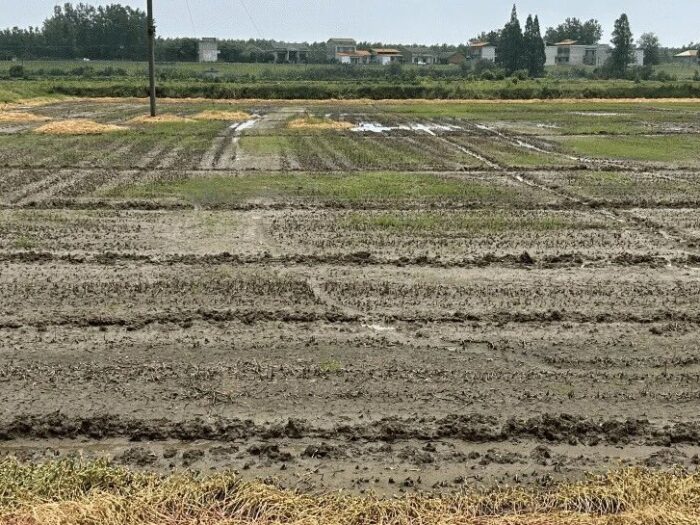
After the straw-burning ban, rice farmers in the Dongting Lake area of Hunan paid an extra 60–80 yuan per mu for straw shredding, rotary tillage and pesticide spraying — yet the rice stem borers overwintering in rice stubble have grown more numerous year on year.
Half-buried in frozen ground, plastic twine waits for spring; clear one layer of IV tubes and fragments and another surfaces, mixed with the soil, to be picked out one by one between fingertip and thumb. Harder to bear than farming is this land’s plastic that cannot be cleared.
Musang King and Black Thorn oversupply triggered this year’s Malaysian “durian tsunami”. Balik Pulau’s Kampung old-tree smallholders are caught in it: tree-ripened fruit has an extremely short shelf life, sold cheap or discarded first – and many farmers have already felled their old trees, switching to grafted premium cultivars.
In August 2024, fresh, ready-to-eat Musang King first entered China. From the LKE orchards in Johor to Muar’s family wholesalers to Marcus, who switched from oil palm to durian — Chinese demand and fierce competition are simultaneously rewriting this Malaysian durian chain.