
Come and Share a Banquet, Friend | Eat Something Good Stories

In China, if you want to truly get to know a place, simply go and attend a banquet. Whether you are from the village or the town, from the far north or the far south, a close relative or a distant neighbour, an acquaintance or a stranger, whether you have anything to say to one another or not — just sit down, share the food and the drink, and you are no outsider. The local cuisine, the customs and traditions, family affairs, gossip and amusing tales — it is all bound up in attending a banquet.
When it comes to attending a banquet, Chinese people may share some memories that are the same across the whole nation. We welcome your responses.
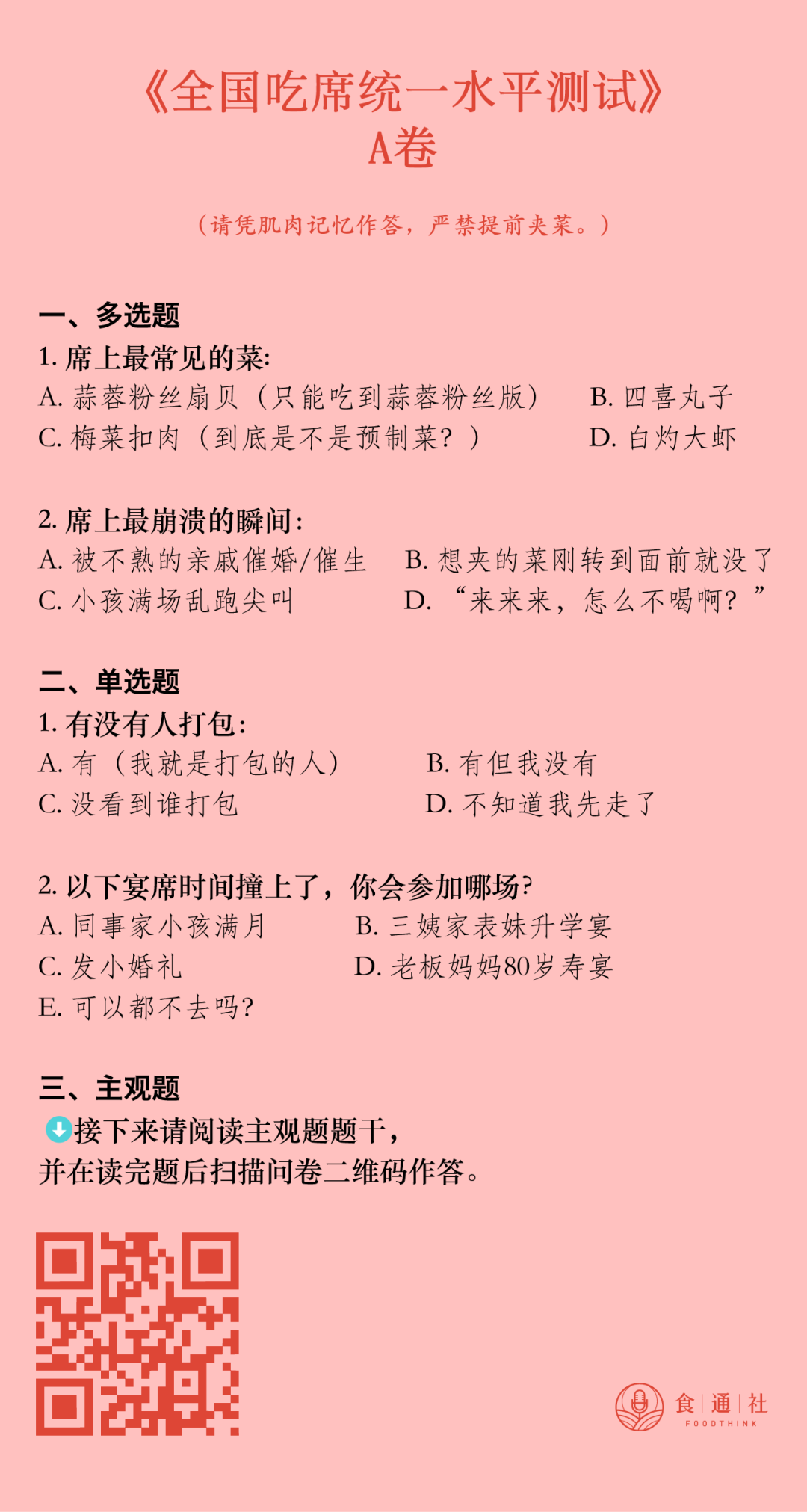
You might say that the world has as many banquets as it has joys and sorrows.
Chinese-language cinema has a particular love of filming banquets. The bustling wedding banquet that opens Yi Yi conceals each protagonist’s private worries; the sham wedding in The Wedding Banquet grows ever more genuine under the teasing cheers of friends and relatives; a mock funeral in Getting Home lays bare the warmth and indifference of village society; the school-admission banquet in Hi, Mom has two mothers in quiet one-upmanship… A banquet is, by its very nature, where stories unfold — the words normally left unsaid, the emotions never allowed to erupt, through the banquet as a medium, finally find their moment to meet.
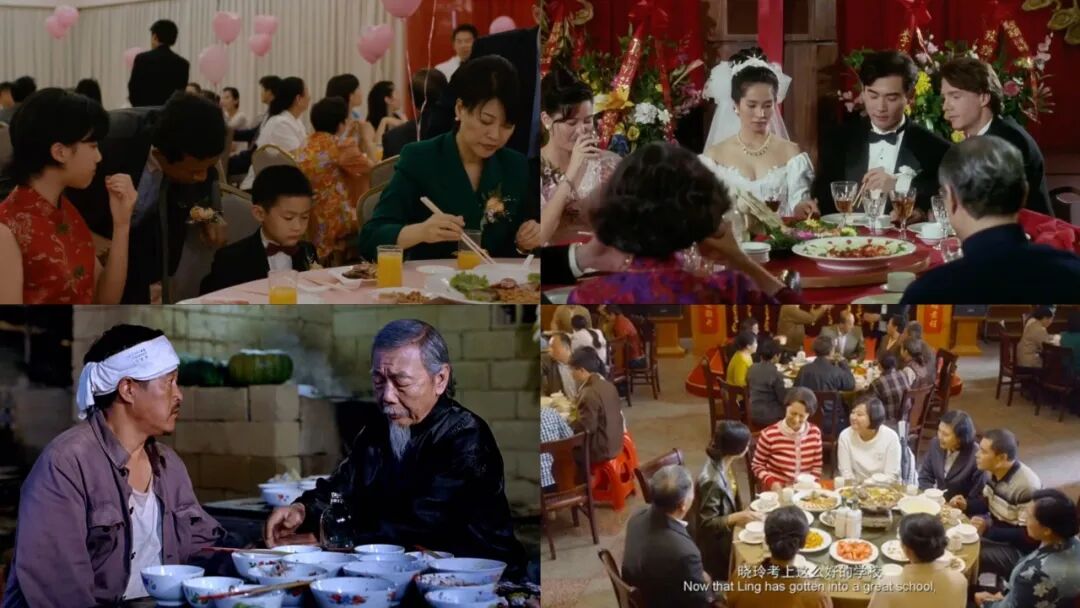
◉ From film stills: top left, Yi Yi; top right, The Wedding Banquet; bottom left, Getting Home; bottom right, Hi, Mom
The banquet in real life stretches far beyond the dramatic conflicts of cinema. The Chinese have been dining together around a table for a very long time. From a baby’s full-moon celebration, weddings and longevity banquets to school-admission banquets and funeral banquets, the banquet has marked many a milestone in our lives.
For many people, memories of home are inseparable from the banquet. Before the sky has fully lightened, the courtyard is already alive with large pots on makeshift stoves; the village aunties sit in a circle, picking vegetables and chopping on the board; the hired village cook fires up a roaring blaze and turns out dishes for over a dozen tables; the grown-ups are busy greeting guests, while the children scurry beneath the tables clutching bowls — even the dogs seem to gnaw on more meaty bones than usual. When the banquet breaks up, everyone pitches in to clear the tables, wash the bowls and chopsticks, and share out the leftovers to take home.
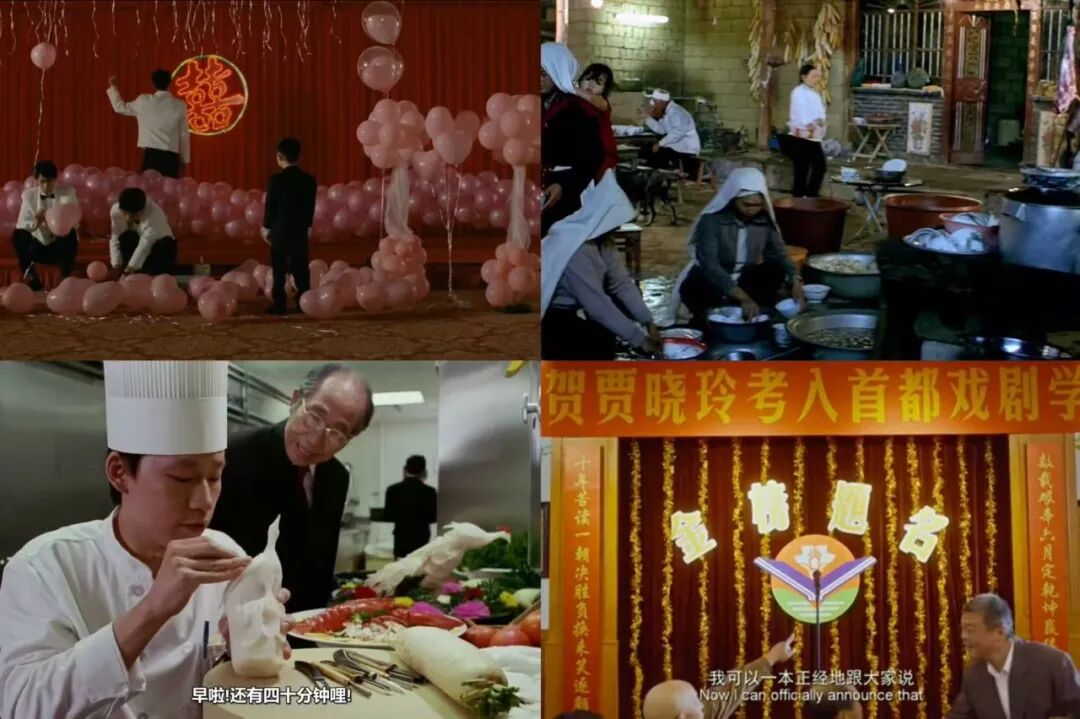
◉ Scenes of banquet preparations in films. From film stills: top left, Yi Yi; top right, The Wedding Banquet; bottom left, Getting Home; bottom right, Hi, Mom
A single banquet is also a microcosm of a place’s produce and terroir, revealing the local art of hospitality and the local sense of what counts as “decency”. Where there are waterways, there is fish; in the mountains, bamboo shoots; on the grazing lands, lamb. There are even dishes that appear only at grand banquets. North and south each have their showstopper dish: Chaoshan braised goose, Sichuan shaobai (steamed pork belly with preserved vegetables), Henan steamed-bowl dishes, Northeast guobaorou (crispy sweet-and-sour pork)…
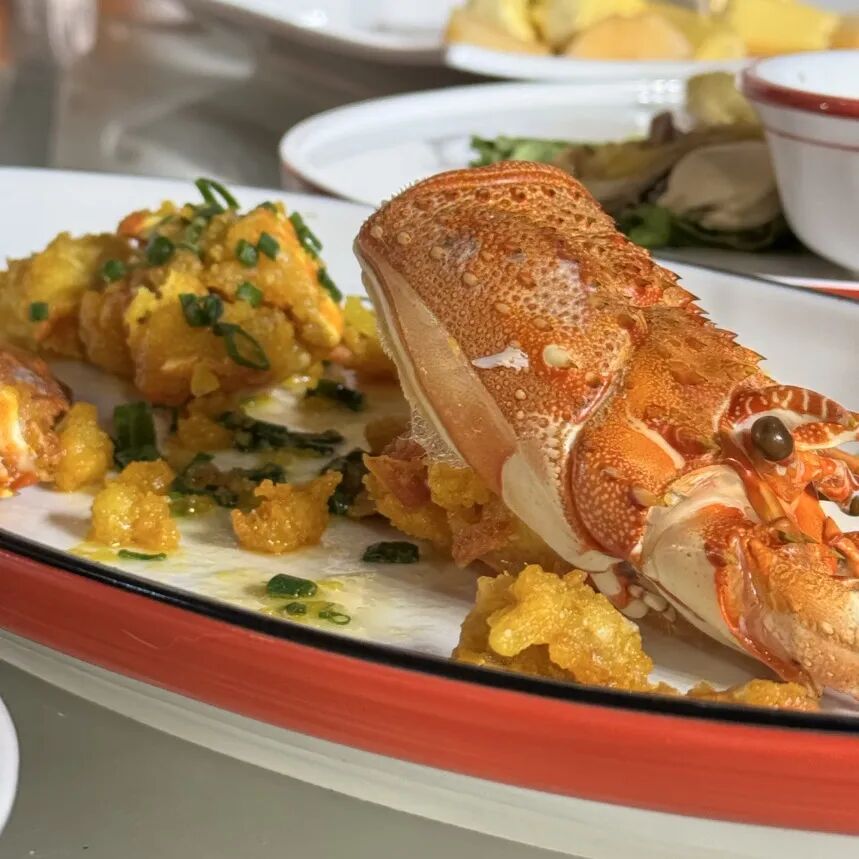
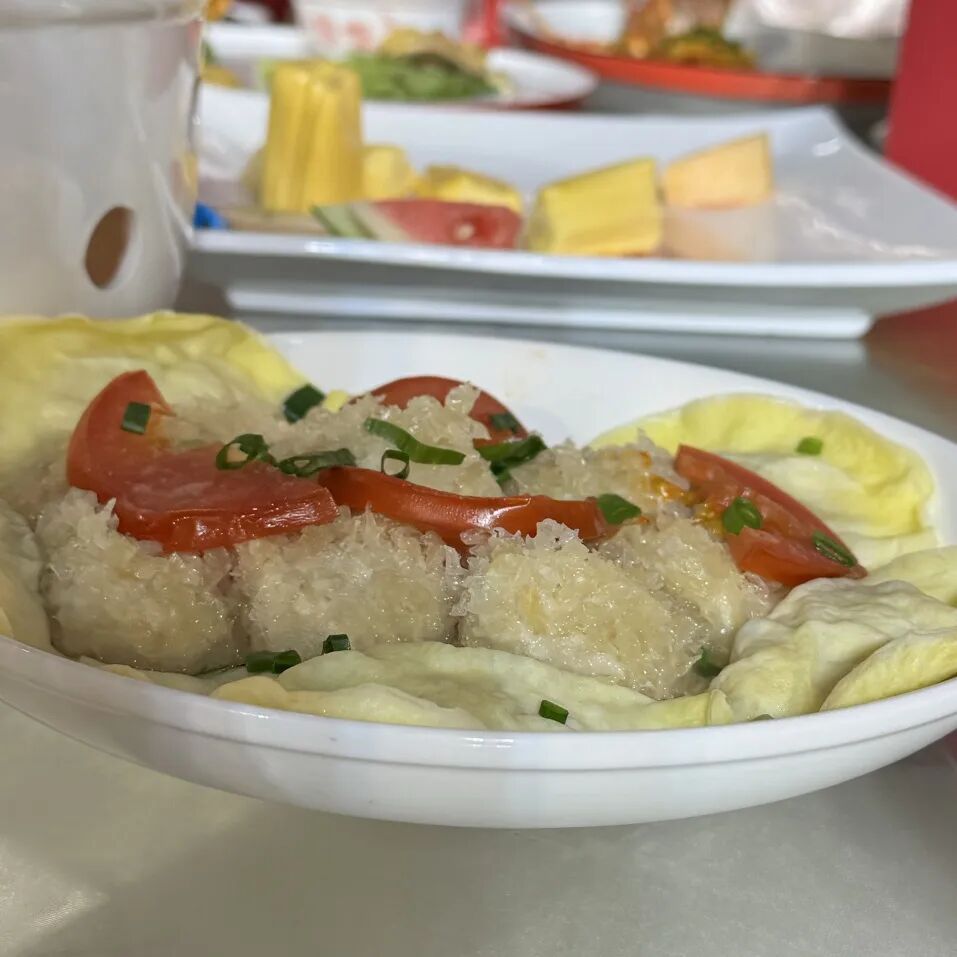
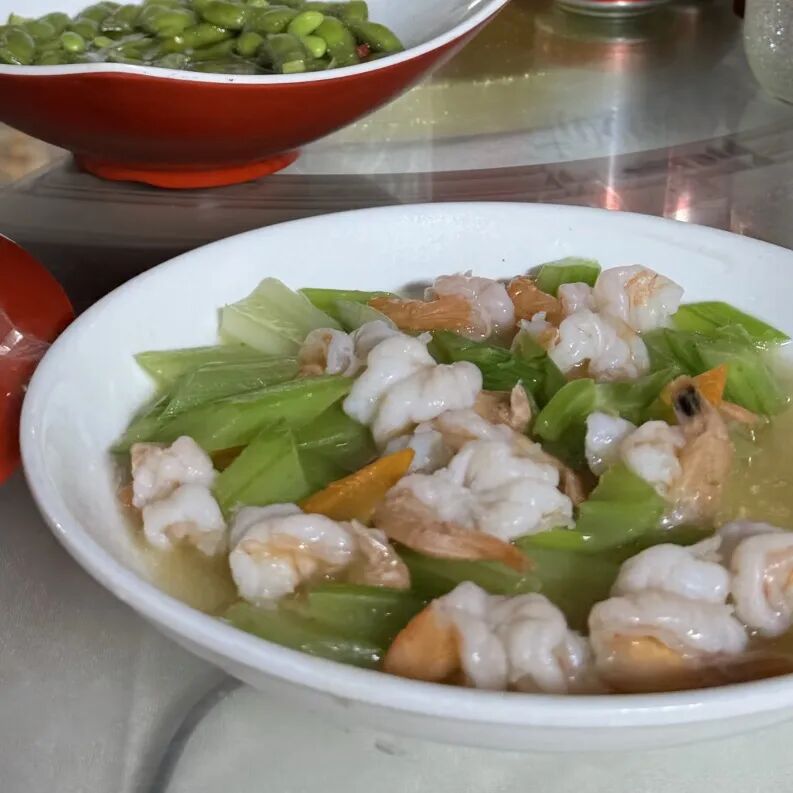
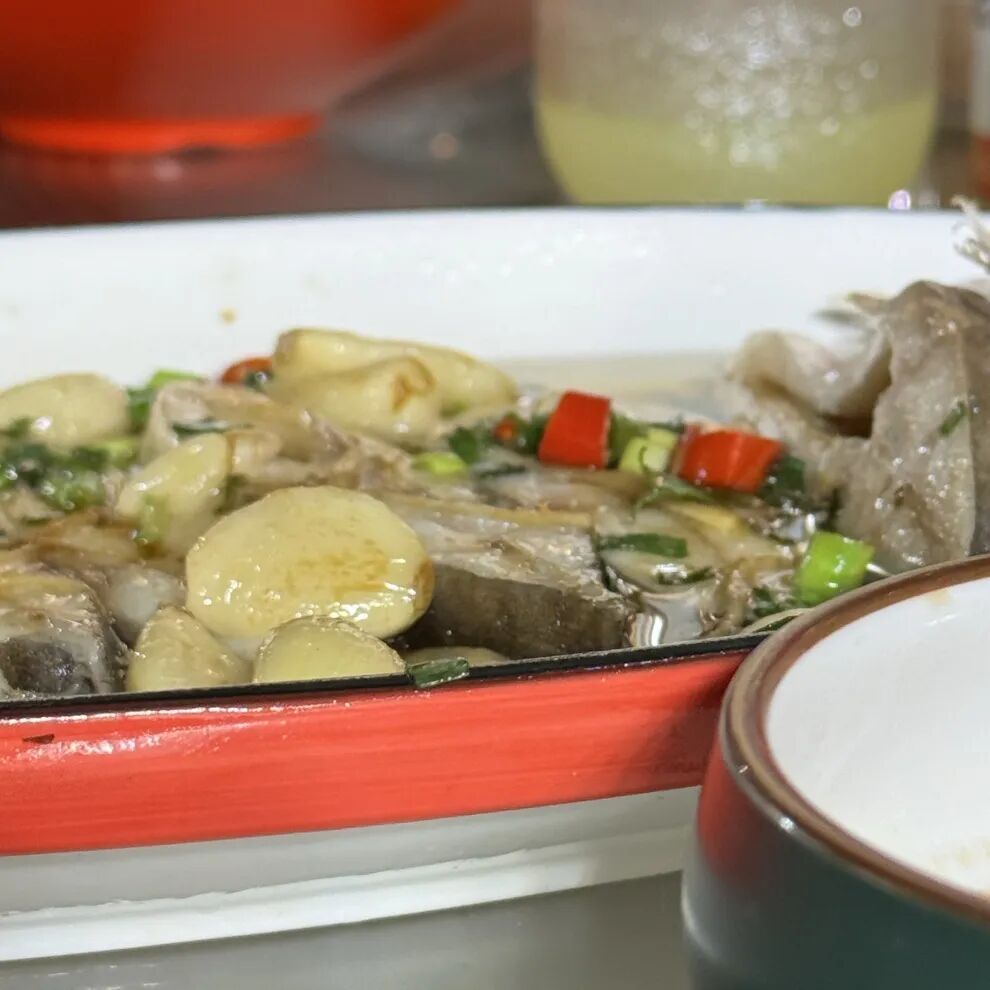
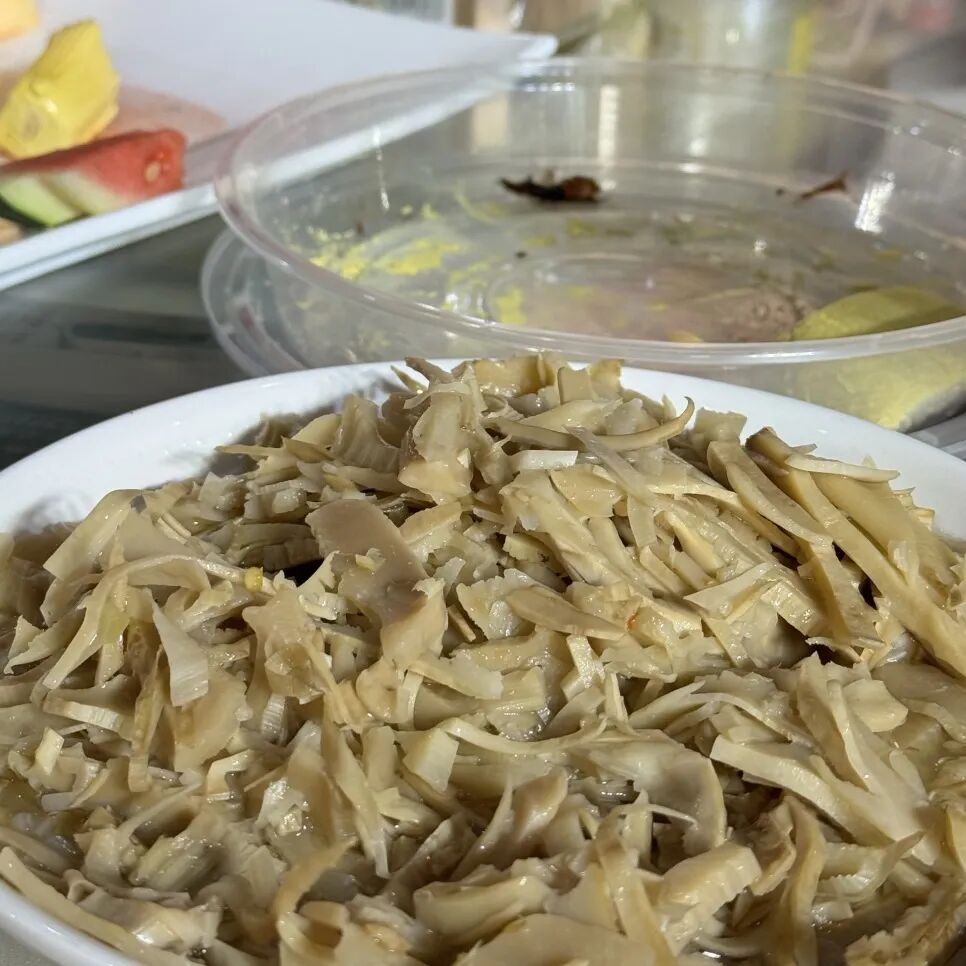
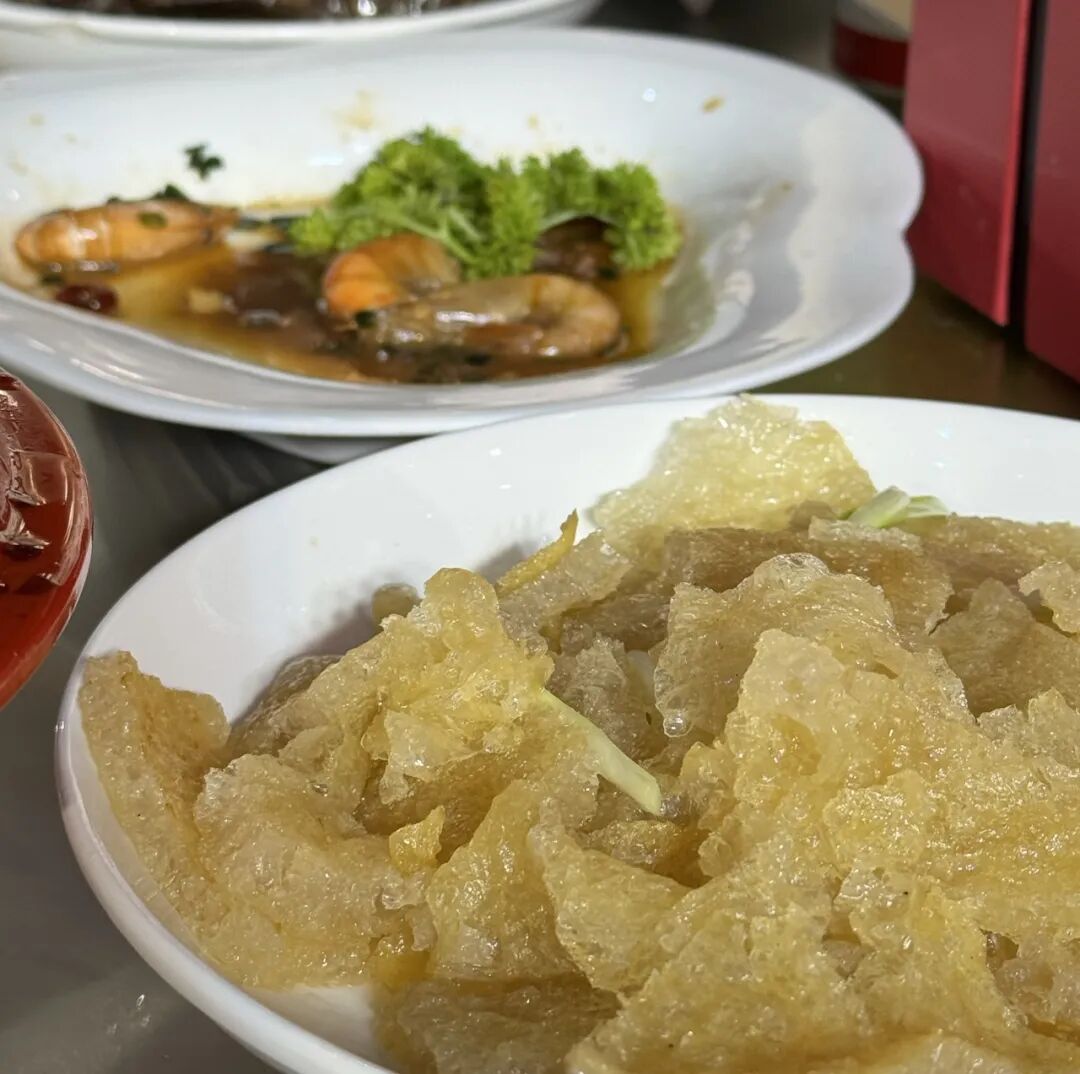
◉ Swipe right to view
The banquet, too, has always been in flux. A single banquet is a slice of its era, recording the shifting patterns of Chinese life, work and human relationships.
Thirty years ago, the rolling banquet in the village still ran on tables, chairs, bowls and chopsticks borrowed from every household, with the whole village pitching in to slaughter and cook on the spot. Back then, attending a banquet was about inclusivity and warmth. Wherever a grand banquet was held, no one would be allowed to leave hungry — another pair of chopsticks here, another table there, there was always a way.
Thirty years on, more and more banquets have followed the migration of people into hotel function rooms such as the Dragon and Phoenix Hall, where standardised menus have taken over tasks that once required the joint effort of family, friends and neighbours. And more and more young people are opting for intimate weddings, inviting only their closest loved ones to a simple meal.
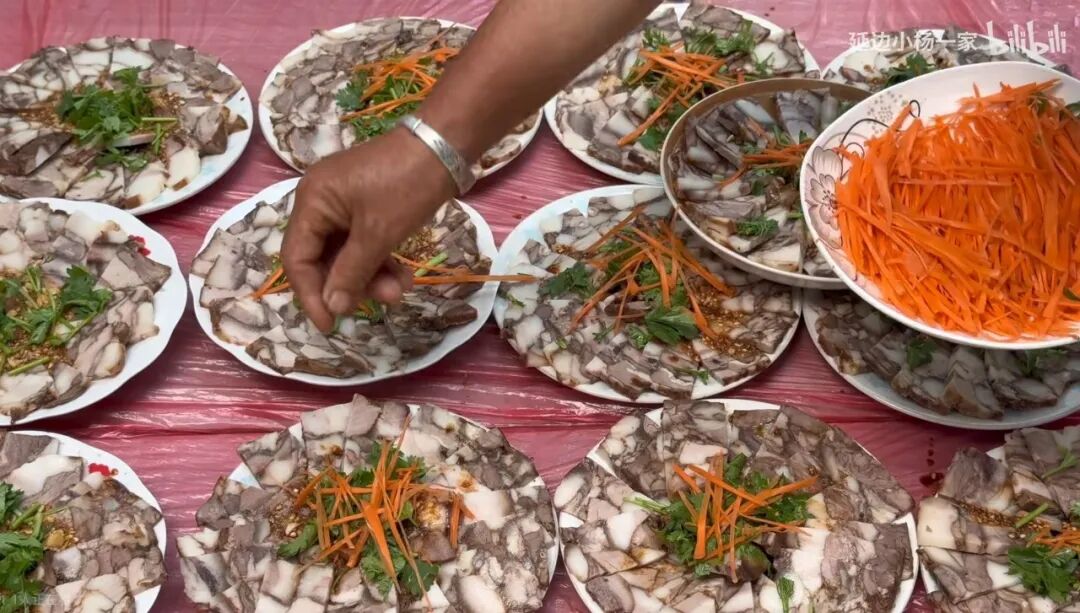
◉ A Northeast grand banquet being prepared at home; preparations under way. Image source: Bilibili creator @Yanbian Xiao Yang Yijia
The dishes at banquets have grown ever more lavish. All manner of white and red meat is now standard fare, while seafood, Western and Japanese cuisine are also making an appearance at some tables. At the same time, pre-made braised pork belly with preserved mustard greens, braised lion’s-head meatballs, steamed scallion rolls, plain steamed buns and xiaolongbao are being brought out. The spread we once waited for with such eager anticipation in childhood now barely stirs a spark of surprise.
The human warmth at the table is changing too. Many feel that attending a banquet has become empty ritual: the gift money keeps growing thicker, the nagging about marriage and children never quite goes away, and the pleasantries and one-upmanship over the drink table leave you exhausted.
These changes are hard to judge in any simple way. They simply reflect the lives we have been living — shifting and shifting — through all these years. And yet, to this day, the banquet remains one of the rare occasions when a family, a community, a village can truly come back together. What we want to record is this life in transition.
In this edition of “Eat Something Good”, we would like to launch a call for stories about attending a banquet. It could be the most representative dish at a banquet in your hometown, a wedding or funeral you will never forget, your experience of being the host family organising a banquet, a memory of home, or simply how you feel about the way banquets have changed over the years.
We warmly invite you to scan the QR code or click “Read Original” at the end of the article to fill in the survey. Your stories may be featured in a Foodthink article. We will select two readers to receive a gift, and invite one reader to come to our office for a meal — cooking, eating and washing up with the Foodthink team.

Produced by: Li Ye
Poster: Z X
Editor: Yuyang
Layout: Xiao Shu