Early 2024: over thirty thousand farmers drove five thousand tractors into Berlin against scrapping the agricultural diesel tax rebate. The real fury was systemic injustice: after over 170 years of subsidies tethering agriculture to fossil fuels, small farms bore the cost crisis alone while large farms harvested theirs.
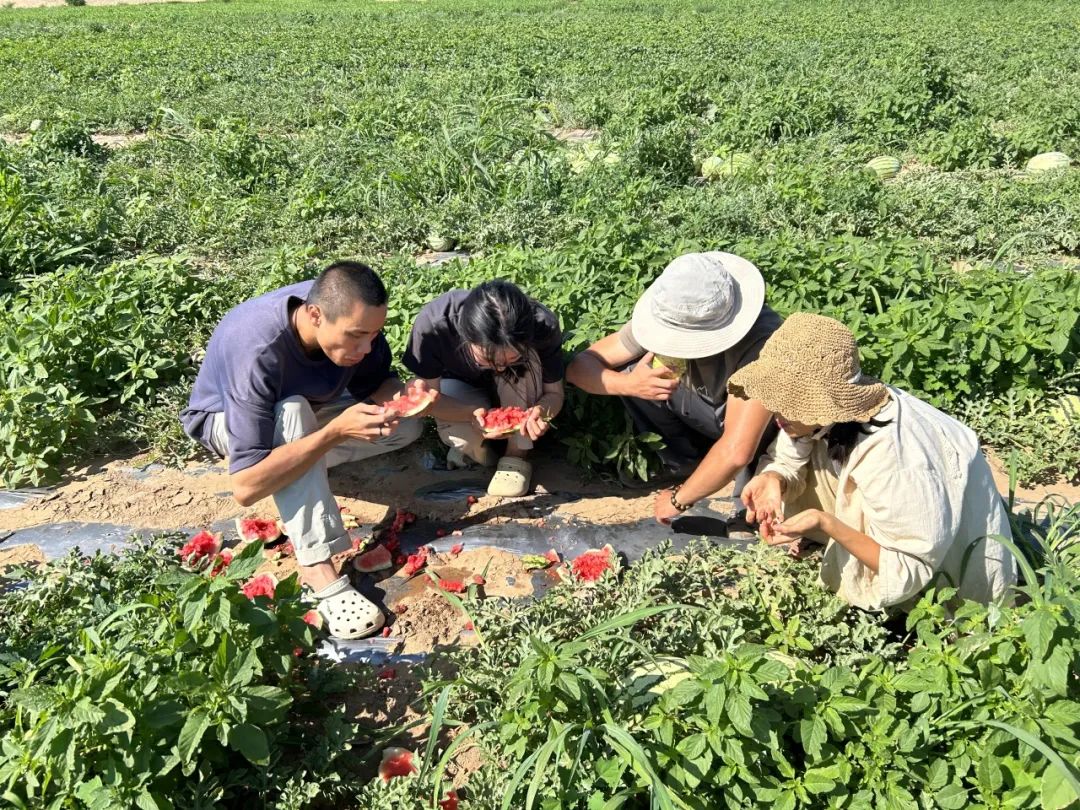
At Letian Bay Farm in Fengxian, Shanghai, pest damage has left barely any organic maize, the local farm workers don’t buy into the no-spraying method, and the farm’s real revenue comes from land rental and activity experiences – not selling vegetables.
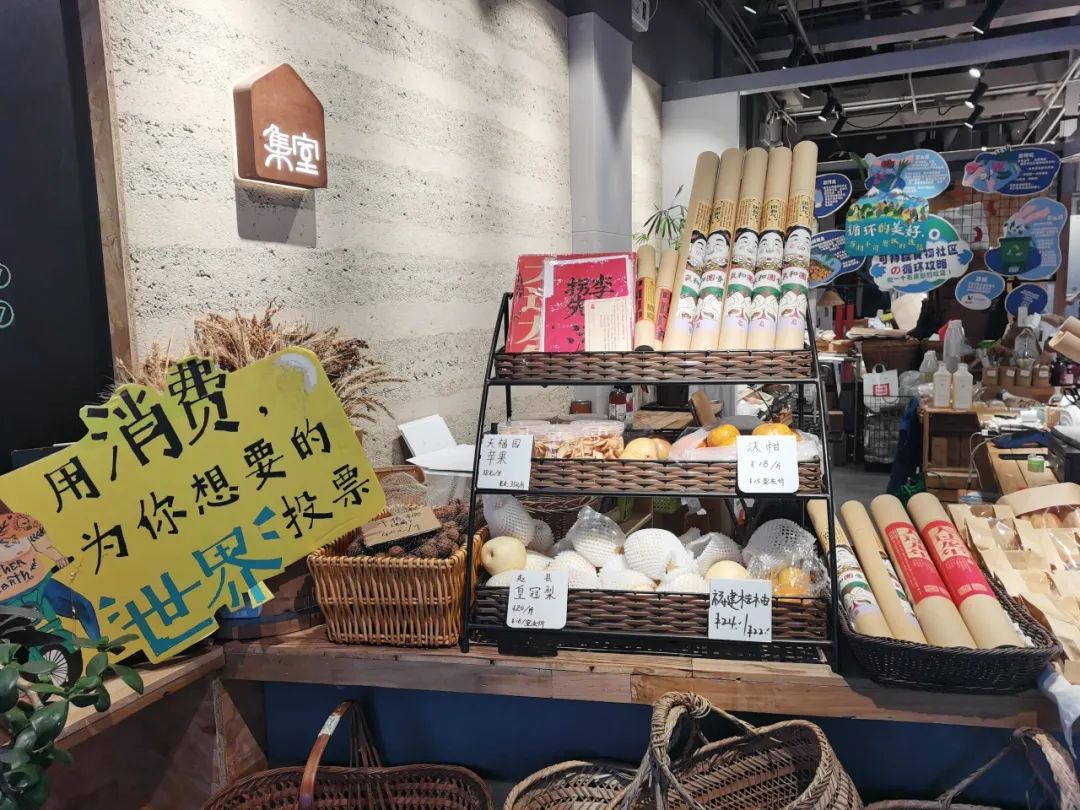
At Ji Shi in Beijing’s Sanyuanqiao, all produce comes from local ecological smallholder farmers—cabbages alone span multiple varieties from different farms, and farmers come in person to recommend how best to enjoy their produce. The Foodthink conversation extends from selling vegetables to efficiency, consumption and gentrification.
Foodthink’s Lianhe Programme has opened applications for the third cohort of its Ecological Agriculture Internship Programme. The first two cohorts placed more than 40 young people at over ten ecological farms across the country. Application deadline: 6 March.
Several new Foodthink colleagues once again occupied Ji Shi before the Spring Festival of the Year of the Dragon to sell vegetables for a day, sharing first-hand experiences — from not being able to recognise wutai cai to reconciling receiving invoices from over twenty farmers.
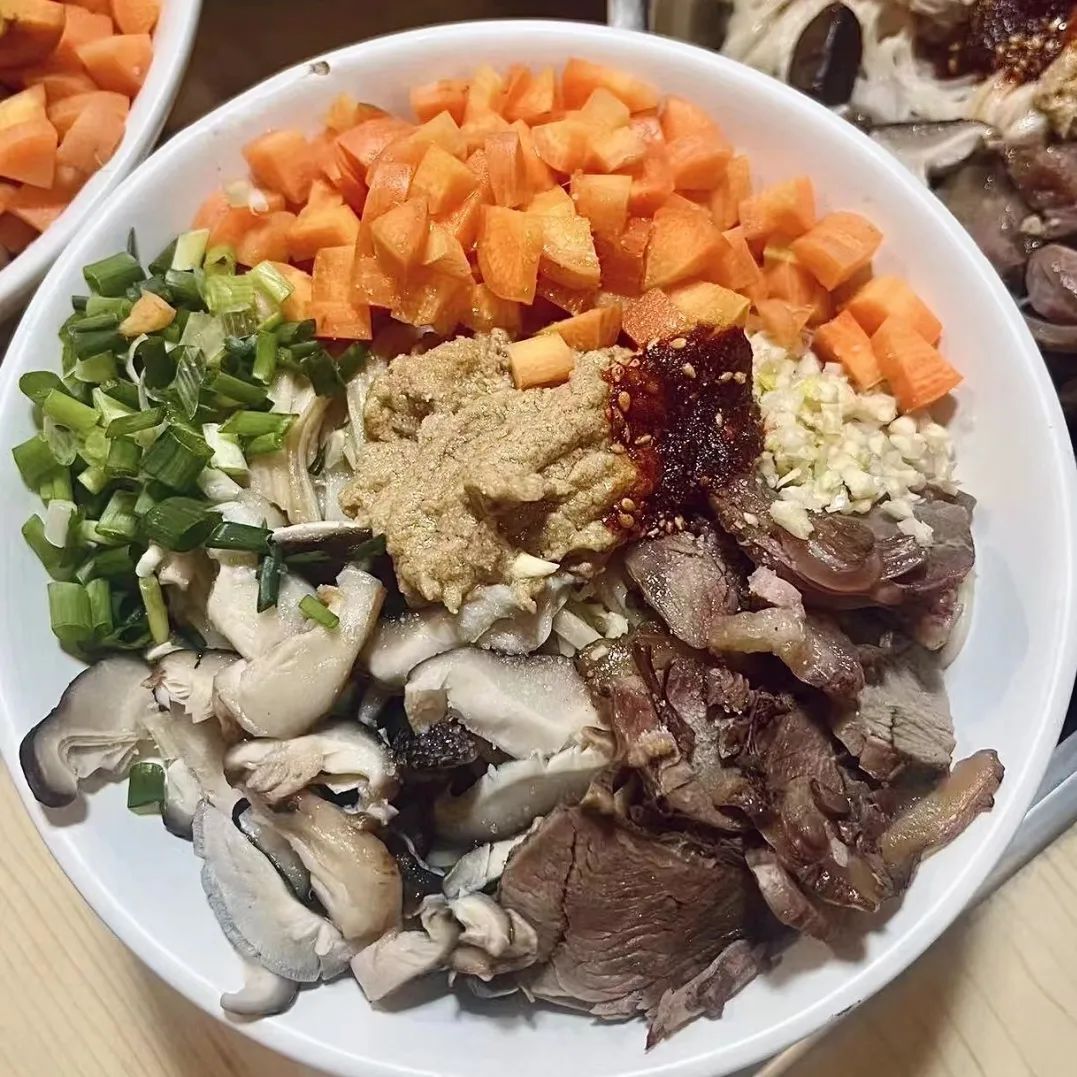
Adding kelp and wood ear mushroom to dishes, swapping white-flour steamed buns for Shandong jianbing, and dipping oily dishes in vinegar water — these three moves helped a cook in his sixties shed 15 kg over two Spring Festivals, eating with the whole family exactly as always.
From ready-to-heat dumplings to central kitchen ingredients, pre-made dishes have permeated takeaways, school meals and New Year’s Eve dinners. Five contributors — including an anthropologist, a domestic worker and a sustainability practitioner — shared their views on identification, plastic packaging and the impact on Chinese chefs.
At Letian Haiwan Farm in Fengxian, local elders averaging over seventy are still tilling the land. After eight months alongside them, a Chinese-literature student found they mostly come for company and chat; the pay of just over ¥100 a day is the afterthought.
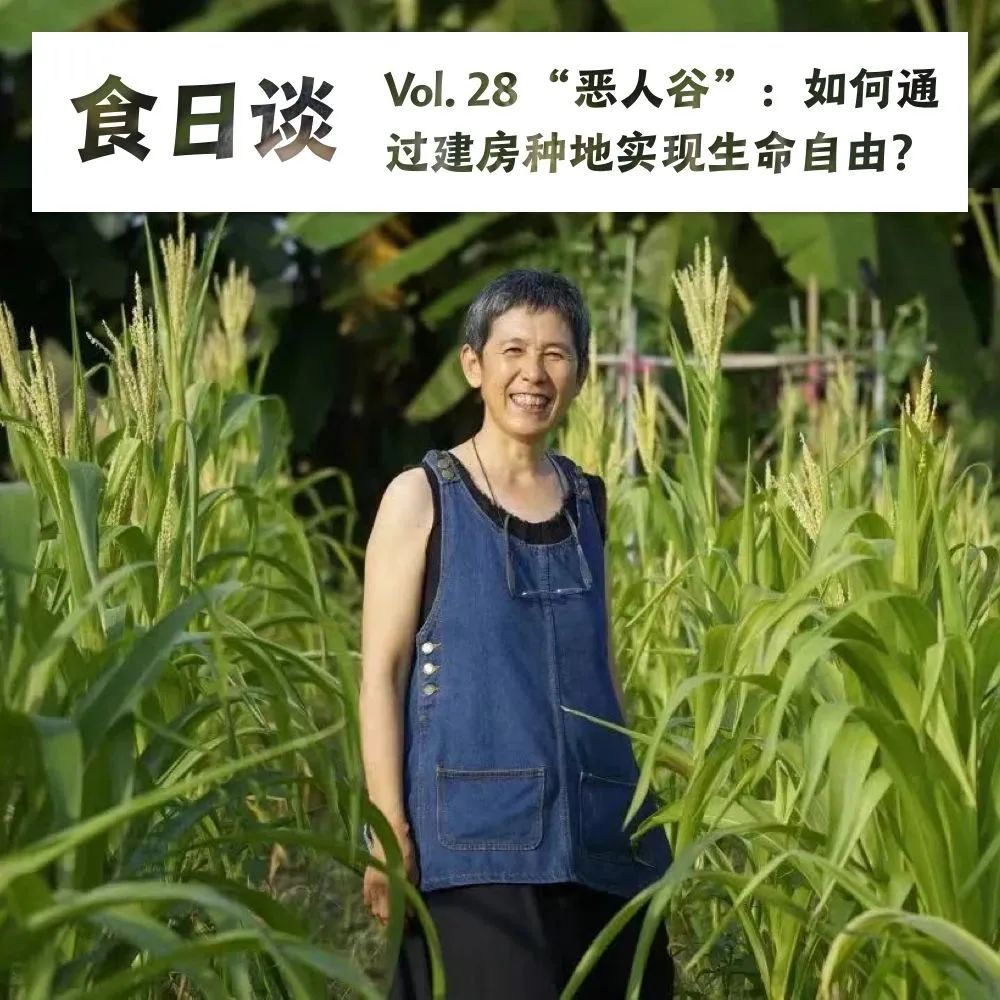
In her late fifties, Kouzi moved to Scoundrel Valley, Fujian, in 2021 – building her own light-gauge steel-frame home, growing perennial crops, and buying almost nothing beyond a little fruit, sugar and salt. Foodthink lived and ate alongside her, exploring the endless shrinking inward behind her “lazy farming method”.
From the Green Revolution to carbon credits, Bayer and IRRI’s schemes have consistently placed hidden costs on smallholders. Yet farmer networks such as MASIPAG in the Philippines and DDS in India are rebuilding a different emissions-reduction foundation through local varieties and agroecology.