After the sequel premiered in spring 2024, four Foodthink editors gathered to rewatch Food, Inc., discussing whether the industrialised farming, seed monopolies and corporate grip on the food supply it exposes have worsened or improved in the United States—and whether China is facing the same problems.
Since 2018, Inner Mongolia has pushed its “Dairy Revitalisation” policy, yet small dairy-food producers in Senggendalai Town are trapped: standardised upgrades cost hundreds of thousands of yuan, far beyond herders’ per capita annual income of just over 20,000, while natural fermentation’s traditional flavours fade in mechanised mass production.
Farmer Pierre inherited more than twenty cows from his parents. When one shows BSE symptoms, he must choose between culling the whole herd or concealing the medical history — a dilemma that echoes French farmers now taking to the streets against EU policies.
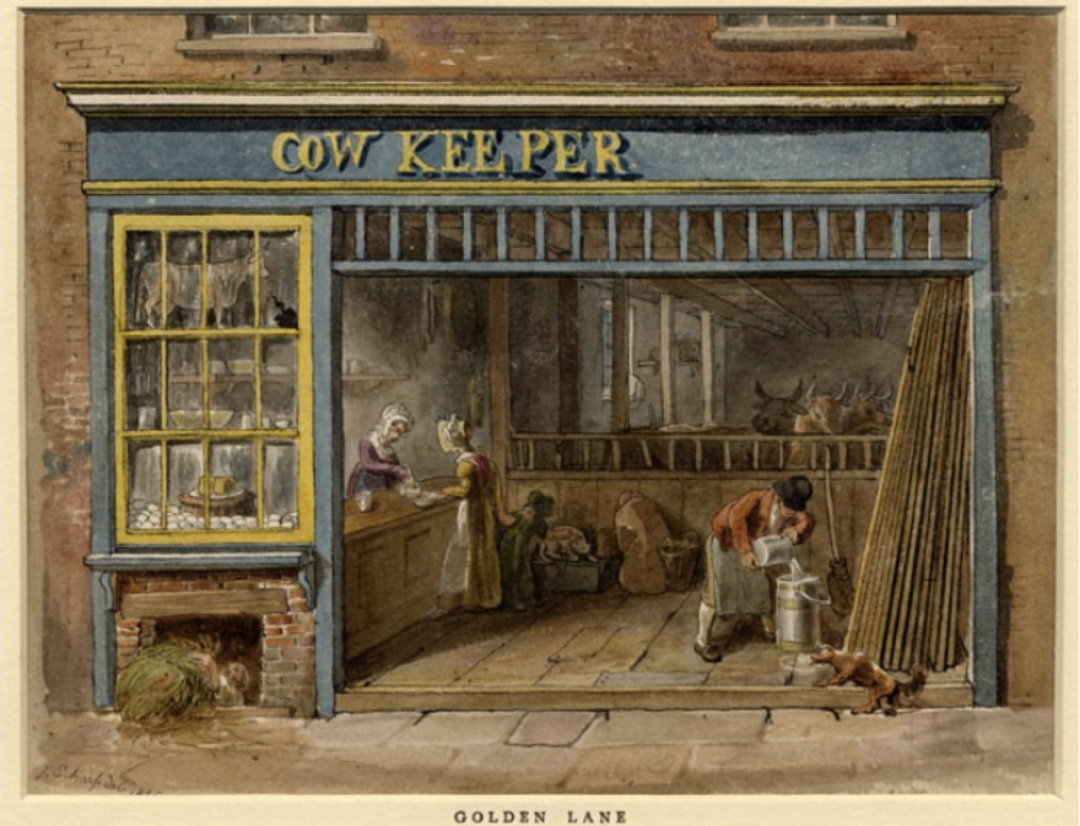
The Wellcome Collection gallery in London, through more than 100 exhibits, traces milk’s century-long image-making from 19th-century “swill milk” to post-war “perfect food”, revealing how commercial interests, government rationing and nutritional promotion combined to make milk a staple of the modern table.
Since its 1991 discovery in Beijing, Italian cocklebur has spread to Liaoning, Hebei and beyond; 8% coverage can cut yields by 60%. Yue Xiaoxiao at the Beijing Xuanwu Youth Science and Technology Museum leads schoolchildren in a distribution and damage survey, inviting farmers to fill in a questionnaire.
More than half a year since the November 2022 blizzard unseen in over a decade, Jiangbutas Village’s Kazakh pastoralists are still repaying fodder debts and tending frail herds, while slow-melting snow keeps pastures overdue for transhumance still withered and yellow.
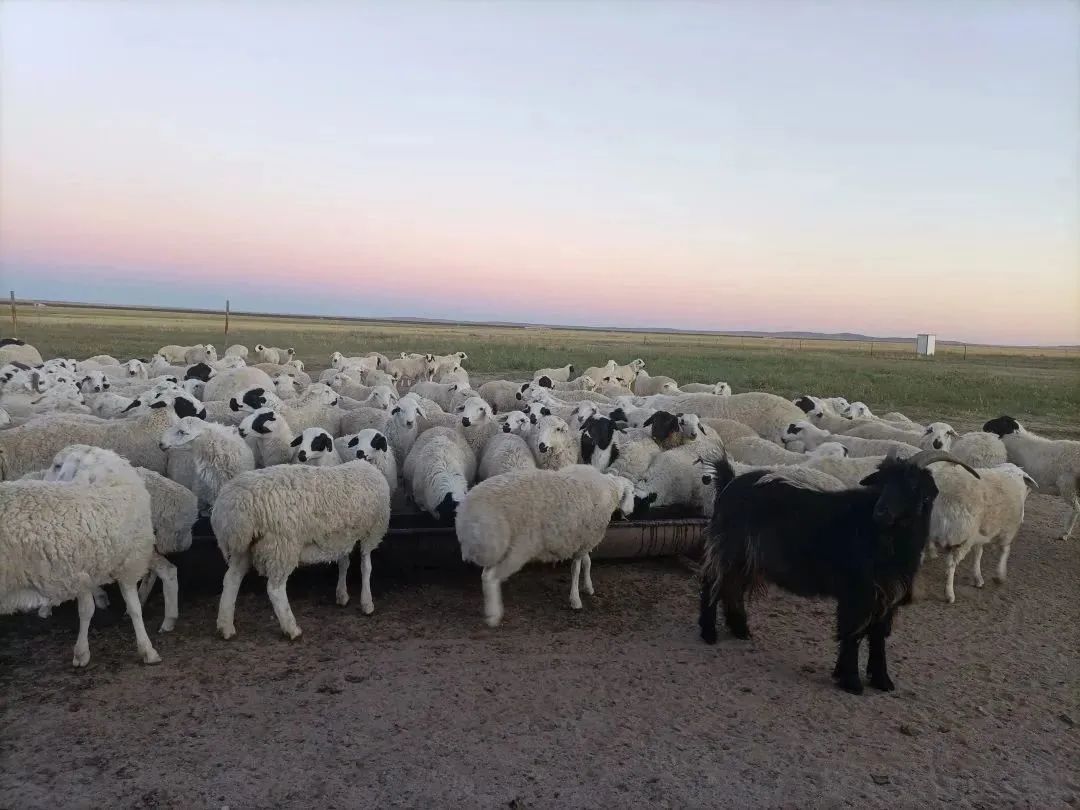
Brother Ma in Damao Banner watches his sheep and cattle trapped in livestock sheds on fodder, while Dulan’s grassland in East Ujimqin Banner degrades to bare ground. Sedentary pastoralism and dried-up water sources have planted the roots of dust beneath their feet.
At the Jokkmokk market, John and some thirty cousins hawk reindeer meat and silver jewellery, the four-hundred-year-old fair as bustling as ever; yet boarding schools, racial research and Kiruna’s newly discovered rare-earth deposit have never exited Sámi life.
The Dutch nitrogen-reduction policy has put farmers in the dock, yet Rabobank and agribusiness giants like Cargill truly drive—and profit from—high-density intensive farming. With over 40% of farmers below the poverty line, cow dung is merely the most conspicuous scapegoat in the nitrogen crisis.
Introduced stud rams like Suffolks and Dorpers are vastly larger in frame than Ordos Fine-wool ewes, so difficult births from uterine torsion are frequent. Vet Dayang in S Banner averages forty to fifty Caesarean sections a day, yet herders often delay calling him while trying traditional remedies.