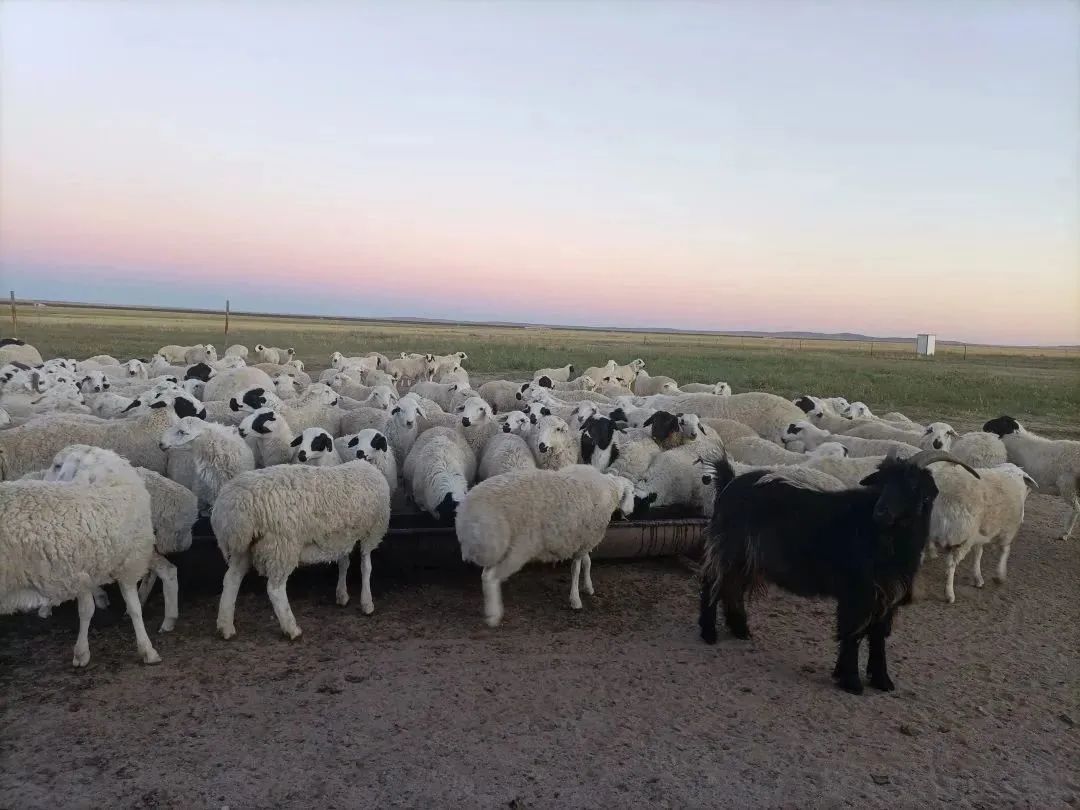
Sangje, a herder settled in the county town driving a sanitation truck, cannot afford his own yak meat—he boils imported frozen meat with sheep intestines in one pot. Cheap JBS-chain beef is driving live livestock prices into loss, from Gannan to Brazil, and burning the Amazon’s forests.
From the labour order of delivery riders to the insights into symbiosis offered by mycelial networks, more than ten new books published in 2024 across food, agriculture and ecology record the hope intertwined with contradictions between people, land and nature.
Li Pengyue, running an ecological fruit orchard in Weihai, cannot protect her vegetable seedlings without pesticide, mirroring the plight of Jinpa, who holds the snow leopard captive over nine dead sheep in “Snow Leopard”. The only difference: one passively endures; the other actively cedes.
Since 2018, Inner Mongolia has pushed its “Dairy Revitalisation” policy, yet small dairy-food producers in Senggendalai Town are trapped: standardised upgrades cost hundreds of thousands of yuan, far beyond herders’ per capita annual income of just over 20,000, while natural fermentation’s traditional flavours fade in mechanised mass production.
More than half a year since the November 2022 blizzard unseen in over a decade, Jiangbutas Village’s Kazakh pastoralists are still repaying fodder debts and tending frail herds, while slow-melting snow keeps pastures overdue for transhumance still withered and yellow.
Brother Ma in Damao Banner watches his sheep and cattle trapped in livestock sheds on fodder, while Dulan’s grassland in East Ujimqin Banner degrades to bare ground. Sedentary pastoralism and dried-up water sources have planted the roots of dust beneath their feet.
At the Jokkmokk market, John and some thirty cousins hawk reindeer meat and silver jewellery, the four-hundred-year-old fair as bustling as ever; yet boarding schools, racial research and Kiruna’s newly discovered rare-earth deposit have never exited Sámi life.
Introduced stud rams like Suffolks and Dorpers are vastly larger in frame than Ordos Fine-wool ewes, so difficult births from uterine torsion are frequent. Vet Dayang in S Banner averages forty to fifty Caesarean sections a day, yet herders often delay calling him while trying traditional remedies.
Two of herder Dalai’s sheep refused food or water; Station Chief De made two days of calls, but the metal detector found nothing. A necropsy finally confirmed the cause: the sick ewes had swallowed wire broken from the fencing — the flock’s pregnant ewes fell ill in turn.