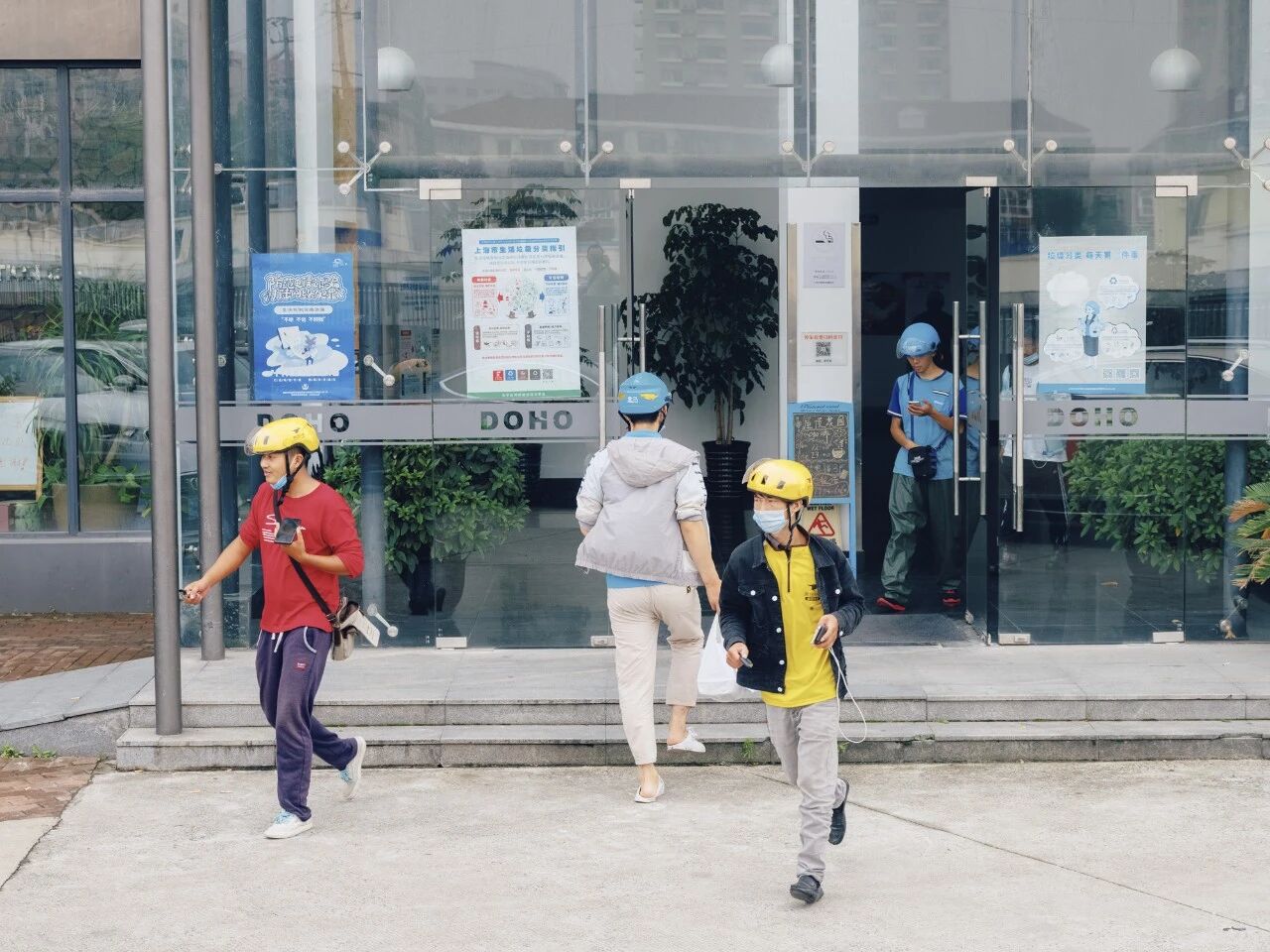
In the rain, riders have no weather allowance – just fines for not showing up, no sick leave, no circuit breaker. Former rider and Foodthink editor Yuyang, with host Xiaojing, discuss the risks shifted behind convenience, and how costs boomerang on everyone as wet markets and family-run shops vanish.
The International Panel of Experts on Sustainable Food Systems (IPES-Food) finds that the global food system swallows at least 15% of the world’s fossil fuels and 40% of its petrochemicals—yet the industry’s clean alternatives fall far short of their claims.
Disaster relief worker Hao Nan retraced the flood’s path through the Xinglong and Miyun disaster areas to reconstruct how flash floods unfolded. Community disaster prevention and mitigation, he finds, has long lacked funding and manpower, with grassroots evacuation timing relying largely on on-the-spot judgement.
In summer 2024, agricultural drone pilots in Heilongjiang faced a harsh reality: pesticide drift compensation disputes, health damage amid a lack of labour protection, and per-mu service fees sliding from ten-odd yuan to 2.5 yuan.
Sili partners with agricultural technology stations and social organisations across Yunnan to promote ridging-and-furrowing low-water rice cultivation. From Yilong Lake’s shores to the Hani Rice Terraces, the same approach has grown into different forms, shaped by differences in subsidies, water conditions and varieties.
Fish cages shattered, mud crabs all escaped with the seawater, orchards and sugarcane groves blown flat. Farmers in Hailing Island, Taishan and elsewhere, barely ten-odd days from the Mid-Autumn harvest, were ruined overnight. The salinisation left by seawater inundation is even harder to repair in the short term.
In this model village for rural revitalisation, coaches carry visitors along the same route almost every day—yet the scorched paddy bunds beneath the rice ears, scattered fertiliser bags and pesticide bottles, and ever-worsening light pollution never feature in the script.
With support from Oxfam Hong Kong’s Beijing office, Foodthink surveyed 29 social organisations and 11 scholars, finding that the real bottleneck for rural climate projects is not carbon emission reduction targets themselves but structural challenges such as hollowing and ageing.
During three months pulling weeds, catching insects and raising seedlings at Xiqing Farm in Daxing, Beijing, Tianyi—participant in Foodthink’s Ecological Agriculture Internship Programme—came to realise that the moments when body and land are honestly joined are far more precious than the harvest itself.
Foodthink collated reader comments under articles on delivery riders’ struggles in severe weather. The debate far exceeds the “order or don’t” binary: do riders want earnings or dignity, how responsibility splits between consumers and platforms, and whether Platform gig workers remain an escape route for ordinary people.