After the sequel premiered in spring 2024, four Foodthink editors gathered to rewatch Food, Inc., discussing whether the industrialised farming, seed monopolies and corporate grip on the food supply it exposes have worsened or improved in the United States—and whether China is facing the same problems.
Marking the International Day for Biological Diversity, Foodthink invited four guests – including writer Ban Xia and ecologist Sun Shan – for a dialogue. At Kunming’s Zhuanxin Farmers’ Market, one stall carries 106 varieties of foraged wild greens; matsutake, however, has been listed as endangered.
Deyi Tea Garden’s Zhang Chao counters the squeeze the pure bud-tip standard places on tea farmers through “multi-purpose use and flexible production”: the same mountain-site material shifts between green, black and white tea with weather and seasons, extending the picking window from twenty days to sixty.
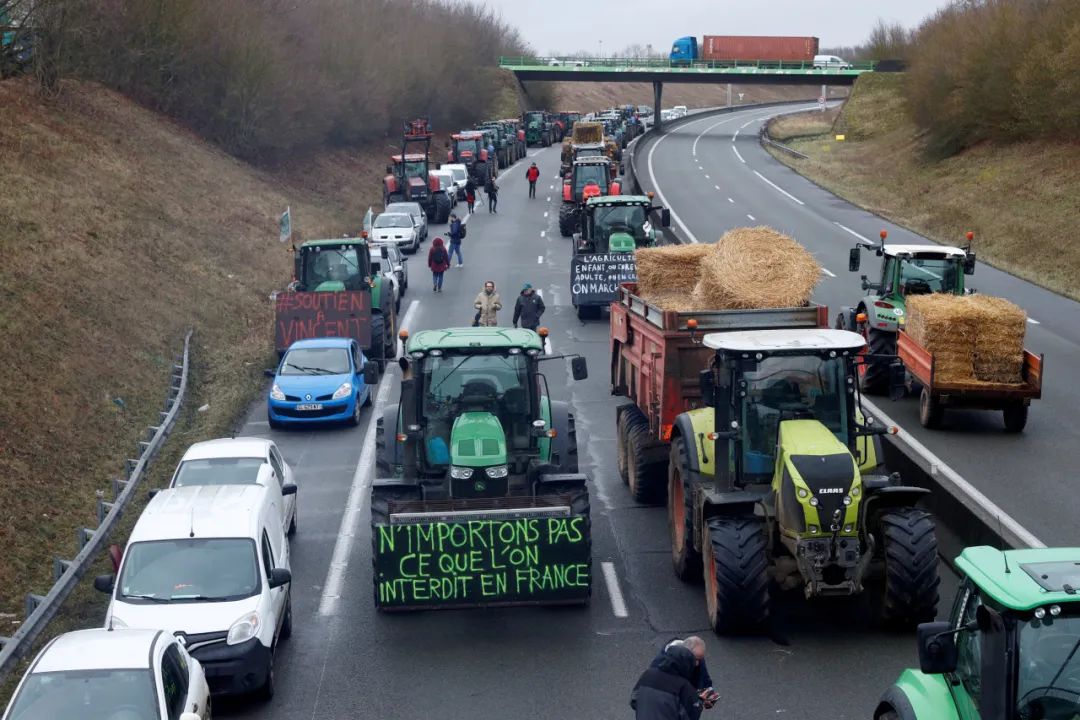
Farmer Pierre inherited more than twenty cows from his parents. When one shows BSE symptoms, he must choose between culling the whole herd or concealing the medical history — a dilemma that echoes French farmers now taking to the streets against EU policies.
The Beijing Organic Farmers’ Market is China’s most mature Participatory Guarantee System (PGS) initiative, but high organisational costs, the care burden on female consumers, and mainstream scale-oriented competition are constantly compromising the ideal of producers and consumers co-negotiating food standards.
The marketing rhetoric of premium supermarkets, the Specialty Coffee Association’s flavour wheel, legislation shaped by lobbying from large agribusinesses—quality is no natural concept, and consumers and smallholder farmers remain ever on the margins of this chain of power.
Early 2024: over thirty thousand farmers drove five thousand tractors into Berlin against scrapping the agricultural diesel tax rebate. The real fury was systemic injustice: after over 170 years of subsidies tethering agriculture to fossil fuels, small farms bore the cost crisis alone while large farms harvested theirs.
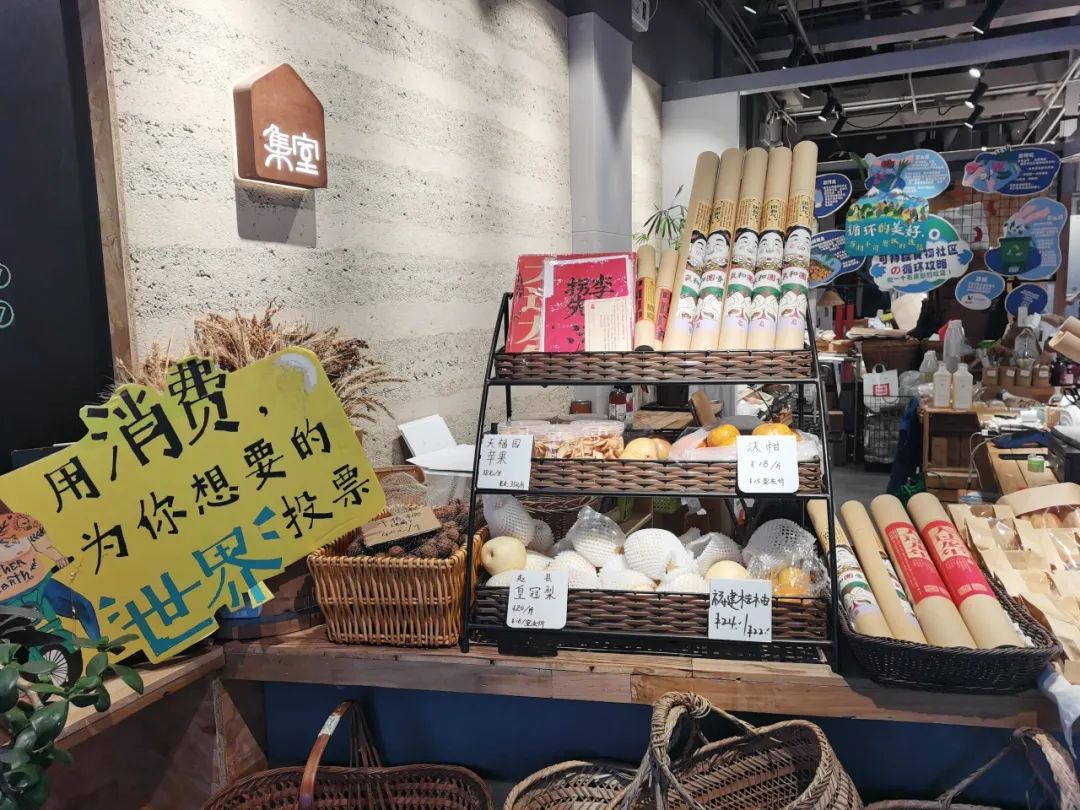
Several new Foodthink colleagues once again occupied Ji Shi before the Spring Festival of the Year of the Dragon to sell vegetables for a day, sharing first-hand experiences — from not being able to recognise wutai cai to reconciling receiving invoices from over twenty farmers.
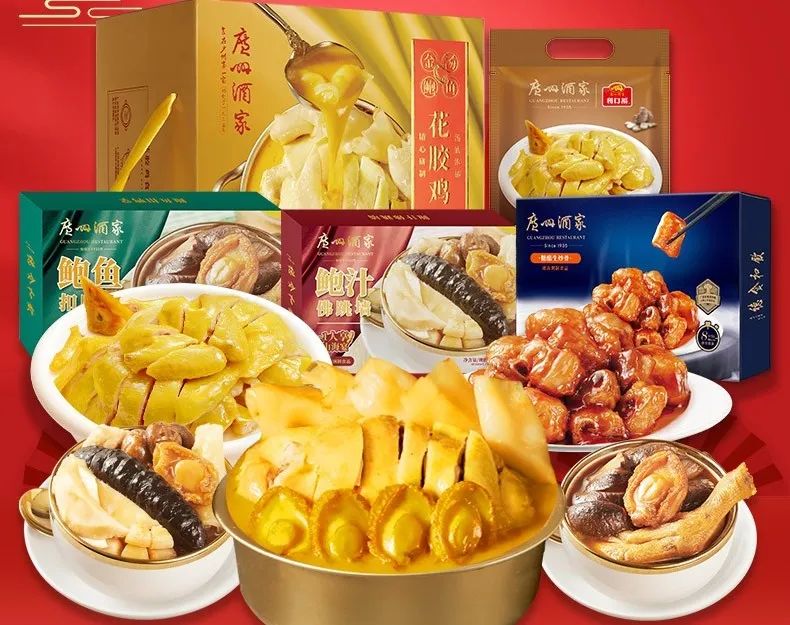
From ready-to-heat dumplings to central kitchen ingredients, pre-made dishes have permeated takeaways, school meals and New Year’s Eve dinners. Five contributors — including an anthropologist, a domestic worker and a sustainability practitioner — shared their views on identification, plastic packaging and the impact on Chinese chefs.
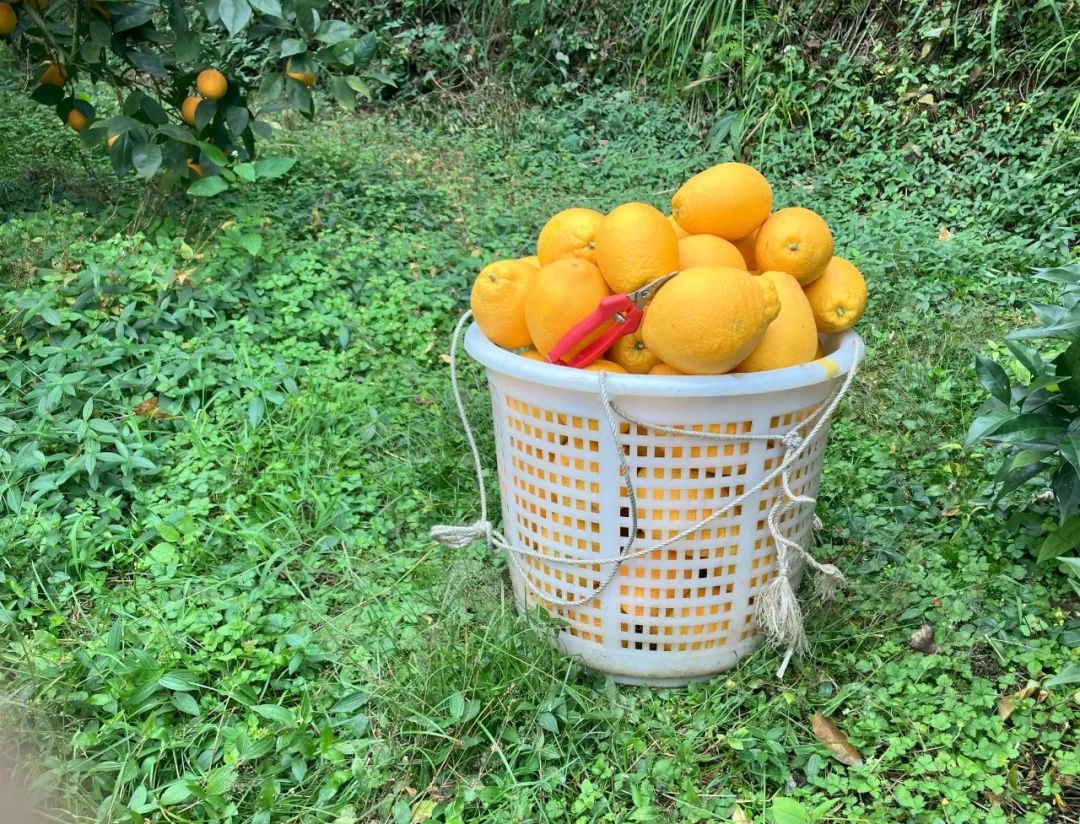
Gannan navel orange output nearly doubled year on year, yet purchase prices plunged from nearly 3 yuan per jin to under 1 yuan. A cold snap forced fruit farmers into a rushed harvest with no sales channels in place, and merchants who had booked orchards broke their contracts.