In Yulin, Chengdu, Xia Lili gathered two plant-shop siblings and Miss Jiang – soon her housemate – as tablemates, pooling produce from farming partners and cooking together instead of daily takeaway. She has been setting this table from the loquat courtyard in Mingyue Village all the way to Yulin’s streetside.
The Beijing Organic Farmers’ Market is China’s most mature Participatory Guarantee System (PGS) initiative, but high organisational costs, the care burden on female consumers, and mainstream scale-oriented competition are constantly compromising the ideal of producers and consumers co-negotiating food standards.
At Ji Shi in Beijing’s Sanyuanqiao, all produce comes from local ecological smallholder farmers—cabbages alone span multiple varieties from different farms, and farmers come in person to recommend how best to enjoy their produce. The Foodthink conversation extends from selling vegetables to efficiency, consumption and gentrification.
Several new Foodthink colleagues once again occupied Ji Shi before the Spring Festival of the Year of the Dragon to sell vegetables for a day, sharing first-hand experiences — from not being able to recognise wutai cai to reconciling receiving invoices from over twenty farmers.
Sanyuanli has become a coffee brand’s check-in exhibition venue. At the Beijing Organic Farmers’ Market, meanwhile, pesticide-free strawberries, king oyster mushrooms with their caps open, and seasonal Chinese chives stand guard over the most solid trust between daily meals and the land.
Sun Shan runs an ecological farm and fermentation kitchen in Ottawa. Eight years of daily vegetable-growing and sauerkraut-making embody Sandor Katz’s vision in The Art of Fermentation: fermentation is not just food preservation, but a way to rebuild connections with microorganisms, the land and the community.
Fermentation is migrating from home kitchens to factory production lines; millennia-old techniques are on the brink of disappearing. Sandor Katz, author of The Art of Fermentation, advocates bringing fermentation back to homes and communities, rebuilding local food economies and communities. Foodthink hosts four Shared Reading discussions in November.
Sun Shan, farming in Canada, turned kale earning rave reviews but selling poorly at the Farmers’ market into Korean-style kimchi, building a fermentation kitchen at Chi Garden Eco Farm. Fermentation touches gut microbiota and memories of home; she shares beginner insights from chilli sauce to fermented pickled vegetables.
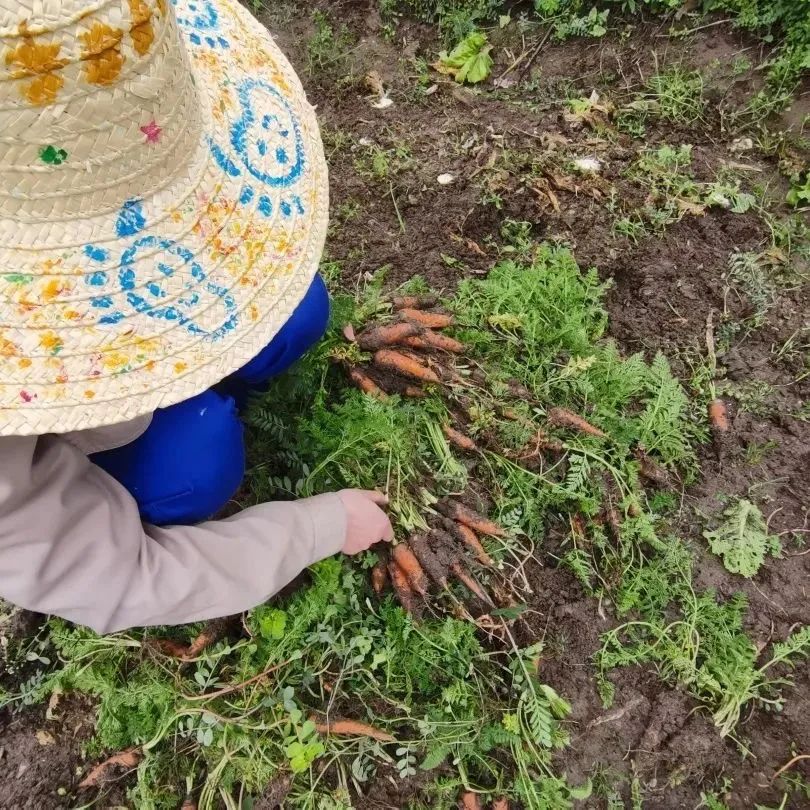
At Letian Bay Farm, consumers rent plots in the countryside not for organic certification or environmental ideals, but for a sense of ease so scarce in the city: seeing how vegetables grow, recognising one’s neighbours, eating cucumbers without peeling.
From 300 mu in Bashang to 9 in Huailai, Baxia: Huang Lifeng and Li Yuxia let Eurasian magpies peck their tomatoes, save 60 per cent of water with drip irrigation, and sell home-grown veg at the Beijing Organic Farmers’ Market at weekends — enough for a family of four.