Barcelona’s Mercat de la Terra replaces organic certification with Participatory Guarantee Systems (PGS), enabling small-scale producers to bypass cumbersome paperwork and fees, sell local seasonal produce through direct trust with consumers, and sustain a community network from farm to table.
The cooperative’s home-brewed green plum wine was targeted by professional counterfeit hunters and its partner fined; building a processing factory far exceeds smallholders’ means. Lawyer Zhang Xueming, anthropologist Zhong Shuru and rural entrepreneur Li Jie each share their views on small-scale operators’ plight under food safety regulations.
Held in Beijing from 18 to 20 August, the workshop recruits 25 media professionals to discuss food system transformation with scholars and practitioners, visit wholesale markets, eco-farms and waste-processing facilities, and offers post-workshop reporting grants alongside the establishment of a Pioneering Food and Agriculture Reporting Award.
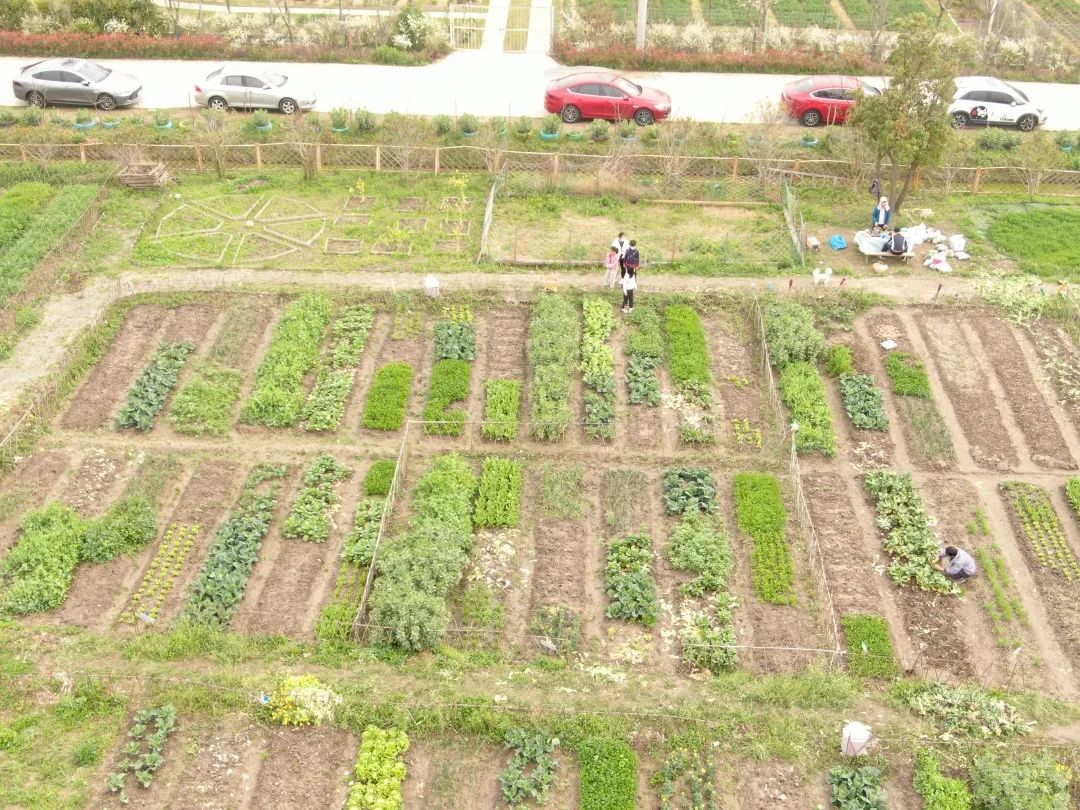
Anthropology student Xiaocui interned three months at Letian Haiwan Farm in Fengxian, Shanghai. From planting tomatoes by hand to questioning why members rent plots, she saw the imagined pastoral and the real labour between city dwellers and the land.
Rural worker Huang Yajun has over a decade’s experience organising a green plum cooperative in Conghua, Guangdong. Against the near-century-old Silk Improvement Society of Fei Dasheng and the Women’s Sericulture School in Kaixiangong Village, he finds technology, capital, villagers’ sense of ownership and sales still the hardest problems.
At Sister Yan Ping’s Hundred-Herb Garden in Guigang, Guangxi, the Wogans went from heavy on every tree to utterly bare. Three months of picking fruit, planting cassava and going to market turned ecological agriculture into blisters on our hands and flea bites on our legs.
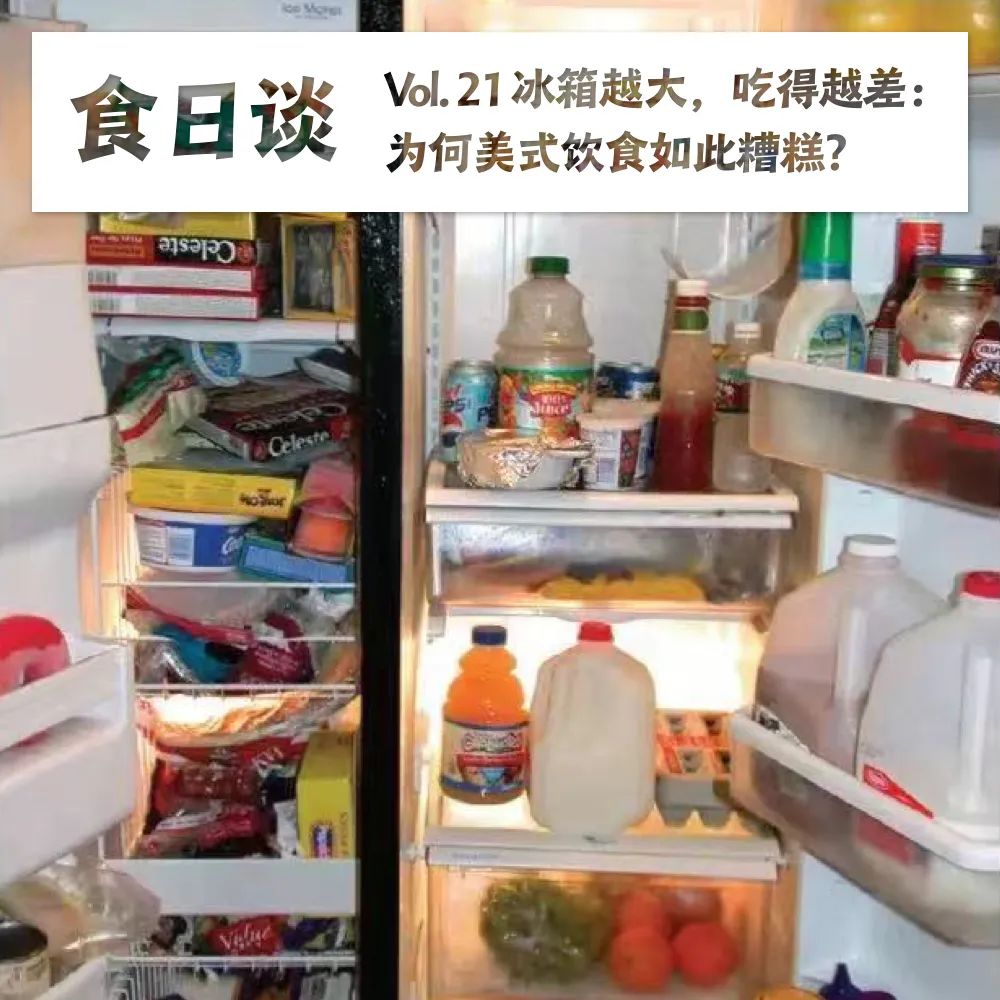
Shu Meng, who holds a PhD in sociology from Cornell University, and three hosts discuss the structural factors behind America’s unhealthy diet – from shopping distances and supersized packaging to comparisons with wet markets – and whether farmers’ markets and small-producer grocery shops can offer another path for dietary transformation.
Founded by young Dutchmen Sam and Martin, the “Happy Vegetables” farm uses standardised seedbeds, paper-pot propagation, a hand seeder, subsurface sprinkler irrigation and no-till to make ecological vegetable growing a nine-to-five job, earning a decent income through community subscriptions.
Jishi, Beijing Organic Farmers Market’s community greengrocer at Fenghuanghui, East Third Ring—ten years sourcing traceable produce from ecological smallholders. After its third renovation, market head Xiaoyun Sheng and designer Kang Zhen discuss balancing ecological ideals with limited budget in CBD, rebuilding ties between people, community and nature.
Mr Yuan Qinghua, director of Letian Haiwan Farm in Fengxian, Shanghai, is handy at everything from repairing vehicles and sawing timber to growing vegetables and answering questions. After months interning there, Xiao Mi saw that an ecological farm needs polymaths, not city-style specialists.