

Xia Lili cooks for her meal companions in Yulin, Chengdu – a bowl of pa pa cai boiled in plain water, no oil, no salt, ten grains cooked into one pot of rice – bringing farmer friends, bodies and the land back to the same table.
Urban food life, consumption behavior, and food culture.
Xia Lili cooks for her meal companions in Yulin, Chengdu – a bowl of pa pa cai boiled in plain water, no oil, no salt, ten grains cooked into one pot of rice – bringing farmer friends, bodies and the land back to the same table.

Li Ruijun, a wild-mushroom researcher, was poisoned by overeating broom blossoms last year. Even the termite mushroom, long thought to grow only on termite nests, has been trialled for cultivation — four people in ecology and natural history chat about the safety, authenticity and nature education of foraged food.

Marking the International Day for Biological Diversity, Foodthink invited four guests – including writer Ban Xia and ecologist Sun Shan – for a dialogue. At Kunming’s Zhuanxin Farmers’ Market, one stall carries 106 varieties of foraged wild greens; matsutake, however, has been listed as endangered.

In Yulin, Chengdu, Xia Lili gathered two plant-shop siblings and Miss Jiang – soon her housemate – as tablemates, pooling produce from farming partners and cooking together instead of daily takeaway. She has been setting this table from the loquat courtyard in Mingyue Village all the way to Yulin’s streetside.

From Jingyang in Shaanxi to Hainan, Harbin and Beijing, four Spring Festival tables each have their own flavour. Small-town dining is quietly drifting towards big-city standards — yet the rice noodles a Shaoyang local scoops into their own basin still hit the mark better than Dianping’s high-rated chains.

The Beijing Organic Farmers’ Market is China’s most mature Participatory Guarantee System (PGS) initiative, but high organisational costs, the care burden on female consumers, and mainstream scale-oriented competition are constantly compromising the ideal of producers and consumers co-negotiating food standards.

At Ji Shi in Beijing’s Sanyuanqiao, all produce comes from local ecological smallholder farmers—cabbages alone span multiple varieties from different farms, and farmers come in person to recommend how best to enjoy their produce. The Foodthink conversation extends from selling vegetables to efficiency, consumption and gentrification.

Several new Foodthink colleagues once again occupied Ji Shi before the Spring Festival of the Year of the Dragon to sell vegetables for a day, sharing first-hand experiences — from not being able to recognise wutai cai to reconciling receiving invoices from over twenty farmers.
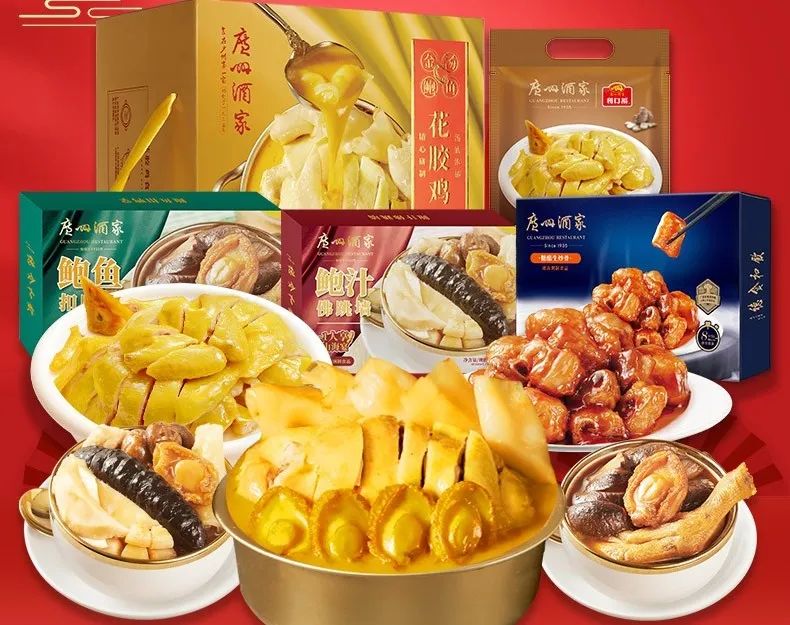
From ready-to-heat dumplings to central kitchen ingredients, pre-made dishes have permeated takeaways, school meals and New Year’s Eve dinners. Five contributors — including an anthropologist, a domestic worker and a sustainability practitioner — shared their views on identification, plastic packaging and the impact on Chinese chefs.

Sanyuanli has become a coffee brand’s check-in exhibition venue. At the Beijing Organic Farmers’ Market, meanwhile, pesticide-free strawberries, king oyster mushrooms with their caps open, and seasonal Chinese chives stand guard over the most solid trust between daily meals and the land.