On World Book Day, Foodthink brings together recommendations from its editors, authors and fellow travellers in the field — over ten books that, unbidden, converge on the most fundamental connection between people and food, land and the natural environment.
One-pot fried rice, claypot rice, pressure-cooker meals done in fifteen minutes, weekend braised meat portioned out for the week, workplace canteens, community canteens, little neighbourhood eateries, wet markets… Skip takeaway, and working people actually have plenty of ways to eat.
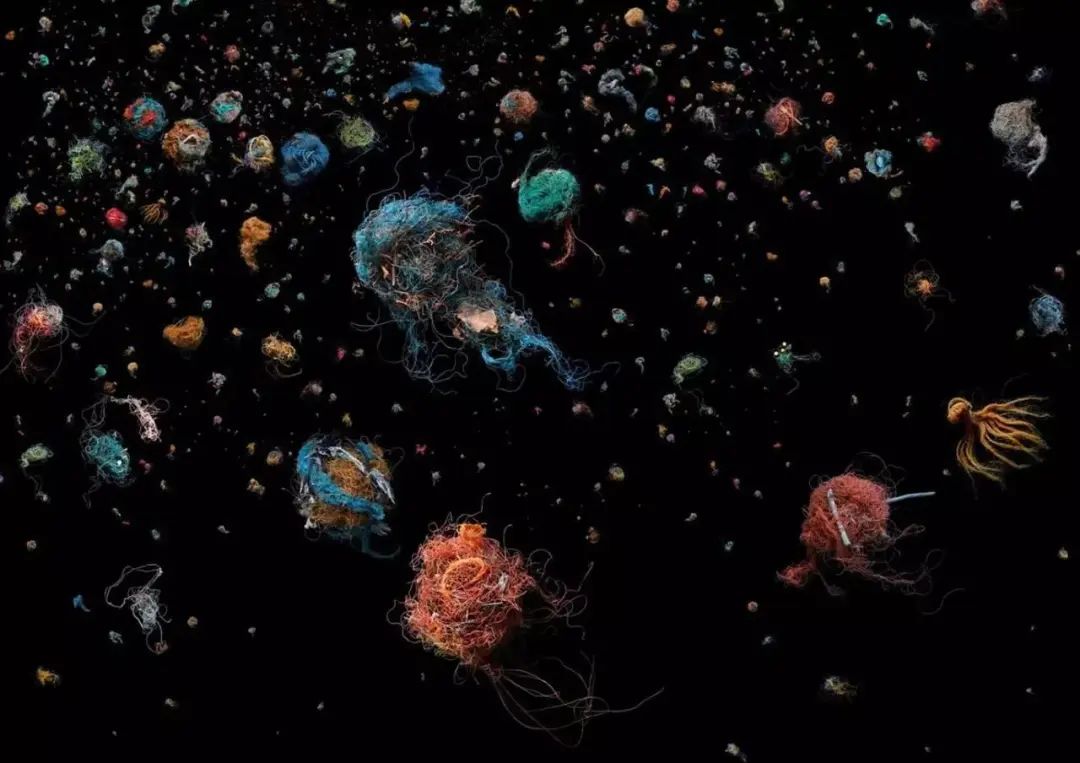
Microplastics, plasticisers and Bisphenol A lurk in shower curtains, takeaway containers, cling film and laundry capsules. While total avoidance is impossible, reading resin identification codes and cutting back on single-use packaging can keep everyday exposure within a lower-risk range.
Eight years after moving from Xiji, Ningxia to Shenzhen, Ma Lan, a Hui girl, has almost no halal options beyond Lanzhou lamian restaurants. Cooking and eating alone, all she really wants is a dining companion to share meals with.
China’s registered dietitian system has no ethical guidelines on commercial endorsements, so taking ads easily becomes a purely financial choice. US Registered Dietitian (RD) Zheng Luyue interviewed peers; the traffic-integrity trade-off varies individually. Consumers can spot pseudo-science communication by identifying conflicts of interest and questioning data sources.
The National Health Commission has launched a three-year “Weight Management Year” initiative, yet modern obesity is a systemic issue shaped by food industry, takeaway and pseudo-health foods. Foodthink charts a scientific path from dietary structure through processed-food traps to natural dietary principles, beyond ‘dieting equals weight loss’ mindset.
Work vibe so heavy you can’t stomach a takeaway box; sweet soup 3–5 yuan dearer than dine-in; a rider’s hand slashed in the snow. Dozens of readers wrote down specific moments of pushing back against takeaway – from ready meals to plastic packaging, all pointing to a proper meal.
A cup of Americano squeezed to six yuan, a meat pancake to ten — traffic has become the platform’s weapon to force shops into loss-making price concessions. Pinhaofan’s cheapness is no technological innovation, but a cost borne jointly by shop owners and riders.
In 2023, The Examination and The Washington Post found that several US Registered Dietitians took money from beverage and sugar industry associations to endorse products while hiding sponsorship — and that the American Beverage Association is itself a principal sponsor of the Academy of Nutrition and Dietetics (AND).
Renting an Airbnb in Sydney to ring in the New Year, a family found avian influenza pushing eggs to nearly four yuan each, Chinese noodles at eighty a bowl, and coffee nearly doubled. Only back in China did she realise how precious that home-cooked bowl was.